Cognitive Development Numbers Worksheets for Ages 3-8 - Page 2
37 filtered results
-
From - To
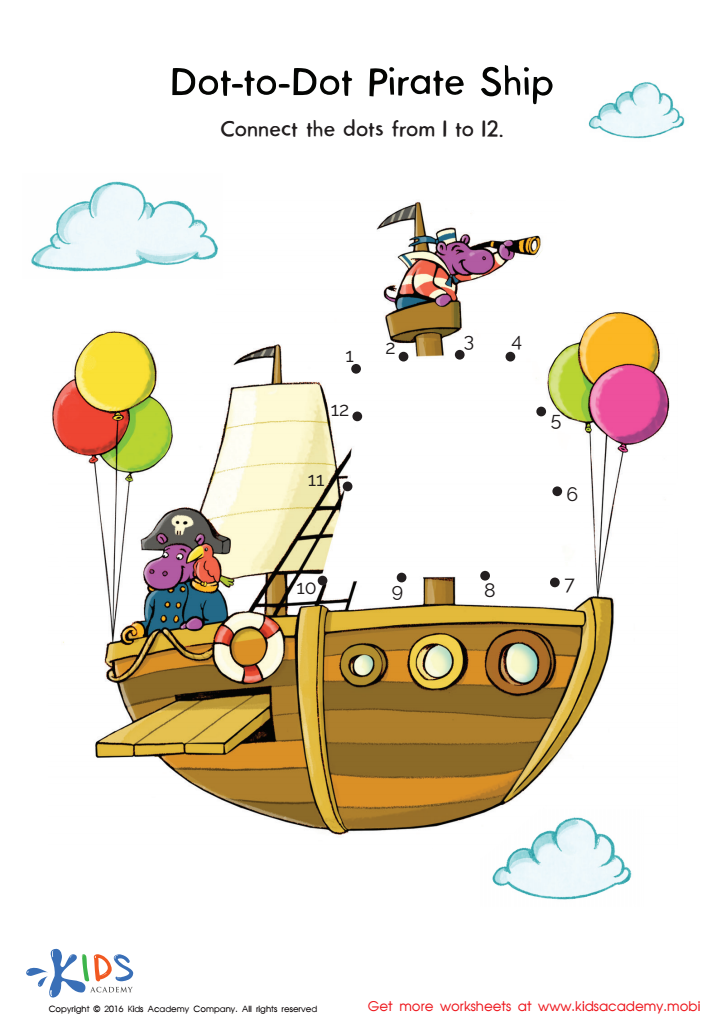
Pirate Ship Connect Dots Worksheet
 Assign to My Students
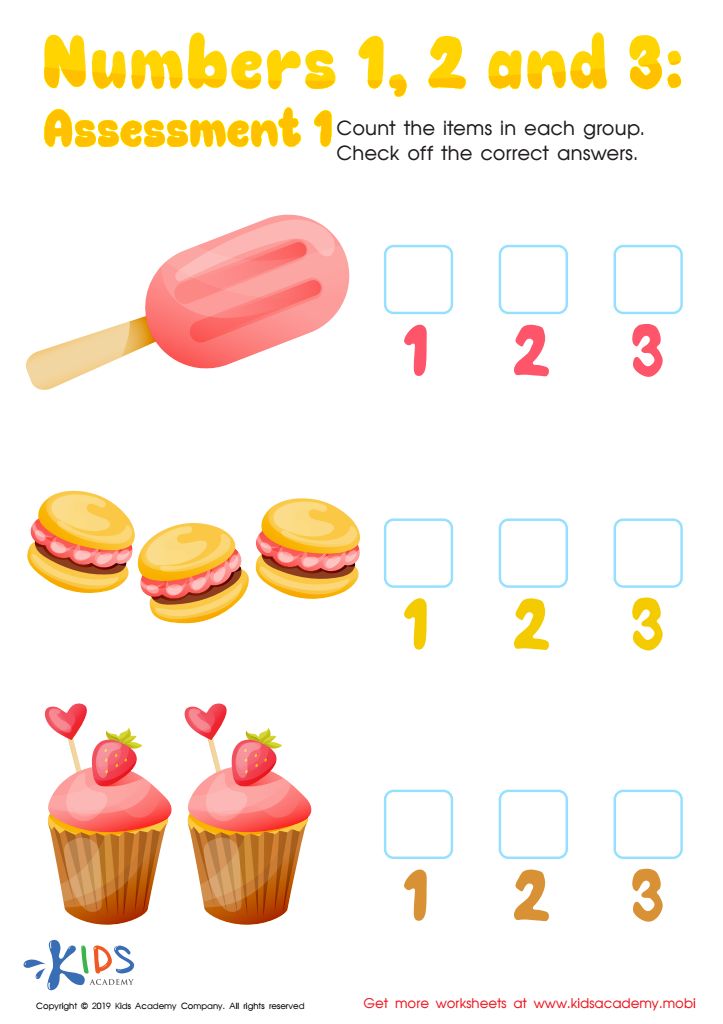
Numbers 1, 2 and 3: Assessment 1 Worksheet
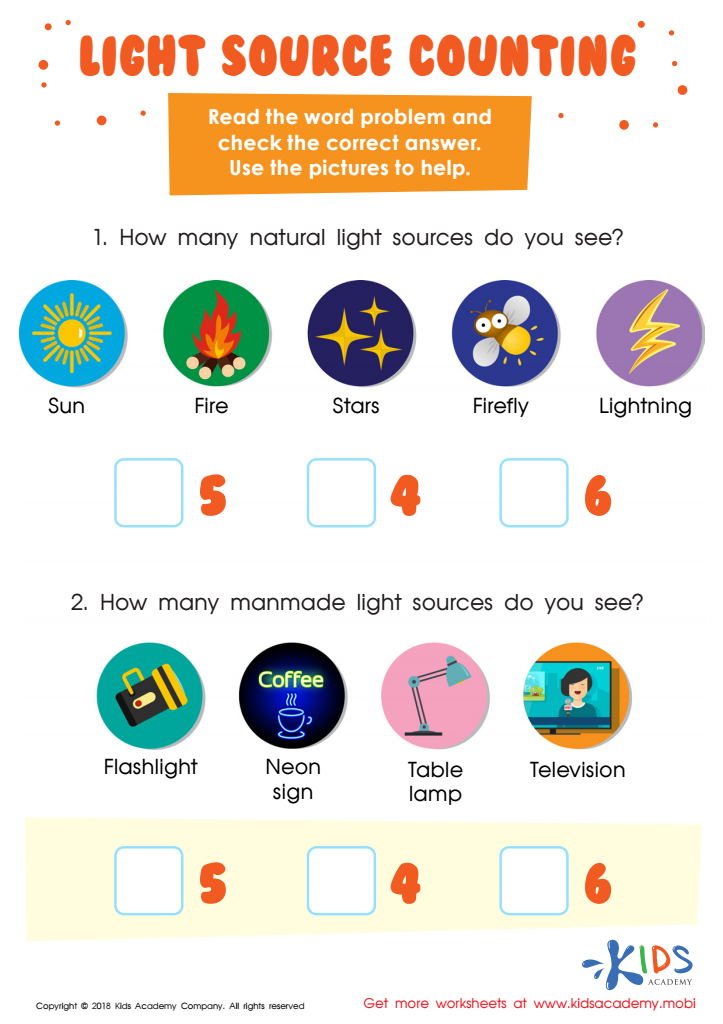
Light Source Counting Worksheet
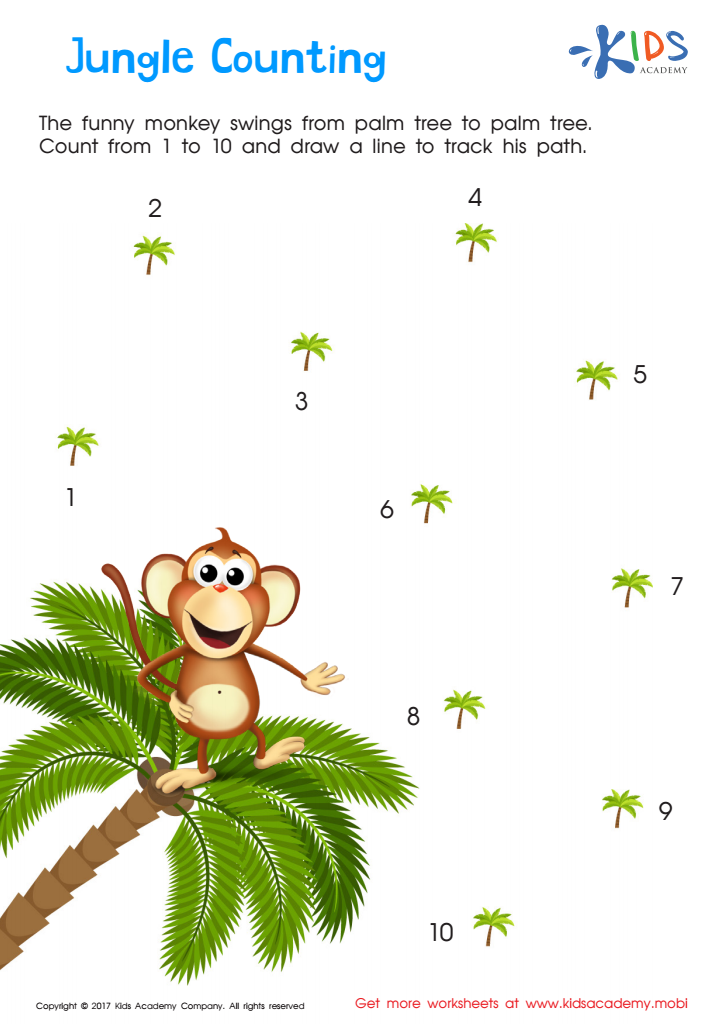
Jungle Counting Connect Dots Worksheet
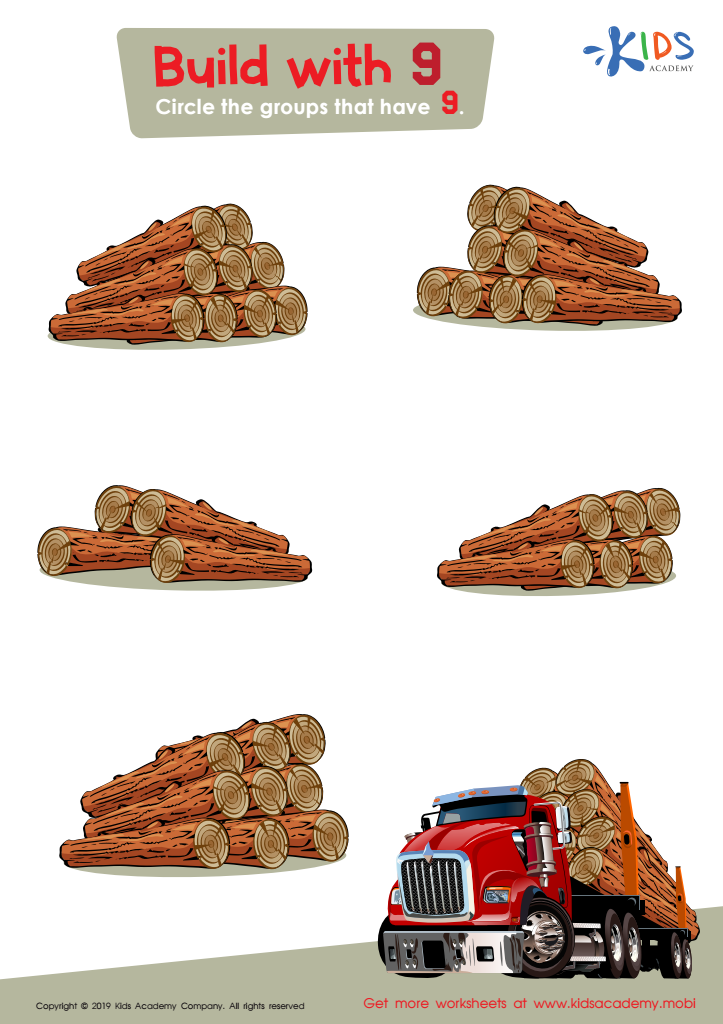
Build with 9 Worksheet
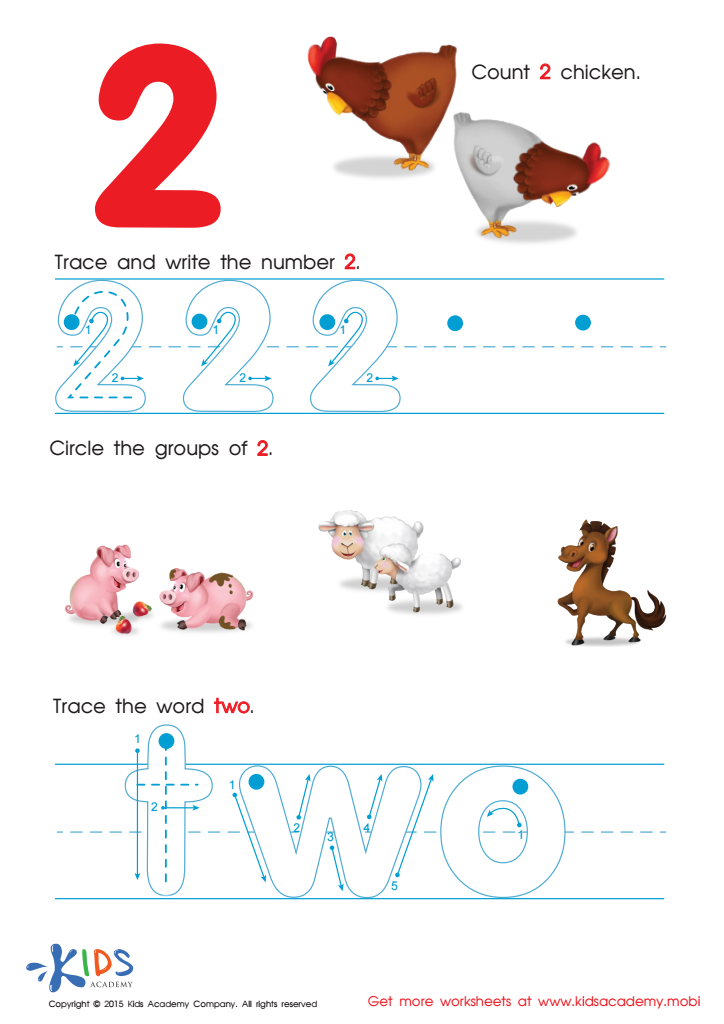
Learn to Write the Number 2 Worksheet
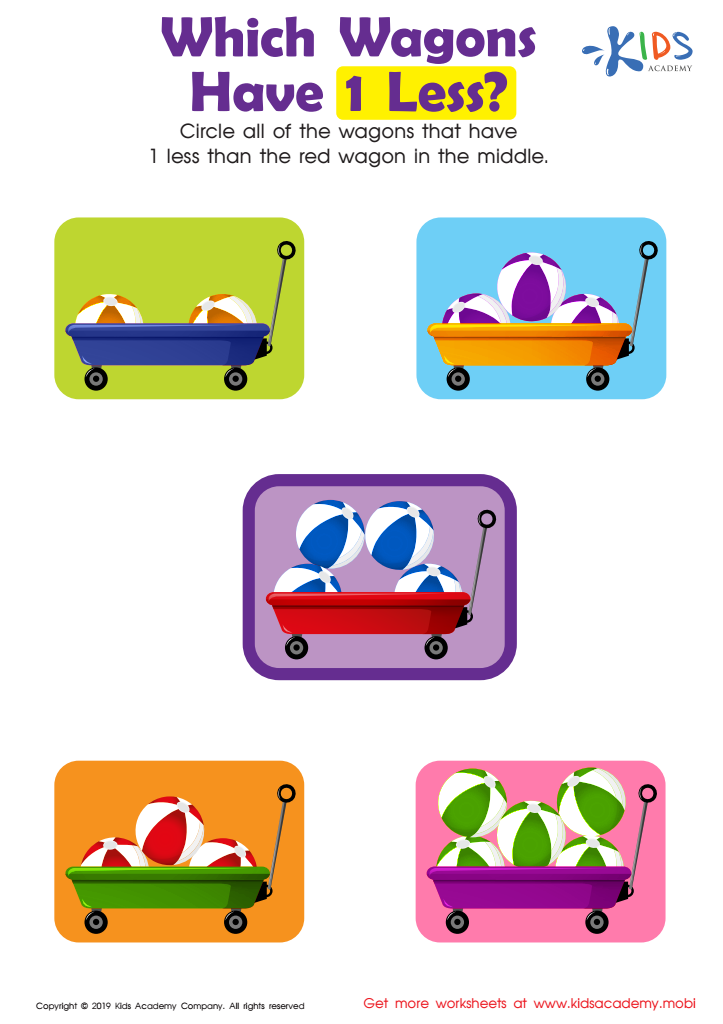
Which Wagons Have 1 Less? Worksheet
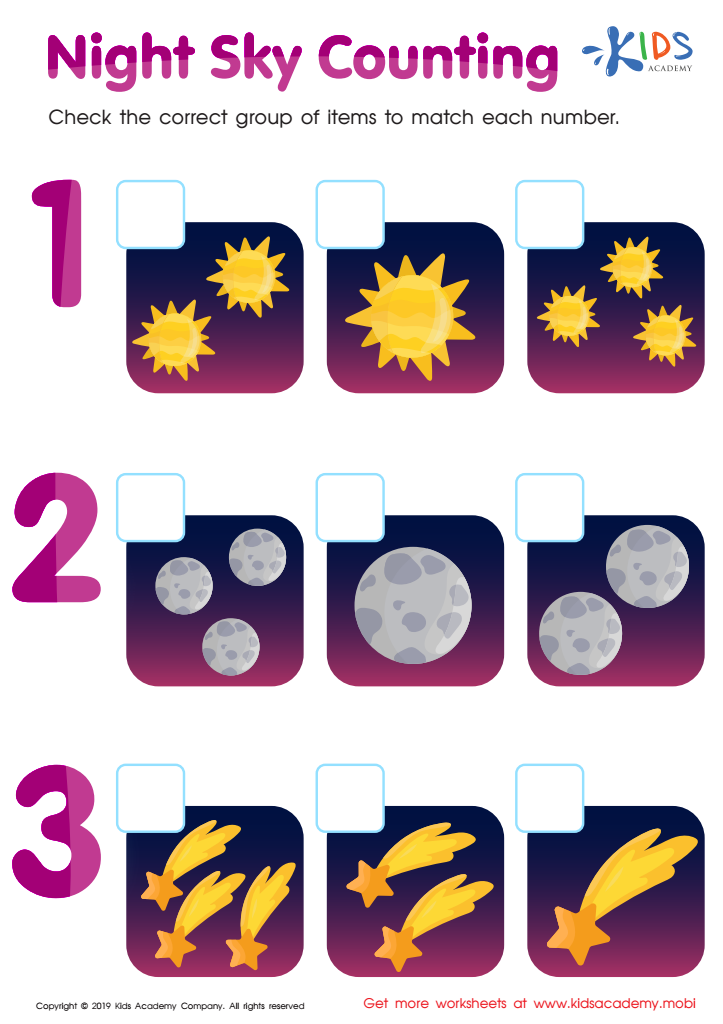
Night Sky Counting Worksheet
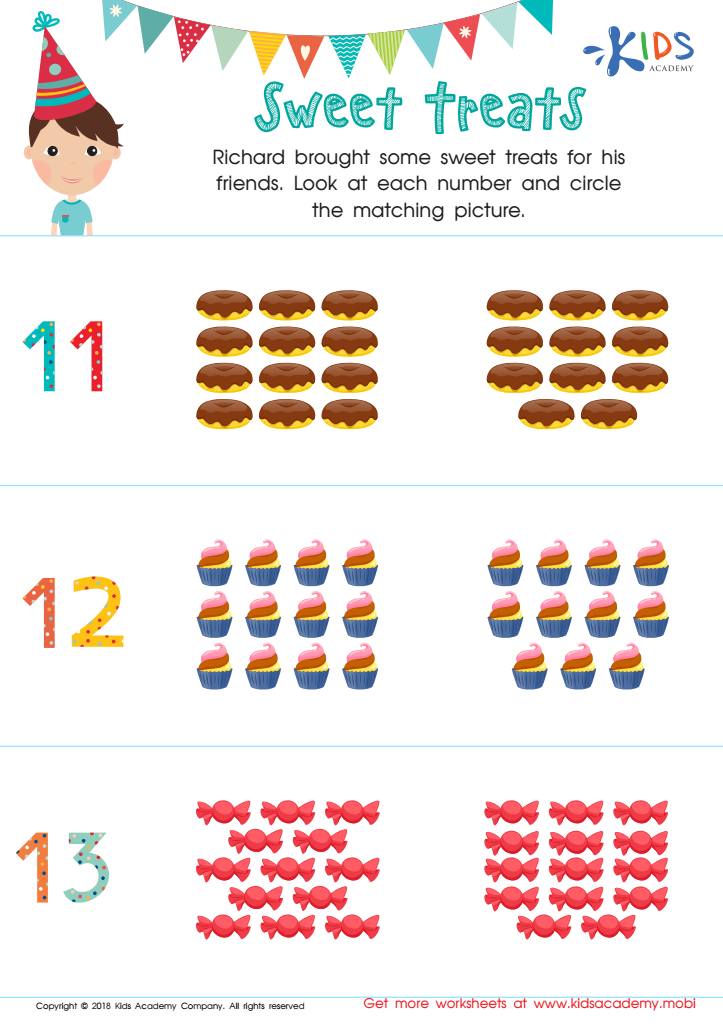
Kindergarten Math Worksheet Matching Numbers
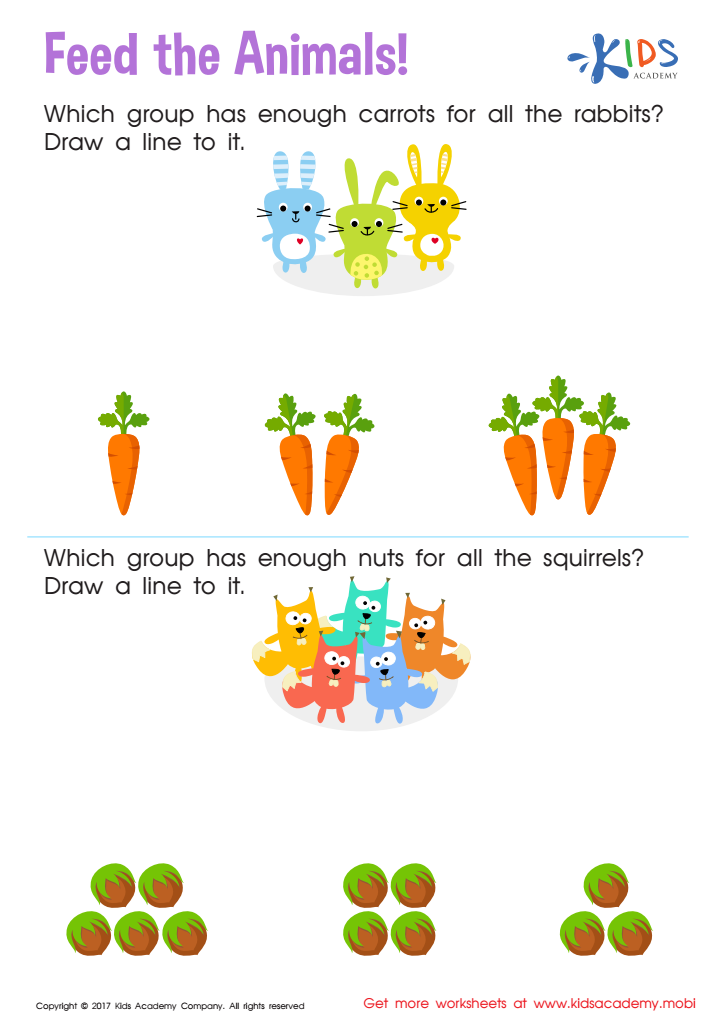
Count and Match: Feed the Animals Worksheet
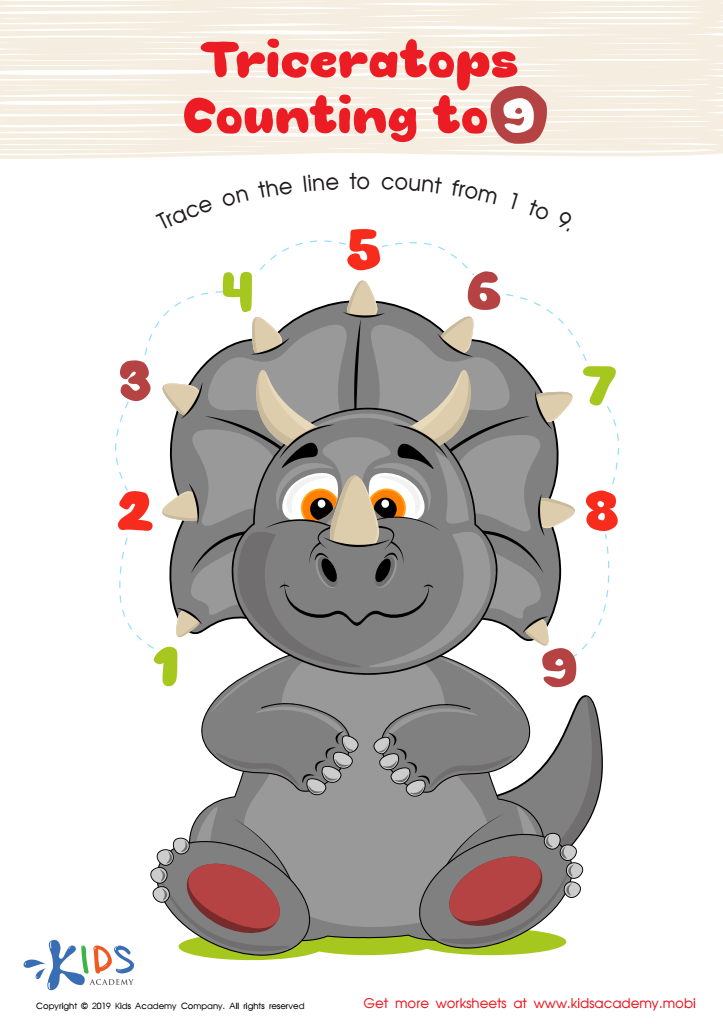
Triceratops Counting to 9 Worksheet
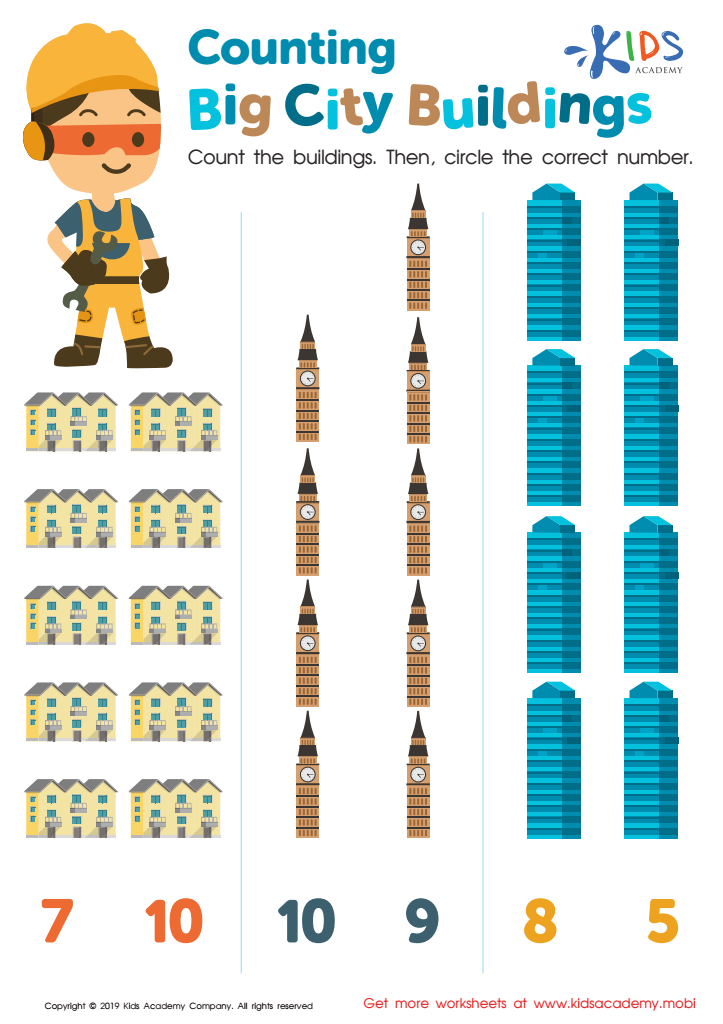
Counting Big City Buildings Worksheet

Night Sky Numbers Worksheet







Caring about cognitive development in recognizing and understanding numbers for ages 3-8 is vital for both parents and teachers, as this period is foundational for establishing future academic and problem-solving skills. During these early years, children's brains are incredibly receptive, making it a prime time to foster essential numerical and cognitive abilities. Developing number sense at a young age improves not only mathematical proficiency but also enhances critical thinking and reasoning abilities.
When children grasp basic numeric concepts—such as counting, number recognition, and basic arithmetic—they build a toolkit essential for tackling more complex mathematical ideas later on. This early exposure helps bridge the gap to formal schooling, making transitions smoother and reducing math-related anxiety. For parents and teachers, facilitating a love and curiosity for numbers can lead to higher academic outcomes and a lifelong interest in learning.
Moreover, understanding numbers enhances children’s life skills, such as logical thinking, pattern recognition, and spatial awareness. Engaging activities like counting games, simple puzzles, or interactive apps make learning numbers fun, promoting a positive emotional association with math. Therefore, prioritizing cognitive development in numbers equips children with the confidence and ability to succeed in various life aspects, from academic pursuits to everyday tasks.








