Counting practice Numbers Worksheets for Ages 3-8 - Page 2
44 filtered results
-
From - To
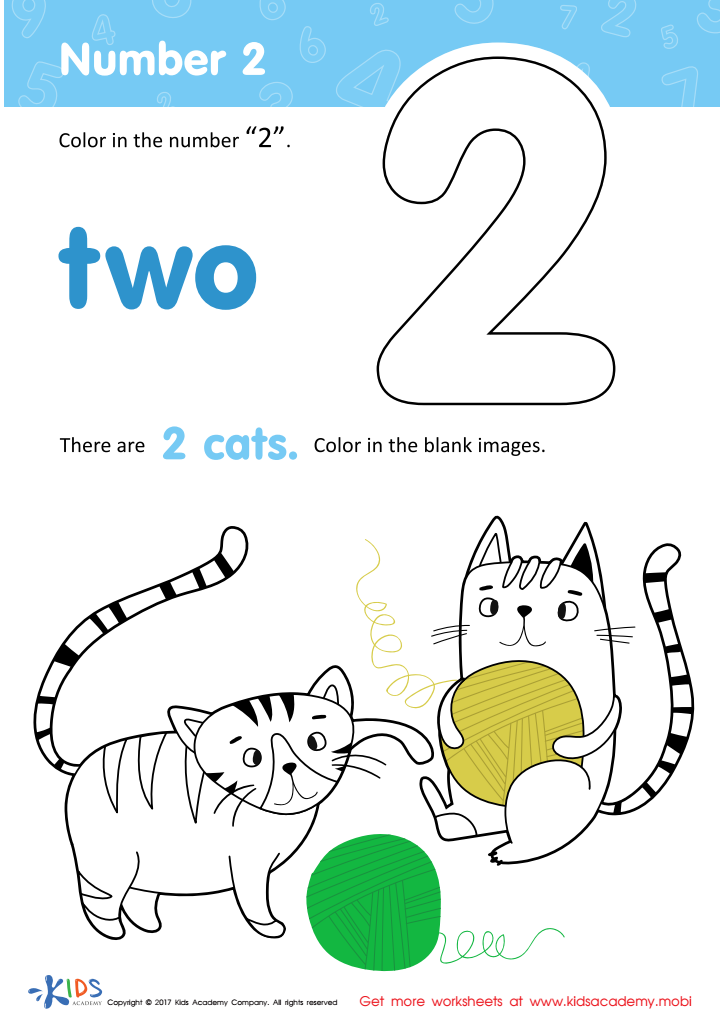
Number 2 Printable
 Assign to My Students
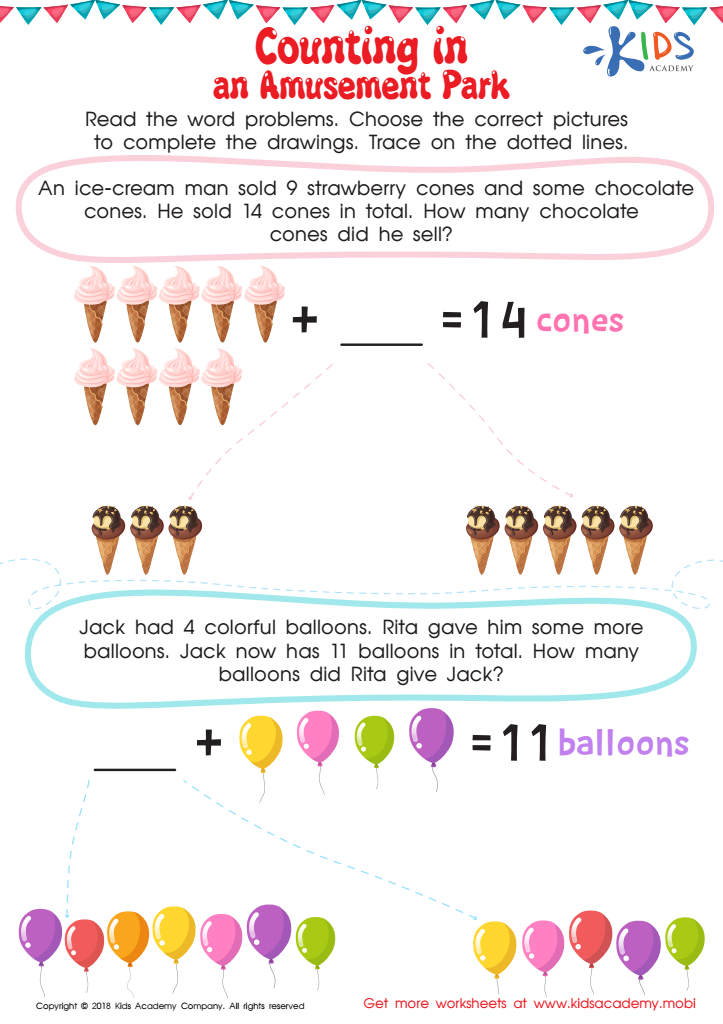
Counting in an Amusement Park Worksheet
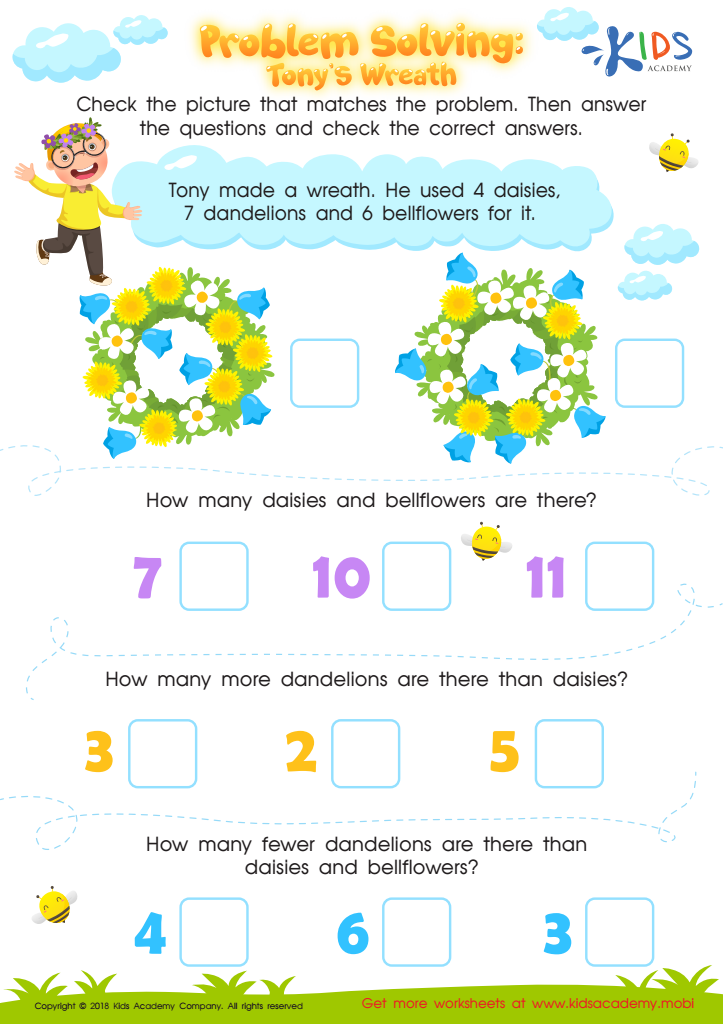
Problem Solving: Tony's Wreath Worksheet
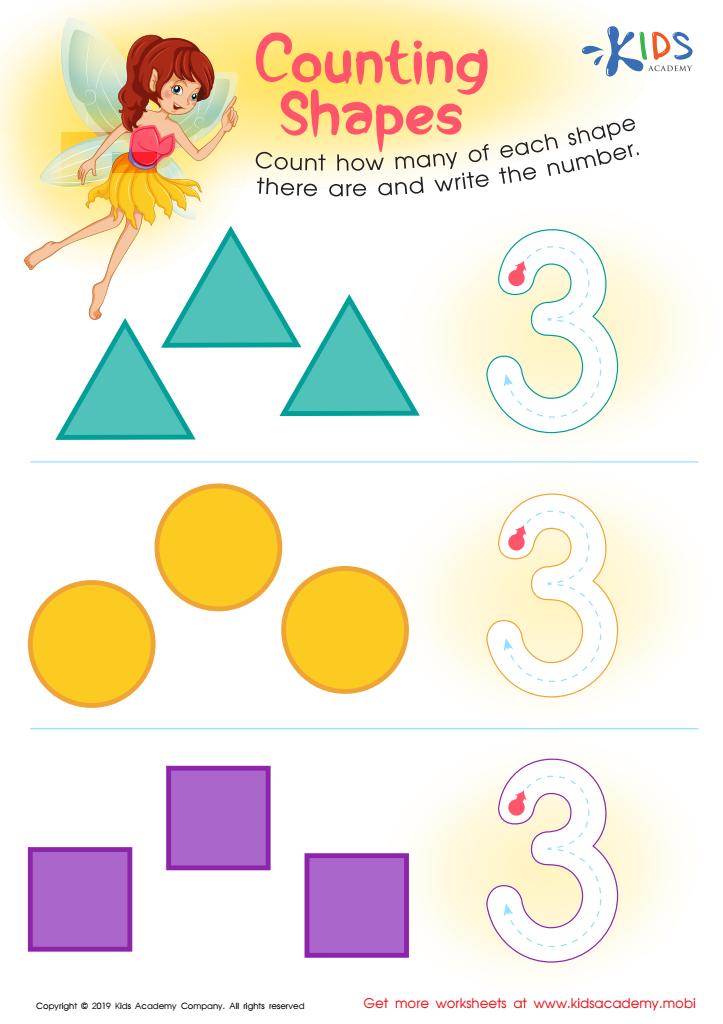
Counting Shapes Worksheet
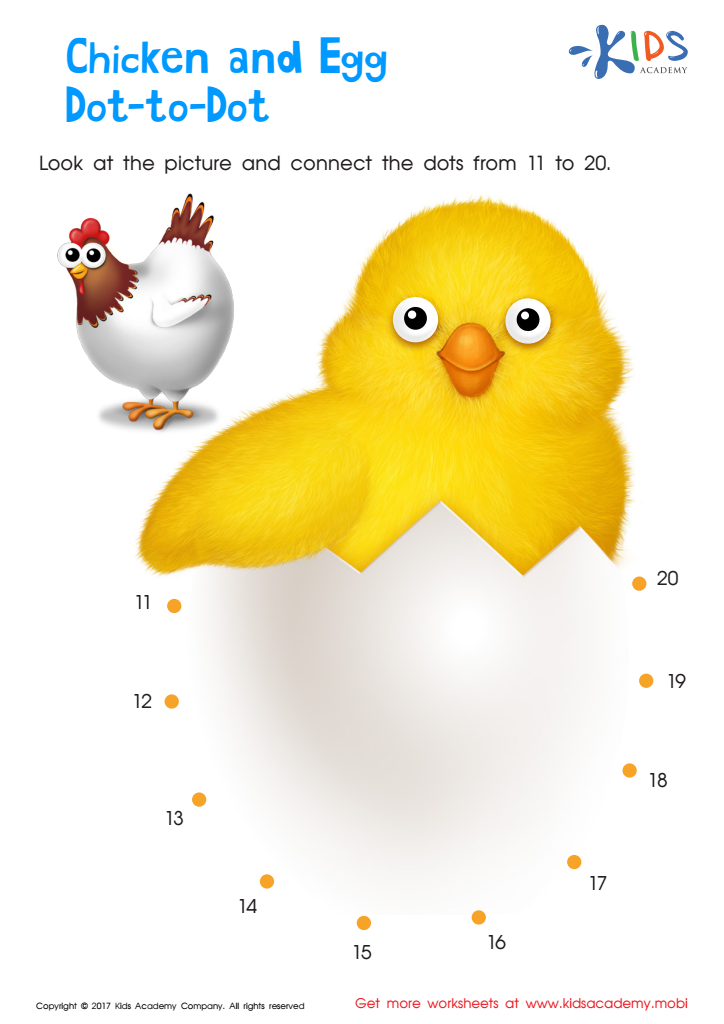
Ordering 11–20: Chicken & Egg Dot–to–dot Worksheet
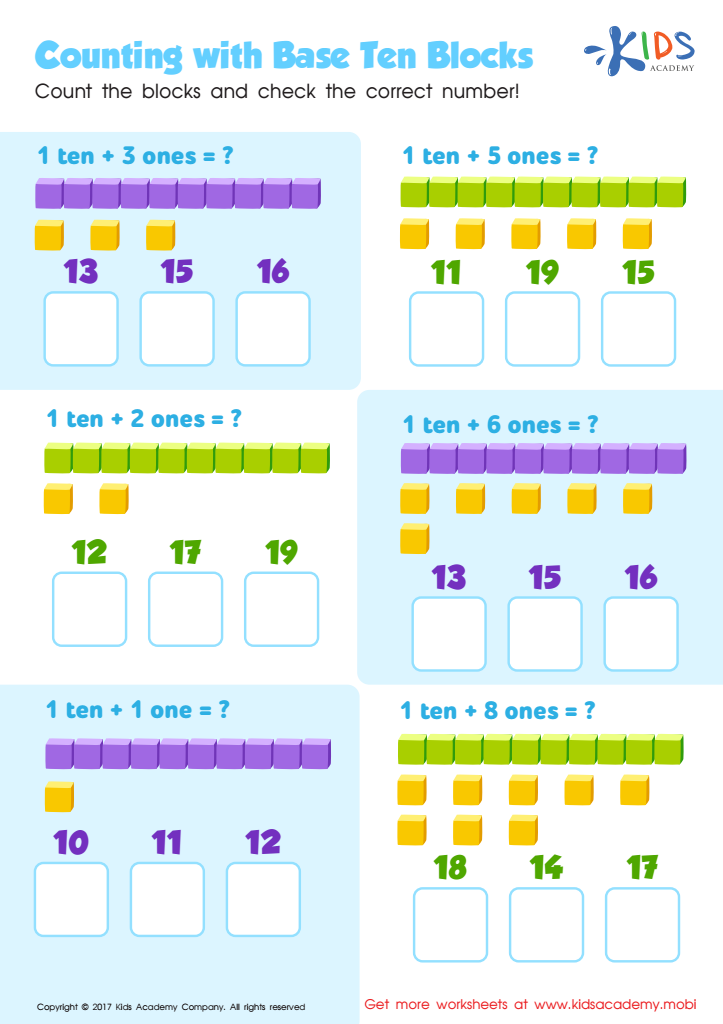
Counting with Base Ten Blocks Worksheet
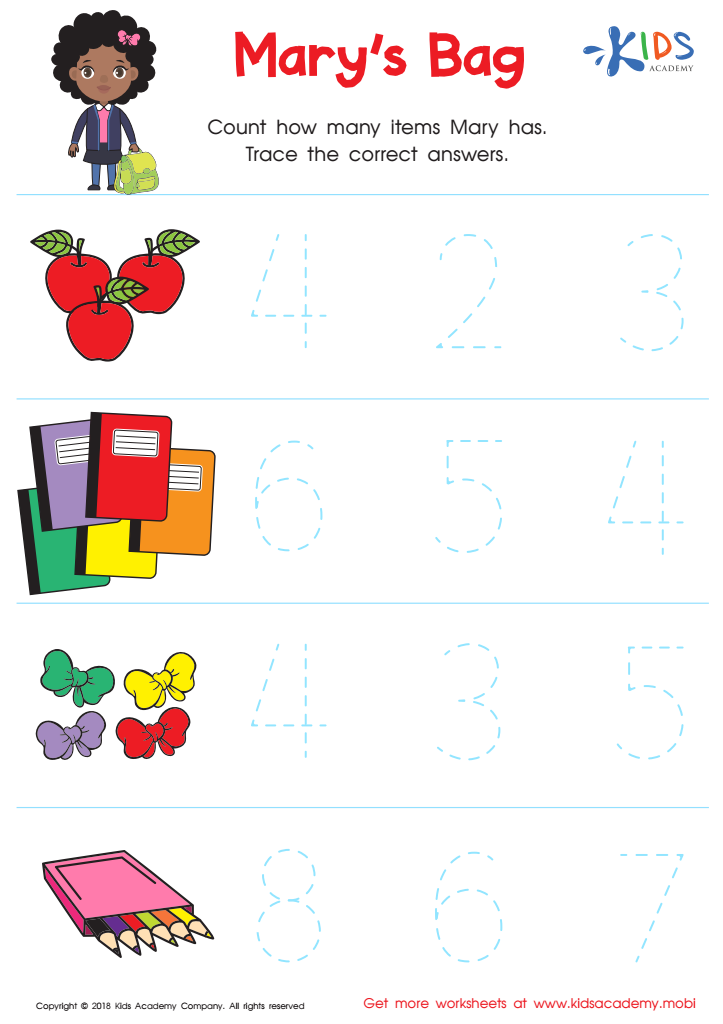
Kindergarten Number Tracing: Mary's Bag Worksheet
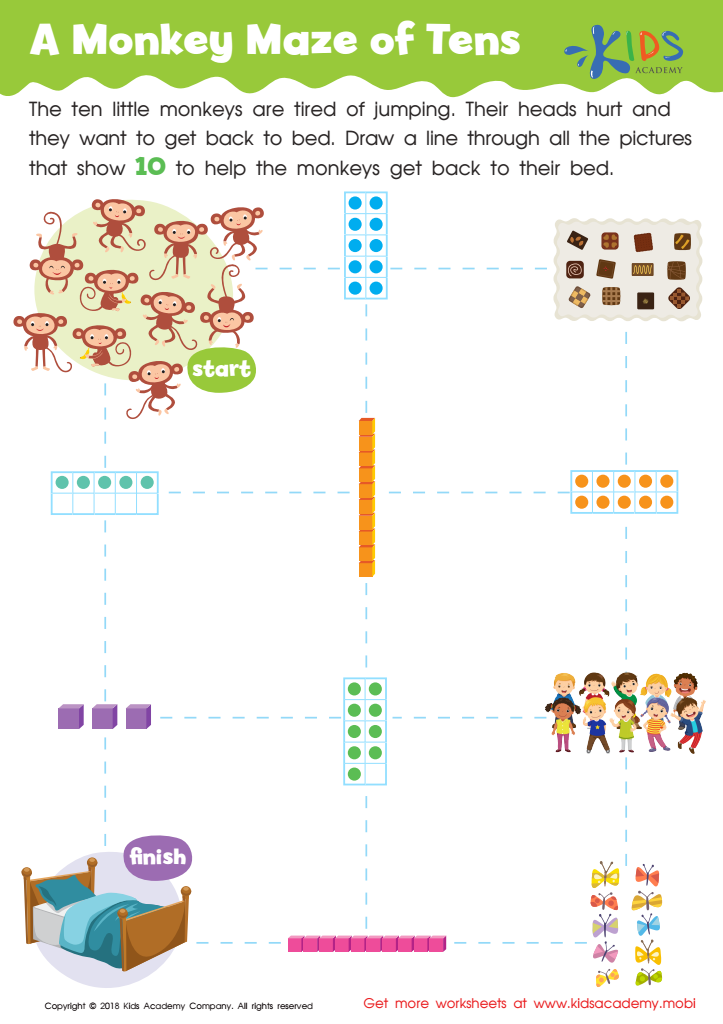
A Monkey Maze of Tens Worksheet
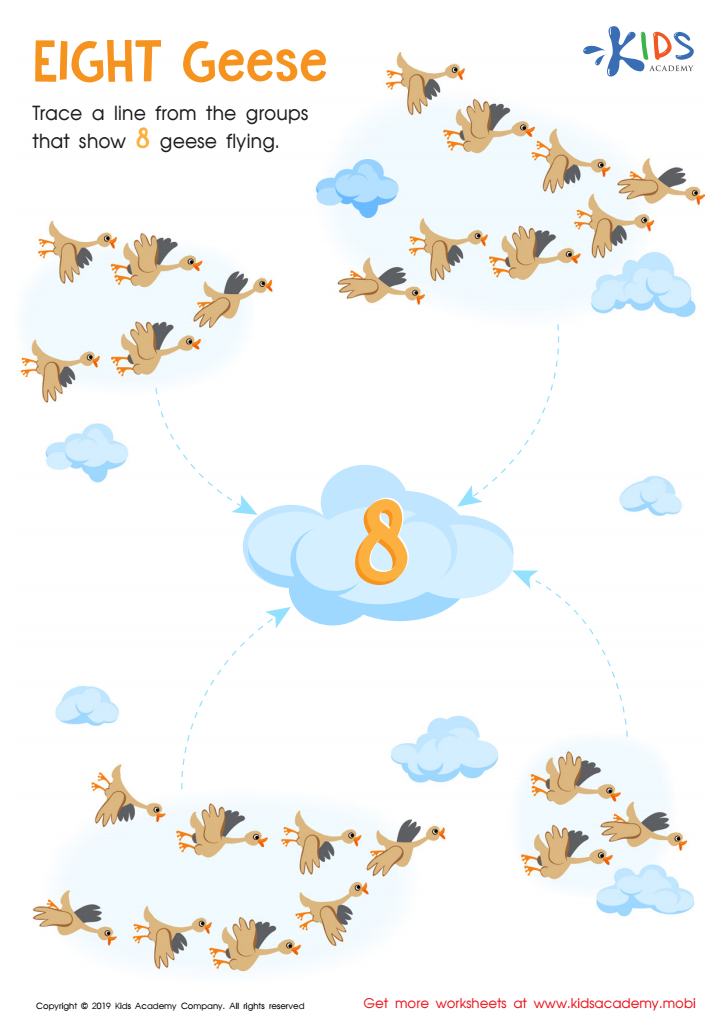
Eight Geese Worksheet
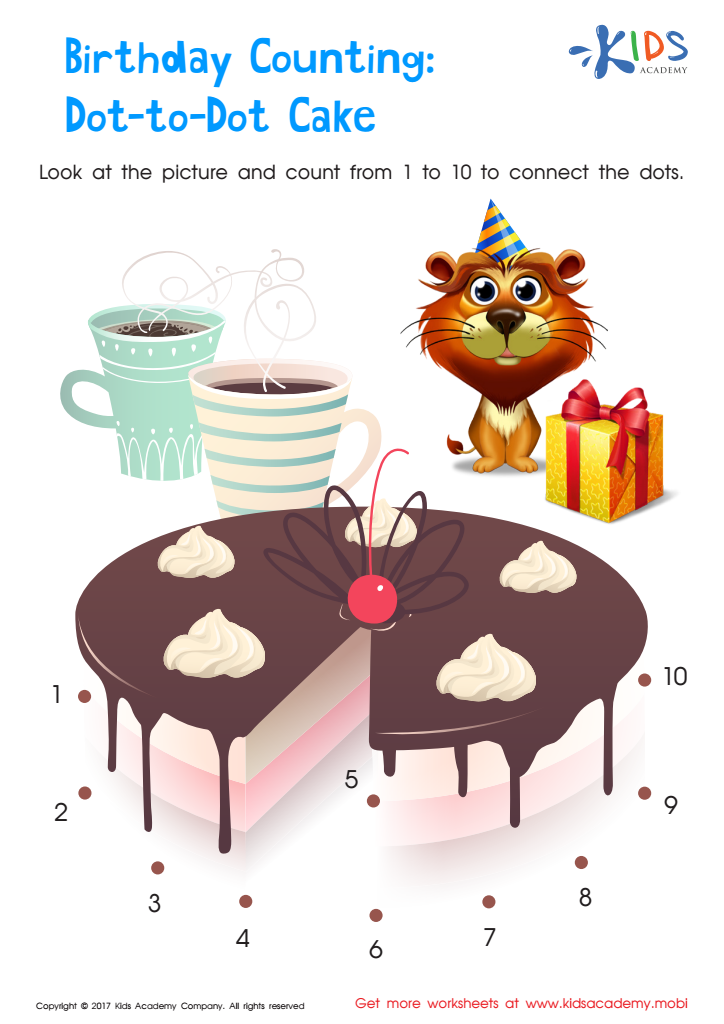
Birthday Counting Connect Dots Worksheet
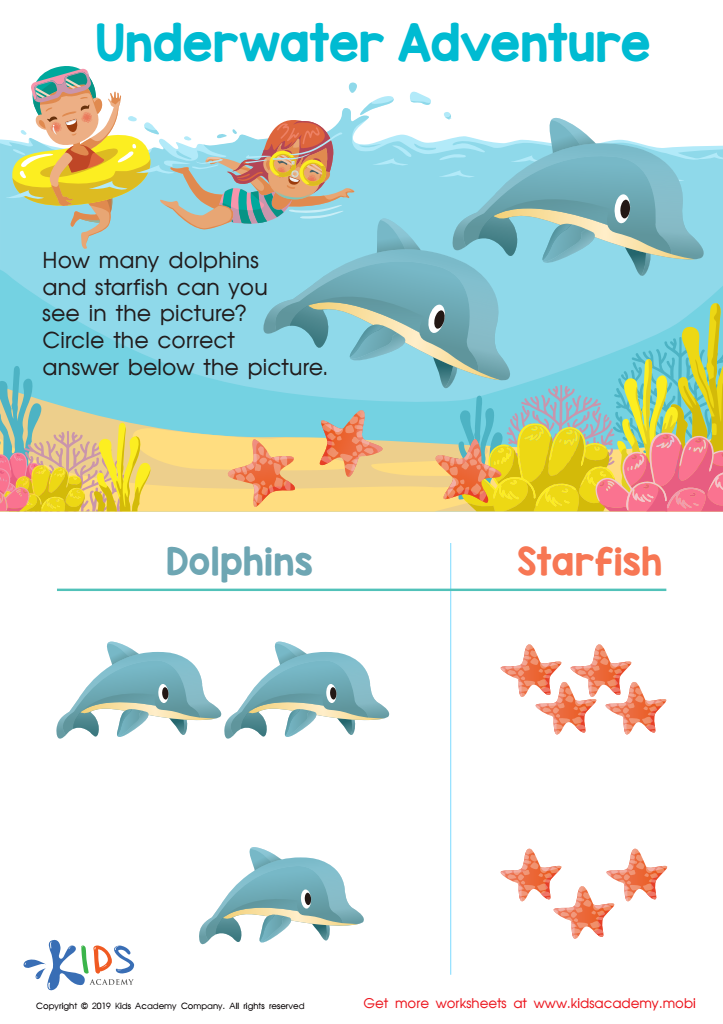
Underwater Adventure Worksheet
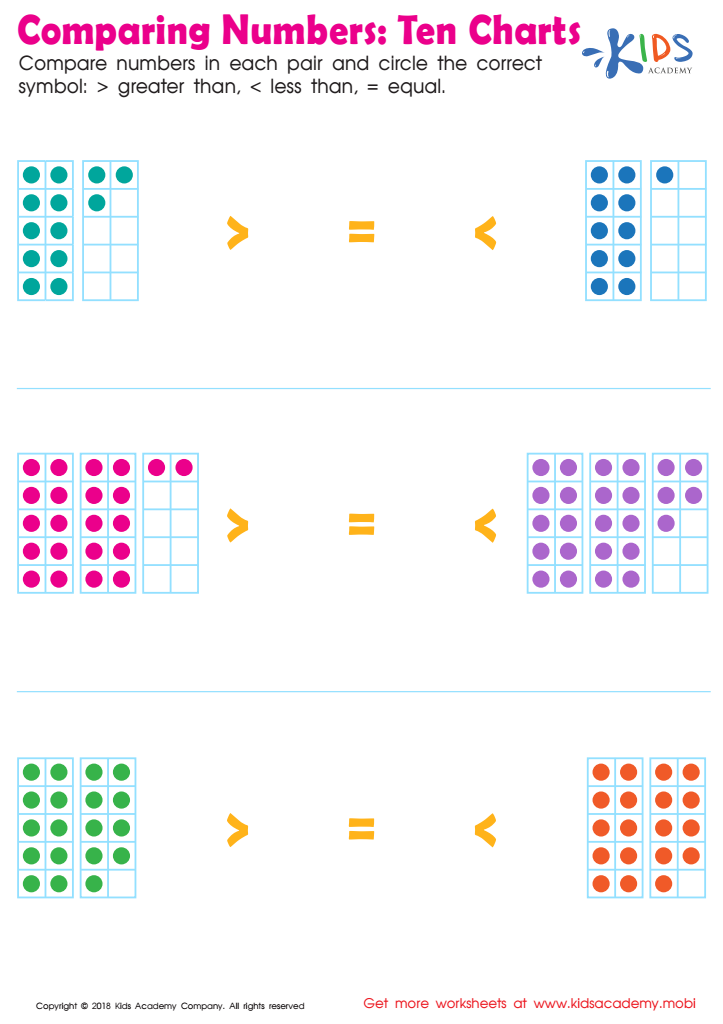
Ten Charts Worksheet
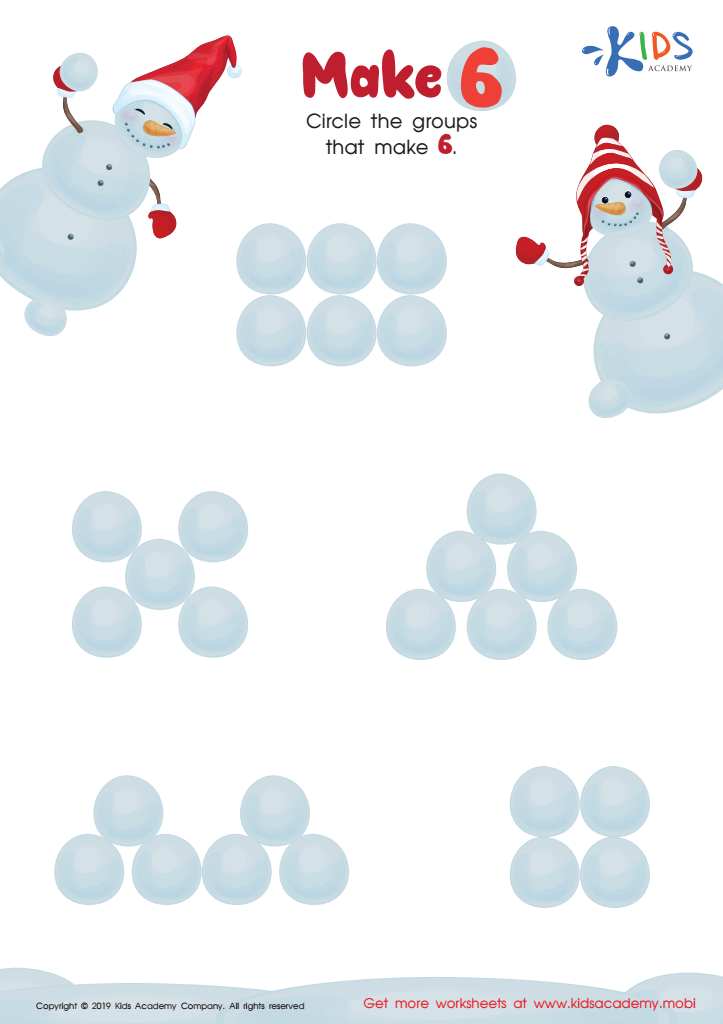
Make 6 Worksheet
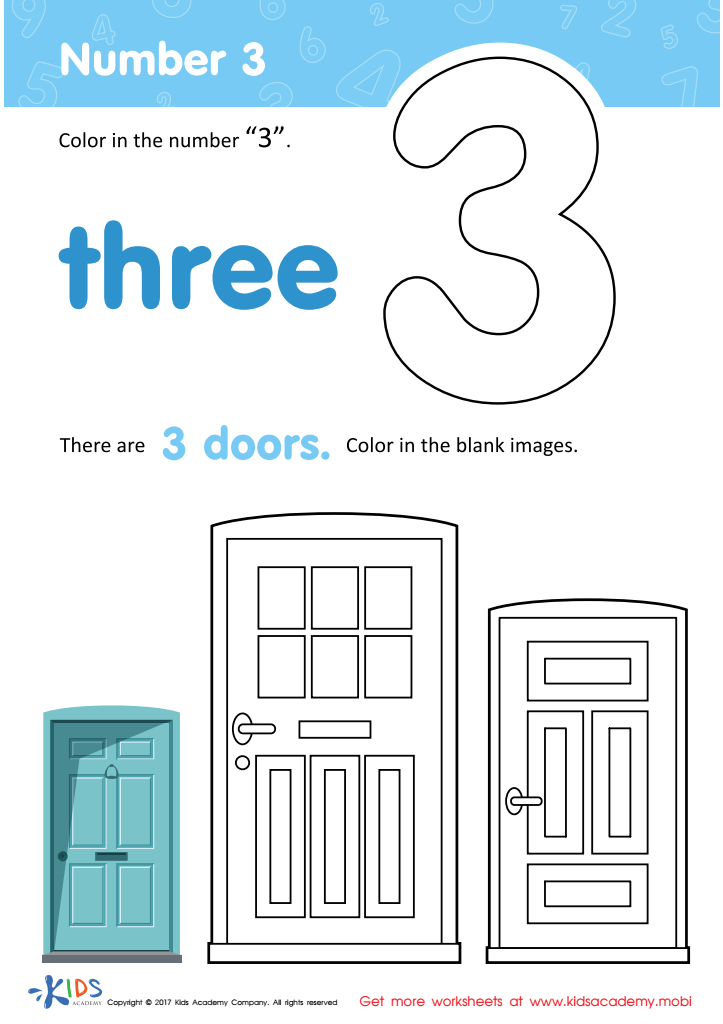
Number 3 Worksheet
Assign to My Students
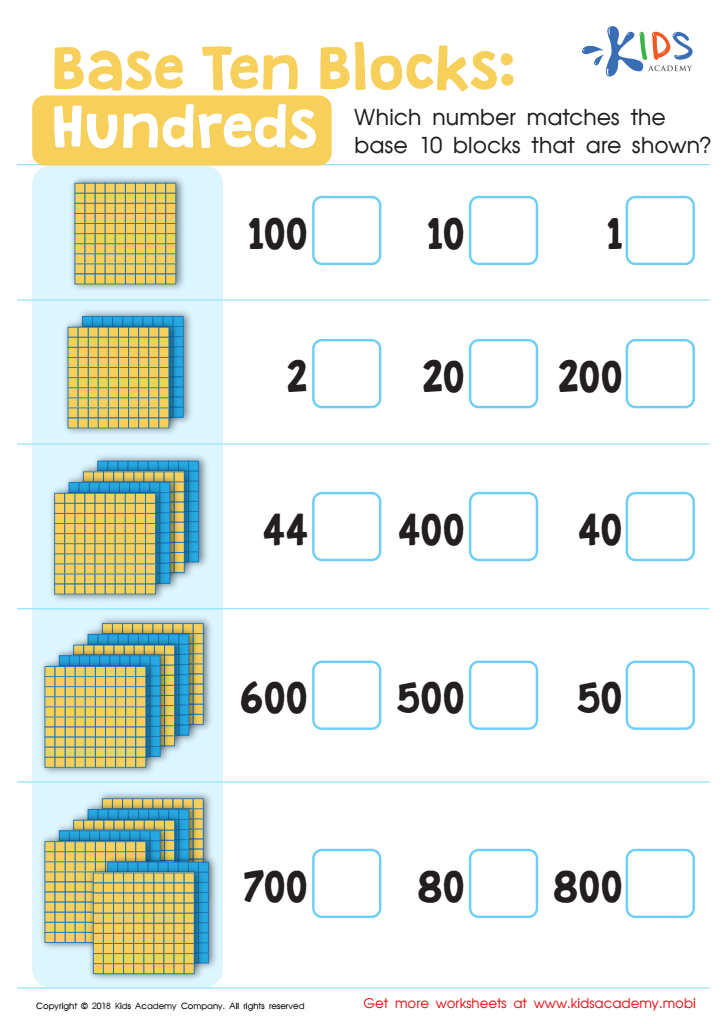
Base Ten Blocks: Hundreds Worksheet
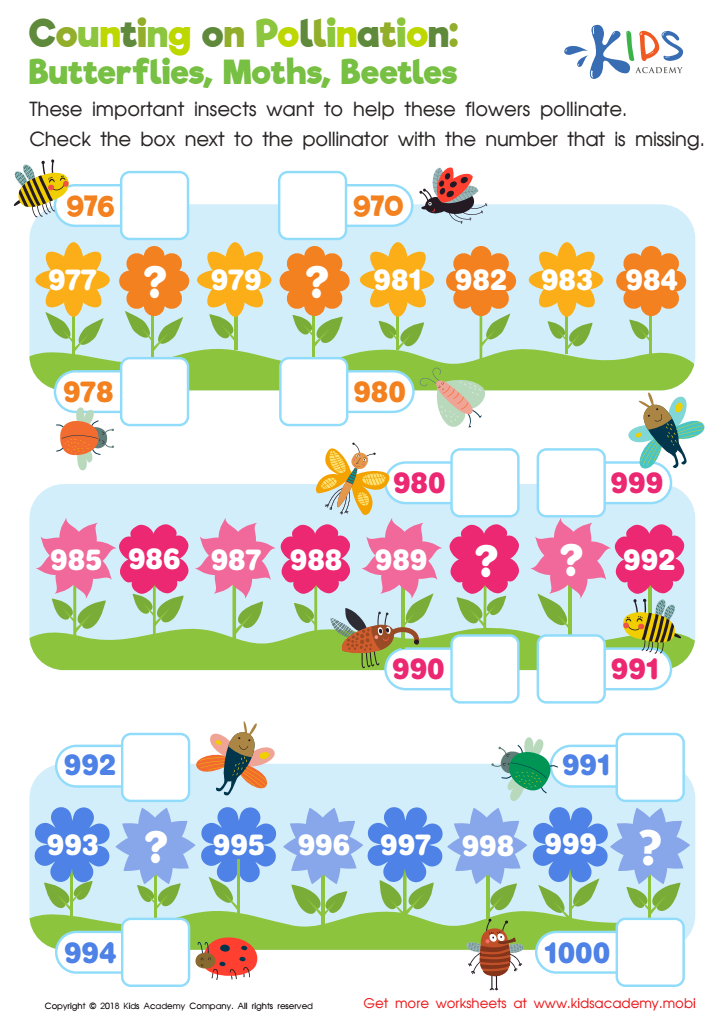
Counting on Pollination: Butterflies, Moths, Beetles Worksheet
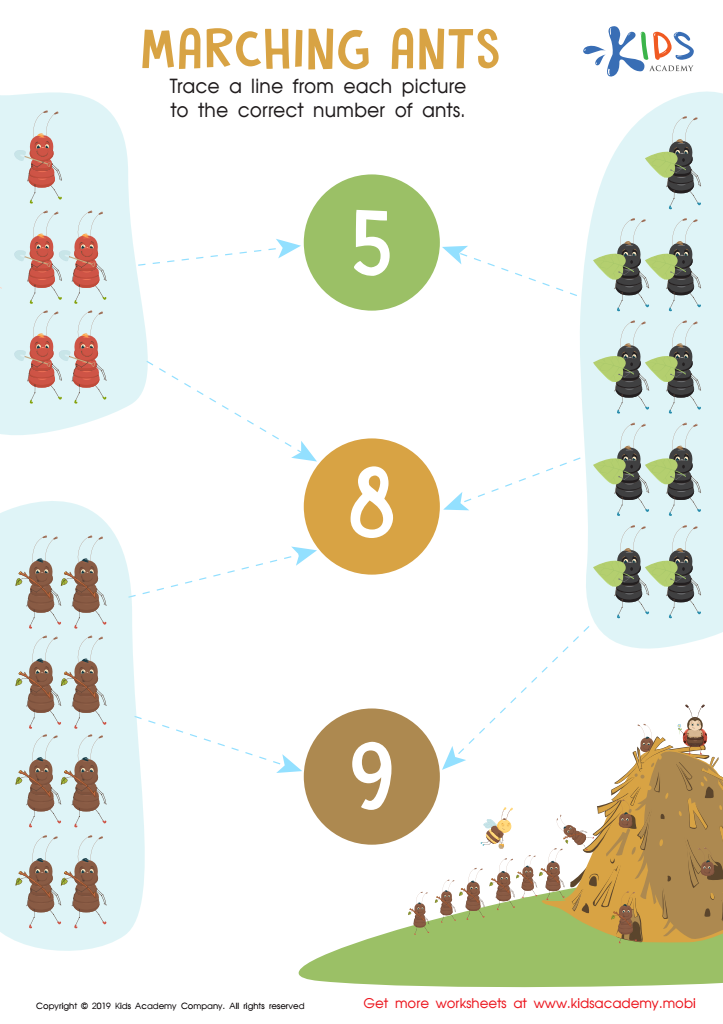
Marching Ants Worksheet

Counting on the City Skyline: Dot-to-Dot Worksheet
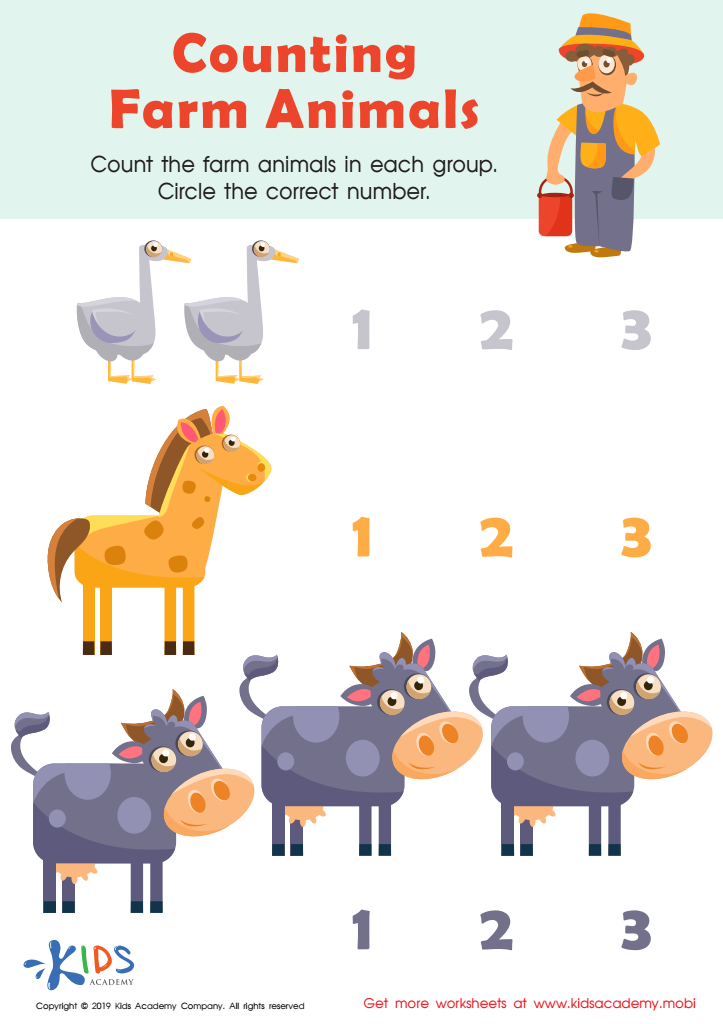
Counting Farm Animals Worksheet
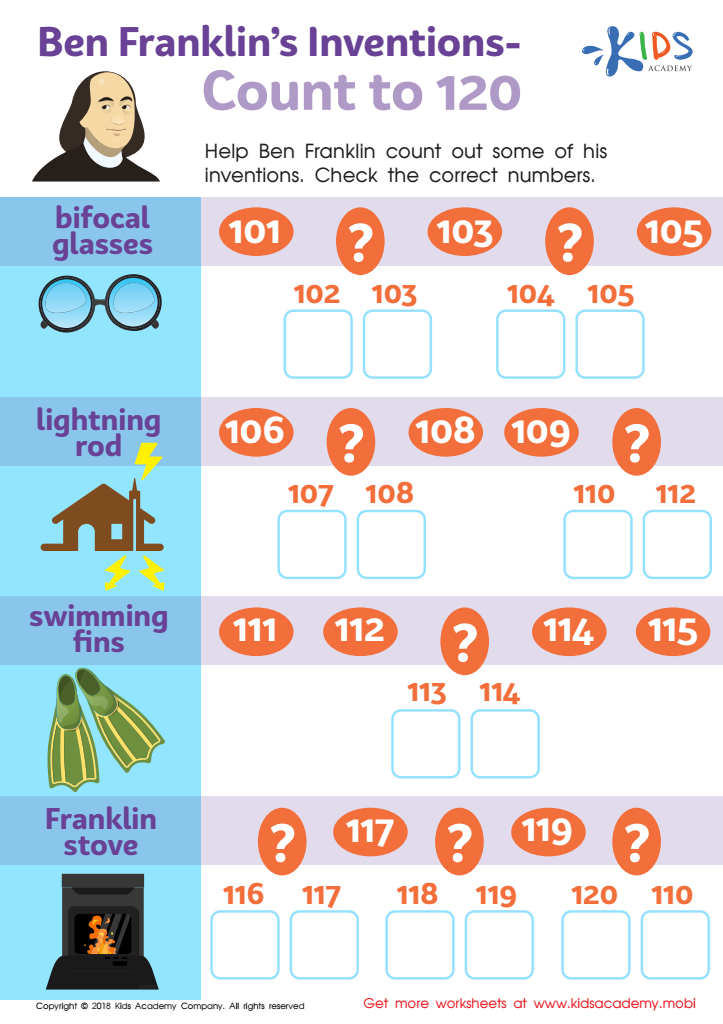
Ben Franklin’s Inventions – Count to 120 Worksheet




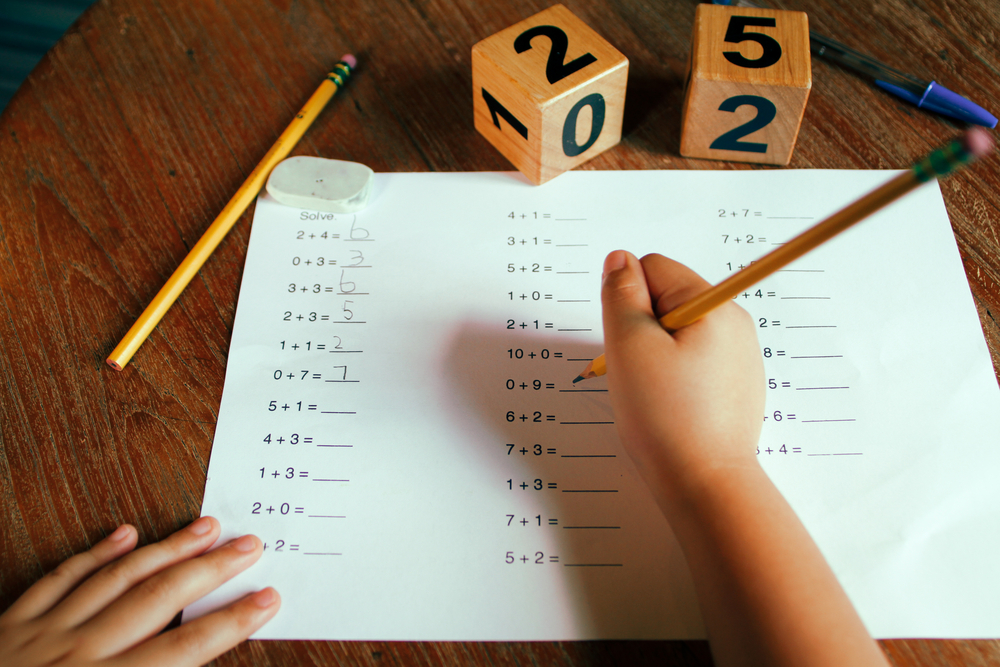



Counting practice is a foundational skill for children aged 3-8, critical for their cognitive and developmental growth. Firstly, it enhances numeracy skills, which are vital for future math success. Mastering counting not only prepares children for more complex mathematical concepts but also enhances their ability to solve problems and think critically.
Additionally, counting practice helps with language development. As children learn to count, they also broaden their vocabulary with related terms, such as ‘more,’ ‘less,’ ‘total,’ and ‘few.’ This integrated learning stimulates both linguistic and mathematical understanding.
Engaging in counting activities promotes fine motor skills through hands-on tasks, such as touching objects, utilizing counting books, or playing with toys. Furthermore, making math fun through games and songs keeps children motivated and engaged, fostering a positive attitude toward learning.
Moreover, counting lays the groundwork for essential life skills, such as budgeting and time management. By incorporating counting practice into daily routines, parents and teachers provide children with the tools they need to succeed academically and social-emotionally. Ultimately, supporting counting practice is an investment in a child’s overall education, setting the stage for a lifelong appreciation of learning.








