Problem-solving abilities Numbers Worksheets for Ages 3-8
9 filtered results
-
From - To
Boost your child's critical thinking with our engaging Problem-solving Abilities Numbers Worksheets for ages 3-8. Designed to enhance mathematical skills, these worksheets offer a variety of challenges that help kids apply logical reasoning and problem-solving strategies. Each activity is crafted to be both fun and educational, supporting young learners in recognizing patterns, sequences, and numbers while solving diverse and engaging puzzles. As educational tools, these worksheets promote confidence and independent thinking, making math exploration exciting and enjoyable. Ideal for parents and teachers, our worksheets ensure your child develops strong foundational math skills early on.
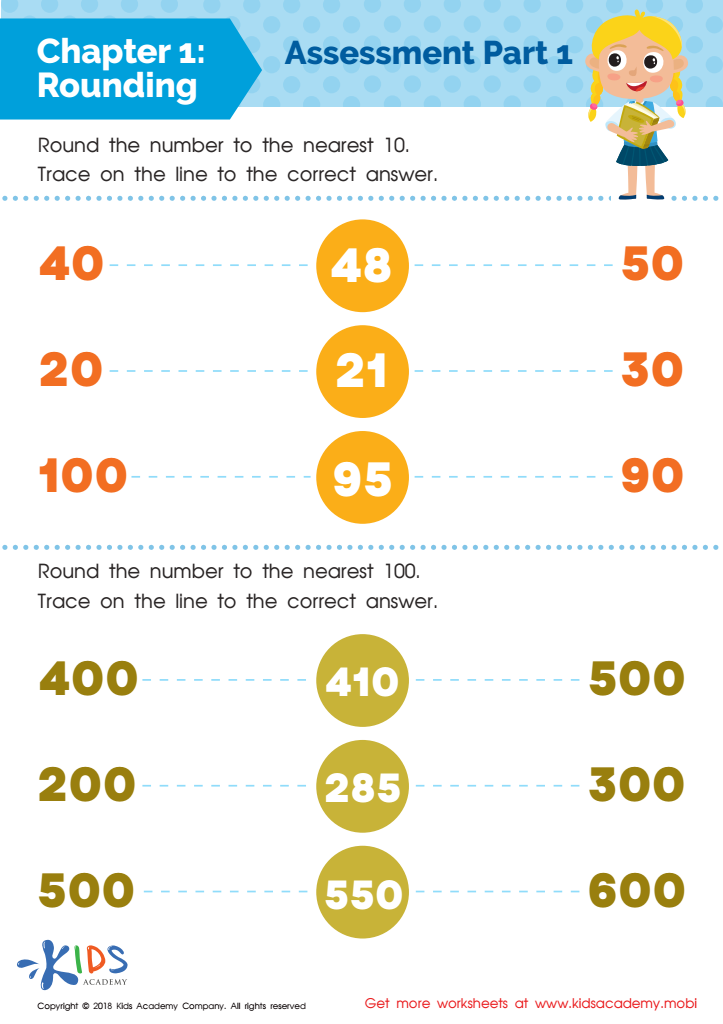
Rounding Worksheet 3rd Grade
 Assign to My Students
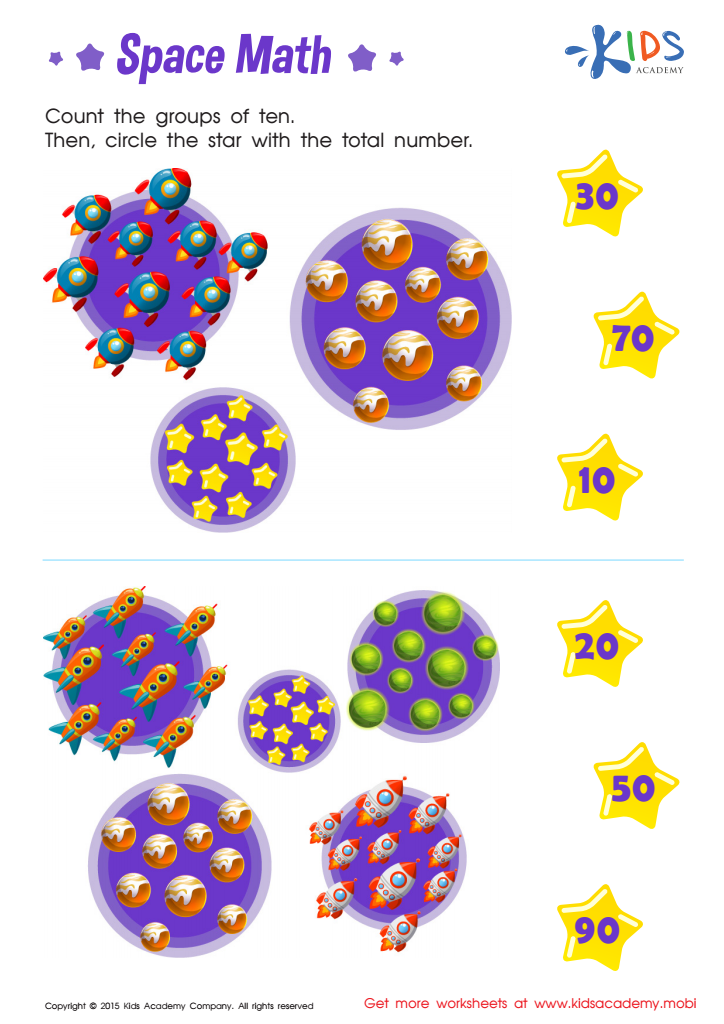
Learn dozens: Space math Worksheet
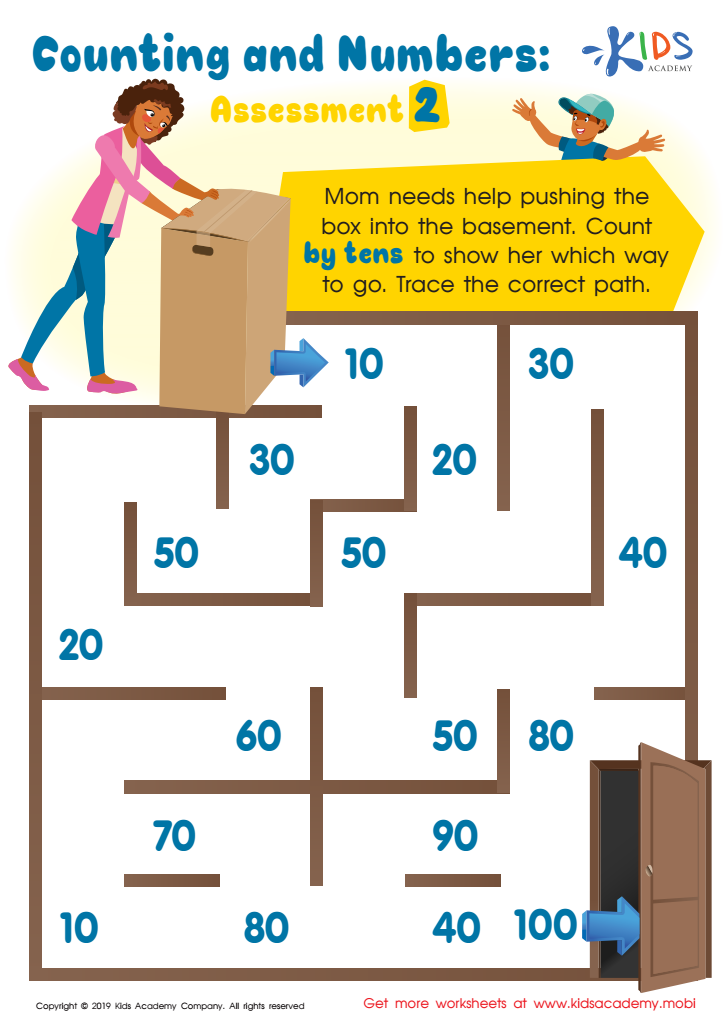
Counting and Numbers: Assessment 2 Worksheet
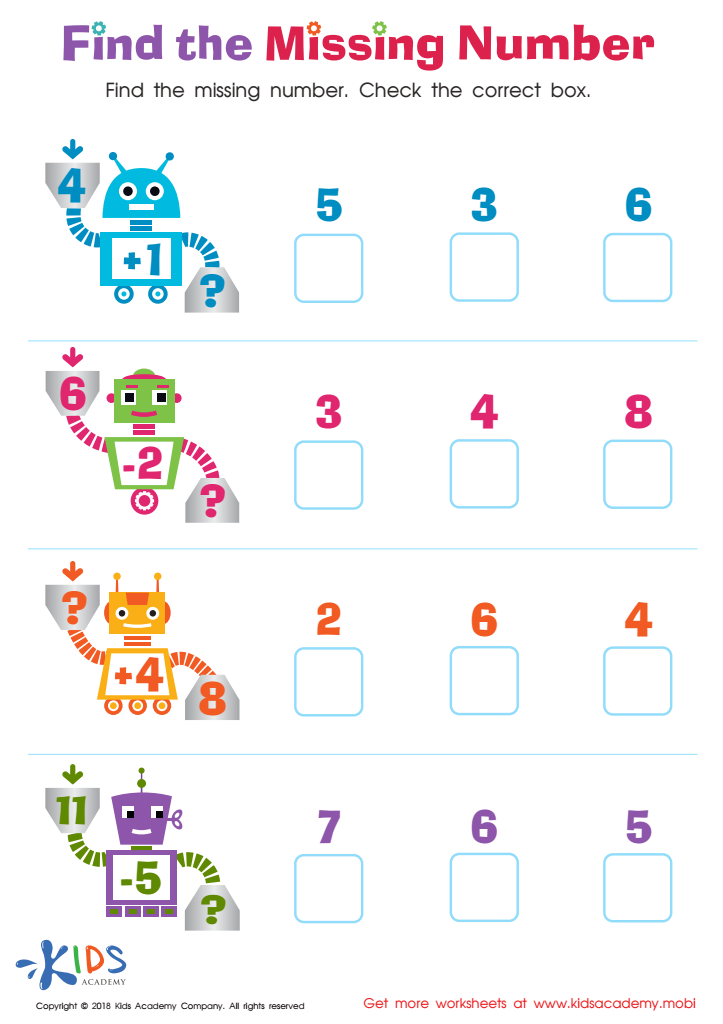
Find the Missing Number Worksheet
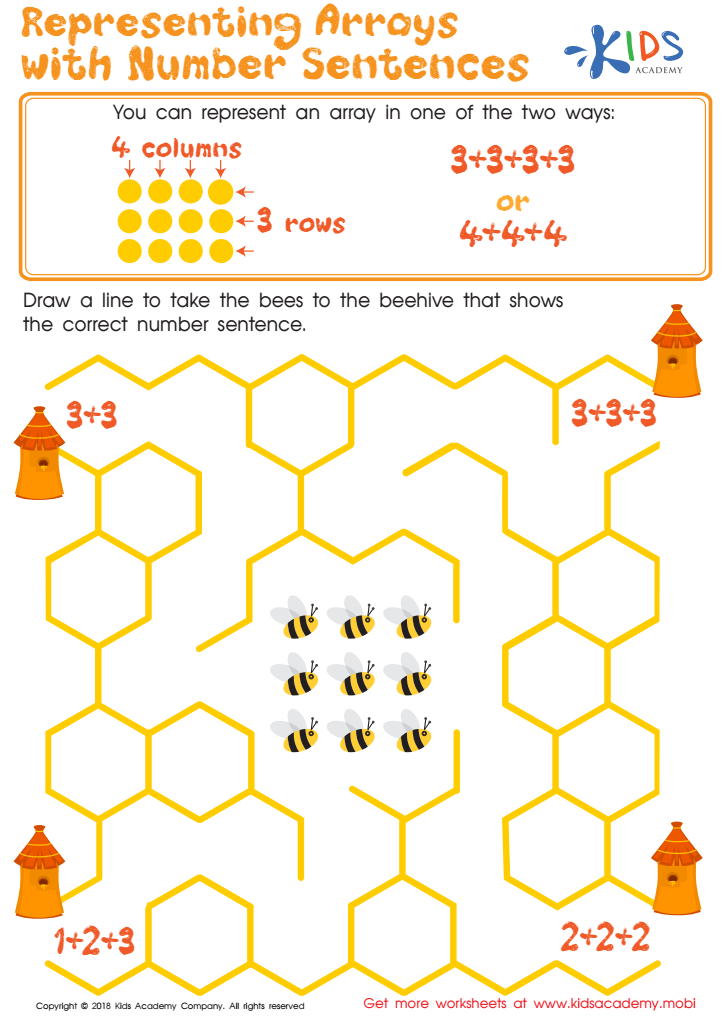
Representing Arrays with Number Sentences Worksheet
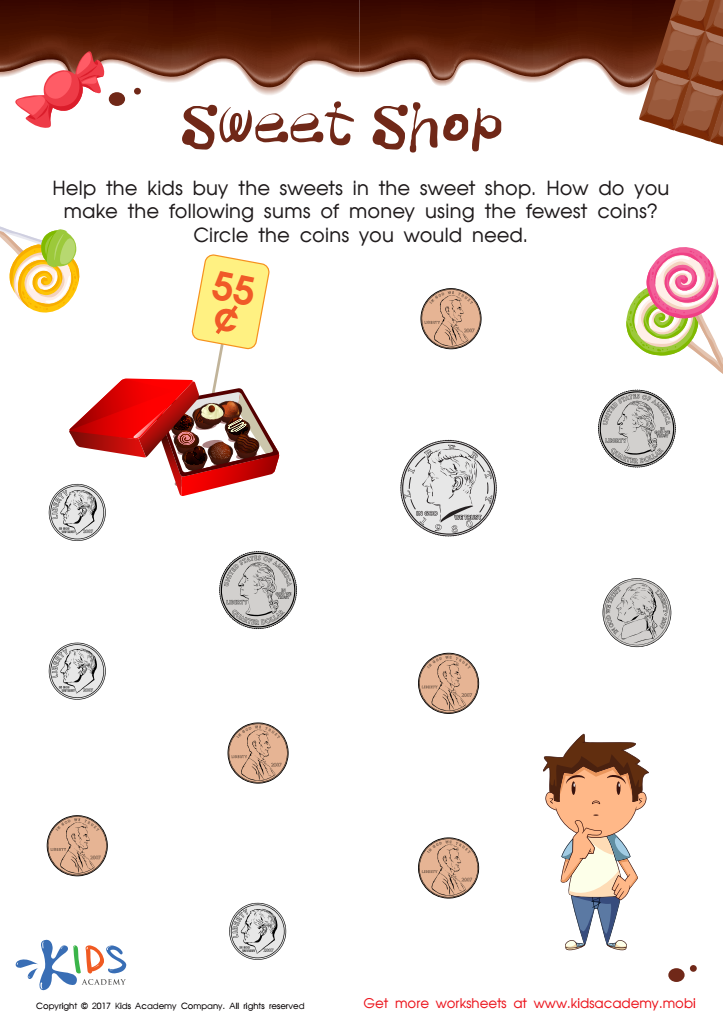
Sweet Shop – Counting Coins Worksheet
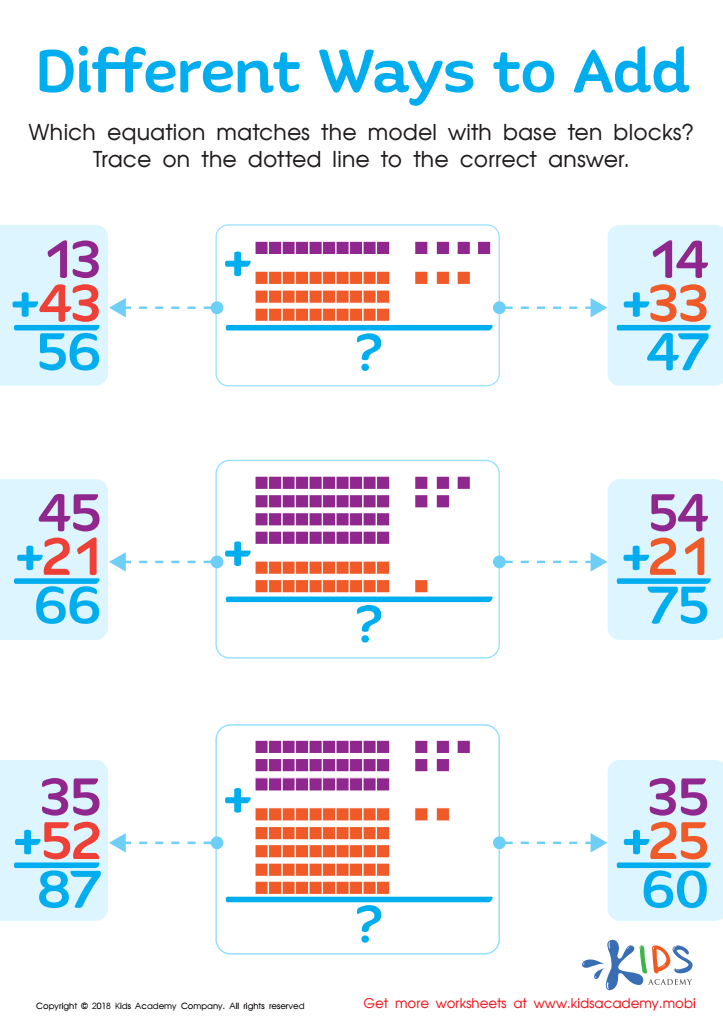
Different Ways to Add Worksheet
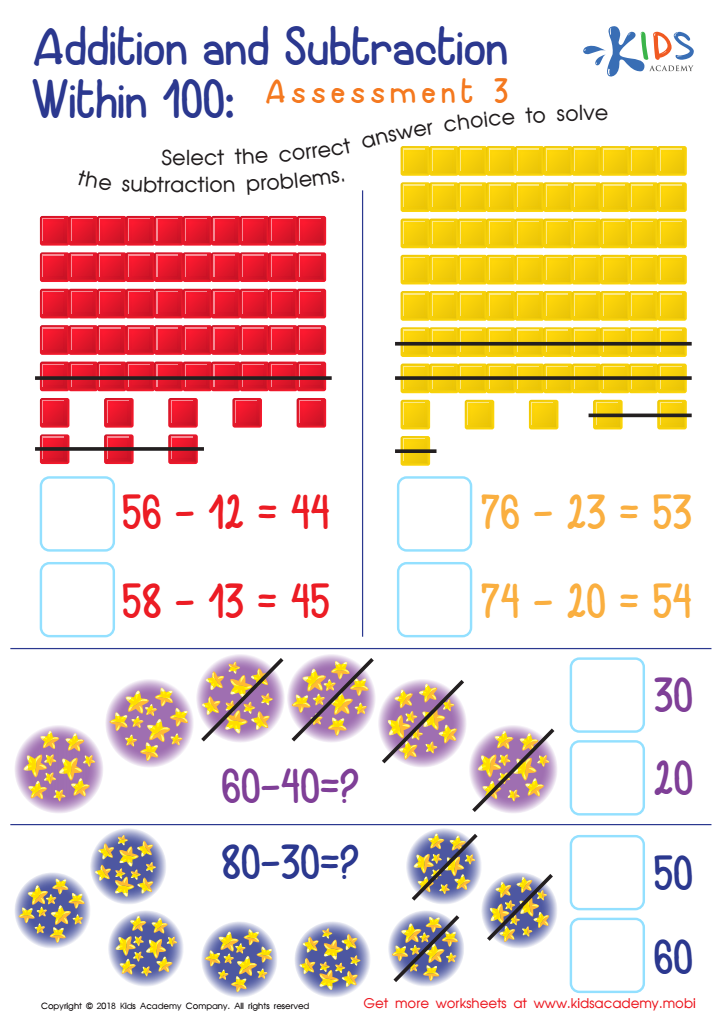
Addition and Subtraction Within 1: Assessment 3 Worksheet
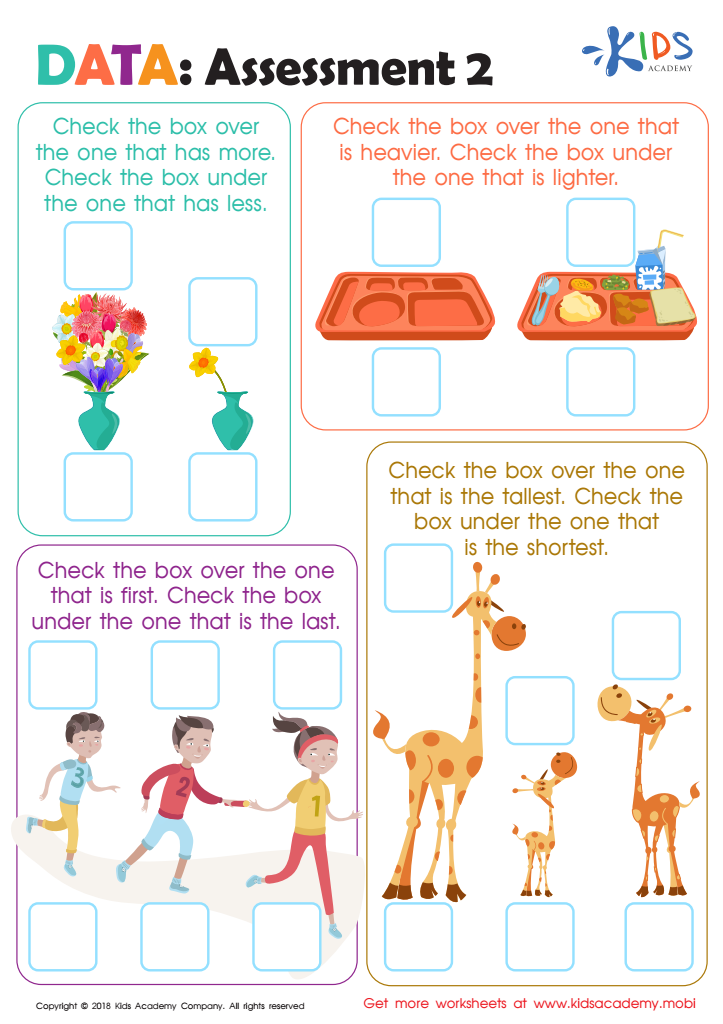
Data: Assessment 2 Worksheet








Problem-solving abilities, particularly in numerical contexts, are crucial for children aged 3-8 as they form the foundation for all future learning and cognitive development. These abilities extend beyond simple arithmetic, influencing a child's capacity to navigate a variety of academic subjects and everyday challenges. Engaging with numbers helps children develop critical thinking skills and the ability to reason logically. When children solve problems involving numbers, they learn to make decisions, weigh different approaches, and assess outcomes—skills that are valuable throughout life.
Moreover, early exposure to problem-solving prepares children for more complex concepts they will encounter later. It enhances their perseverance, encouraging them to tackle difficult tasks and boosts their confidence in their abilities. For teachers and parents, fostering these skills involves creating a supportive learning environment where children can explore numbers in playful and meaningful ways. Activities like puzzles, counting games, and interactive story problems encourage active learning and curiosity.
Attention to developing these skills early on predicts later academic success across multiple disciplines. Fostering an early proficiency in problem-solving and numerical understanding equips children with the tools they need to think independently, face new challenges, and become lifelong learners. This investment in foundational skills sets the stage for success in both academic settings and real-world scenarios.








