Basic geometry understanding Math Worksheets for Ages 3-8
12 filtered results
-
From - To
Explore our engaging Basic Geometry Understanding Math Worksheets, designed for children aged 3-8! These resources are perfect for introducing young learners to foundational geometric concepts, including shapes, sizes, and spatial awareness. Our printable worksheets promote interactive learning through fun activities that encourage exploration and creativity. With vibrant illustrations and age-appropriate challenges, kids will develop essential problem-solving skills while enhancing their confidence in math. Ideal for both home and classroom use, these worksheets make learning geometry enjoyable and accessible. Help your child build a solid foundation in math with our thoughtfully crafted resources, tailored to inspire a lifelong love for learning!
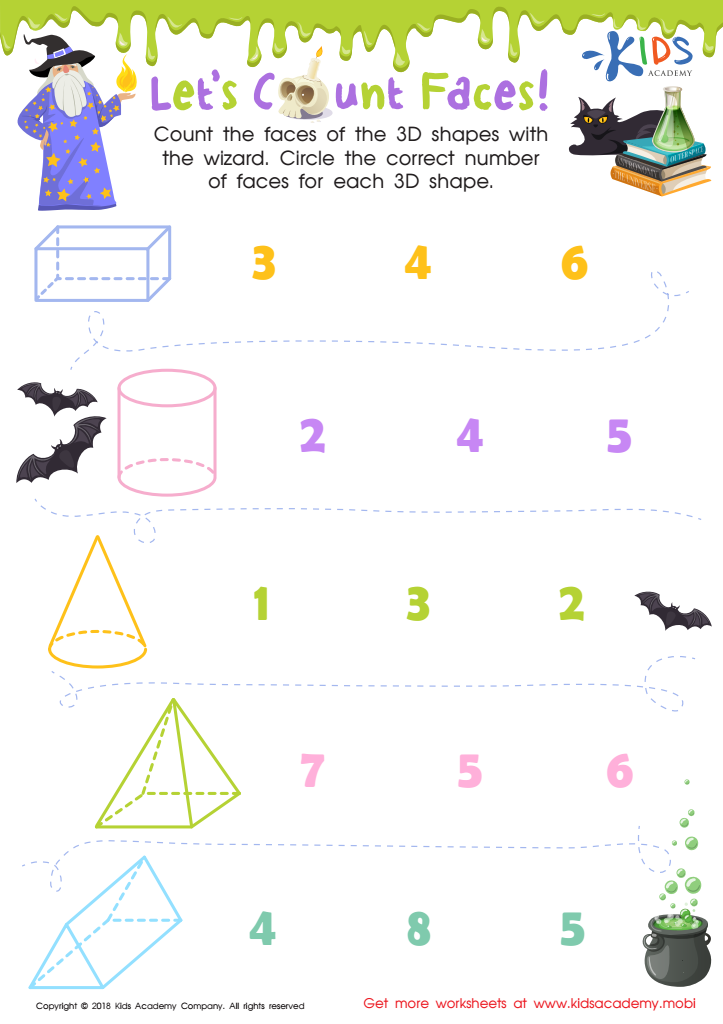
Let's Count Faces! Worksheet
 Assign to My Students
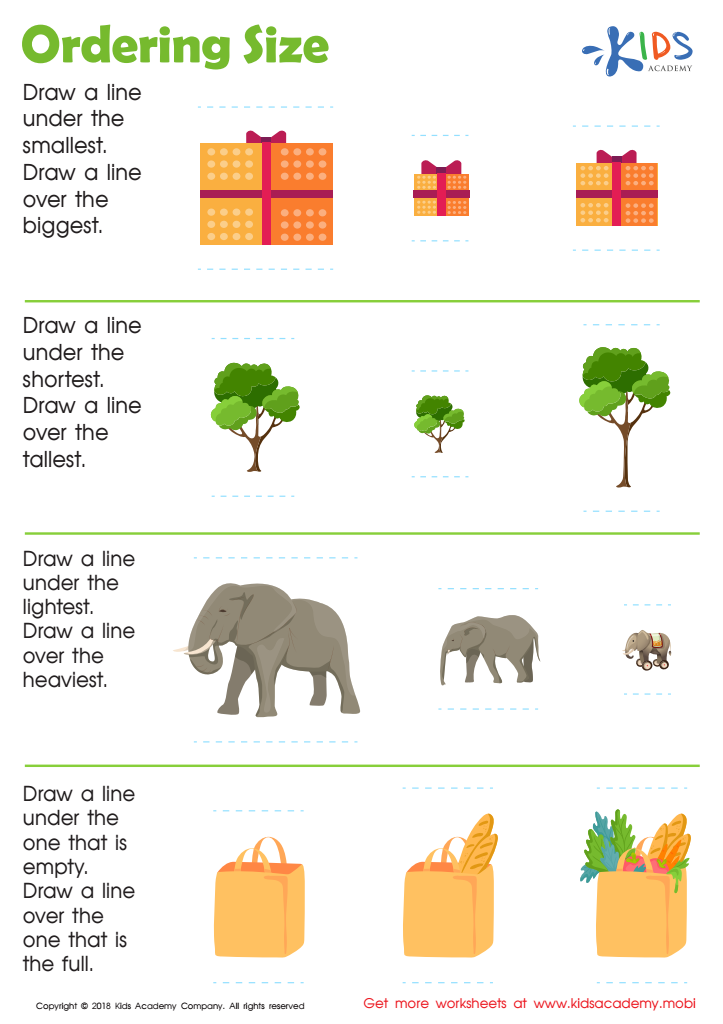
Ordering Size Worksheet
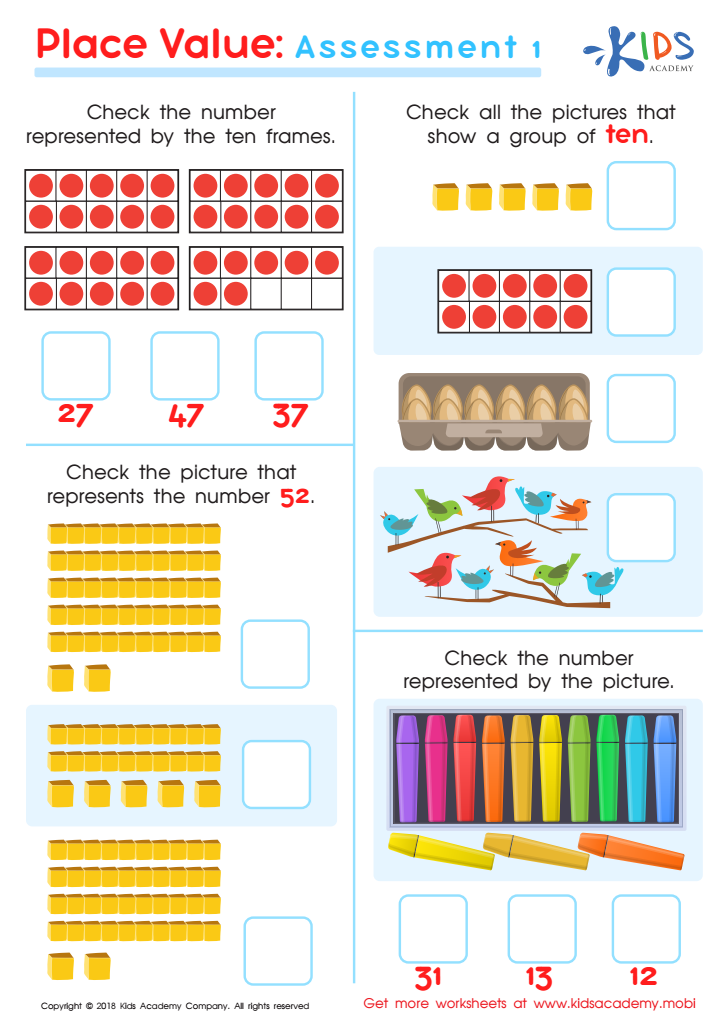
Place Value: Assessment 1 Worksheet
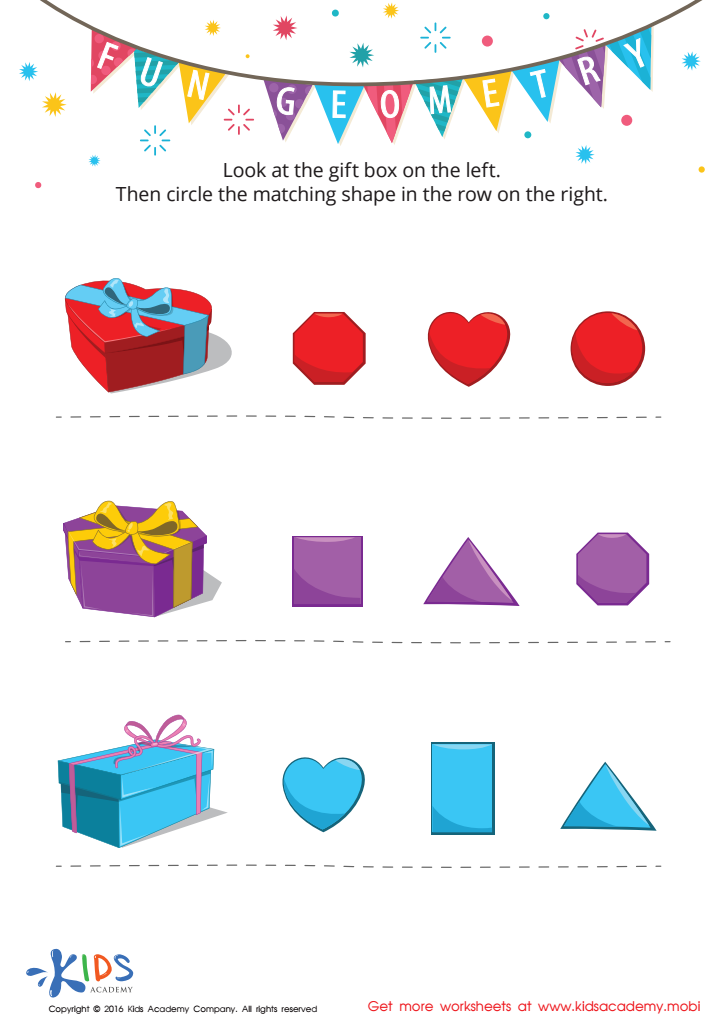
Fun Geometry Worksheet
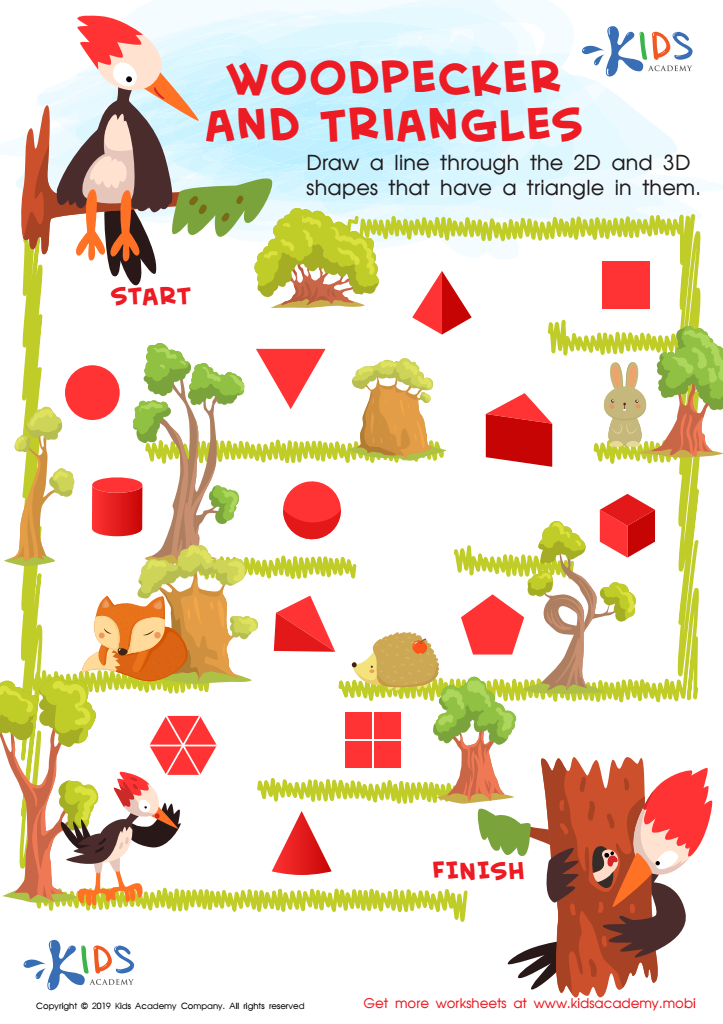
Woodpecker and Triangles Worksheet
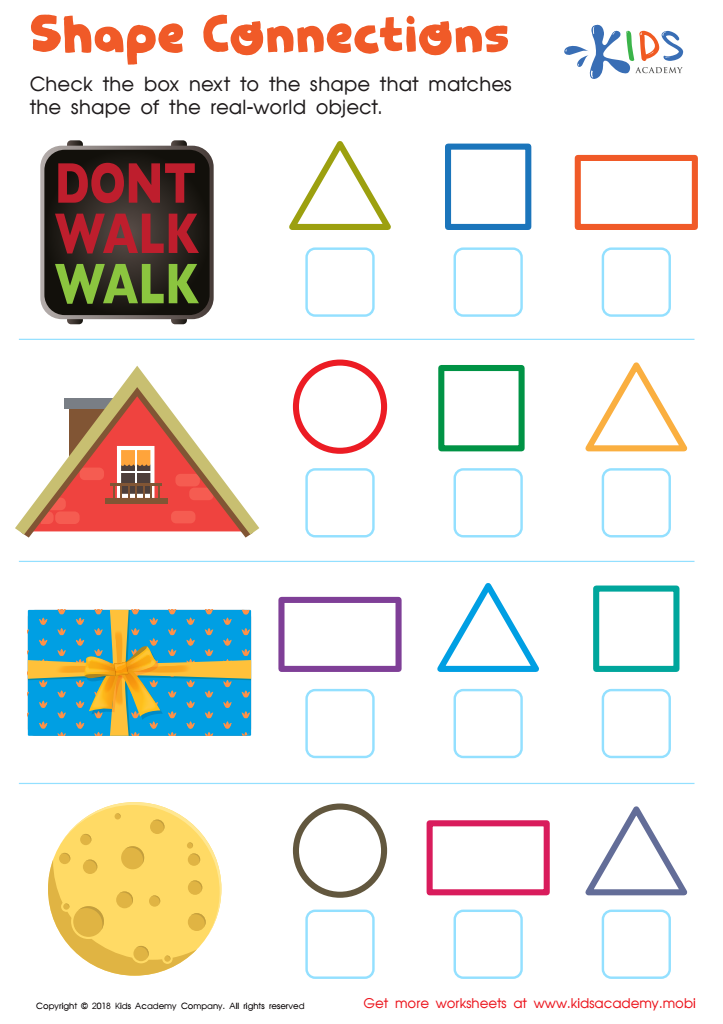
Shape Connections Worksheet
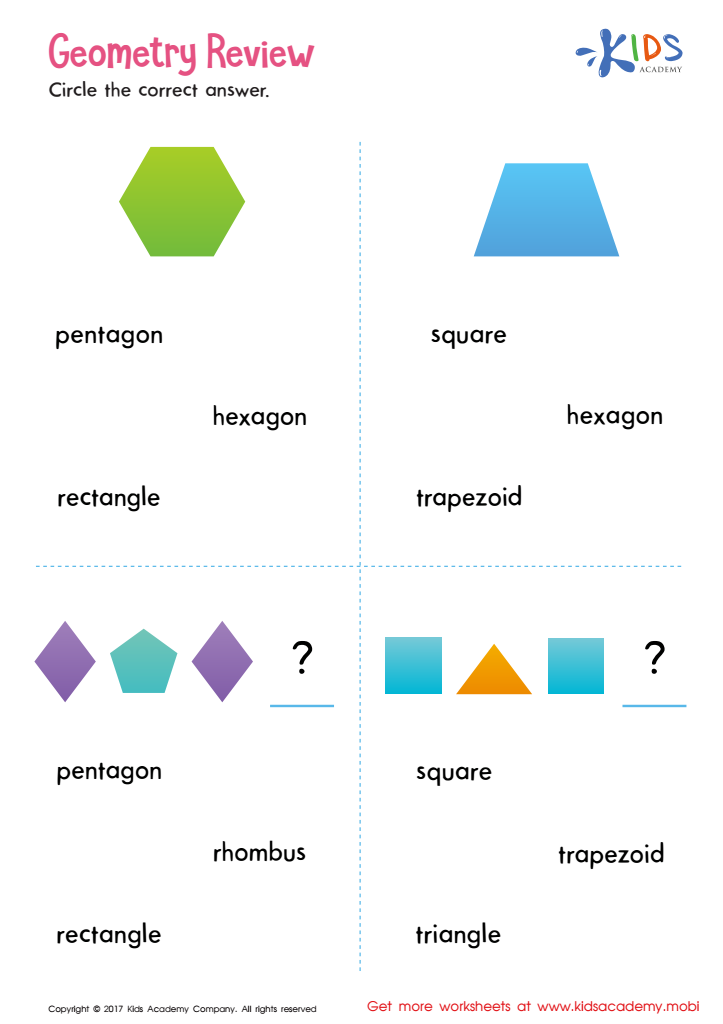
Geometry Review Printable
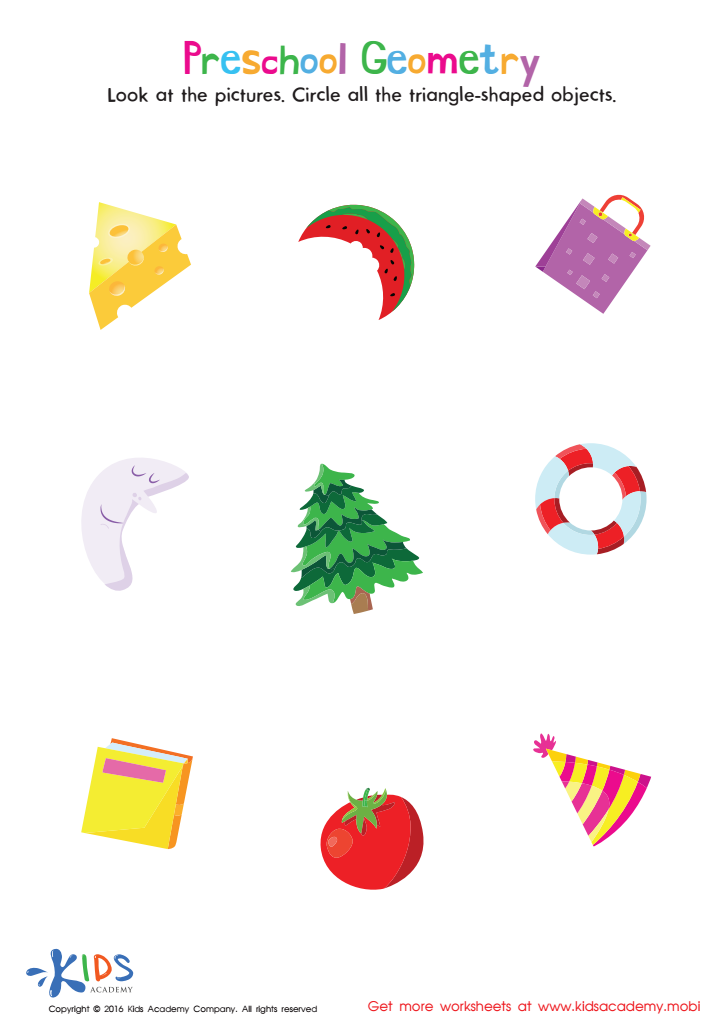
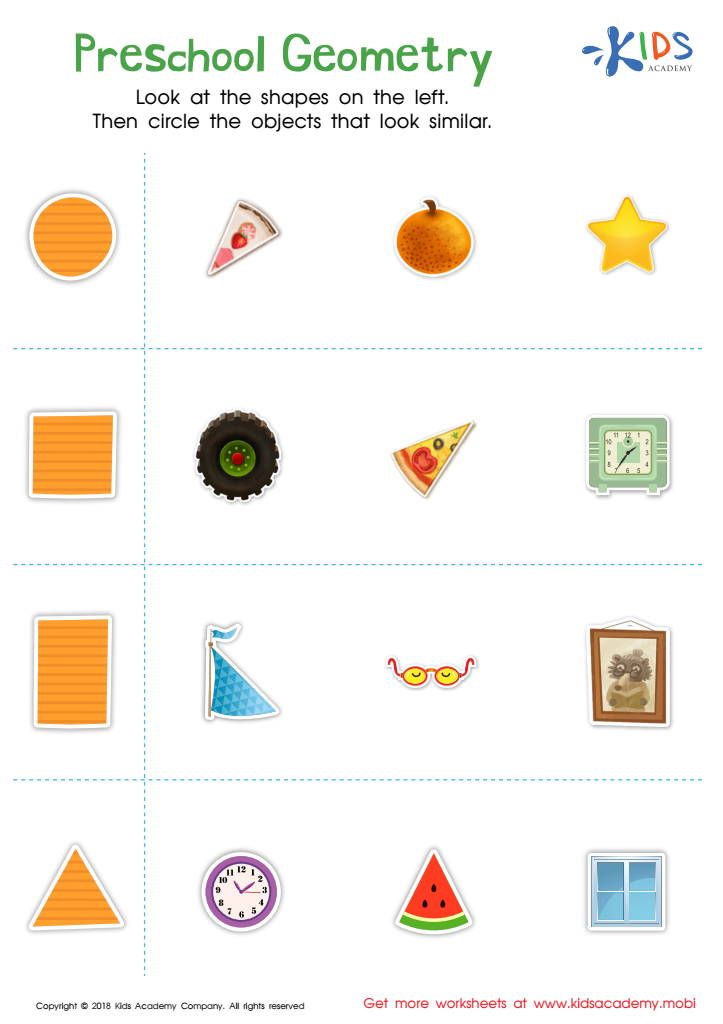
Preschool Geometry Worksheet
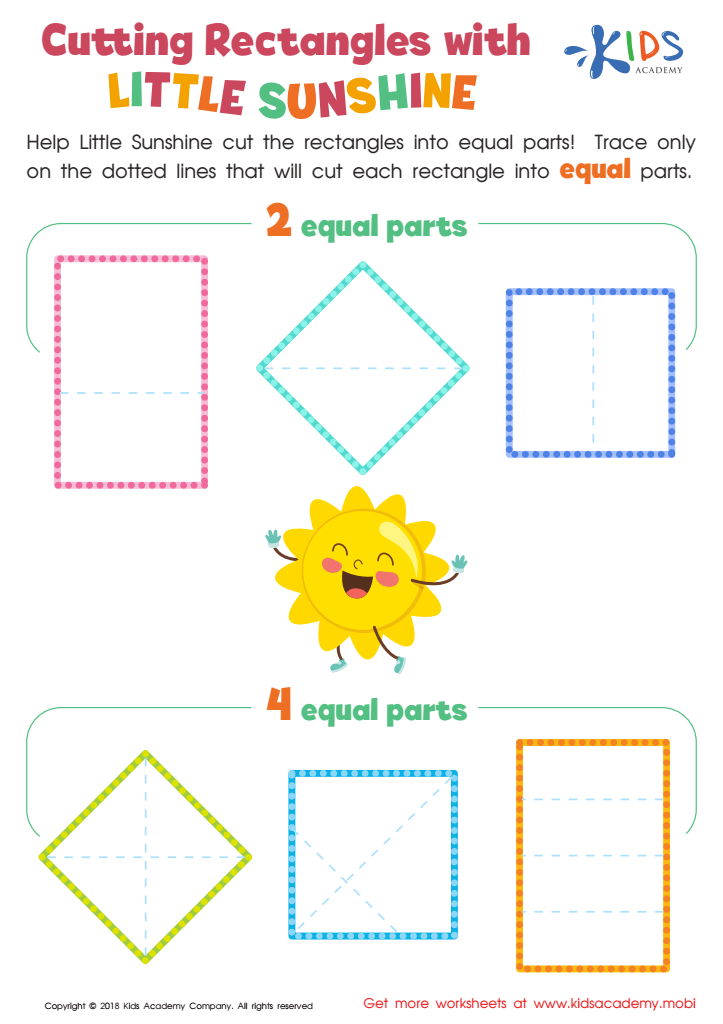
Cutting Rectangles with Little Sunshine Worksheet
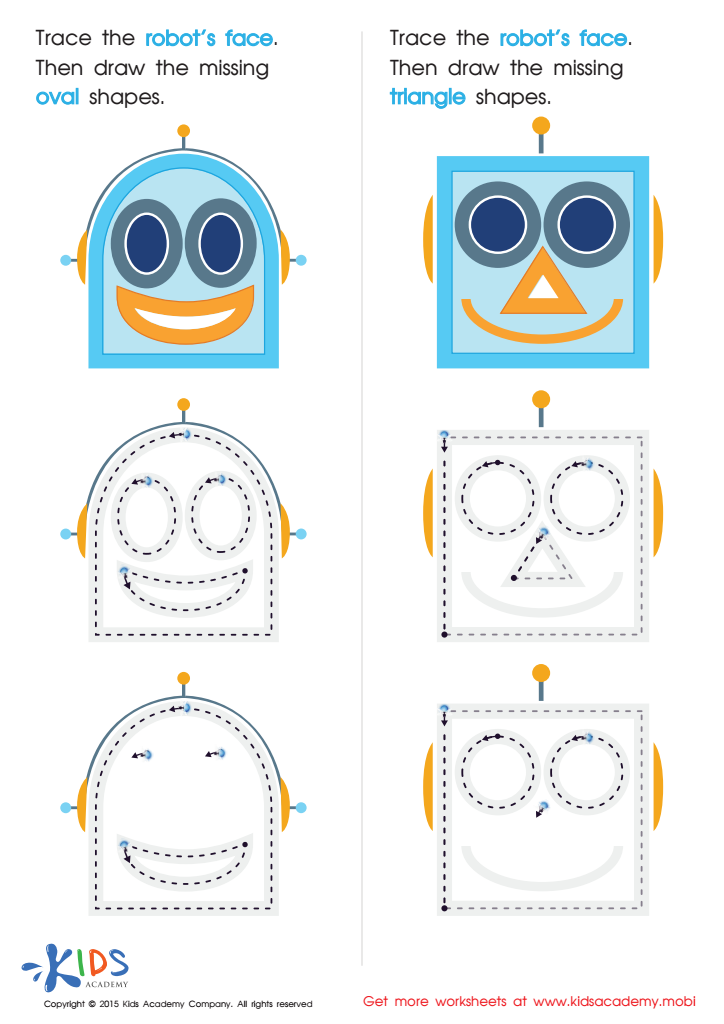
Drawing Ovals And Triangles with Fun Printable
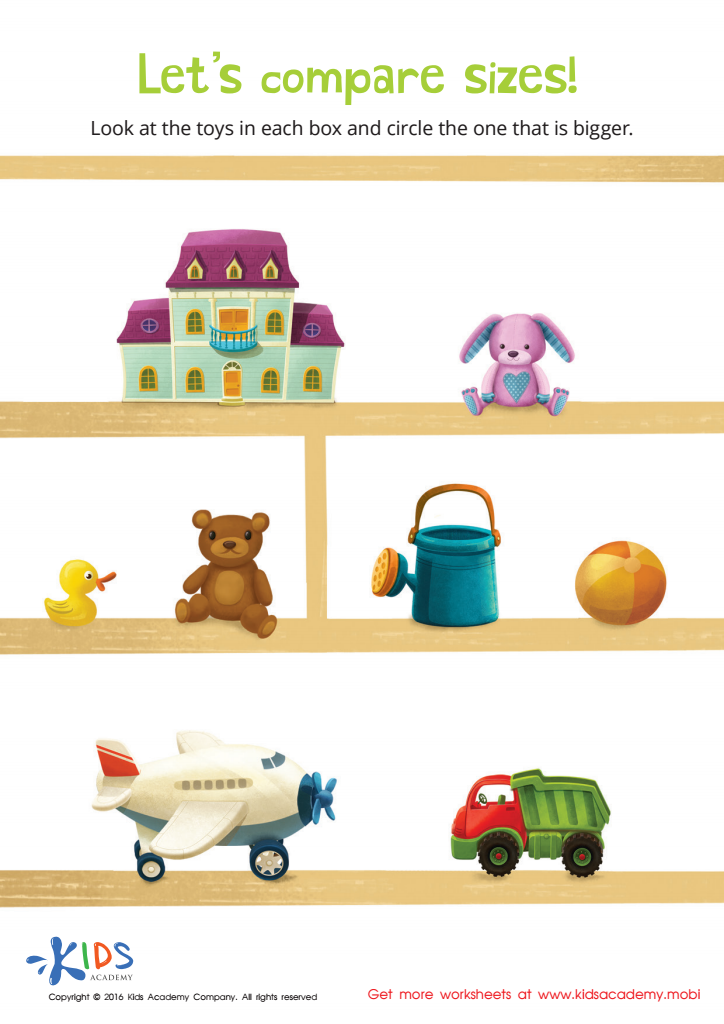
Classifying by Size Sorting Worksheet



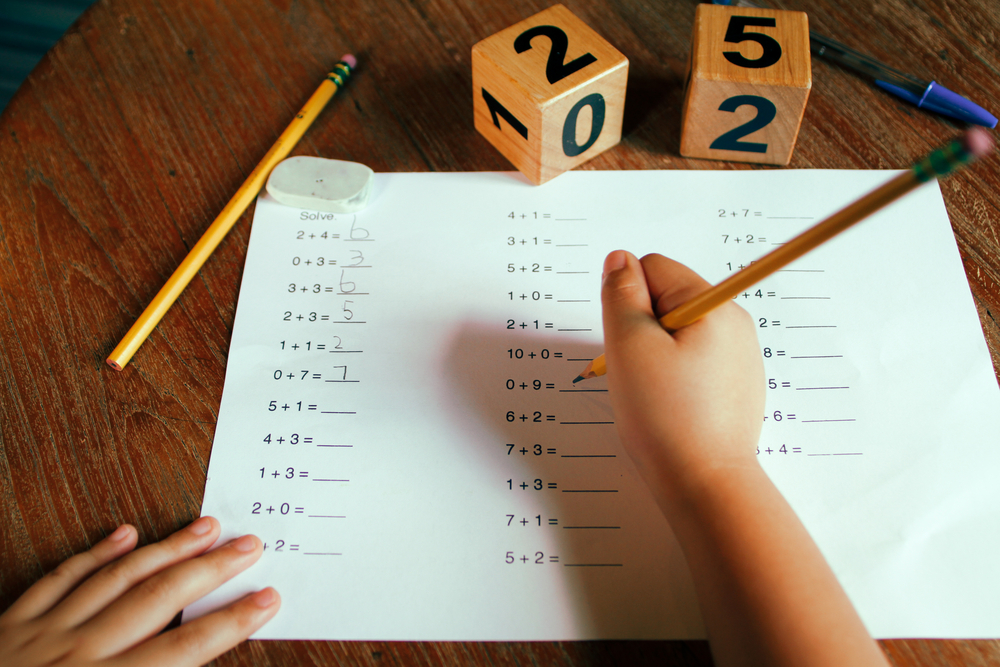



Understanding basic geometry is crucial for children aged 3-8, as it lays the foundation for their mathematical education and cognitive development. At this age, children are naturally curious and engaged with the world around them, making it an ideal time to introduce geometric concepts through playful and interactive learning experiences.
Geometry helps children develop spatial awareness, enabling them to understand how shapes and objects relate to each other and their environment. This foundational skill is essential for everyday tasks and more complex subjects in future education, such as algebra and science.
Furthermore, geometry encourages critical thinking and problem-solving abilities, as children learn to identify shapes, compare sizes, and recognize patterns. These activities promote logical reasoning skills that are applicable not just in math but across the curriculum.
Moreover, exposure to geometric concepts fosters creativity and artistic expression. Activities like building with blocks, drawing shapes, or exploring patterns enable children to think outside the box and express their ideas visually.
Overall, investing in a child’s geometric understanding supports their academic confidence, prepares them for future challenges, and cultivates a lifelong appreciation for learning. Therefore, parents and teachers should prioritize basic geometry as an integral part of early childhood education.








