Enhancing problem-solving skills Math Worksheets for Ages 3-8
14 filtered results
-
From - To
Discover our "Enhancing Problem-Solving Skills Math Worksheets" designed specifically for children ages 3-8. These engaging and interactive worksheets focus on developing critical thinking and analytical skills through fun, age-appropriate math problems. Aligned with early learning standards, each activity encourages children to explore concepts like addition, subtraction, and pattern recognition. Our thoughtfully crafted materials not only enhance math proficiency but also promote creativity and perseverance in solving challenges. Perfect for home or classroom use, these worksheets will keep your young learners motivated and excited about math. Start building a strong foundation for future success in problem-solving today!
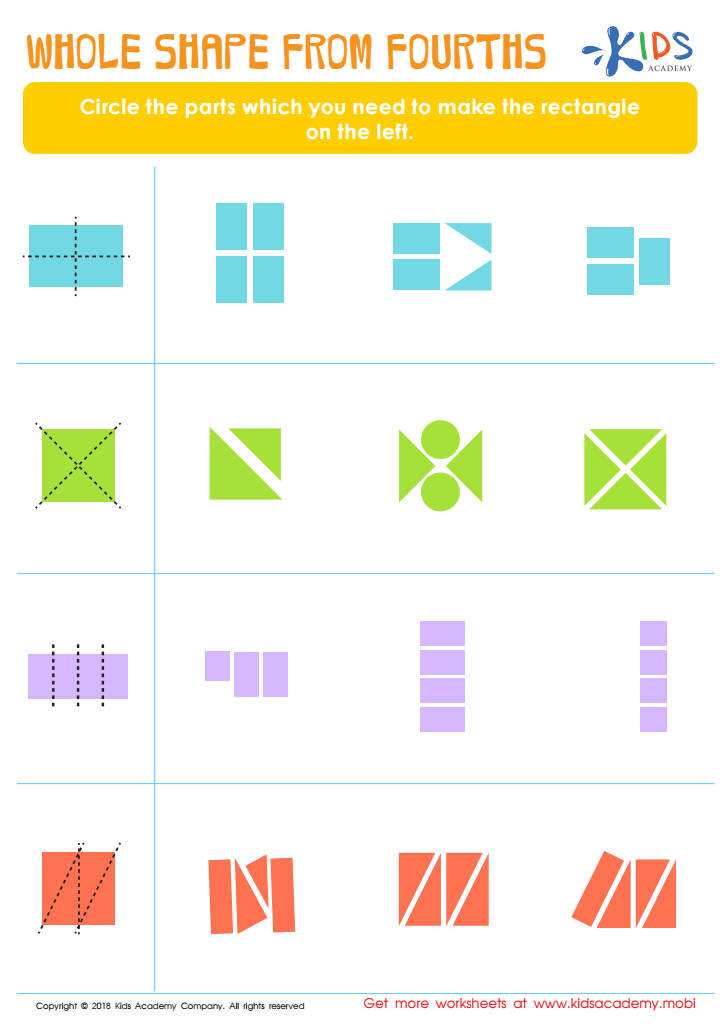
Whole Shape from Fourths Worksheet
 Assign to My Students
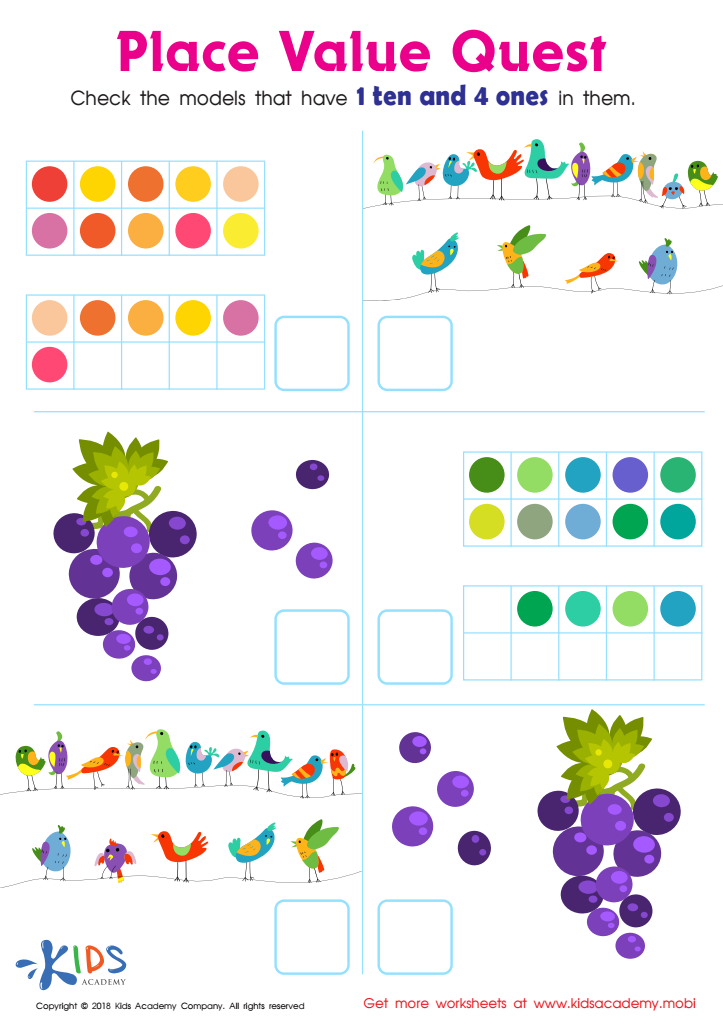
Place Value Quest Worksheet
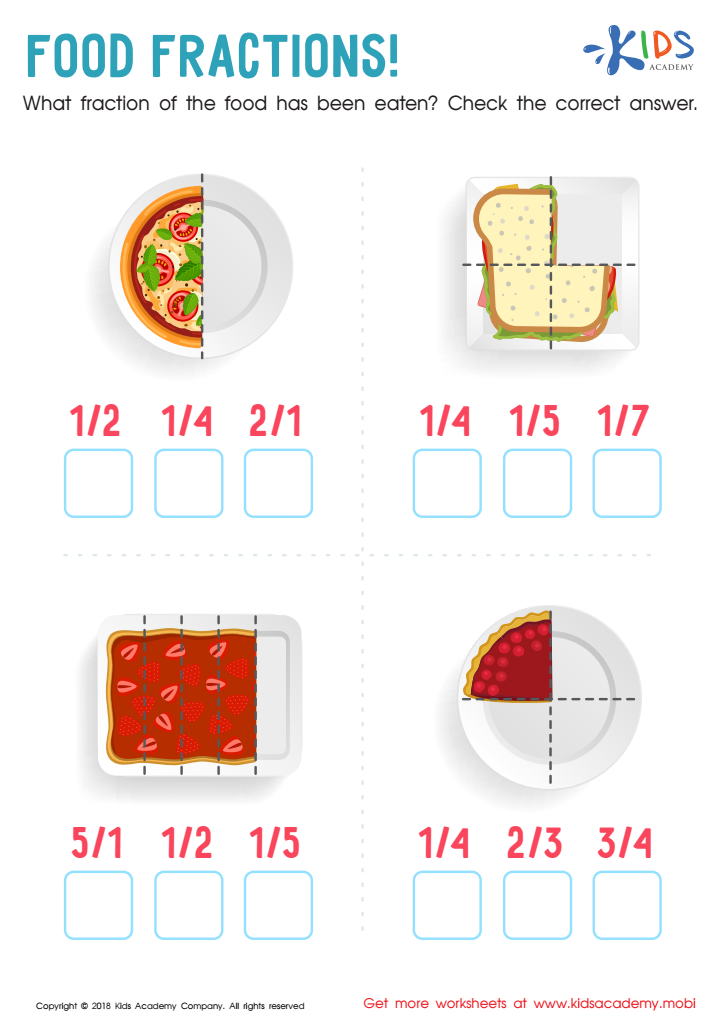
Food Fractions Worksheet
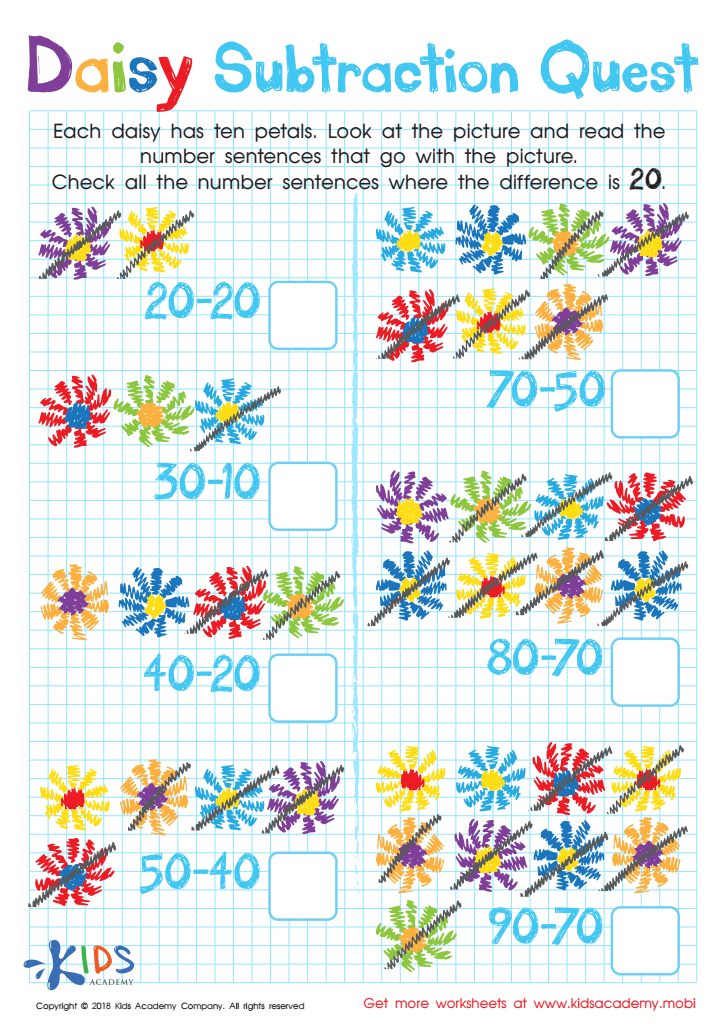
Daisy Subtraction Quest Worksheet
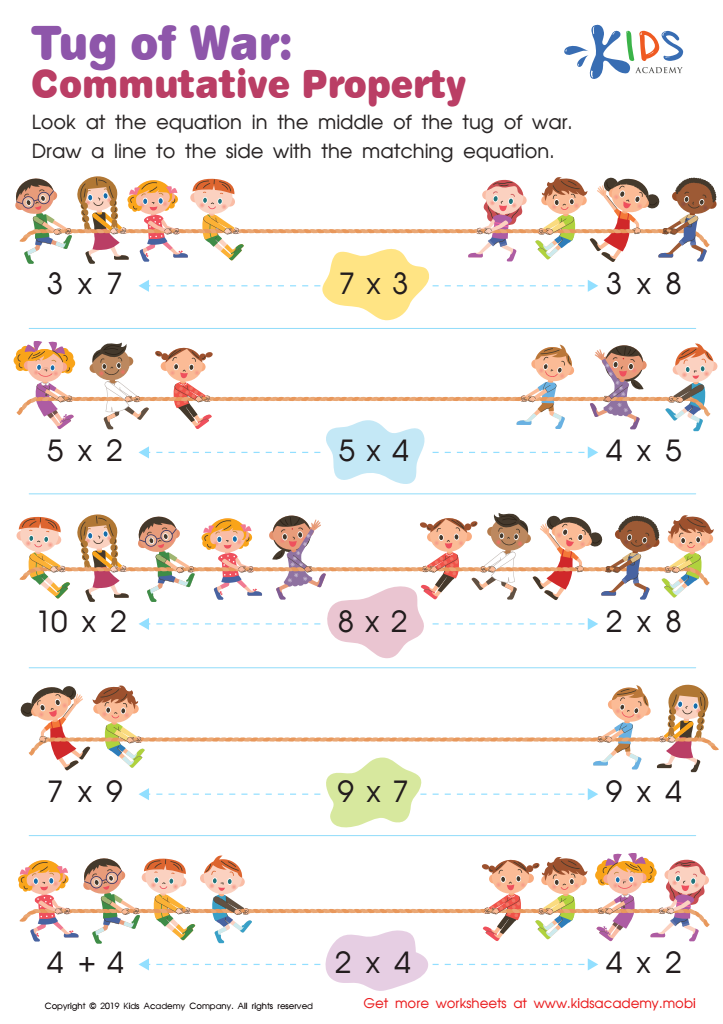
Tug of War: Commutative Property Worksheet
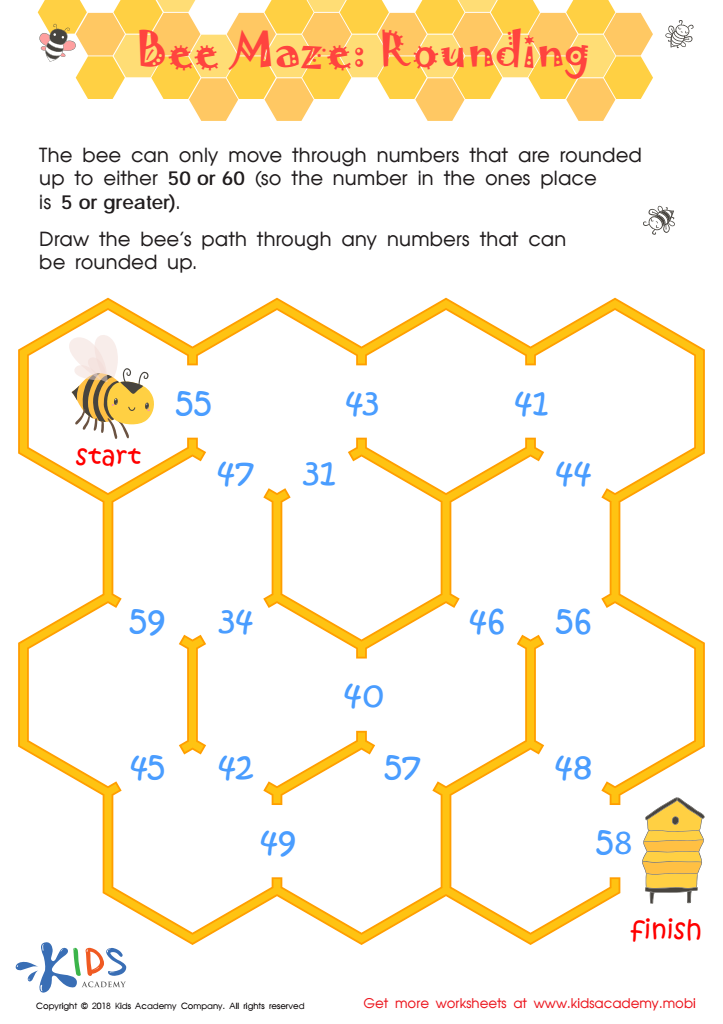
Bee Maze Rounding Worksheet
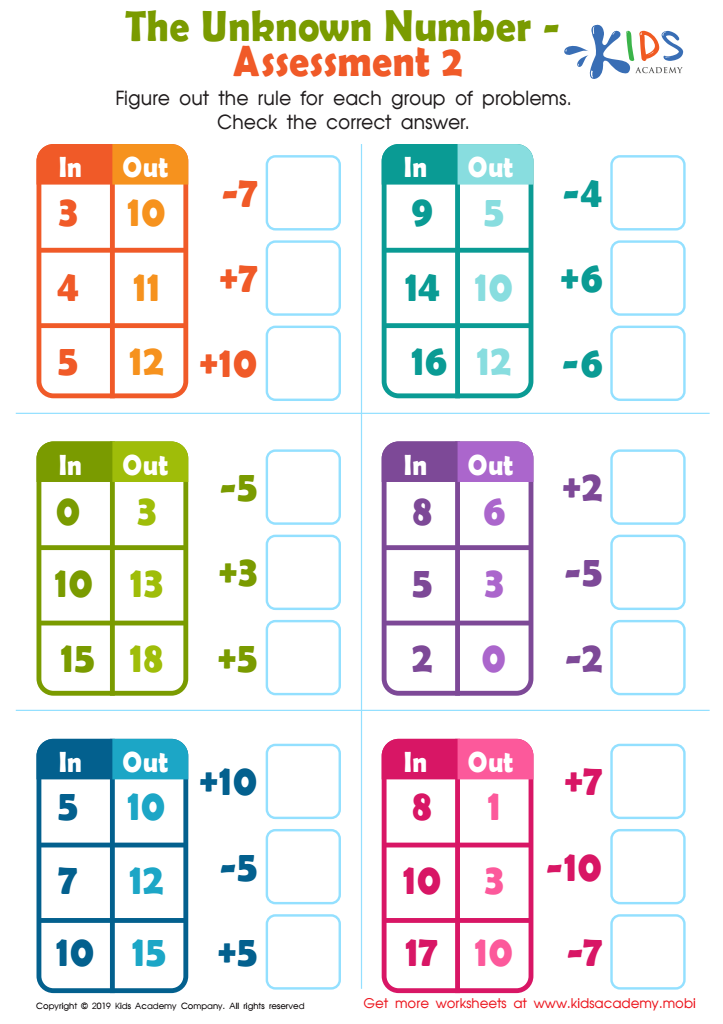
The Unknown Number - Assessment 2 Worksheet
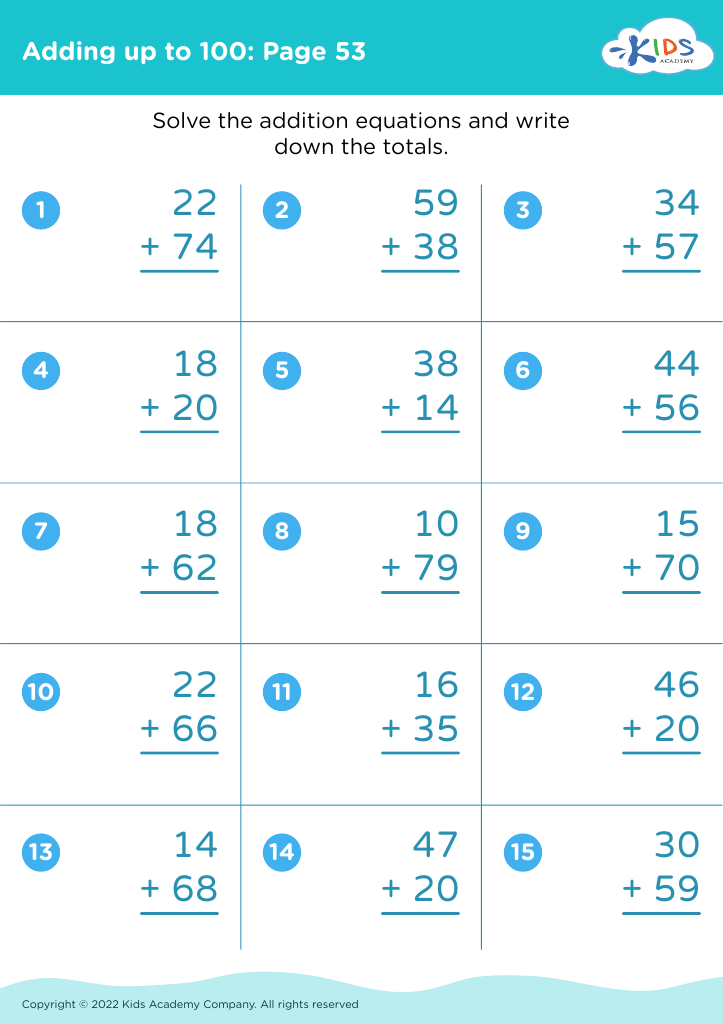
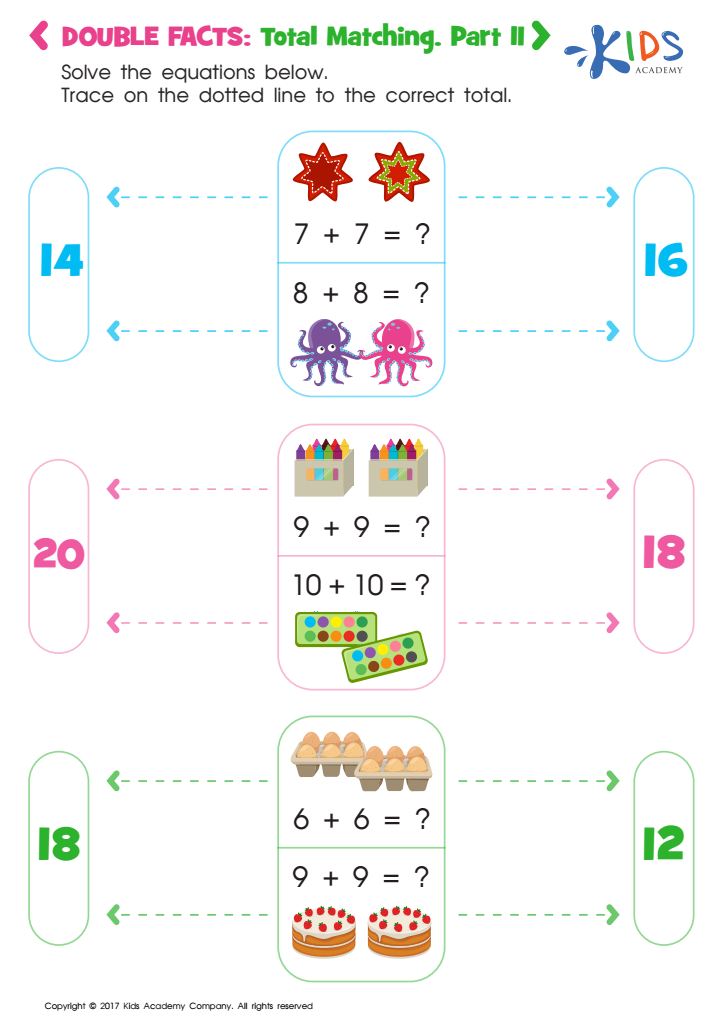
Double Facts: Total Matching 2 Worksheet
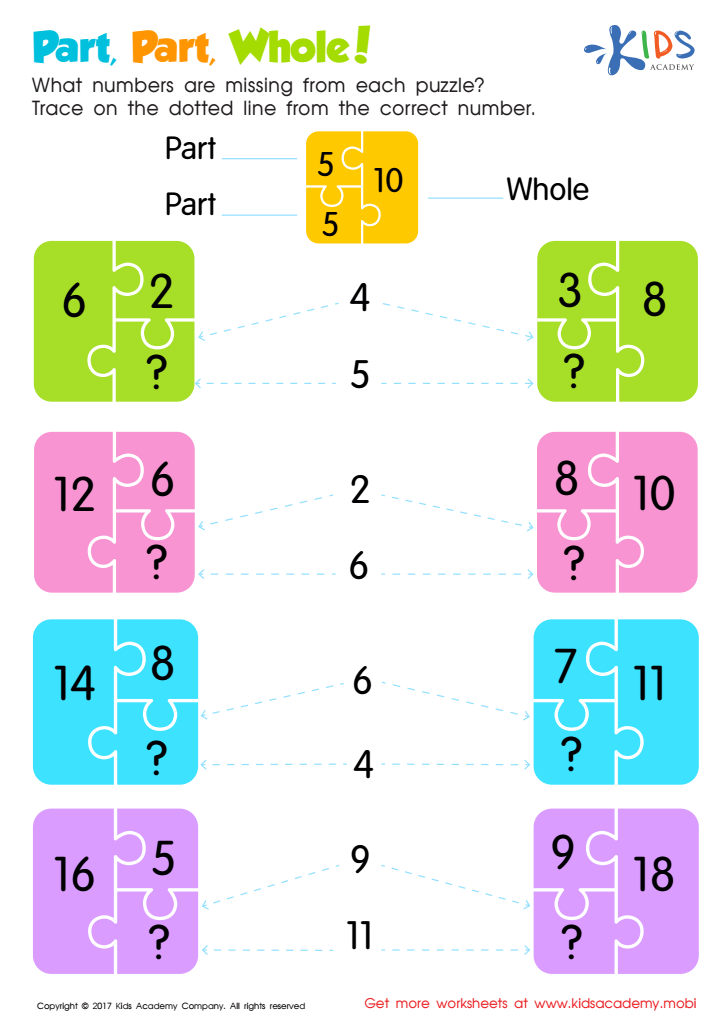
Part, Part, Whole Worksheet








Enhancing problem-solving skills in math for children aged 3-8 is crucial for various reasons. First and foremost, mathematics forms the foundation for critical thinking and reasoning. Early exposure to problem-solving promotes cognitive development, enabling children to think logically and creatively as they tackle challenges. This is essential not just in math, but throughout their academic journey and everyday life.
Moreover, building strong problem-solving skills fosters resilience. When children learn to approach a problem, make mistakes, and try again, they develop persistence and a growth mindset. These skills benefit them in learning beyond math, preparing them for real-world situations where they must navigate uncertainties.
For parents and teachers, early math problem-solving skills correlate with later academic success. Children who engage in mathematical exploration at a young age are more likely to excel in higher-order thinking skills in school. Additionally, creating an enjoyable learning environment around math can instill a positive attitude toward the subject, reducing math anxiety later on.
Incorporating fun activities, games, and hands-on experiences can create a solid foundation for lifelong learning. By focusing on enhancing problem-solving skills in math, parents and teachers can help cultivate confident, curious learners prepared for future educational successes.








