Number comprehension Math Worksheets for Ages 3-8
28 filtered results
-
From - To
Unlock your child's math potential with our Number Comprehension Math Worksheets for Ages 3-8. Designed to make learning fun and engaging, these worksheets help young learners grasp essential number concepts through colorful and interactive activities. From counting and number recognition to simple addition and subtraction, our worksheets cater to various skill levels, ensuring no child is left behind. Perfect for parents and teachers seeking hands-on resources to boost kids' confidence and understanding. Start building a strong mathematical foundation today with Kids Academy’s expertly crafted worksheets!
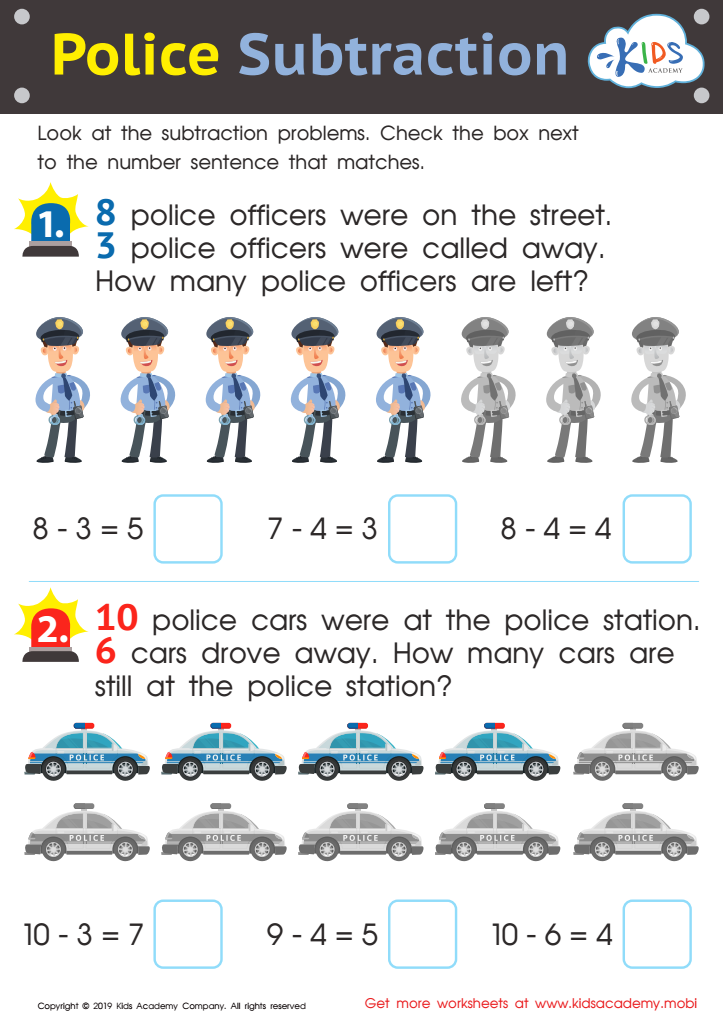
Police Subtraction Worksheet
 Assign to My Students
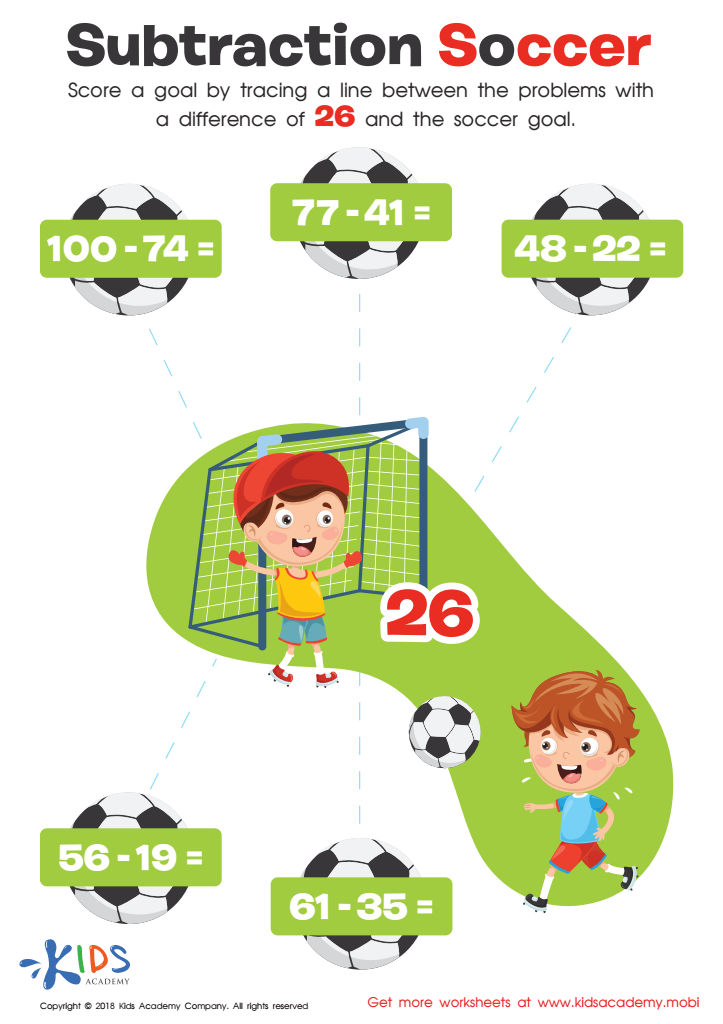
Subtraction Soccer Worksheet
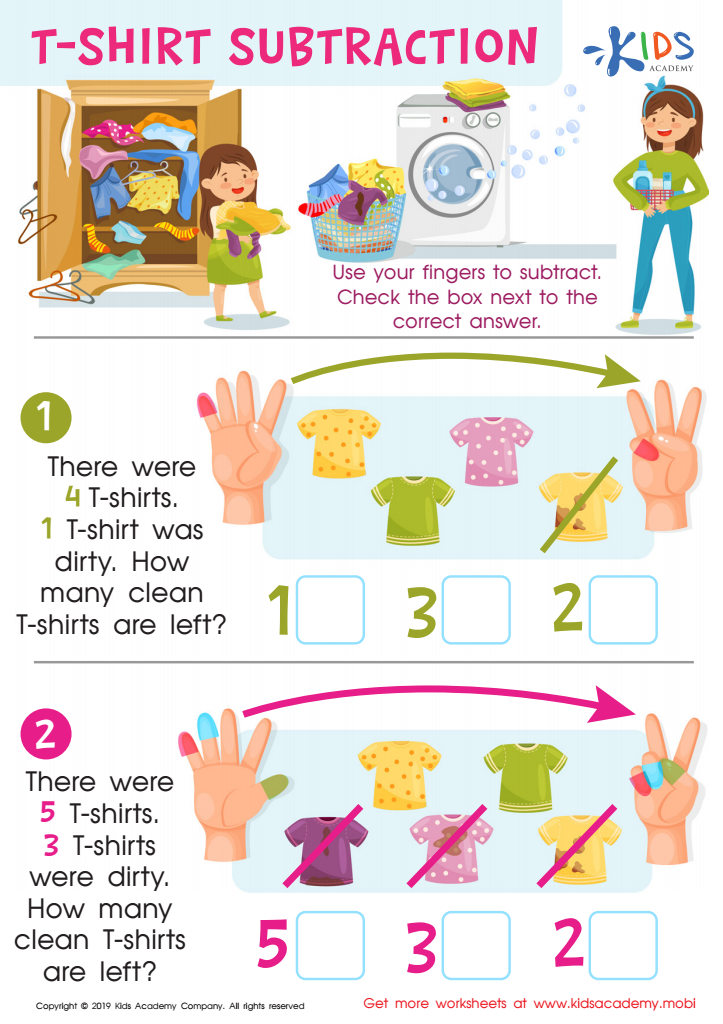
T-shirt Subtraction Worksheet
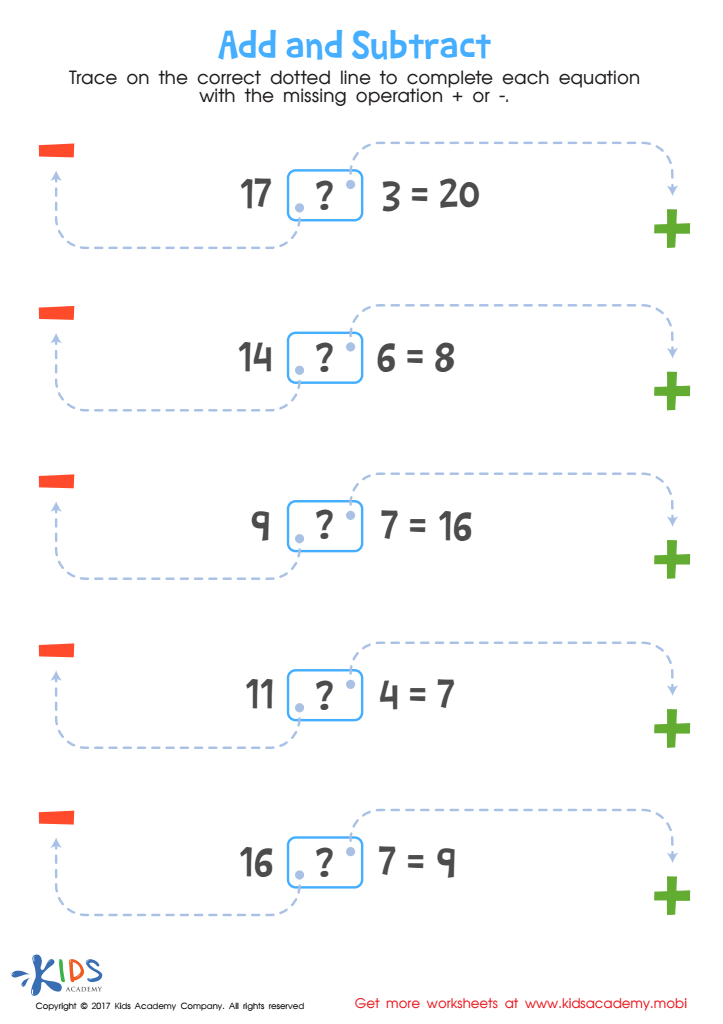
Add and Subtract Worksheet
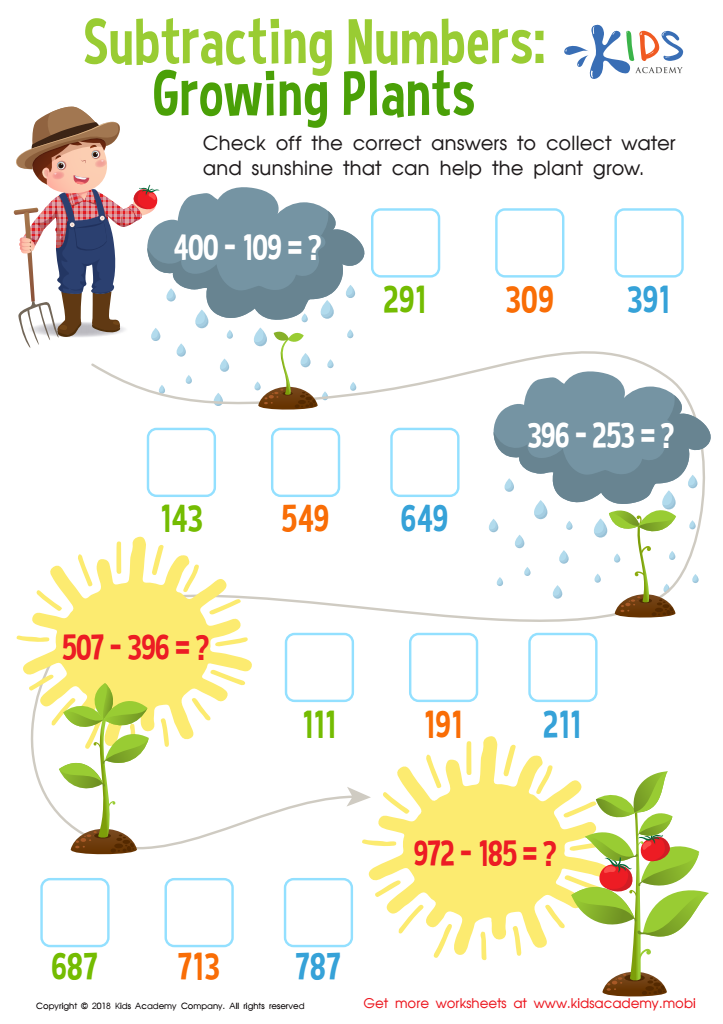
Subtracting Numbers: Growing Plants Worksheet
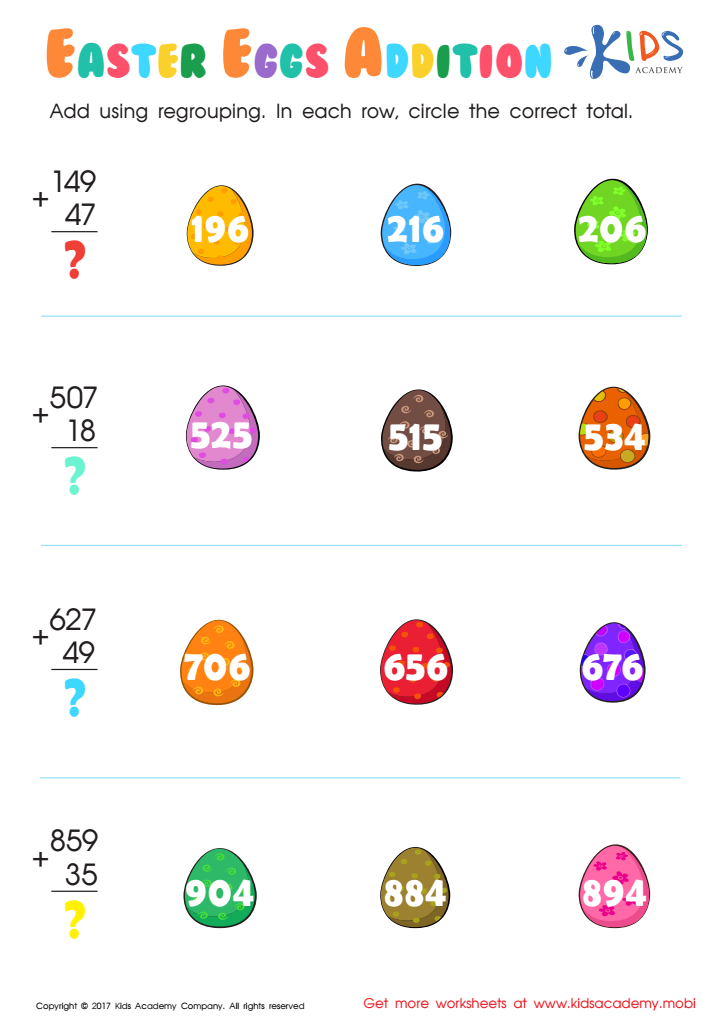
Addition with Regrouping Worksheet
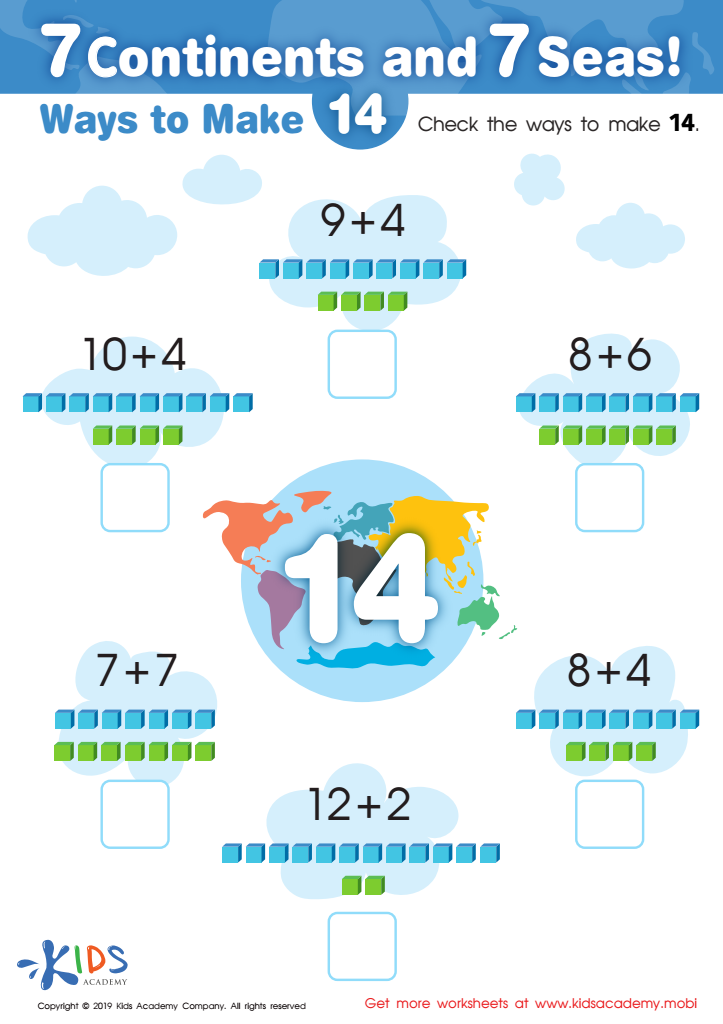
7 Continents and 7 Seas Worksheet
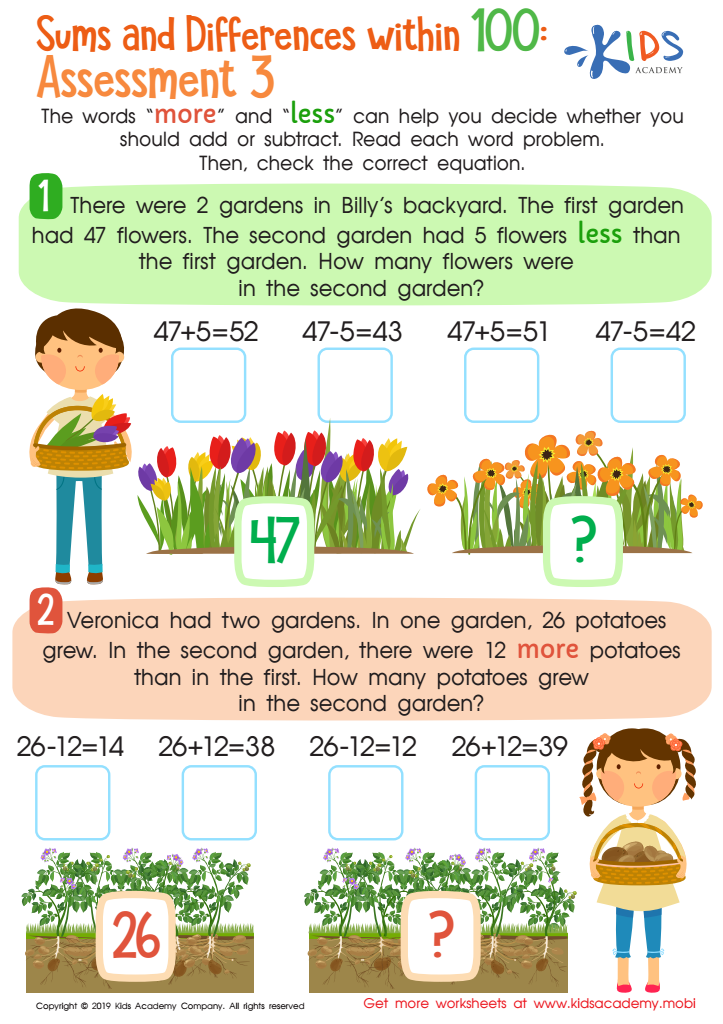
Sums and Differences Within 1 - Assessment 1 Worksheet
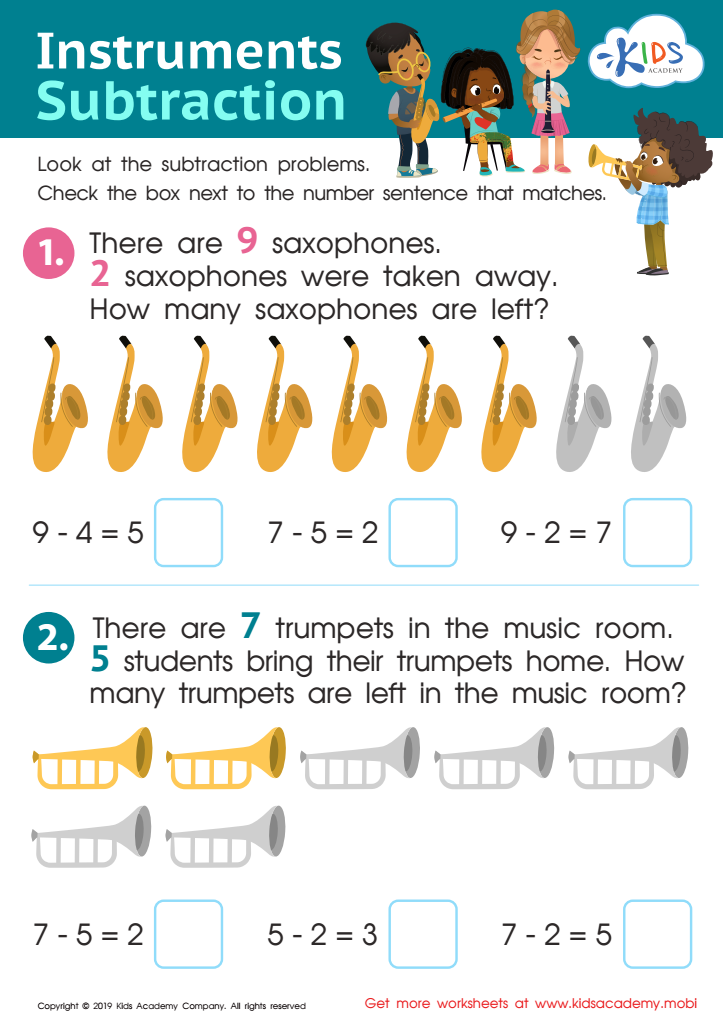
Instrument Subtraction Worksheet
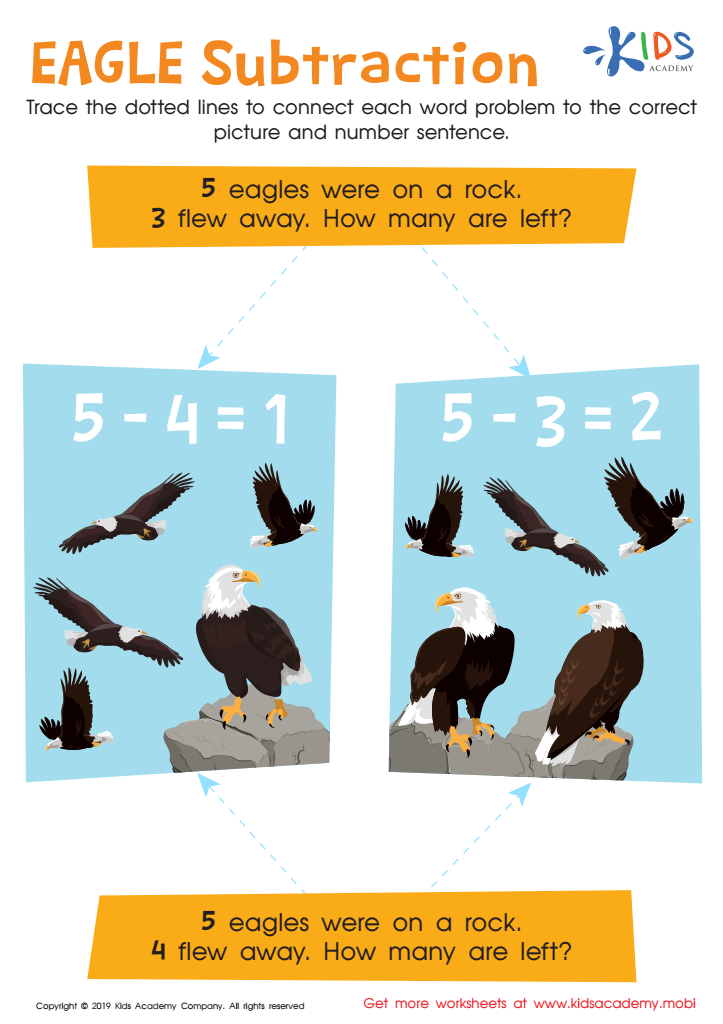
Eagle Subtraction Worksheet
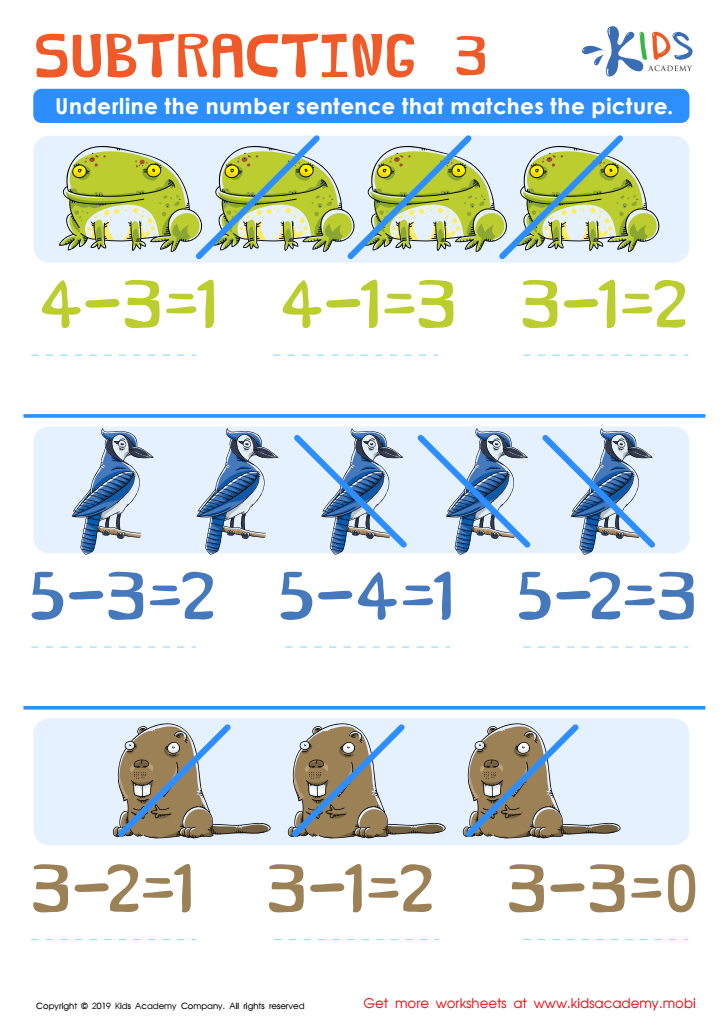
Subtracting 3 Worksheet
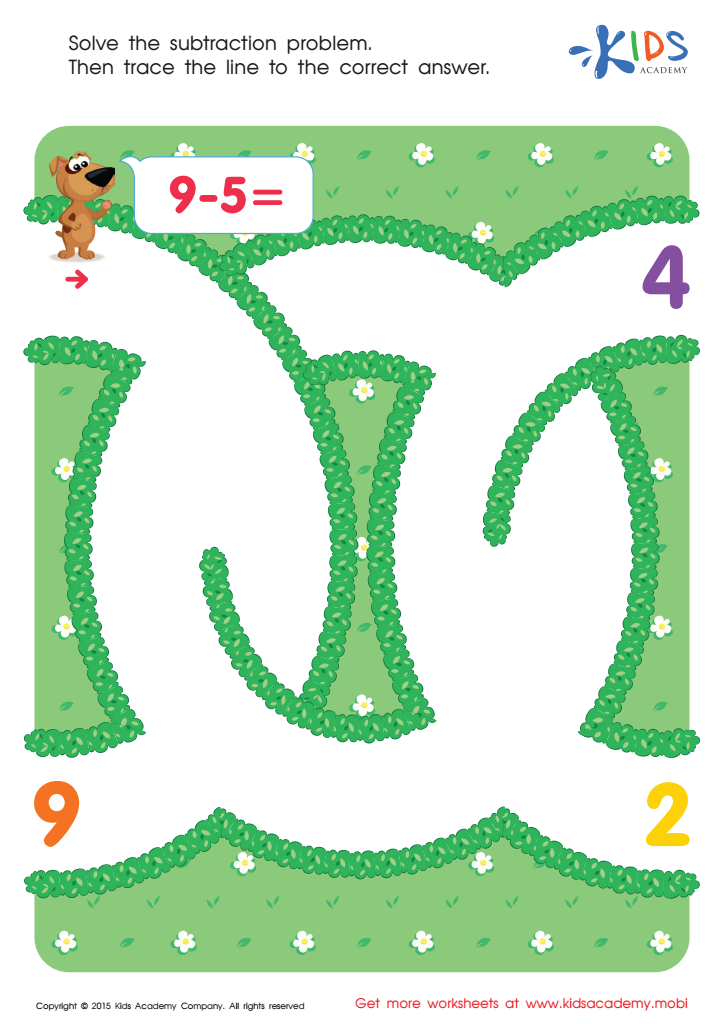
Subtraction Nine And Five Worksheet
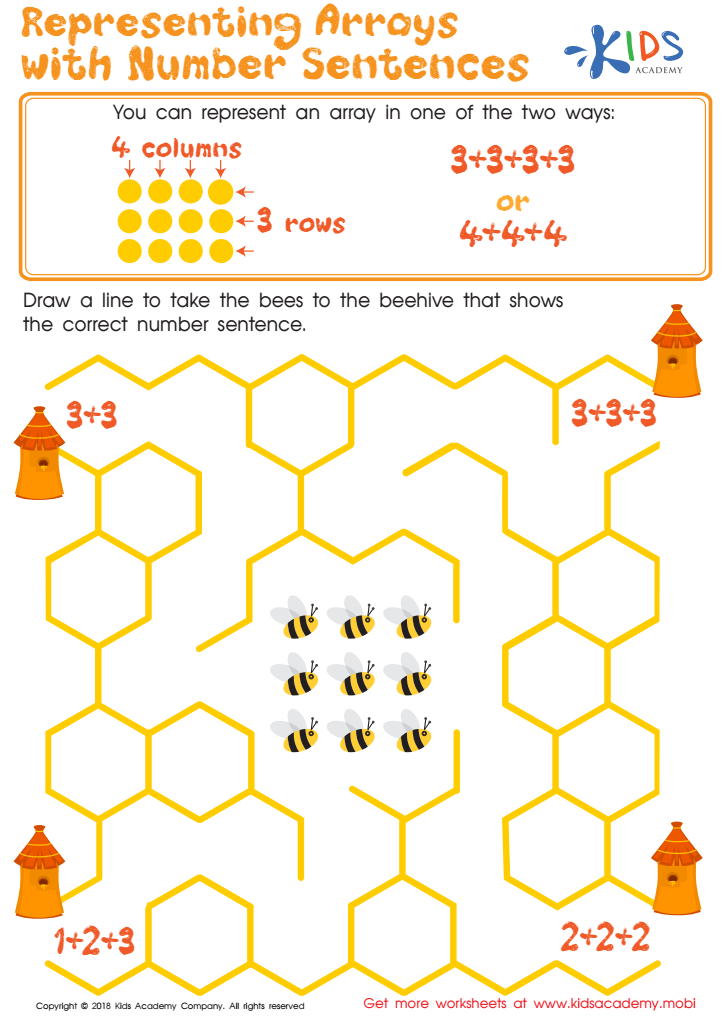
Representing Arrays with Number Sentences Worksheet
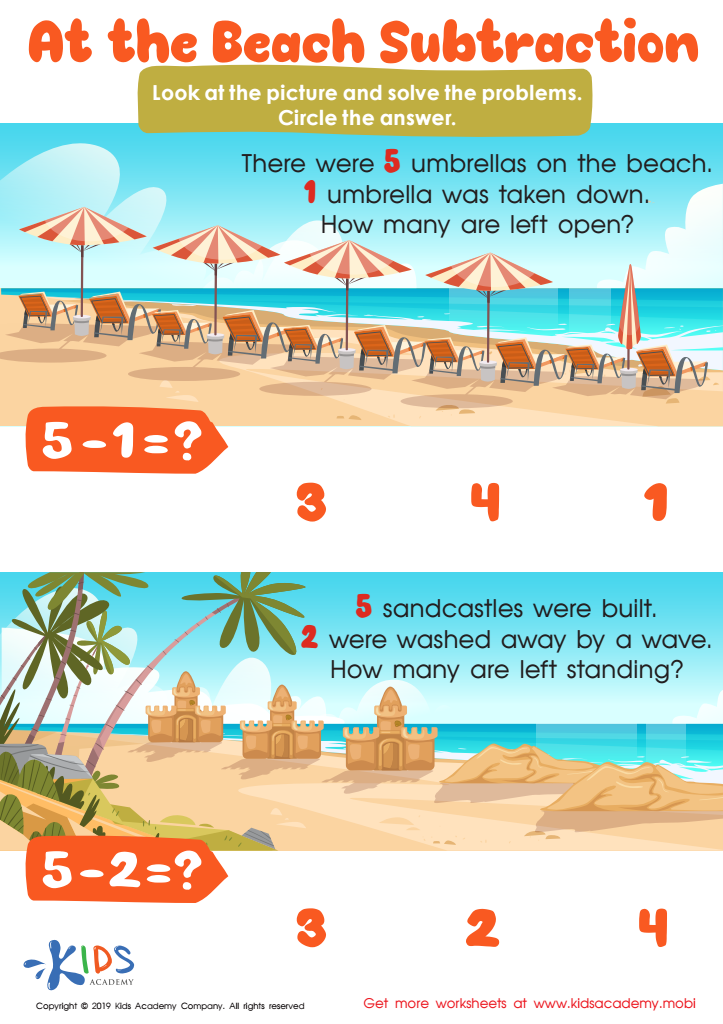
At the Beach Subtraction Worksheet
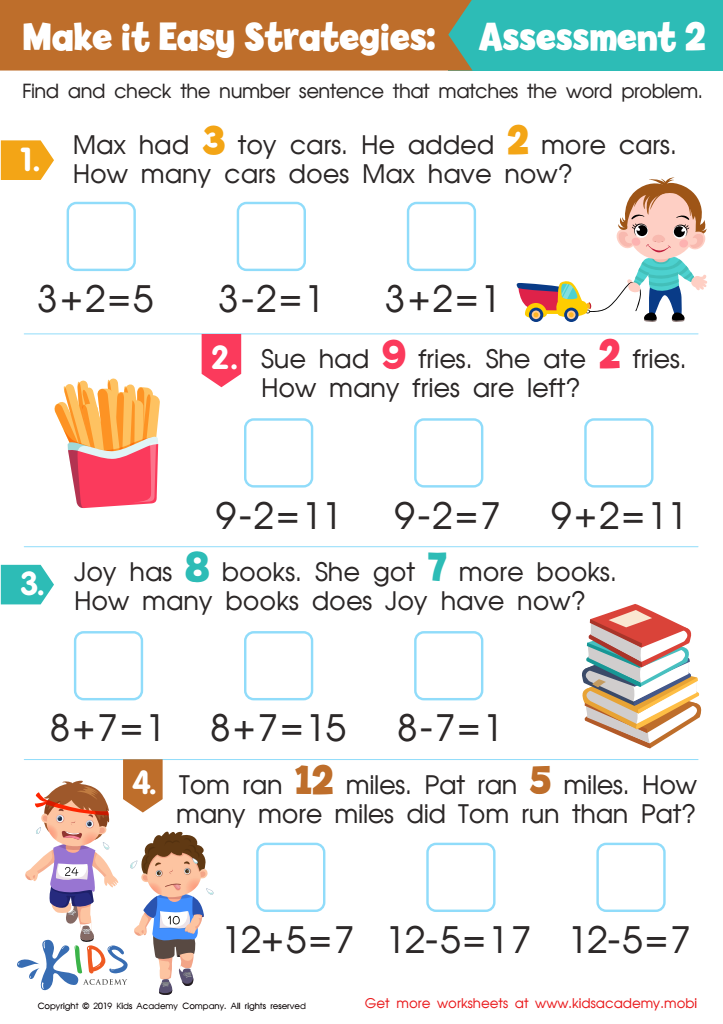
Make it Easy Strategies: Assessment 2 Worksheet
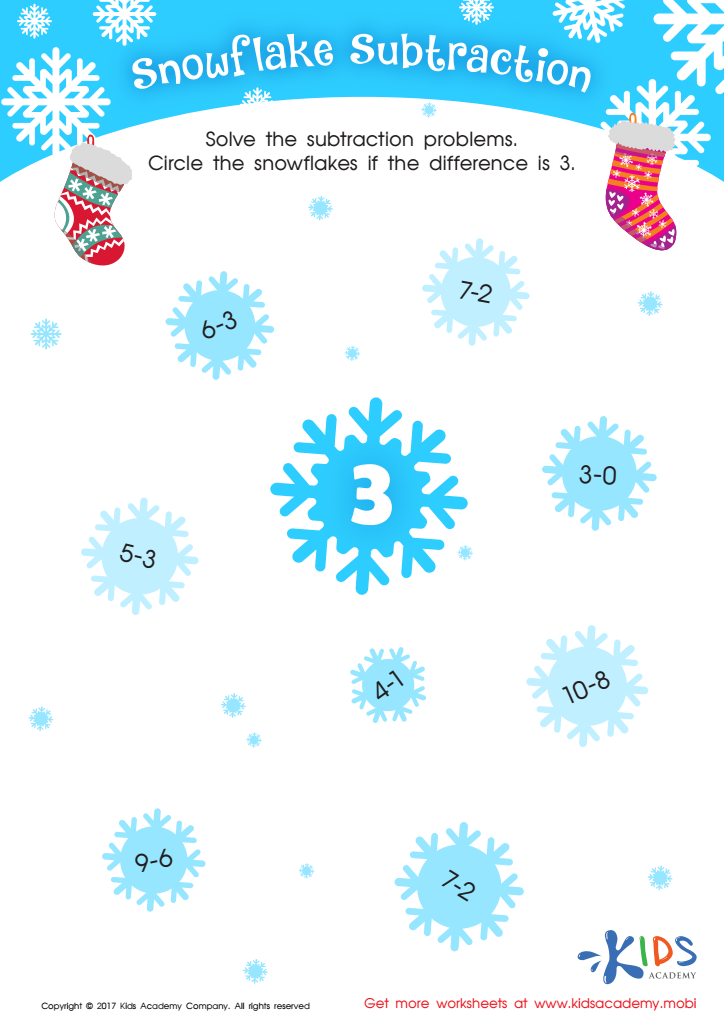
Snowflake Subtraction Worksheet
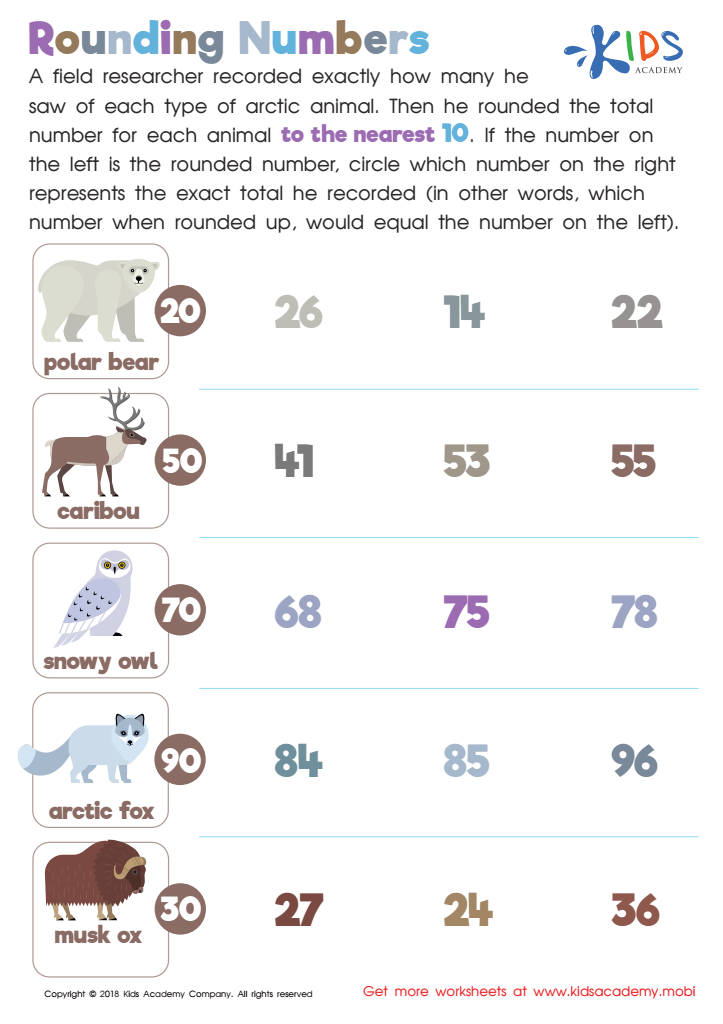
Rounding Numbers Worksheet
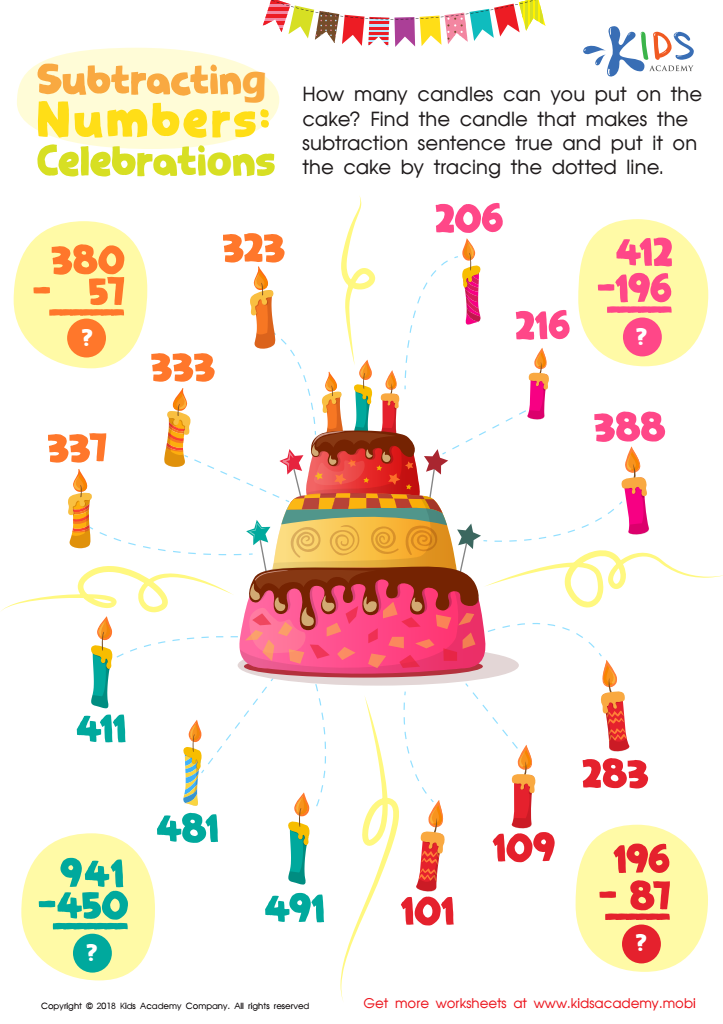
Subtracting Numbers: Celebrations Worksheet
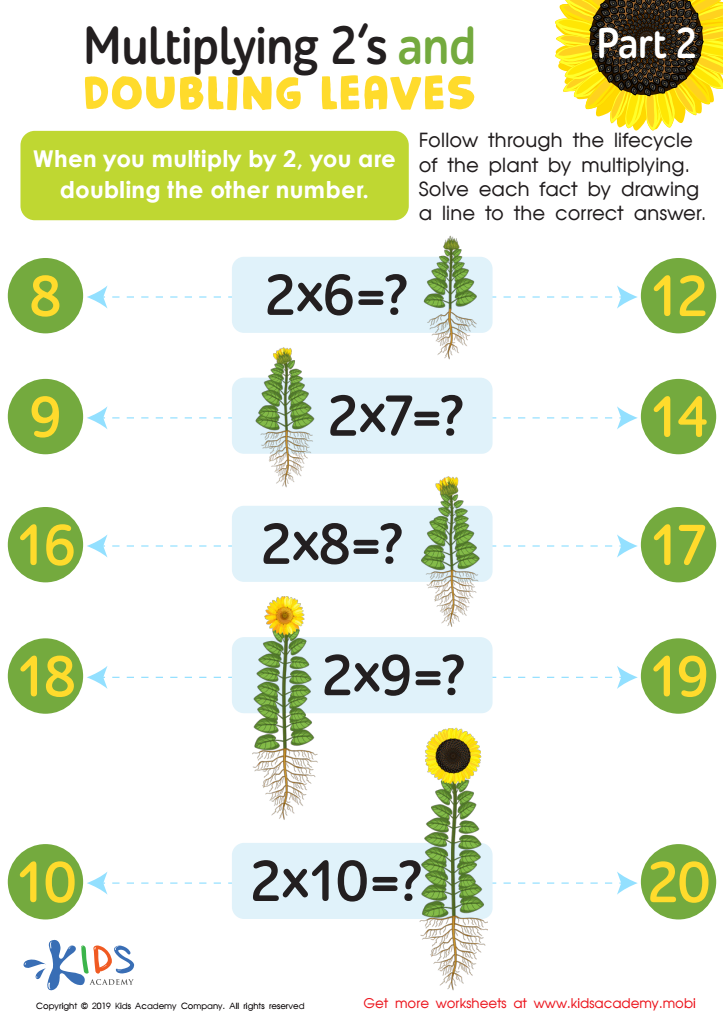
Multiplying 2’s and Doubling Leaves Part 2 Worksheet








Number comprehension is crucial for children aged 3-8 as it lays the foundation for all future mathematical learning and everyday problem-solving skills. During these formative years, children begin to build an understanding of numbers, quantities, and basic arithmetic concepts, which are vital for their academic growth and cognitive development.
Firstly, early number comprehension helps children develop critical thinking skills. They start to recognize patterns, categorize objects, and make comparisons, all of which are essential cognitive processes. For instance, understanding that five is bigger than three can extend to more complex comparisons later in life.
Secondly, math skills built during these years are closely linked to overall academic success. Research shows that early math skills are one of the best predictors of later achievement, not just in math but in reading and other academic areas as well. Essentially, a solid grasp of number comprehension gives children a head start in their education.
Moreover, number comprehension is equally essential for real-life situations. Simple tasks like counting toys, recognizing numbers in the environment, or sorting objects by size cannot be mastered without a fundamental grasp of number comprehension.
For these reasons, parents and teachers should invest time and effort into nurturing children's number comprehension skills. This nurturing should be done through engaging, playful, and practical activities that make learning numbers a joyful and integral part of their early development.








