Subtraction practice Math Worksheets for Ages 3-8
89 filtered results
-
From - To
Welcome to our Subtraction Practice Math Worksheets designed for children ages 3-8! These engaging and interactive resources promote early math skills through fun and age-appropriate activities. Our worksheets offer a variety of subtraction problems, helping young learners grasp the concept of taking away in a visually appealing way. Ideal for both classroom and home use, these worksheets encourage practice in identifying numbers, counting, and problem-solving. With colorful illustrations and simple layouts, children will enjoy honing their subtraction skills, building a solid foundation for future math success. Explore our collection today and make learning subtraction enjoyable and effective!
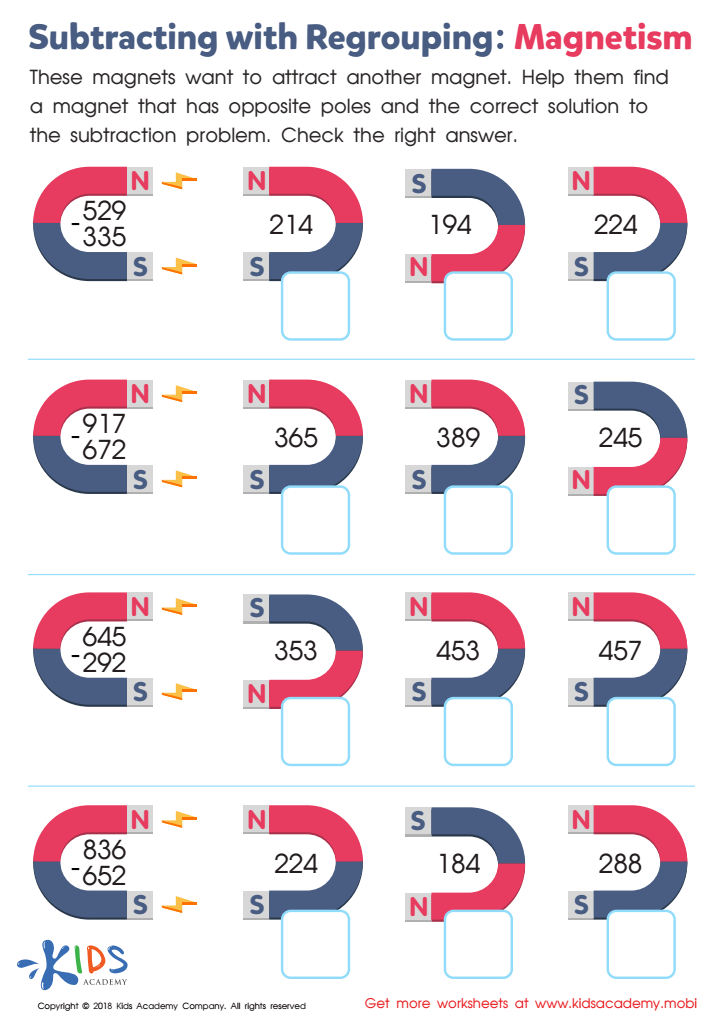
Subtracting with Regrouping: Magnetism Worksheet
 Assign to My Students
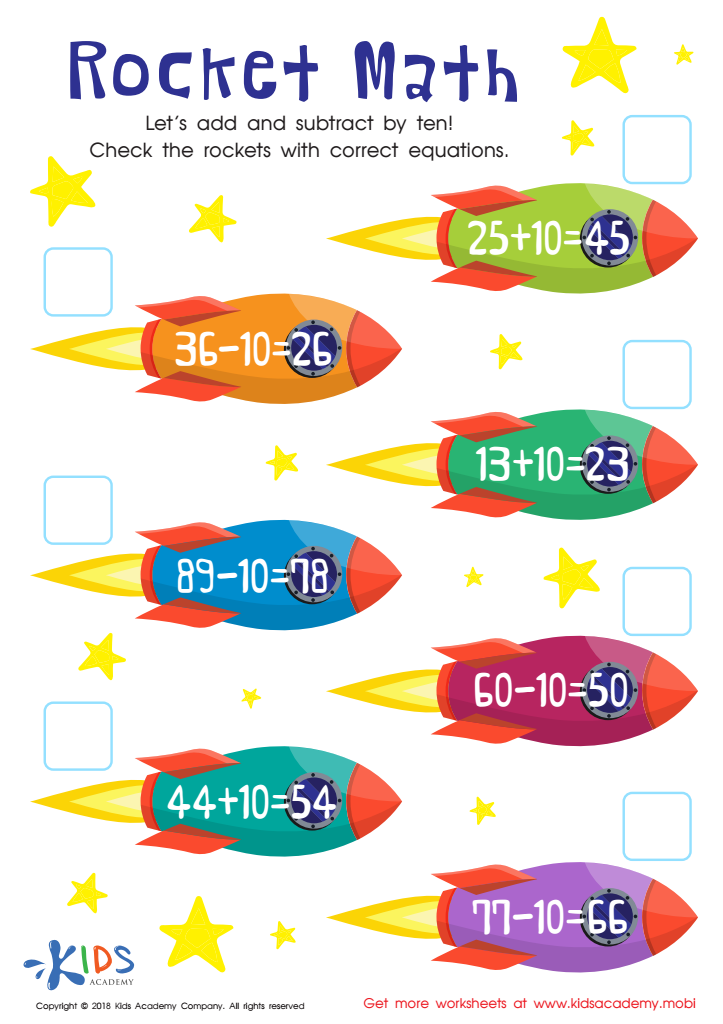
Rocket Math Worksheet
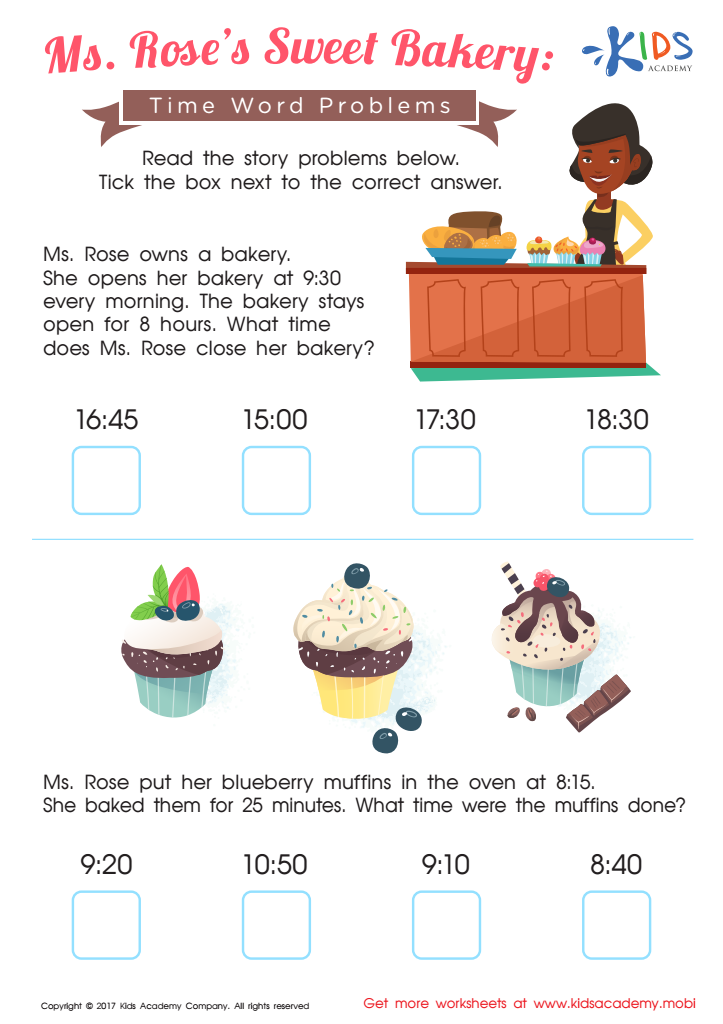
Ms. Roseв's Sweet Bakery Time Worksheet
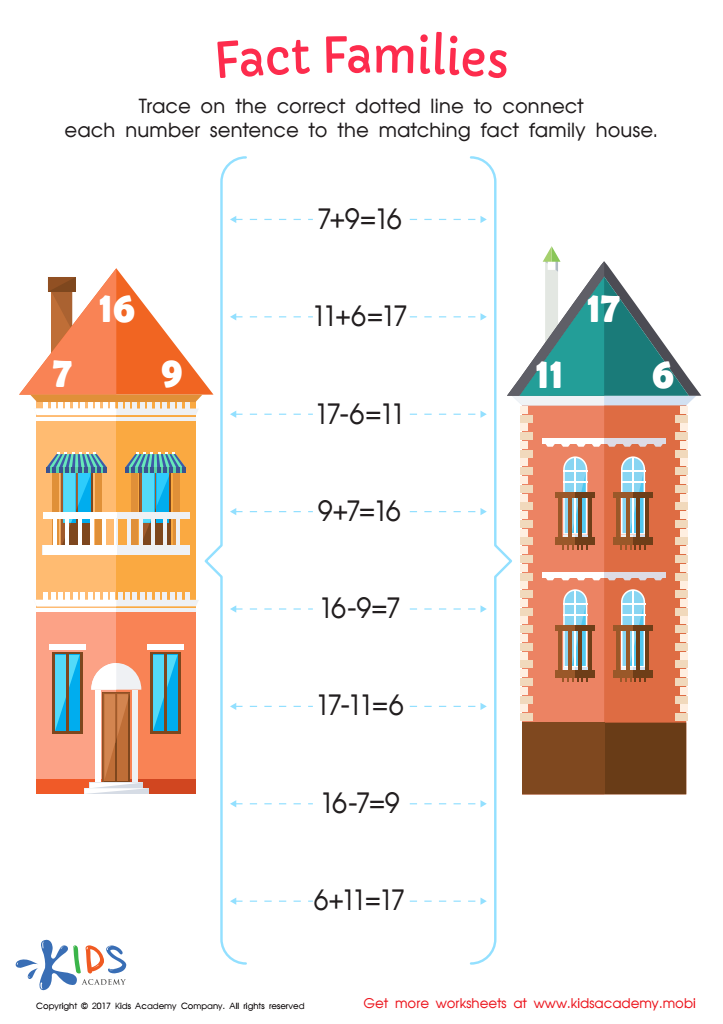
Fact Families — Add and Subtract Worksheet
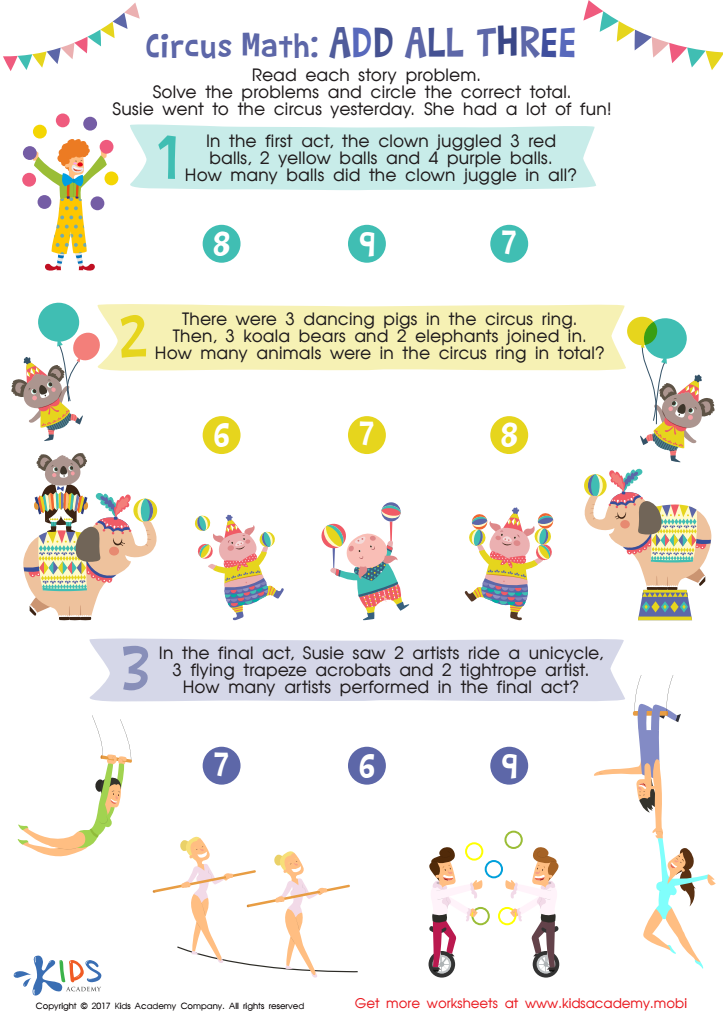
Circus Math Printable
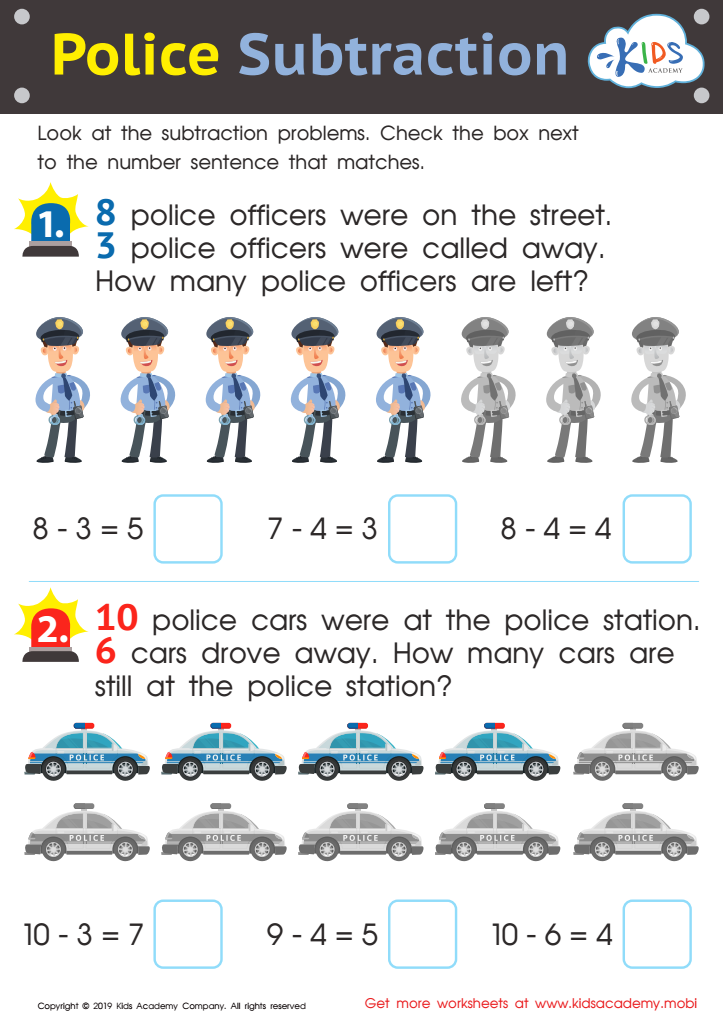
Police Subtraction Worksheet
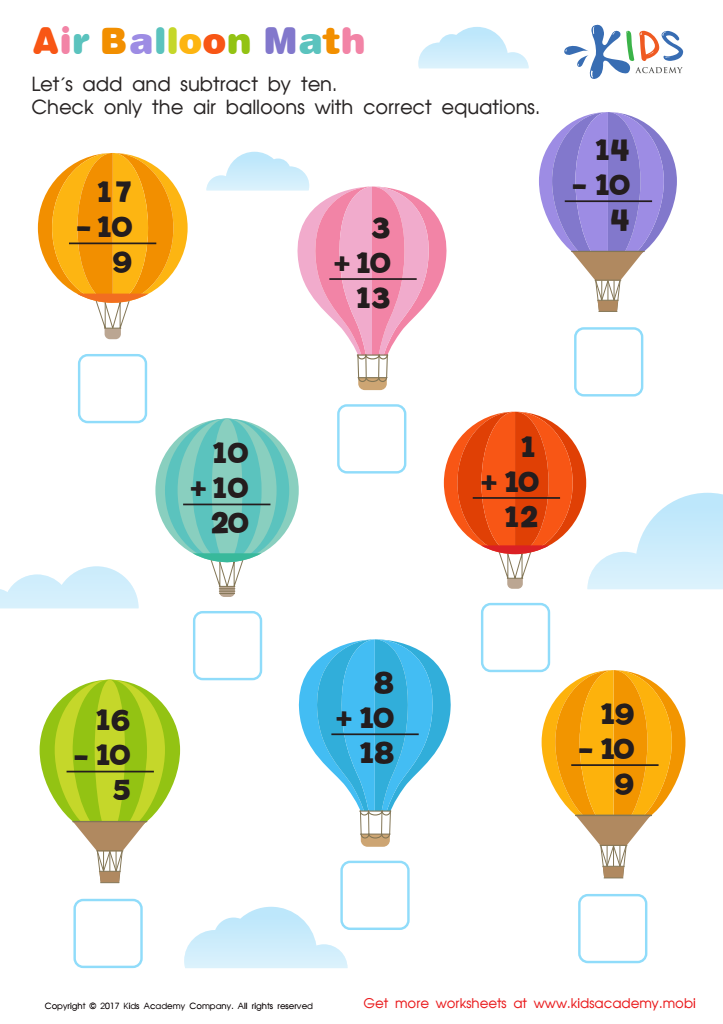
Air Balloon Math Worksheet
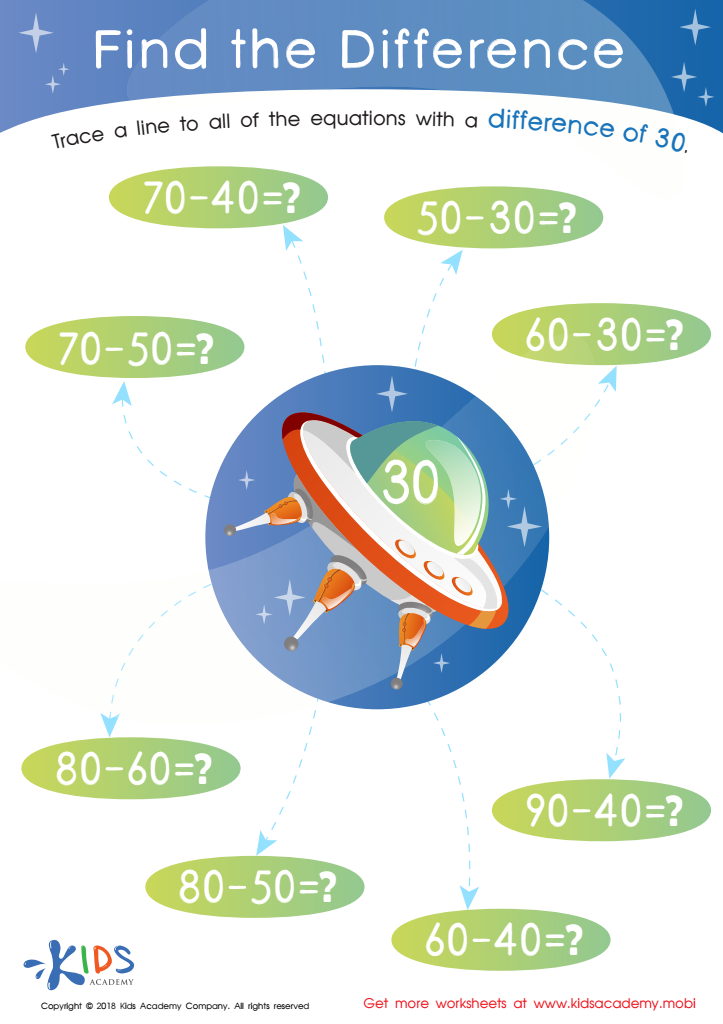
Find The Difference Worksheet
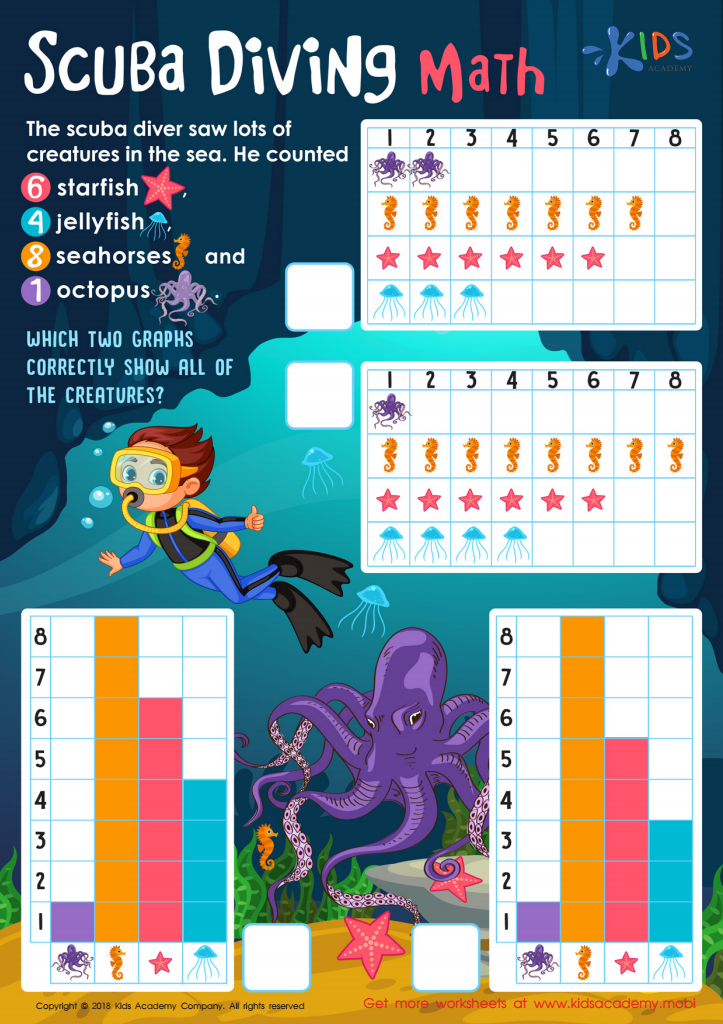
Scuba Diving Math Worksheet
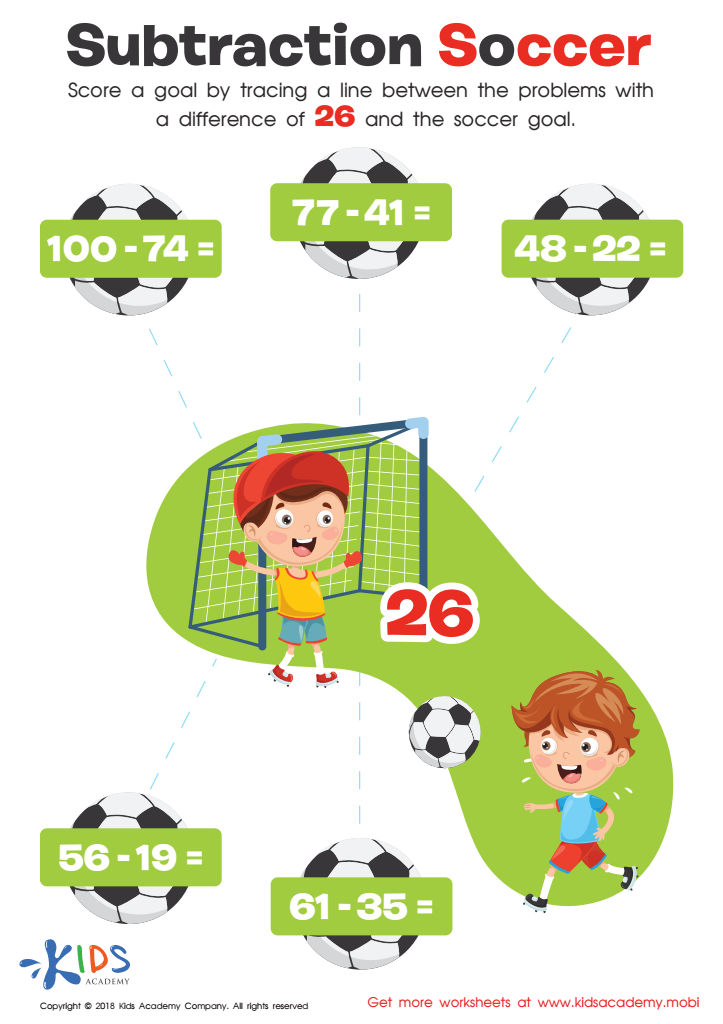
Subtraction Soccer Worksheet
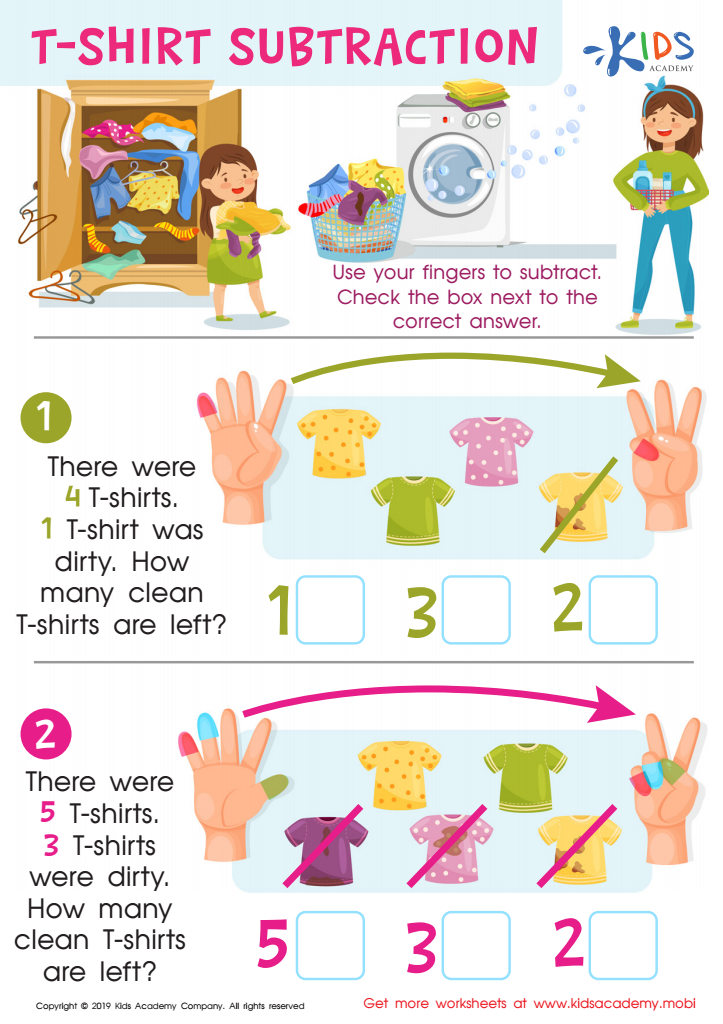
T-shirt Subtraction Worksheet
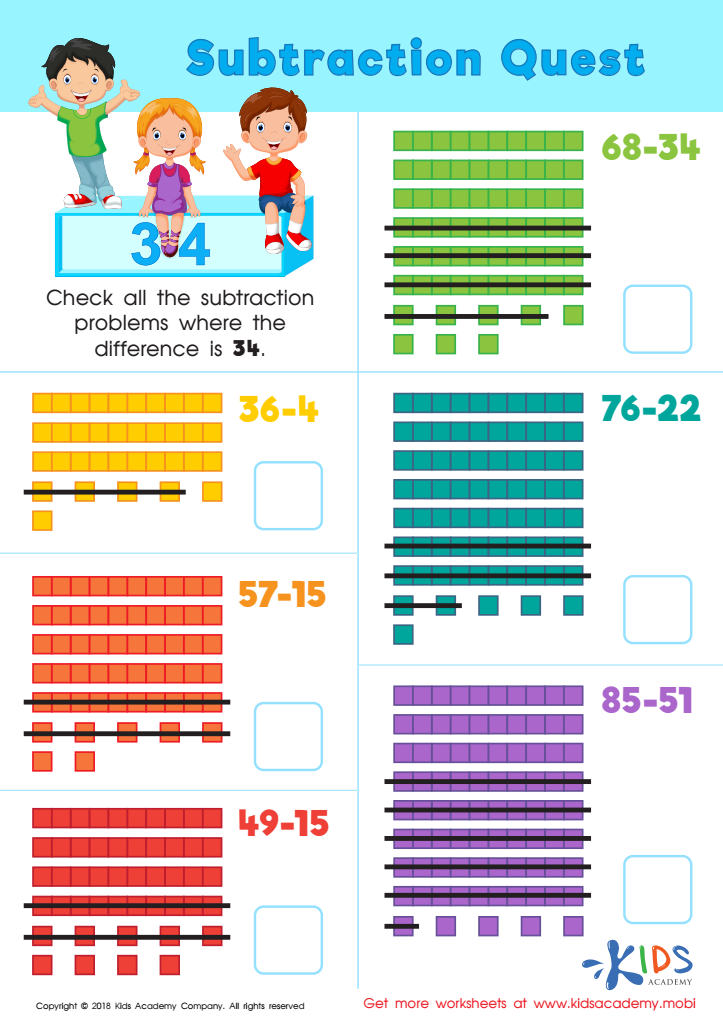
Subtraction Quest Worksheet
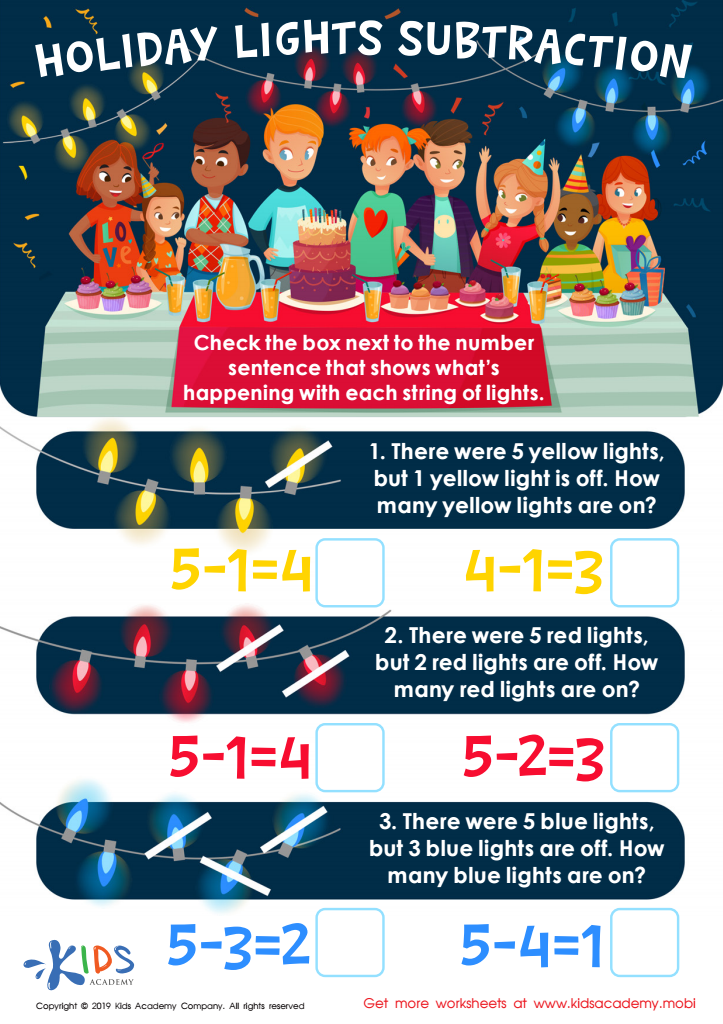
Holiday Lights Subtraction Worksheet
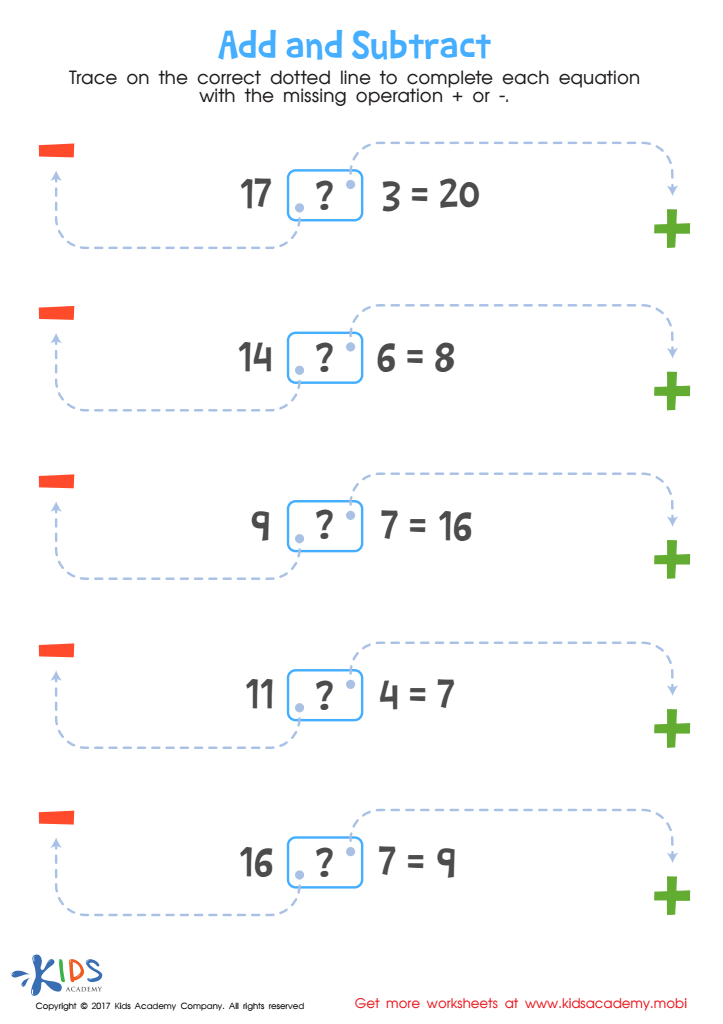
Add and Subtract Worksheet
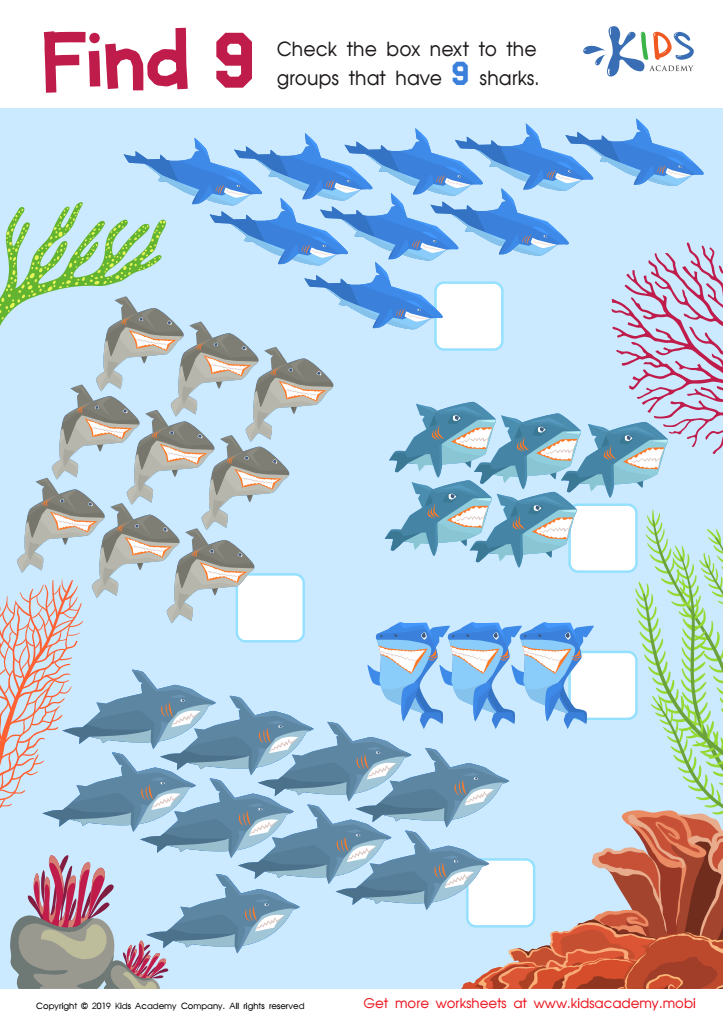
Find 9 Worksheet
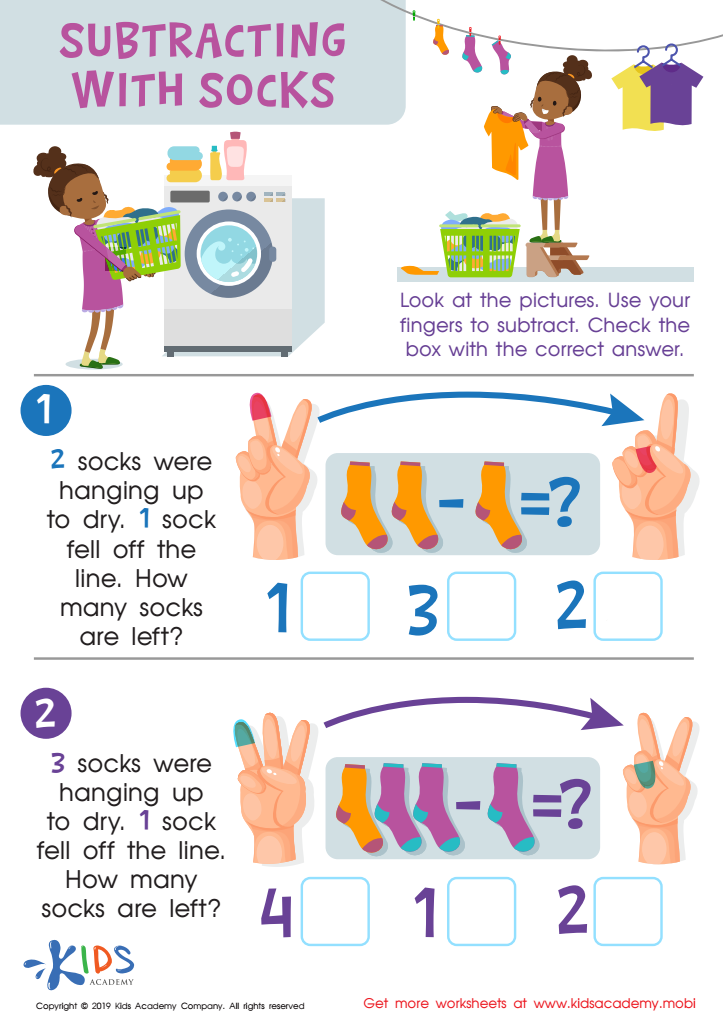
Subtracting Socks Worksheet
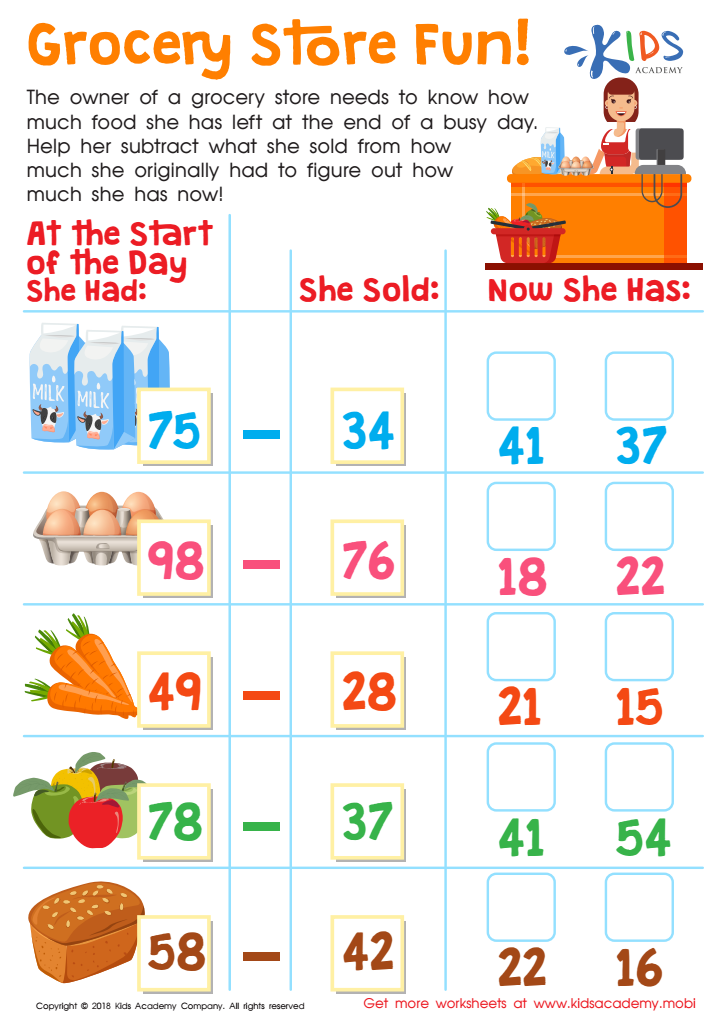
Grocery Store Fun! Worksheet
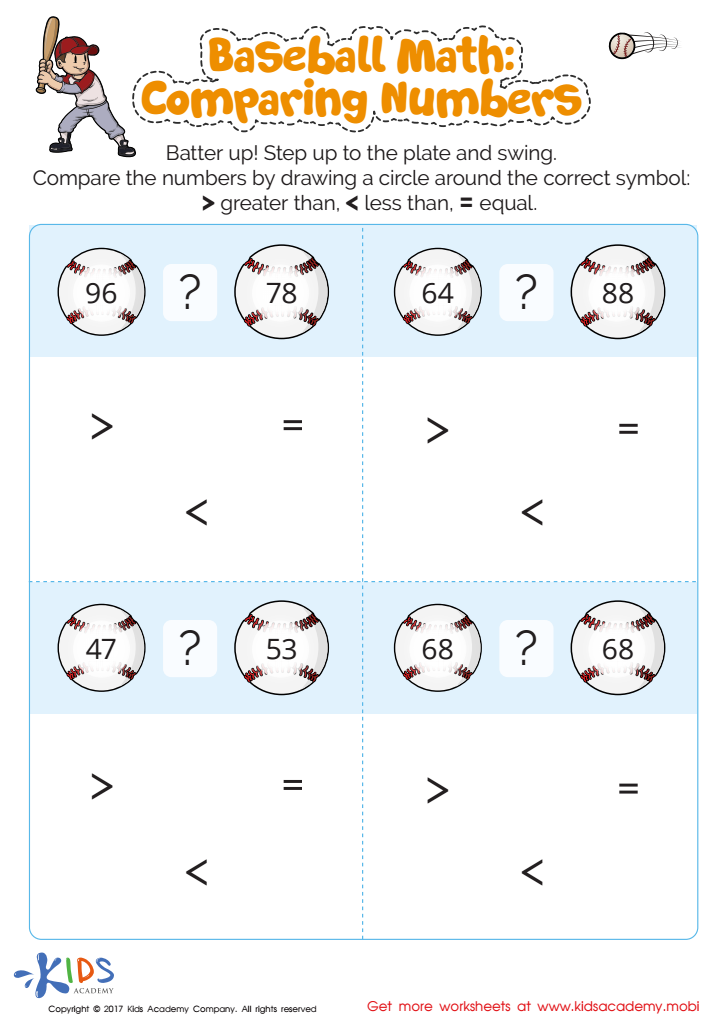
Compare Numbers Printable
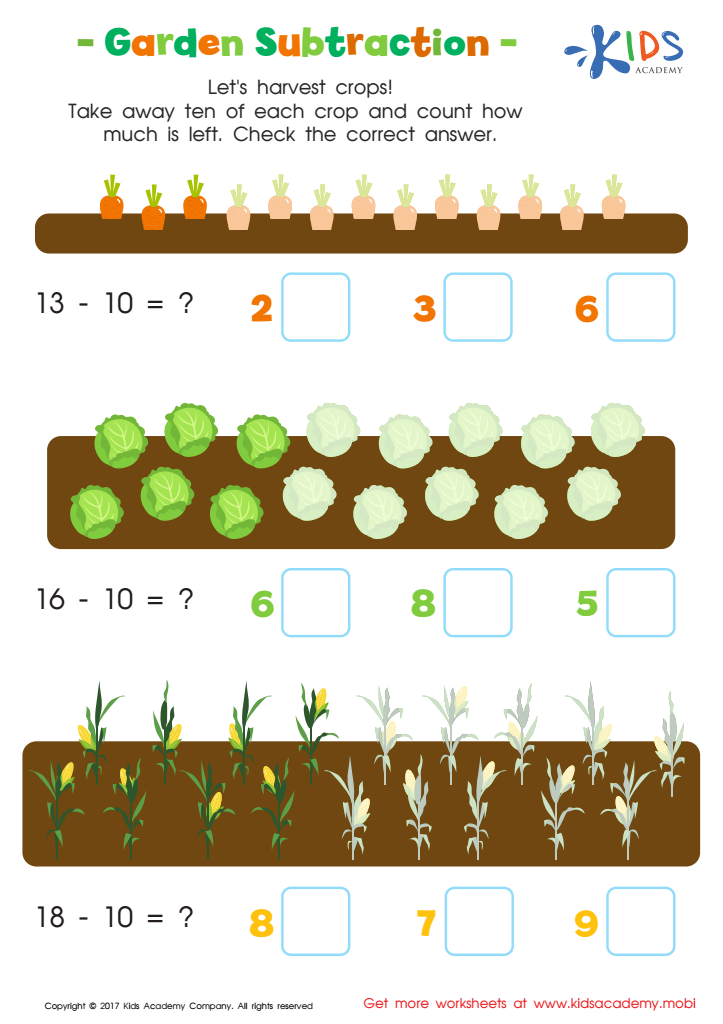
Garden Subtraction Worksheet
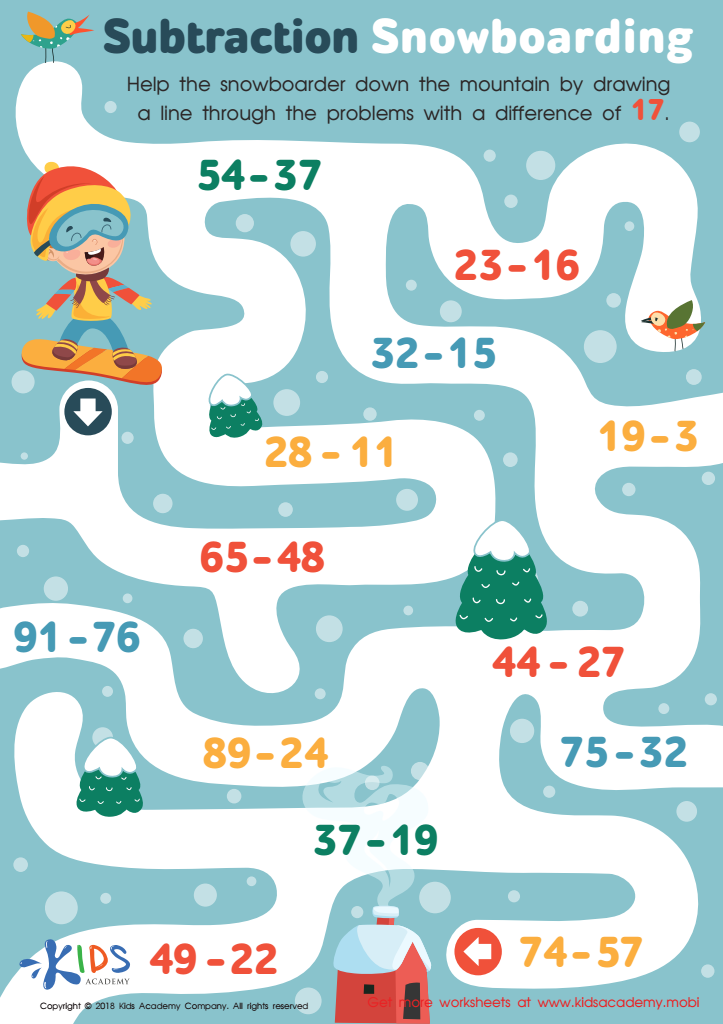
Subtraction Snowboarding Worksheet
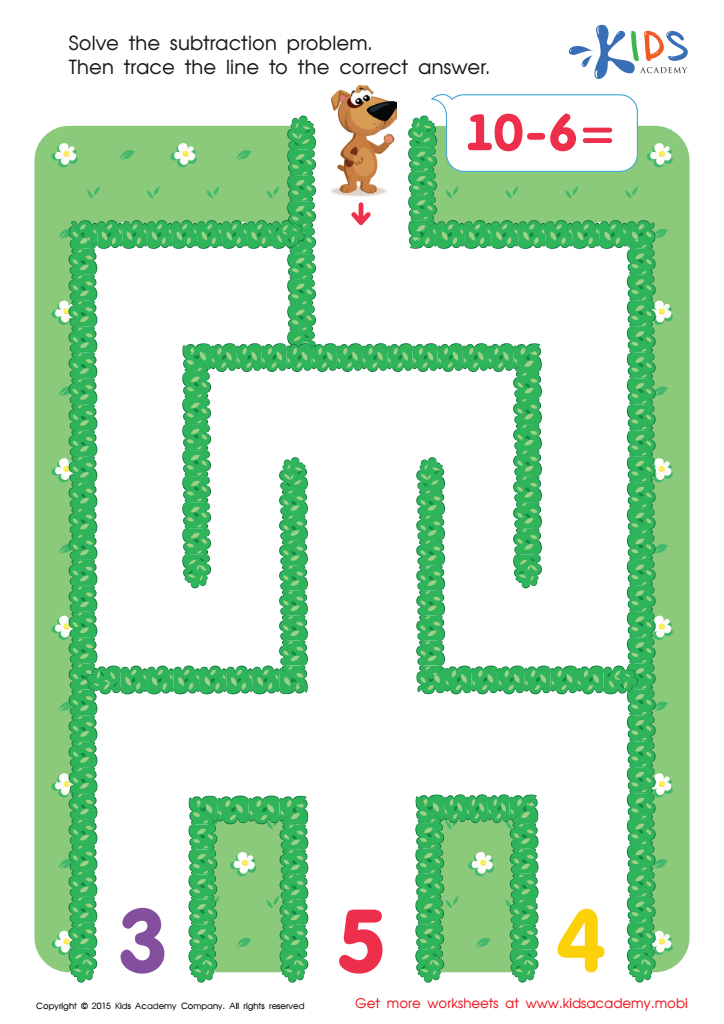
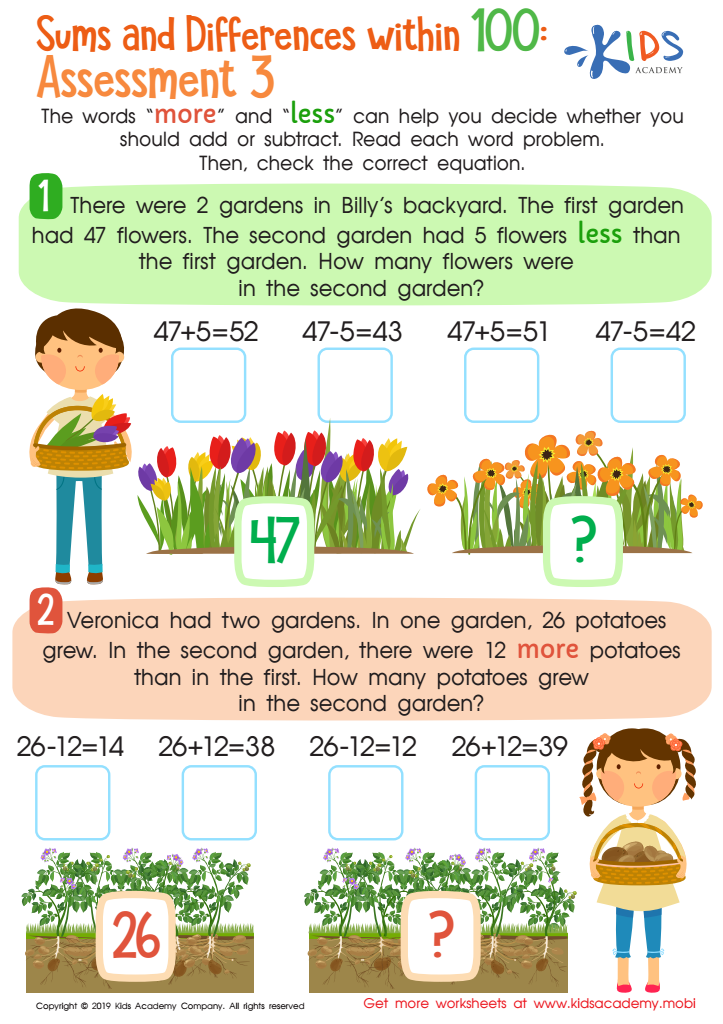
Sums and Differences Within 1 - Assessment 1 Worksheet
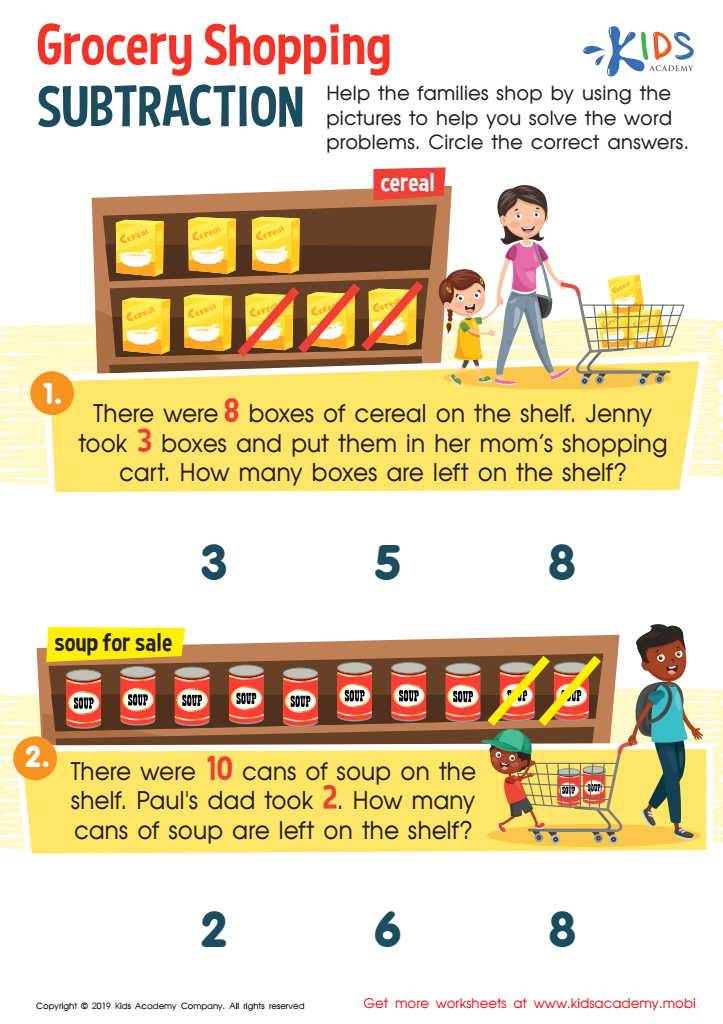
Grocery Shopping Subtraction Worksheet







Subtraction practice is crucial for children aged 3-8 as it lays the foundation for their mathematical understanding and problem-solving skills. Early exposure to subtraction helps children develop number sense, allowing them to understand quantities, relationships between numbers, and the concept of taking away or finding differences. This comprehension is essential as they progress to more complex math concepts.
Additionally, subtraction practice encourages cognitive development. Engaging children in activities that involve subtractive reasoning promotes critical thinking and enhances their ability to analyze problems. As they work through subtraction problems, whether through manipulatives, games, or worksheets, children learn perseverance when tackling challenges—skills that benefit them beyond mathematics.
Furthermore, consistent subtraction practice can boost confidence in young learners. Mastery of basic math operations like subtraction is fundamental for academic success, fostering a positive attitude toward math and reducing anxiety surrounding the subject.
Finally, involving parents in subtraction practice creates bonding moments that reinforce learning through supportive interaction. Overall, prioritizing subtraction practice not only equips children with necessary academic skills but also paves the way for lifelong learning and a positive mathematics experience.








