Enhance your child's early math skills with our "Understanding Quantity" worksheets, specially designed for ages 3-8. These engaging activities introduce foundational concepts, helping young learners grasp the basics of counting, comparing numbers, and recognizing quantities. With fun visuals and interactive exercises, your child will develop essential math skills that foster confidence and a love for learning. Our curated worksheets align with educational standards, making them perfect for both classroom settings and at-home practice. Join Kids Academy today and empower your little ones to explore the world of numbers, setting a strong foundation for future math success!

Check out this FREE Trial Lesson on Math for age 3-8!

Counting Word Problems

Favorites
With answer key
Interactive
  • 3-8
  • Understanding quantity
  • Math
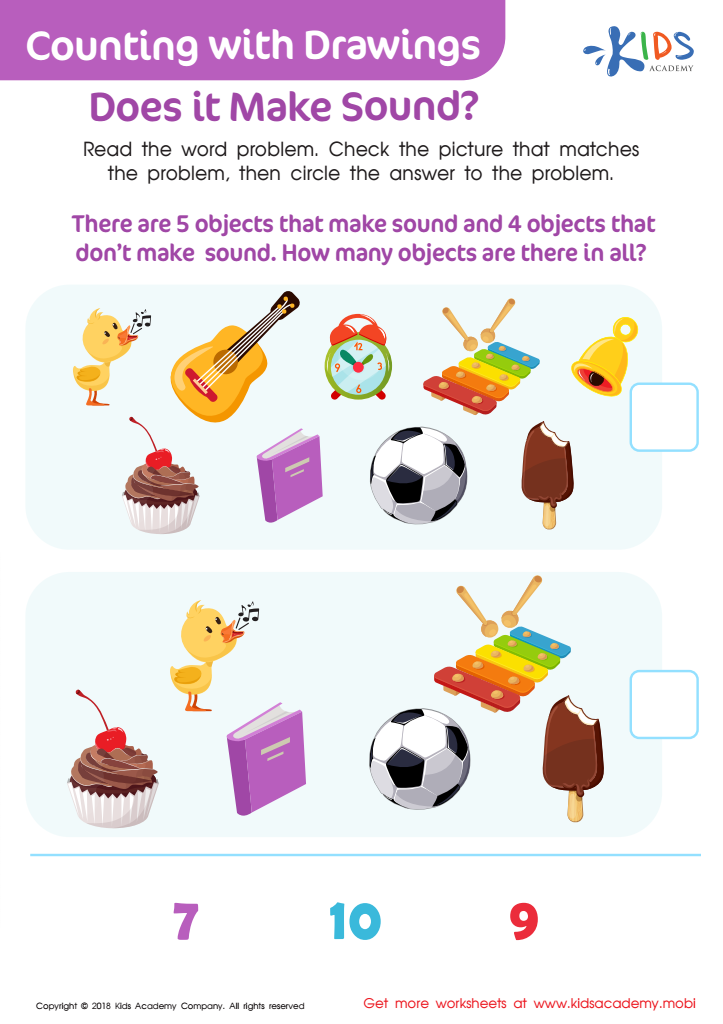
Counting With Drawings. Does It Make Sound? Worksheet

Counting With Drawings. Does It Make Sound? Worksheet

Introduce word problems with this simple worksheet. Ask your students to name the objects pictured, then read the word problem and ask them to circle the answer. With practice, it'll help them scale this challenging area of math.
Counting With Drawings. Does It Make Sound? Worksheet
Worksheet
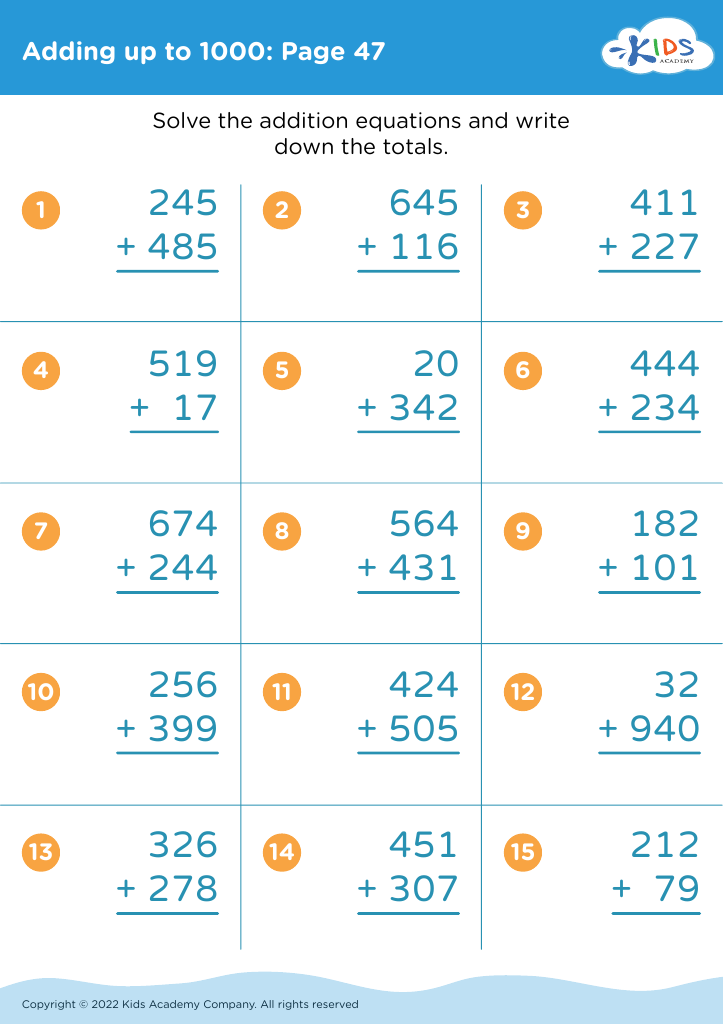
Adding up to 1000: Page 47

Adding up to 1000: Page 47

Adding up to 1000: Page 47
Worksheet
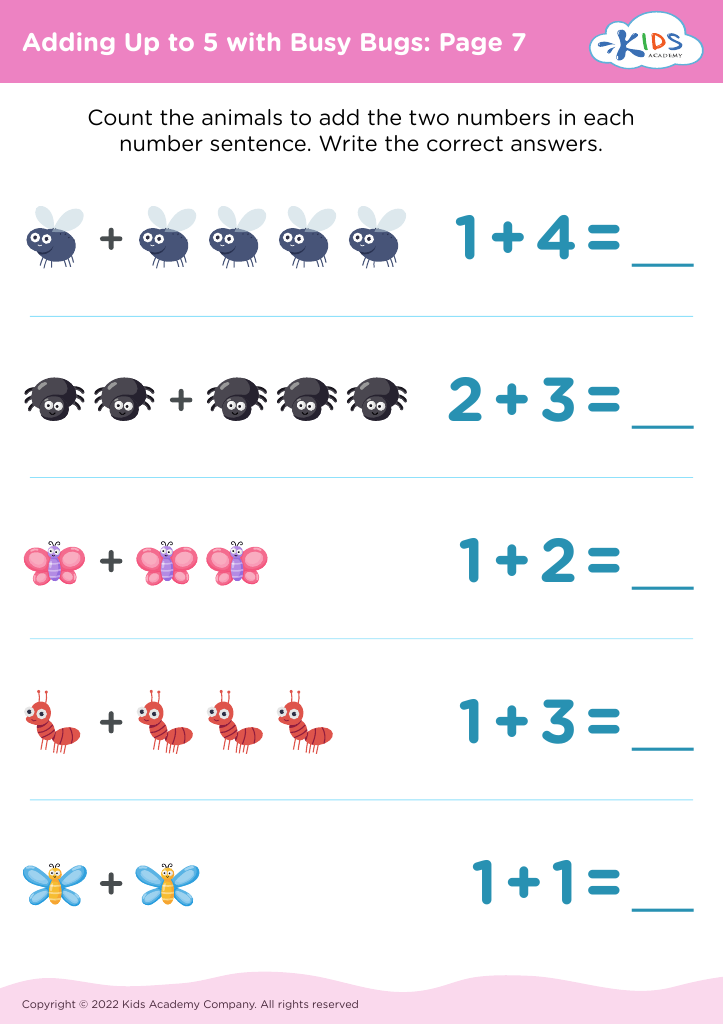
Adding Up to 5 with Busy Bugs: Page 7
Worksheet
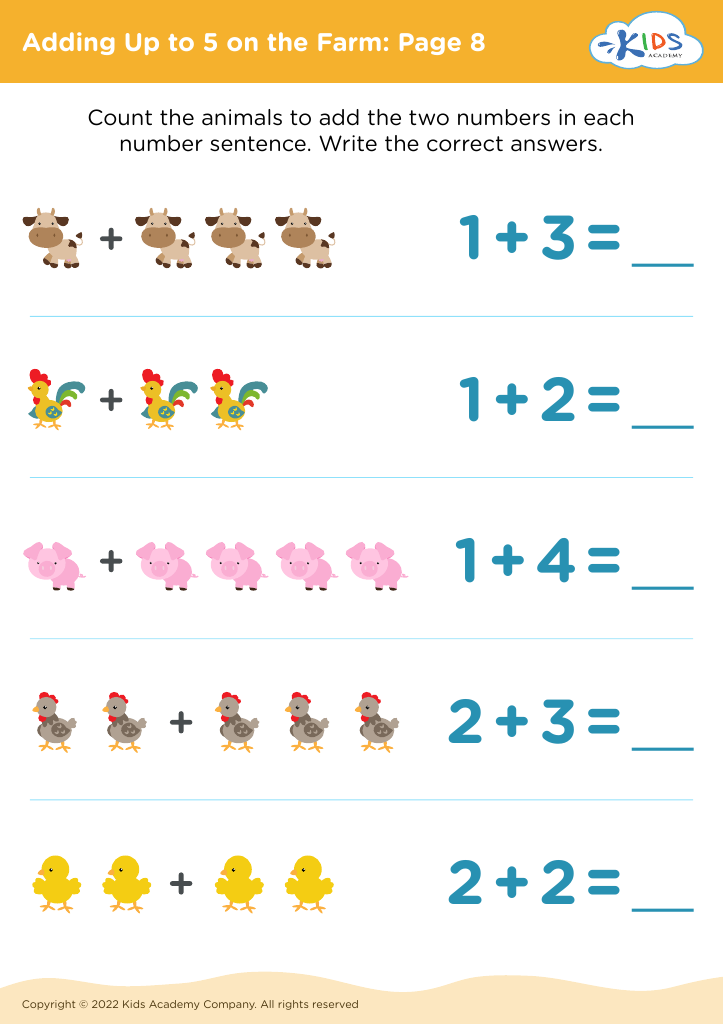
Adding Up to 5 on the Farm: Page 8
Worksheet
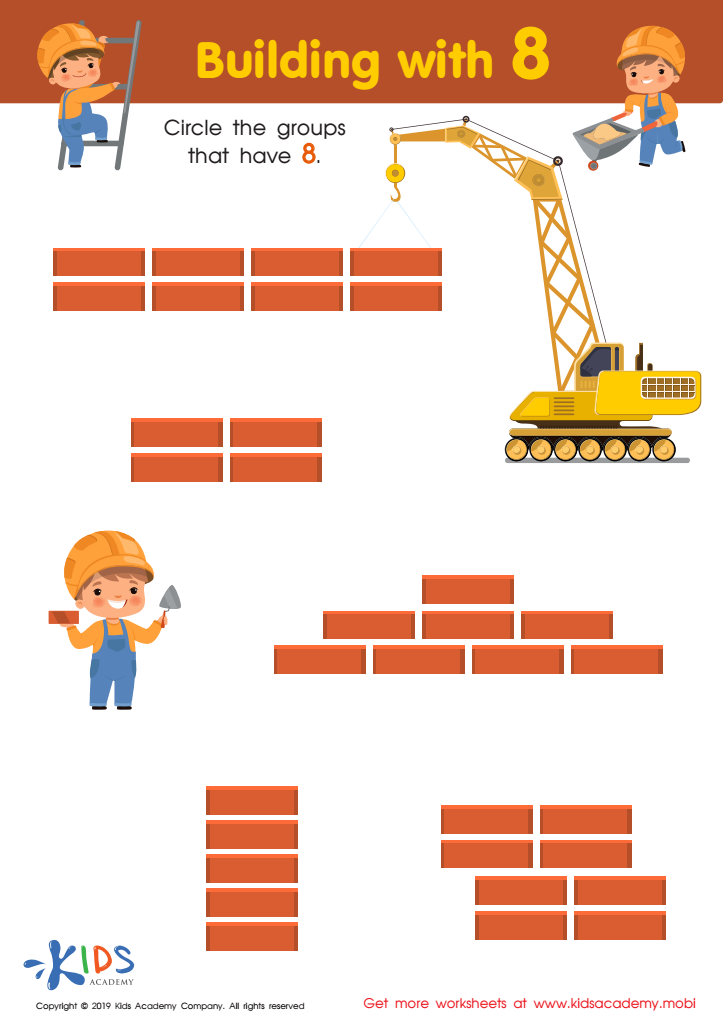
Building with 8 Worksheet

Building with 8 Worksheet

Your child can learn more with this simple exercise! Get them counting and help them circle the groups of 8 bricks. It's a great addition to their post-school lessons, supporting their counting skills. Plus, it's a fun way to learn!
Building with 8 Worksheet
Worksheet
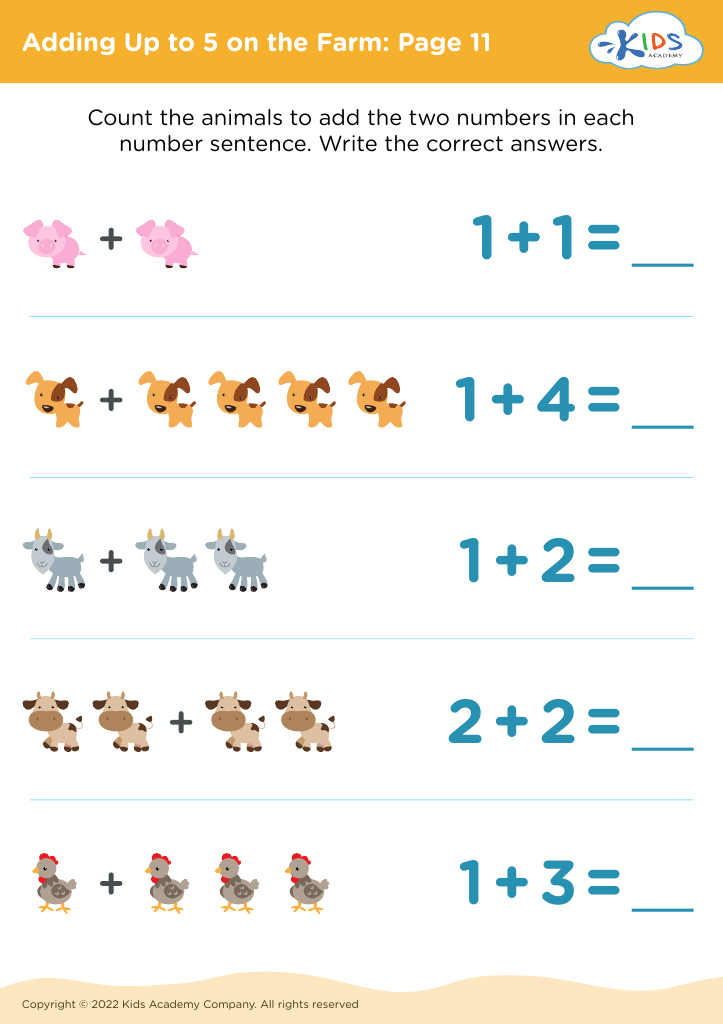
Adding Up to 5 on the Farm: Page 11
Worksheet
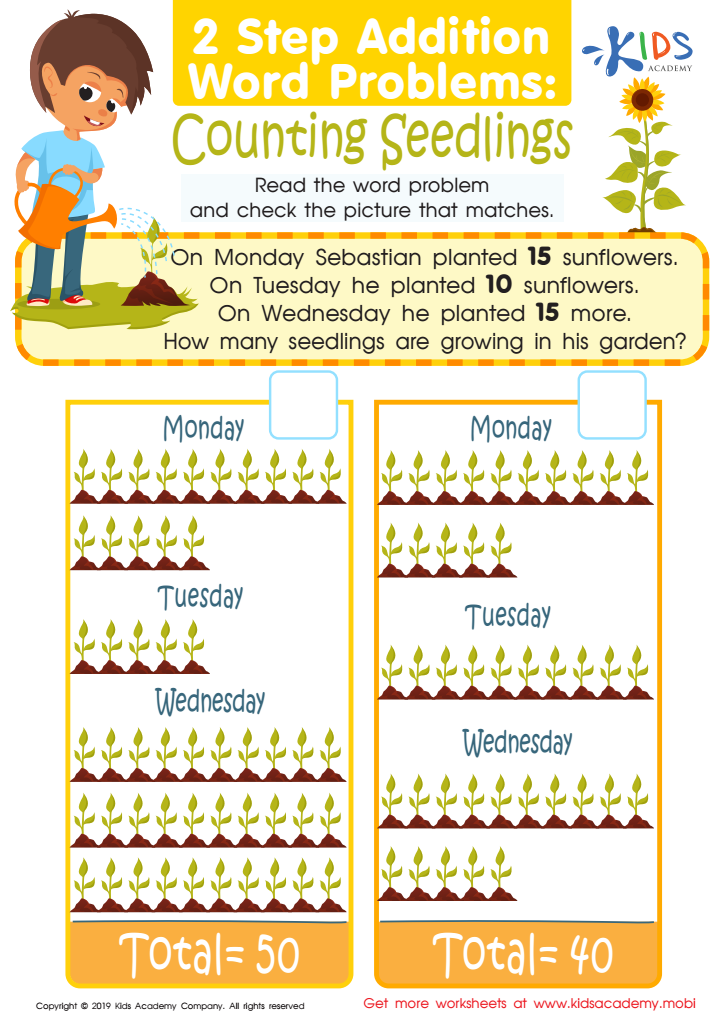
Counting Seedlings Worksheet
Counting Seedlings Worksheet
Understanding math word problems is key. Multiple steps can prove challenging - this free worksheet provides one-to-one picture representation to help kids solve multi-step addition word problems. Strengthen addition skills by choosing the matching picture to the answer.
Counting Seedlings Worksheet
Worksheet
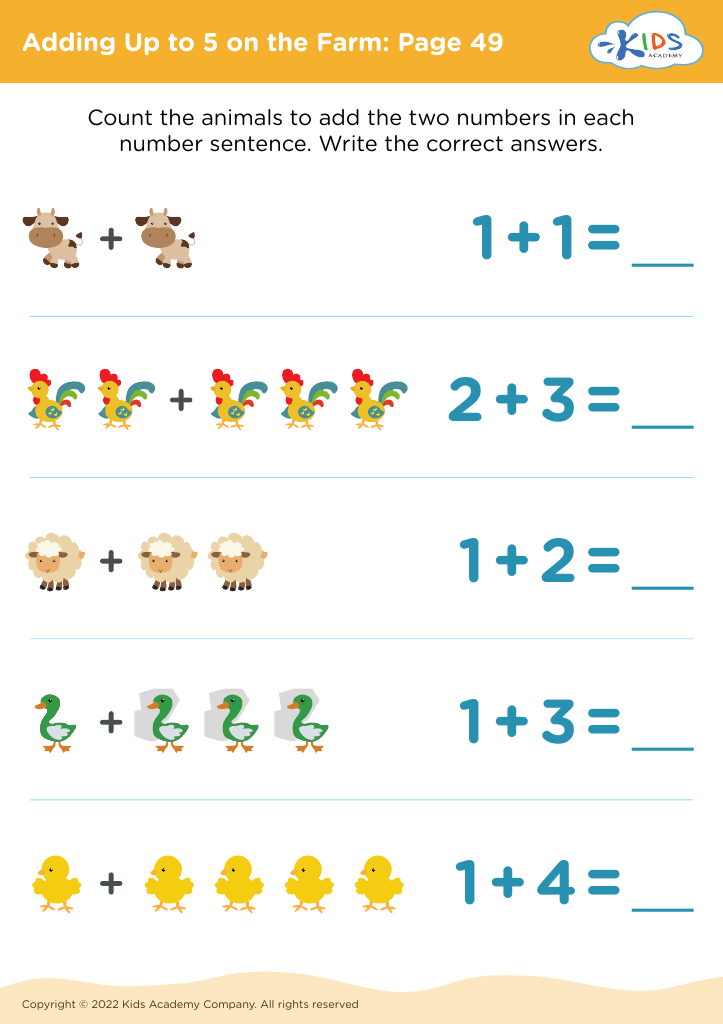
Adding Up to 5 on the Farm: Page 49
Worksheet
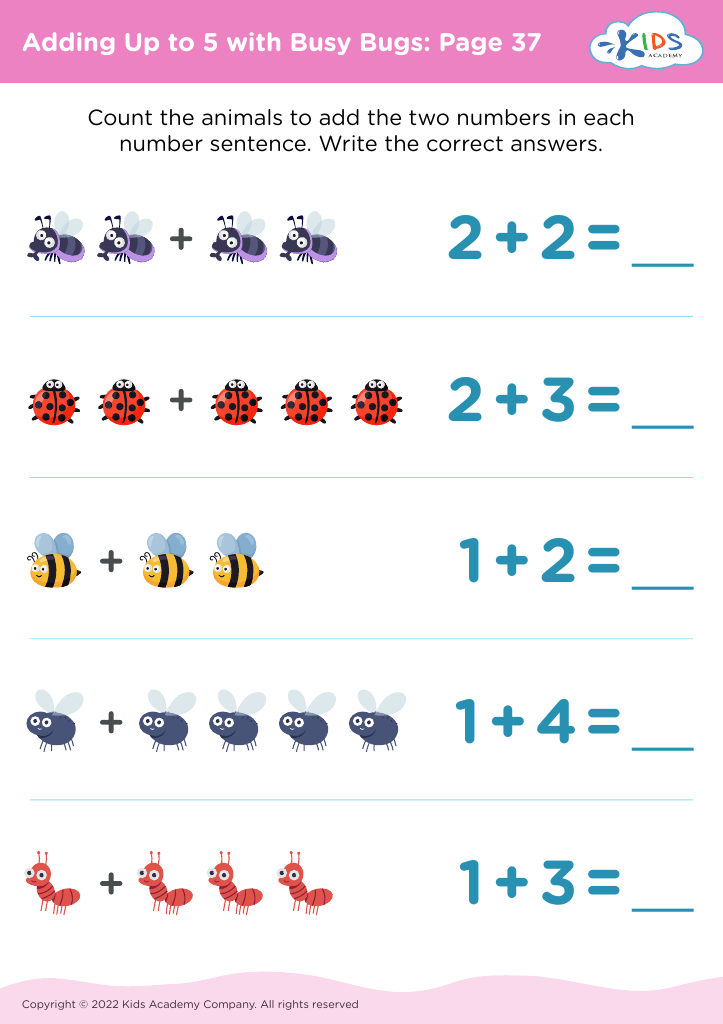
Adding Up to 5 with Busy Bugs: Page 37
Worksheet
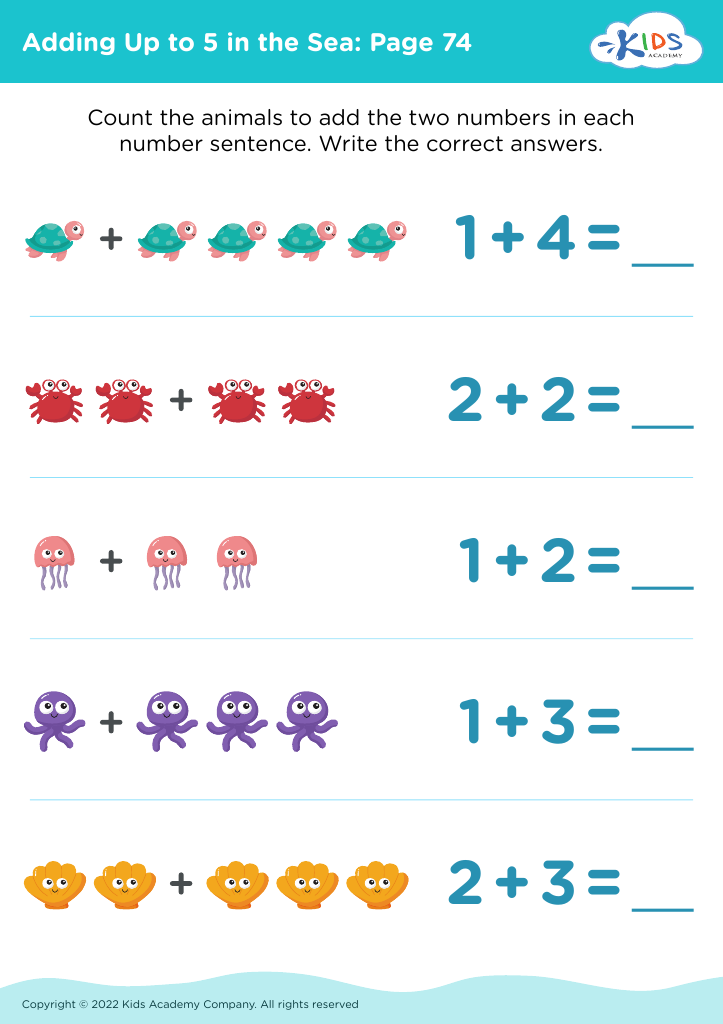
Adding Up to 5 in the Sea: Page 74
Worksheet
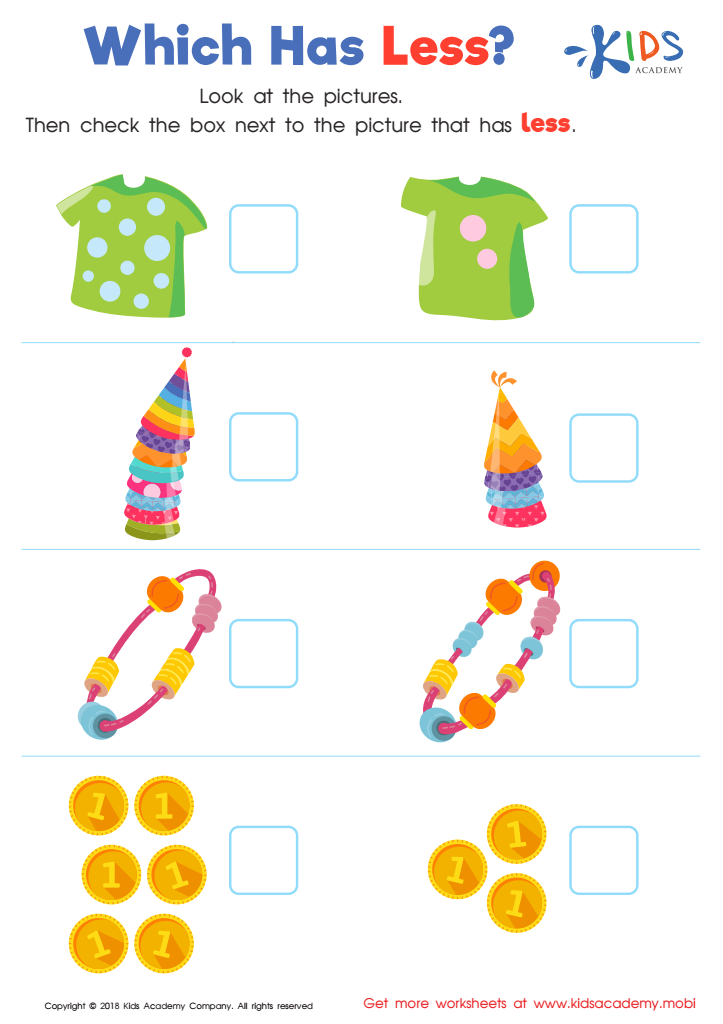
Which Has Less? Worksheet
Which Has Less? Worksheet
Kids can develop their number sense by comparing and contrasting objects to identify which has less. This worksheet helps them practice: it's bright and colorful, featuring familiar objects and pictures to count, strengthening basic counting skills. It's the perfect warm-up for comparing and contrasting larger numbers.
Which Has Less? Worksheet
Worksheet
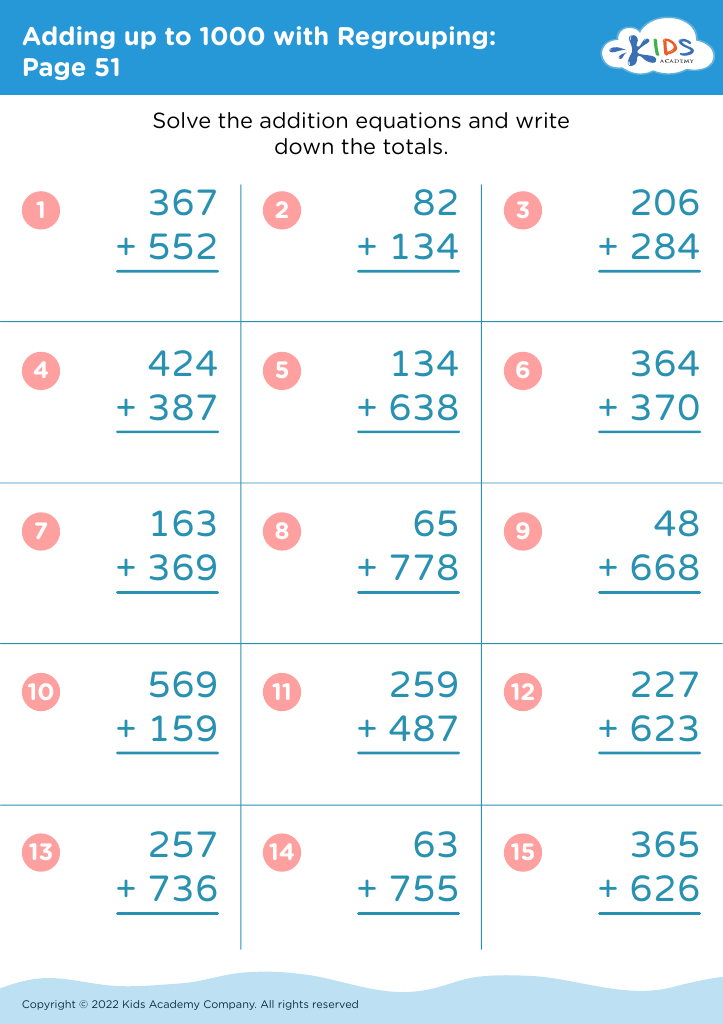
Adding up to 1000 with Regrouping: Page 51
Worksheet
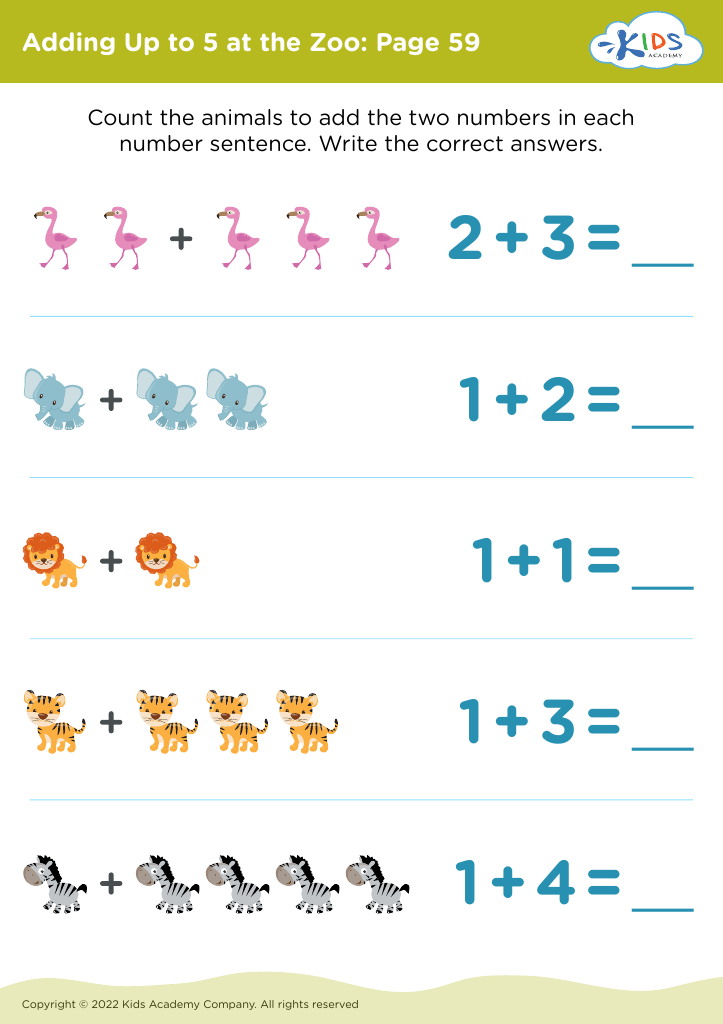
Adding Up to 5 at the Zoo: Page 59
Worksheet
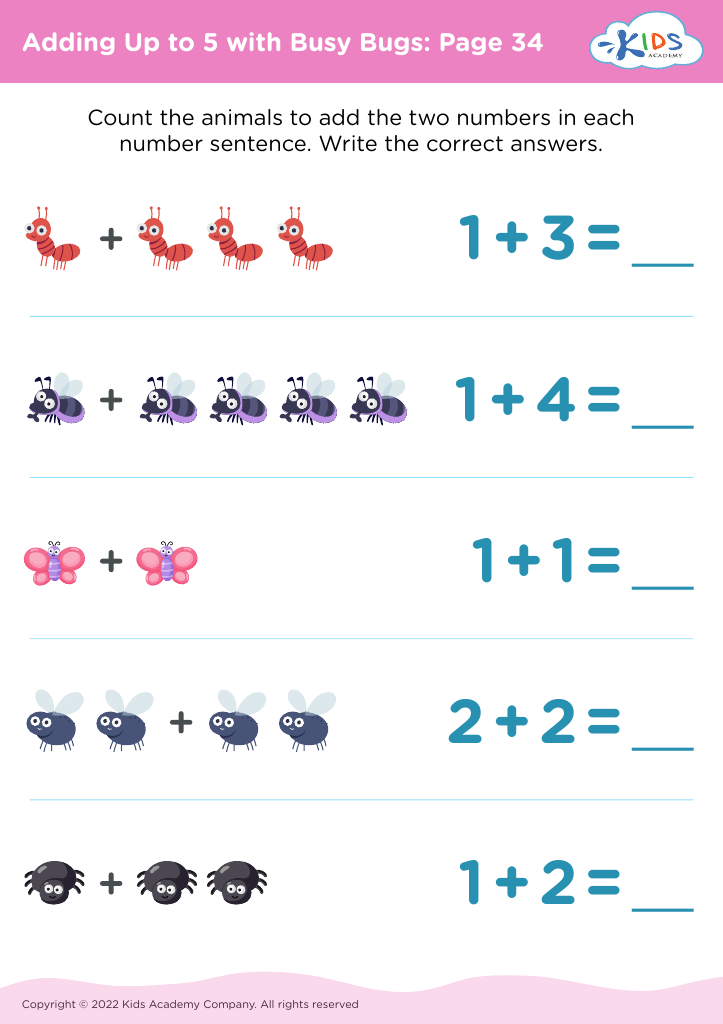
Adding Up to 5 with Busy Bugs: Page 34
Worksheet
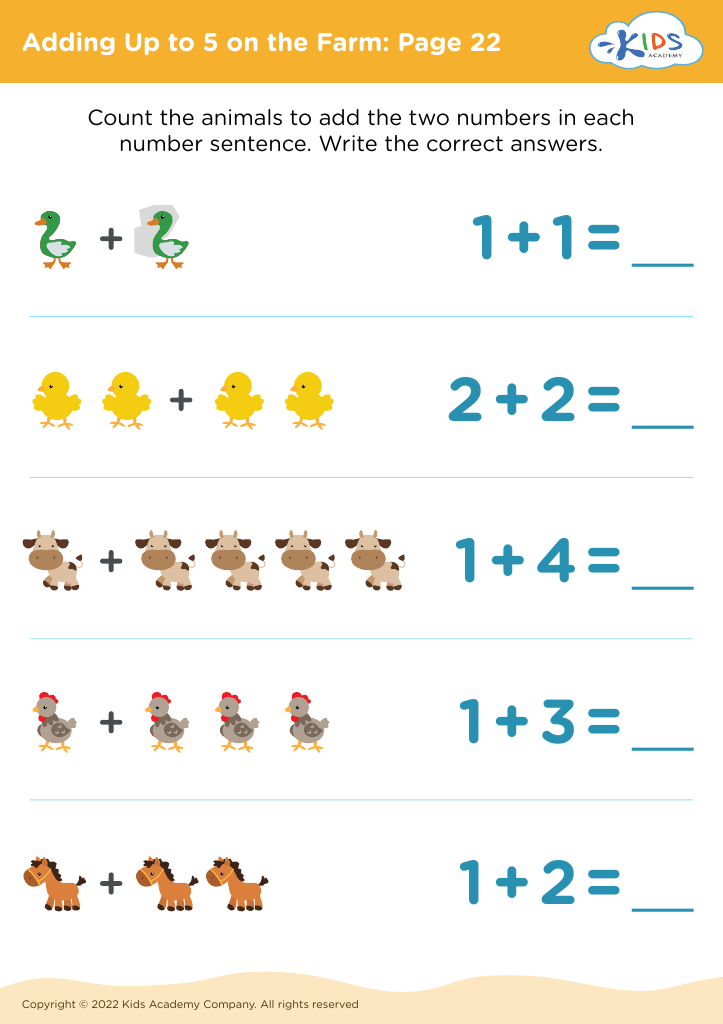
Adding Up to 5 on the Farm: Page 22
Worksheet
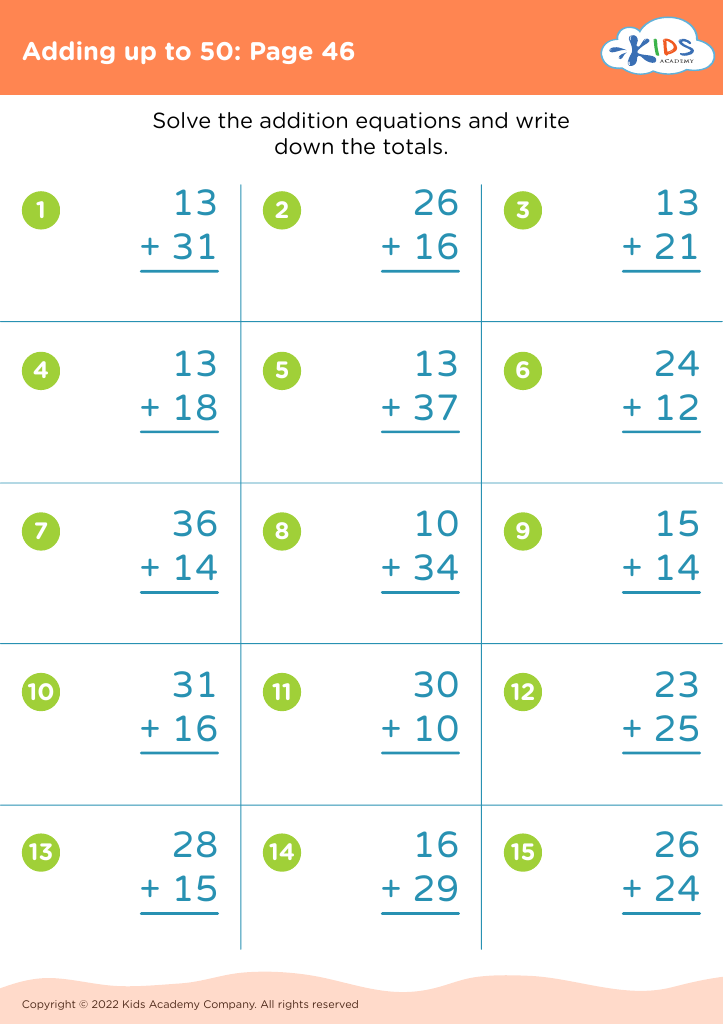
Adding up to 50: Page 46

Adding up to 50: Page 46

Adding up to 50: Page 46
Worksheet
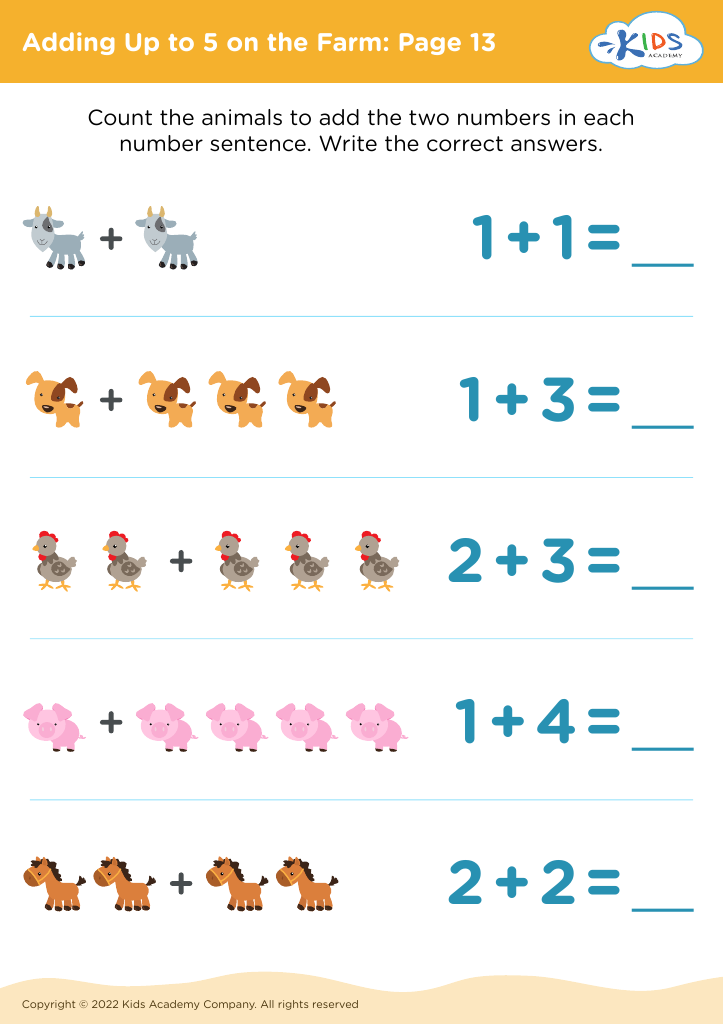
Adding Up to 5 on the Farm: Page 13
Worksheet
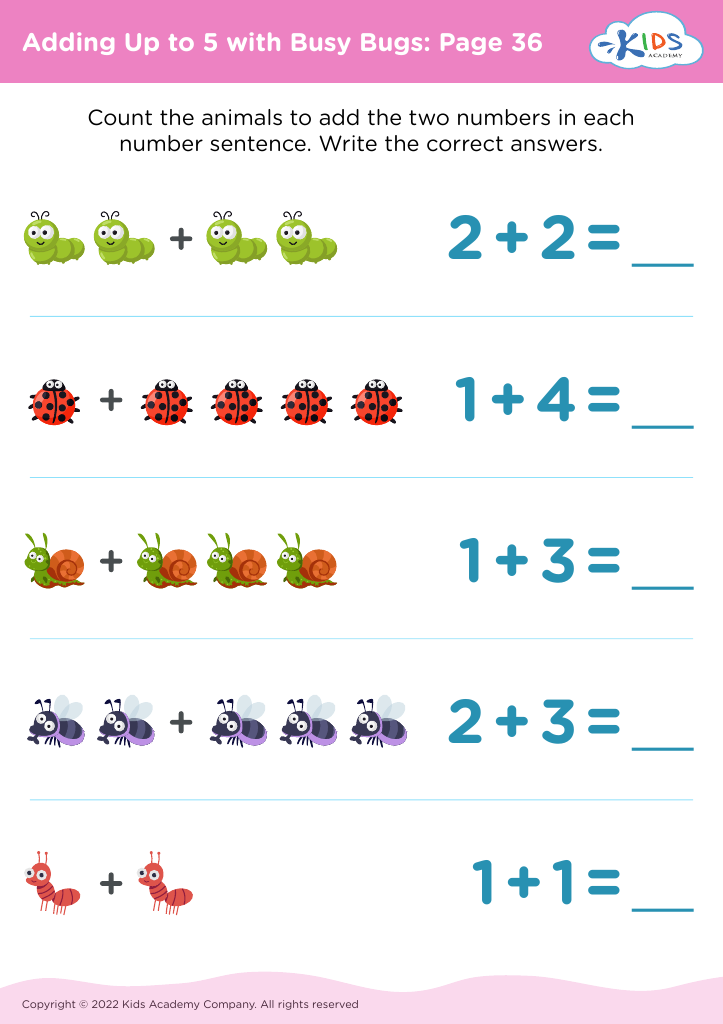
Adding Up to 5 with Busy Bugs: Page 36
Worksheet
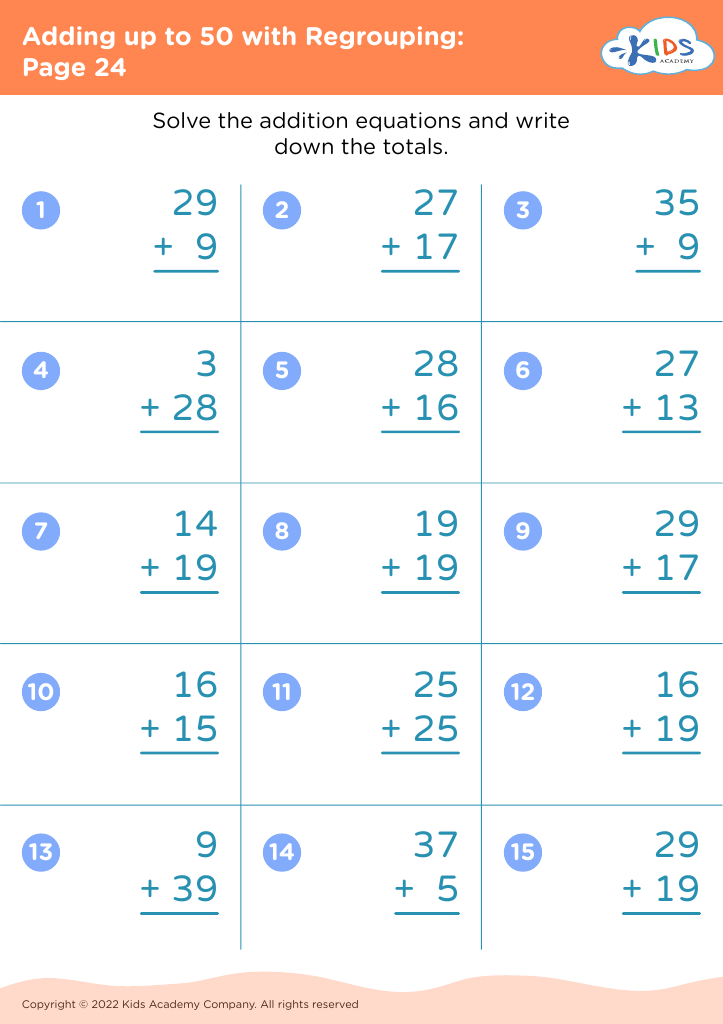
Adding up to 50 with Regrouping: Page 24
Worksheet
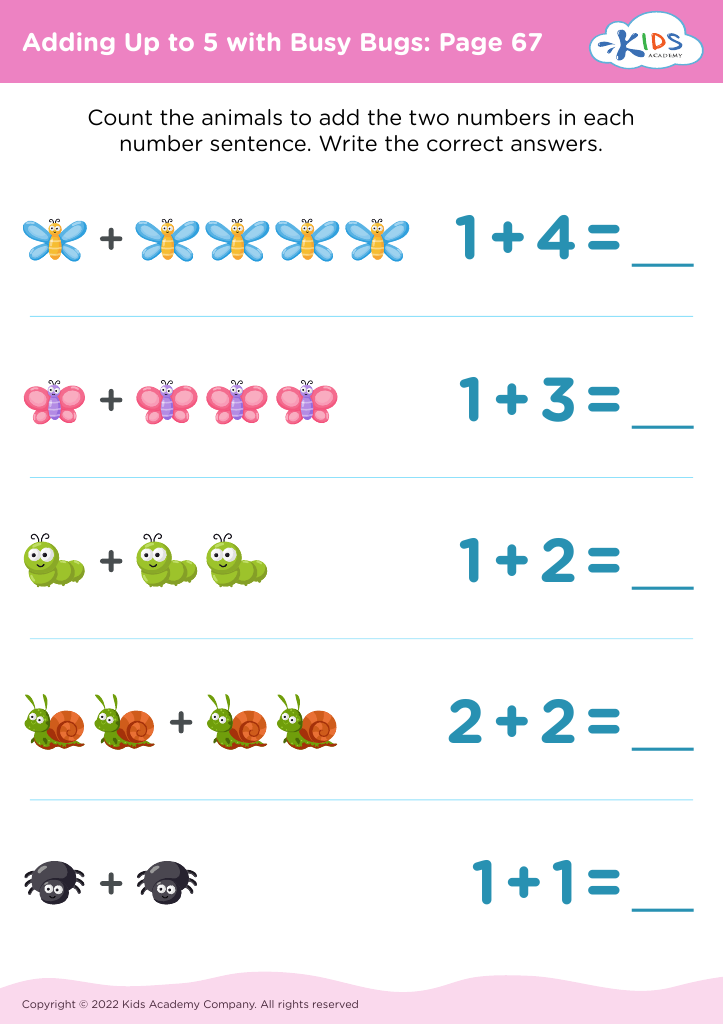
Adding Up to 5 with Busy Bugs: Page 67
Worksheet
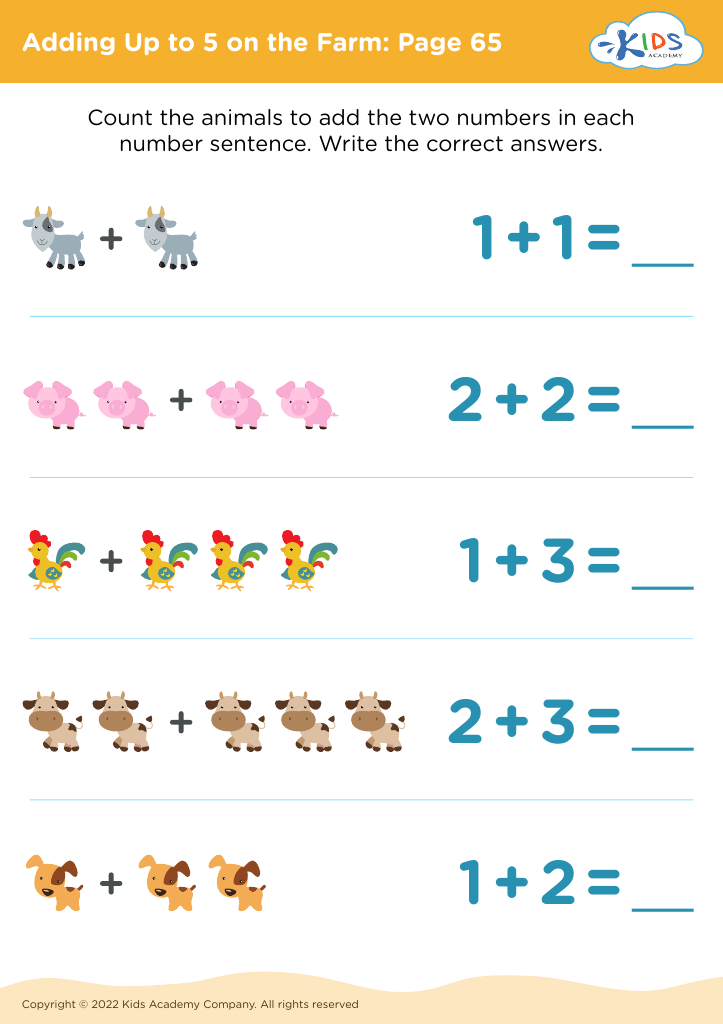
Adding Up to 5 on the Farm: Page 65
Worksheet
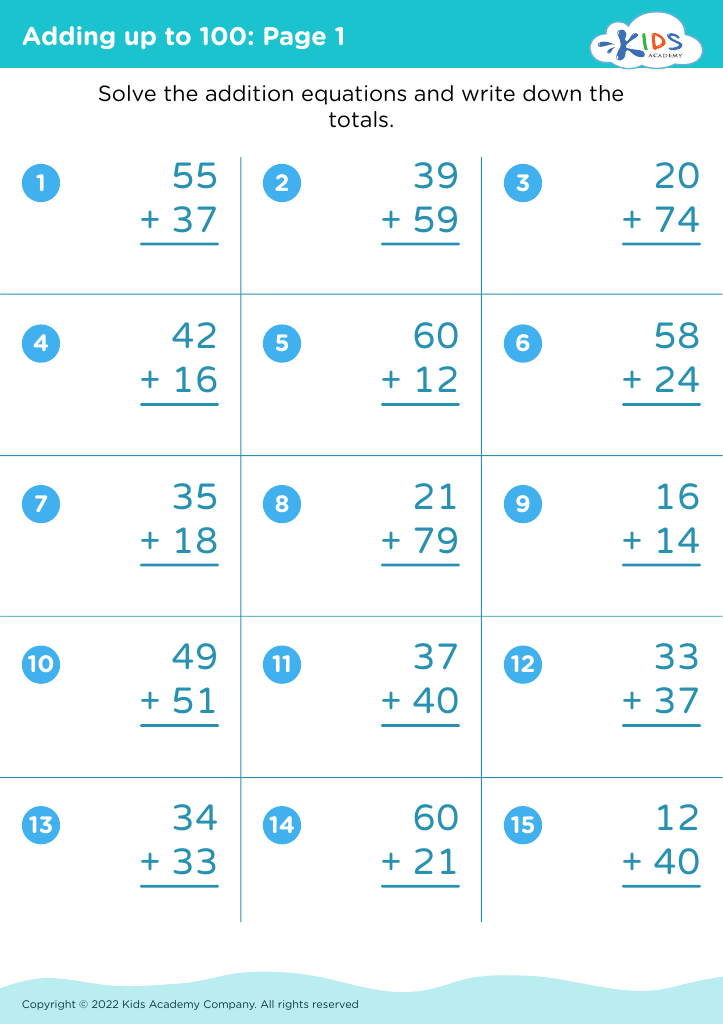
Adding up to 100: Page 1

Adding up to 100: Page 1

Adding up to 100: Page 1
Worksheet
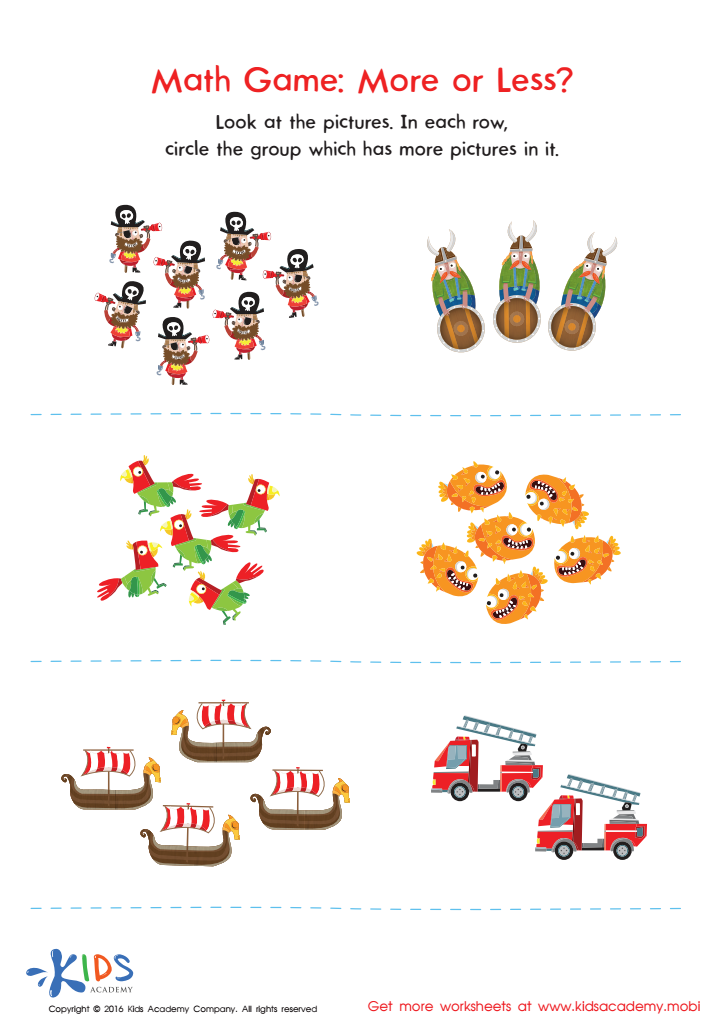
Free Printable More or Less Worksheets for Kindergarten

More or Less Worksheet

Counting and understanding quantity are essential skills for kindergarteners. Get your free printable more or less worksheet now!
More or Less Worksheet
Worksheet
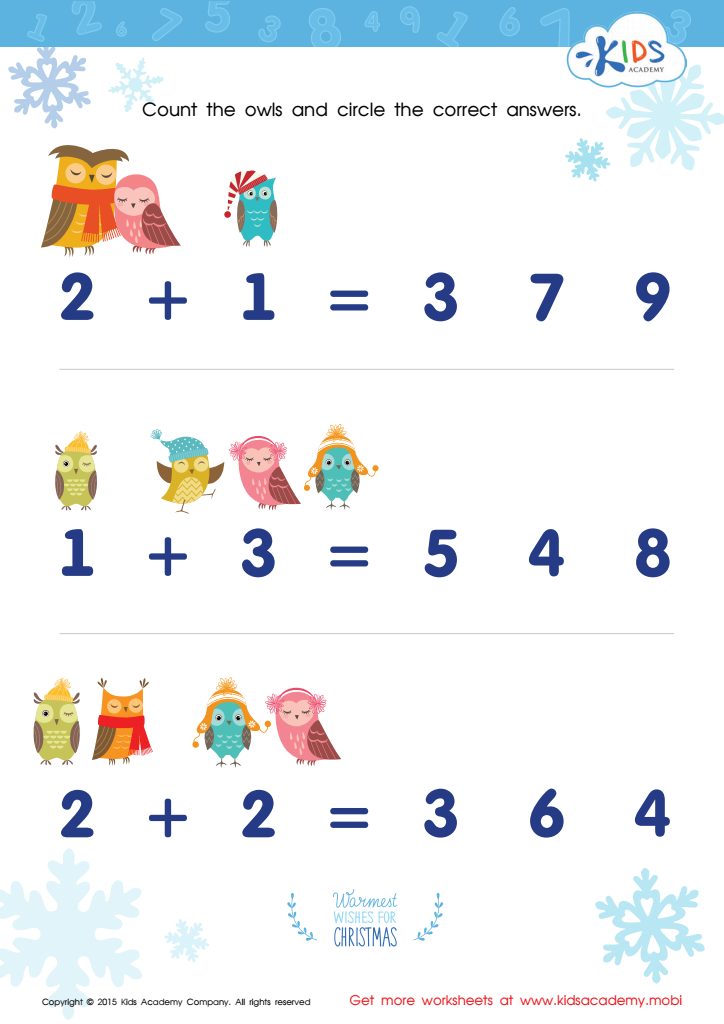
Math PDF Worksheet: Count Little Owls

Count Little Owls Worksheet

Math fun awaits! Count the cute little owls and practice adding single digits up to three indoors. Bright pictures help kids solve these simple problems. Get the free worksheets and enjoy the holiday season with Kids Academy!
Count Little Owls Worksheet
Worksheet


Understanding quantity is foundational for young learners aged 3-8, serving as the bedrock for all future mathematical concepts. During these formative years, children develop essential skills, such as counting, comparing sizes, and recognizing patterns. When parents and teachers prioritize teaching quantity, they foster a child's capacity for critical thinking, problem-solving, and logical reasoning—skills that extend beyond math.

Moreover, a solid grasp of quantity enhances children’s everyday experiences. For instance, understanding how many apples are in a basket or how many toys can fit in a box enriches their lives and encourages play-based learning. Engaging children in activities that involve measuring, sorting, or grouping items naturally cultivates these skills, and makes learning enjoyable.

Additionally, early math understanding aligns with better performance in later stages of education. Research indicates that a strong foundation in early numeracy correlates with greater academic achievement. This is why parents and teachers should create a supportive and stimulating environment that respects and nurtures early math experiences. By valuing quantity understanding, we equip children not only with essential math skills but also with confidence and curiosity that will fuel their love for learning in the years to come.