Measurement Worksheets for Ages 3-8 - Page 4
110 filtered results
-
From - To
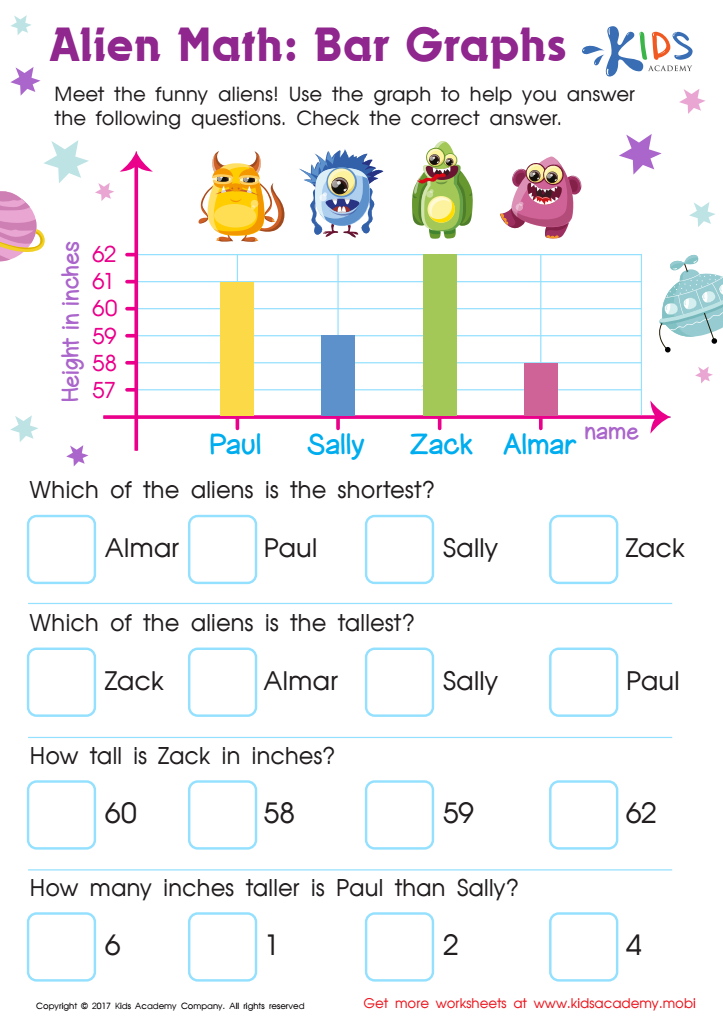
Bar Graphs Worksheet
 Assign to My Students
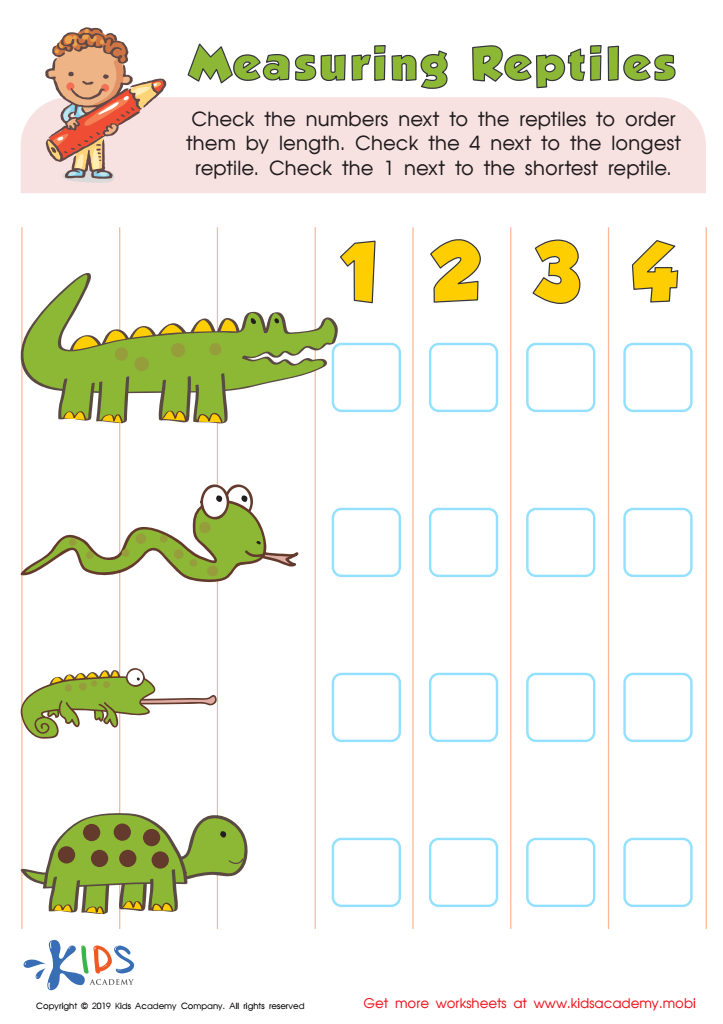
Measuring Reptiles Worksheet
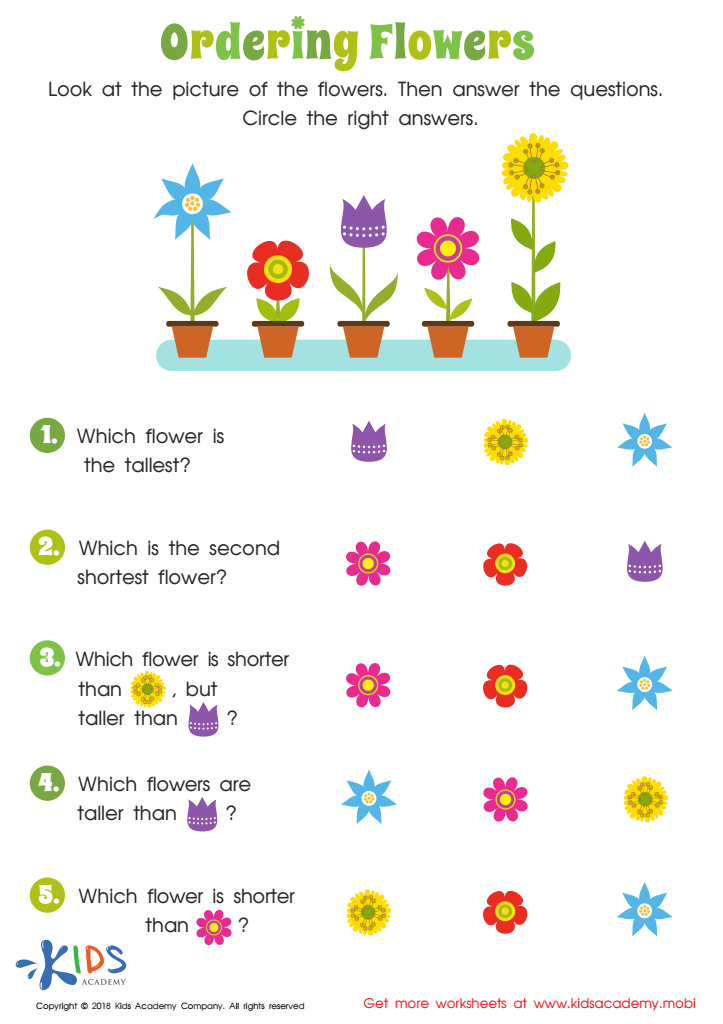
Ordering Flowers Worksheet
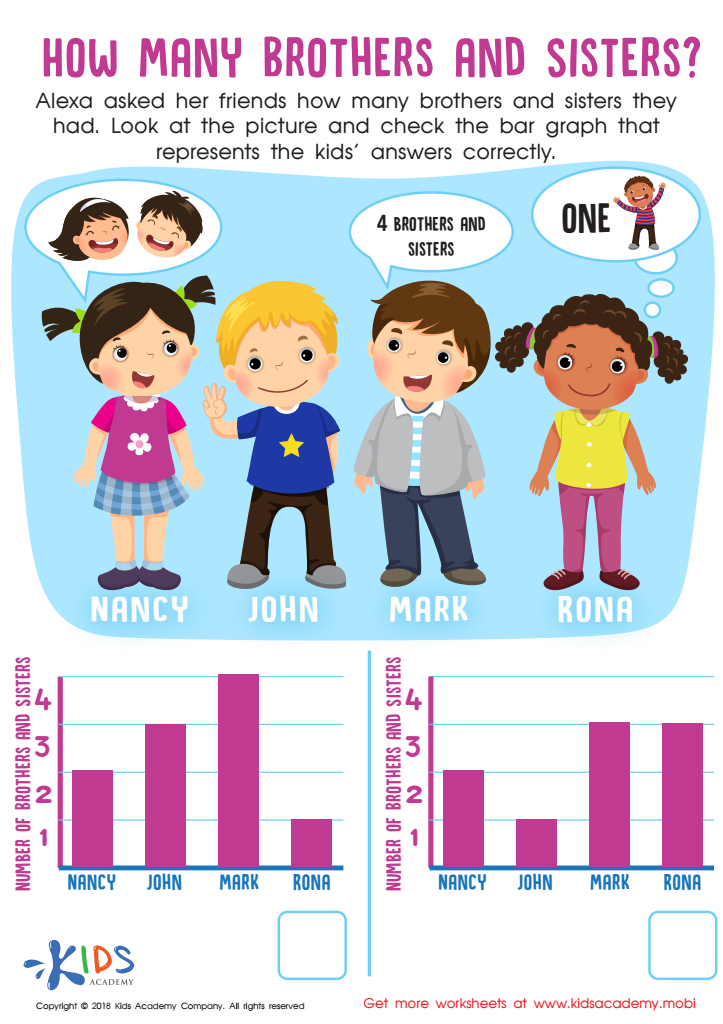
How Many Brothers and Sisters? Worksheet
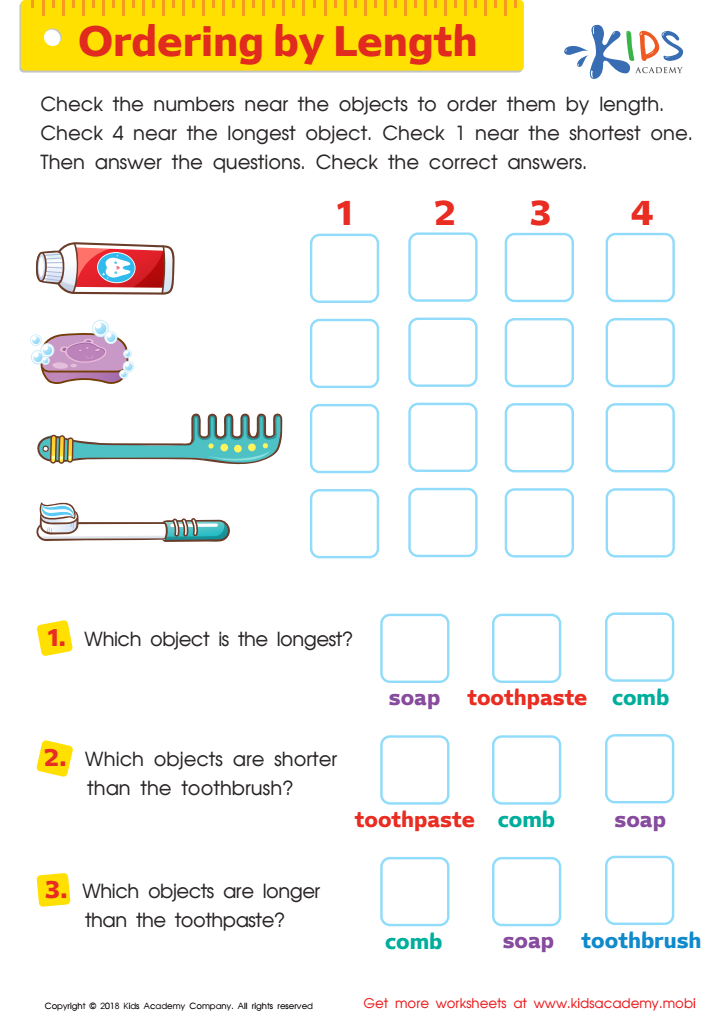
Ordering by Length Worksheet
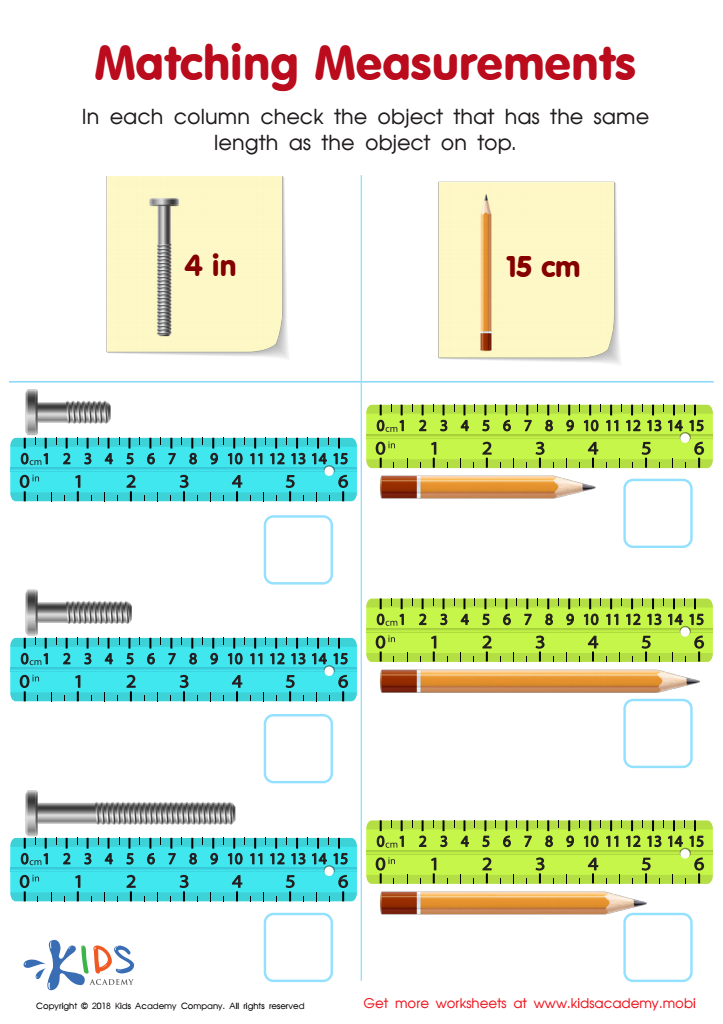
Matching Measurements Worksheet
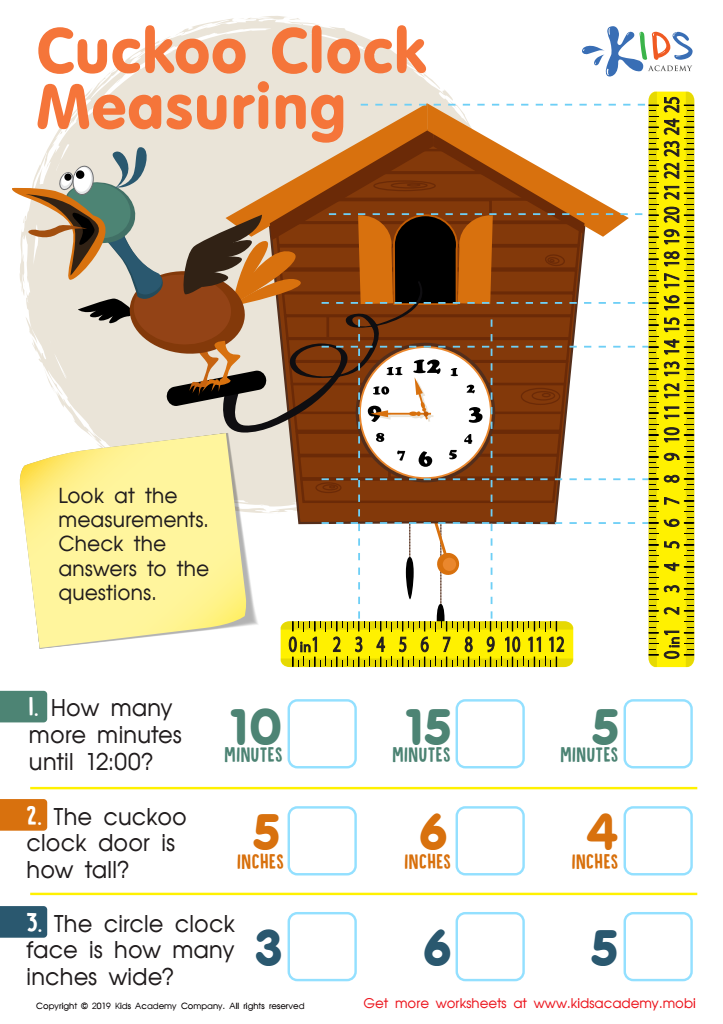
Cuckoo Clock Measuring Worksheet
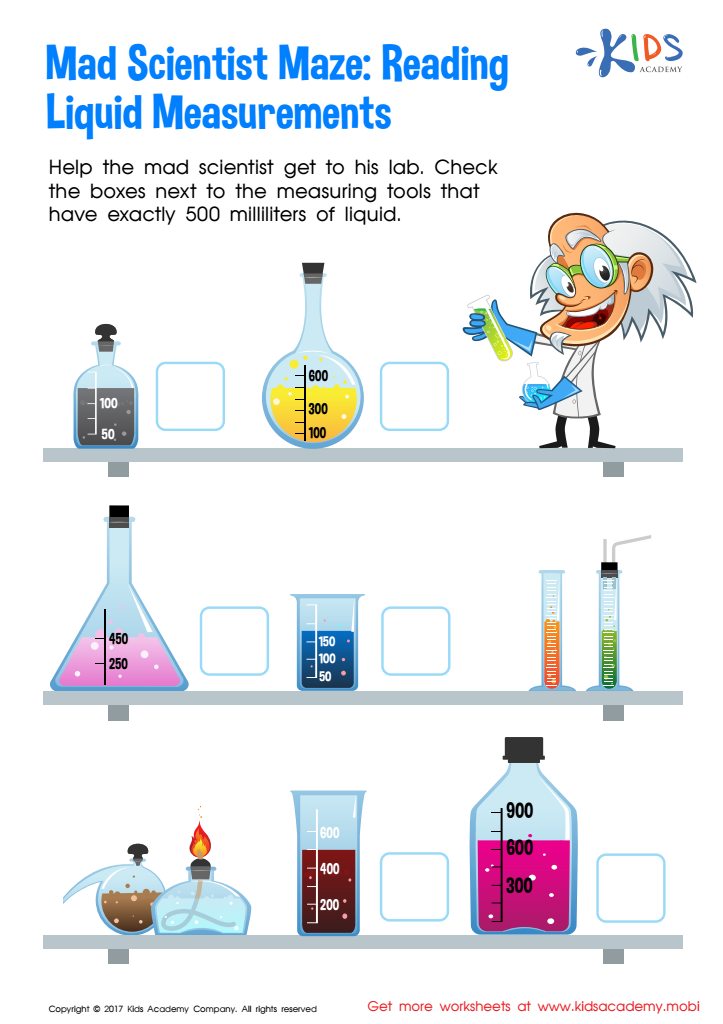
Reading Liquid Measurement Worksheet
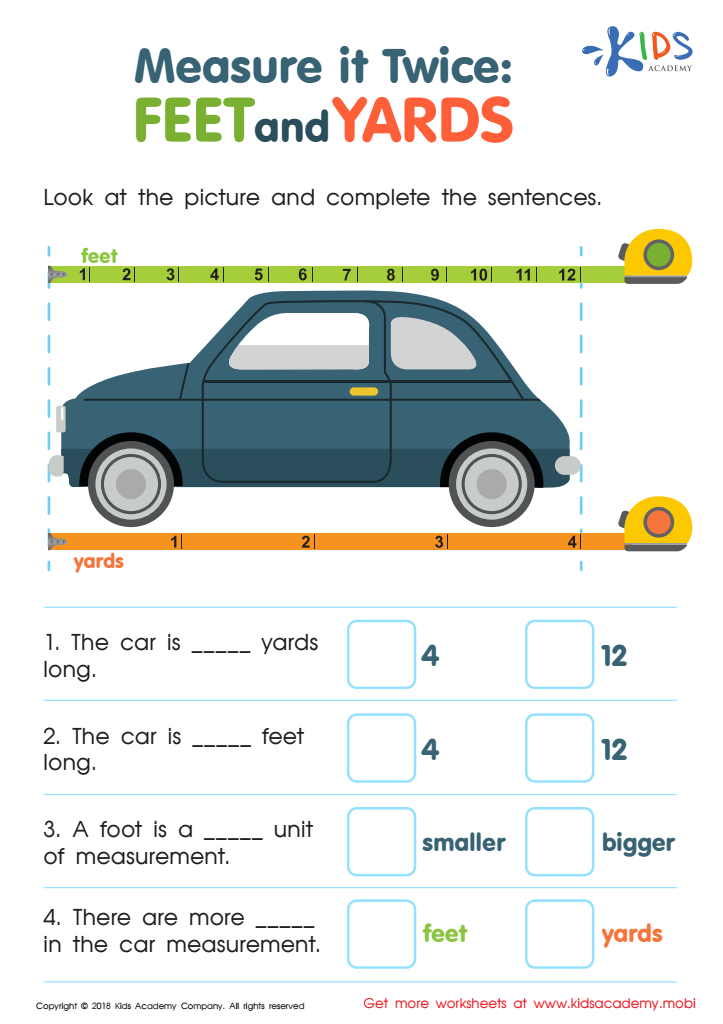
Measure It Twice: Feet and Yards Worksheet
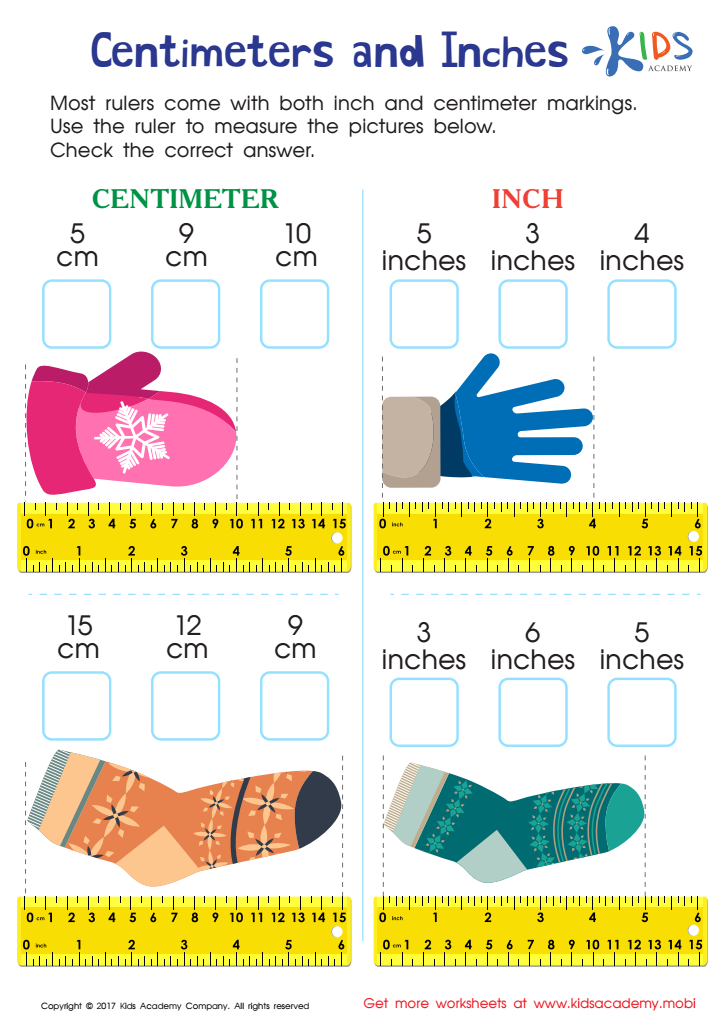
Centimeters and Inches Worksheet
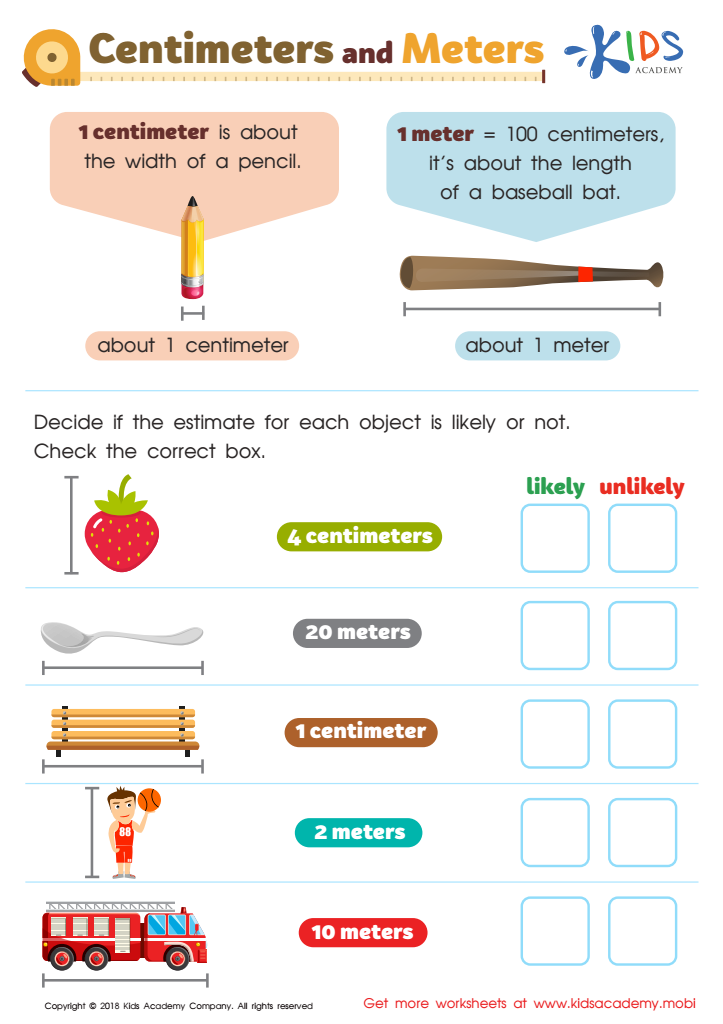
Centimeters and Meters Worksheet
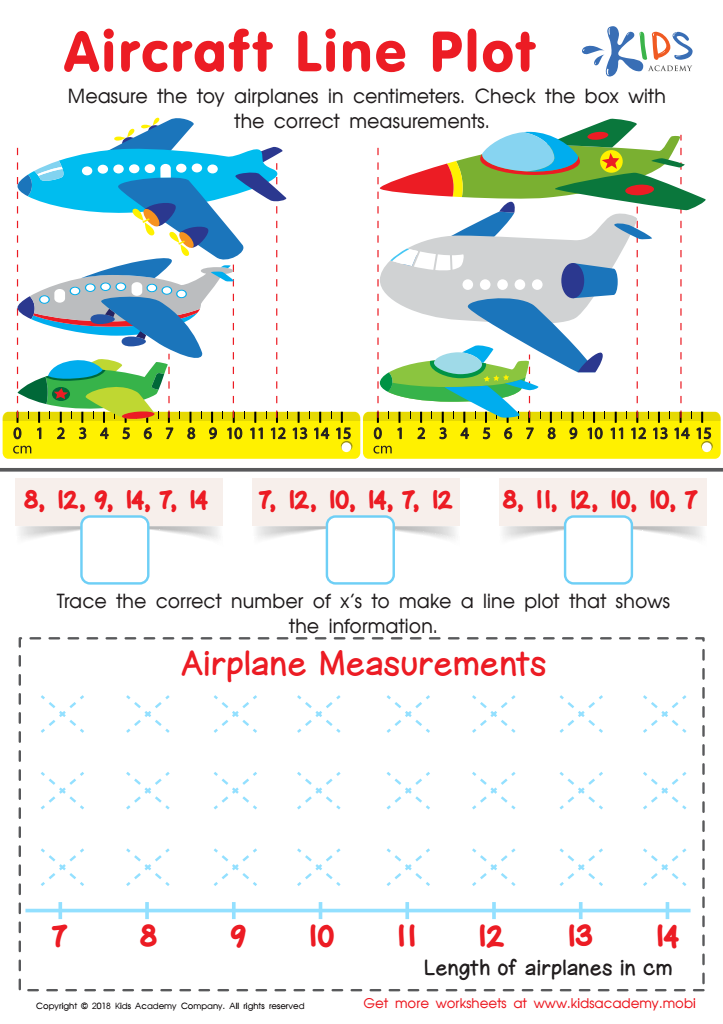
Aircraft Line Plot Worksheet
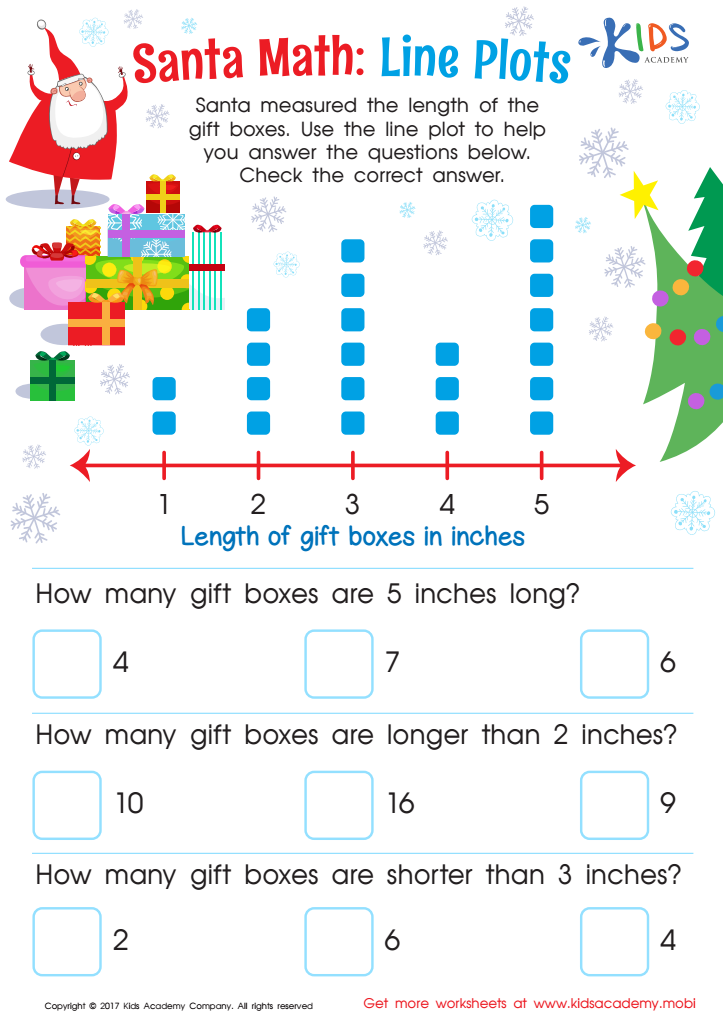
Line Plot Worksheet
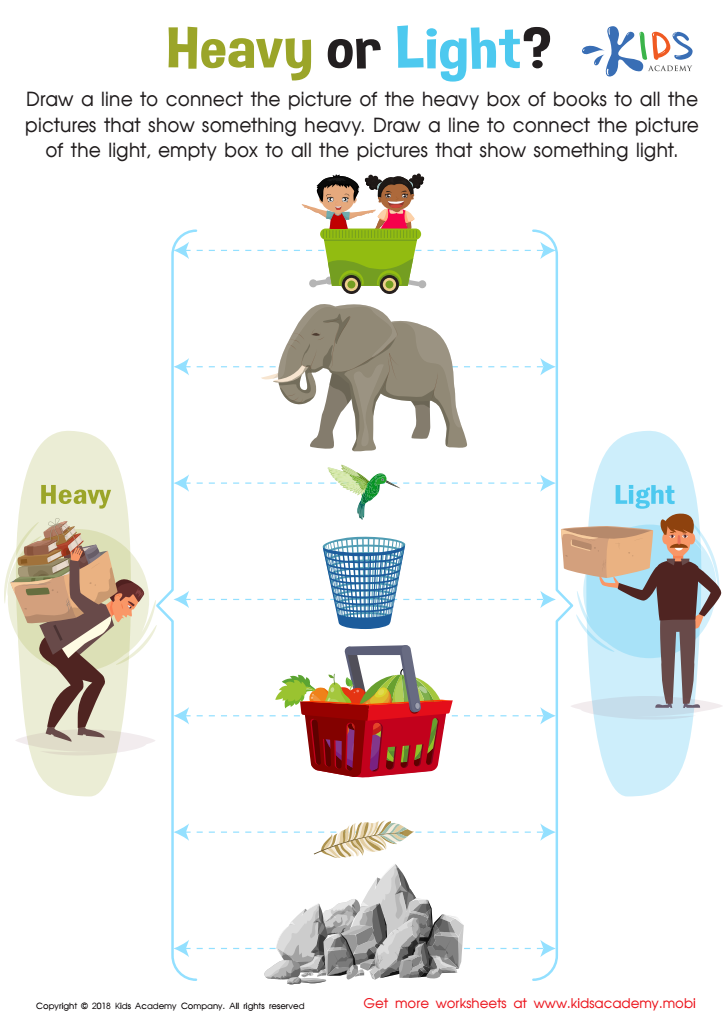
Heavy or Light? Worksheet
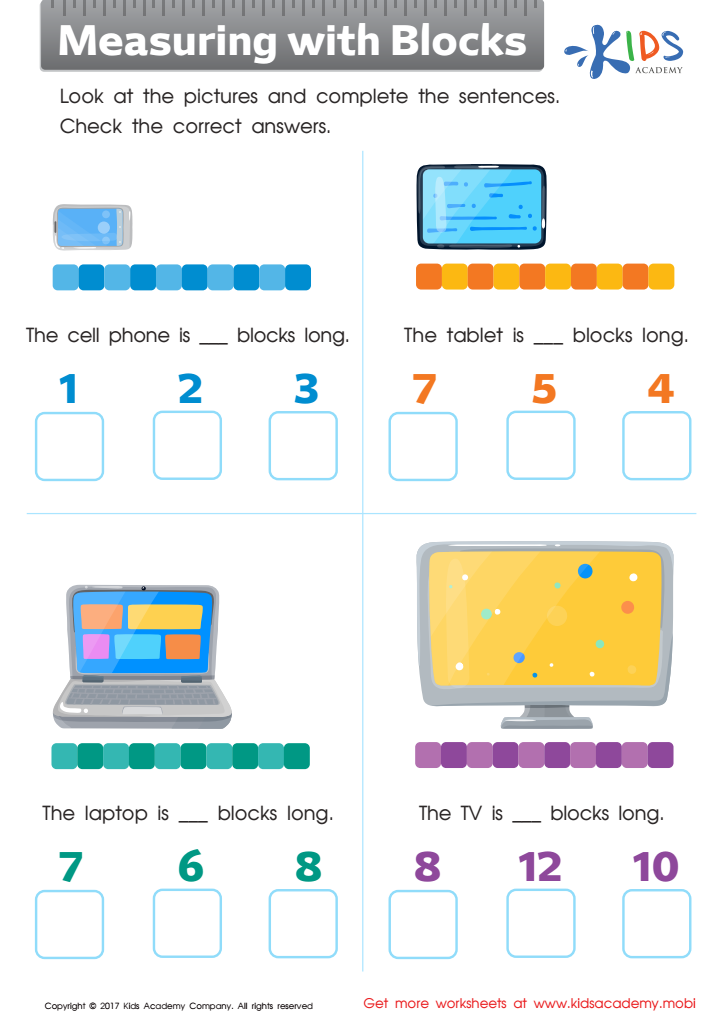
Measuring with Blocks Worksheet
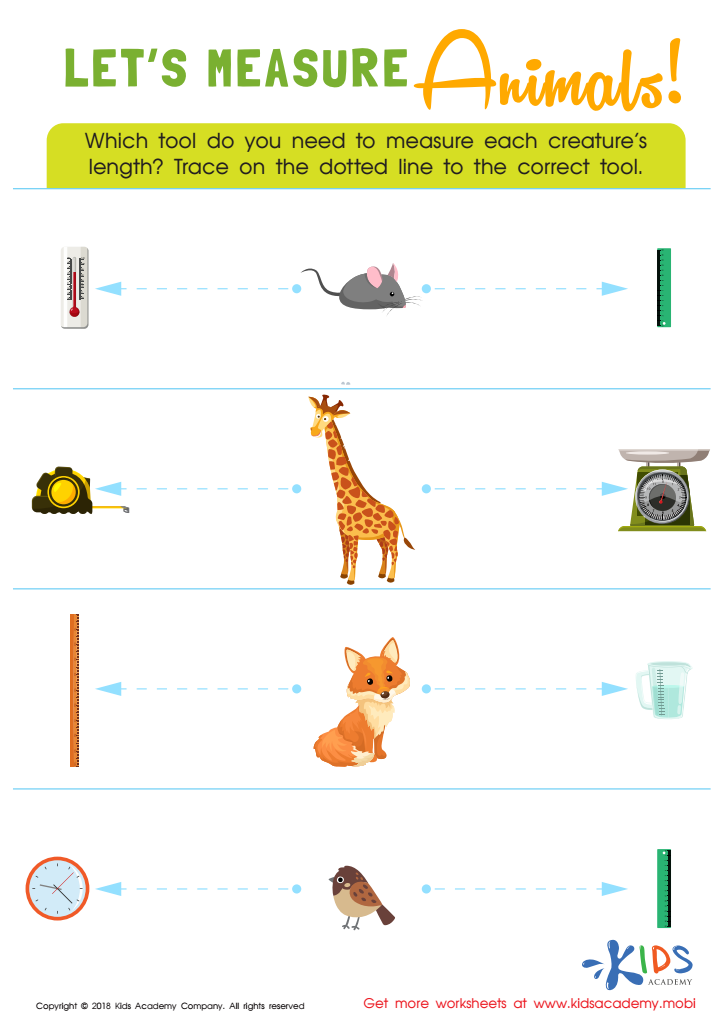
Let's Measure Animals! Worksheet
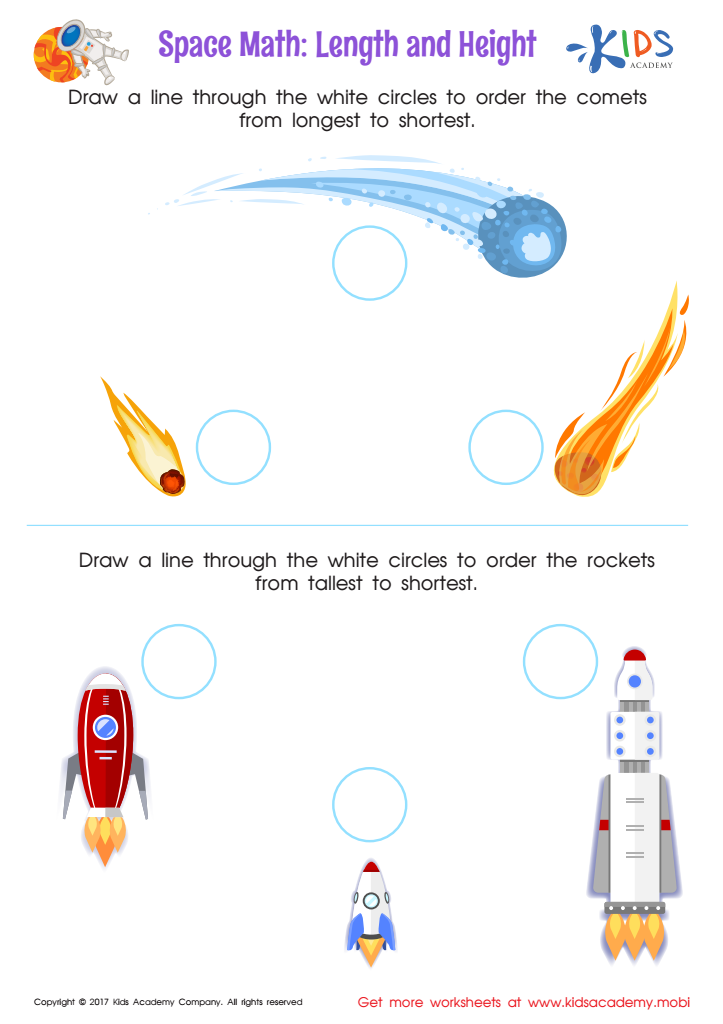
Space Math Worksheet
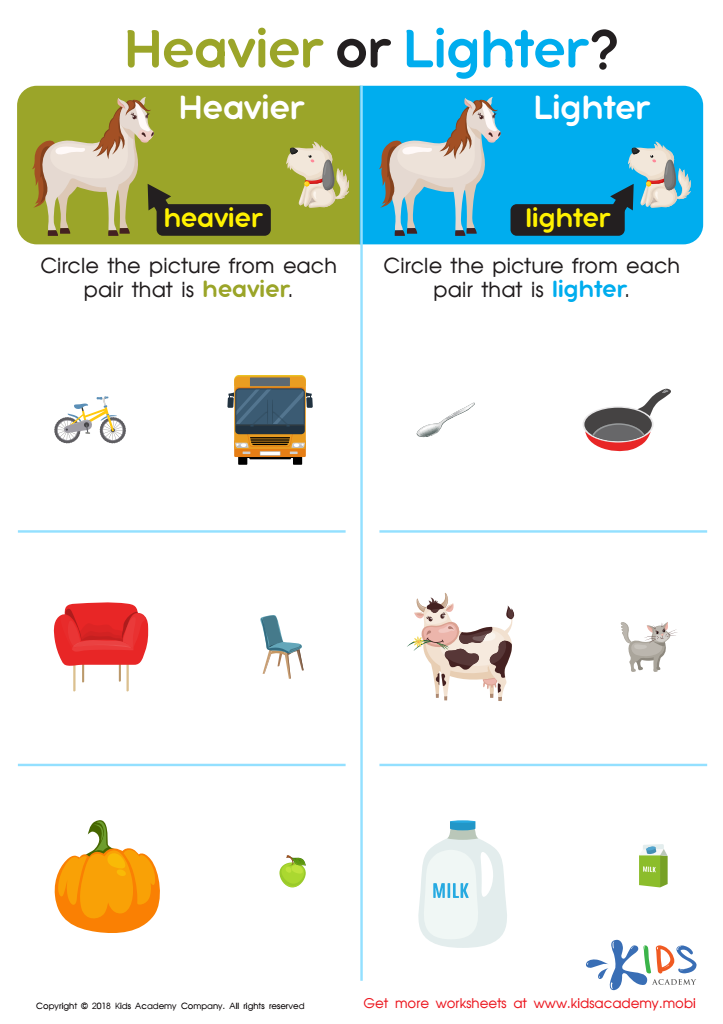
Heavier or Lighter? Worksheet
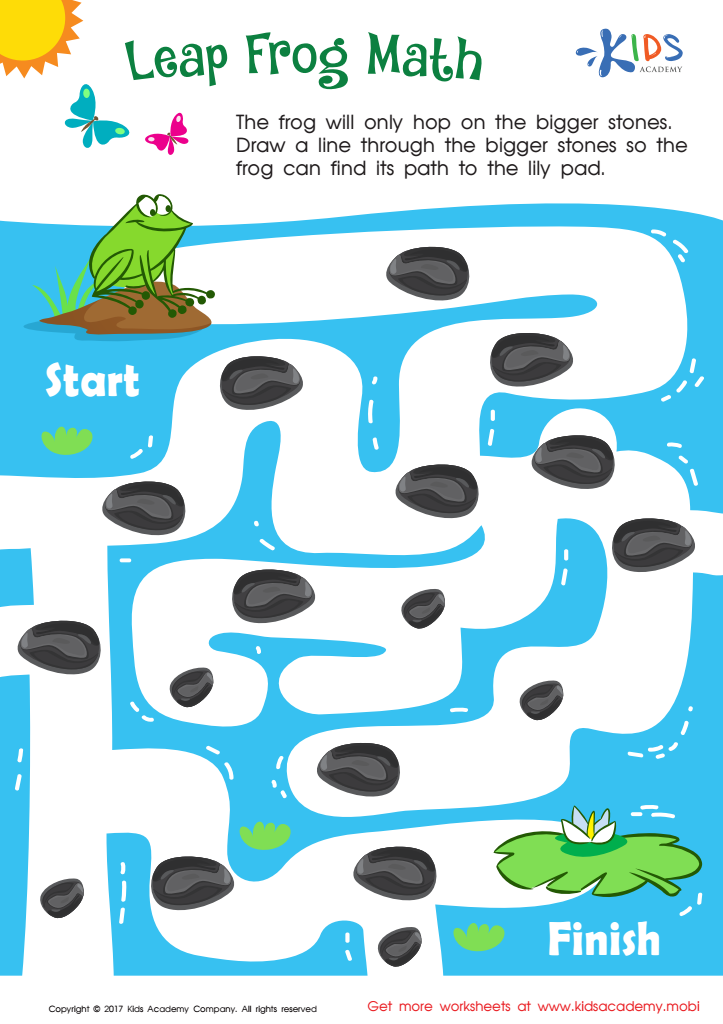
Math Puzzle Worksheet
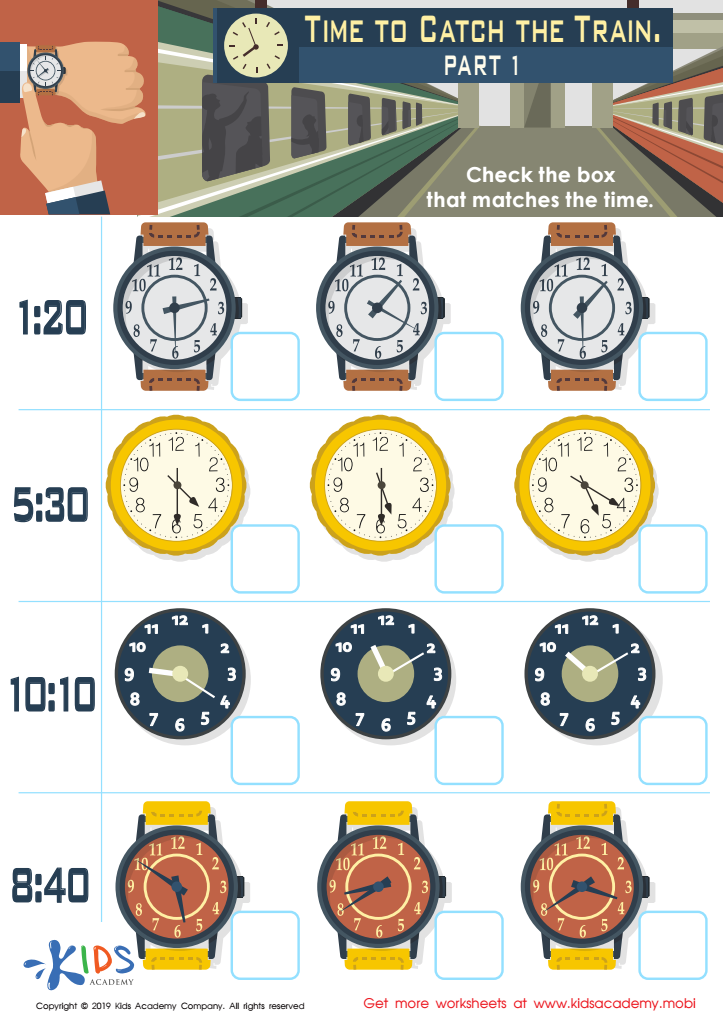
Time to Catch the Train Part 1 Worksheet
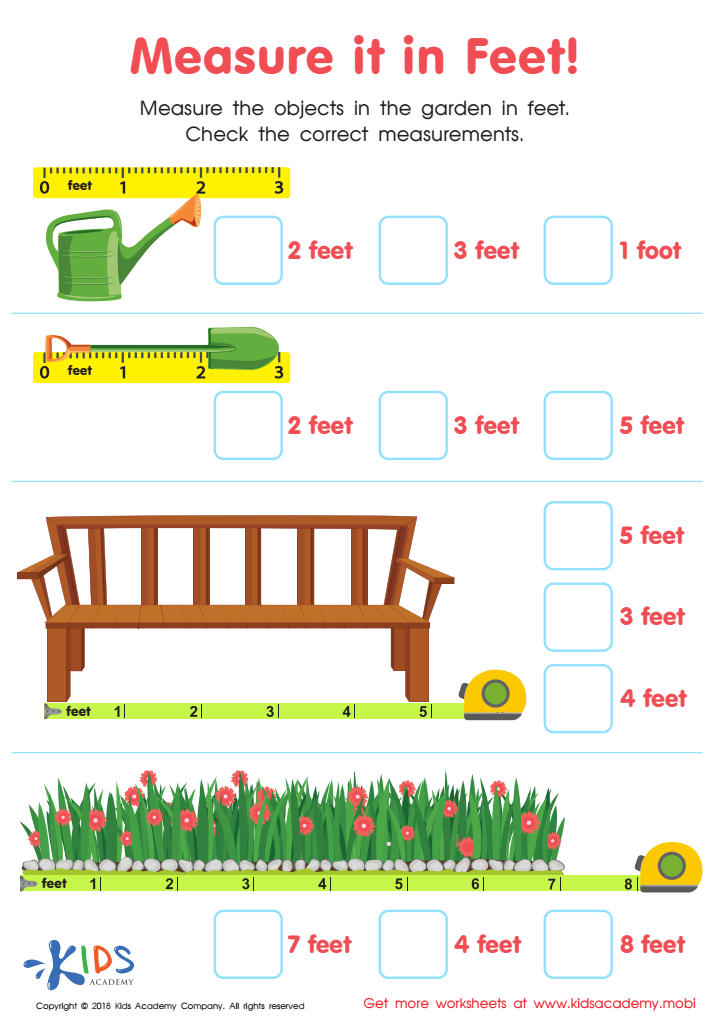
Measure it in Feet Worksheet
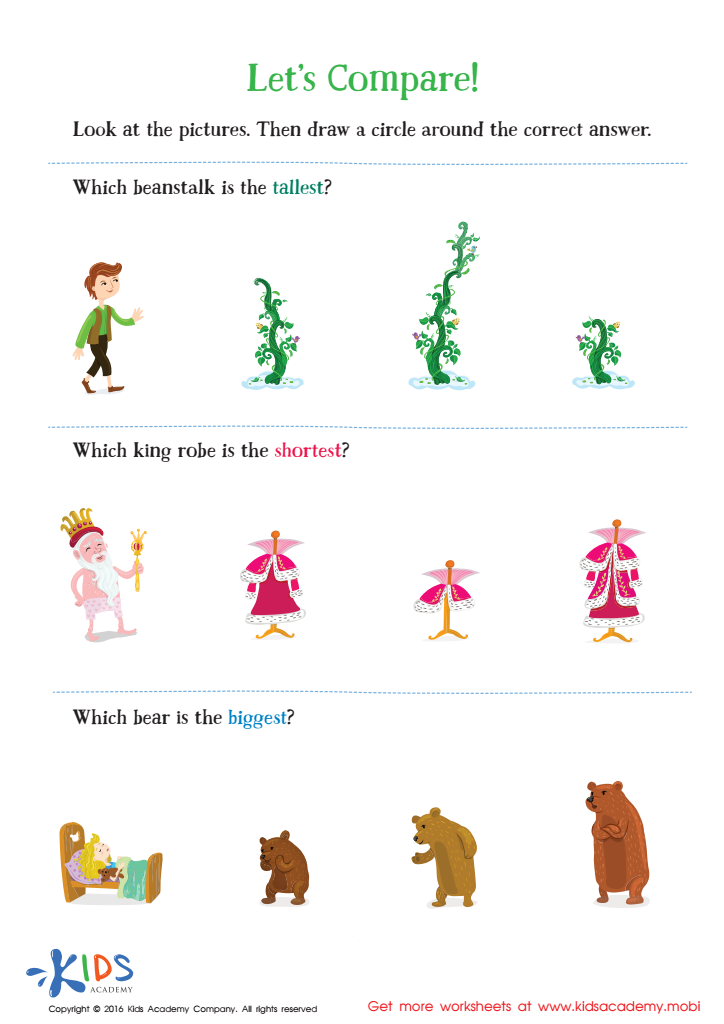
Fairy Tale Worksheet: Let's Compare
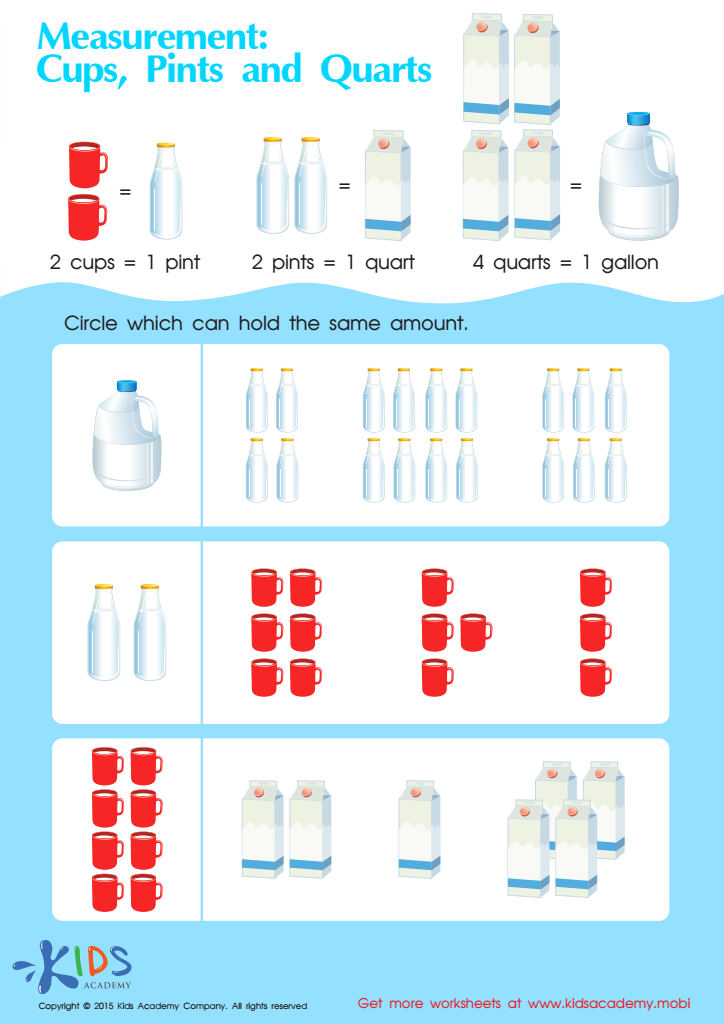
Cups, Pints and Quarts 2 Worksheet
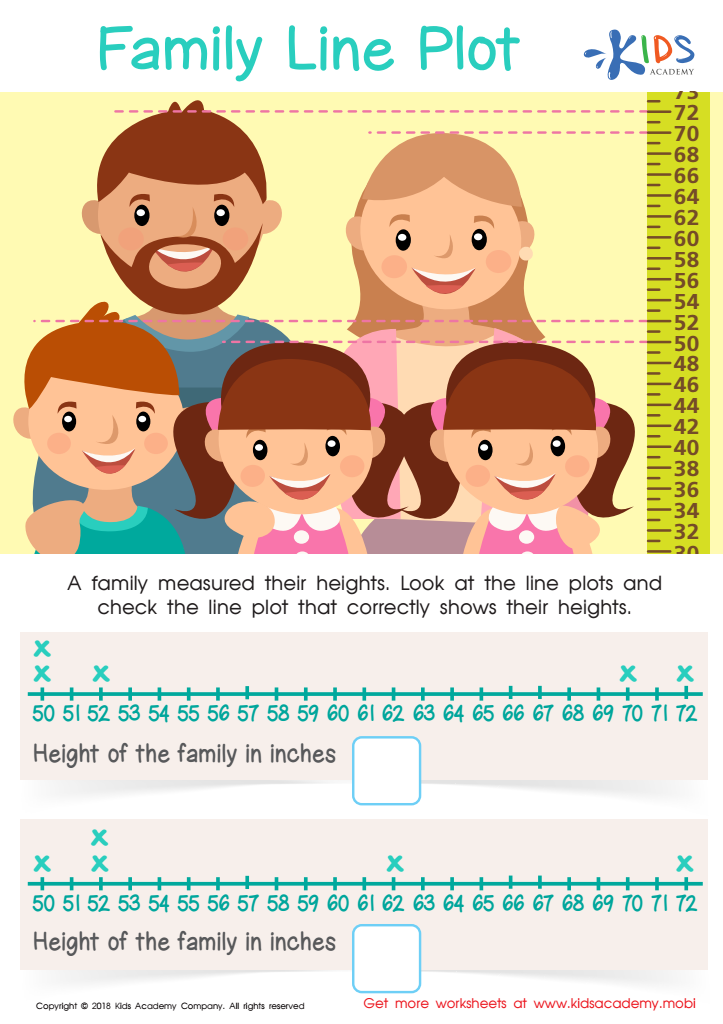
Family Line Plot Worksheet








Measurement is a fundamental skill for children ages 3-8 that extends far beyond the classroom. Parents and teachers should care about developing these skills early because they lay the groundwork for more complex mathematical concepts and everyday decision-making. Introducing measurement helps children understand and quantify the world around them, whether they are comparing the lengths of different objects, tracking growth, or learning about time and money.
Through measurement activities, children develop critical thinking and problem-solving skills. For example, they learn to ask questions, make predictions, and use tools to find answers. These experiences contribute to their cognitive development, encouraging logic and reasoning that will be essential in their future learning.
Additionally, measurement integrates naturally with other subjects. It enriches language skills through the vocabulary needed to describe quantities and differences, and it enhances social skills as children communicate their findings and collaborate on activities. Moreover, the process of measuring helps children develop fine motor skills, as they manipulate tools like rulers, measuring cups, and scales.
By embedding measurement into daily routines and educational activities, parents and teachers help children develop a robust understanding of the concept, promoting lifelong competence and confidence in both academic and real-world settings. This foundational knowledge empowers children to succeed across various disciplines and practical scenarios.








