Problem-Solving Skills Measurement Worksheets for Ages 3-8
9 filtered results
-
From - To
Enhance your child's learning journey with our Problem-Solving Skills Measurement Worksheets, designed specifically for ages 3-8. These engaging worksheets stimulate critical thinking and promote cognitive development through fun, interactive activities. Perfect for both classroom and home use, they help children tackle real-world problems and develop essential skills such as reasoning and logic. Each worksheet is thoughtfully crafted to encourage young learners to explore different strategies, fostering confidence and independence in their problem-solving abilities. Support your child's educational growth—download our worksheets today and watch them thrive as they master measurement concepts while having fun!
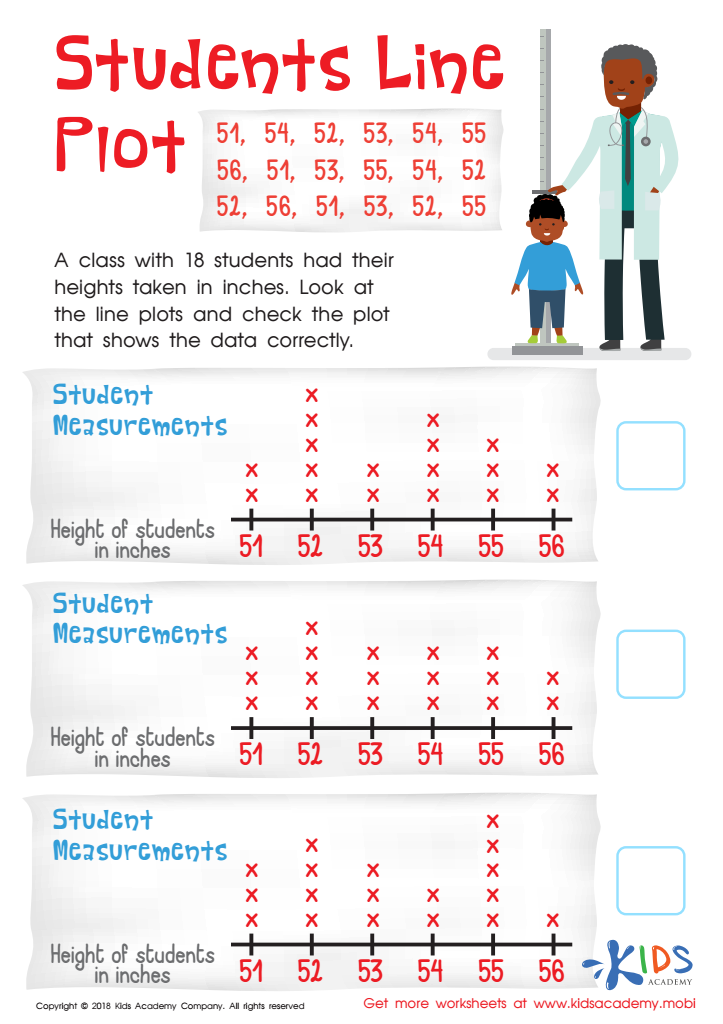
Students Line Plot Worksheet
 Assign to My Students
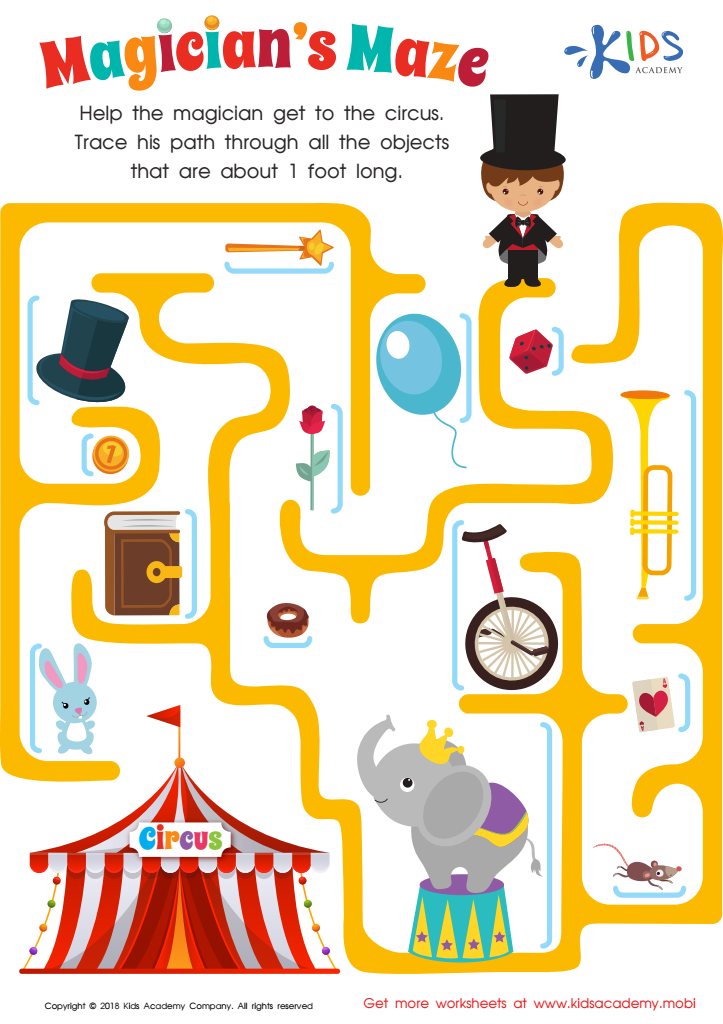
Estimating Length: Magician's Maze Worksheet
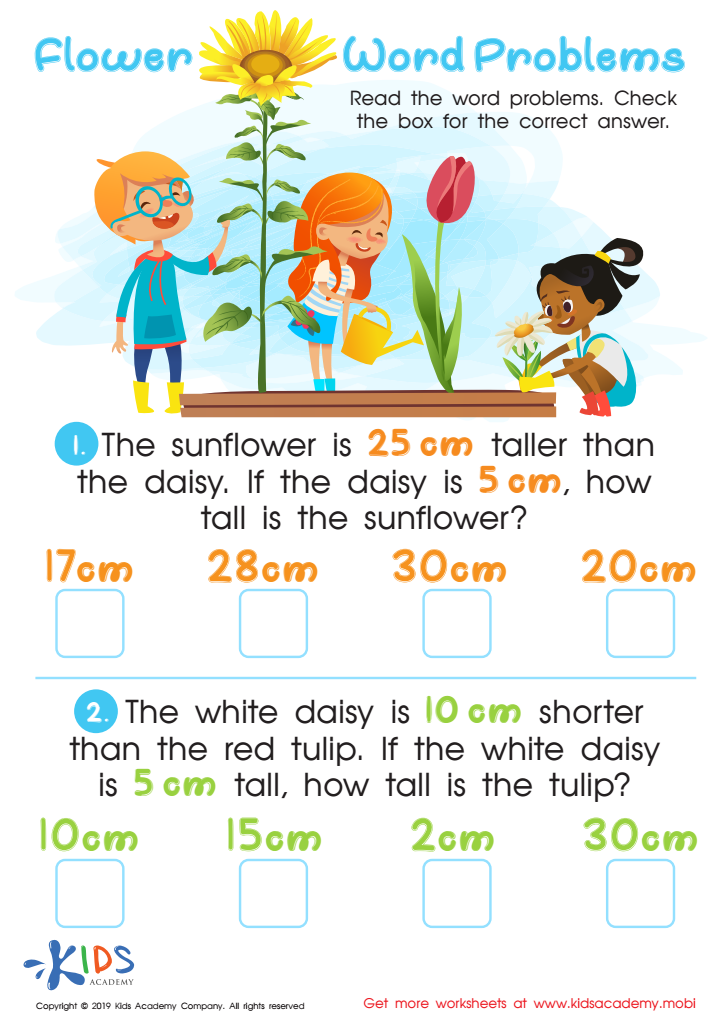
Flower Word Problems Worksheet
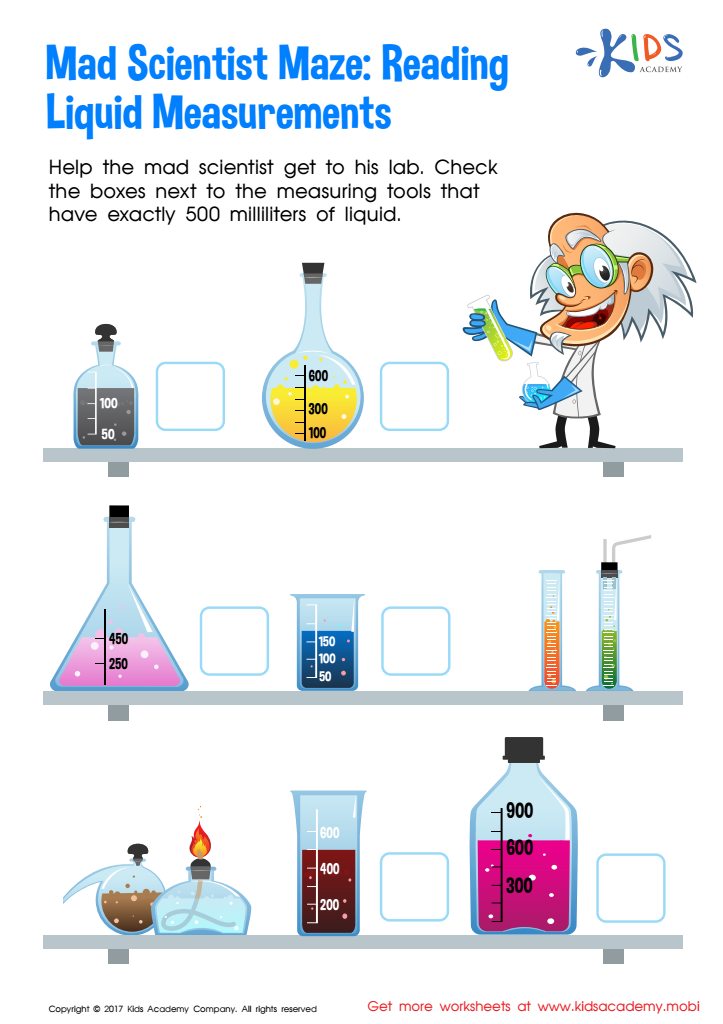
Reading Liquid Measurement Worksheet
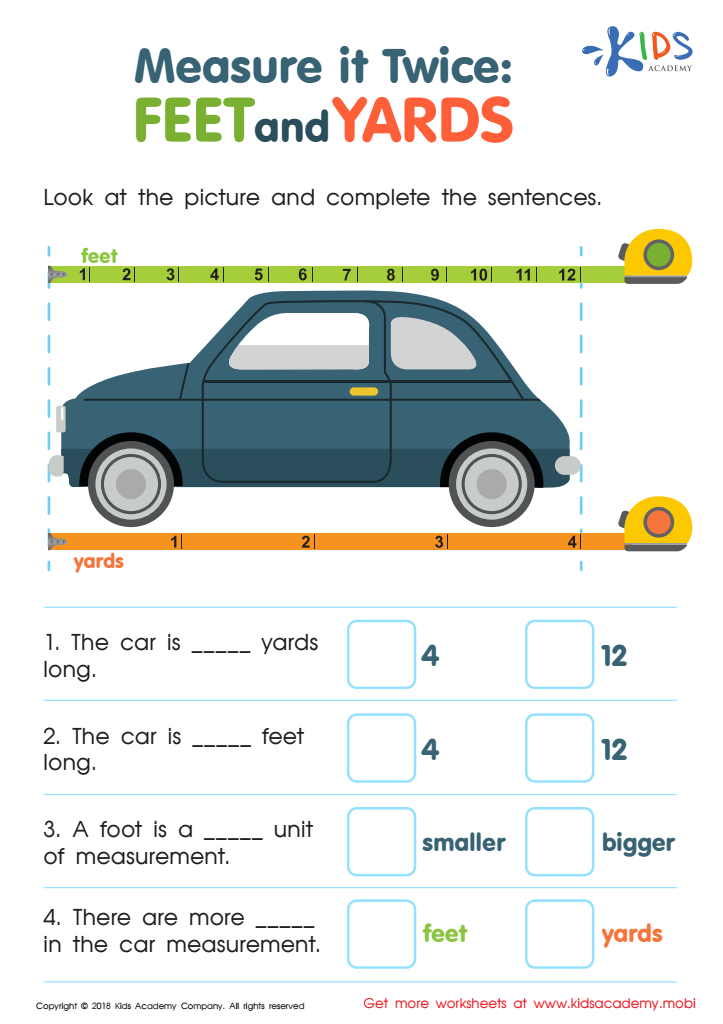
Measure It Twice: Feet and Yards Worksheet
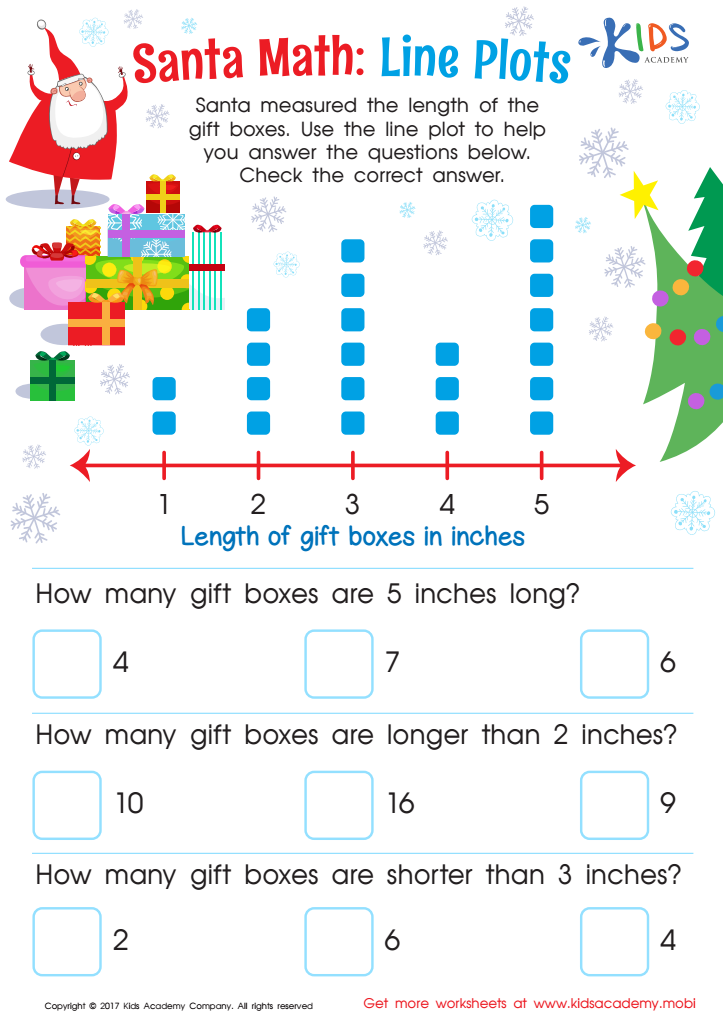
Line Plot Worksheet
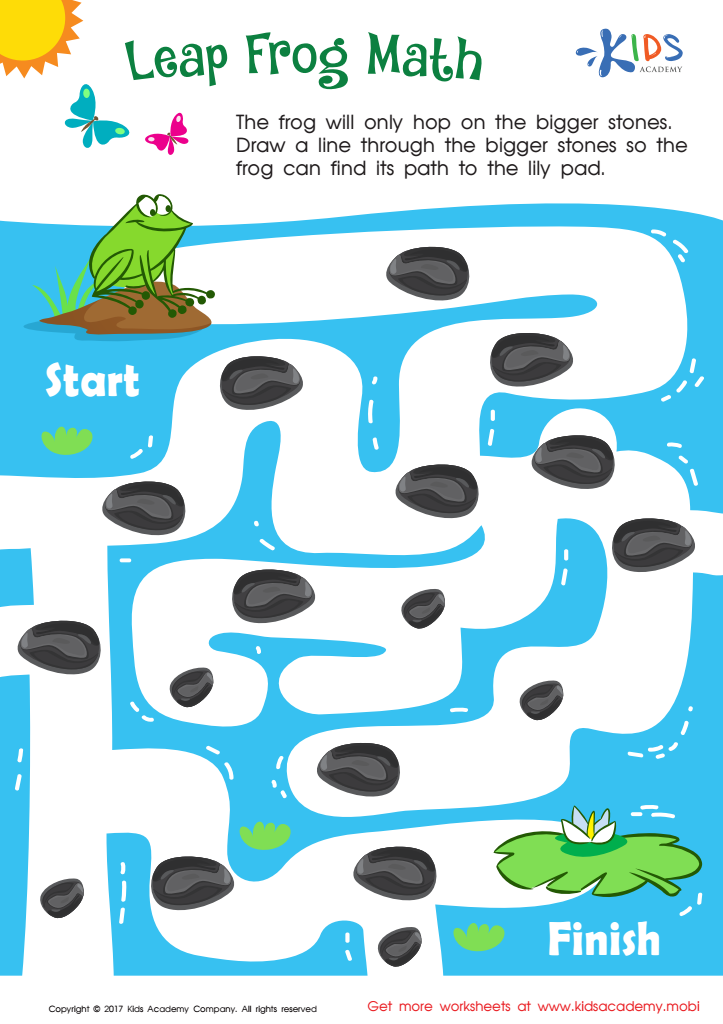
Math Puzzle Worksheet
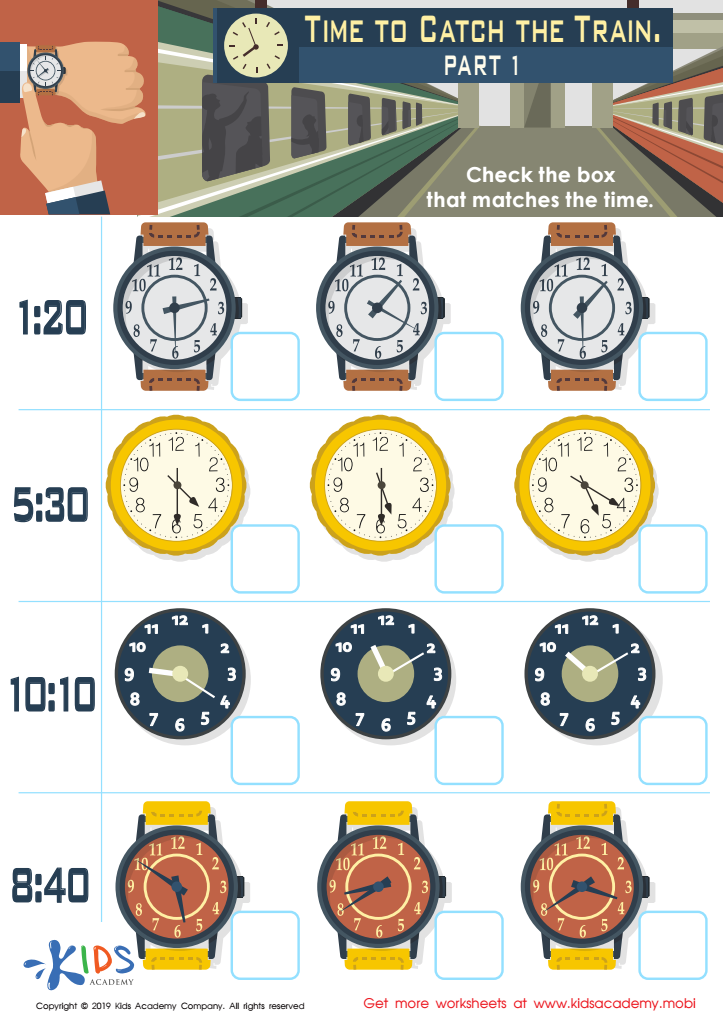
Time to Catch the Train Part 1 Worksheet
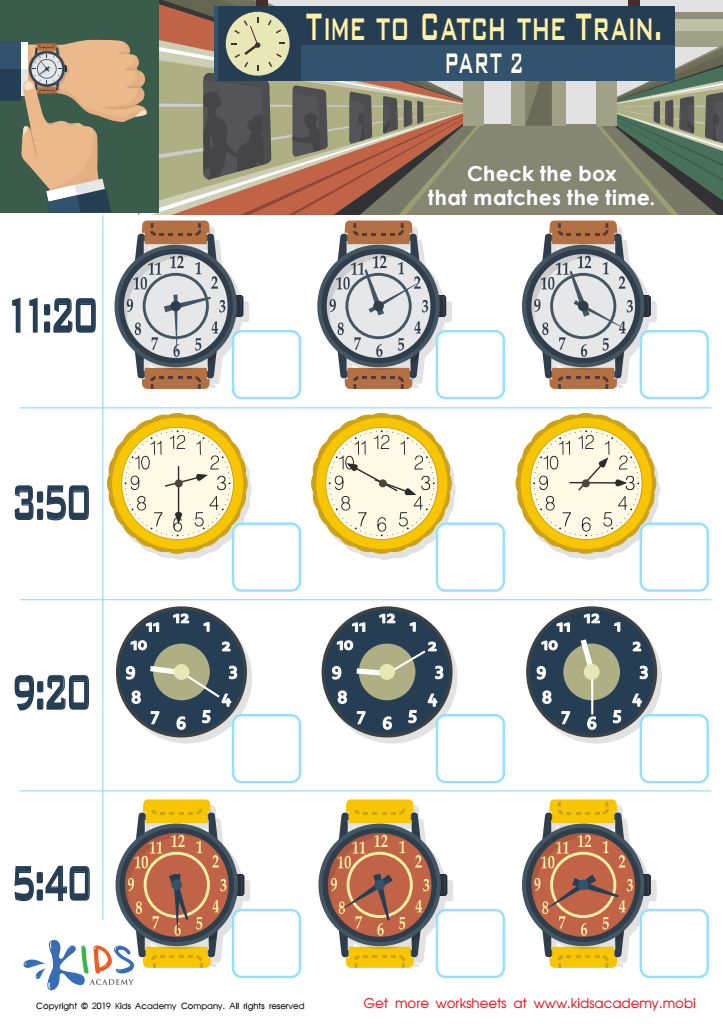
Time to Catch the Train Part 2 Worksheet








Problem-solving skills are crucial for children aged 3-8, as they lay the foundation for critical thinking and decision-making abilities that will benefit them throughout their lives. Both parents and teachers should care about measuring these skills because they offer valuable insights into a child's cognitive development and learning readiness. By assessing problem-solving capabilities, caregivers can identify strengths and areas for improvement, allowing for tailored support that meets each child's unique needs.
Furthermore, early measurement of these skills fosters a growth mindset, encouraging children to embrace challenges, learn from mistakes, and develop resilience. This social-emotional aspect is essential for navigating interactions both in school and at home. Early exposure to problem-solving also cultivates creativity and innovation, which are highly sought-after skills in an ever-changing world.
By being proactive in their children's development, parents and teachers can collaborate to create an enriching learning environment. Implementing targeted interventions, engaging in problem-solving activities, and celebrating successes can significantly boost children's confidence and competence. Ultimately, prioritizing the measurement and development of problem-solving skills helps set the stage for lifelong learning, ensuring that children are not only ready for school but equipped for future challenges in an increasingly complex world.








