
Improve math skills Reading Worksheets for Ages 3-8
3 filtered results
Difficulty Level
Grade
Age
-
From - To
Subject
Activity
Standards
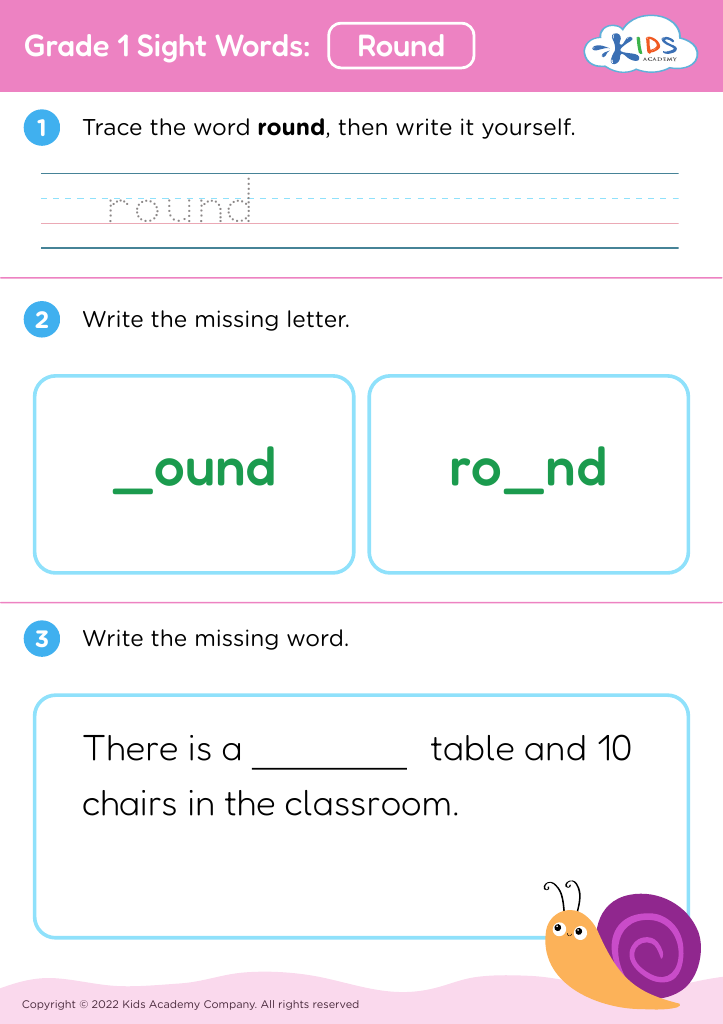
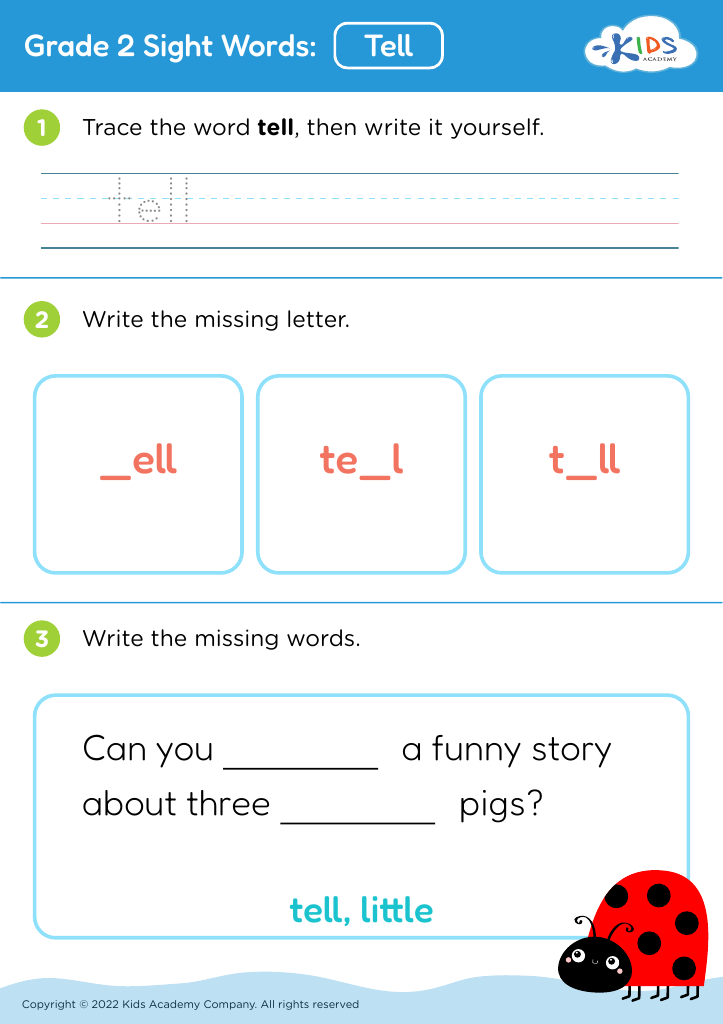
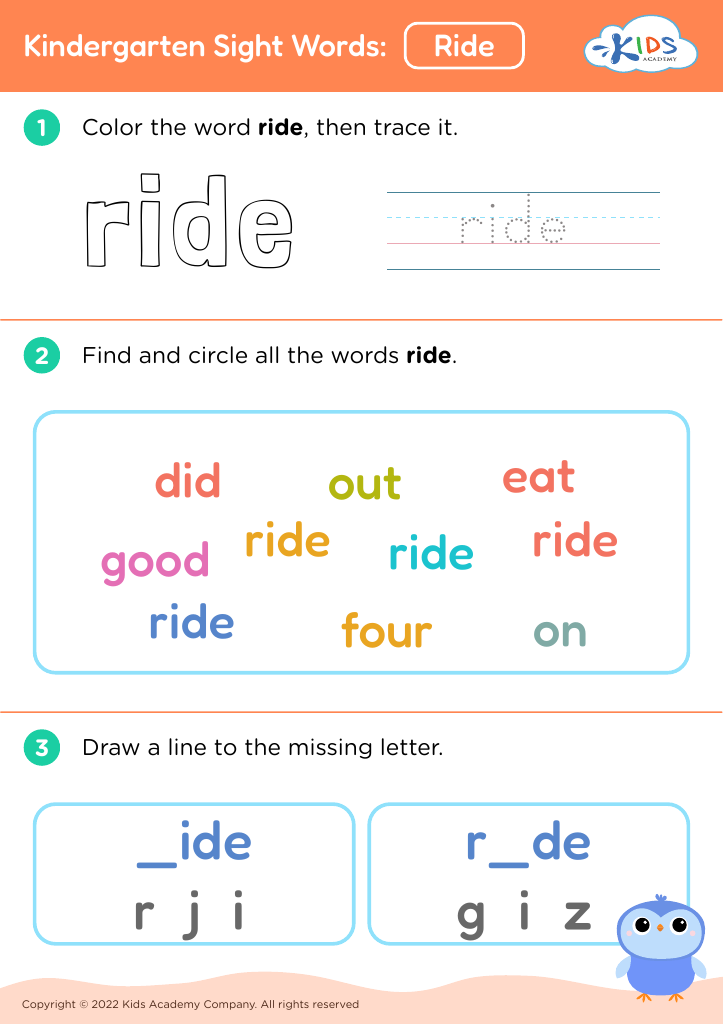
Enhance your child's mathematical abilities with our engaging Math Skills Reading Worksheets, designed for ages 3 to 8. These worksheets seamlessly blend reading comprehension and math concepts, making learning fun and effective. Each activity focuses on key math skills such as counting, problem-solving, and number recognition, while encouraging children to practice reading. Our easy-to-follow worksheets are great for parents and educators seeking to foster a love for learning in young children. With colorful illustrations and age-appropriate challenges, these resources help kids gain confidence and improve their math competencies in an enjoyable way. Discover the joy of learning math today!
Favorites
With answer key
Interactive
Join Kids Academy for Free
Who is primarily going to use this learning content?








Improving math skills in young children ages 3-8 is crucial for their overall cognitive development and lifelong learning. At this age, foundational skills in math serve as a springboard for future academic success. Early math skills—such as number recognition, basic addition and subtraction, and understanding shapes—help develop critical thinking and problem-solving abilities. A strong math foundation enhances a child's confidence and curiosity, encouraging them to explore and engage more actively with learning.
Moreover, math is interwoven with daily life experiences, from counting objects and measuring ingredients in cooking to managing time and money. Teaching math in these early years helps children understand the relevance of numbers in the real world. It's also important to note that early math skills are closely linked to reading and language development. Engaging children in mathematical conversations helps build their vocabulary, fosters communication skills, and strengthens their ability to comprehend abstract concepts, paving the way for successful literacy skills.
For parents and teachers, supporting math skill development helps create well-rounded learners. Through intentional and playful learning activities, we can equip children with essential skills, ensuring they emerge with a lasting love for learning in both math and reading. With the right support, we can nurture confident and capable thinkers.








