Vocabulary enhancement Reading Worksheets for Ages 3-8 - Page 2
132 filtered results
-
From - To
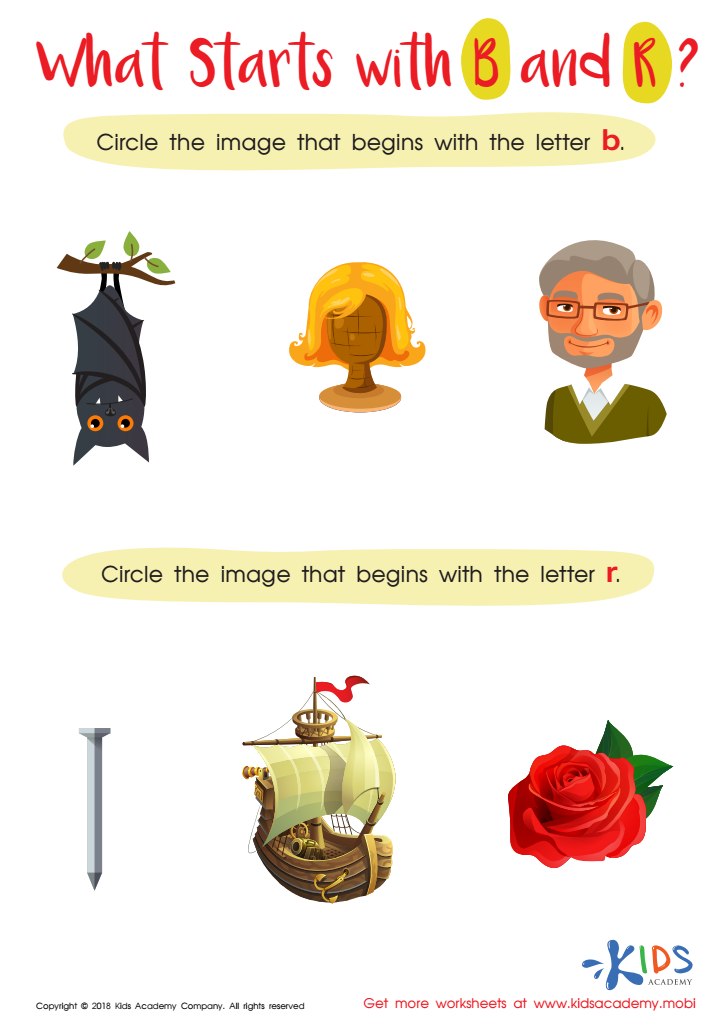
What Starts with B and R? Worksheet
 Assign to My Students
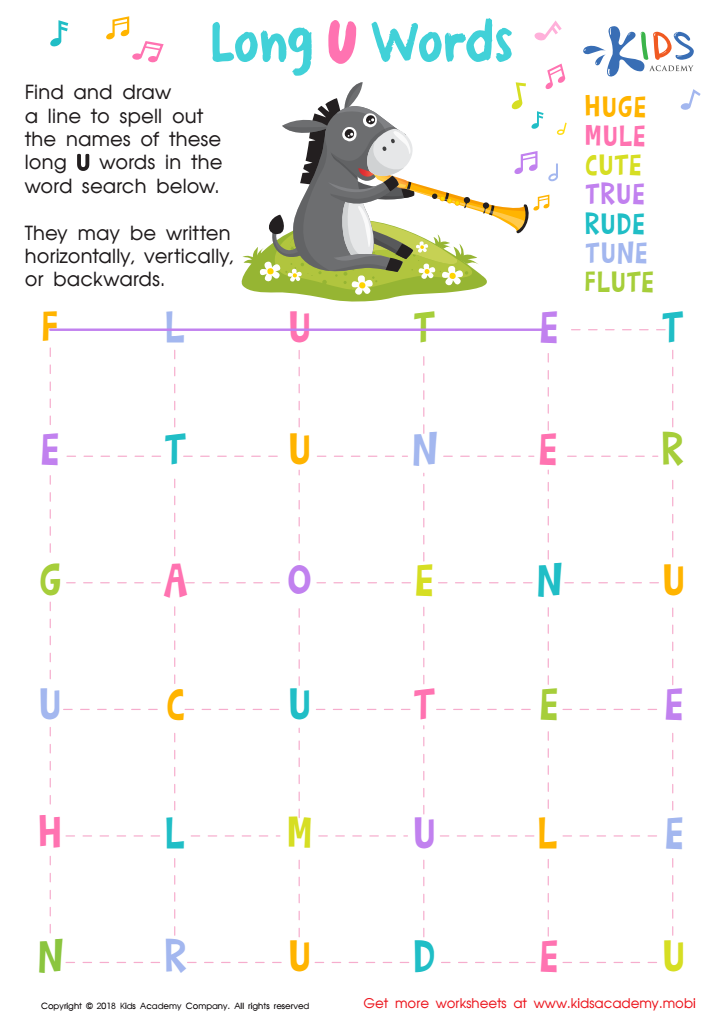
Long /u/ Words Worksheet
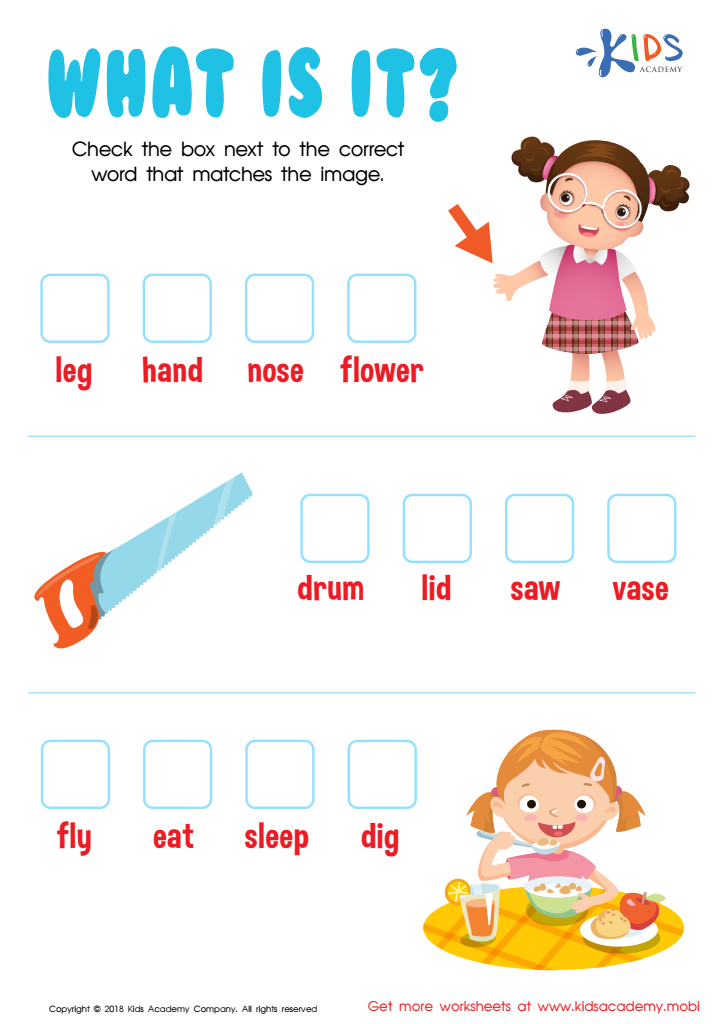
What Is It? Worksheet
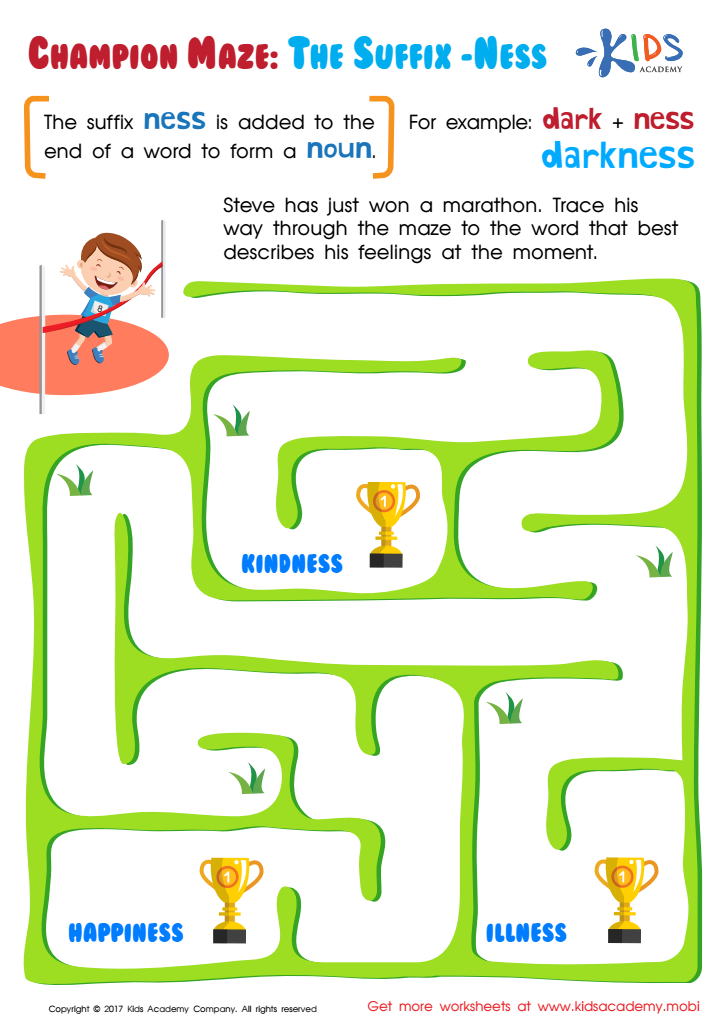
Suffix Ness Worksheet
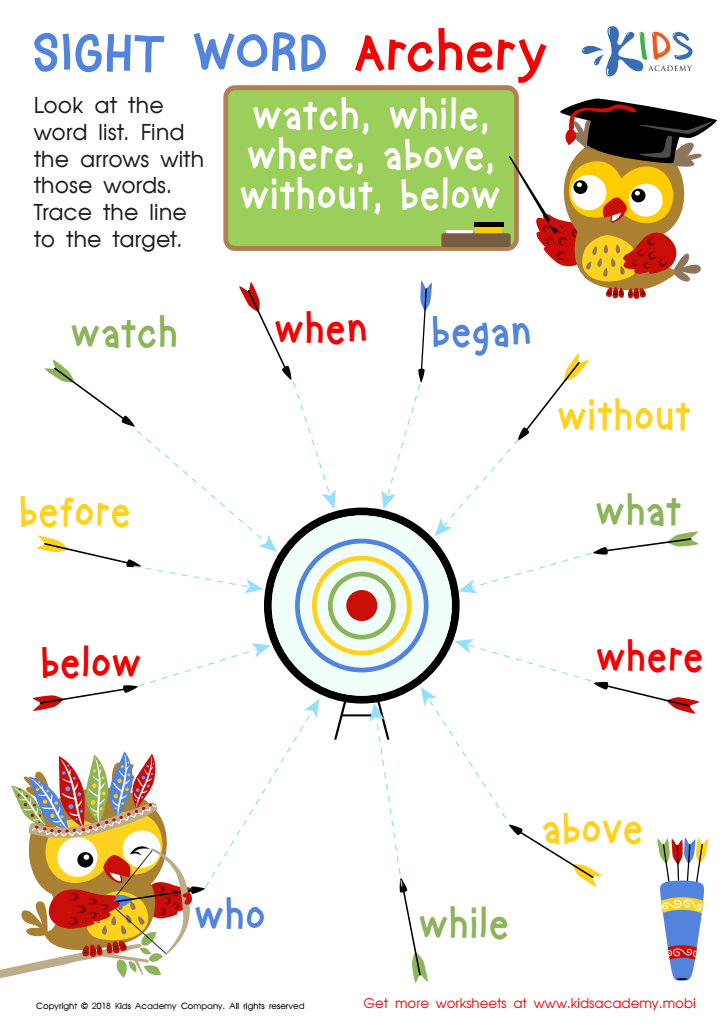
Sight Word Archery Worksheet
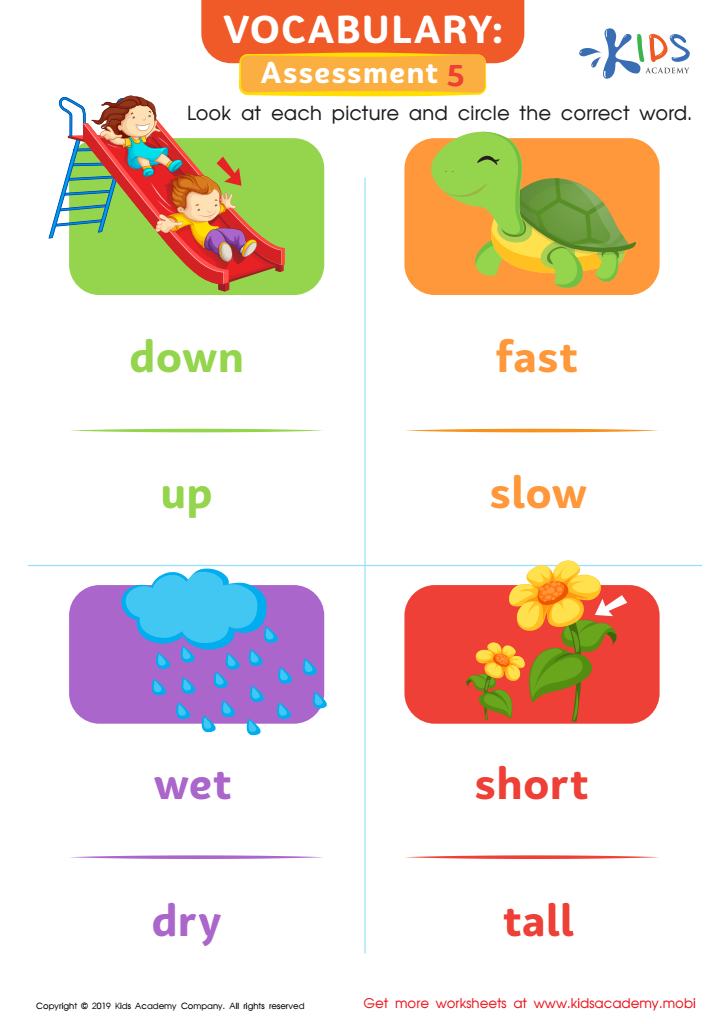
Vocabulary: Assessment 5 Worksheet
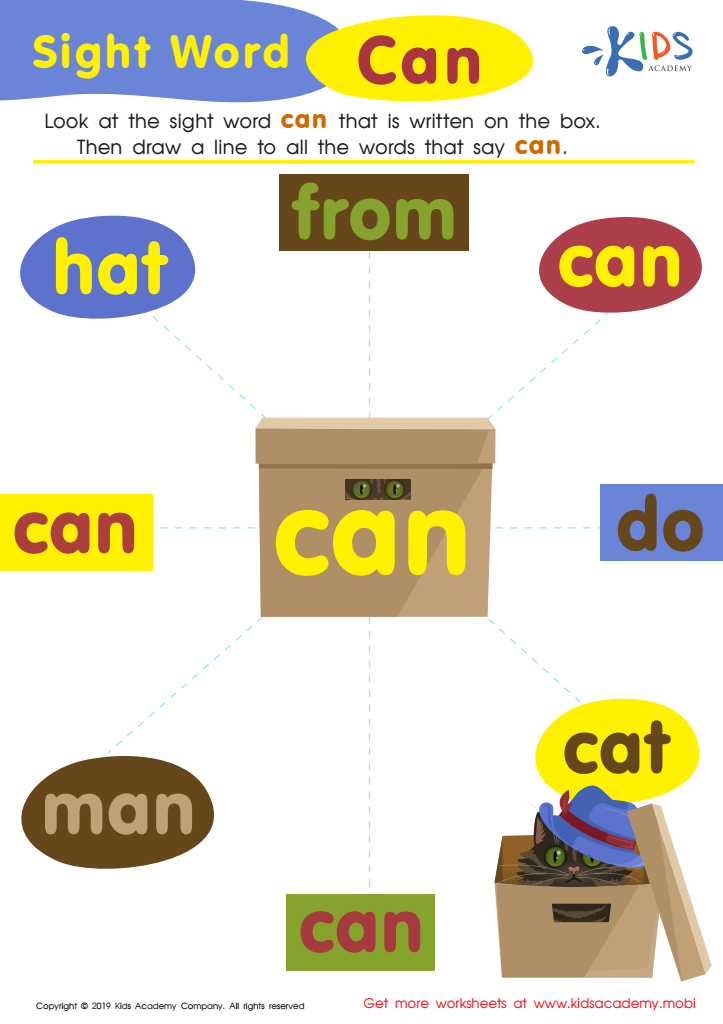
Sight Word Can Worksheet
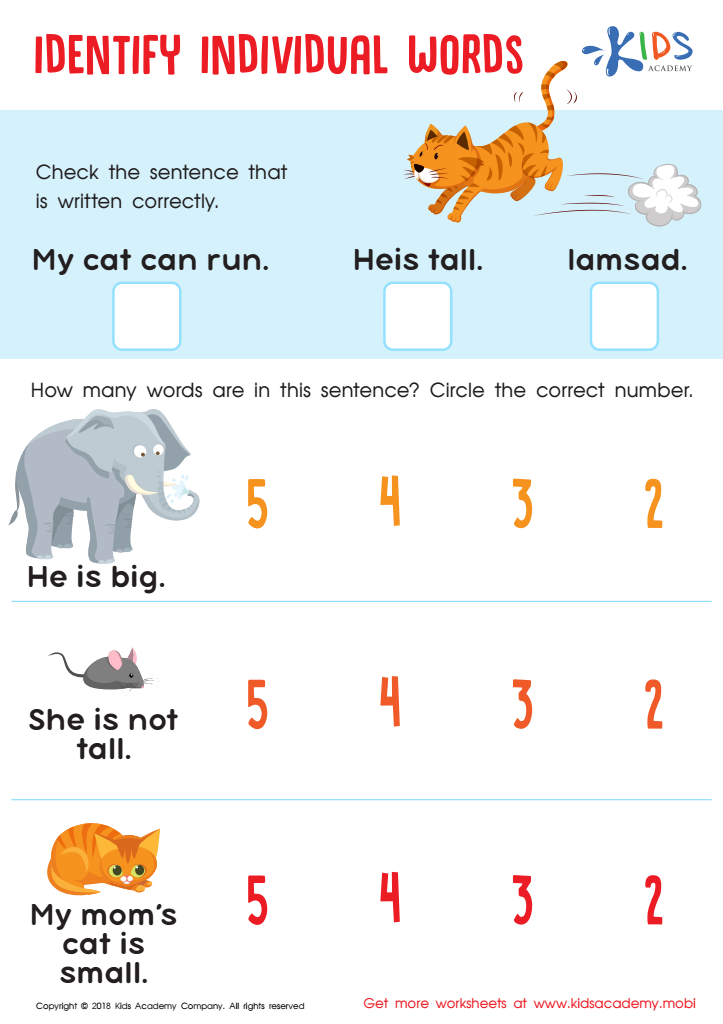
Identify Individual Words Worksheet
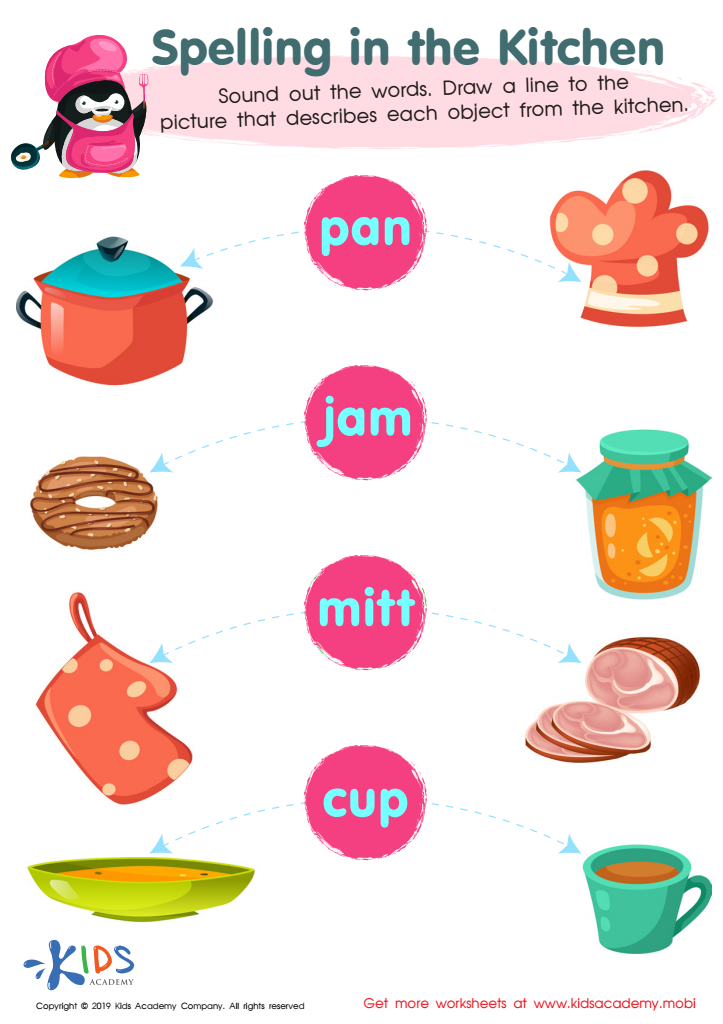
Spelling in the Kitchen Worksheet
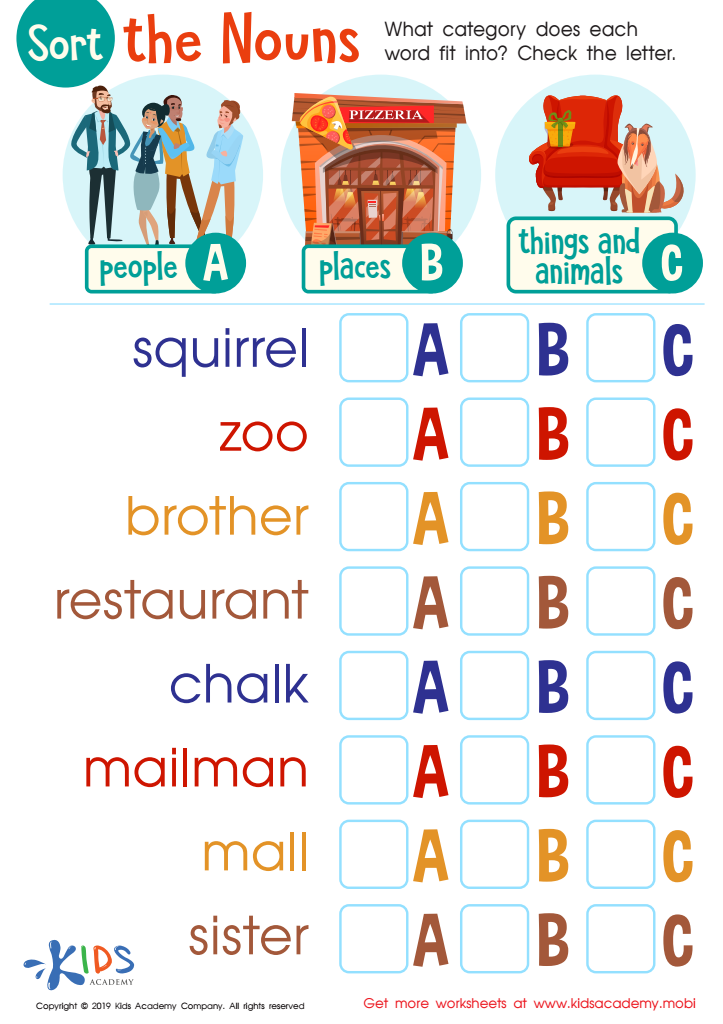
Sort the Nouns Worksheet
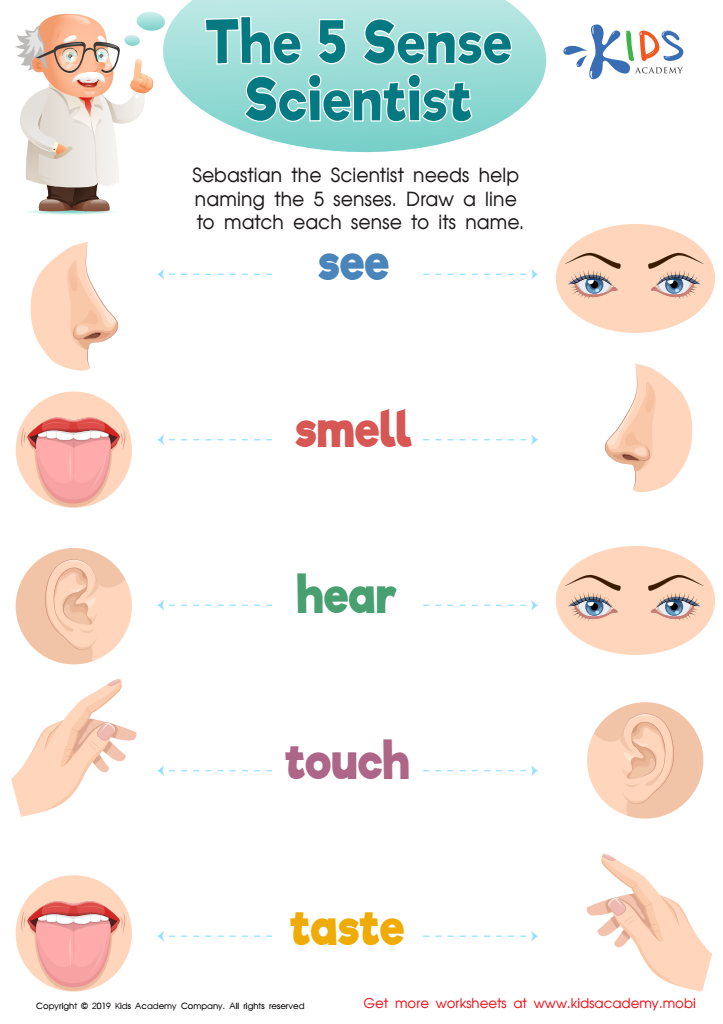
The 5 Sense Scientist Worksheet
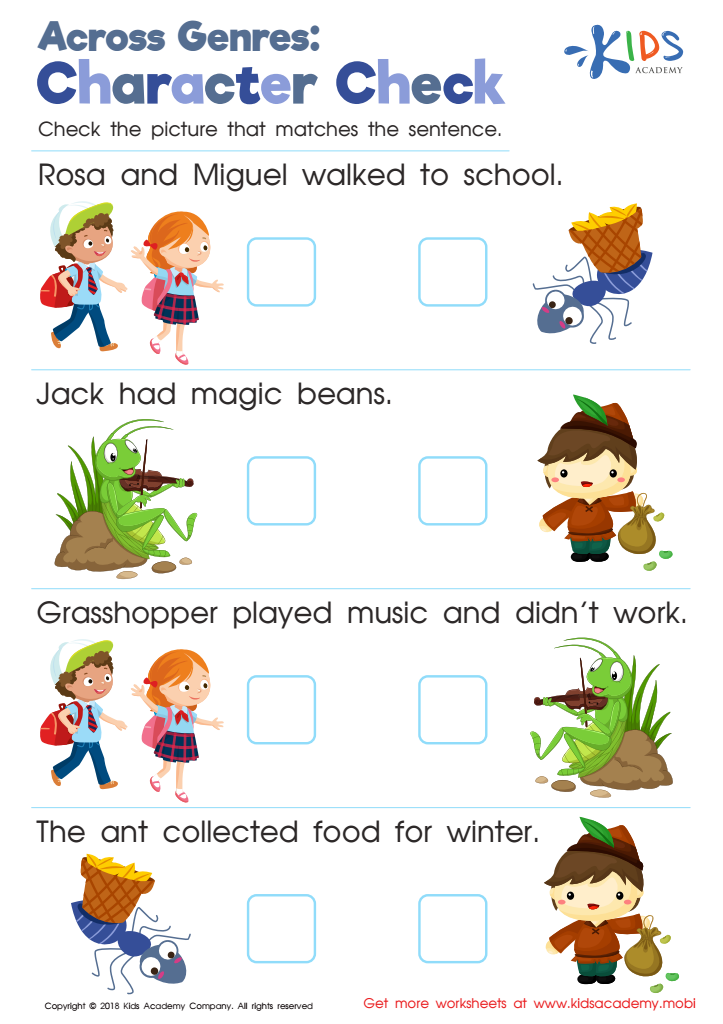
Across Genres: Character Check Worksheet
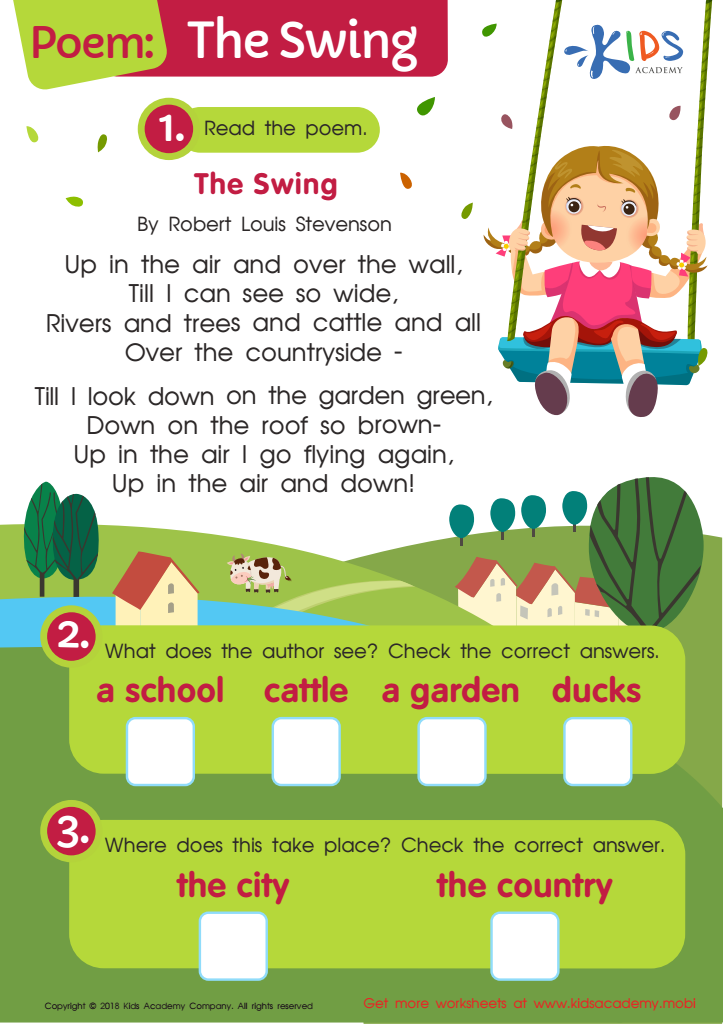
Poem: The Swing Worksheet
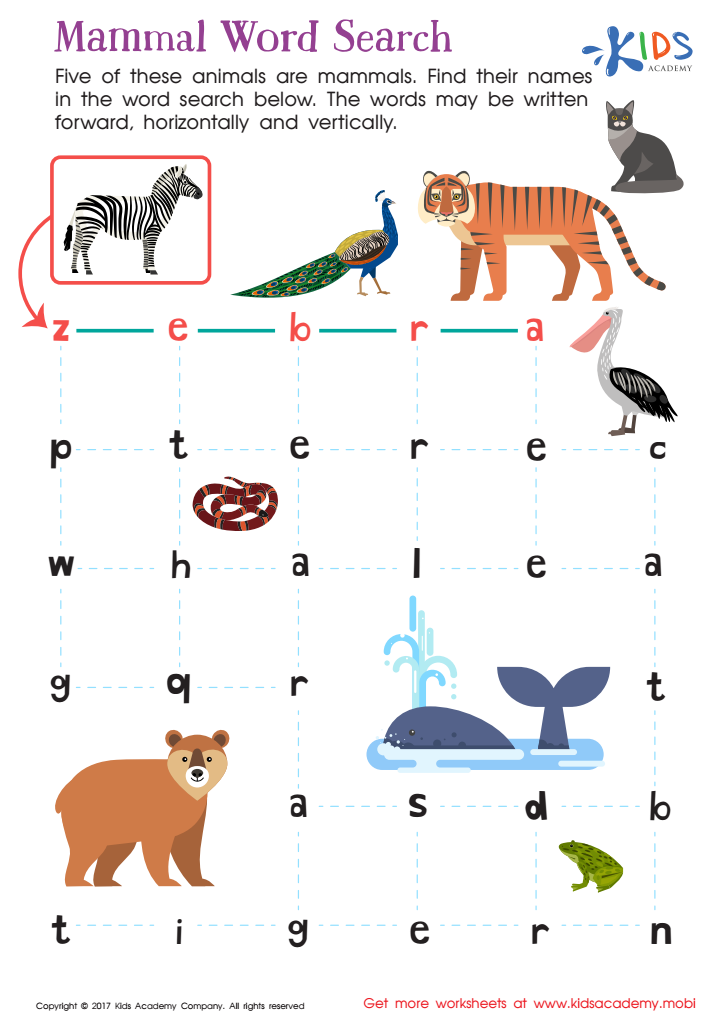
Printable Mammal Word Search
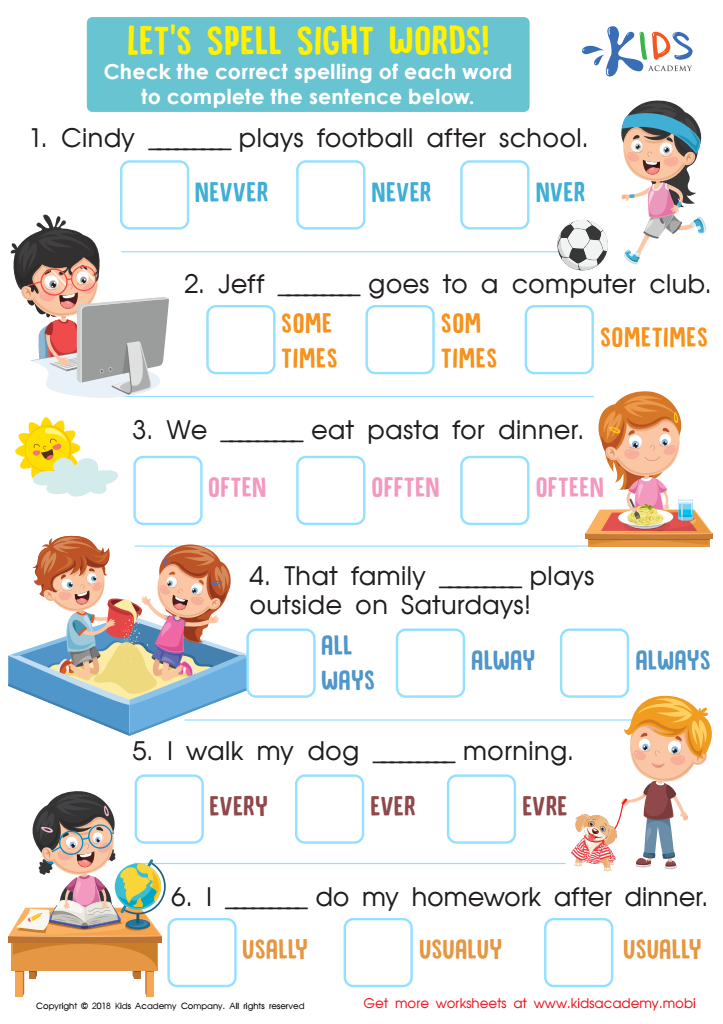
Let's Spell Sight Words Worksheet
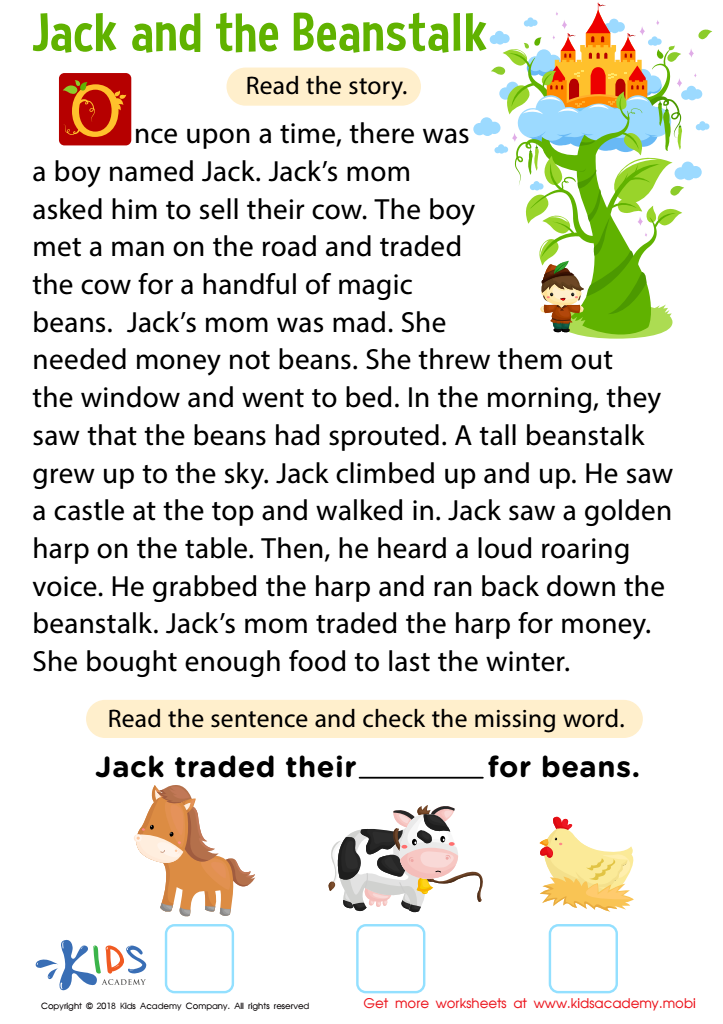
Jack and Beanstalk Worksheet
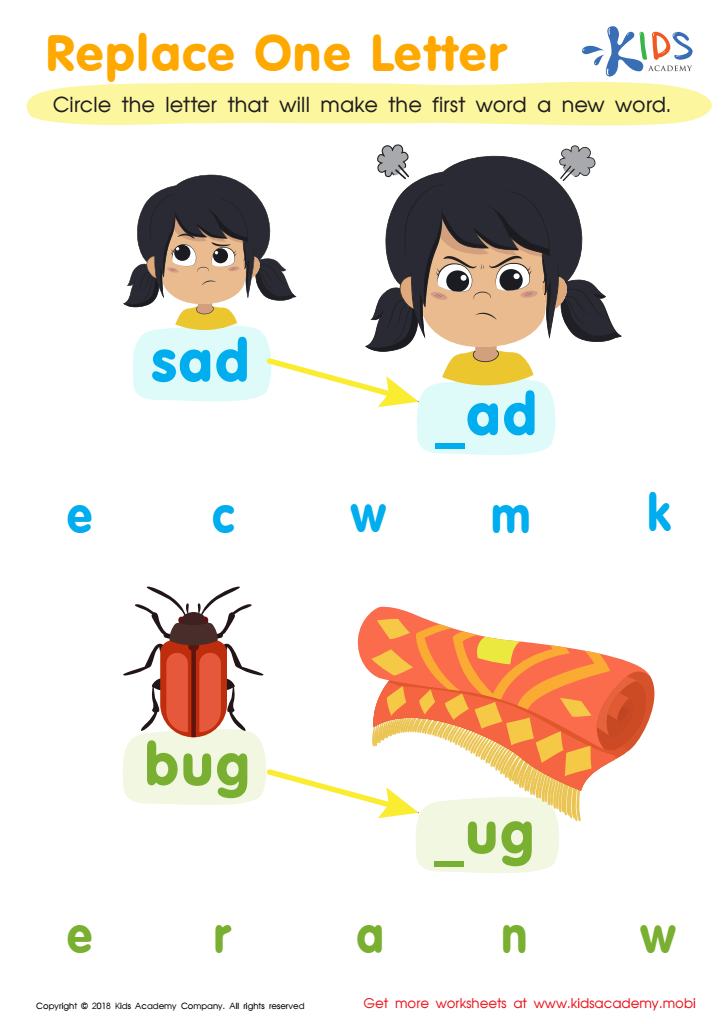
Replace One Letter Worksheet
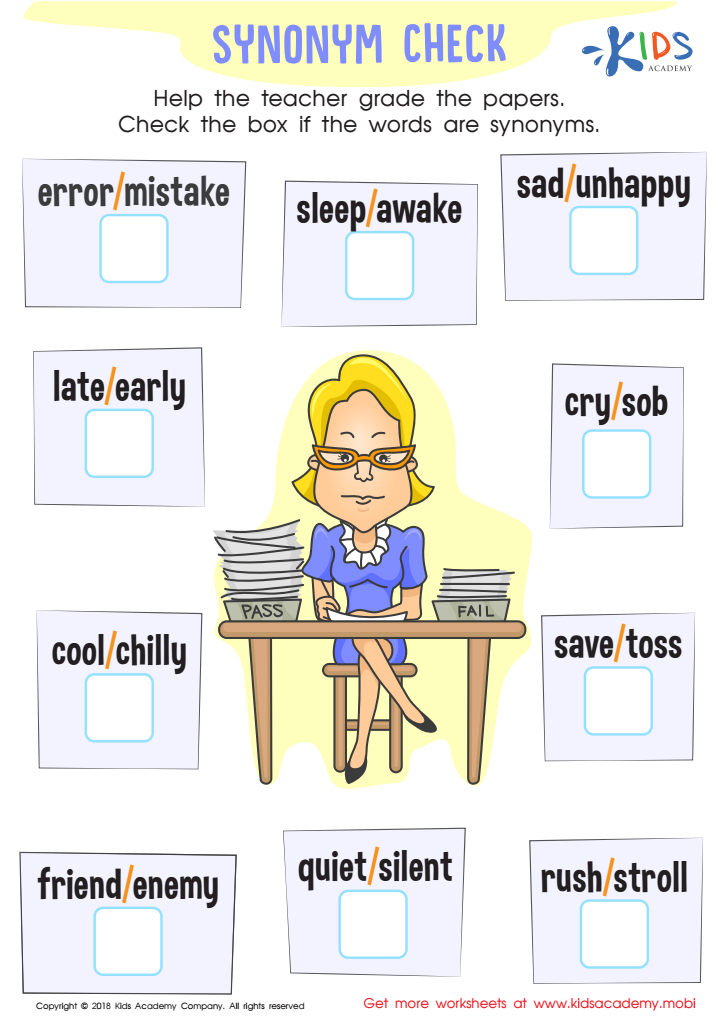
Synonym Check Worksheet
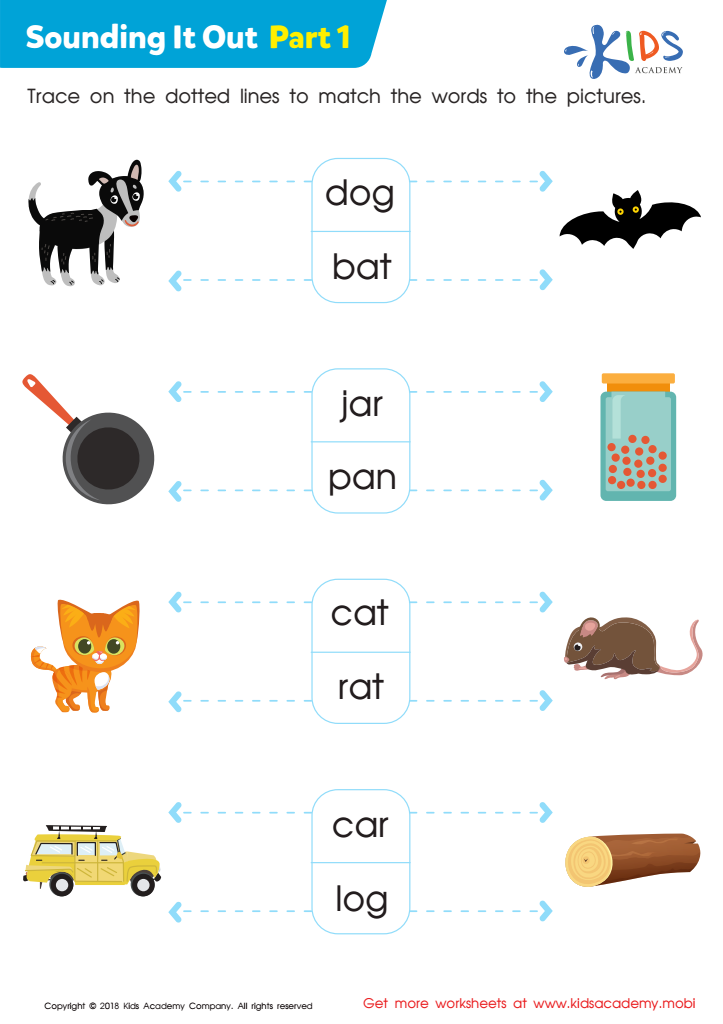
Sounding it Out: Part 1 Worksheet
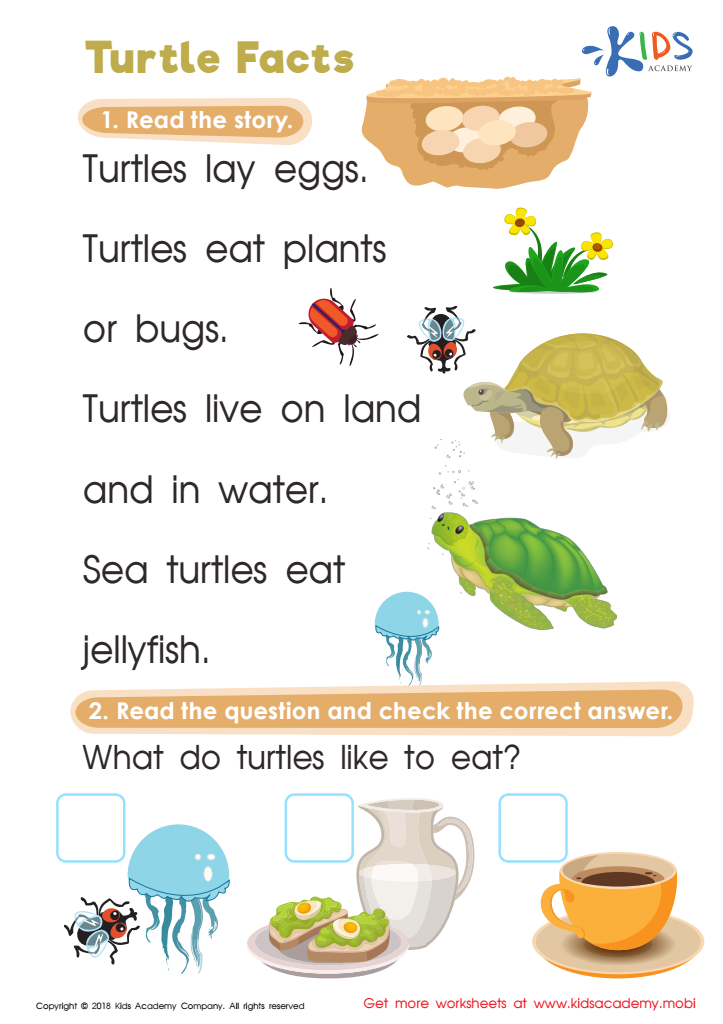
Turtle Facts Worksheet
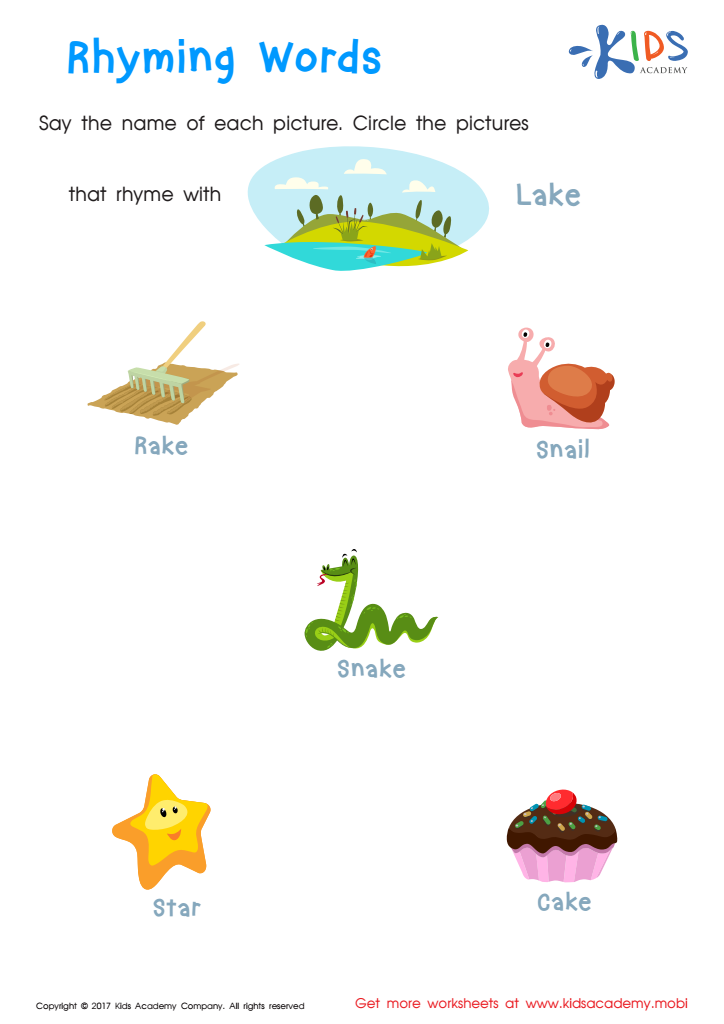
Rhyming Words Rhyming Worksheet
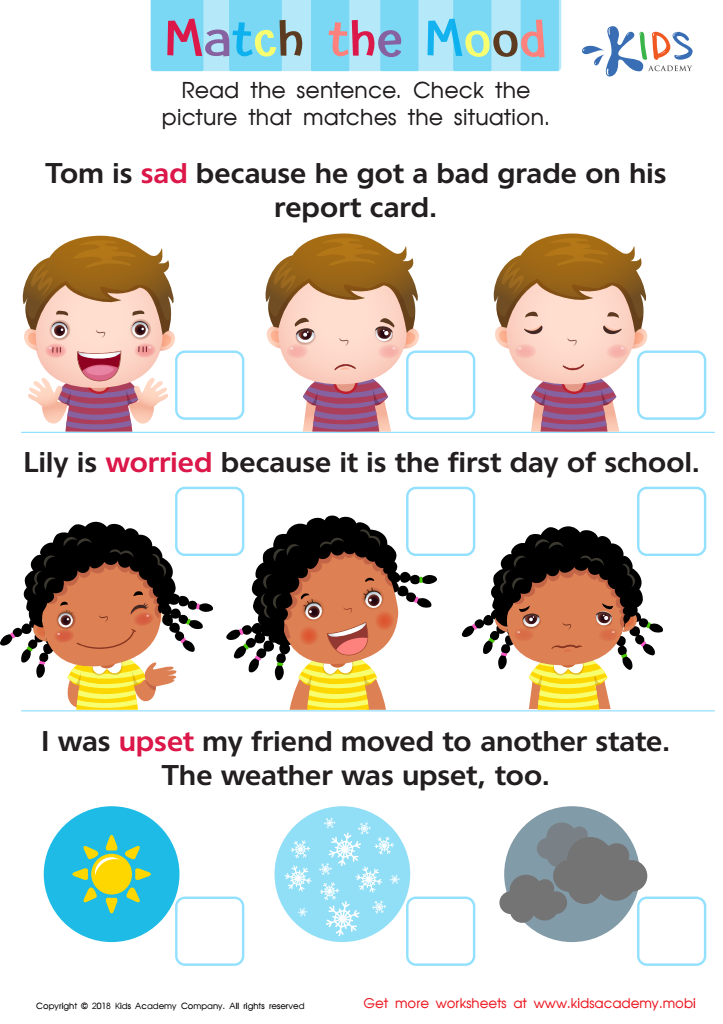
Match The Mood Worksheet
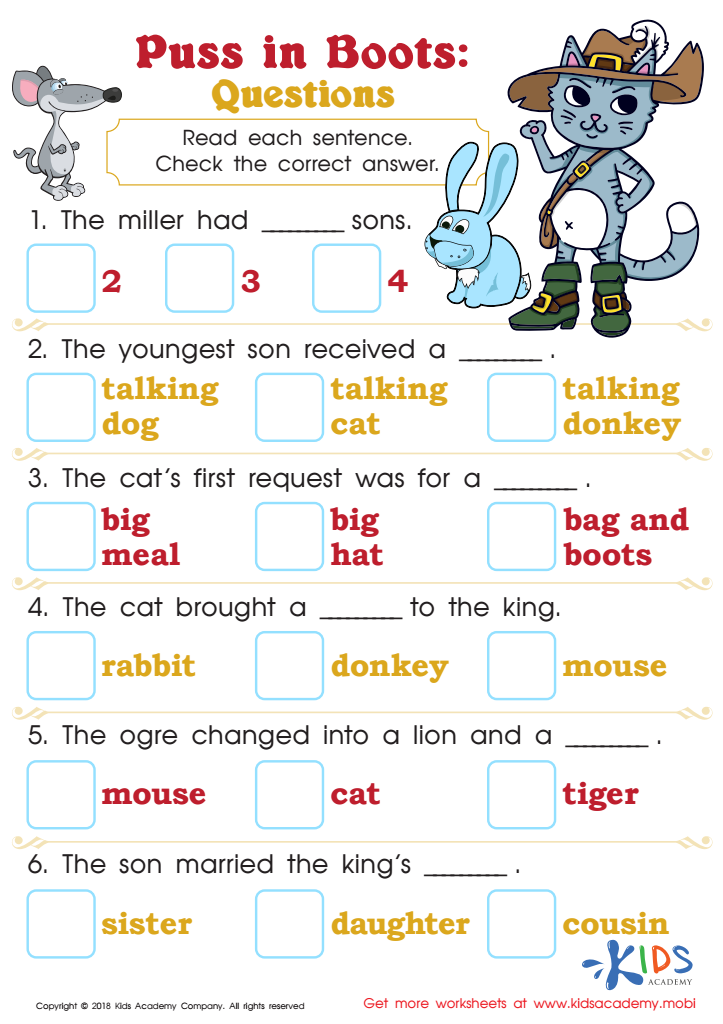
Puss in Boots: Questions Worksheet
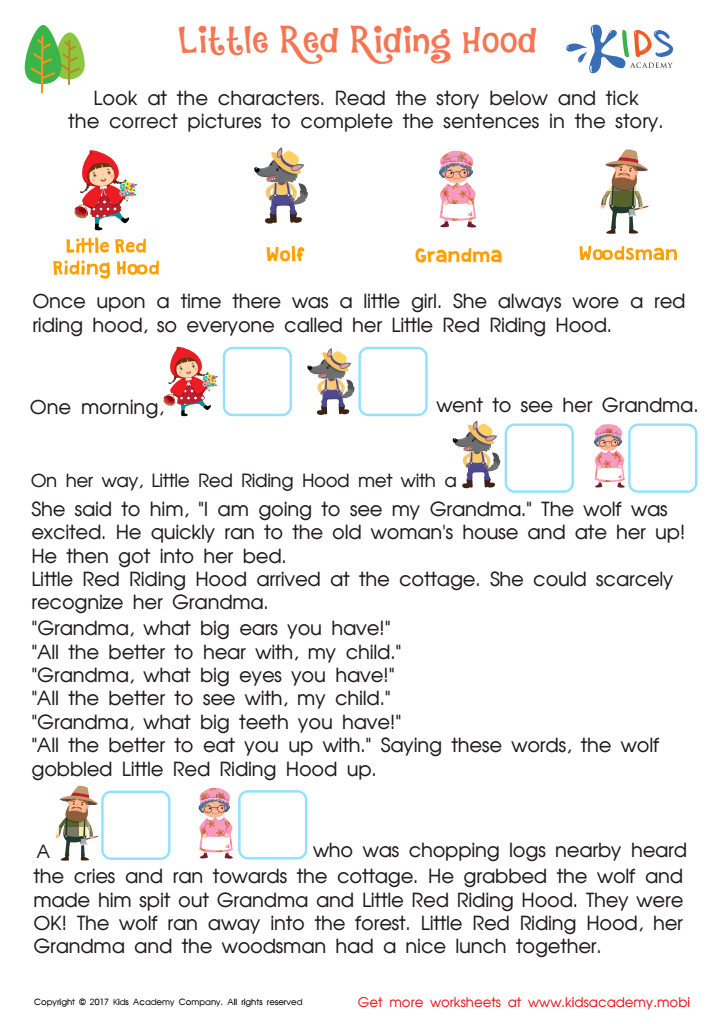
Little Red Riding Hood Printable







Vocabulary enhancement during the early years (ages 3-8) is crucial for a child's cognitive and academic development. Parents and teachers should prioritize reading and vocabulary-building activities because this period is a golden window for absorbing language nuances. Young children are exceptionally receptive to new words, and a rich vocabulary forms the foundation for effective communication skills.
A well-developed vocabulary aids in better comprehension, allowing children to understand instructions, follow narratives, and engage in meaningful conversations. This, in turn, boosts their confidence and readiness for school. Additionally, it lays the groundwork for future academic success across all subjects, not just language arts. When children understand more words, they can grasp new concepts faster and excel in areas like science, mathematics, and social studies.
Reading together exposes children to diverse language patterns, sentence structures, and storytelling methods. It also enhances their listening skills and attention span. In families and classrooms where reading is a shared, interactive activity, it fosters a love for books and lifelong learning. Moreover, stories and contexts introduced through reading help children build empathy, cultural awareness, and broader perspectives on the world.
In short, investing time in vocabulary enhancement through reading enriches a child's mind, bolsters their academic journey, and nurtures their overall development.








