Critical Thinking Reading Fiction Worksheets for Ages 3-8 - Page 2
47 filtered results
-
From - To
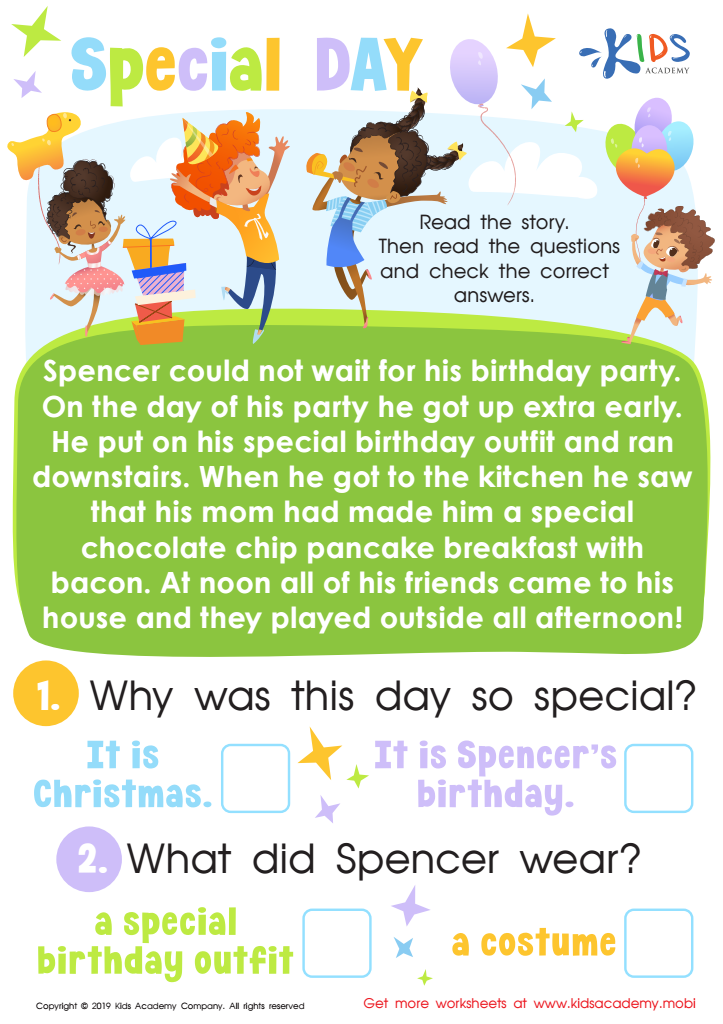
Special Day Worksheet
 Assign to My Students
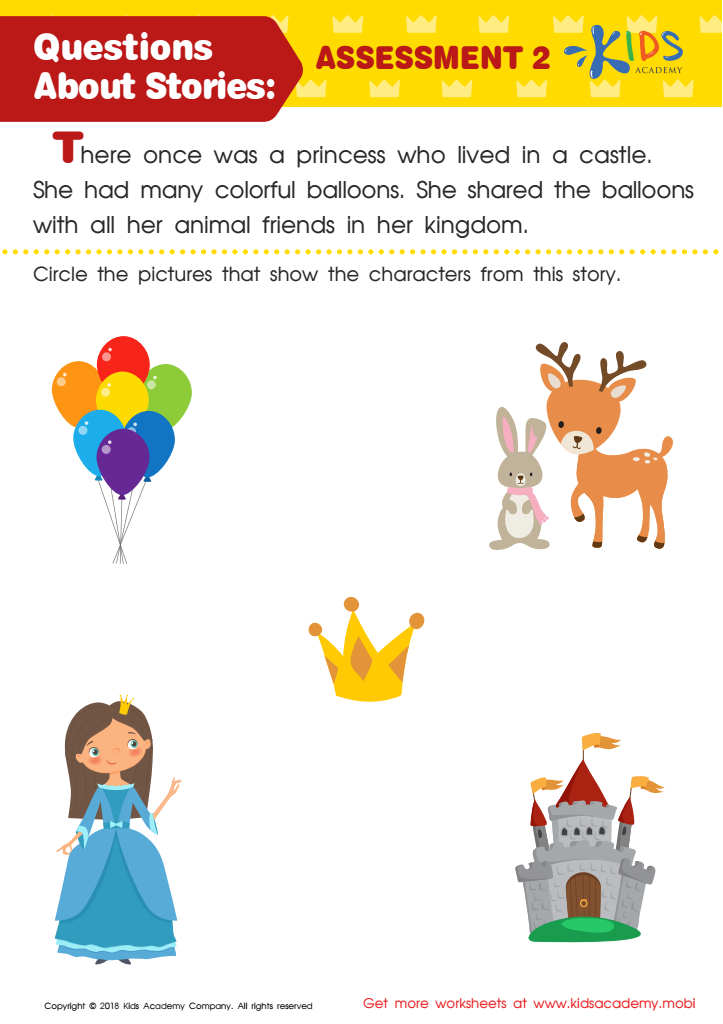
Questions About Stories: Assessment 2 Worksheet
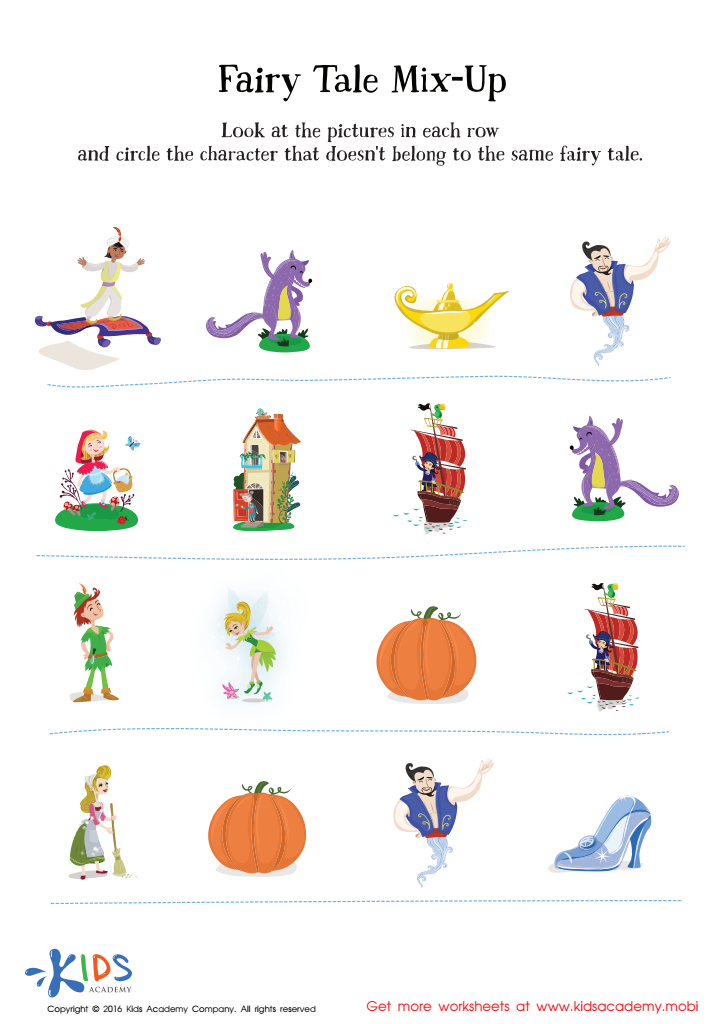
Fairy Tale Worksheet: Story Mix Up
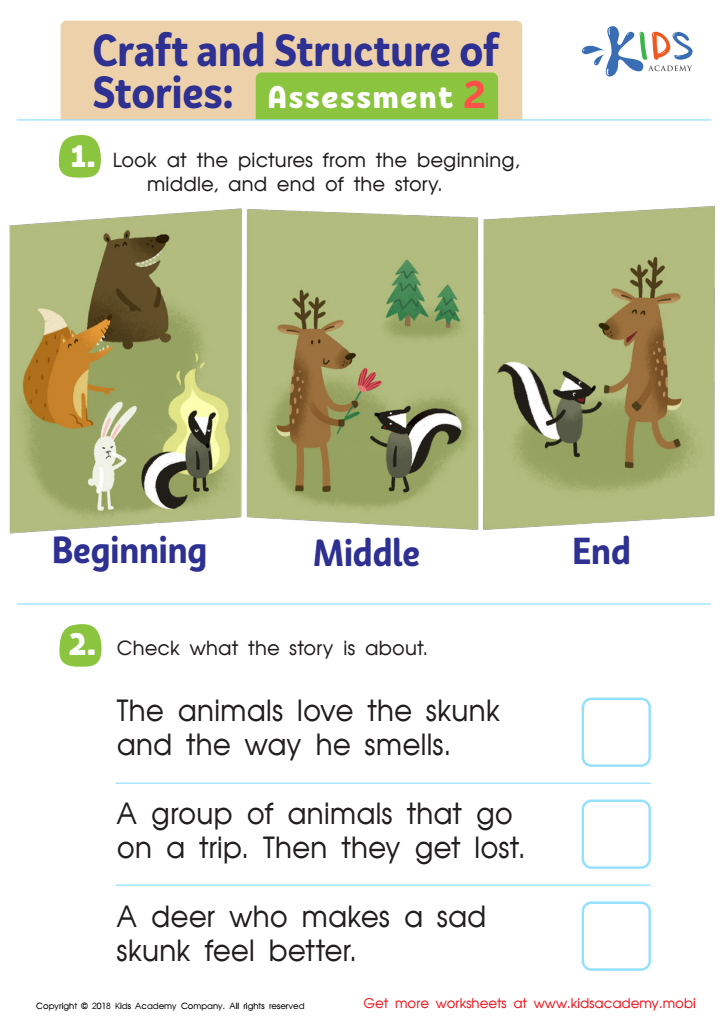
Craft and Structure of Stories: Assessment 2 Worksheet
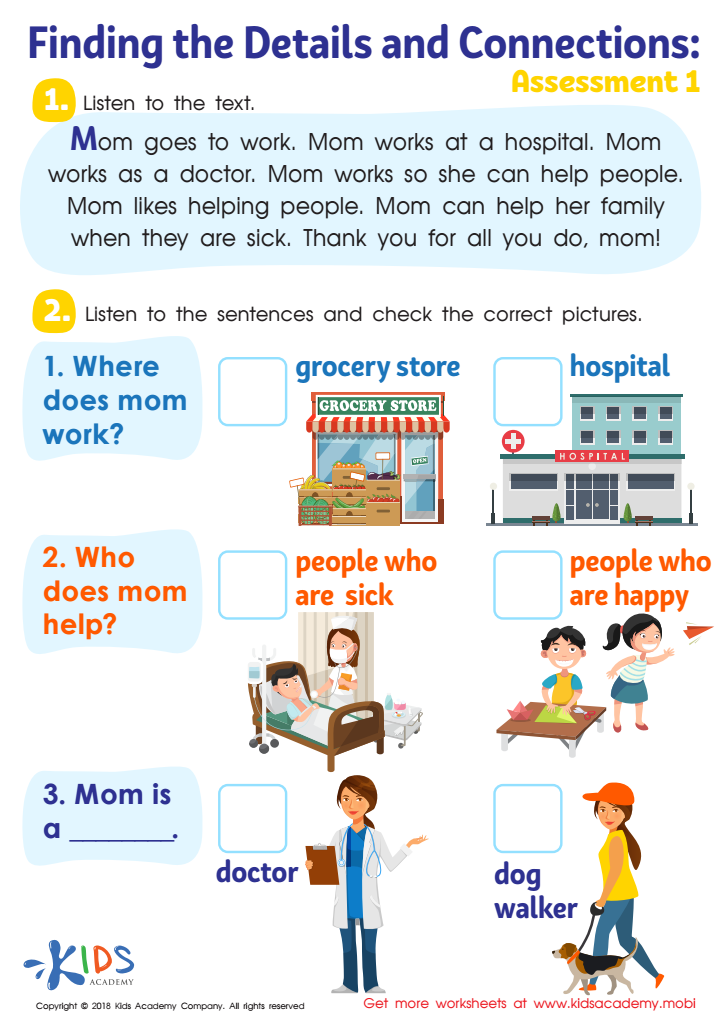
Finding the Details and Connections: Assessment 1 Worksheet
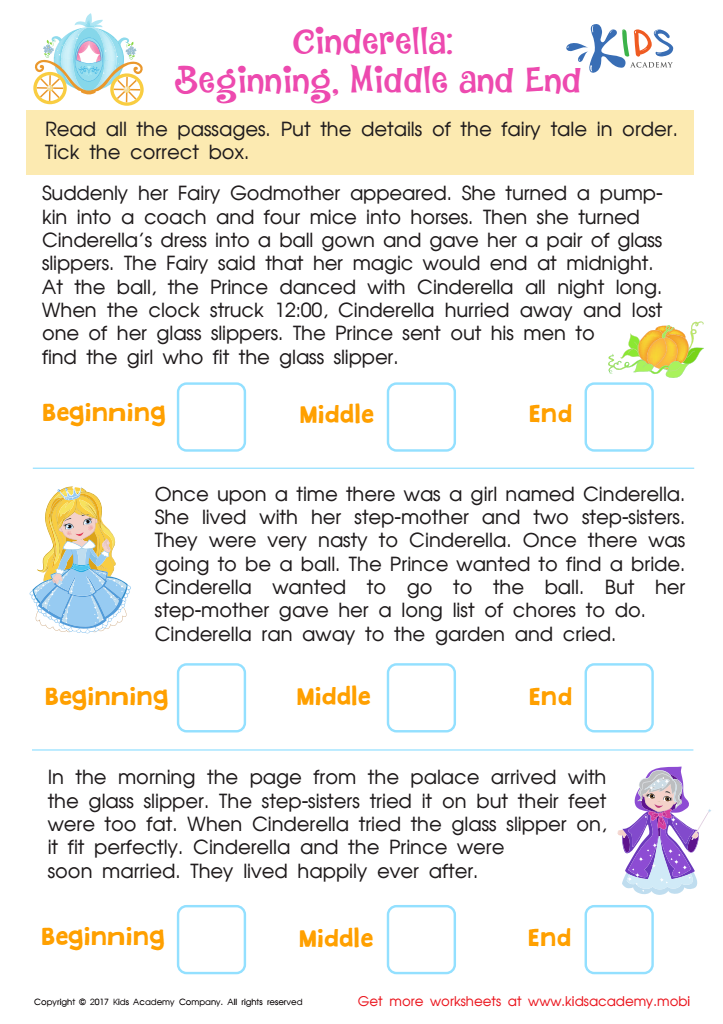
Cinderella: Beginning, Middle and End Worksheet
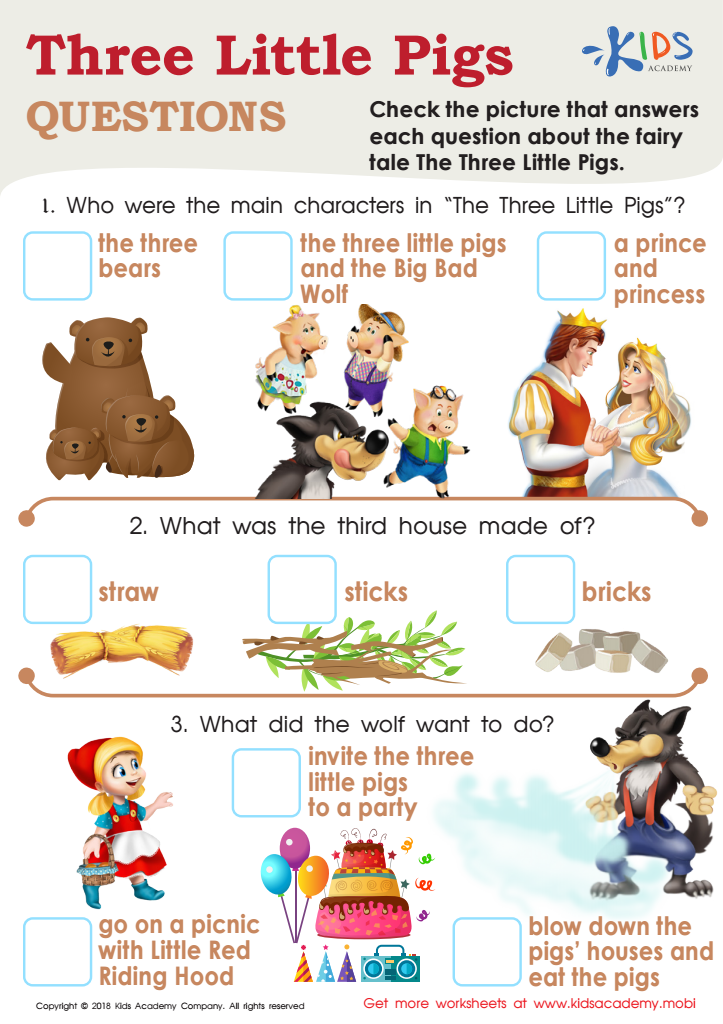
Three Little Pigs Questions Worksheet
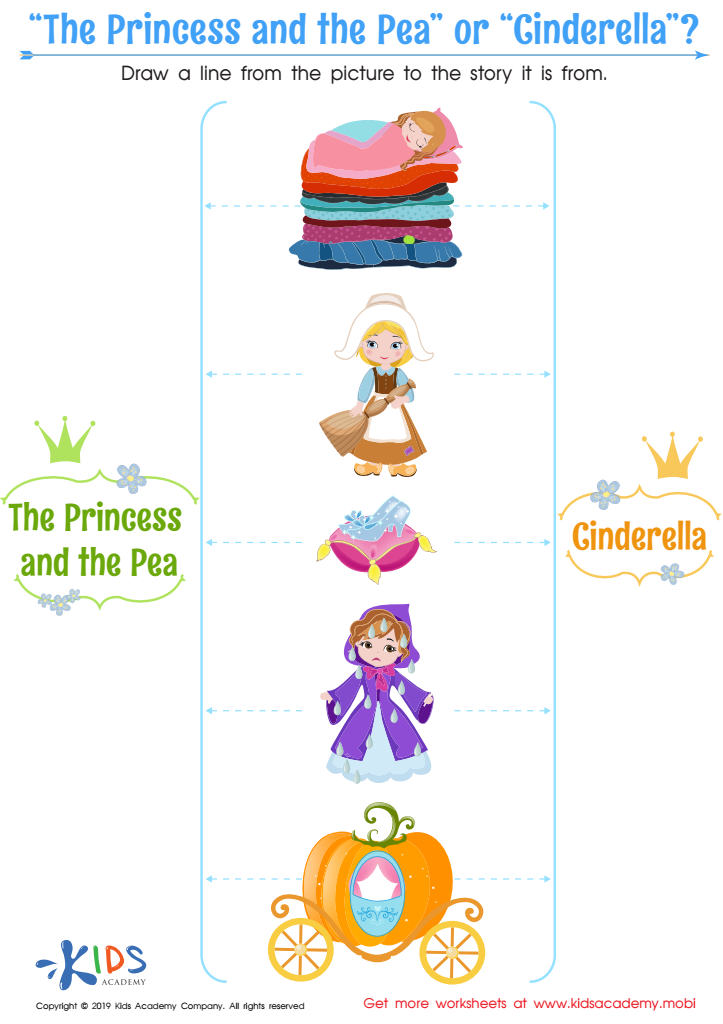
“The Princess and the Pea” or “Cinderella” Worksheet
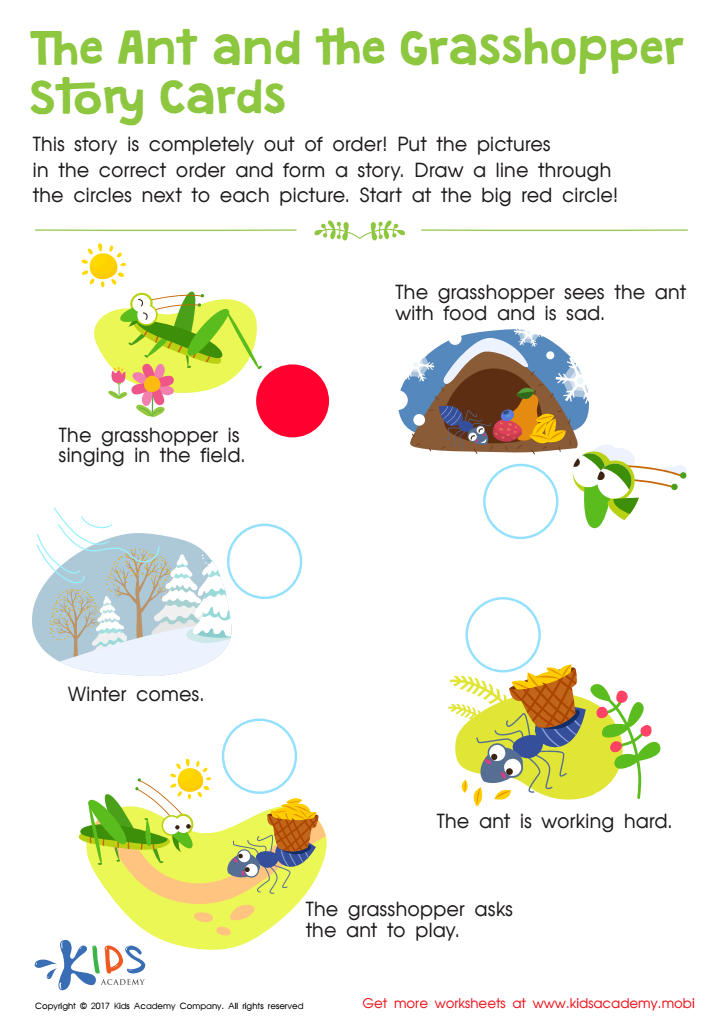
The Ant and The Grasshopper Worksheet
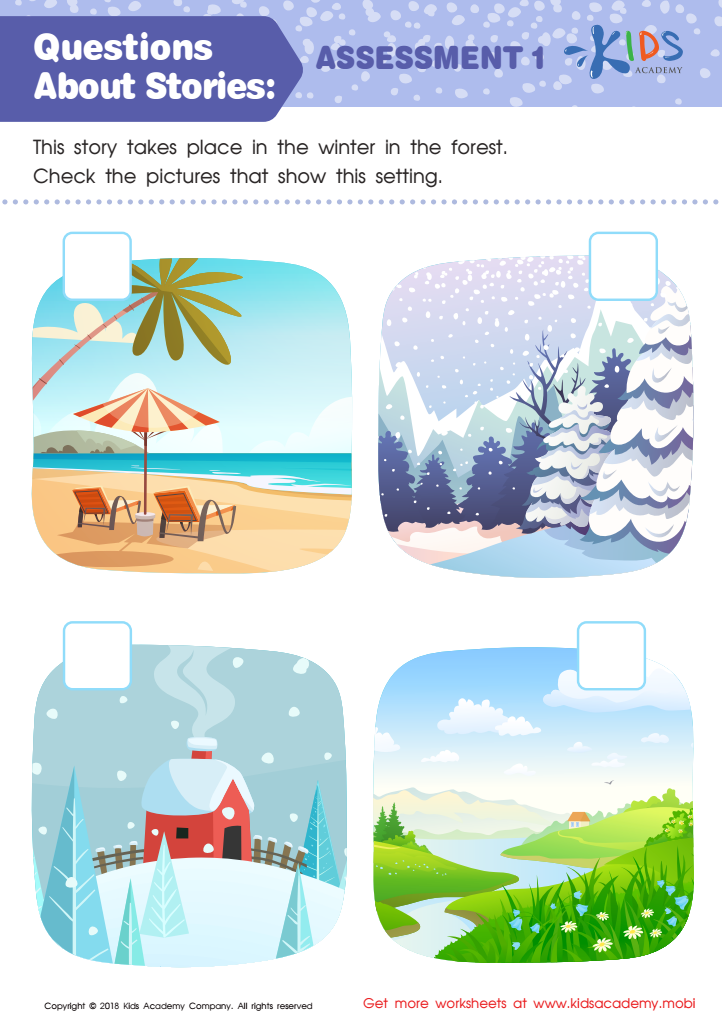
Questions About Stories: Assessment 1 Worksheet
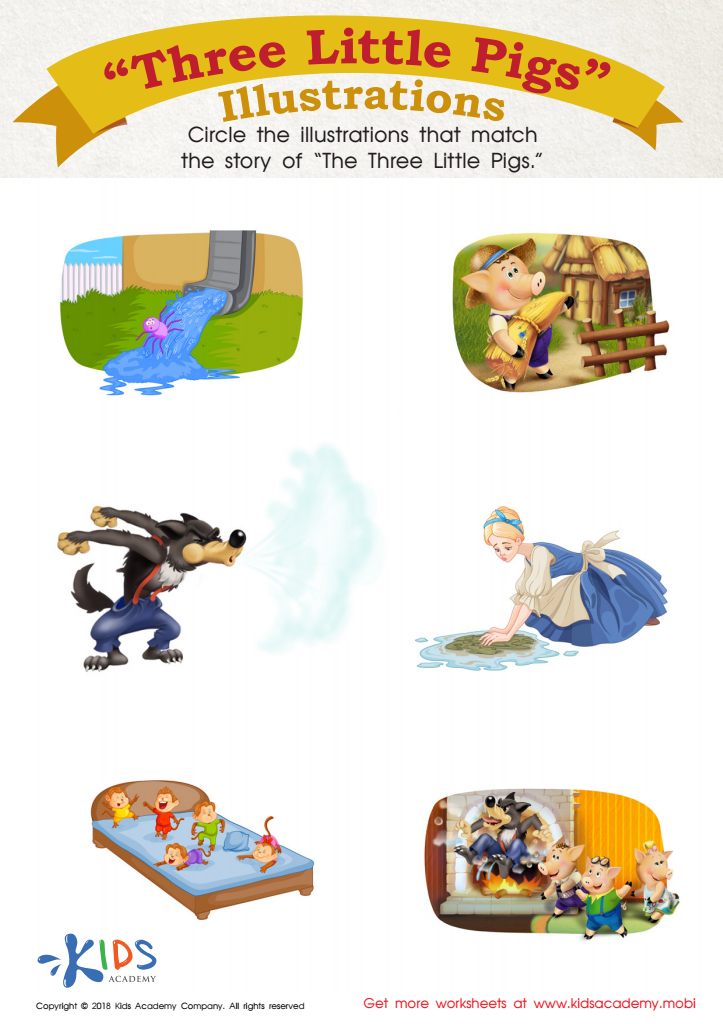
Three Little Pigs: Illustrations Worksheet
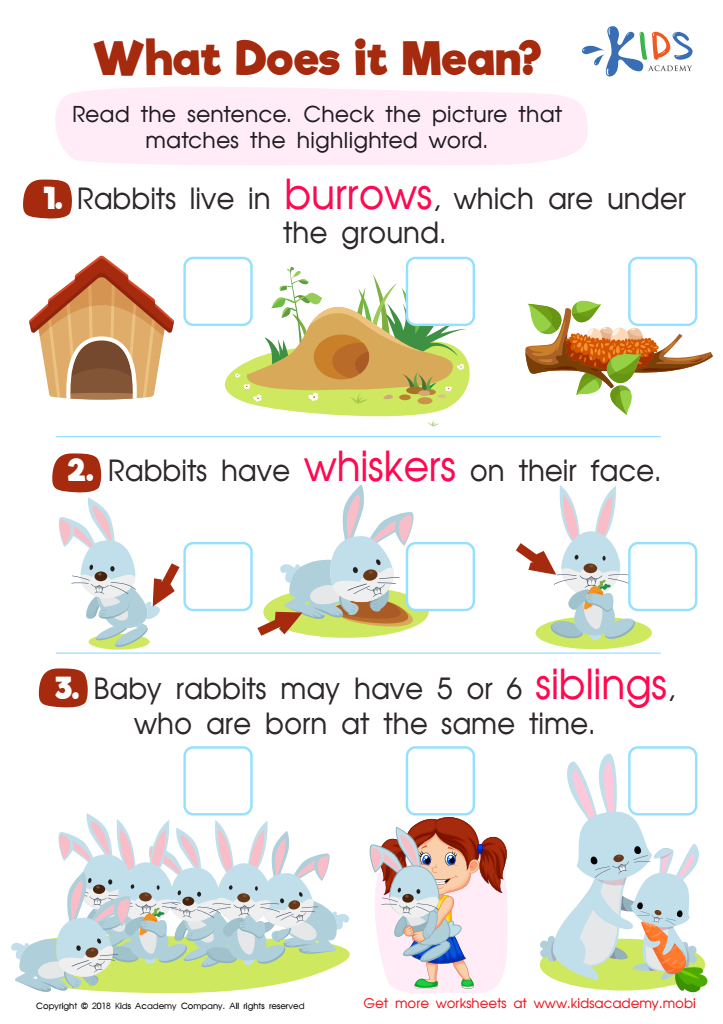
What Does It Mean? Worksheet
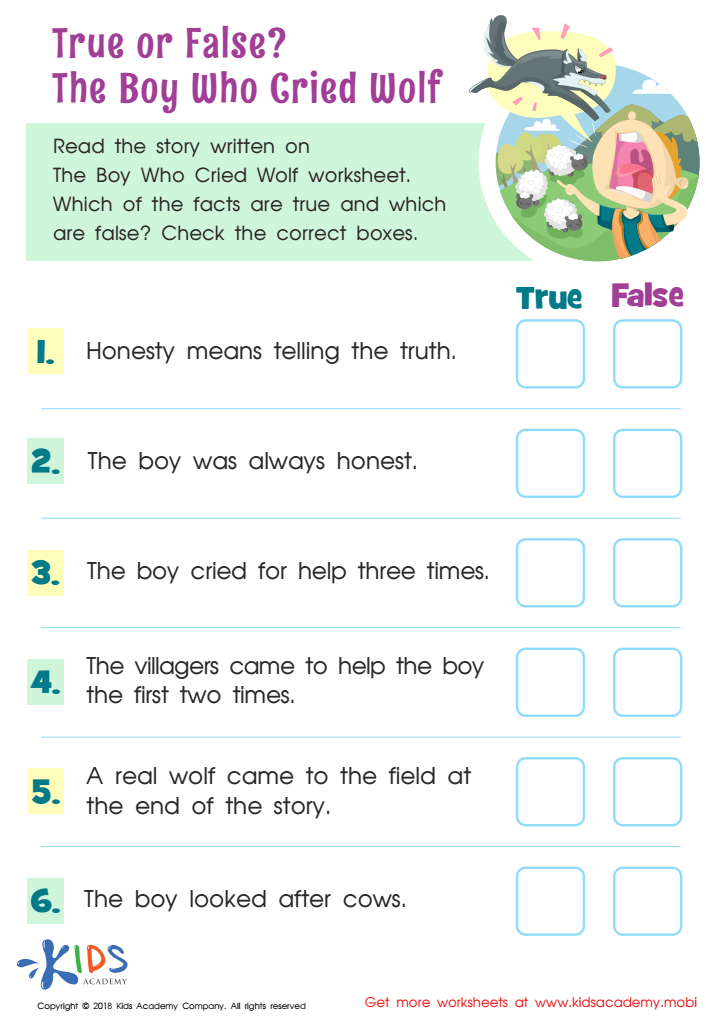
True or False? The Boy Who Cried Wolf Worksheet
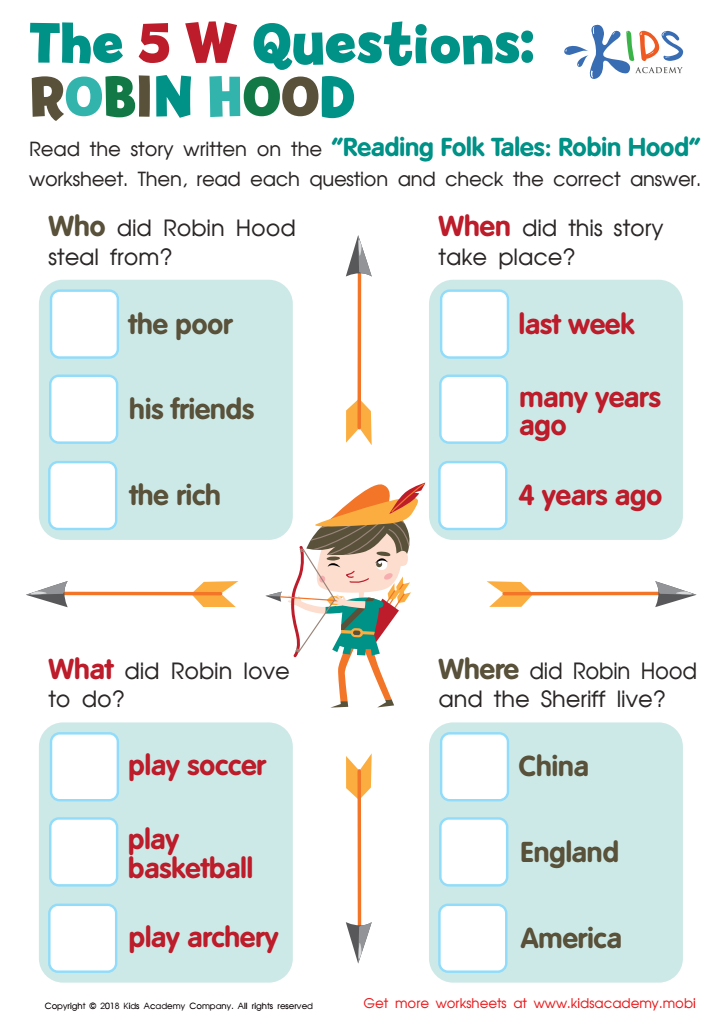
The 5 W Questions: Robin Hood Worksheet
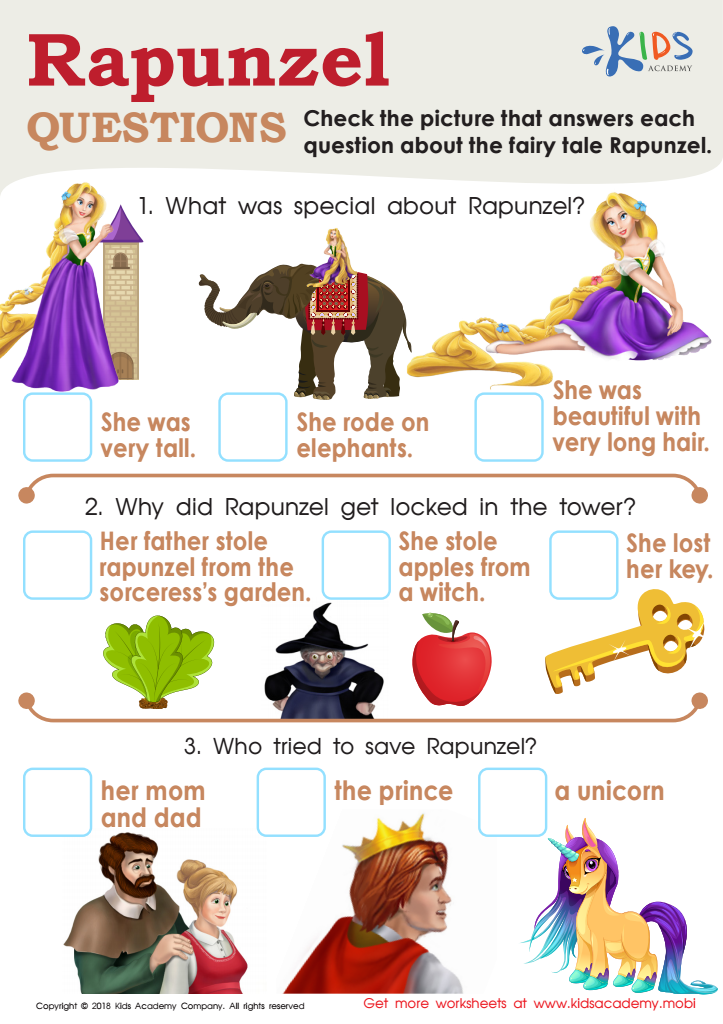
Rapunzel Questions Worksheet
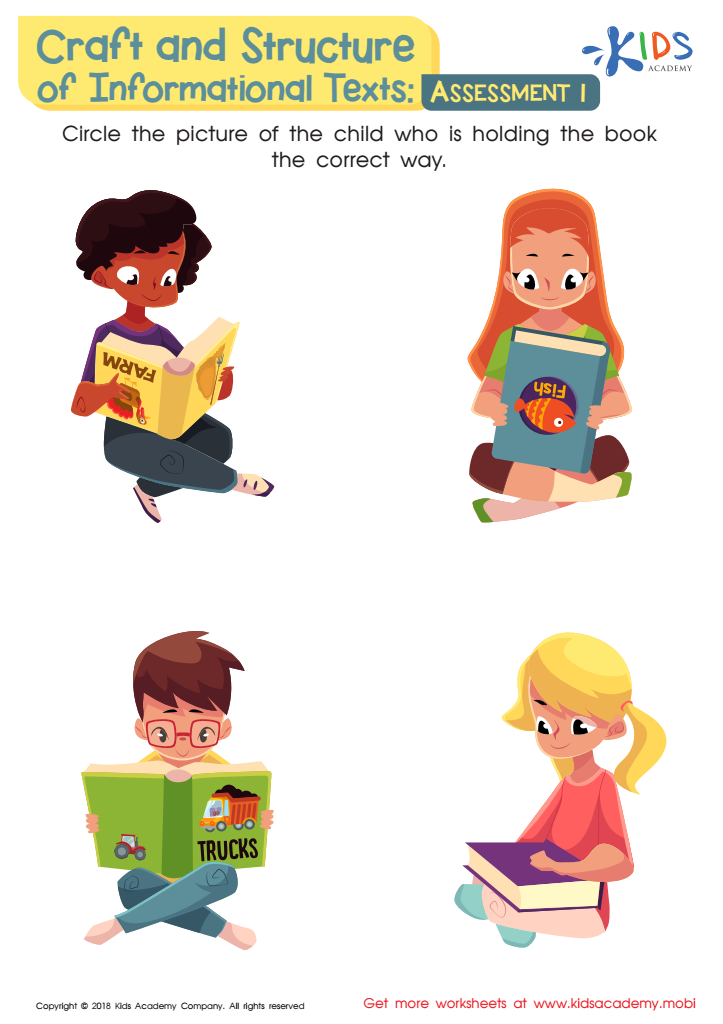
Craft and Structure of Informational Texts: Assessment 1 Worksheet
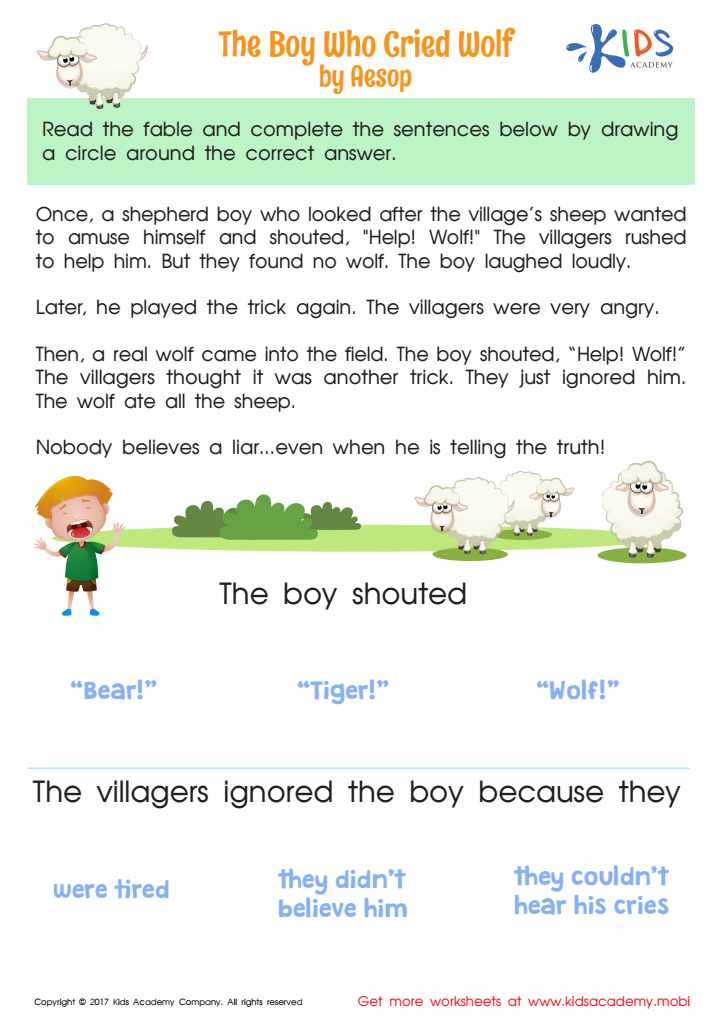
The Boy Who Cried Wolf Worksheet
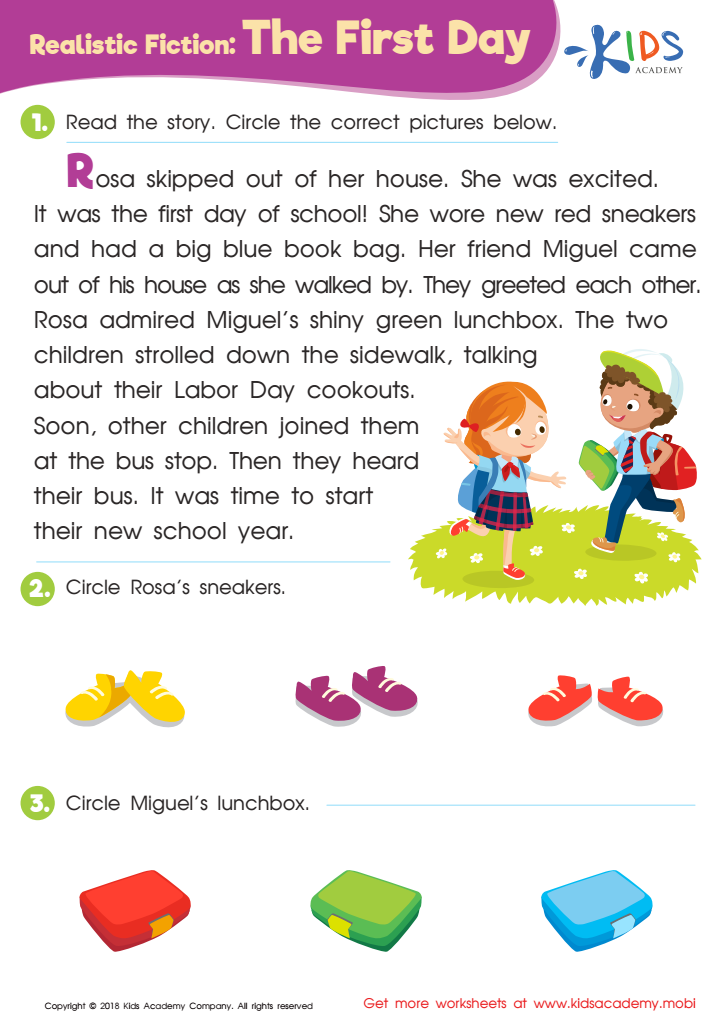
Realistic Fiction: The First Day Worksheet
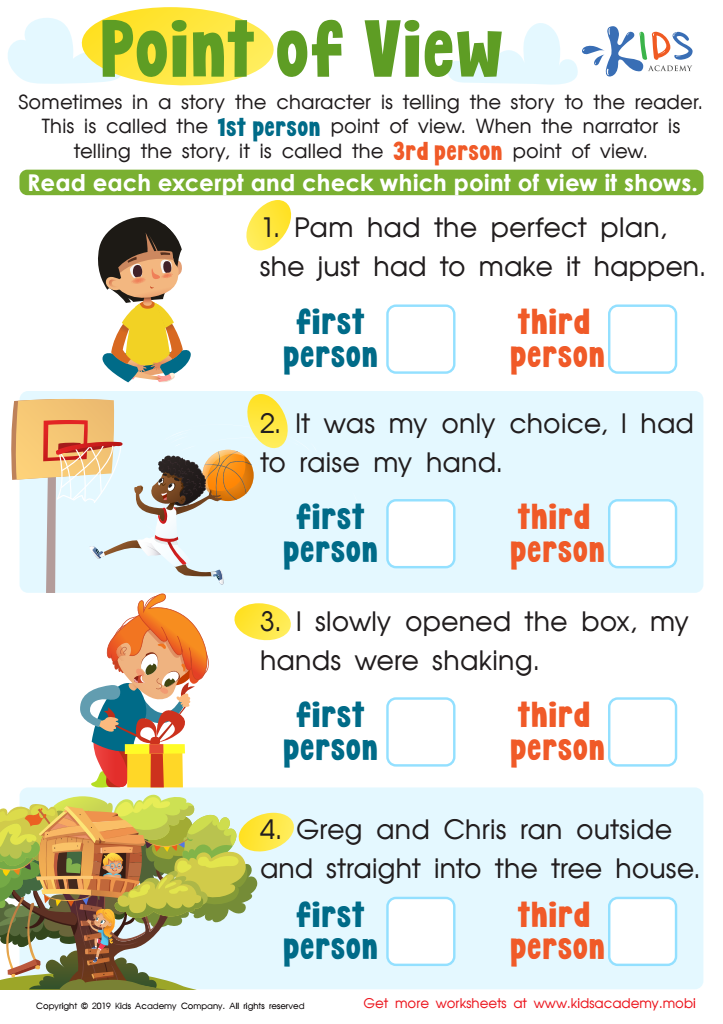
Point of View Printable
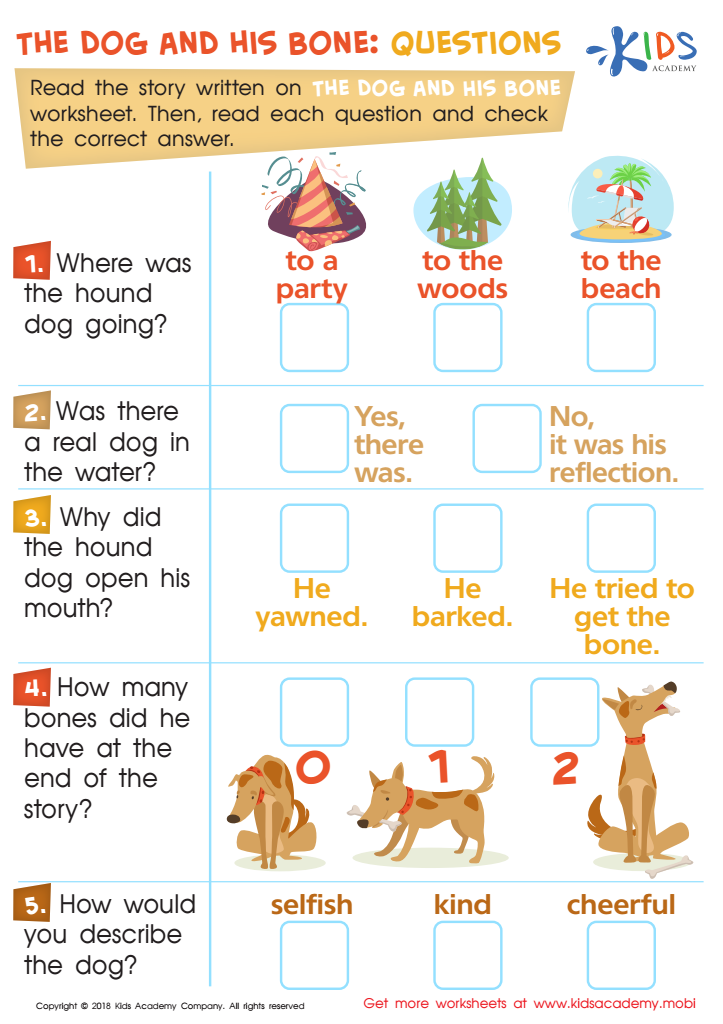
The Dog and His Bone: Questions Worksheet
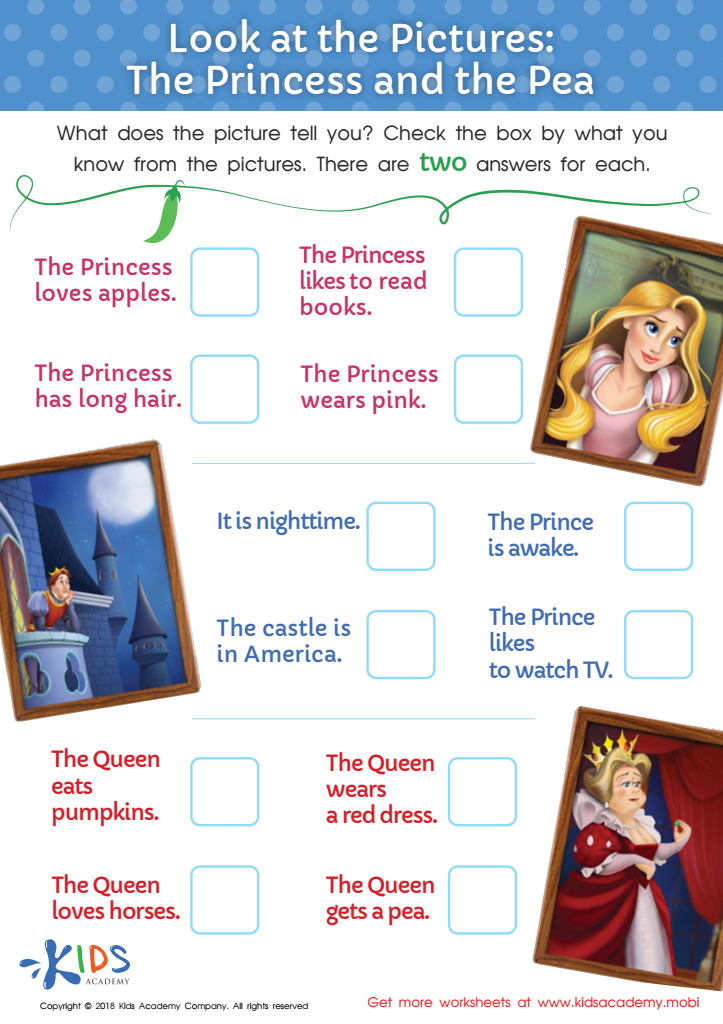
Look at the Pictures: The Princess and the Pea Worksheet
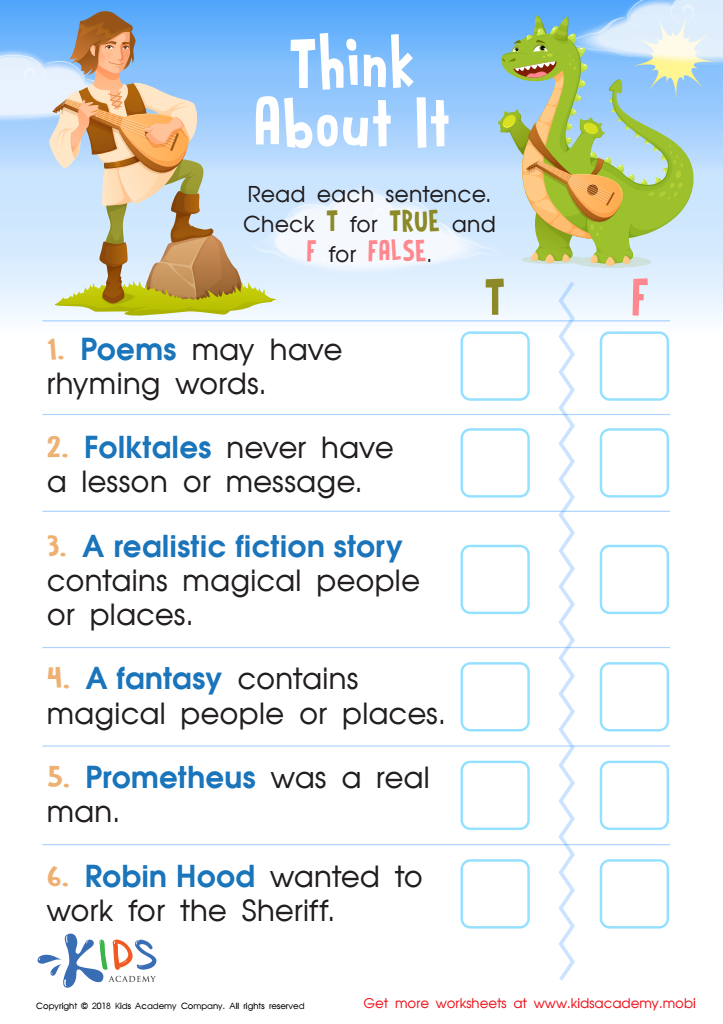
Think About It: Assessment Worksheet
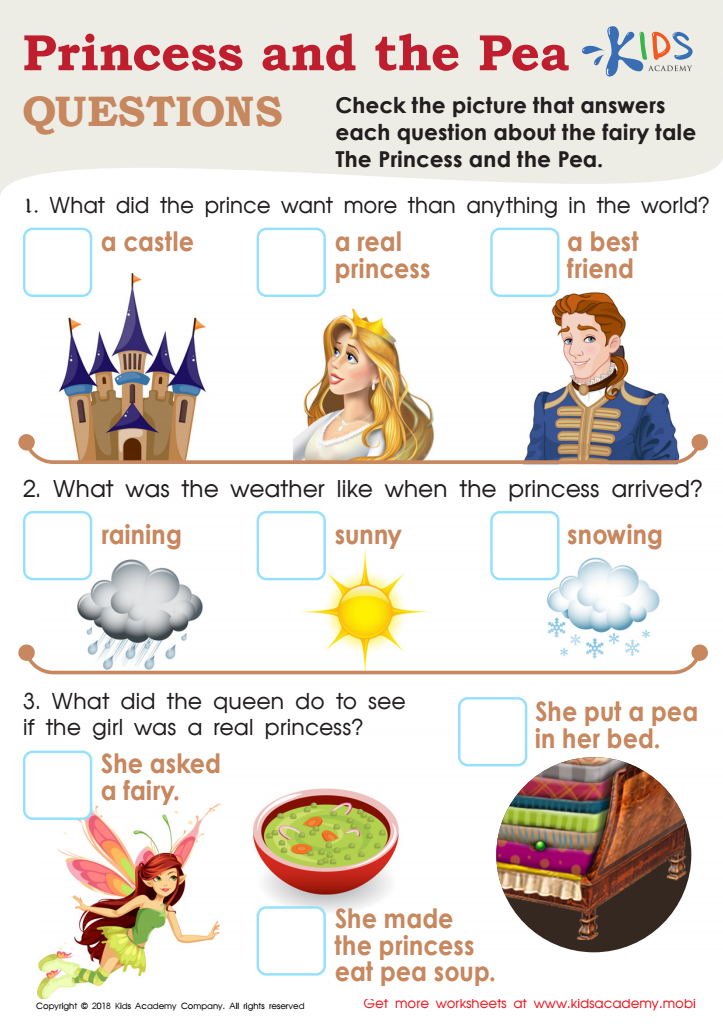
Princess and the Pea Questions Worksheet








Critical thinking in reading fiction for children ages 3-8 is essential for several reasons. Firstly, engaging with fictional stories not only entertains young readers but also stimulates their imaginations and cognitive abilities. By exploring different narratives and characters, children learn to analyze situations, understand varying perspectives, and make connections between the text and their own experiences.
Moreover, developing critical thinking skills through fiction fosters emotional intelligence. When children empathize with characters, they learn to recognize and understand their own and others’ emotions, which is vital for social interactions. This skill is particularly beneficial as they navigate relationships in school and beyond.
Additionally, teachers and parents can promote not only literacy but also comprehension skills by asking open-ended questions about the story, encouraging children to predict outcomes, and discussing moral dilemmas within narratives. This interactive approach helps reinforce curiosity and encourages young readers to think deeply about the material.
In today’s complex world, early critical thinking skills improve problem-solving abilities and promote greater independence in learning. By prioritizing critical thinking in fiction reading, educators and caregivers lay a strong foundation for children’s future academic success and personal development.








