Comparative analysis Science Worksheets for Ages 3-8
3 filtered results
-
From - To
Discover our engaging "Comparative Analysis Science Worksheets" specially designed for children aged 3-8. These worksheets provide a fun and interactive way for young learners to explore fundamental scientific concepts through comparison. From observing similarities and differences in animals, plants, and everyday objects, to categorizing different materials, each activity fosters critical thinking and observational skills. Our age-appropriate worksheets encourage curiosity and hands-on learning, making science accessible and enjoyable. Perfect for home or classroom use, these resources help young minds develop foundational analytical skills that will benefit them in their educational journey. Ignite your child's passion for science today!
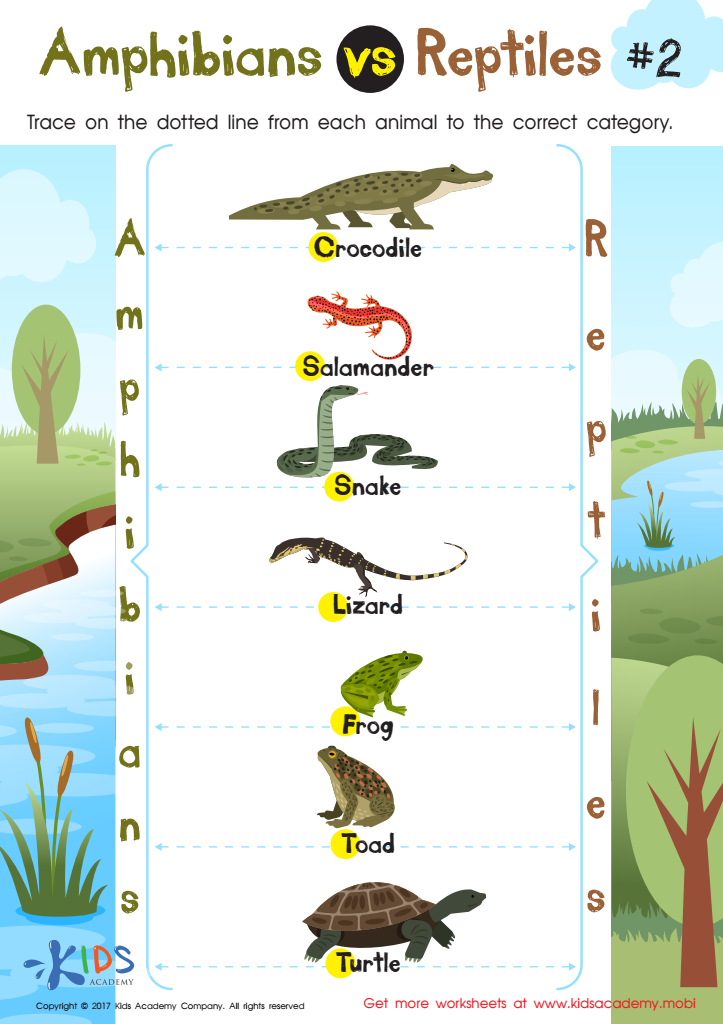
Amphibians vs Reptiles Worksheet for 3rd Grade
 Assign to My Students
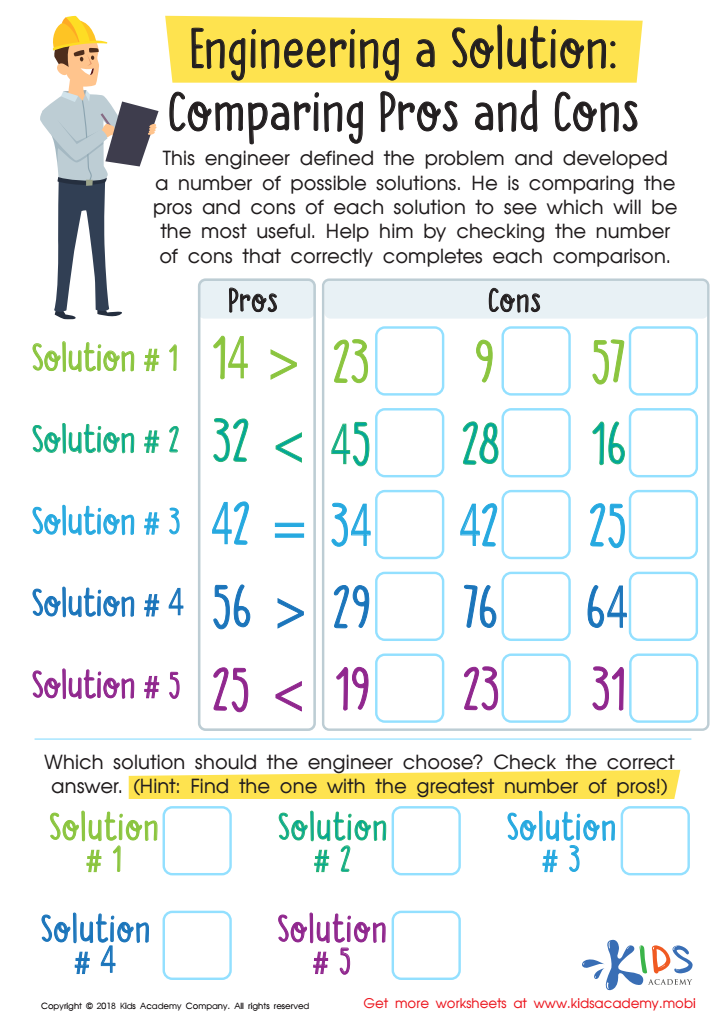
Engineering a Solution: Comparing Pros and Cons Worksheet
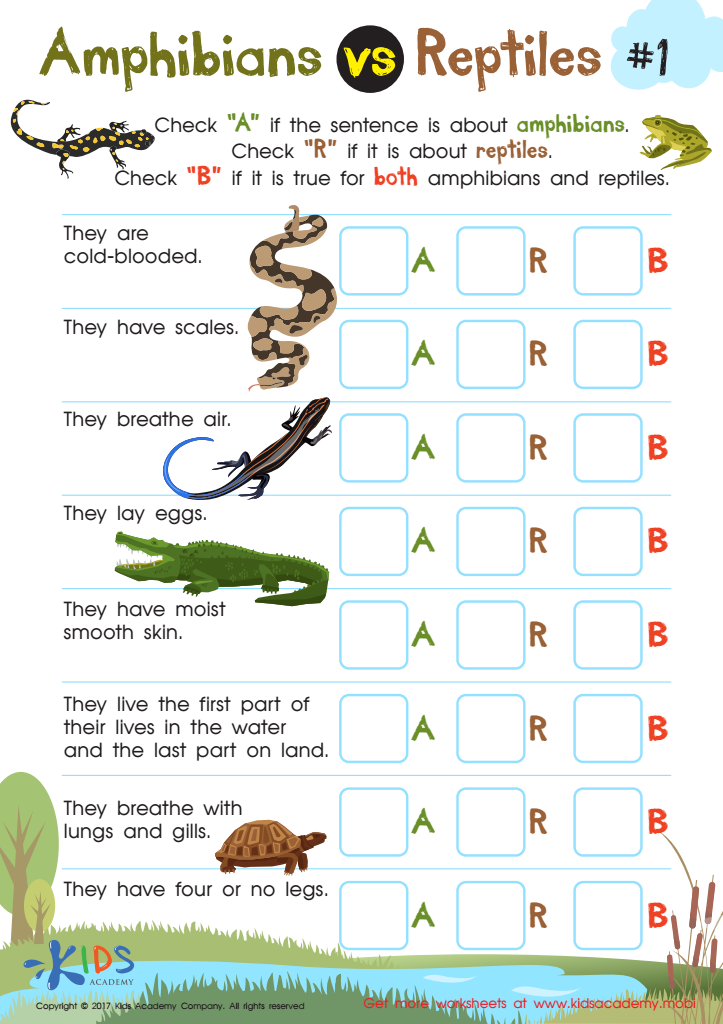
Amphibians vs Reptiles Worksheet



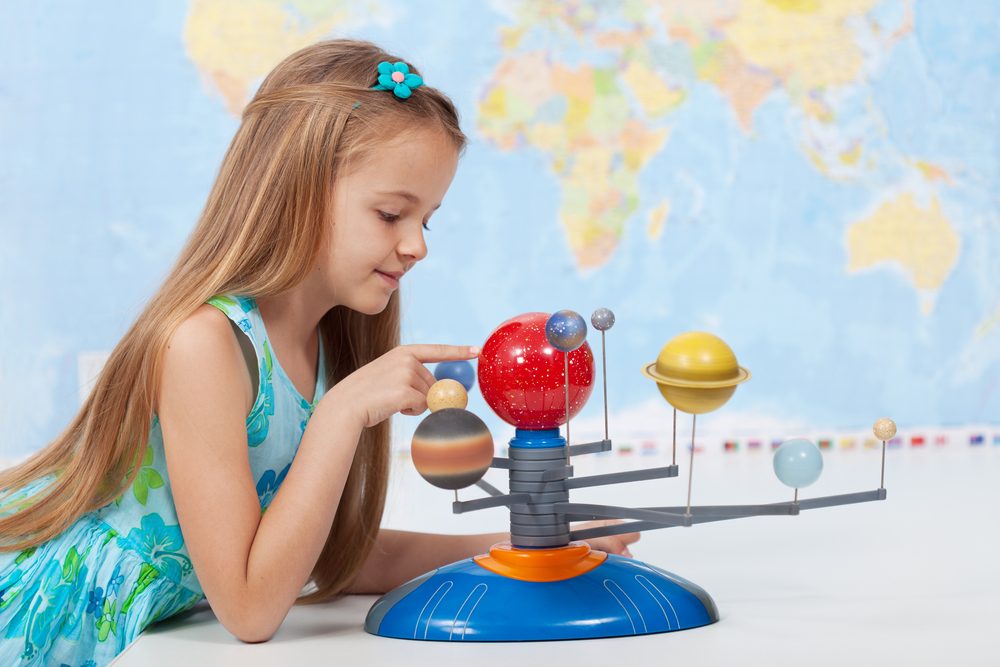



Comparative analysis in science for ages 3-8 is vital for several reasons, making it important for both parents and educators to take note. Firstly, it nurtures critical thinking and analytical skills by encouraging young children to observe similarities and differences between objects, animals, or processes. Through these comparisons, children learn to make connections, leading to deeper understanding and retention of knowledge.
Additionally, engaging in comparative science encourages curiosity and fosters a love for learning. Children are naturally inquisitive, and comparative analysis allows them to explore their interests, promoting exploration and discovery. It also helps in developing vocabulary as they learn to describe comparisons, enhancing their communication skills.
Moreover, comparative analysis can significantly contribute to STEM readiness by laying a strong foundation in scientific reasoning. Early exposure to scientific practices cultivates the cognitive skills necessary for problem-solving, which are crucial for future academic achievement.
Finally, for parents and teachers, understanding this approach allows them to tailor educational experiences, creating richer, more effective learning environments. By prioritizing comparative science, they support well-rounded development, equipping children with essential life skills that benefit them far beyond the classroom.







