Developing research skills Science Worksheets for Ages 3-8
4 filtered results
-
From - To
Enhance your child's learning journey with our "Developing Research Skills Science Worksheets" designed for ages 3-8! These engaging worksheets aim to introduce young learners to fundamental research techniques using fun, age-appropriate activities. Each worksheet encourages curiosity exploration and critical thinking, empowering children to gather information, ask questions, and draw conclusions in a science-based context. Whether they’re conducting simple experiments or learning about their environment, our resources foster a love for science and support early research skills. Perfect for homeschooling or classroom use, these worksheets provide a solid foundation for future learning. Unlock your child's potential with creativity and discovery today!
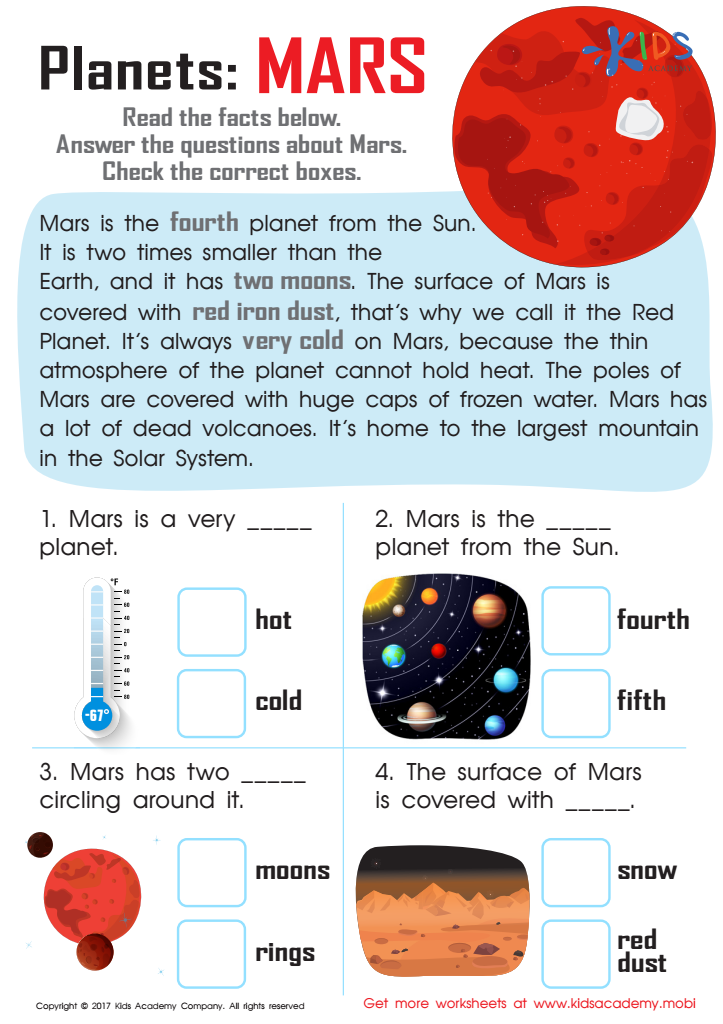
Mars Fact Printable Worksheet
 Assign to My Students
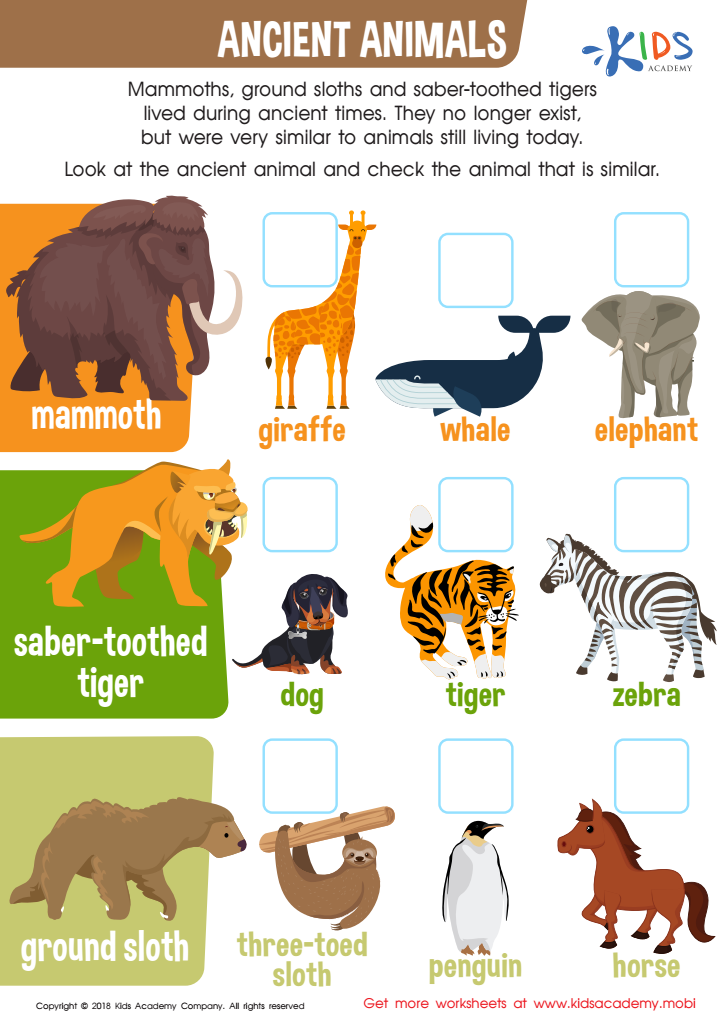
Ancient Animals Worksheet
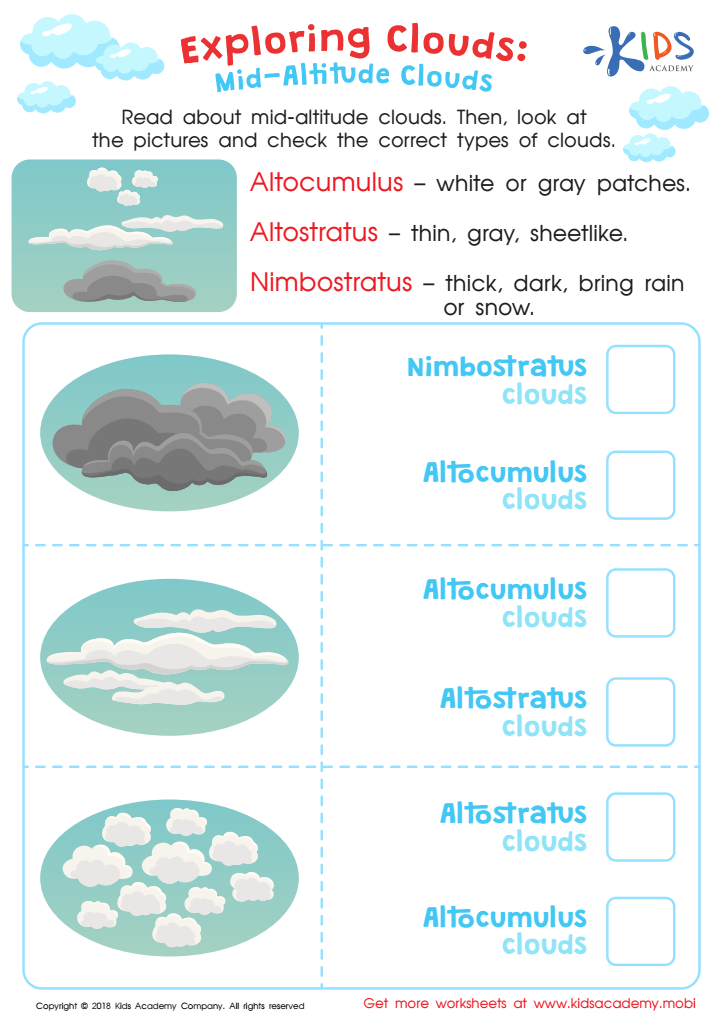
Exploring Clouds: Mid-altitude Clouds Worksheet
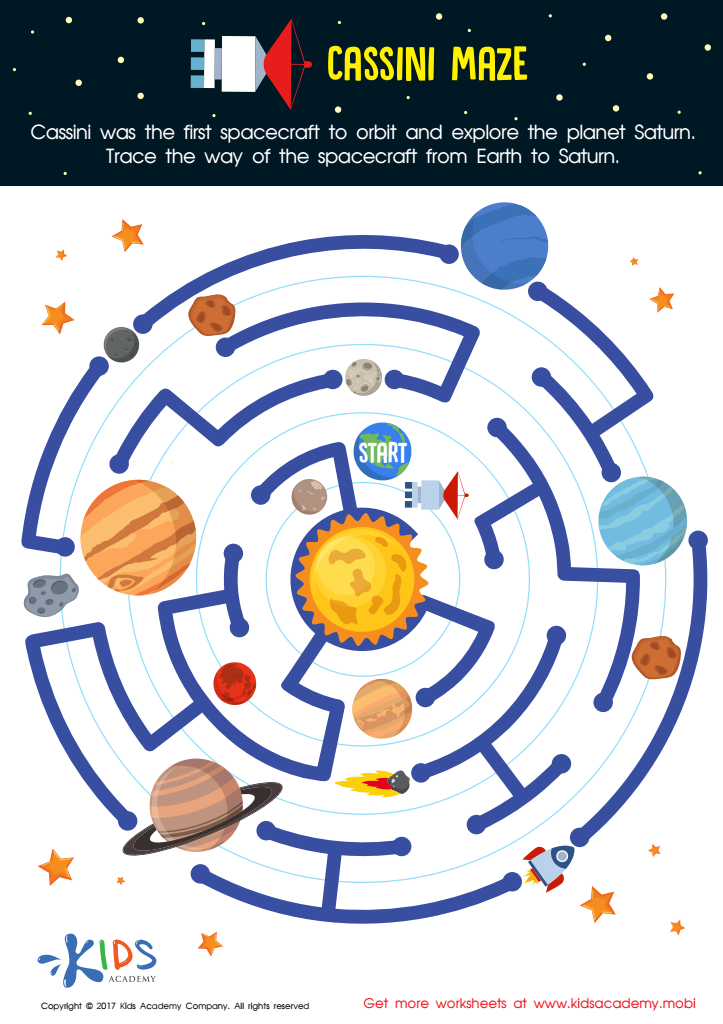
Cassini Printable Worksheet


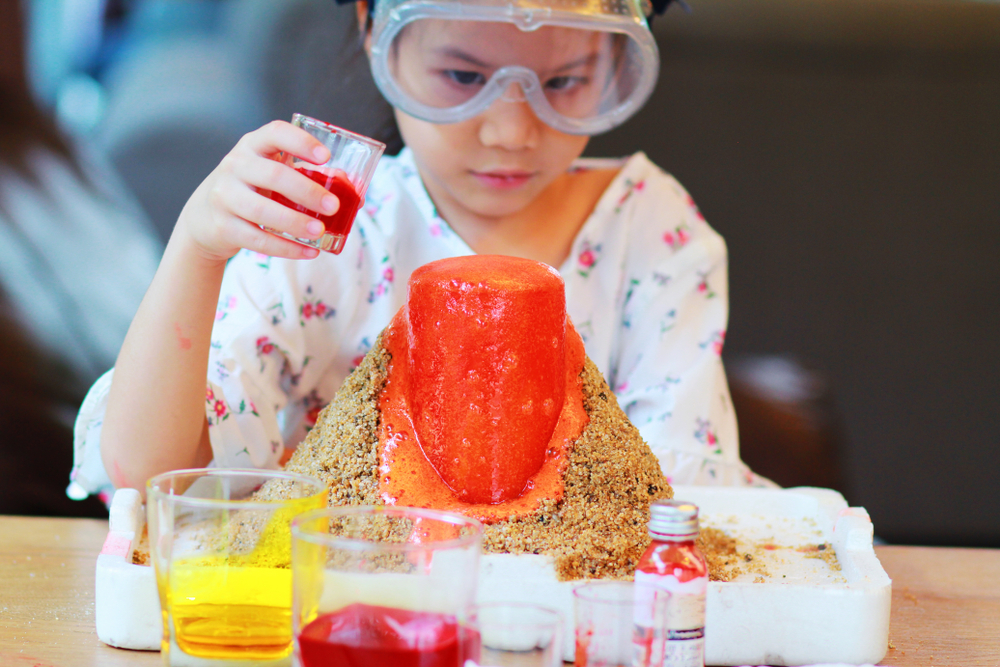



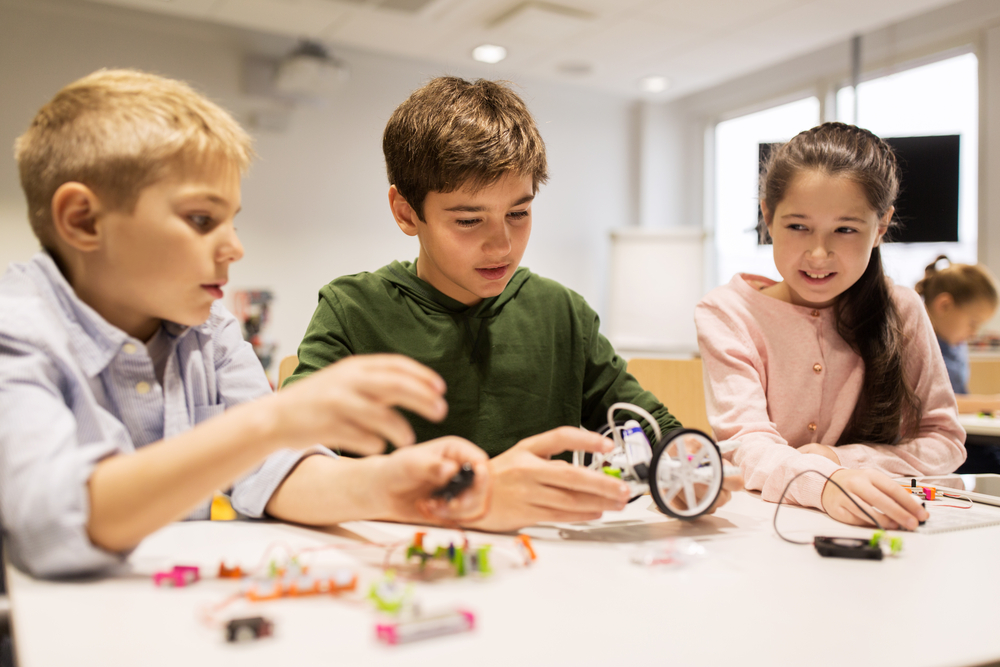
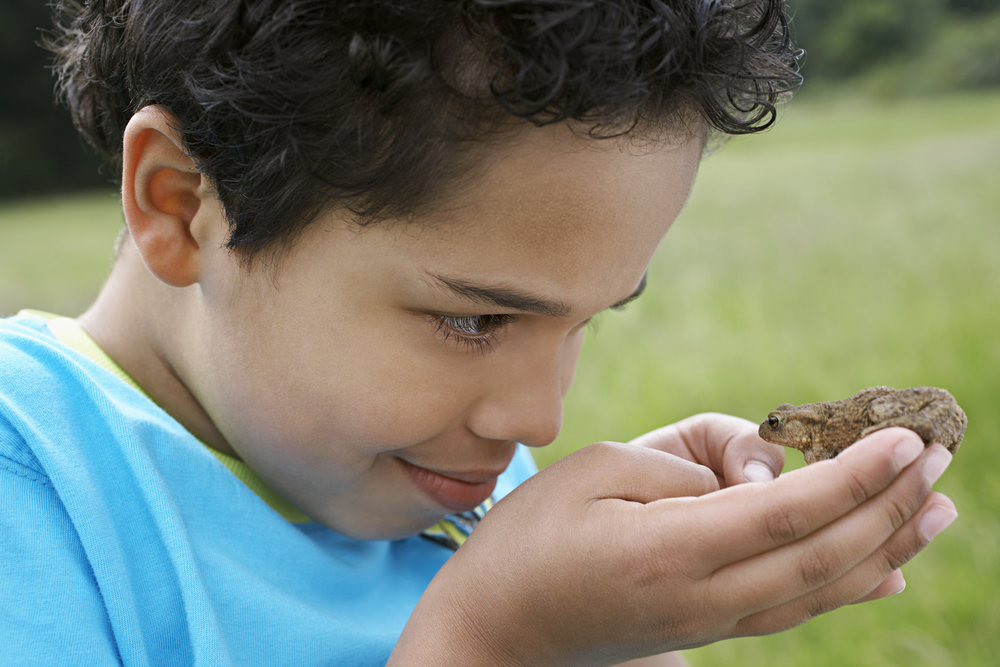
Developing research skills in science for children aged 3-8 is crucial for their early cognitive development and future learning. At this age, children are naturally curious and eager to explore the world around them. Encouraging research skills nurtures this curiosity and helps them make sense of their experiences.
By fostering inquiry-based learning, parents and teachers can guide children to ask questions, seek answers, and understand processes. This not only boosts critical thinking but also cultivates a love for learning. Moreover, research skills contribute to better problem-solving abilities as children learn to investigate topics thoroughly and draw conclusions based on their findings.
In a rapidly evolving world, the ability to process information effectively is more important than ever. Early development of these skills equips children to navigate complex issues in science and beyond.
Moreover, engaging children in research nurtures collaboration and communication skills; they share findings with peers, enhancing social interaction and teamwork. By investing in research skills now, parents and teachers lay a solid foundation for lifelong learning, preparing children for future academic challenges and responsible citizenship in the scientific community. Thus, prioritizing scientific inquiry at this stage is essential for their holistic development.







