Knowledge application Science Worksheets for Ages 3-8
6 filtered results
-
From - To
Explore our engaging Knowledge Application Science Worksheets designed specifically for ages 3-8! These worksheets encourage young learners to apply their understanding of fundamental scientific concepts in fun and interactive ways. Children will embark on exciting activities, from identifying everyday objects and their uses to exploring nature and the environment. Each worksheet is crafted to ignite curiosity and promote critical thinking skills while making learning enjoyable. Perfect for home or classroom use, our worksheets help build a strong foundation in science as children answer questions, solve problems, and connect their knowledge to real-world situations. Dive into learning with our comprehensive resources today!
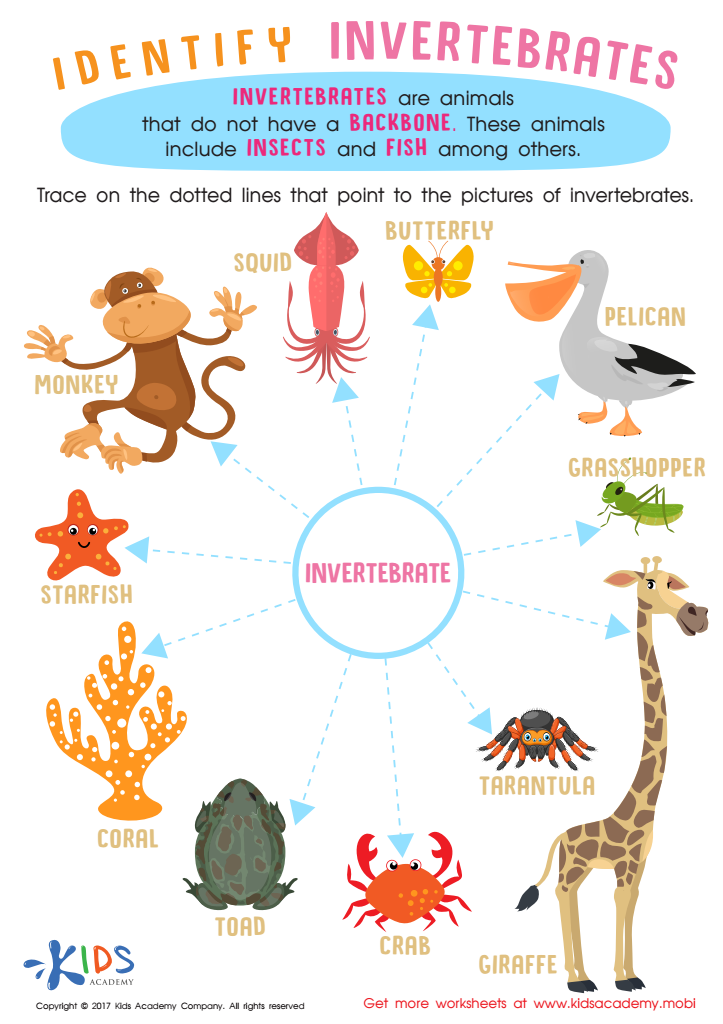
Invertebrates Worksheet for Grade 3
 Assign to My Students
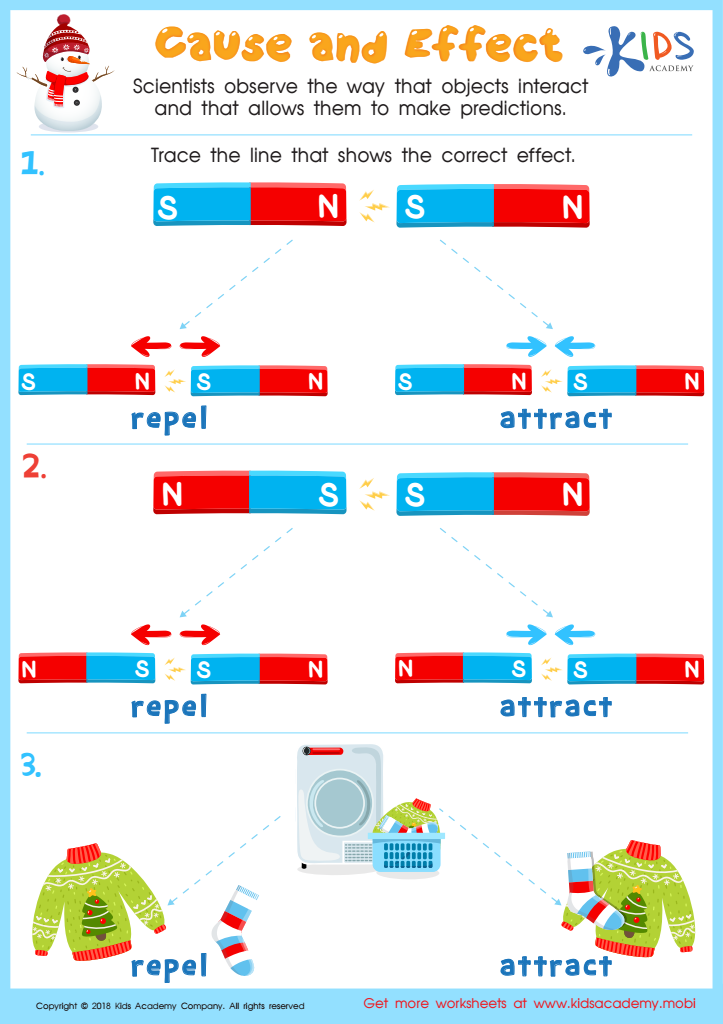
Repel and Attract Magnet Worksheet
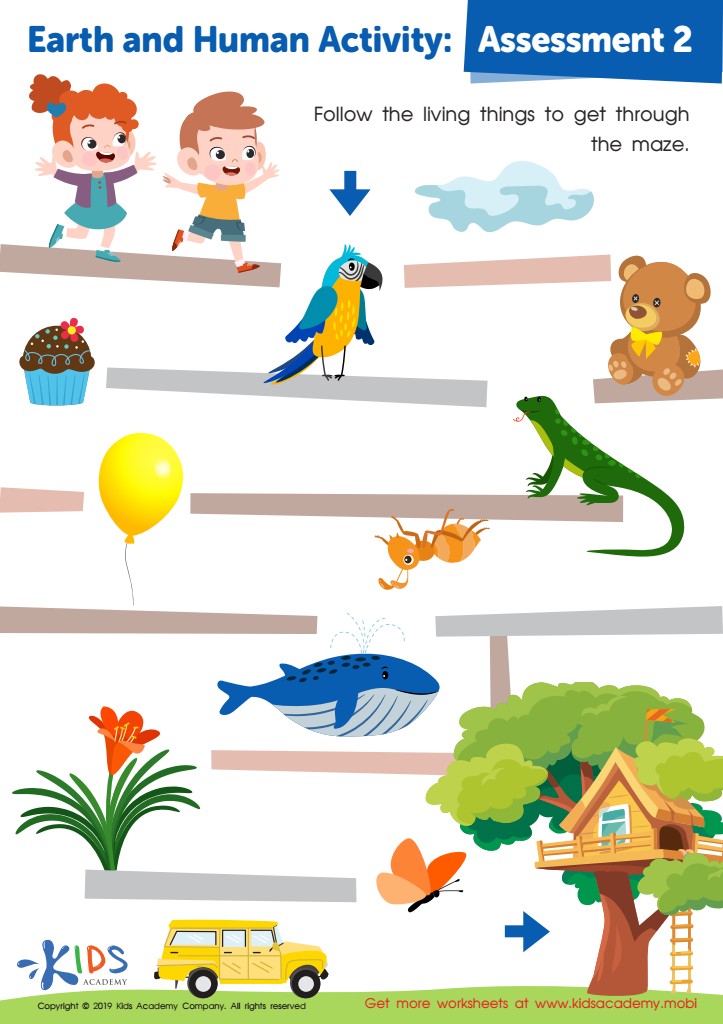
Earth and Human Activity: Assessment 2 Worksheet
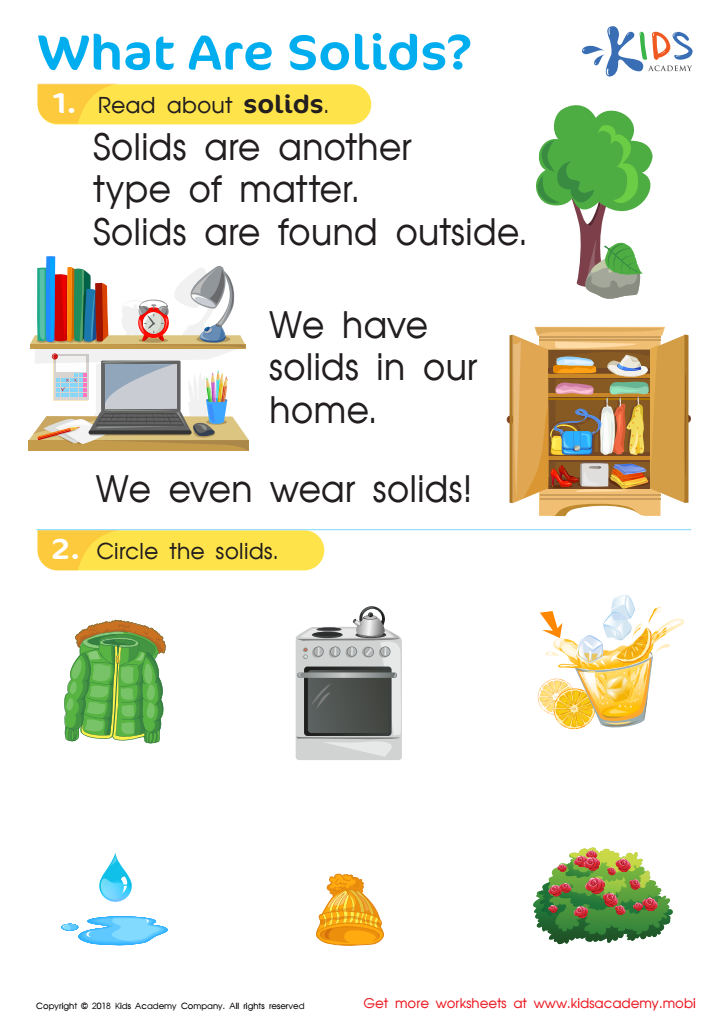
What Are Solids? Worksheet
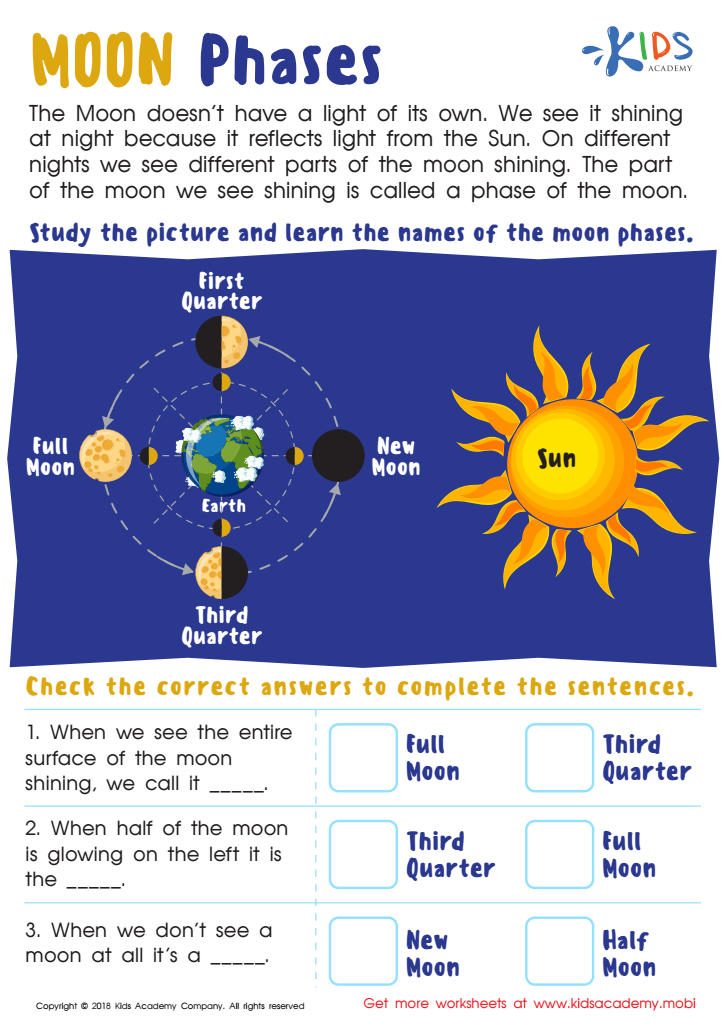
Moon Phases Worksheet
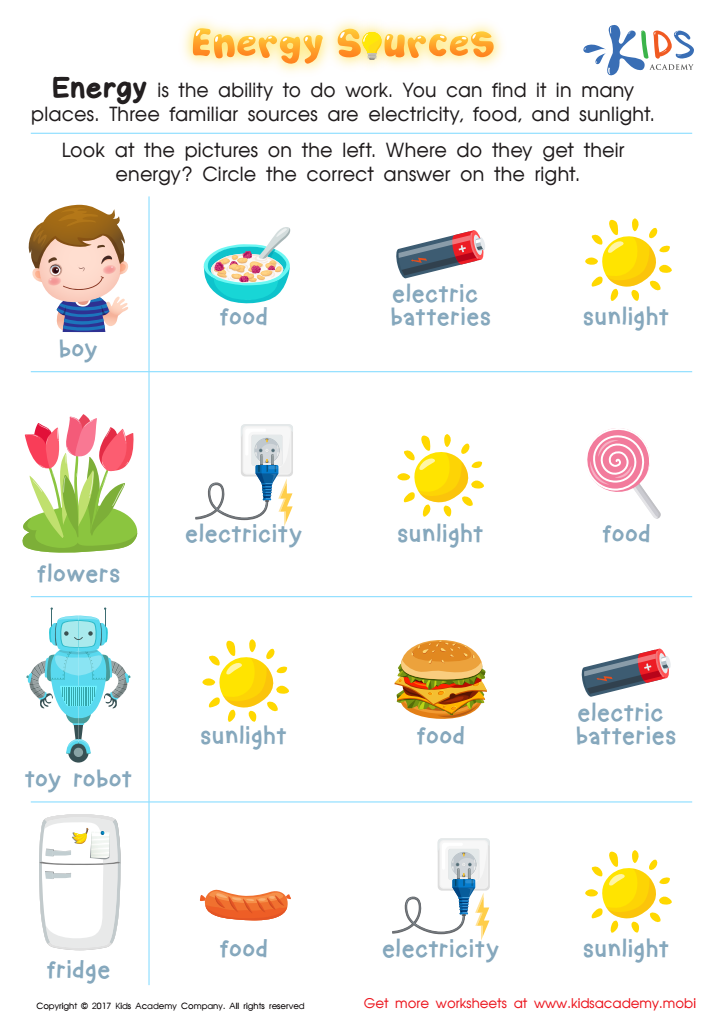
Energy Sources Printable








Knowledge application in science for children aged 3-8 is crucial for fostering curiosity, critical thinking, and problem-solving skills. This developmental stage is characterized by a natural inclination to explore the world, making it an ideal time to introduce scientific concepts through hands-on experiences. Engaging young learners in science promotes their ability to observe, question, and investigate, laying a foundation for lifelong learning.
Teachers and parents should prioritize this area because scientific literacy is essential in understanding the world and making informed decisions. Early exposure to science helps cultivate an interest in STEM (science, technology, engineering, and mathematics) fields, which are pivotal for the future job market. Moreover, science education encourages teamwork and communication skills as children work together to solve problems or conduct experiments.
Additionally, applying knowledge in science builds resilience as children learn from trial and error. It enhances their ability to connect ideas, reinforcing cognitive development and creativity. Ultimately, prioritizing knowledge application in science enables young learners to construct a solid intellectual framework, enabling them to navigate their environment thoughtfully and confidently. This early engagement nurtures informed citizens who can contribute positively to society as they grow.







