Number Recognition Science Worksheets for Ages 3-8
12 filtered results
-
From - To
Discover our engaging Number Recognition Science Worksheets for ages 3-8, designed to enhance early math skills through hands-on learning. These printable worksheets combine fun activities with scientific concepts, helping young learners recognize numbers effectively. Your child will enjoy vibrant illustrations, interactive exercises, and stimulating challenges that make math captivating. Our number recognition worksheets support various developmental milestones, laying a solid foundation in numeracy and logical thinking. Perfect for homeschooling, classroom use, or supplemental at-home practice, these structured activities ensure comprehensive learning and continuous engagement. Empower your child’s educational journey with our expertly crafted worksheets!
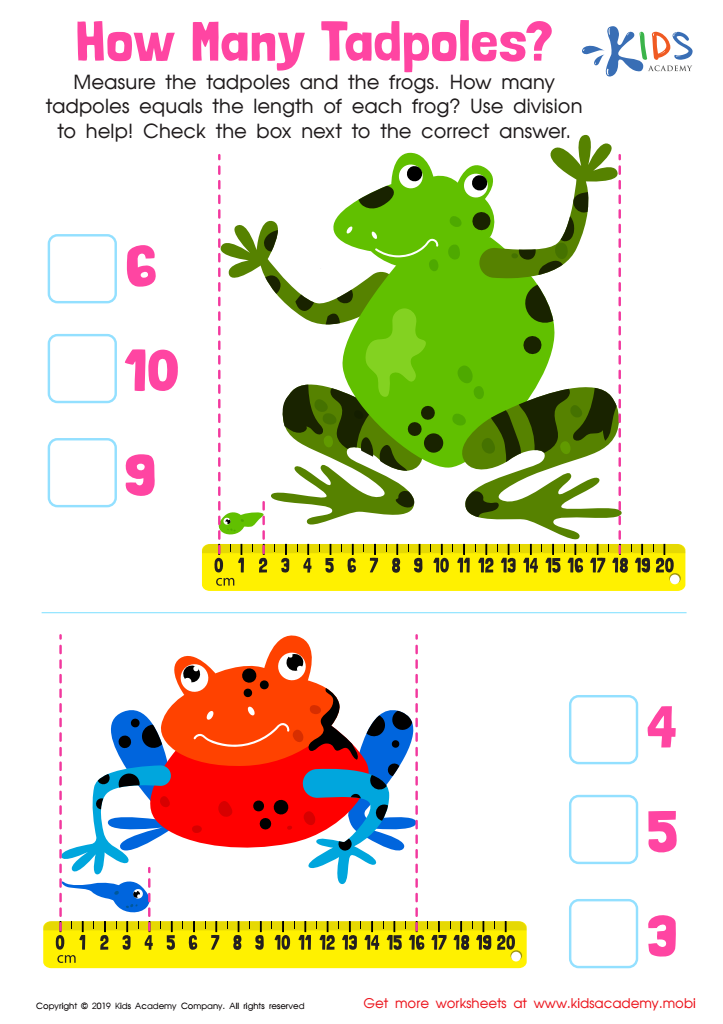
How Many Tadpoles Worksheet
 Assign to My Students
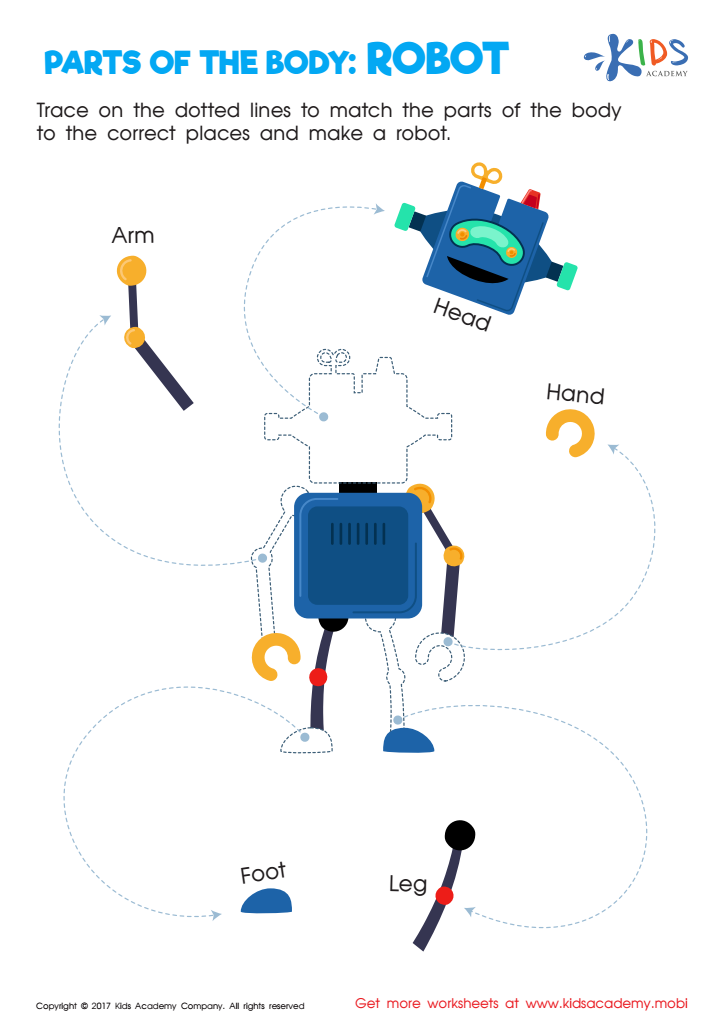
Robot Printable
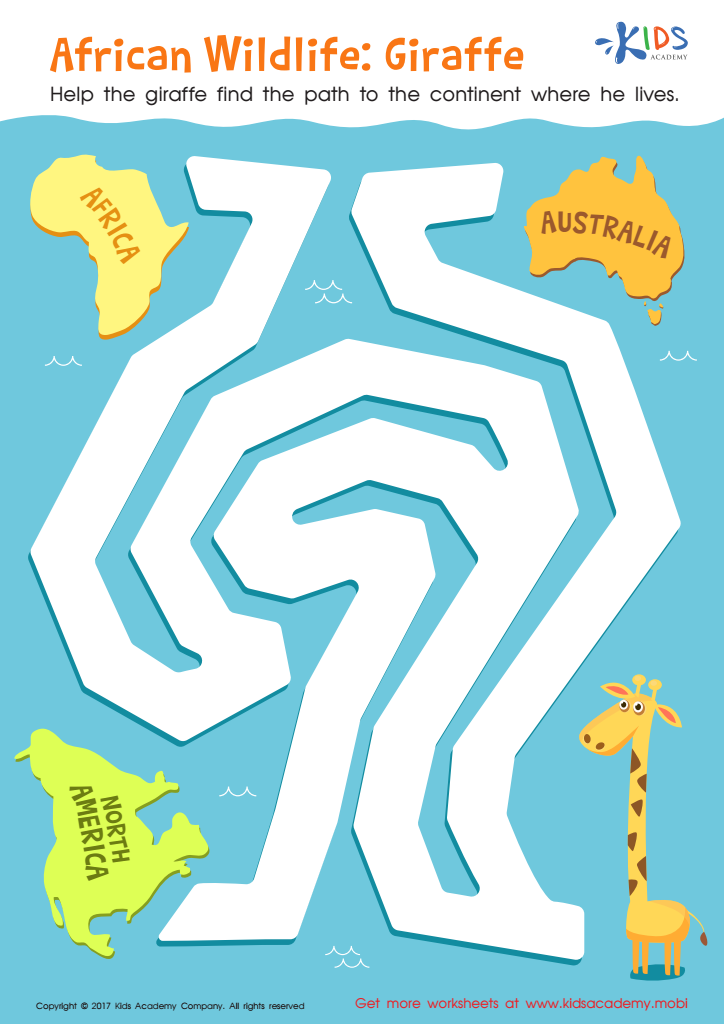
African Wildlife: Giraffe Worksheet
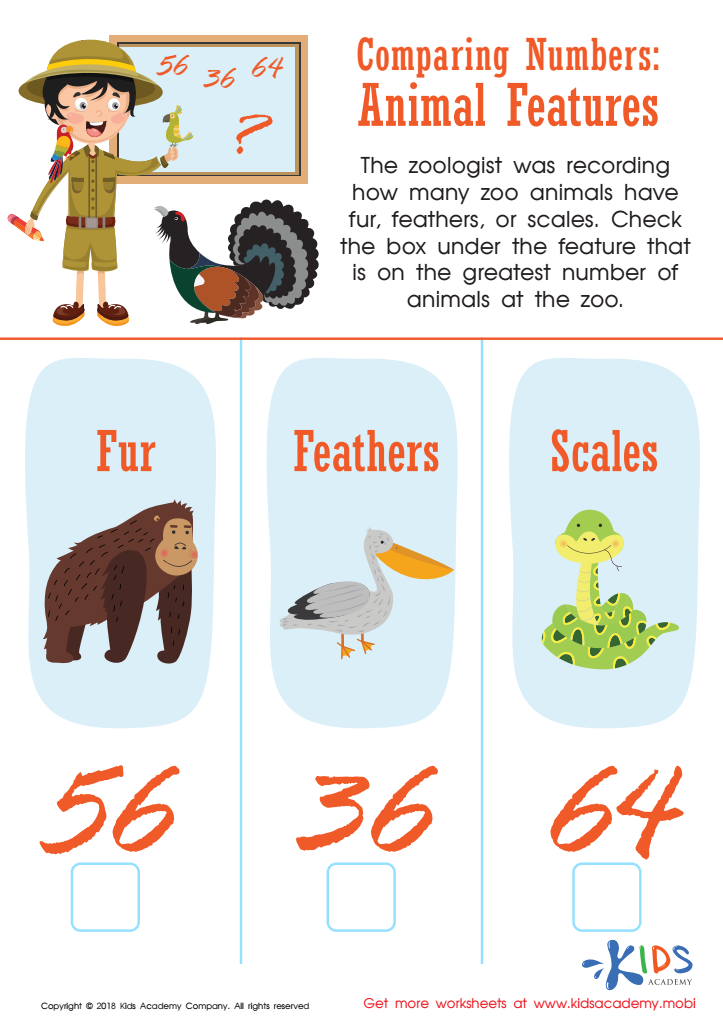
Animal Features Worksheet
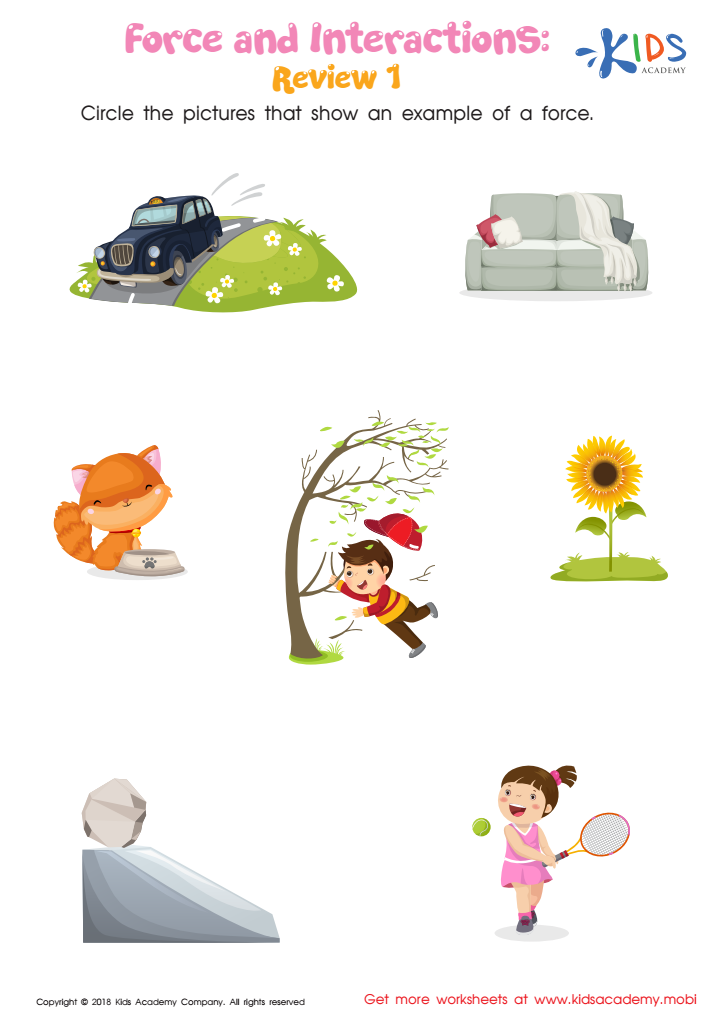
Force and Interactions: Review 1 Worksheet
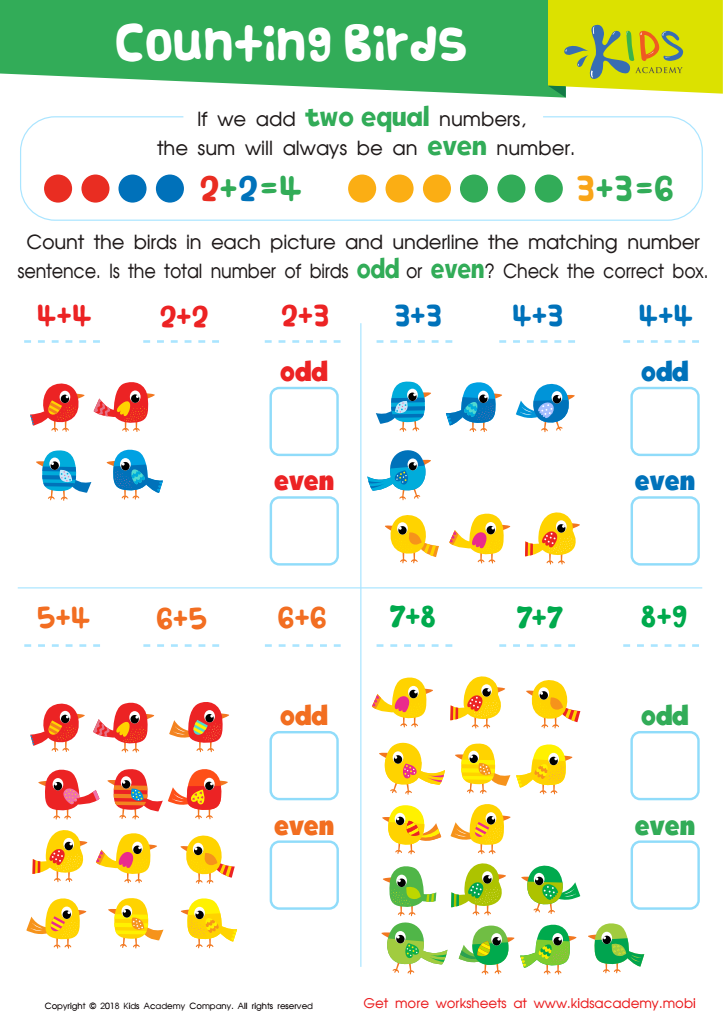
Counting Birds Worksheet
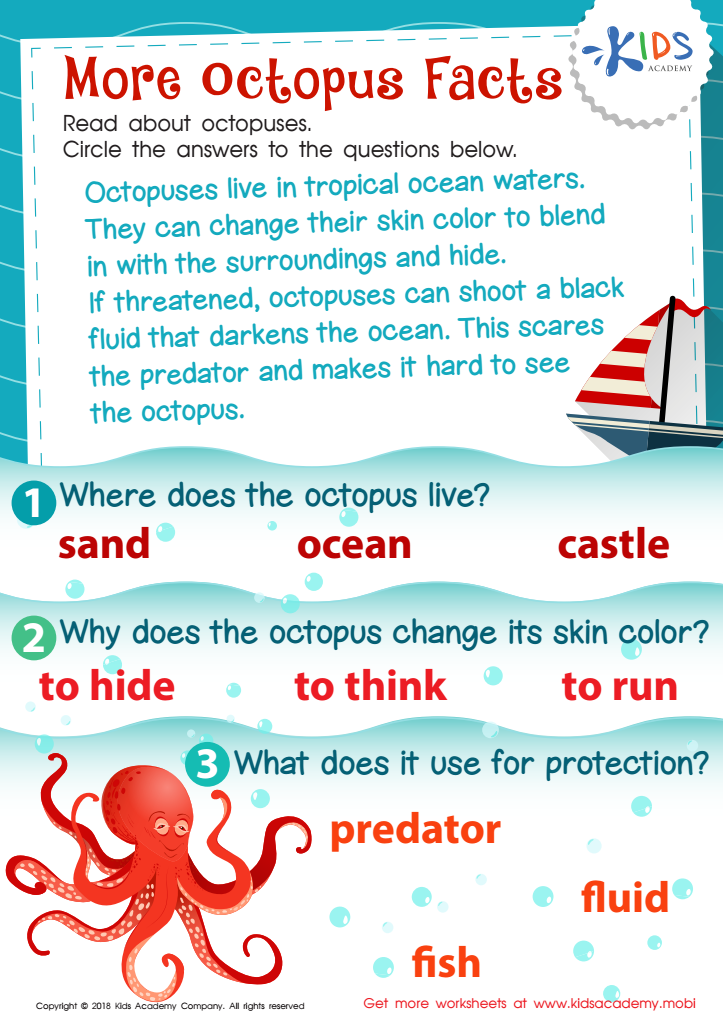
More Octopus Facts Worksheet
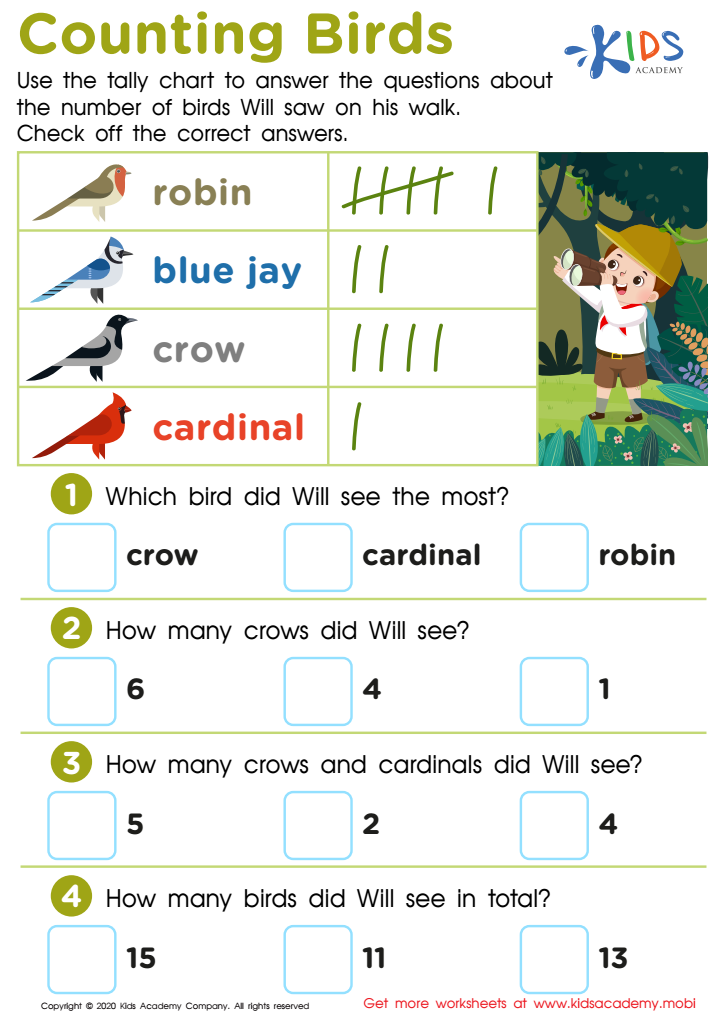
Counting Birds Worksheet
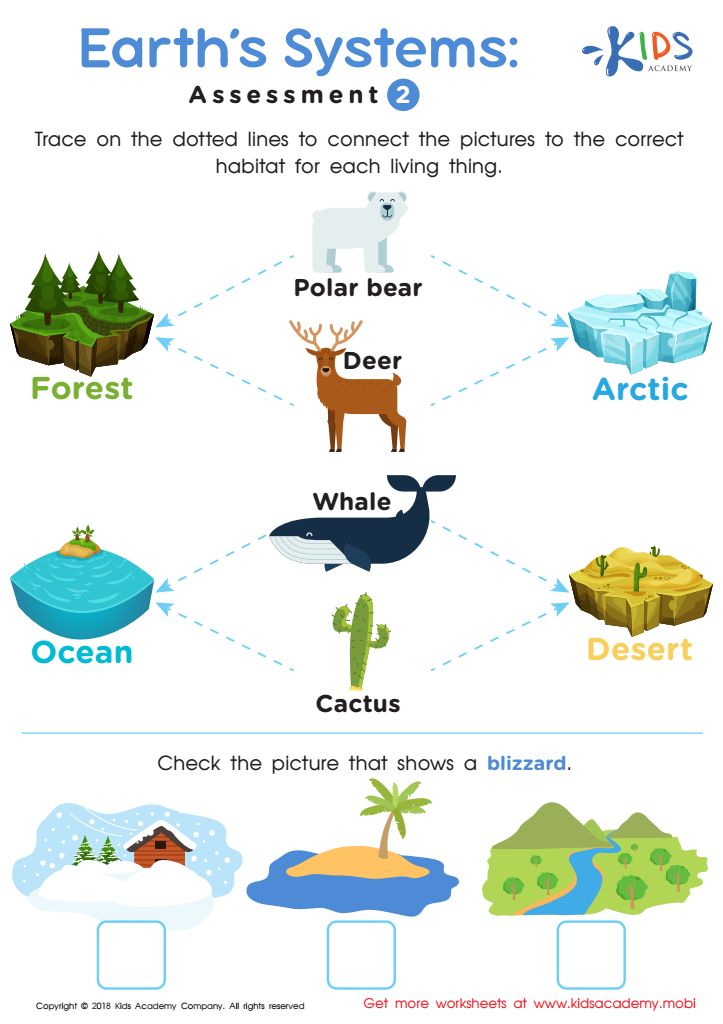
Earth's Systems: Assessment 2
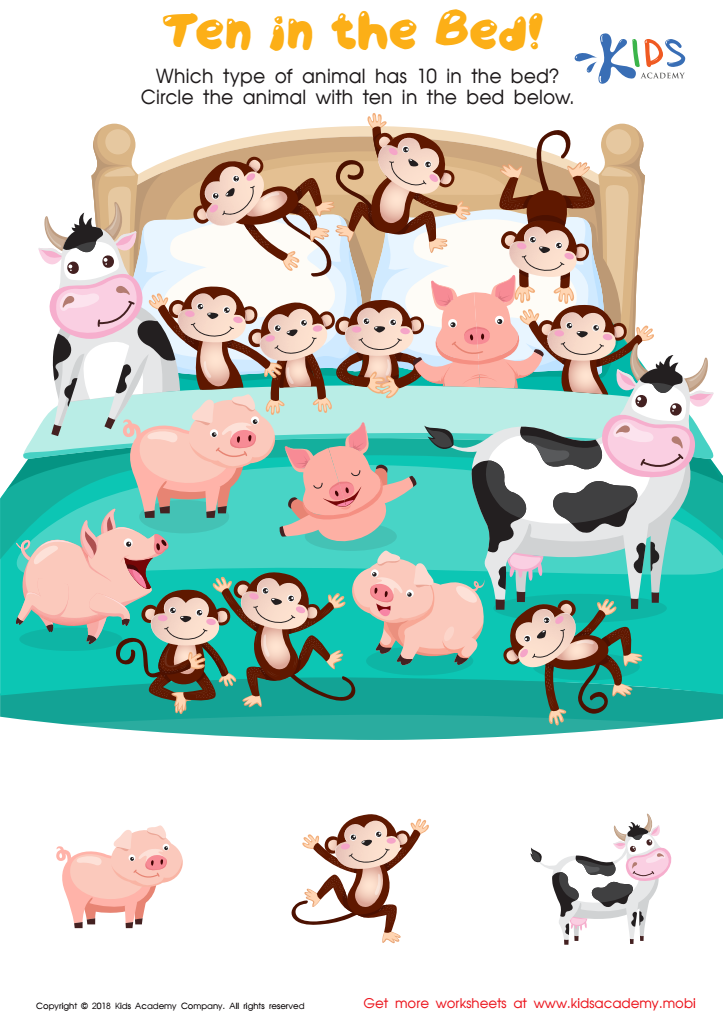
Ten in the Bed Worksheet
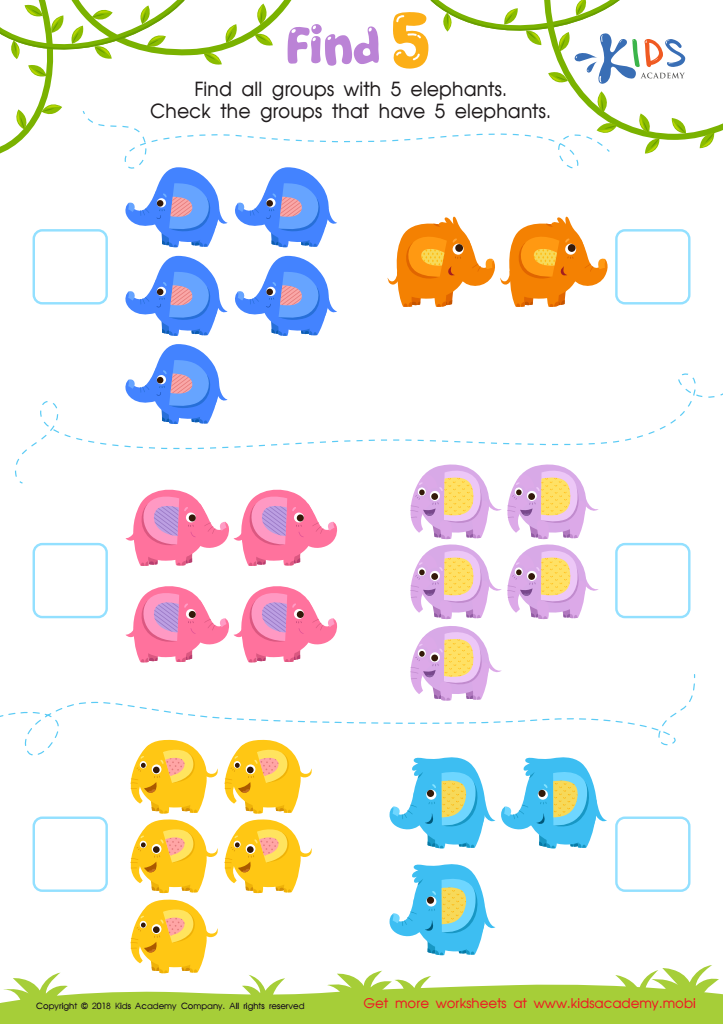
Find 5 Worksheet
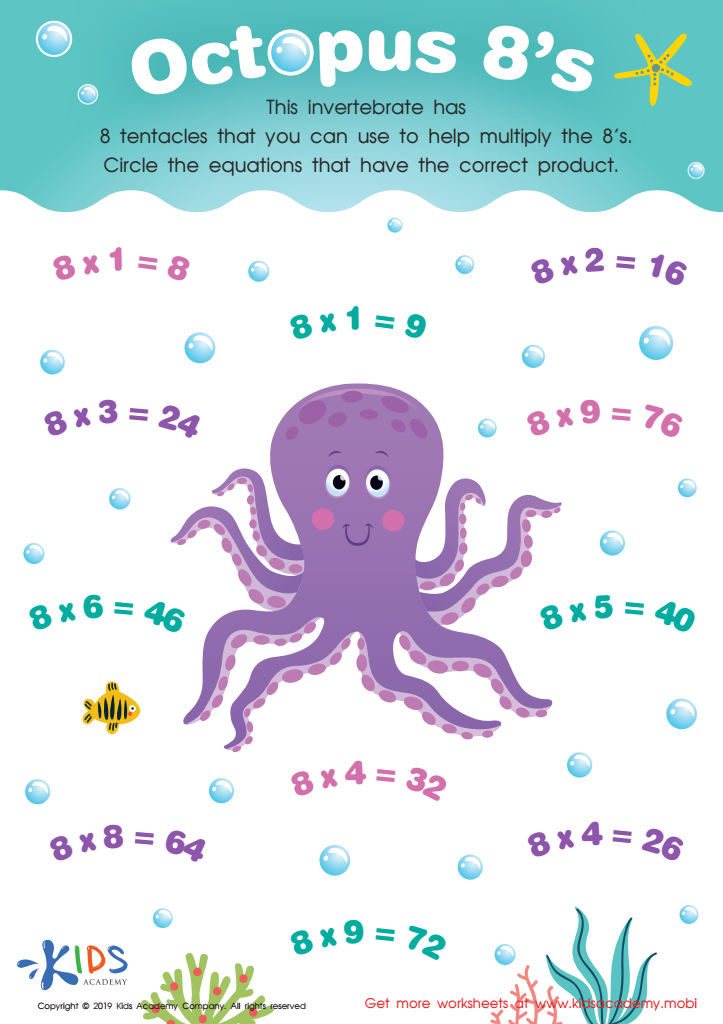
Octopus 8’s Worksheet








Parents and teachers should prioritize number recognition for children aged 3-8 because it lays the groundwork for foundational math skills crucial for academic success and everyday life. Number recognition goes beyond simply identifying digits; it involves understanding the value and relationships between numbers, which is essential for more complex mathematical concepts such as addition, subtraction, and even problem-solving skills. Early exposure to number recognition fosters cognitive development and builds confidence, reducing anxiety towards math as children grow older.
During these formative years, children’s brains are highly receptive to learning new concepts. Integrating number recognition through fun, engaging activities capitalizes on this adaptability, making math an enjoyable and integral part of their daily lives. Research has shown that children with strong number recognition skills exhibit better overall academic performance, as early math skills are highly predictive of later reading and math achievements.
Additionally, focusing on number recognition can also support improvements in fine motor skills and language development, contributing to a well-rounded early education. In essence, fostering number recognition in young children equips them with essential tools to visualize, question, and interpret the world, promoting a lifetime of curiosity and learning.







