
Reading practice Science Worksheets for Ages 3-8
5 filtered results
Difficulty Level
Grade
Age
-
From - To
Subject
Activity
Standards
Introduce your young explorers to the wonders of science with our Reading Practice Science Worksheets, designed specifically for ages 3-8! Our engaging content seamlessly combines reading practice with fundamental science concepts, boosting literacy skills while igniting a passion for exploration. Kids Academy’s worksheets feature vibrant illustrations and easy-to-follow instructions, making learning both interactive and fun. Whether delving into animal habitats, weather patterns, or plant life, children will develop critical thinking and comprehension skills. Perfect for both classroom and home use, these worksheets support educational growth and curiosity! Start your child's educational adventure with our Reading Practice Science Worksheets today!
Favorites
With answer key
Interactive
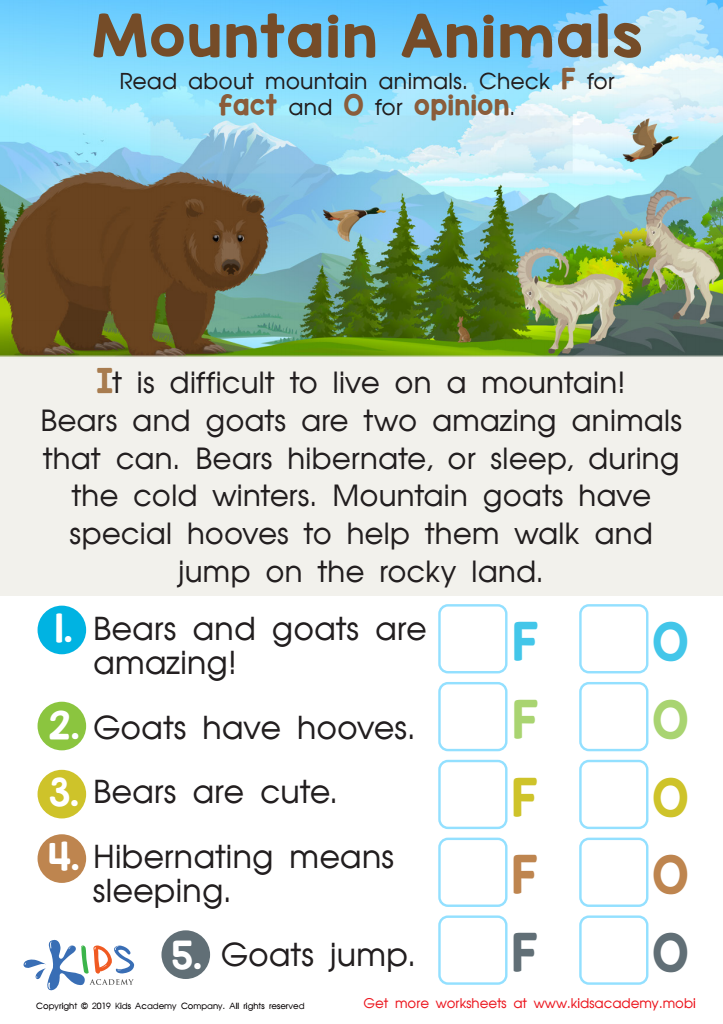
Mountain Animals Worksheet
Is mountain wildlife amazing? Fact or fiction? Help your child sharpen critical-thinking skills with this engaging worksheet. Featuring a fun nonfiction passage about animals like bears and goats, your child will read through the text and identify each statement as fact or fiction. Perfect for boosting reading comprehension and analytical abilities!
 Assign to My Students
Mountain Animals Worksheet
Worksheet
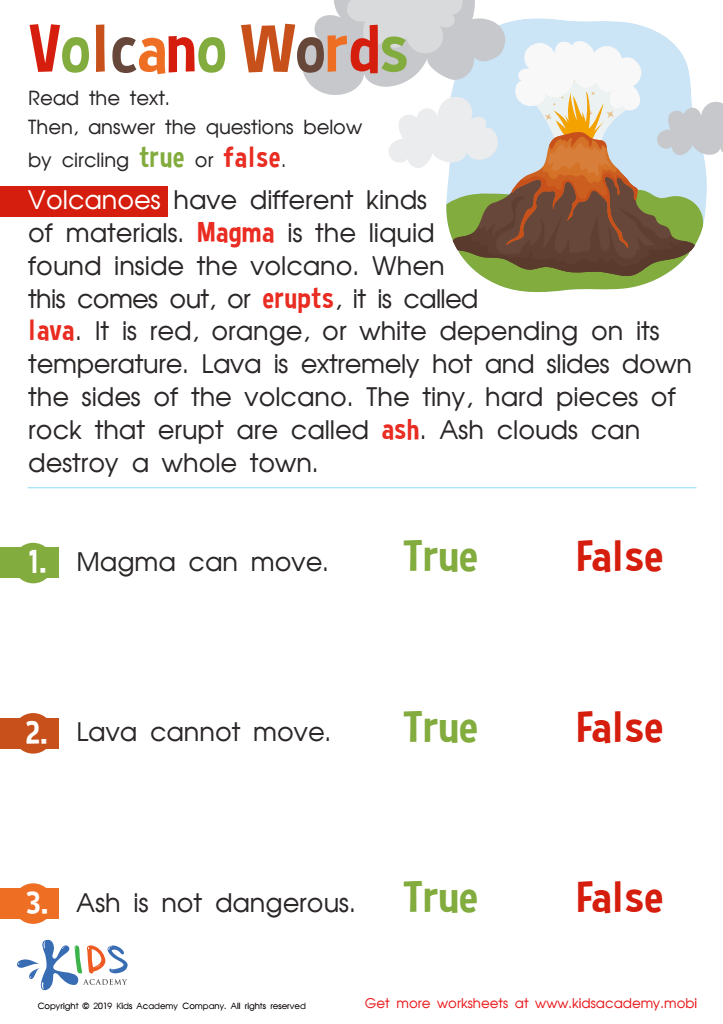
Volcano Words Worksheet
This worksheet helps kids focus and improve their reading comprehension skills. Start by reading a passage about volcanos and noting the bolded red words. Then answer true/false statements below, double-checking in the text if needed.
Volcano Words Worksheet
Worksheet
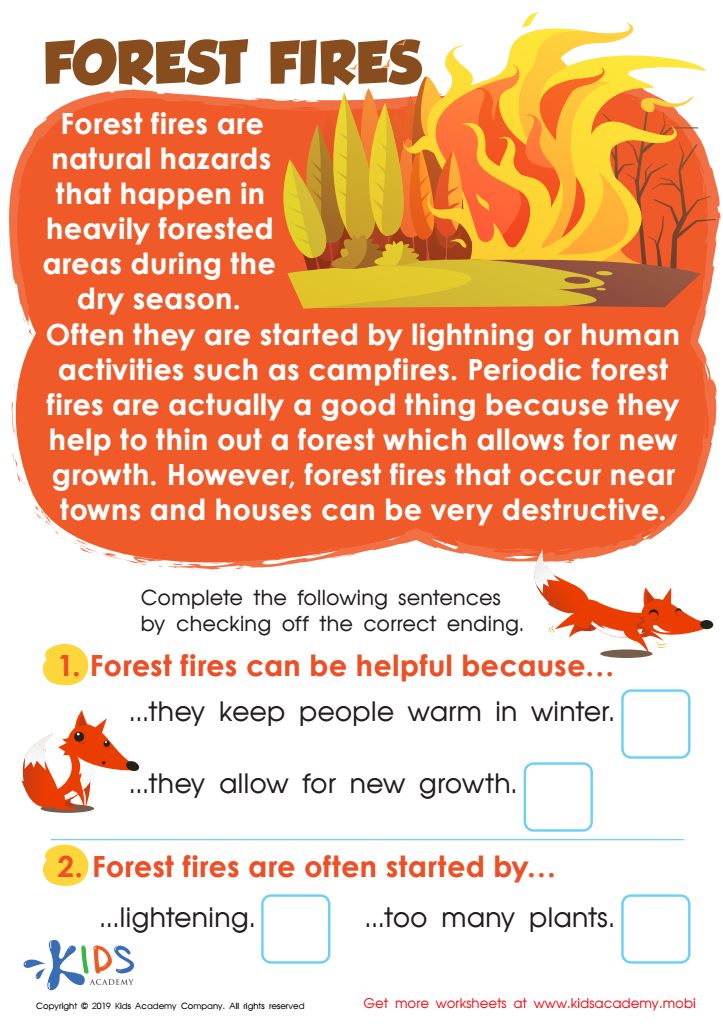
Forest Fires Worksheet
This free worksheet helps kids learn about forest fires. It encourages critical thinking by allowing them to answer multiple-choice questions. It is an important opportunity for children to develop reading skills, as understanding text is essential for further academic success. Download the PDF to give them the chance to practice comprehension and strengthen their knowledge.
Forest Fires Worksheet
Worksheet
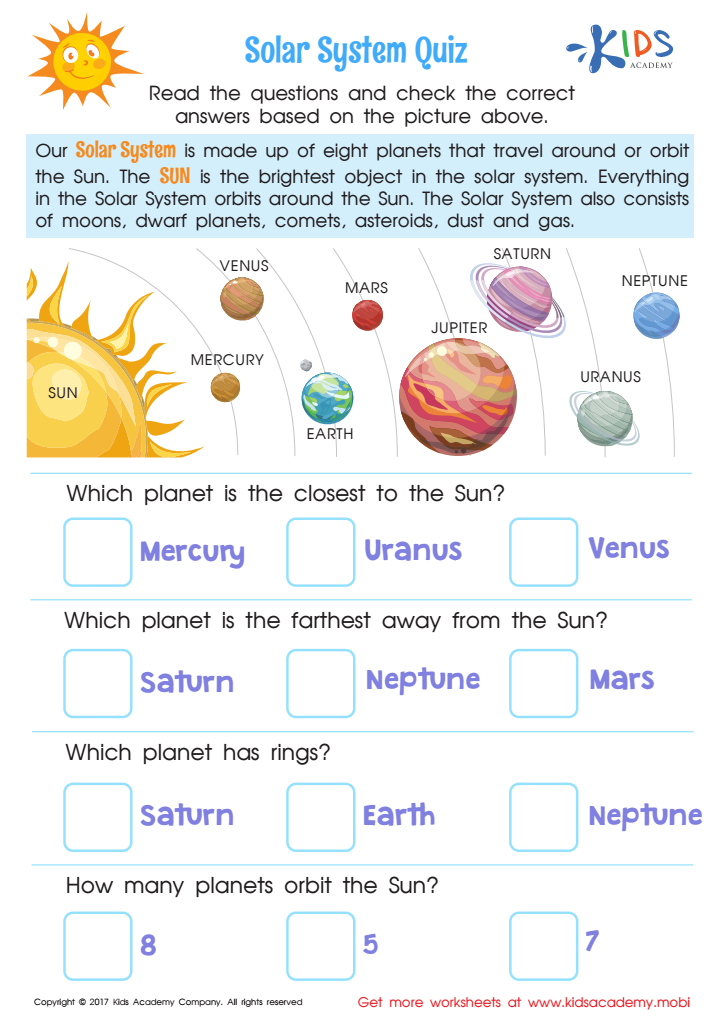
Solar System Quiz Printable
Blast off to space with our Solar System Quiz! Read the passage to learn about the sun and planets, then challenge your child to complete the quiz based on the vibrant diagram. Get an out-of-this-world learning experience!
Solar System Quiz Printable
Worksheet
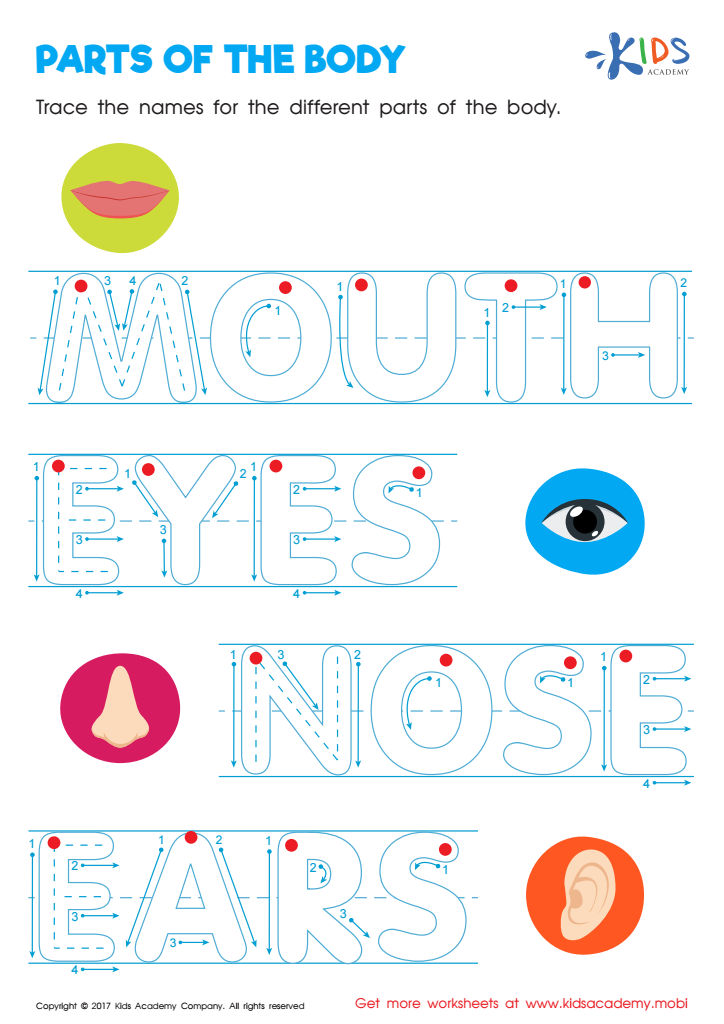
Parts of the Body Worksheet
Worksheet
Join Kids Academy for Free
Who is primarily going to use this learning content?






Reading practice rooted in science for young children, ages 3 to 8, offers tremendous benefits that parents and teachers should highly prioritize. At this developmental stage, children's brains are like sponges, rapidly absorbing information from their surroundings. Science-based reading strategies leverage this period of significant neuroplasticity to build foundational skills in literacy, critical thinking, and comprehension.
Fostering early literacy through scientifically-proven methods paves the way for lifelong learning and academic success. Phonemic awareness, phonics, fluency, vocabulary, and text comprehension are all integral aspects optimized by research-backed practices. For instance, techniques such as read-aloud sessions, multisensory learning, and interactive storytelling engage different cognitive functions more effectively than generic methods.
Practicing reading through scientifically-guided approaches not only enhances language skills but also ignites curiosity and a love for learning. It promotes better attention spans, memory, and problem-solving abilities. Furthermore, such practices are inclusive, supporting both typically developing children and those with learning difficulties like dyslexia.
By integrating science-based reading strategies, parents and teachers can provide a robust, time-efficient mechanism for nurturing young minds. This thoughtful foundation sets children up for not only academic achievements but also fosters emotional and social development, ultimately contributing to well-rounded, literate individuals.







