Sequencing skills improvement Science Worksheets for Ages 3-8
3 filtered results
-
From - To
Enhance your child’s sequencing skills with our engaging Science Worksheets designed specifically for ages 3-8. These worksheets promote critical thinking and help young learners understand the order of events in various scientific concepts. Through interactive activities, children will strengthen their ability to organize information logically, fostering a solid foundation in STEM education. Our resources not only make learning fun but also boost cognitive development and improve problem-solving abilities. Perfect for classroom use or at-home learning, our sequencing worksheets are a valuable tool to support your child’s educational journey. Explore our collection today and watch their skills flourish!
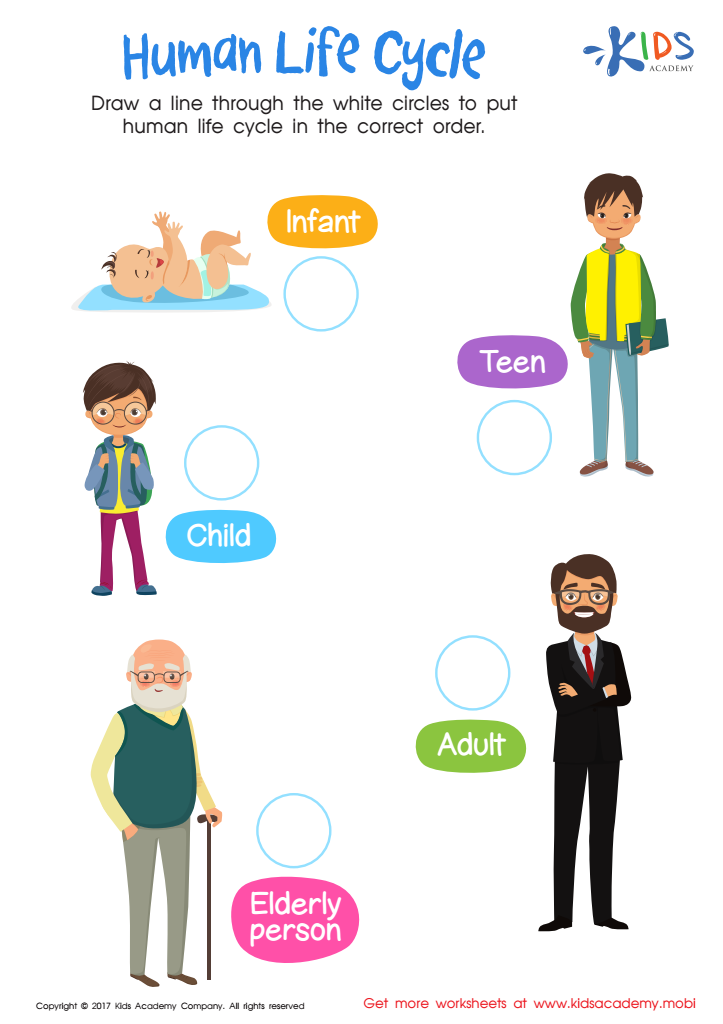
Human Life Cycle Worksheet
 Assign to My Students
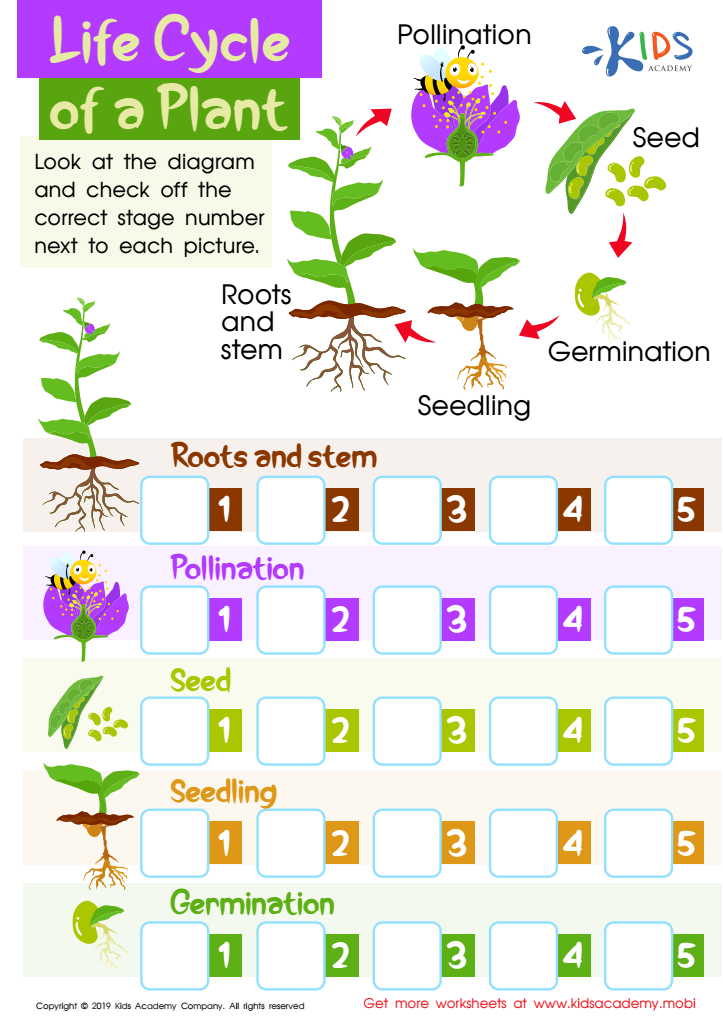
Life Cycle of a Plant Worksheet
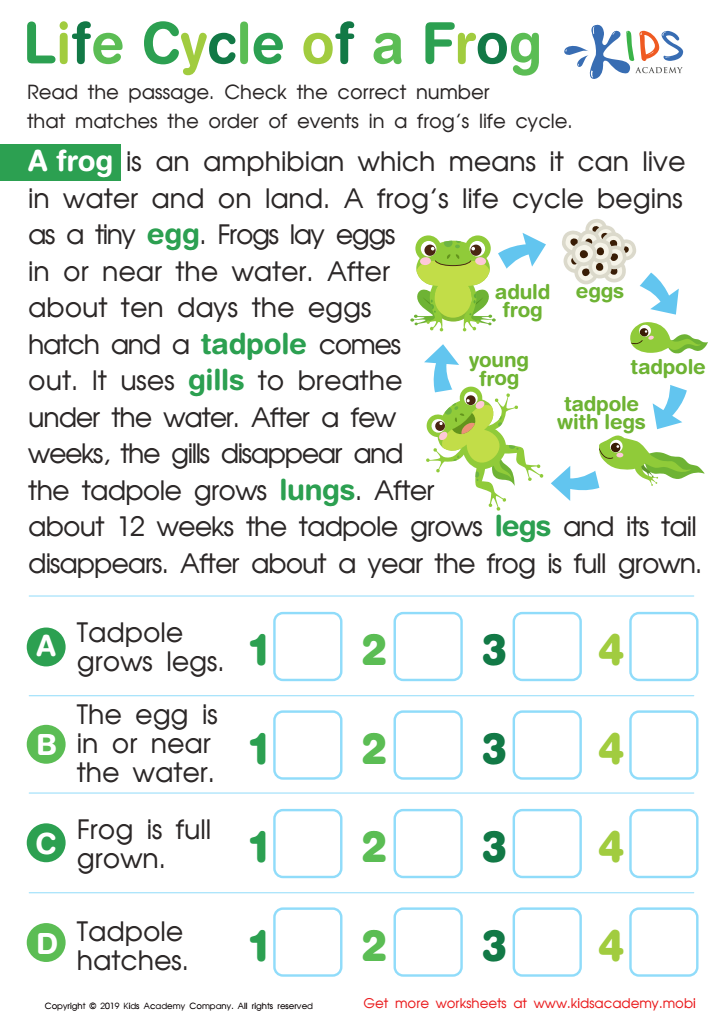
Life Cycle of a Frog Worksheet








Sequencing skills are foundational in children's learning and development, particularly in science education for ages 3-8. These skills involve understanding the order of events, recognizing patterns, and predicting outcomes – all critical components in grasping scientific concepts. Parents and teachers should prioritize the improvement of sequencing skills because they enhance critical thinking and problem-solving abilities, fostering deeper comprehension of scientific phenomena and processes.
By engaging children in sequencing activities, such as organizing steps in an experiment or identifying the life cycle of a plant, educators help them develop logical reasoning. This skill set also enriches curriculum connections, making science lessons more tangible and relatable.
Moreover, strong sequencing skills are essential for literacy development, contributing to storytelling, comprehension, and the ability to follow instructions. As children learn to sequence information clearly, they become more effective communicators and collaborators.
Incorporating sequencing into science education not only sets the stage for successful learning experiences but also cultivates a lifelong interest in inquiry and discovery. A well-rounded foundation in sequencing empowers young learners to navigate complex ideas, ultimately leading to greater academic success and a love for learning. Thus, both parents and teachers play a pivotal role in nurturing these essential skills.







