
Vocabulary development Life Science Worksheets for Ages 3-8
5 filtered results
Difficulty Level
Grade
Age
-
From - To
Subject
Activity
Standards
Unlock the wonders of life science for young learners with our engaging Vocabulary Development Life Science Worksheets, specially designed for ages 3 to 8! These worksheets provide a rich, interactive experience that helps children explore essential life science concepts while expanding their vocabulary. They encourage critical thinking and promote a deep understanding of living things, ecosystems, and natural processes. Colorful illustrations and age-appropriate language make learning fun and accessible. With these resources, children will enhance their language skills, boost their confidence, and cultivate a lifelong love for science. Join us in fostering curiosity and knowledge through our thoughtfully crafted worksheets!
Favorites
With answer key
Interactive
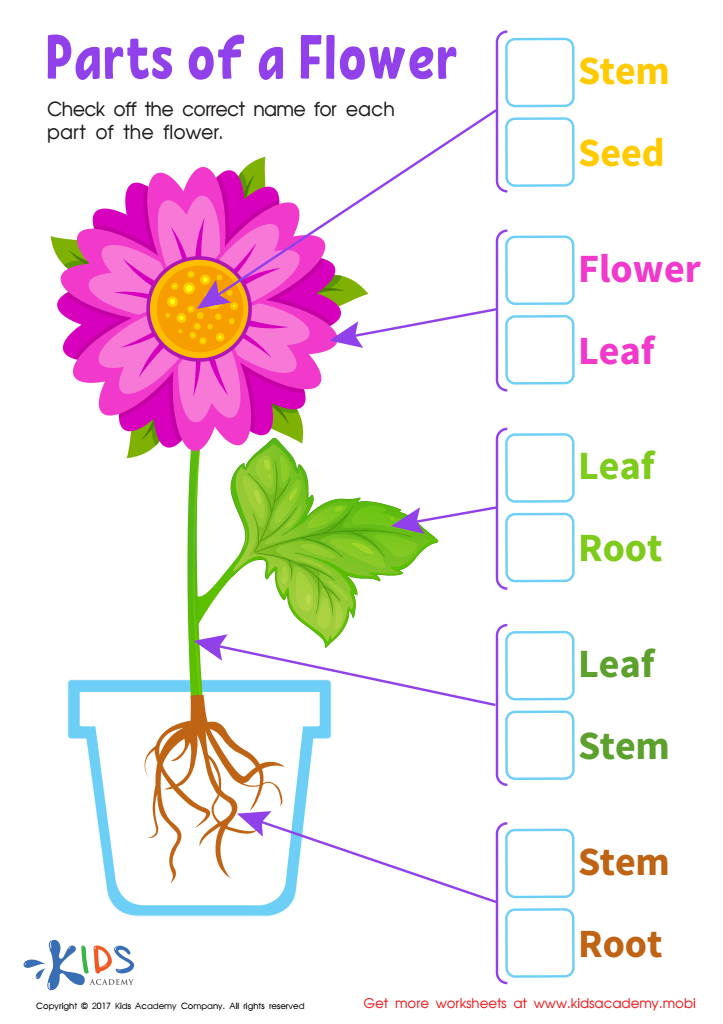
Parts Flower Printable
Introduce your child to life science with this vivid parts of a flower worksheet! They'll learn basic flower structures while building biology vocabulary and discovering plants are living creatures too! Perfect for budding little scientists!
 Assign to My Students
Parts Flower Printable
Worksheet
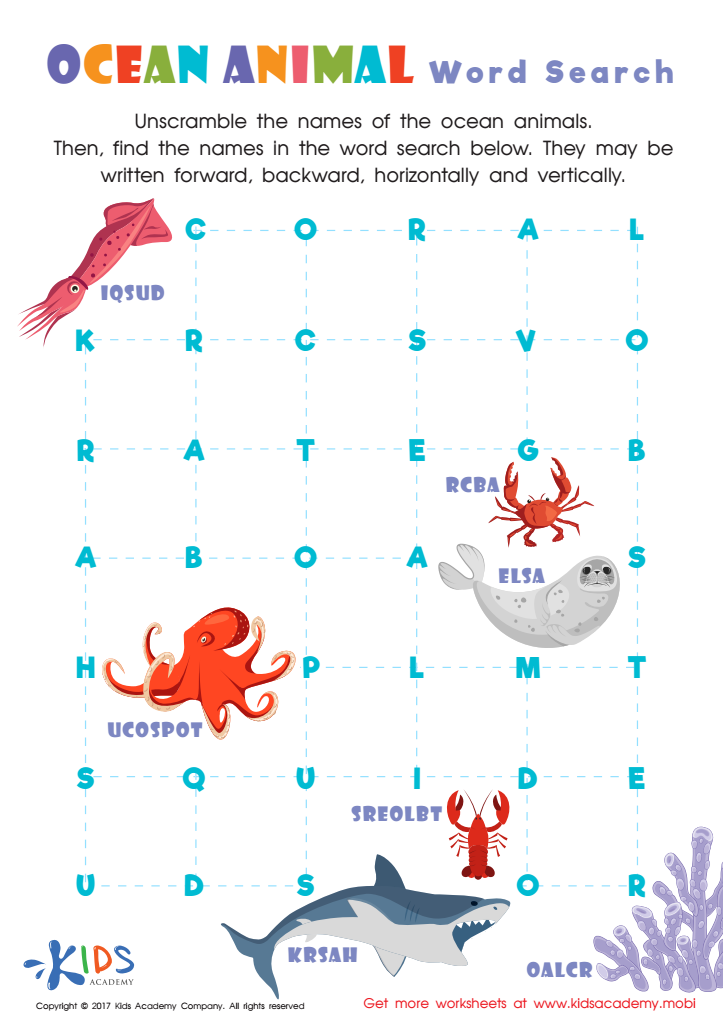
Ocean Animals Word Search Printable
Challenge your child to unscramble the names of ocean animals and find them in the word search. This ocean animals printable is a fun way to teach kids more about these fascinating creatures!
Ocean Animals Word Search Printable
Worksheet
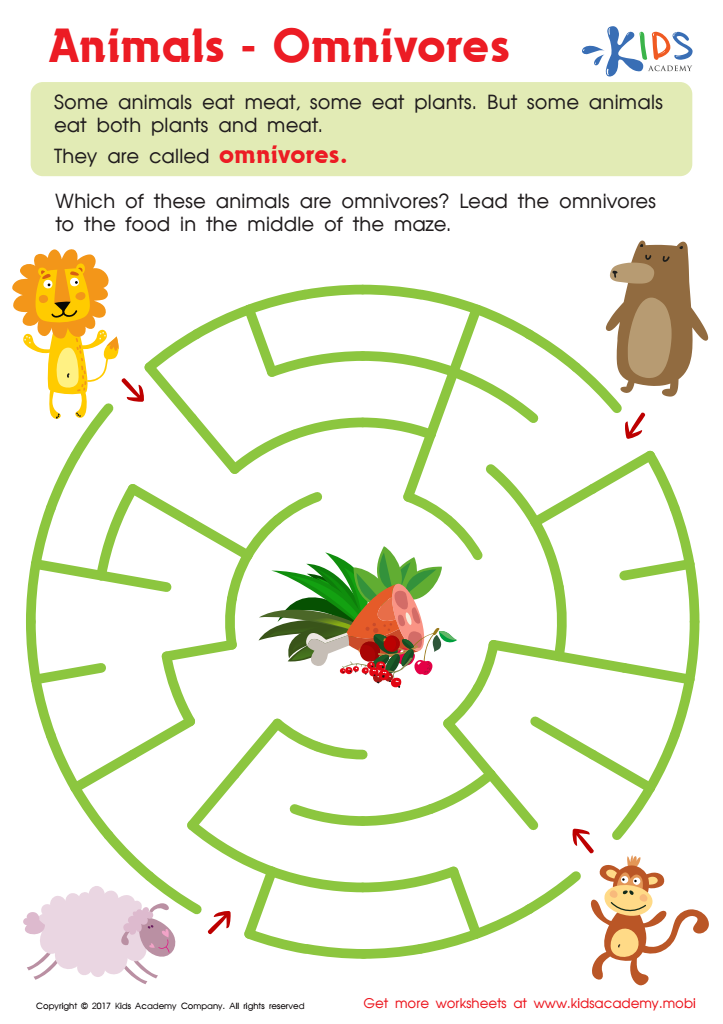
Omnivores Animals Worksheet
Kids can explore omnivores animals with this worksheet! It presents herbivores, carnivores and omnivores, with the main activity being a maze. Kids must guide a bear through it to get to its food. See how much they know about omnivores!
Omnivores Animals Worksheet
Worksheet
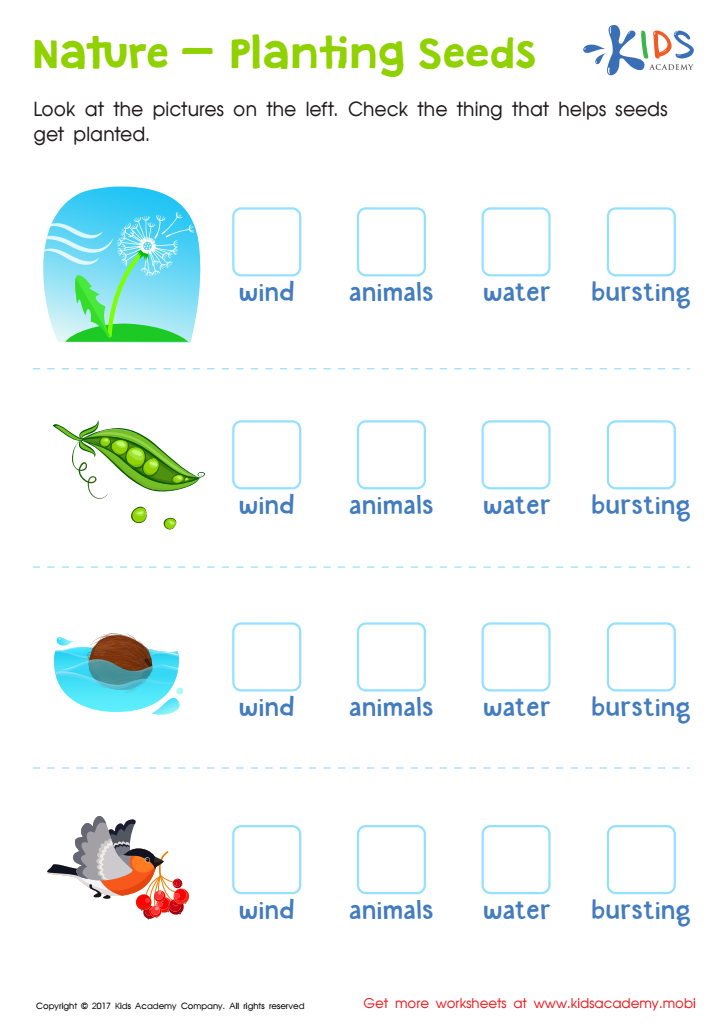
Nature Planting Seeds Worksheet
Help your child explore the fascinating cycle of plants and seeds with this worksheet. They'll learn how plants grow and how seeds travel to the ground. Challenge them to identify the right way each seed gets planted!
Nature Planting Seeds Worksheet
Worksheet
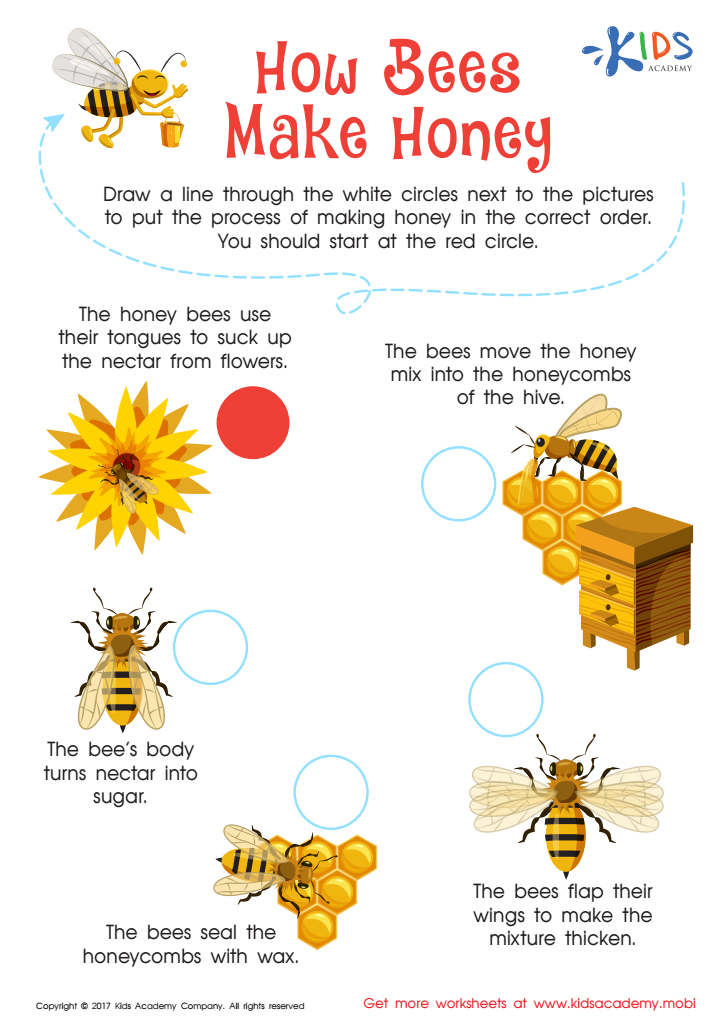
Honey Bee Worksheet
Kids learn about life science and the process of making honey with this sweet honeybee worksheet for 3rd grade. They identify the steps bees take and put the cycle in order, developing knowledge and appreciation for honeybees!
Honey Bee Worksheet
Worksheet
Join Kids Academy for Free
Who is primarily going to use this learning content?






Vocabulary development in life science for children aged 3-8 is crucial, as it lays the foundation for their understanding of the world around them. During these formative years, children are naturally curious and eager to learn. Introducing them to life science concepts like plants, animals, the human body, and ecosystems not only enriches their vocabulary but also stimulates their critical thinking and observational skills.
Parents and teachers play a vital role in this development. By using age-appropriate language and engaging activities, they can create a rich vocabulary environment that encourages exploration and inquiry. For example, engaging activities such as nature walks or simple science experiments provide contextual learning opportunities where children learn new words in meaningful ways.
Furthermore, a strong vocabulary helps improve comprehension skills, enabling children to grasp more complex concepts as they progress in their education. This has long-term benefits, supporting literacy development and overall academic success. In addition, fostering an interest in life science can inspire future learning and career aspirations in fields such as biology, medicine, or environmental science. By nurturing vocabulary development in life science, parents and teachers not only enhance communication skills but also cultivate a lifelong love of learning.








