
Enhancing observation skills Plants and Animals Worksheets for Ages 3-8
5 filtered results
Difficulty Level
Grade
Age
-
From - To
Subject
Activity
Standards
Our "Enhancing Observation Skills: Plants and Animals Worksheets" are tailored for children aged 3-8, providing engaging and educational activities that foster a love for nature. Through interactive exercises, kids will sharpen their observation skills as they explore the fascinating world of plants and animals. The worksheets include fun tasks such as comparing characteristics, identifying differences, and documenting findings, all designed to boost critical thinking and attention to detail. Perfect for young learners, these resources make learning science both enjoyable and impactful, encouraging curiosity and discovery in the natural environment. Download now and watch your child's observational abilities flourish!
Favorites
With answer key
Interactive
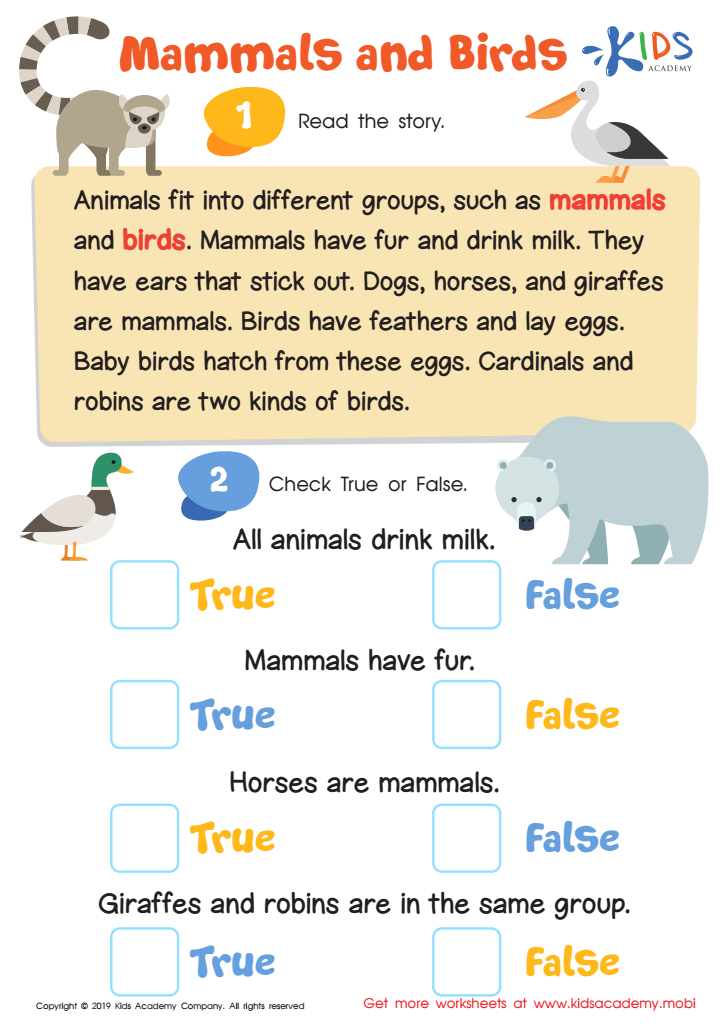
Mammals and Birds Worksheet
This worksheet challenges kids to read an informational text and review science facts about mammals and birds. Have them read the passage then mark statements true or false. Remind them to go back to the text if they get stuck! Get started now and help your child enhance multiple skills in one go!
 Assign to My Students
Mammals and Birds Worksheet
Worksheet











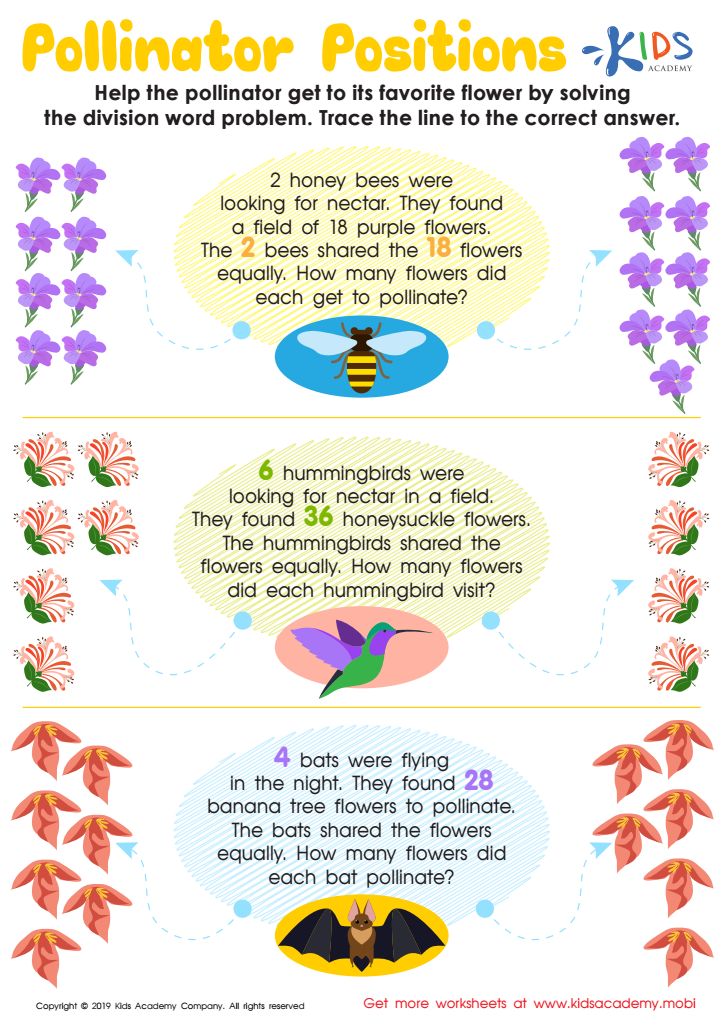
Pollinator Positions Worksheet
Kids will love learning about pollinators and how vital they are. Help their favorite friends get to the right flowers with this fun PDF. Children can solve the problems without even knowing they're doing division; just read the word problems and use the highlighted numbers. Finish by tracing the lines to the correct quotient!
Pollinator Positions Worksheet
Worksheet
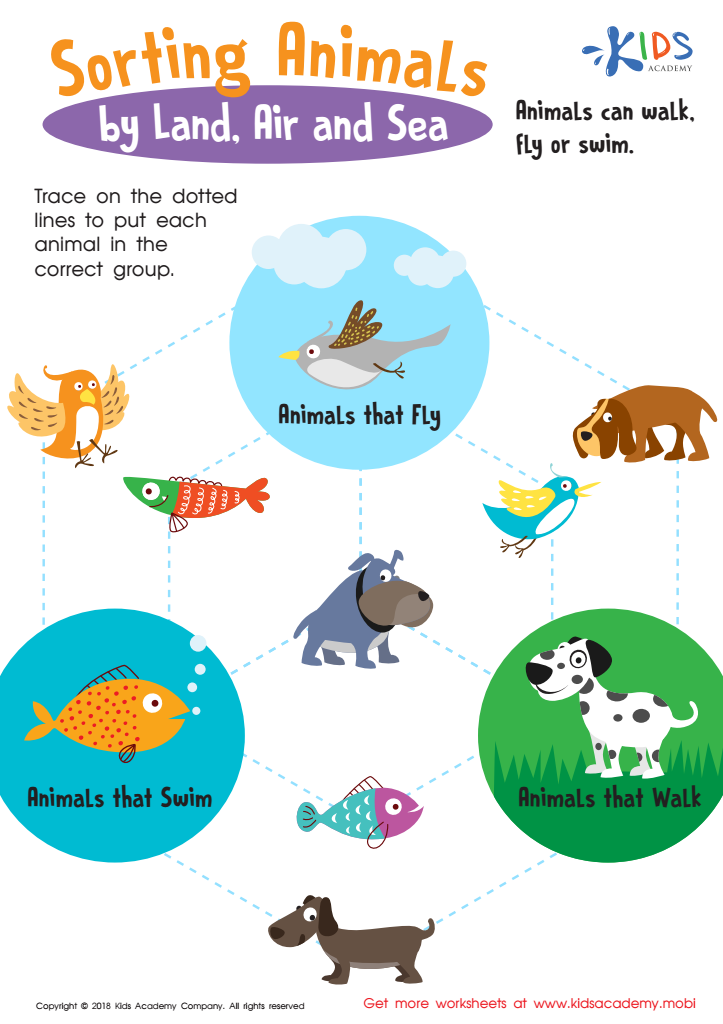
Sorting Animals by Land, Air and Sea Worksheet
Kids will use critical thinking and fine motor skills with this worksheet! They'll analyze animal traits and draw lines to sort them into groups of those that fly, swim, or walk. It's a fun way to hone skills and have a great time!
Sorting Animals by Land, Air and Sea Worksheet
Worksheet
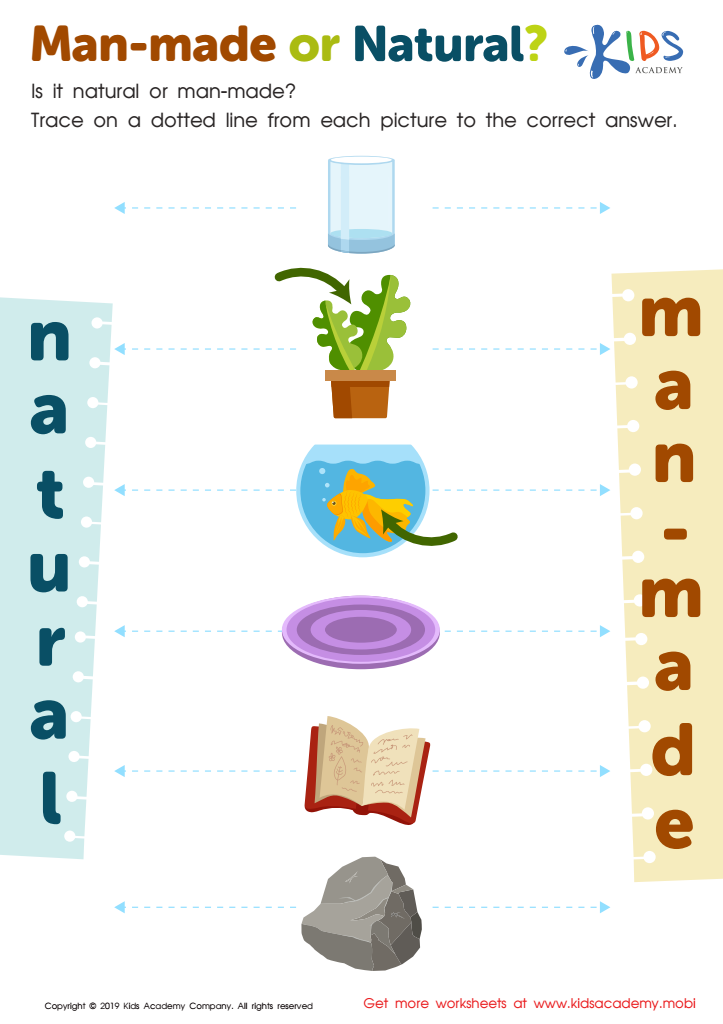
Man-Made or Natural? Worksheet
Ask your students to name natural and man-made objects. Check the worksheet to help them identify the objects, then trace the dotted line to determine if it's natural or man-made.
Man-Made or Natural? Worksheet
Worksheet
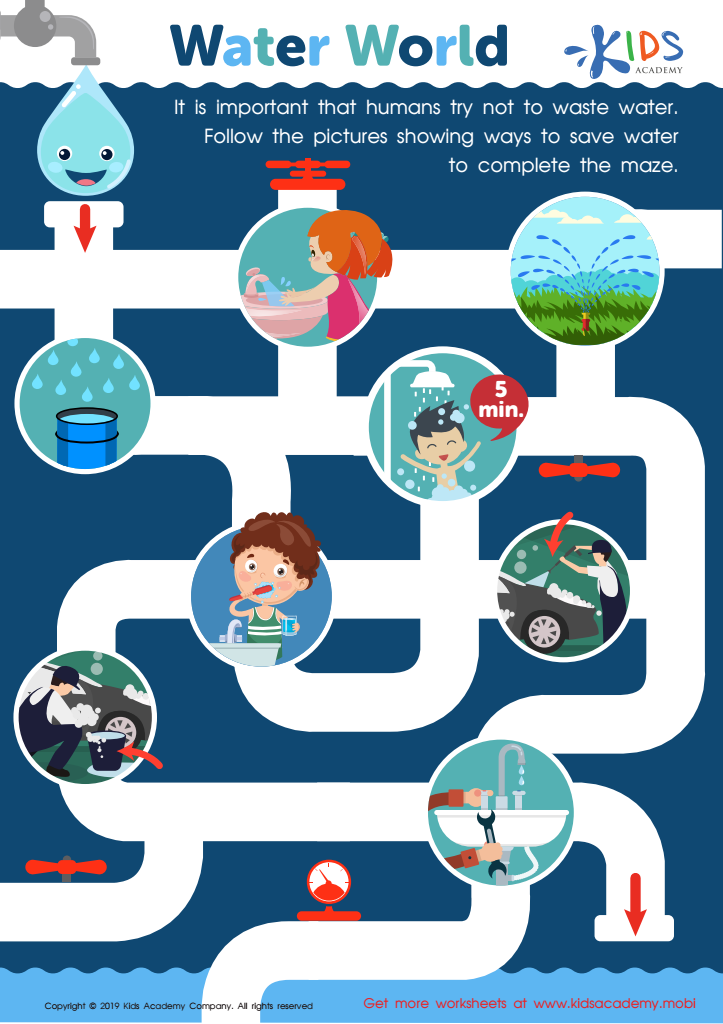
Water World Worksheet
Water is a vital necessity for living. Our bodies depend on it to stay healthy and survive. When we don't drink enough water, we become thirsty and run the risk of getting sick. Luckily, our planet is full of water and natural sources to stay hydrated. To prevent water waste, use this worksheet to teach your students how to conserve it and complete the maze.
Water World Worksheet
Worksheet
Join Kids Academy for Free
Who is primarily going to use this learning content?








Enhancing observation skills related to plants and animals in children ages 3-8 is critical for several key reasons. First, it fosters a sense of wonder and curiosity about the natural world, encouraging lifelong learning and appreciation for biodiversity. When children closely observe plants and animals, they begin to understand relationships, cycles, and the interconnectedness of life, laying the foundation for scientific thinking.
Second, enhanced observation skills help develop cognitive abilities such as attention to detail, critical thinking, and analytical reasoning. These skills are transferable across various subjects, from reading comprehension to problem-solving in math and science. Observing nature also improves vocabulary as children learn specific terms related to the environment, animals, and plants.
Third, such activities promote emotional and social development. When children spend time observing nature, they often experience a calming effect, reducing stress and increasing mindfulness. Group observations and discussions encourage cooperative learning and improve communication skills.
Lastly, instilling an early love for nature promotes environmental stewardship. By understanding the importance of plants and animals in our ecosystems, children are more likely to adopt conservationist values and practices as they grow. In essence, fostering observational skills in early childhood creates well-rounded, thoughtful, and environmentally-conscious individuals.








