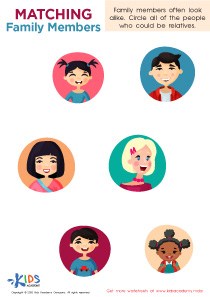
Social Studies Worksheets for Ages 3-8 - Page 14
314 filtered results
-
From - To
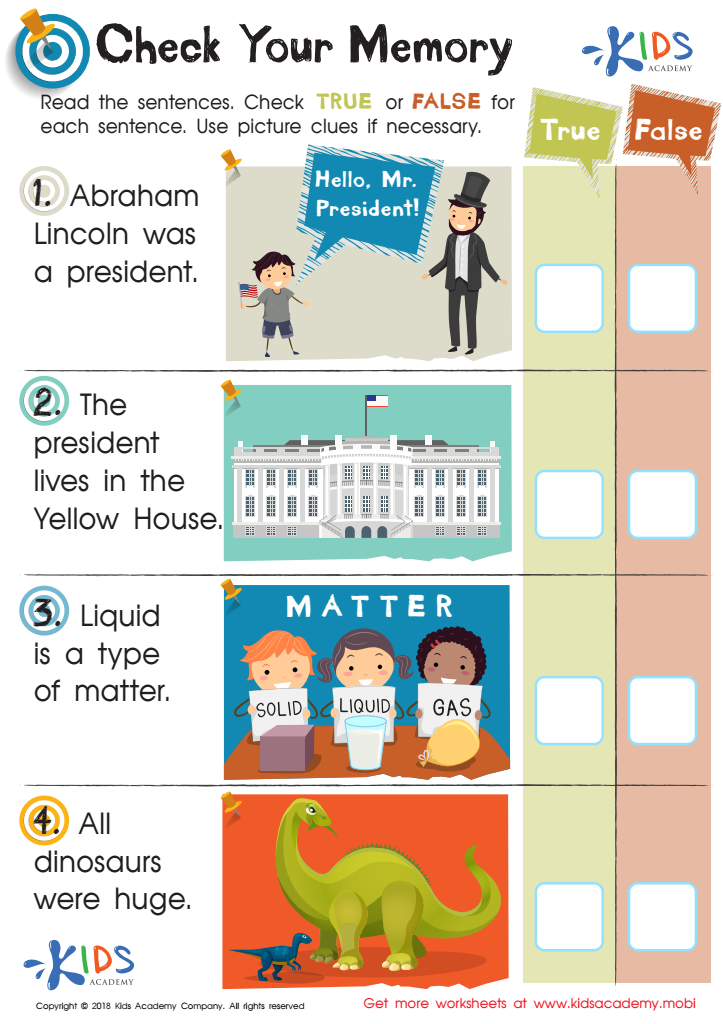
Check Memory Worksheet
 Assign to My Students
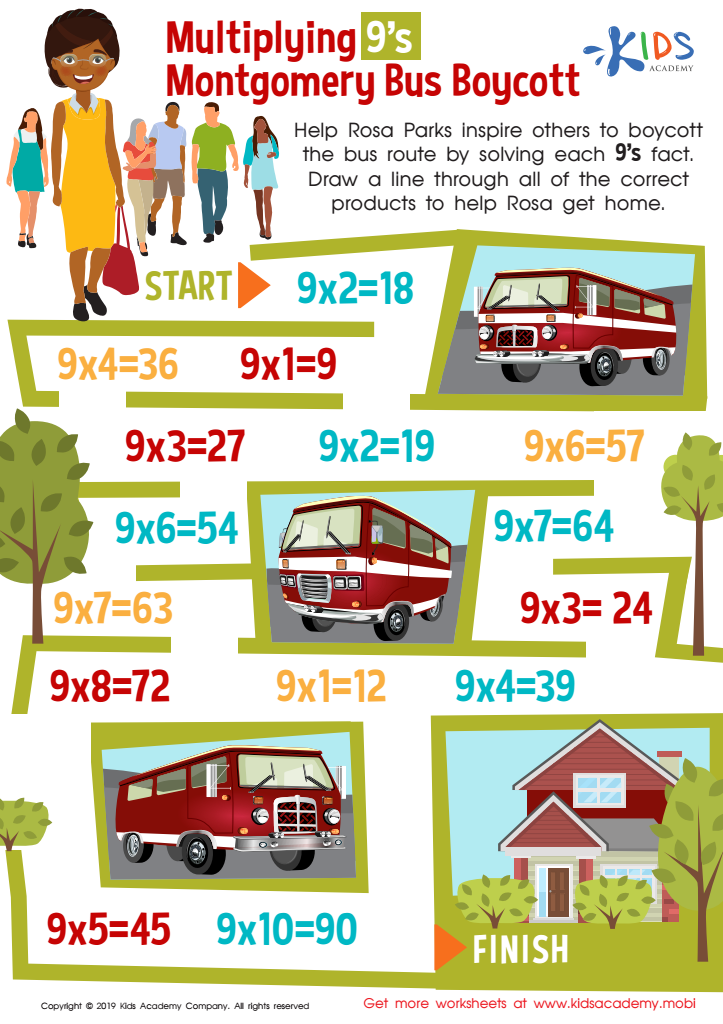
Multiplying 9’s Montgomery Bus Boycott Worksheet








Social Studies for ages 3-8 is crucial for early development as it lays the foundation for essential life skills. Understanding cultural diversity, community structures, and historical perspectives helps children grasp their identity and how they fit into the world around them. This subject nurtures curiosity about the world and encourages questions about relationships, geography, and history. Engaging with social studies enables young learners to develop critical thinking and empathy as they explore different cultures, lifestyles, and ideas different from their own.
Additionally, social studies promote key social-emotional skills, as children learn to respect differences, collaborate with peers, and engage in responsible citizenship. Parents and teachers play a pivotal role in fostering a sense of community and belonging by introducing relatable concepts through stories, activities, and discussions.
Moreover, integrating social studies into early education enriches literacy and communication skills, as children express their thoughts and feelings about their environments. By emphasizing these themes early on, parents and teachers can equip young learners with the values and skills necessary for future civic engagement and global awareness. Ultimately, social studies empower the next generation to navigate and contribute positively to a diverse and interconnected world.