Geography Worksheets for Ages 3-8 - Page 3
66 filtered results
-
From - To
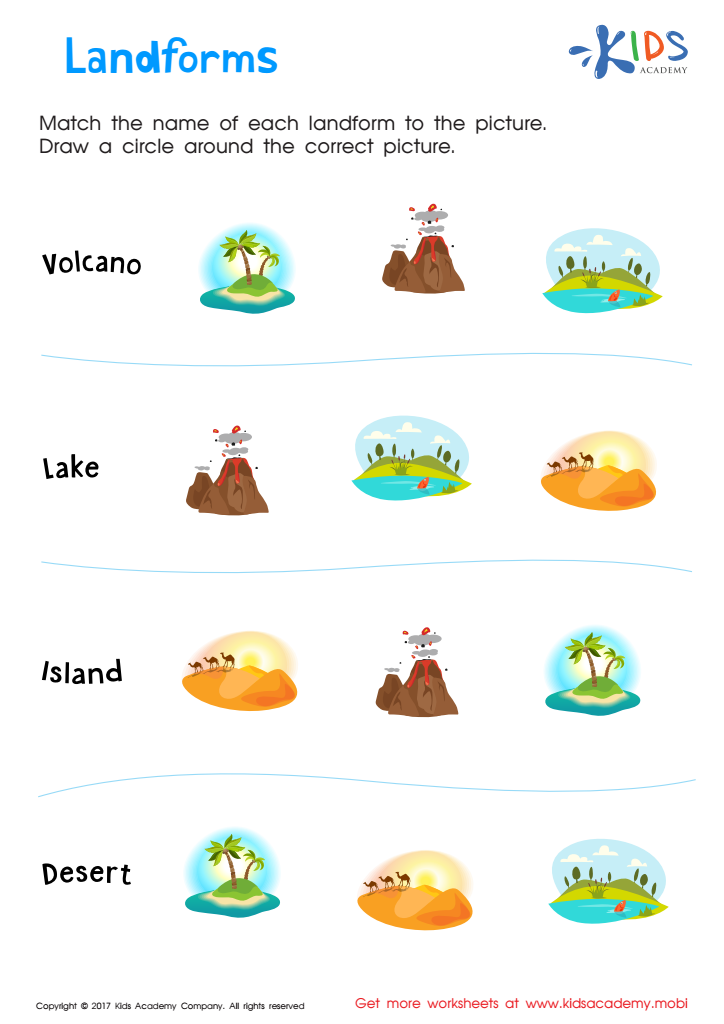
Landforms Printable
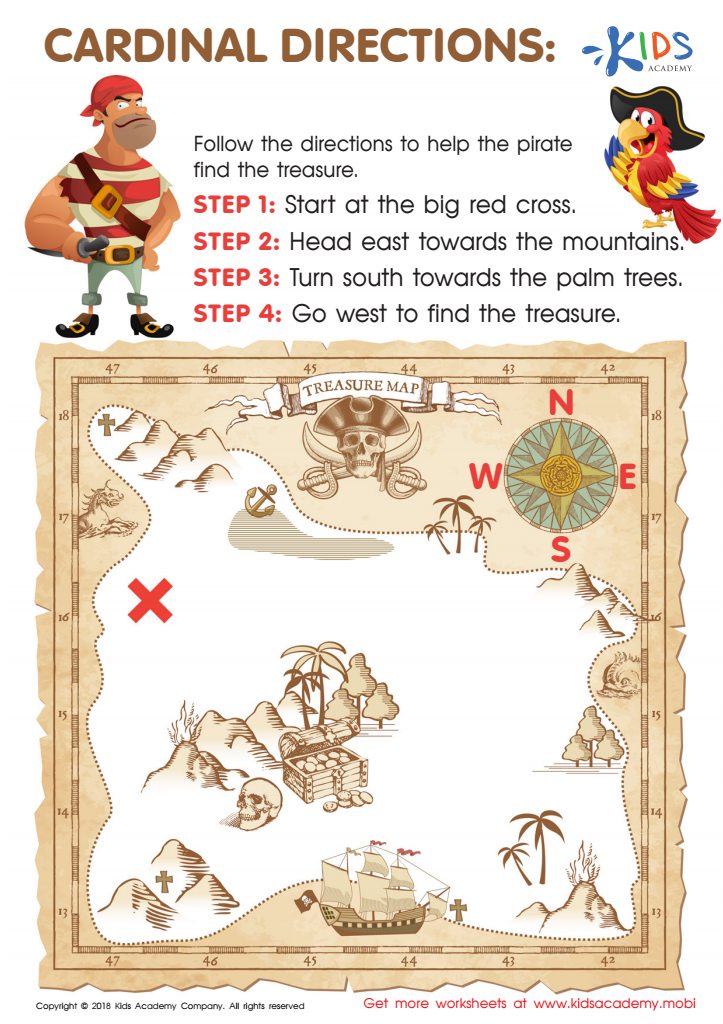
Cardinal Directions Treasure Map Maze Worksheet
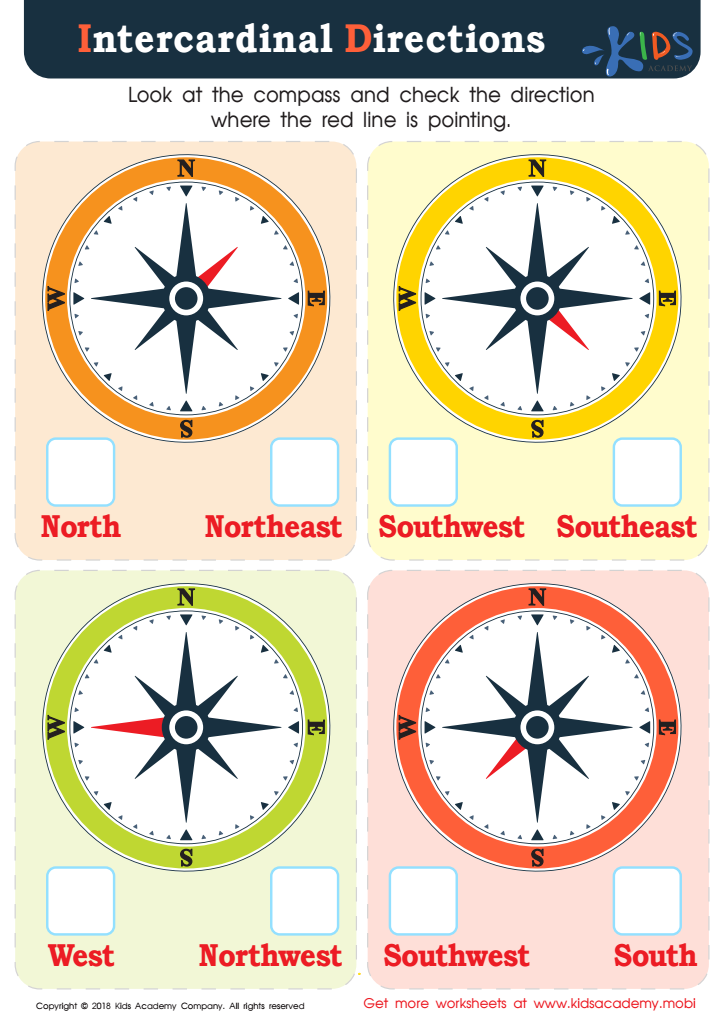
Intercardinal Directions Worksheet
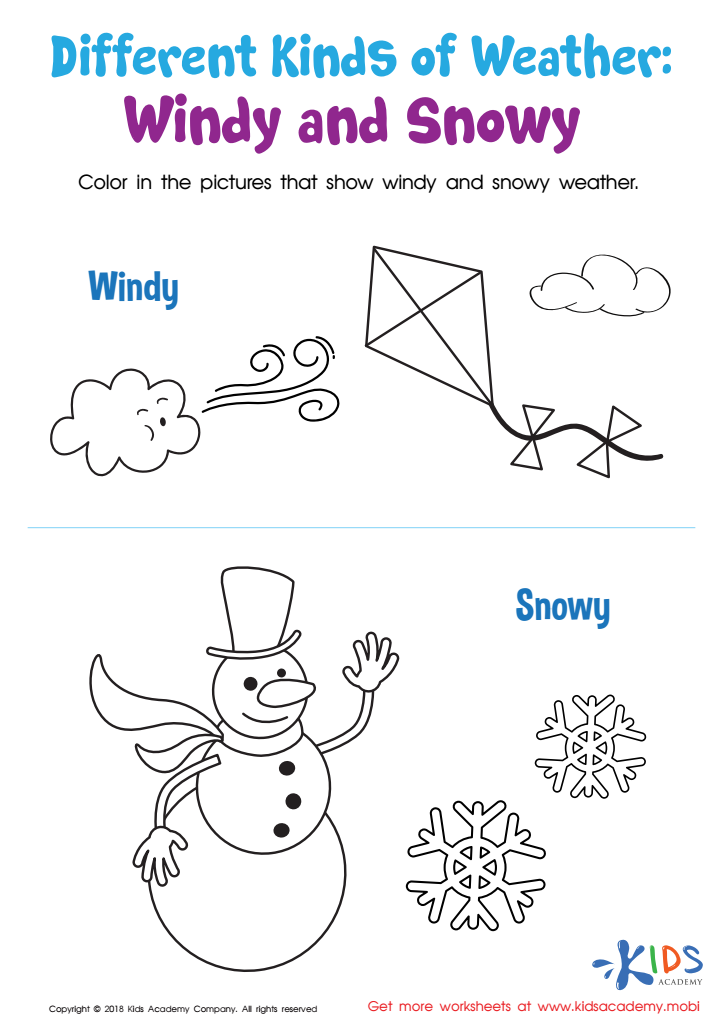
Different Kinds of Weather: Windy and Snowy Worksheet
 Assign to My Students
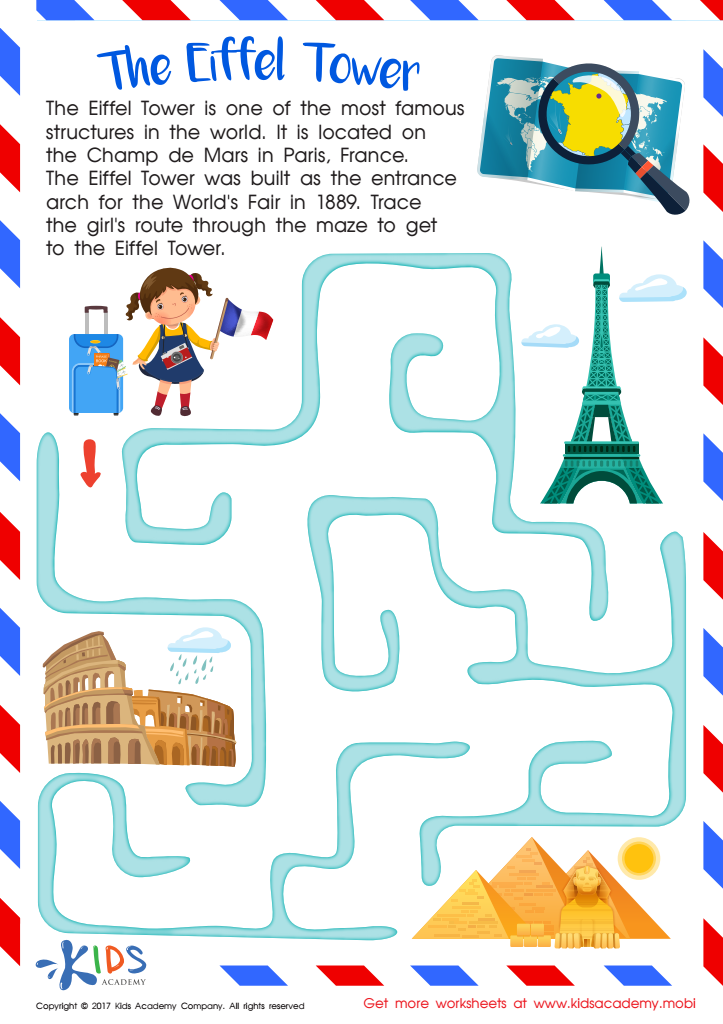
The Eiffel Tower Printable
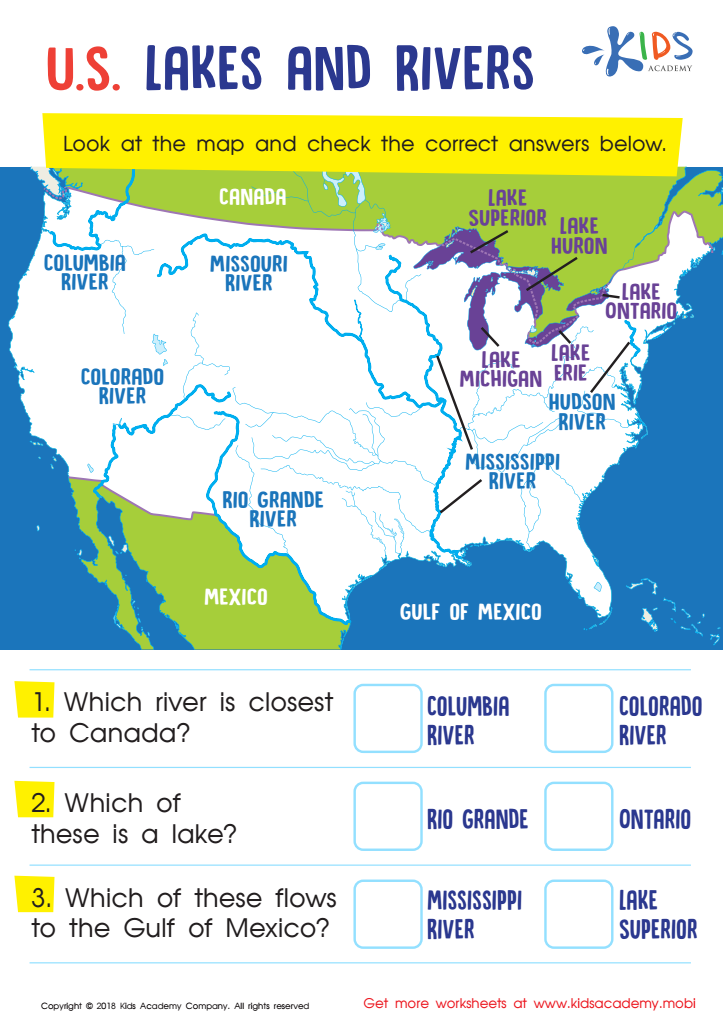
U.S. Lakes and Rivers Worksheet
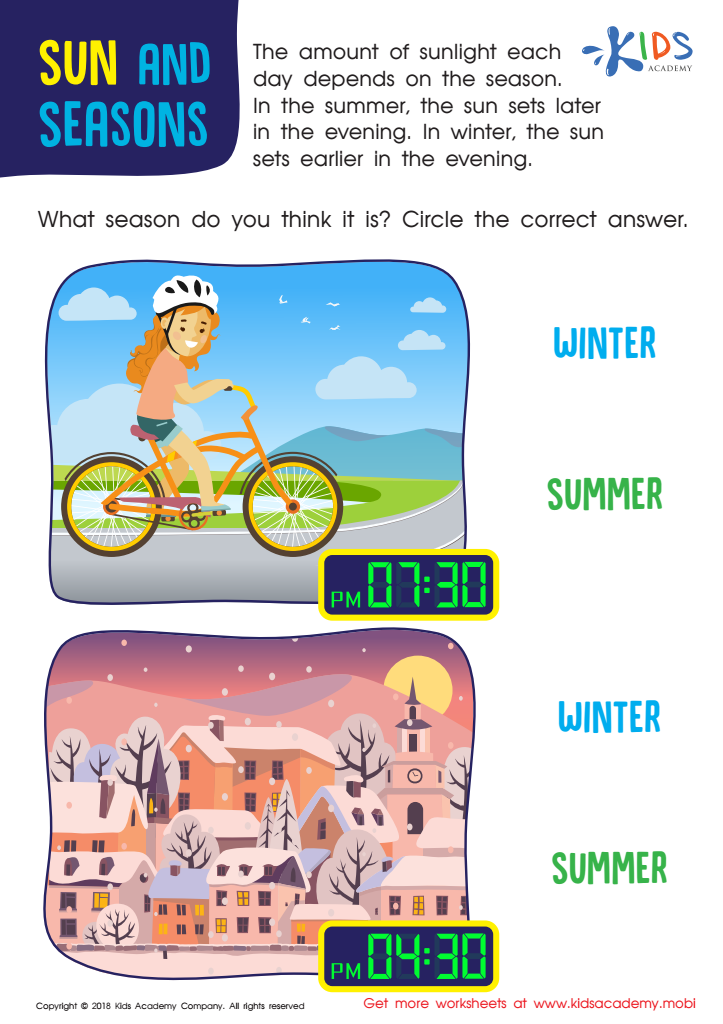
Sun and Seasons Worksheet
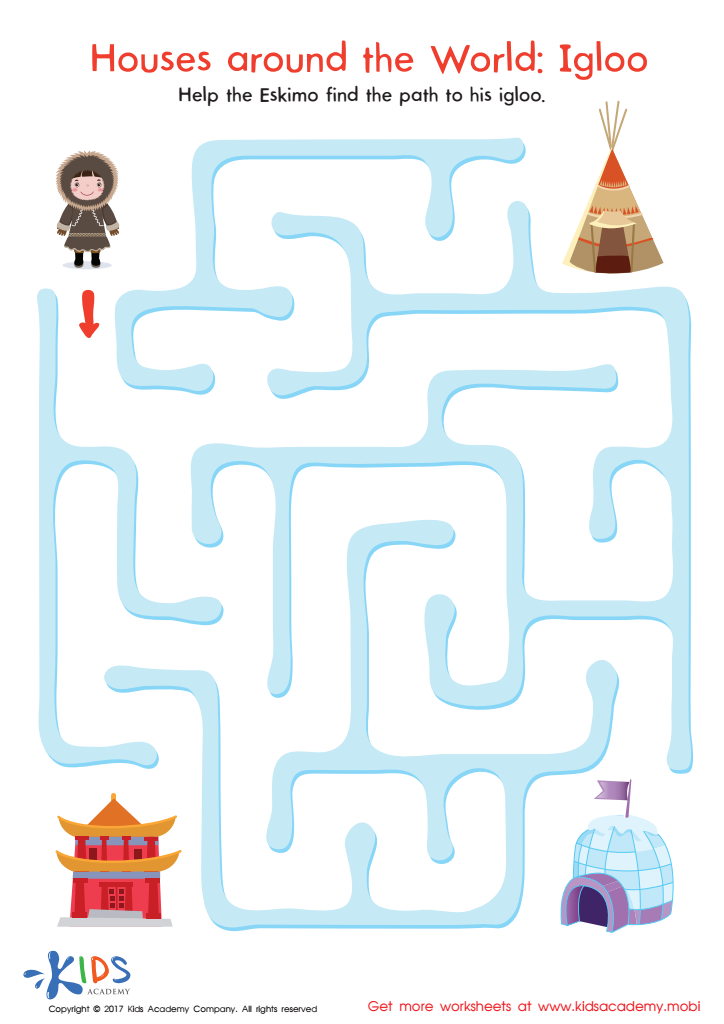
Houses Around the World: Igloo Printable
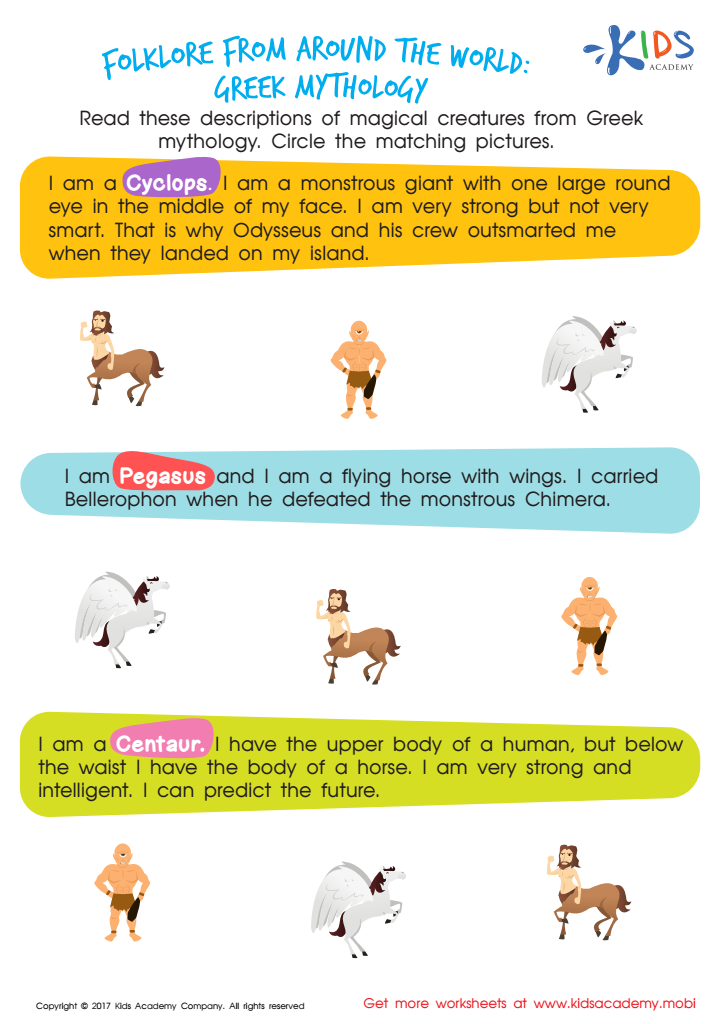
Greek Mythology Worksheet
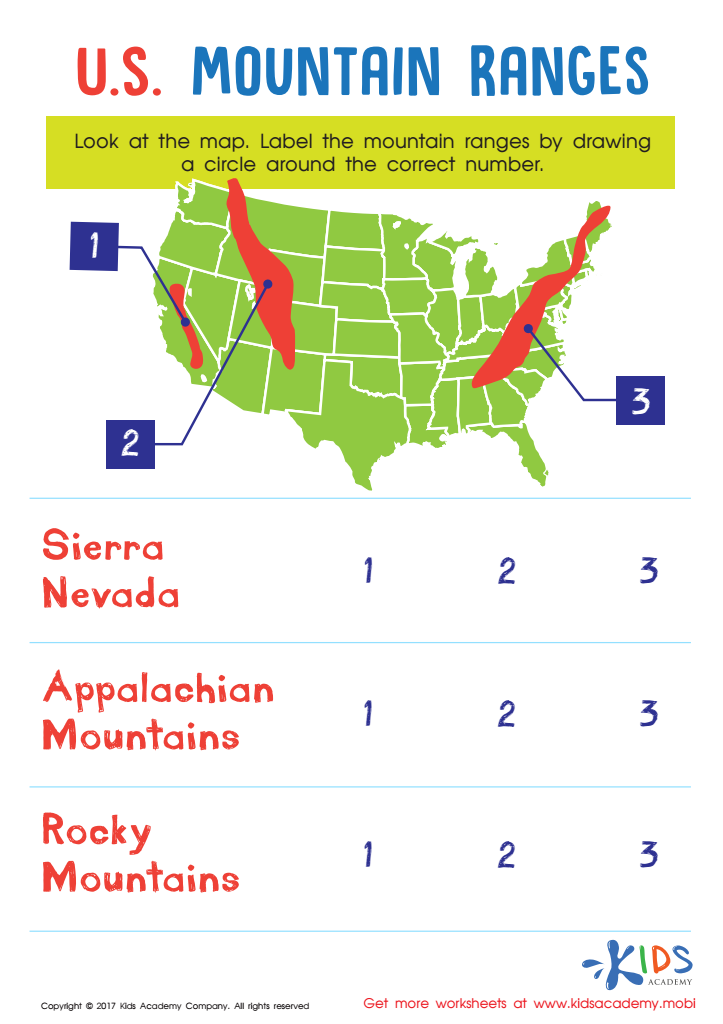
US Mountain Ranges Worksheet
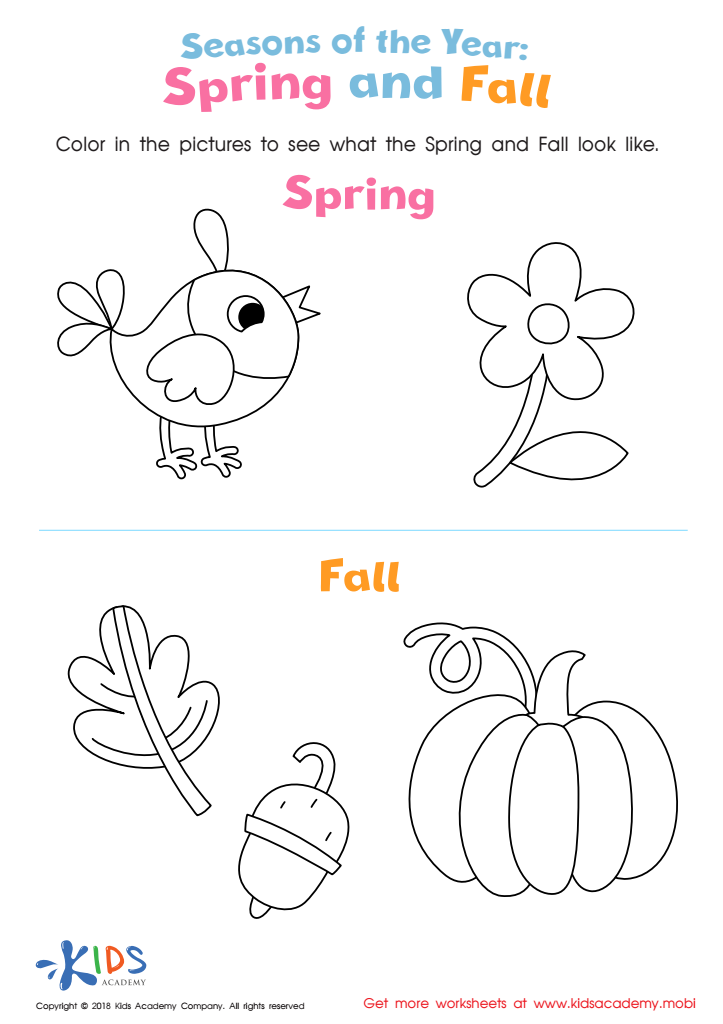
Spring and Fall Worksheet
Assign to My Students
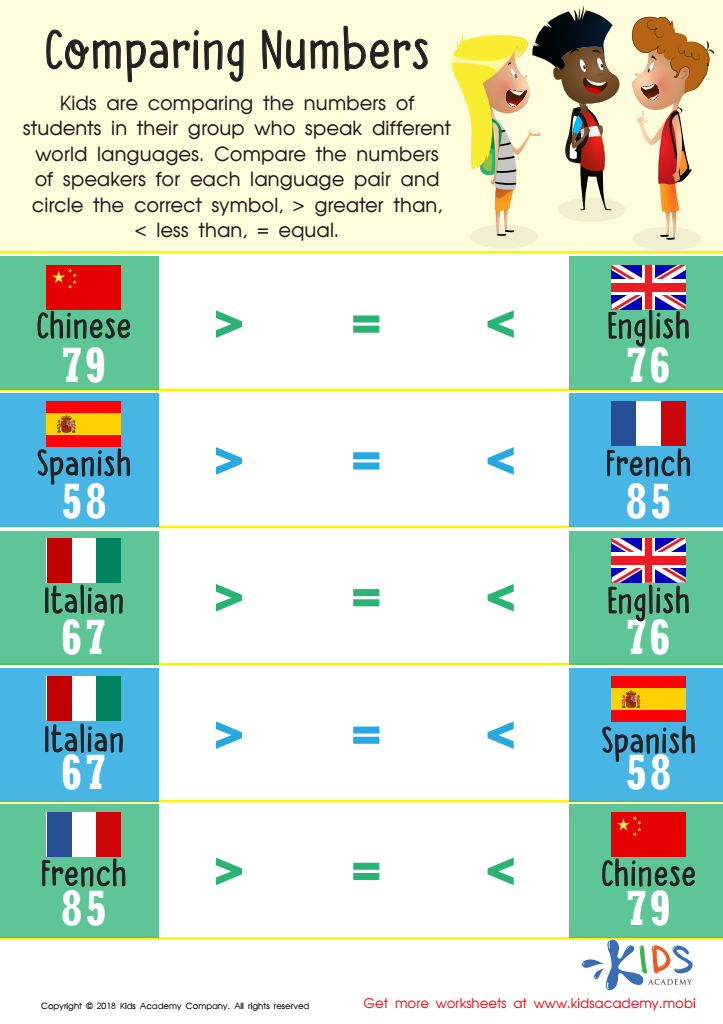
Comparing Numbers Worksheet for 1st Grade
Globe Coloring Page Worksheet
Assign to My Students
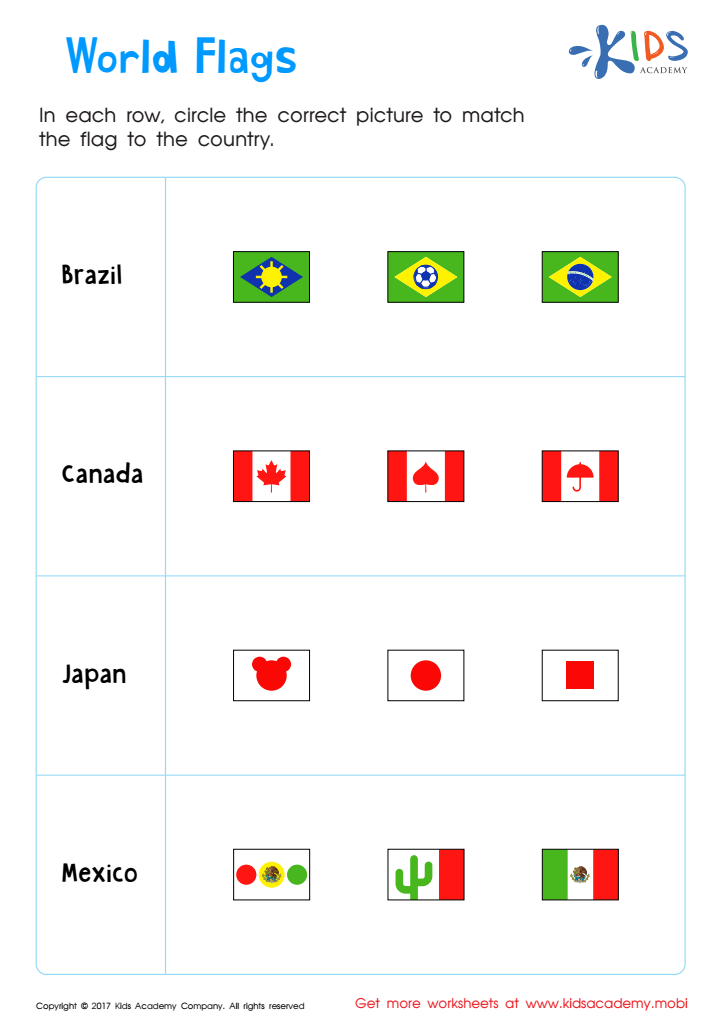
World Flags Printable
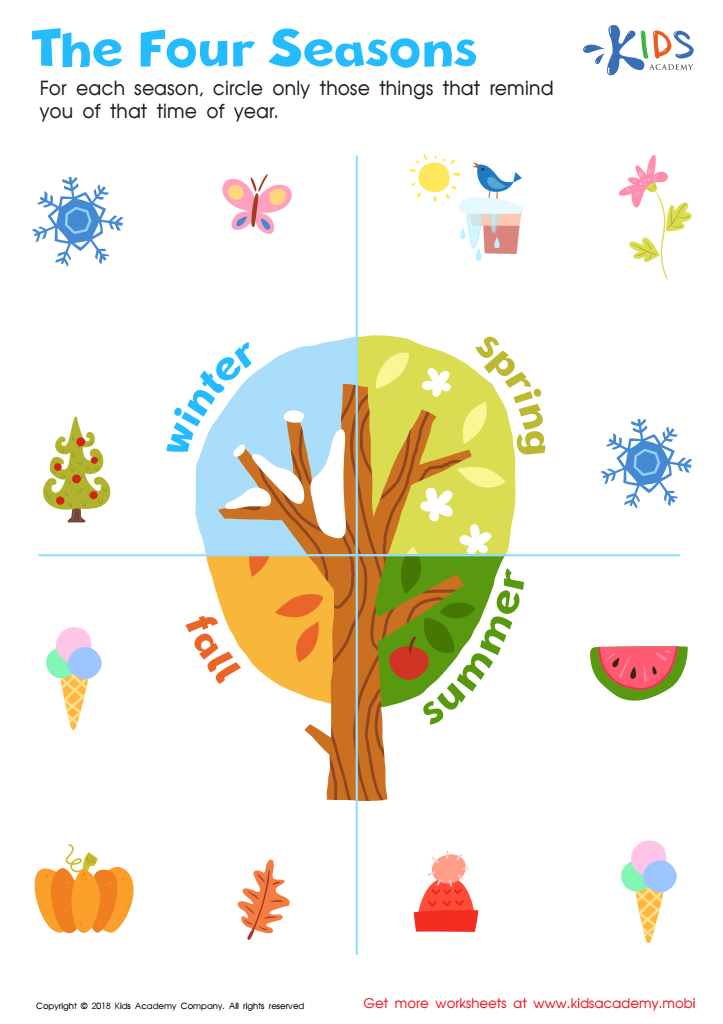
The Four Seasons Worksheet
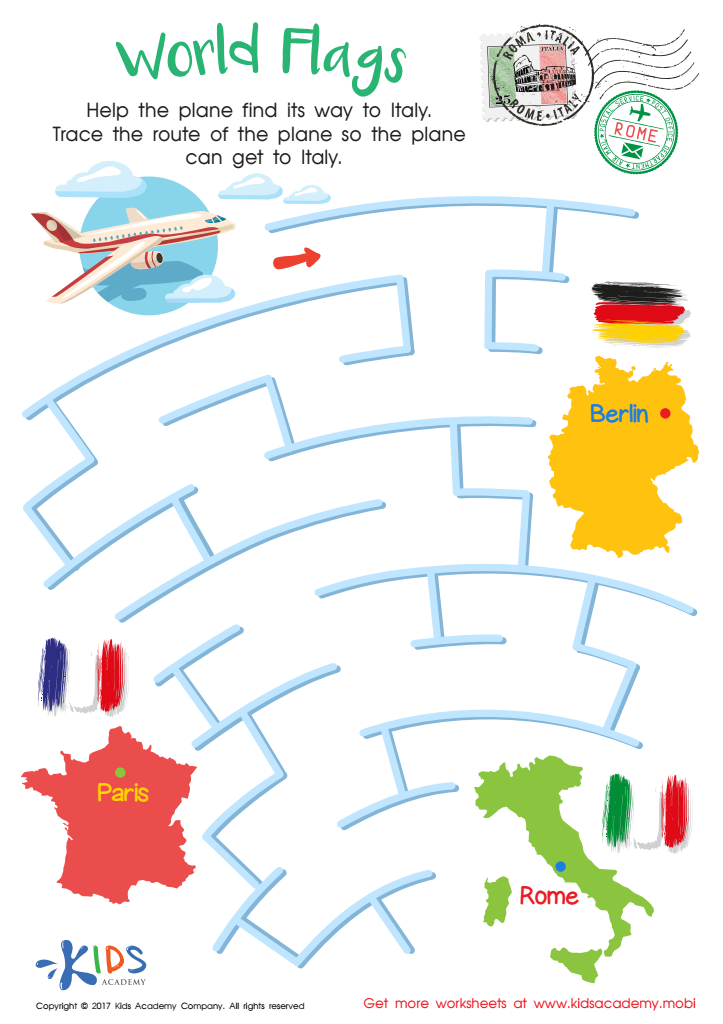
World Flags Maze Worksheet
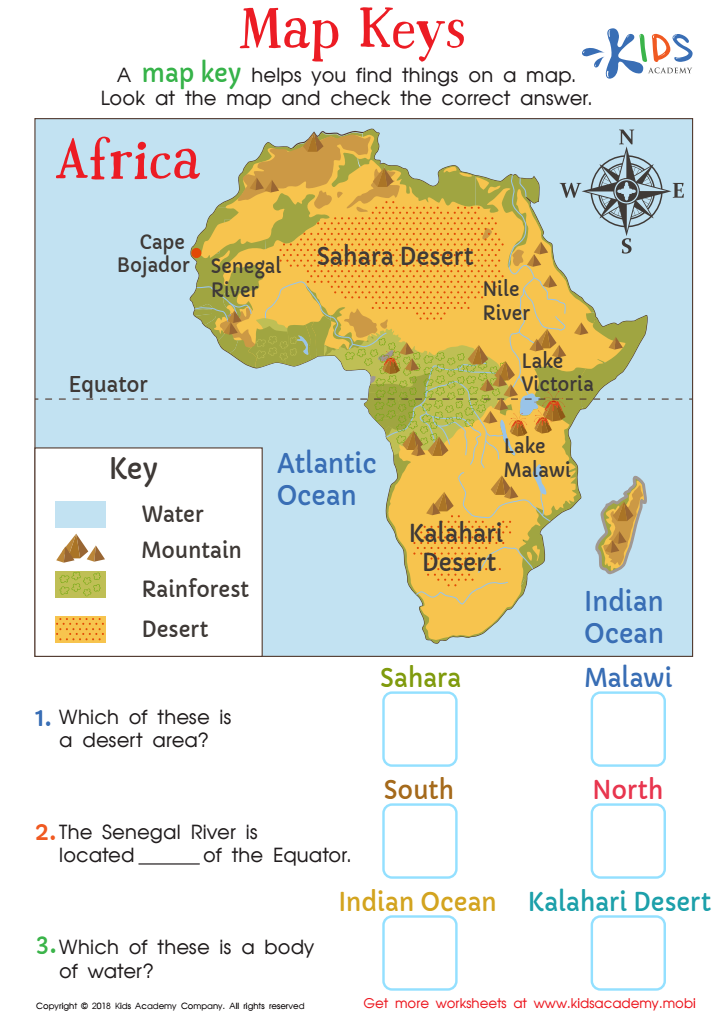
Map Keys Worksheet
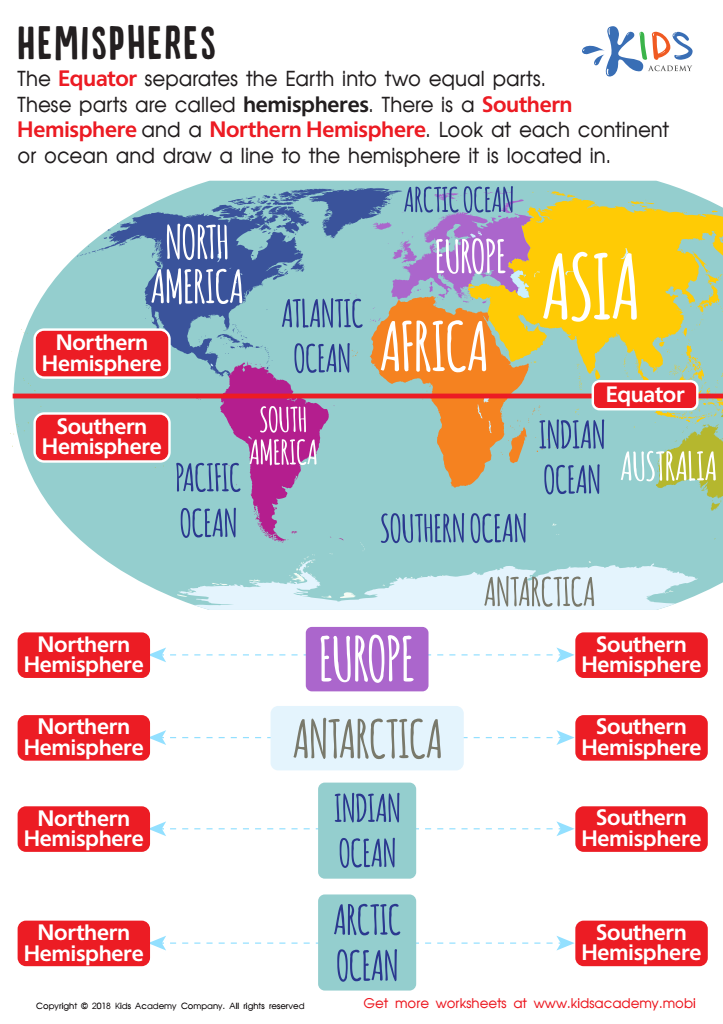
Hemispheres Worksheet






Geography is an essential subject for children aged 3-8, as it fosters a foundational understanding of the world they live in. At this age, children's natural curiosity drives their desire to explore and understand their surroundings. Introducing geography early on helps them make sense of places, cultures, and environments, enhancing their ability to connect with others and appreciate diversity.
Learning geography encourages critical thinking and spatial awareness. It empowers young learners to recognize different countries, landscapes, and ecosystems, allowing them to visualize their own place in the world. This knowledge nurtures problem-solving skills and innovative thinking, essential for their future academic growth.
Moreover, geography education supports emotional and social development. By exploring maps and globes, children learn about neighborhoods, landmarks, and even their own community, fostering a sense of belonging. Understanding varied cultures promotes empathy and respect for differences, crucial values in our increasingly global society.
Additionally, geography often integrates various subjects, such as science, history, and art, making it a versatile tool for teaching and learning. For parents and teachers, investing in geography education cultivates curious, informed, and socially responsible learners, setting them on a path to become engaged global citizens.








