History Worksheets for Ages 3-8 - Page 3
90 filtered results
-
From - To
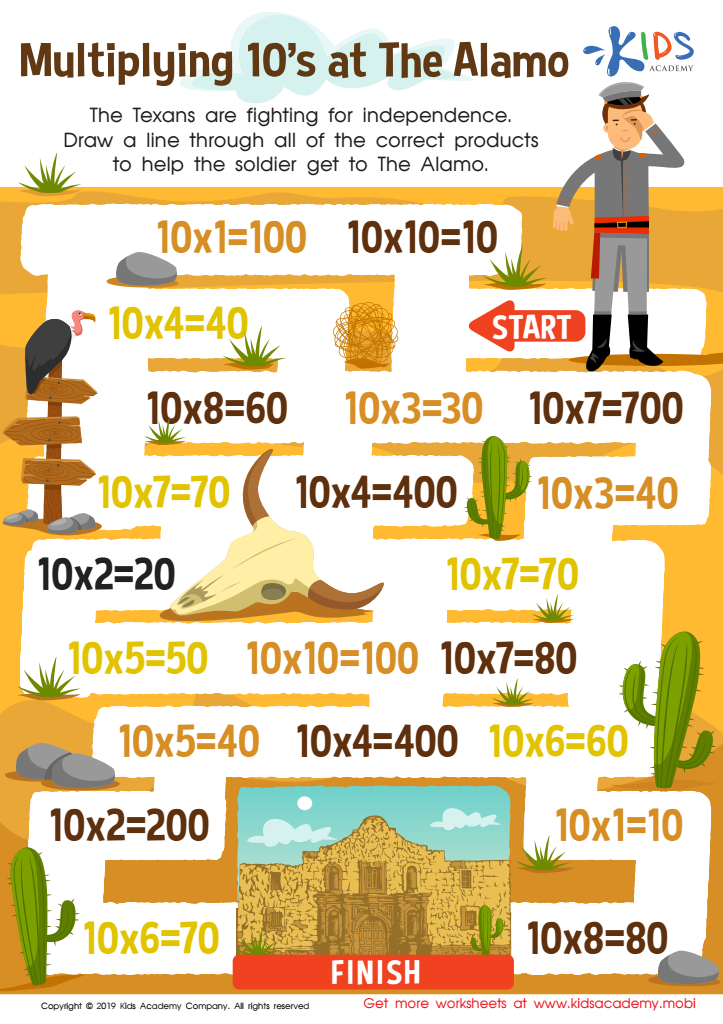
Multiplying 10’s at The Alamo Worksheet
 Assign to My Students
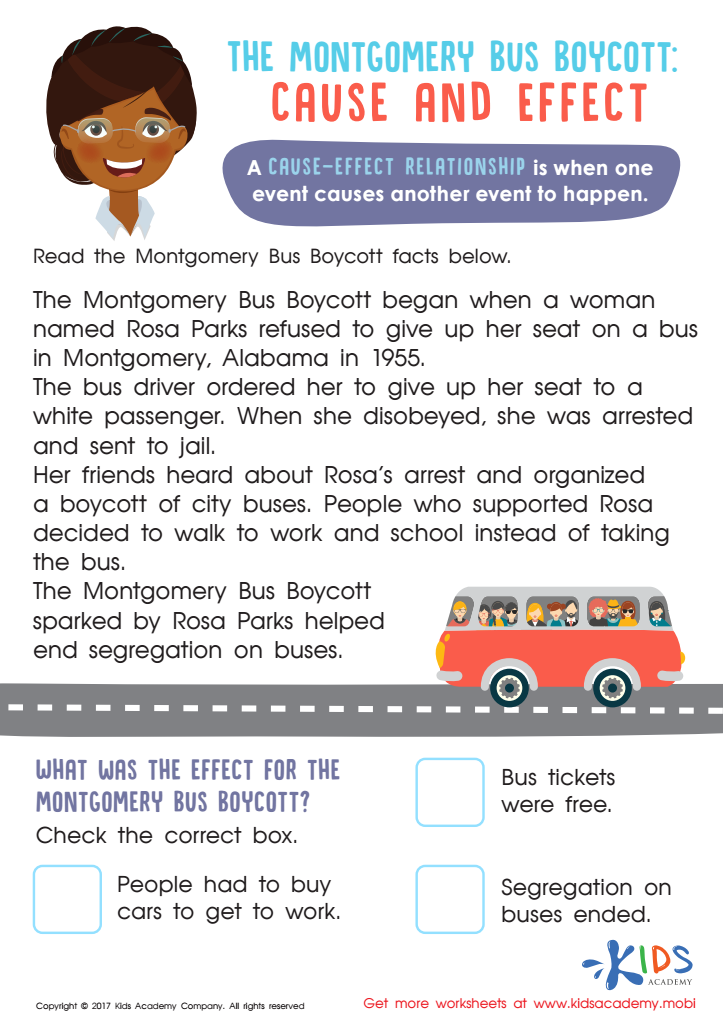
The Montgomery Bus Boycott Cause and Effect Worksheet
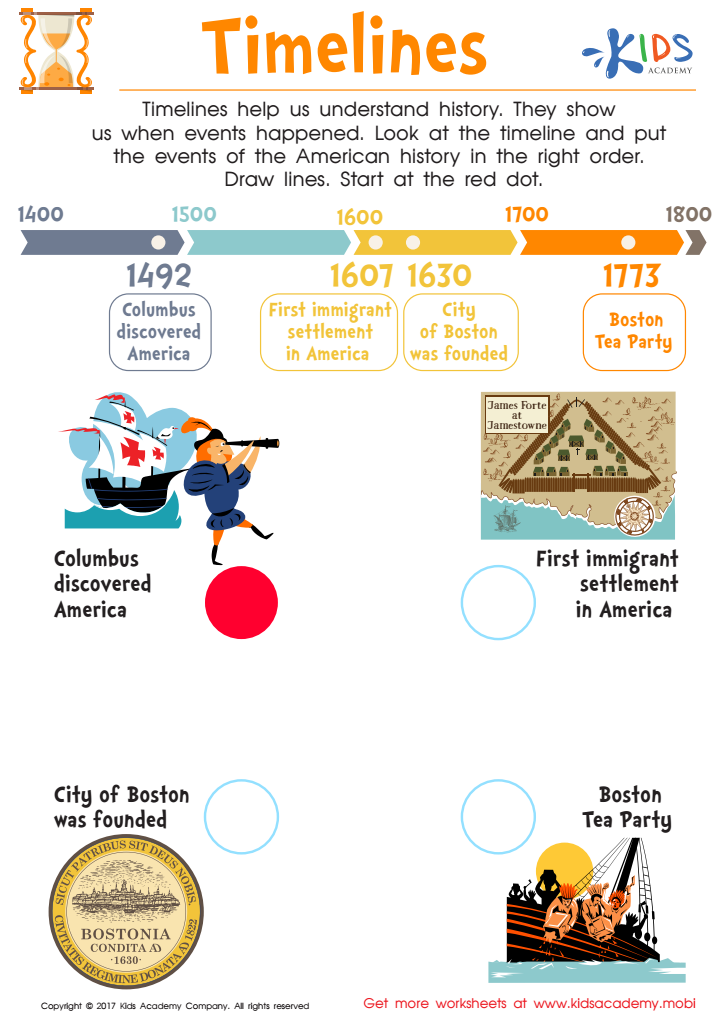
American History Timeline Worksheet
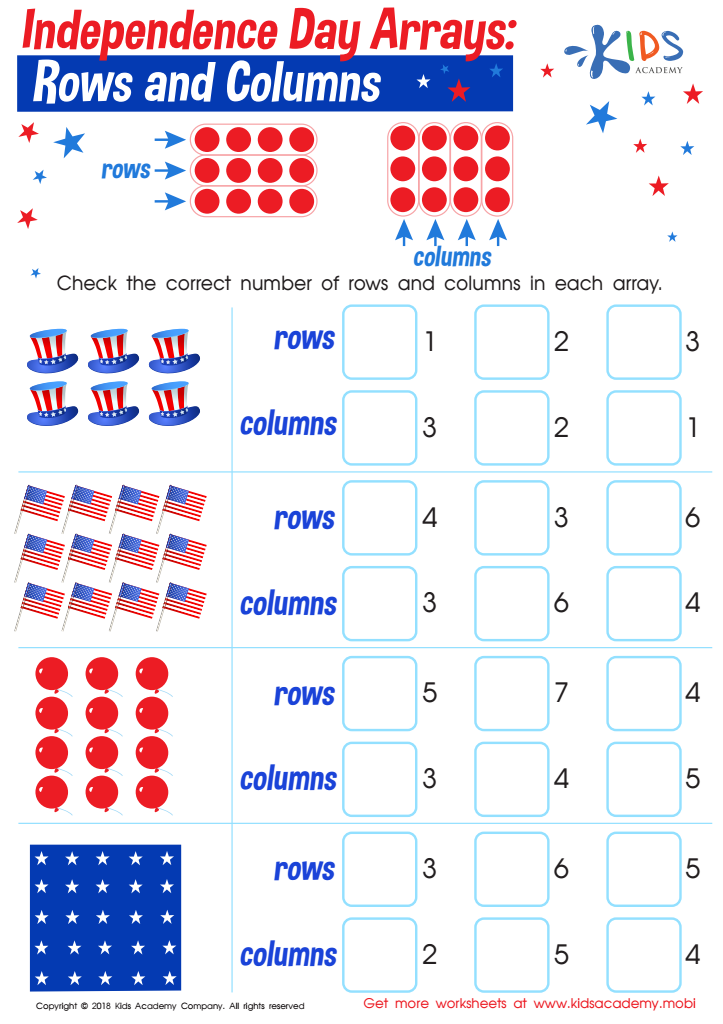
Independence Day Arrays: Rows and Columns Worksheet
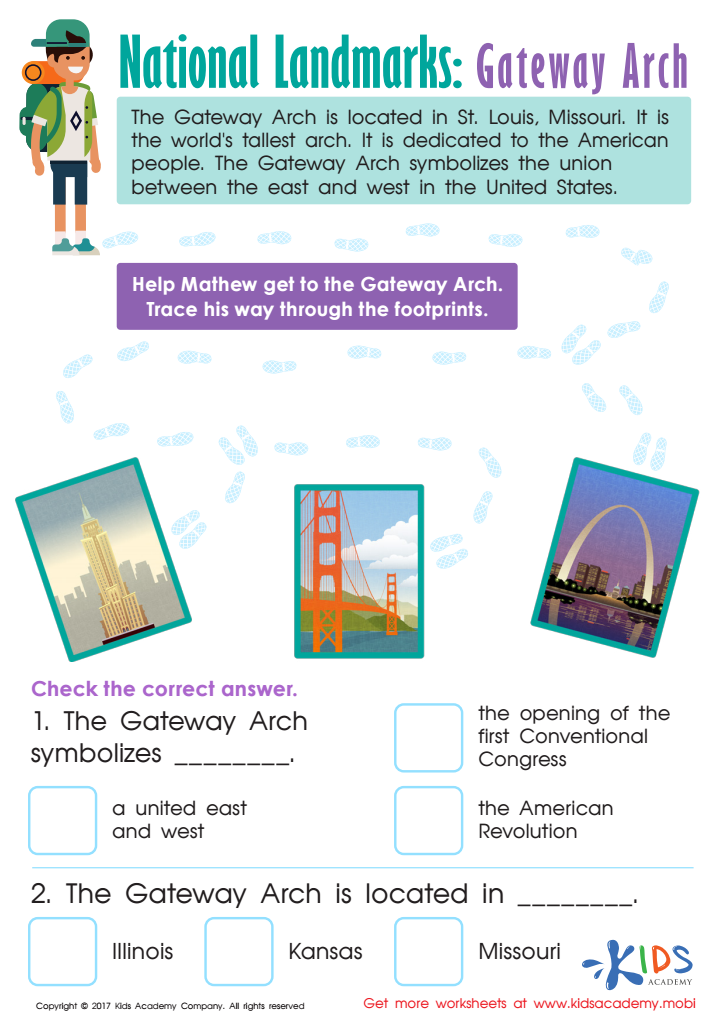
Gateway Arch Printable Worksheet

The Pledge of Allegiance Worksheet
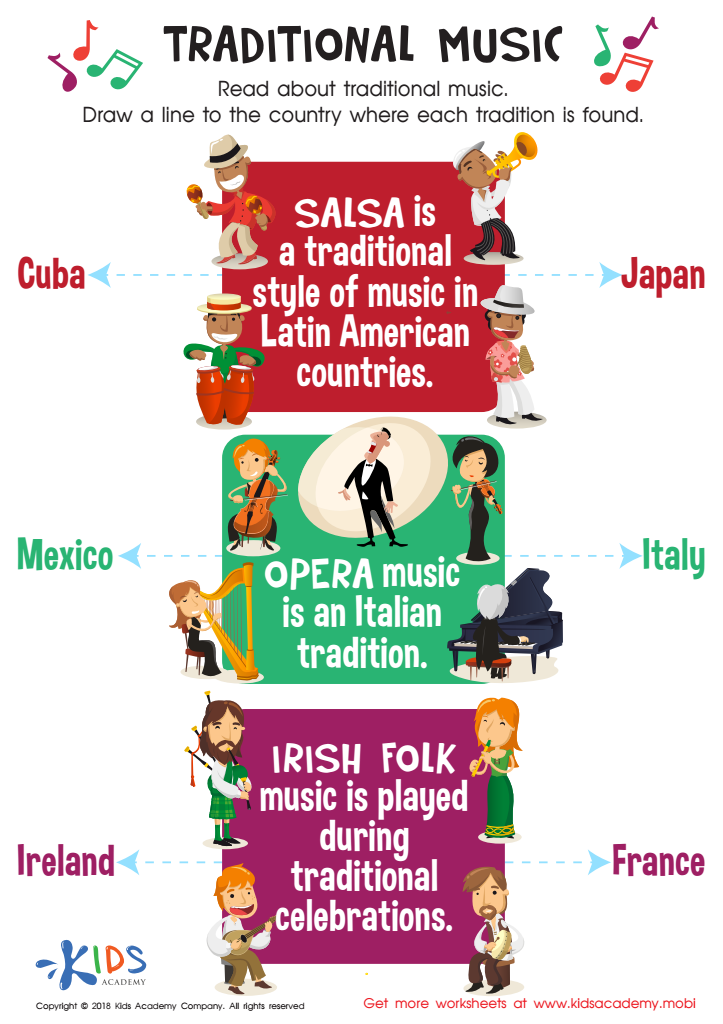
Traditional Music Worksheet
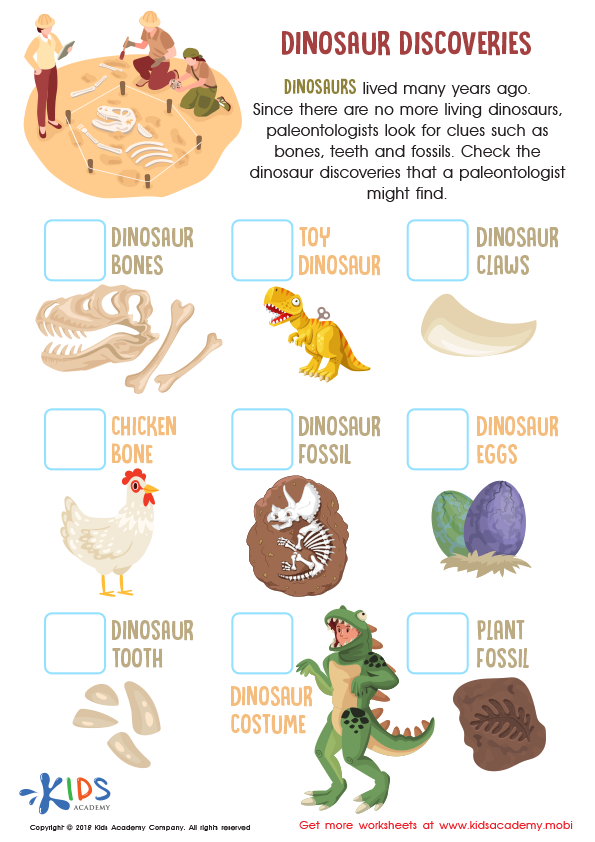
Dinosaur Discoveries Worksheet
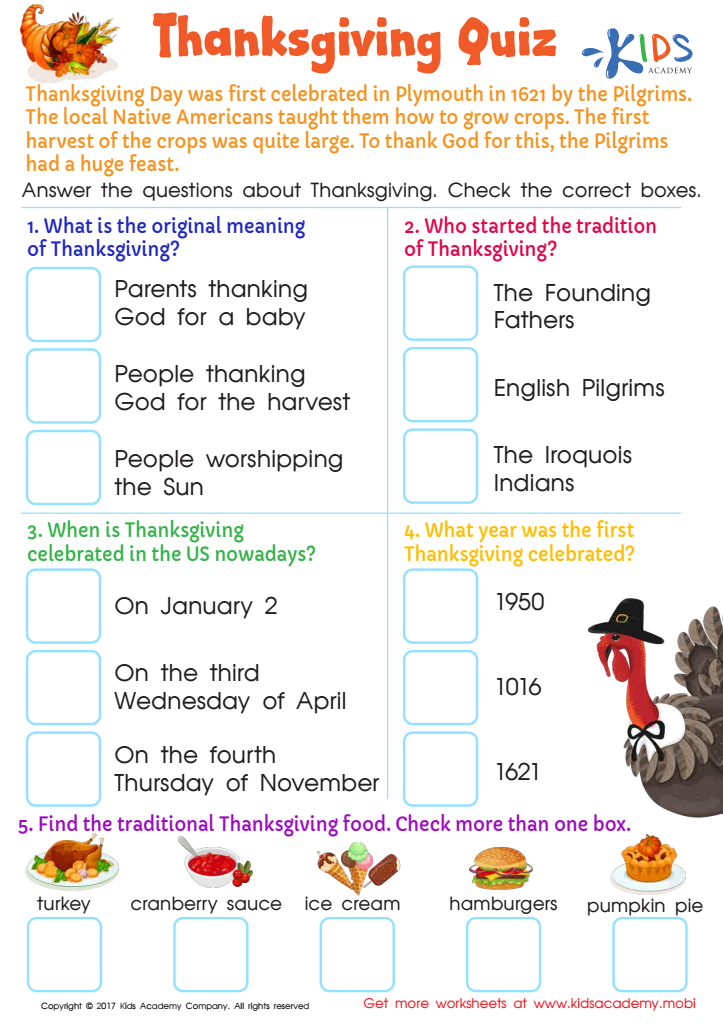
Thanksgiving Quiz Worksheet
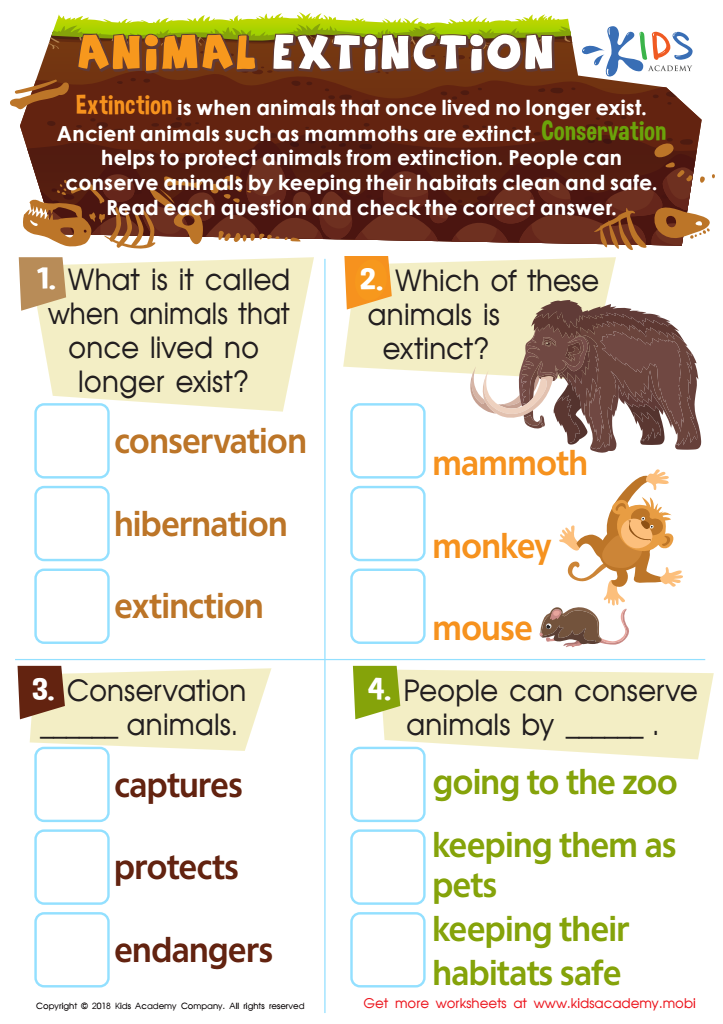
Animal Extinction Worksheet
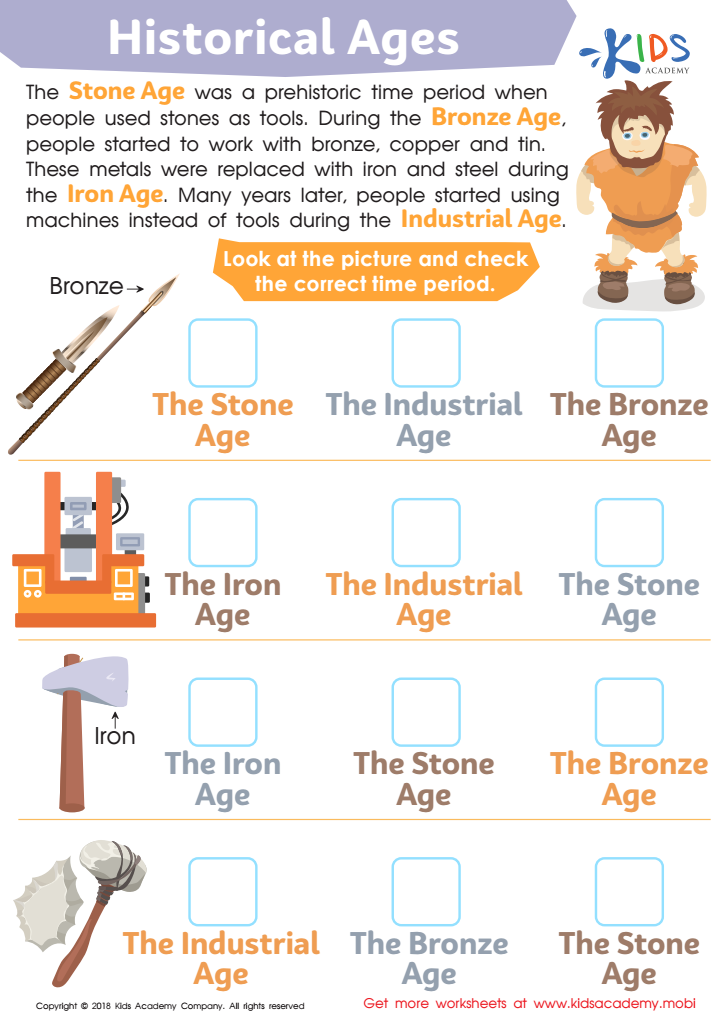
Historical Ages Worksheet
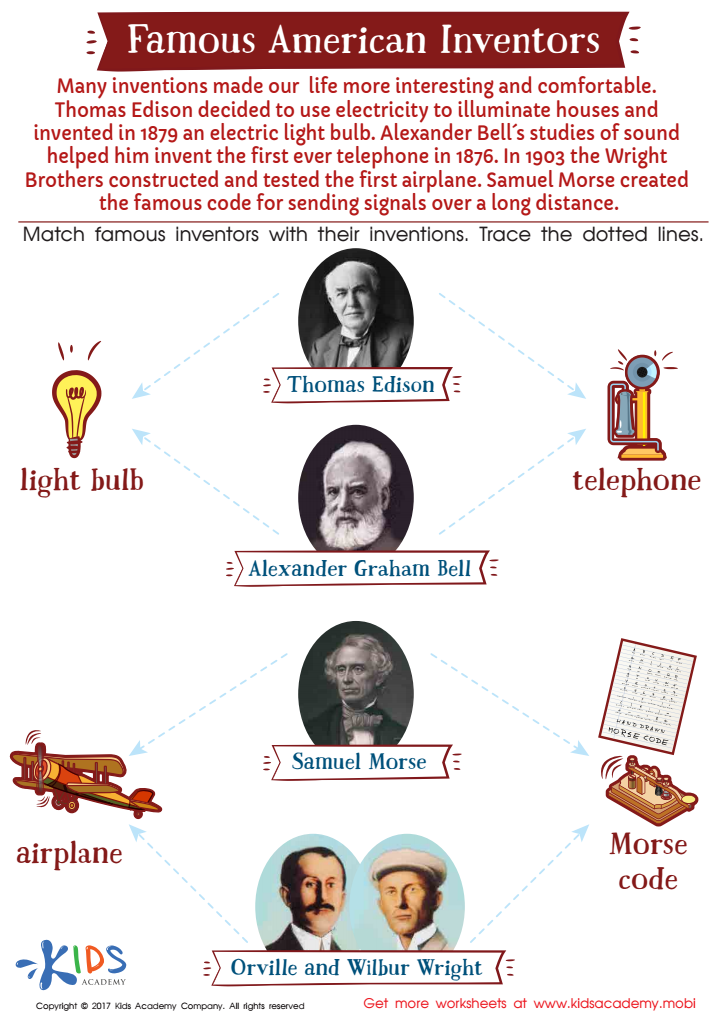
Famous American Inventors Worksheet
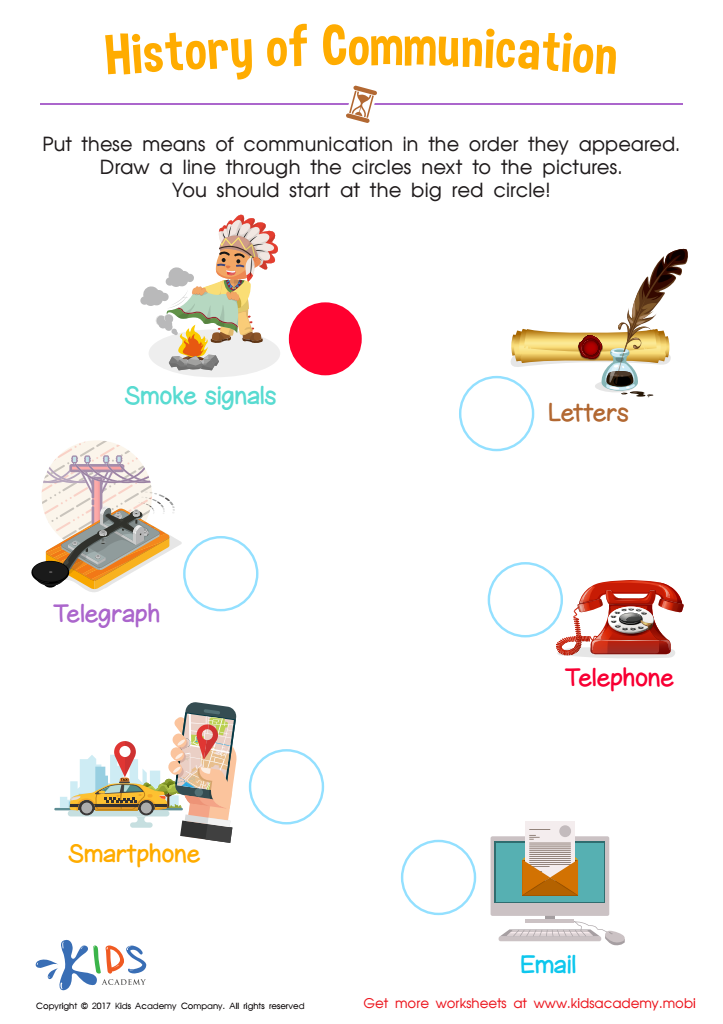
History of Communication Worksheet

Christmas Holiday Worksheet

The Multiplication Mayflower Maze Worksheet
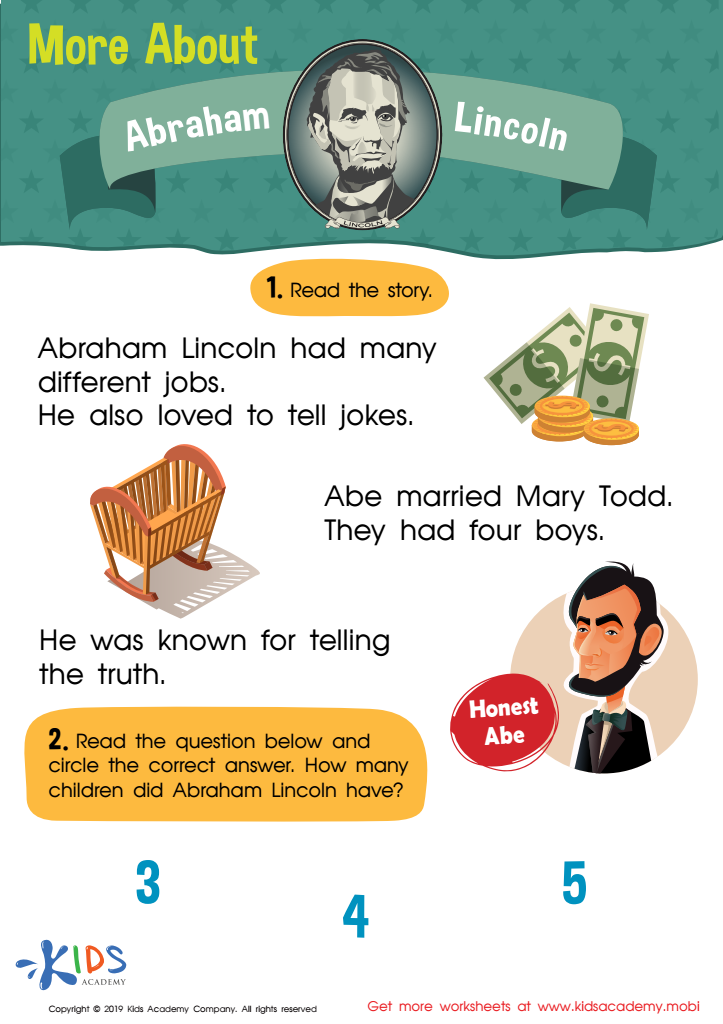
More About Abraham Lincoln Worksheet
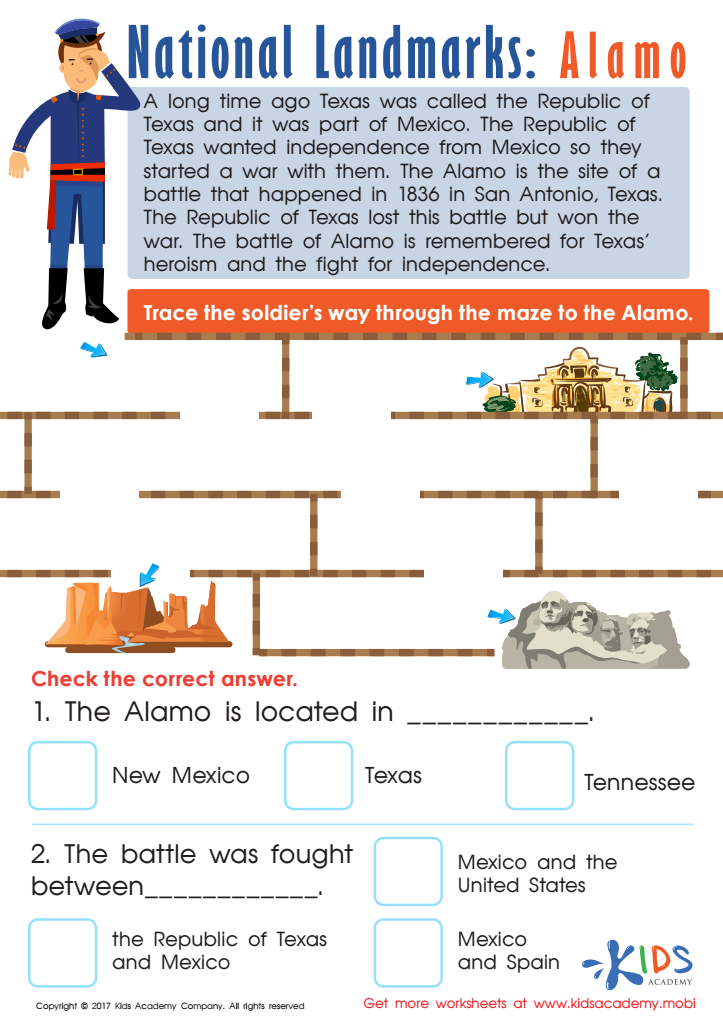
Alamo Printable Worksheet
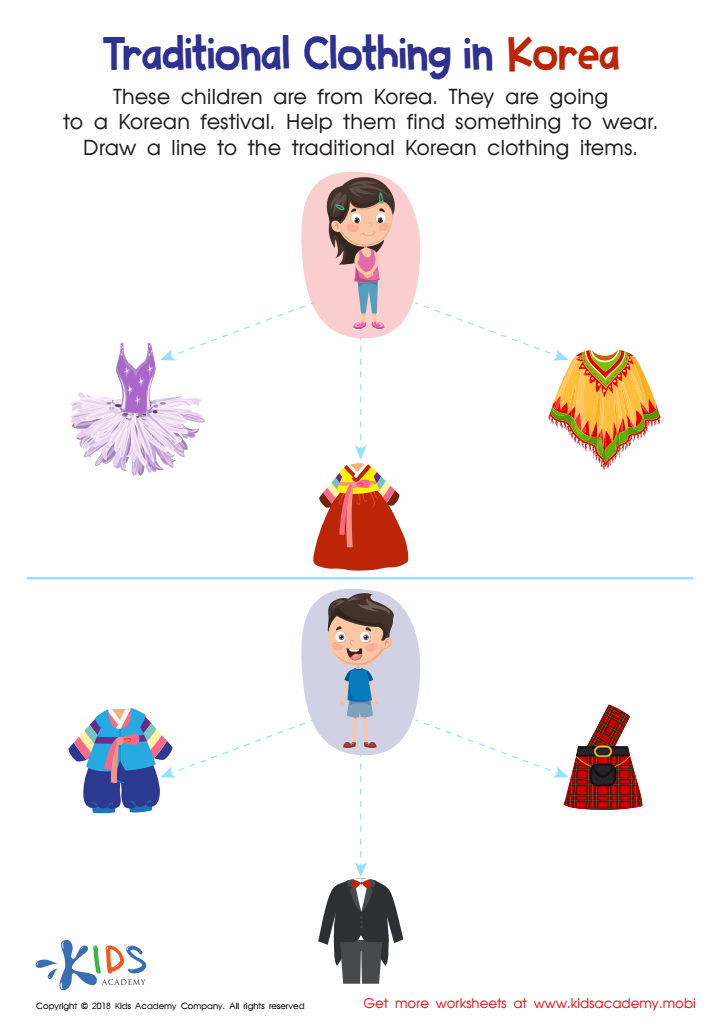
Traditional Clothing in Korea Worksheet
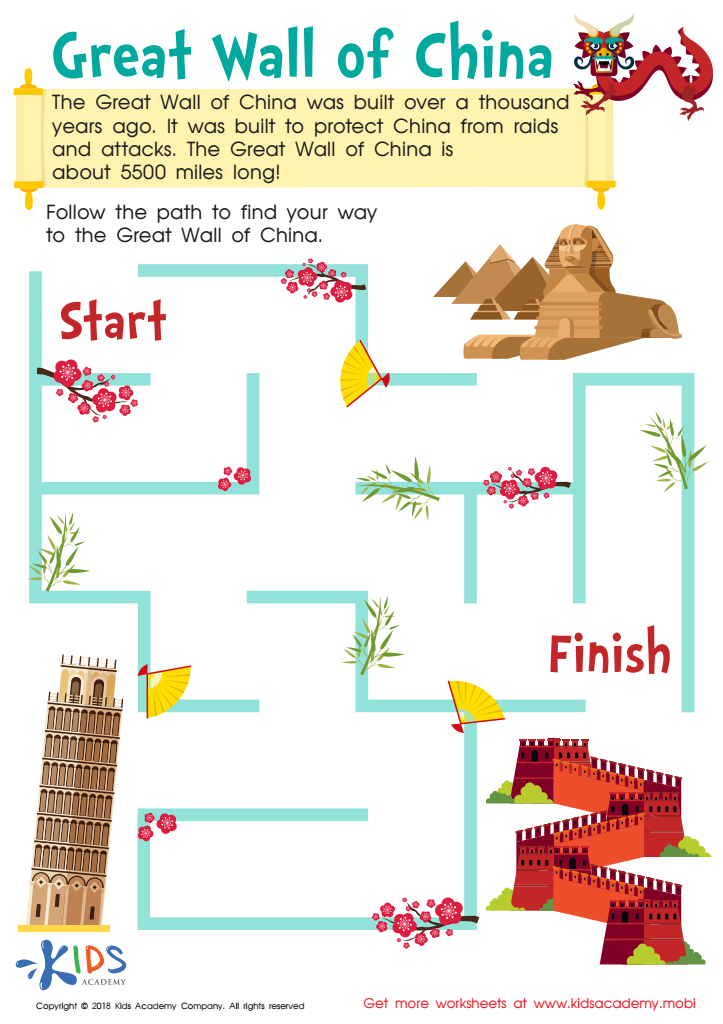
Great Wall of China Worksheet
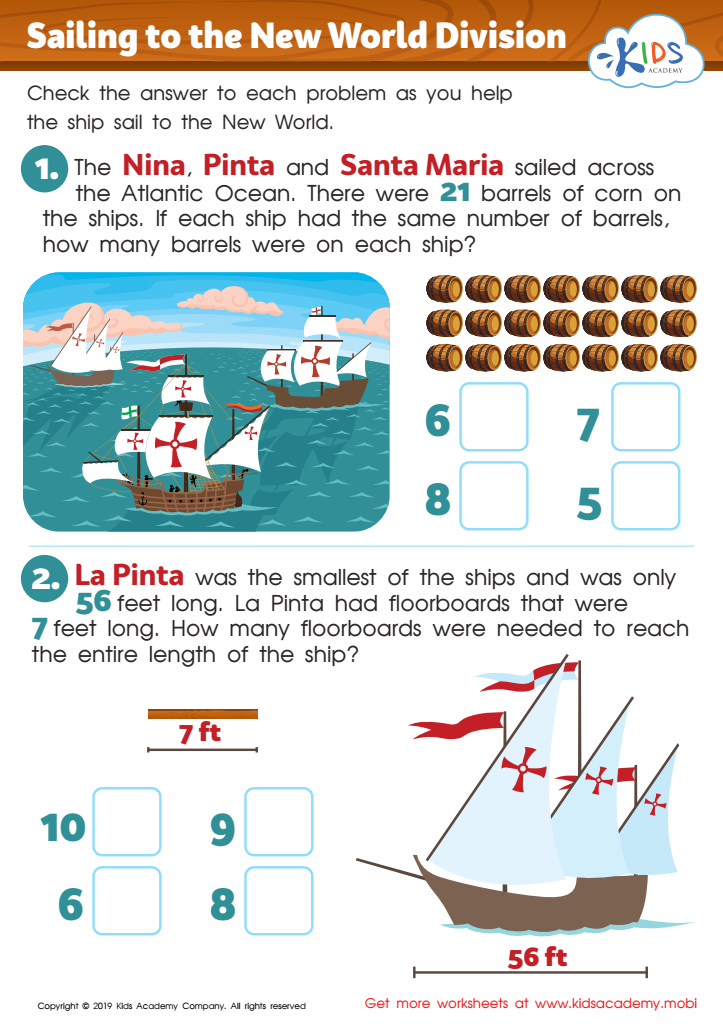
Sailing to the New World Division Worksheet
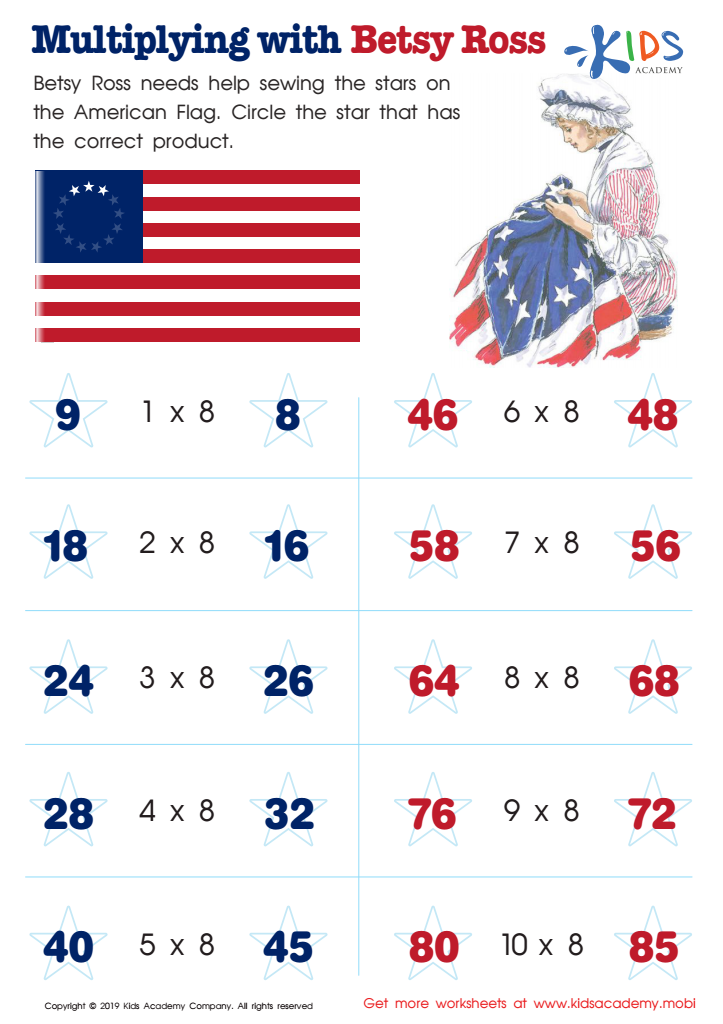
Multiplying with Betsy Ross Worksheet
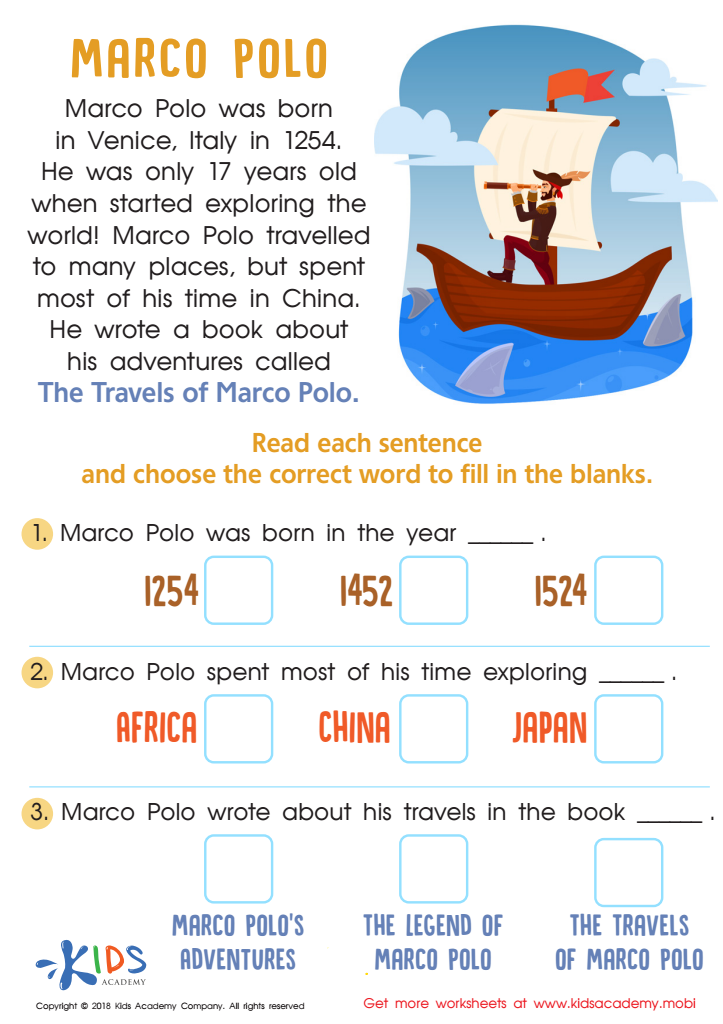
Marco Polo Worksheet
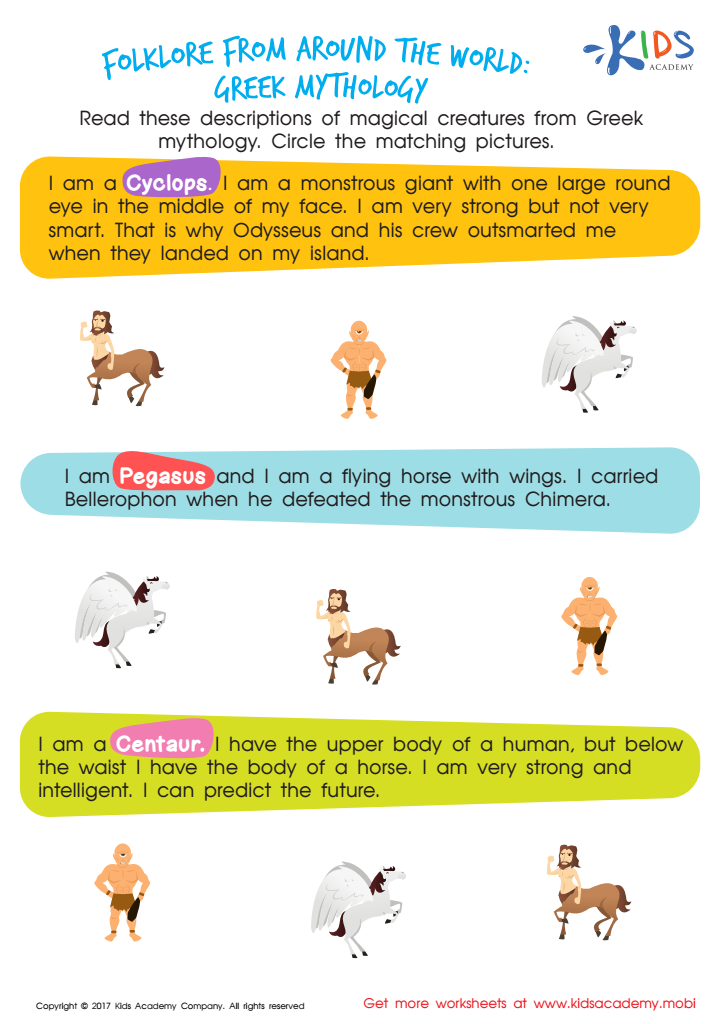
Greek Mythology Worksheet
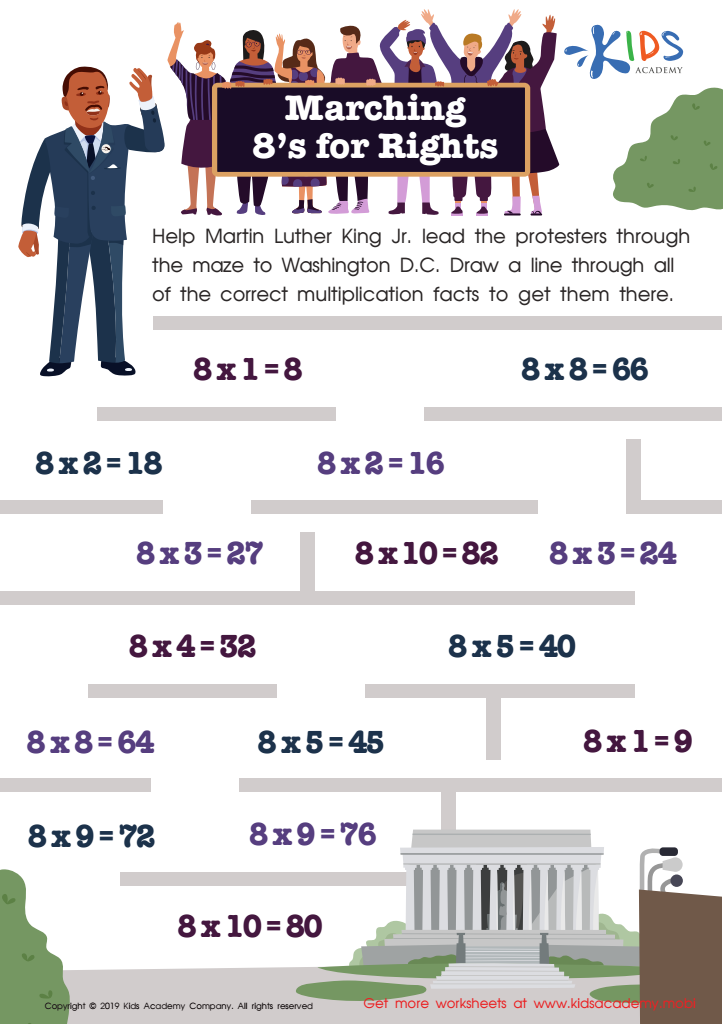
Marching 8’s for Rights Worksheet








Understanding history is crucial for children aged 3-8, as it lays the foundation for their identity, critical thinking, and empathy. During these formative years, children begin to comprehend their surroundings and the diverse world they inhabit. History introduces them to stories of people, places, and cultures, fostering a sense of belonging and curiosity.
When parents and teachers share historical narratives, they help children evolve into informed citizens. Stories about figures who overcame challenges or communities that collaborated to create positive change inspire resilience and cooperation. Learning about past events instills a sense of responsibility in young individuals, encouraging them to be active participants in their communities.
Additionally, history nurtures critical thinking skills by prompting children to ask questions, analyze information, and discern different perspectives. Discussing age-appropriate historical events allows kids to explore values of justice, fairness, and honor, shaping their social behavior positively.
By integrating history into the early years, caregivers and educators not only enrich children's knowledge but also cultivate empathy. Gaining an appreciation for the experiences of others sets the groundwork for a more understanding, inclusive society, one where future generations can thrive together. Engaging with history truly benefits both children and the communities they will grow up in.








