Filters

6 filtered results

Clear all filters
Favorites
With answer key
Interactive

6 filtered results

Difficulty Level

Grade


Explore our engaging Counting Skills Social Studies Worksheets designed for young learners aged 3-8! These worksheets seamlessly integrate foundational math skills with essential social studies concepts, offering a fun way for children to practice counting while discovering their community and world. Through interactive activities, such as counting objects, matching numbers to pictures, and number tracing, students will enhance their numeracy skills while learning about diversity, geography, and citizenship. Ideal for teachers and parents, these worksheets provide valuable resources that promote hands-on learning and critical thinking, preparing your child for future educational success. Start your counting adventure today!

Check out this FREE Trial Lesson on Social Studies for age 3-8!

My Family

Favorites
With answer key
Interactive
  • 3-8
  • Counting skills
  • Social Studies
Presidential Maze Through the 5’s Worksheet

Presidential Maze Through the 5’s Worksheet

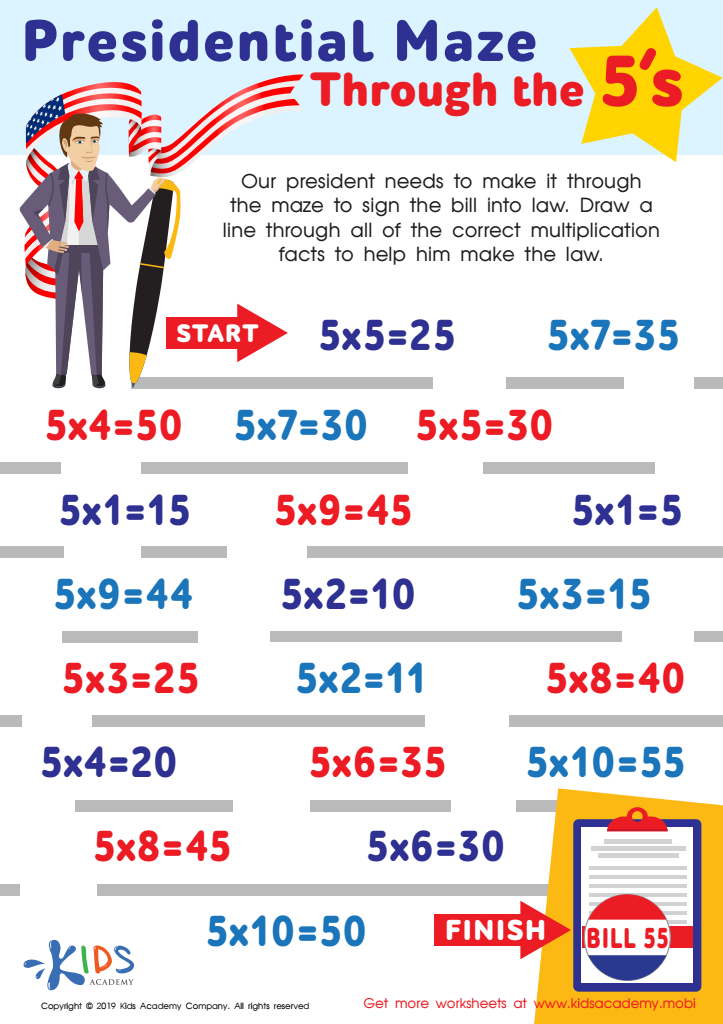
Help your kids draw a line through the right multiplication facts to guide the state's President to sign the bill into law. This is a big responsibility - the President has been elected to make decisions on behalf of the people and has the power to make laws and sign them.
Presidential Maze Through the 5’s Worksheet
Worksheet
Let's Look! Assessment Worksheet

Let's Look! Assessment Worksheet

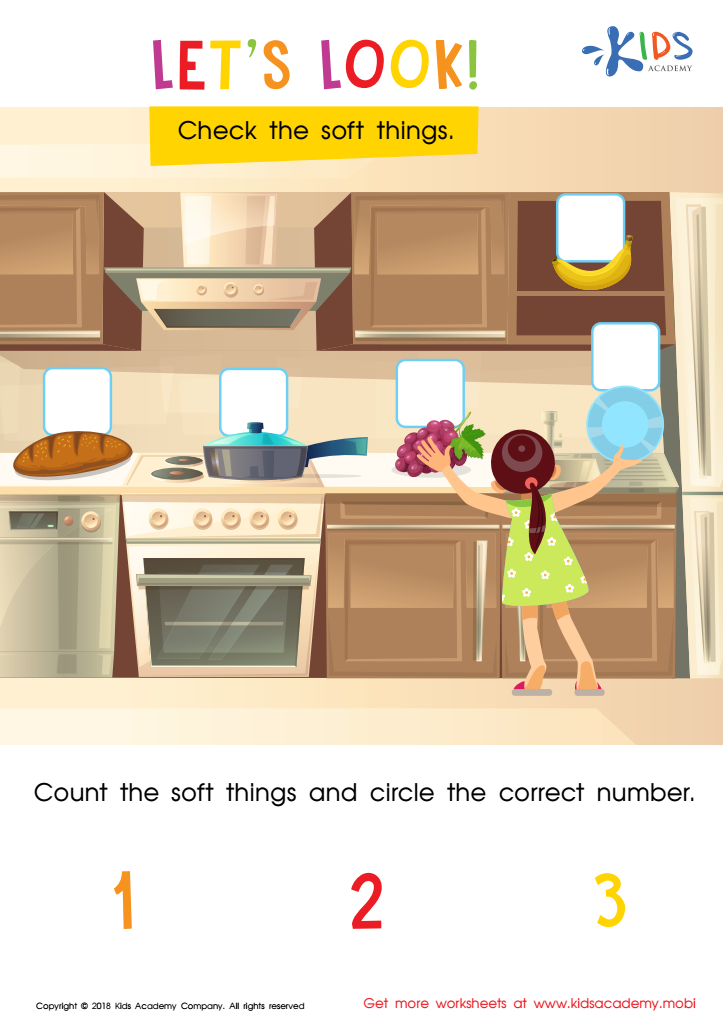
Have your child look at the picture in the printout and name the objects. Ask which ones are soft and hard and have them count the soft objects and circle the number. This worksheet will engage your child's thinking and teach them about texture.
Let's Look! Assessment Worksheet
Worksheet
Let's Check! Assessment Worksheet

Let's Check! Assessment Worksheet

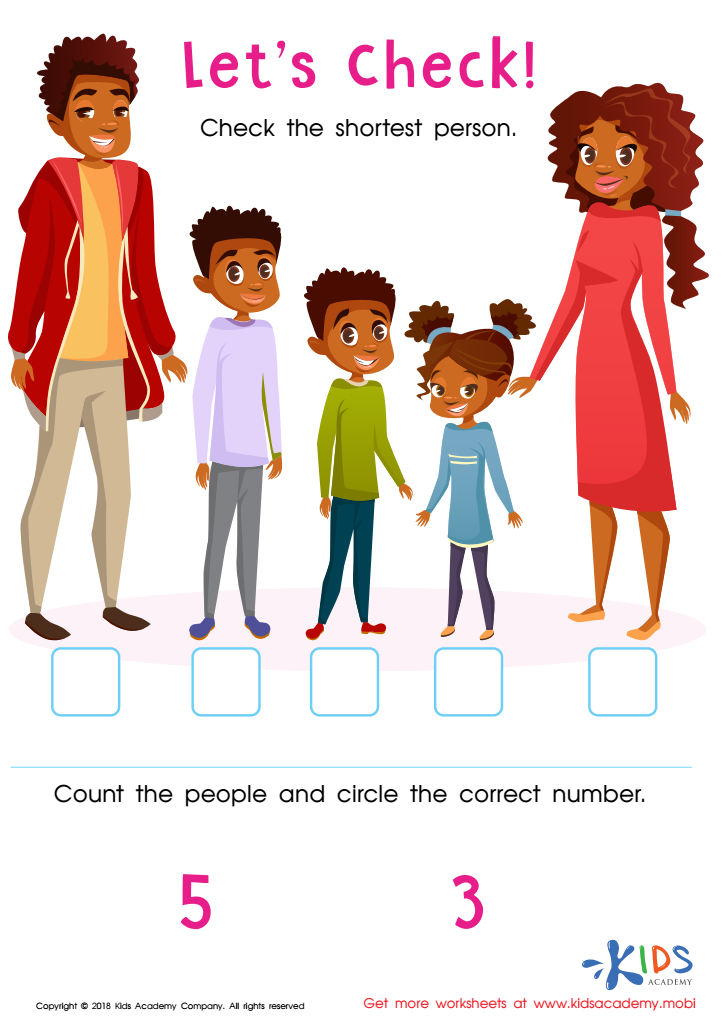
Check your child's understanding of height with this worksheet. Ask them to sort the objects in order of size and identify the tallest and shortest member of the family in the picture. See if they can correctly arrange the items from tallest to shortest.
Let's Check! Assessment Worksheet
Worksheet
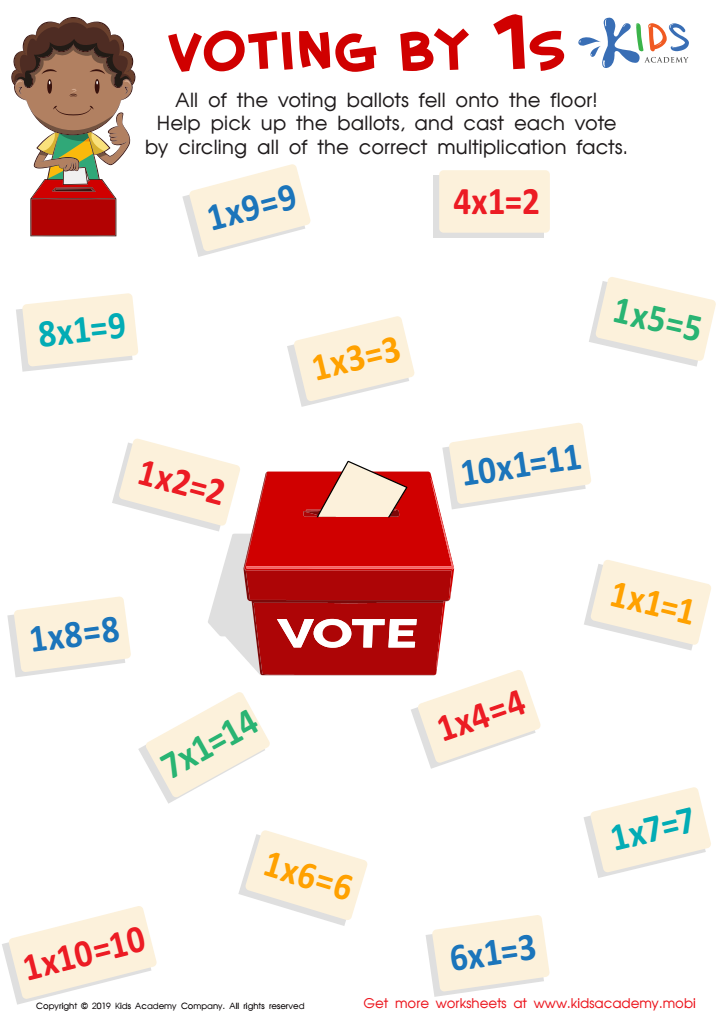
Voting by 1s Worksheet

Voting by 1s Worksheet

Ask your child if they can list duties of a good citizen. These include voting, to elect right leaders. With this worksheet, the voting ballots have fallen to the floor! Help your kids pick them up and cast each vote by circling the correct multiplication facts.
Voting by 1s Worksheet
Worksheet
Earth's Systems: Assessment 2

Earth's Systems: Assessment 2

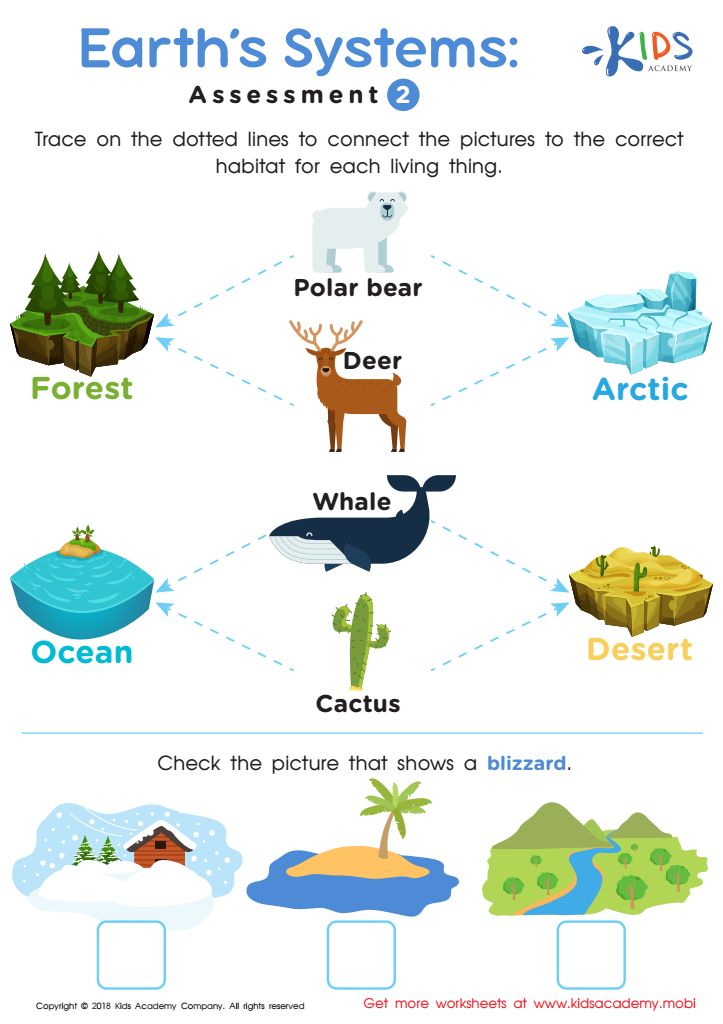
Kids will love this free printable worksheet to assess their knowledge of habitats and the living creatures found in them. They'll trace the dotted lines to connect the pictures of plants and animals to their respective habitat and identify the type of weather depicted. No, polar bears don't live in the ocean, but they do like to swim in icy waters! With this fun activity, your little learner will master earth science basics.
Earth's Systems: Assessment 2
Worksheet
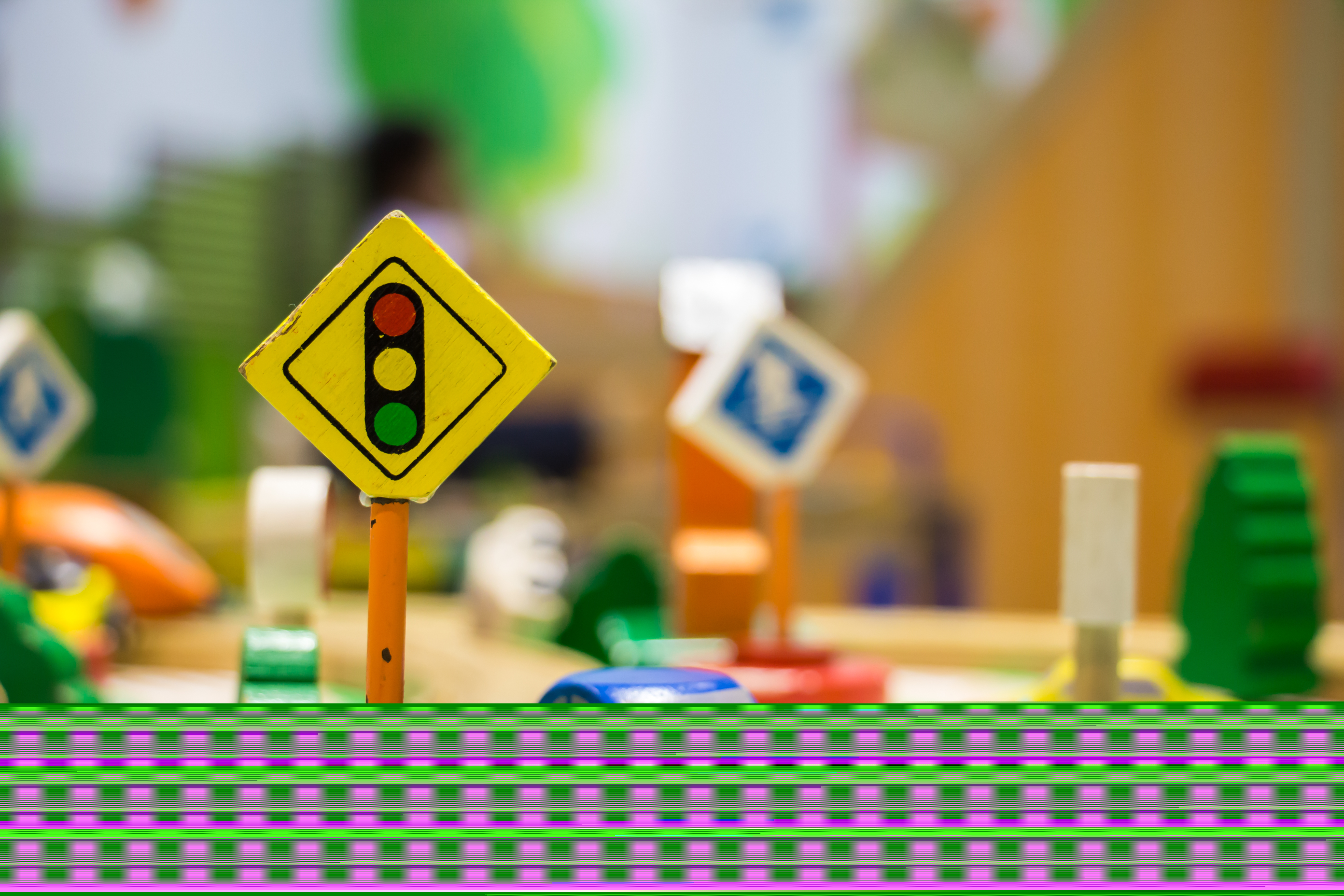
Marching 8’s for Rights Worksheet

Marching 8’s for Rights Worksheet

Encourage your students to explore MLK's history! This worksheet provides the perfect opportunity. Help them understand his contributions by having them "march" MLK from the starting point to Washington D.C. Have them draw a line through the correct multiplication facts to get there. It's an enjoyable way for kindergartners to learn about a key part of history.
Marching 8’s for Rights Worksheet
Worksheet


Counting skills in the context of Social Studies for children aged 3-8 are essential not just for mathematical development but also for enhancing social and cognitive understanding. First and foremost, counting is a foundational skill that helps children make sense of the world around them. Whether it's taking turns in a game or distributing snacks among friends, the ability to count fosters cooperation and sharing.

Additionally, integrating counting into Social Studies can help students grasp concepts like community, diversity, and culture. For example, counting different cultural artifacts or individuals within a classroom can promote discussions about diversity and inclusion. This understanding nurtures empathy and respect for others.

Moreover, learning to count improves children's problem-solving abilities. They learn to manage resources and understand spatial relationships in social settings, essential skills that translate into everyday interactions. By engaging in activities that combine counting and Social Studies, parents and teachers foster an environment where academic skills intertwine with social-emotional learning.

Thus, incorporating counting skills into Social Studies not only enhances mathematical proficiency but also builds a strong foundation for a child's social development, encouraging them to become well-rounded, compassionate individuals.