Fine Motor Skills Social Studies Worksheets for Ages 3-8
9 filtered results
-
From - To
Discover an engaging collection of Fine Motor Skills Social Studies Worksheets designed for ages 3-8 at Kids Academy. Our carefully crafted worksheets combine crucial fine motor skill development with interactive social studies content, helping young learners enhance their coordination while exploring the world around them. Encourage creativity and learning with activities that include tracing, cutting, and coloring, all aligned with age-appropriate social studies themes. Perfect for home or classroom use, these worksheets also foster early understanding of community, geography, and cultural concepts. Boost your child's fine motor skills and social studies knowledge with Kids Academy's comprehensive worksheets today.

Happy Diwali Printable
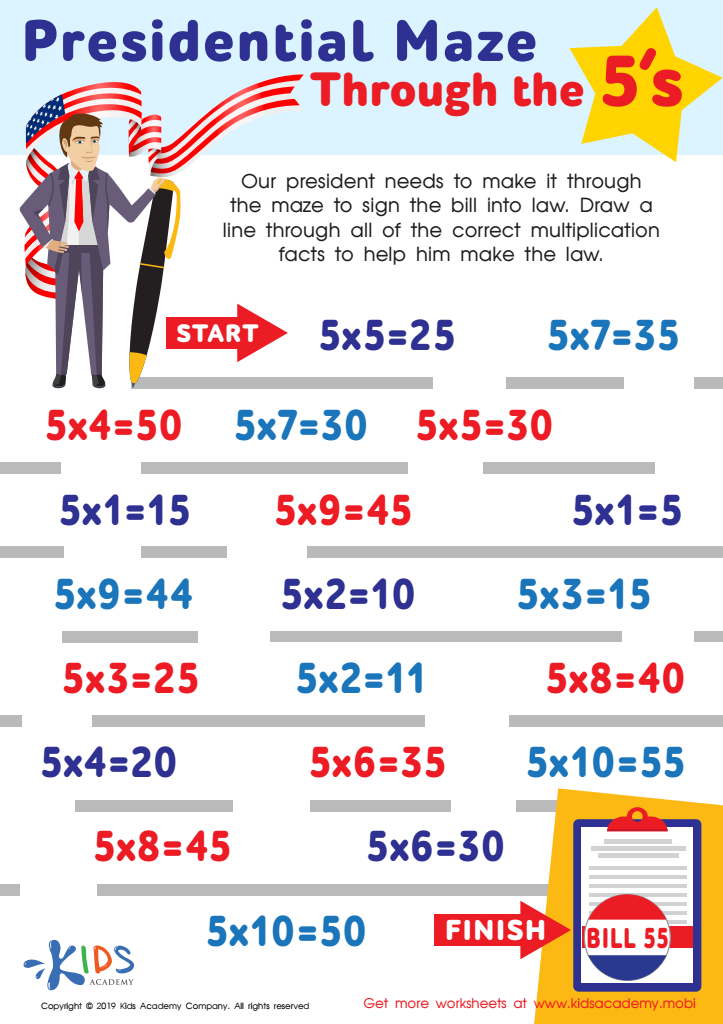
Presidential Maze Through the 5’s Worksheet
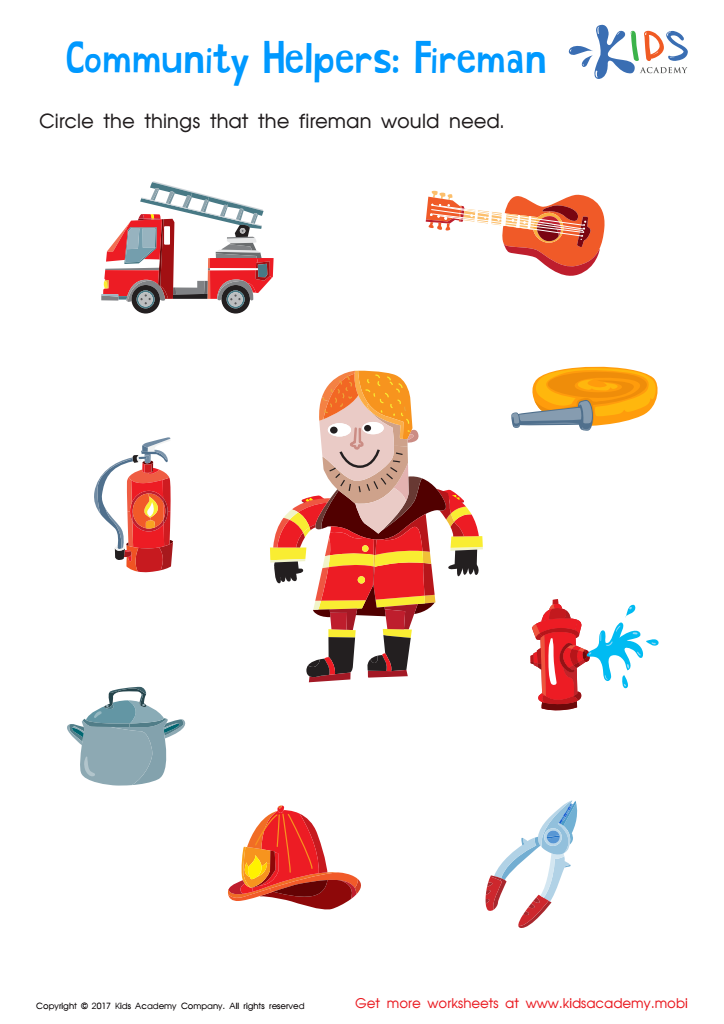
Fireman Worksheet

Easter Holiday Printable

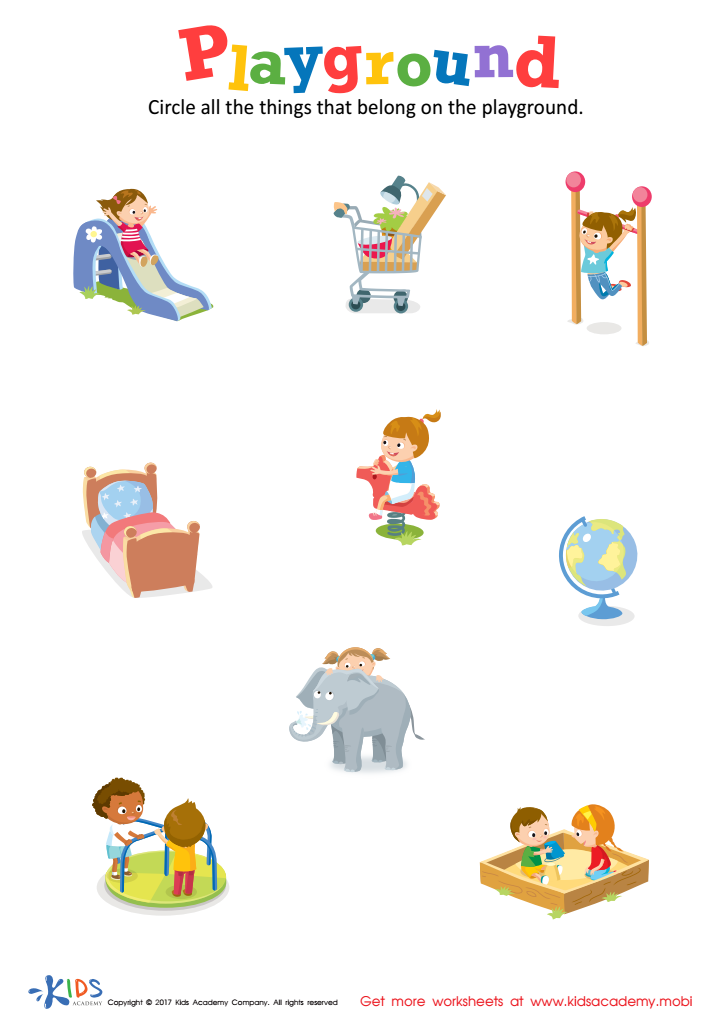
Playground Worksheet
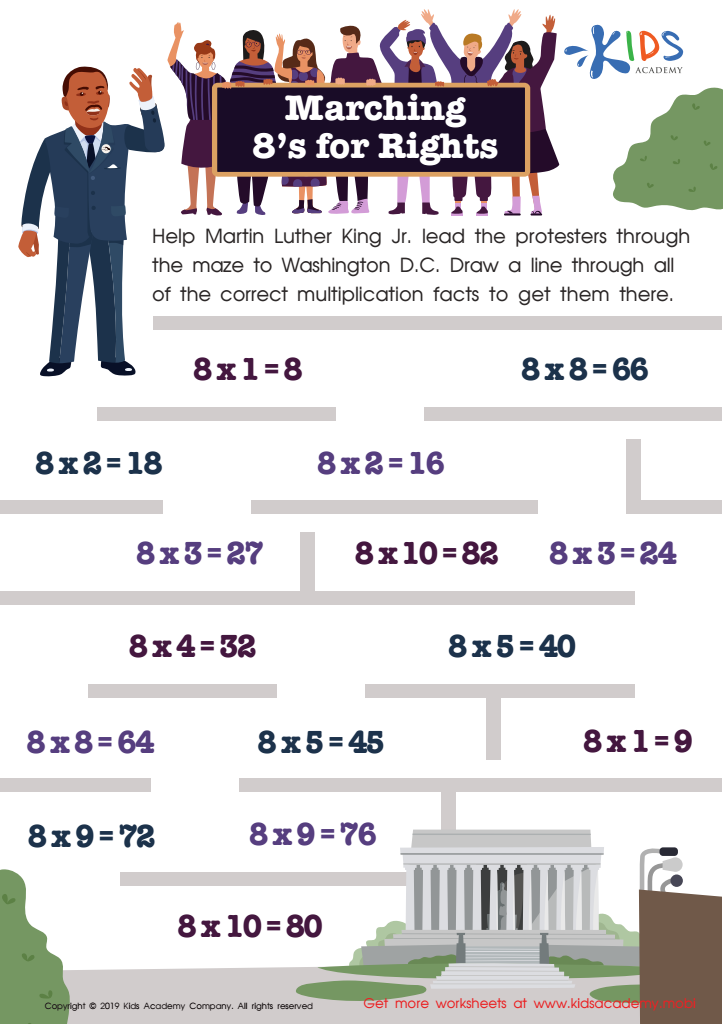
Marching 8’s for Rights Worksheet
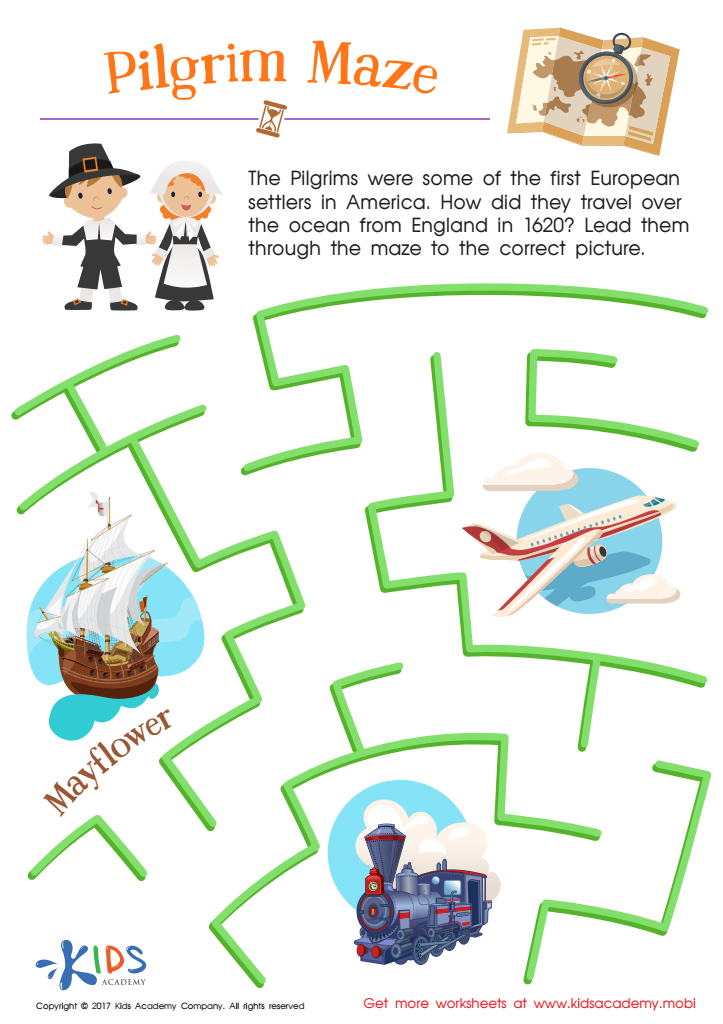
Pilgrim Maze Worksheet

Globe Coloring Page Worksheet
 Assign to My Students








Fine motor skills are crucial for young children, particularly between the ages of 3-8, as they significantly contribute to their overall development and academic success. These skills involve the small muscles in the hands and fingers, which are essential for tasks like writing, cutting with scissors, and manipulating small objects. By practicing and improving fine motor skills, children gain better hand-eye coordination and dexterity, which directly impacts their ability to perform everyday tasks and succeed in school.
Incorporating fine motor activities within the framework of social studies is a strategic way to engage young learners. Social studies introduce children to concepts of community, culture, and history, laying the groundwork for understanding the world around them. When fine motor skills are integrated into these lessons, children are not only learning content but also refining essential physical abilities.
For instance, creating dioramas of historical events, constructing simple maps, or engaging in arts and crafts related to cultural studies combine academic learning with fine motor development. This multi-disciplinary approach nurtures cognitive growth as children connect hands-on activities with academic content.
Parents and teachers should prioritize these skills as they not only support academic readiness and cognitive advancement but also foster confidence and independence in children, equipping them with lifelong abilities advantageous far beyond the classroom.