Space Worksheets for Ages 3-8
6 filtered results
-
From - To
Explore the wonders of the universe with our engaging Space Worksheets designed for children aged 3 to 8! Perfect for young learners, these worksheets introduce exciting concepts about planets, stars, and spacecraft through colorful illustrations and fun activities. Kids will enjoy tracing, coloring, and solving puzzles while discovering fascinating facts about our solar system. Our resources promote early literacy, fine motor skills, and critical thinking through hands-on learning experiences. Whether at home or in the classroom, these worksheets offer a delightful way to spark curiosity and inspire a love for space. Dive into the cosmos and watch your child's imagination soar!
 Assign to My Students
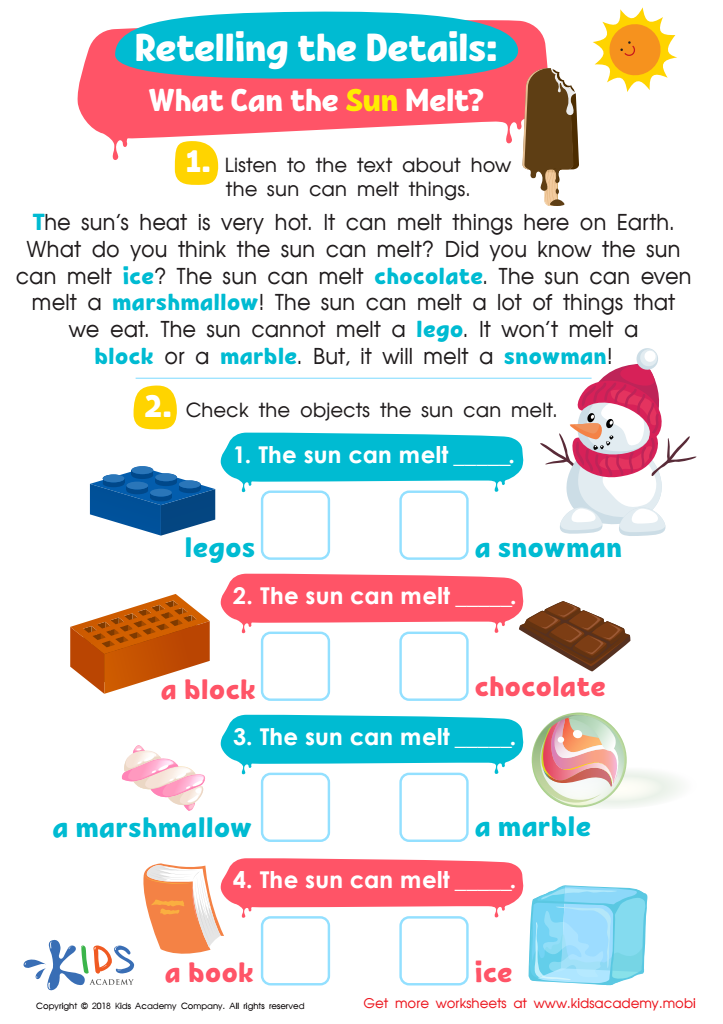
Retelling the Details: What Can the Sun Melt? Worksheet
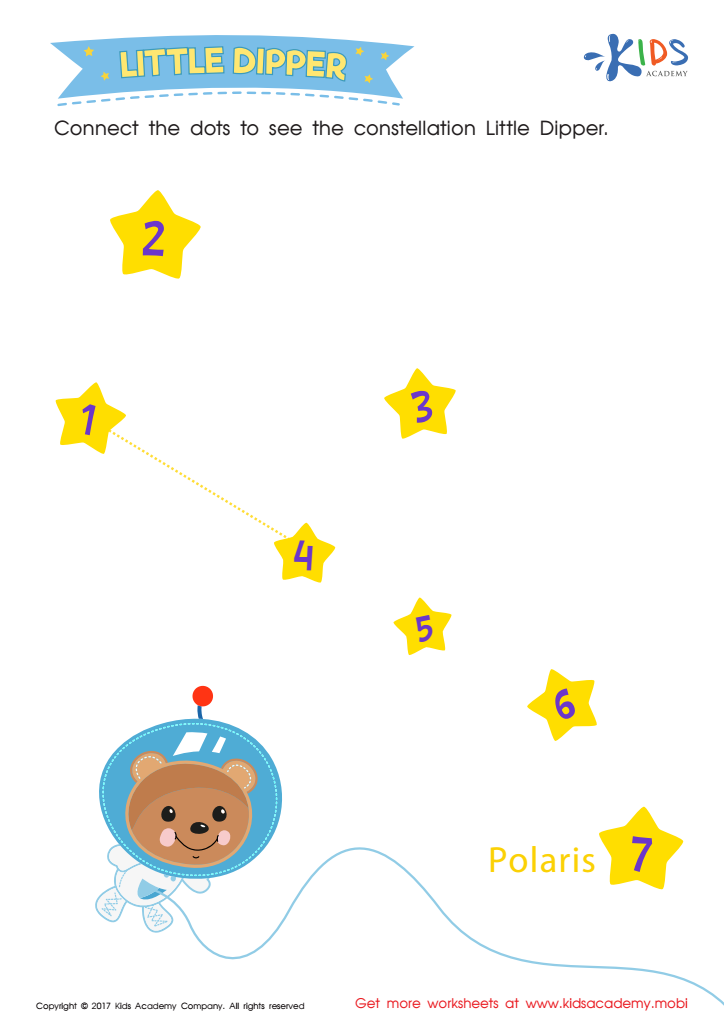
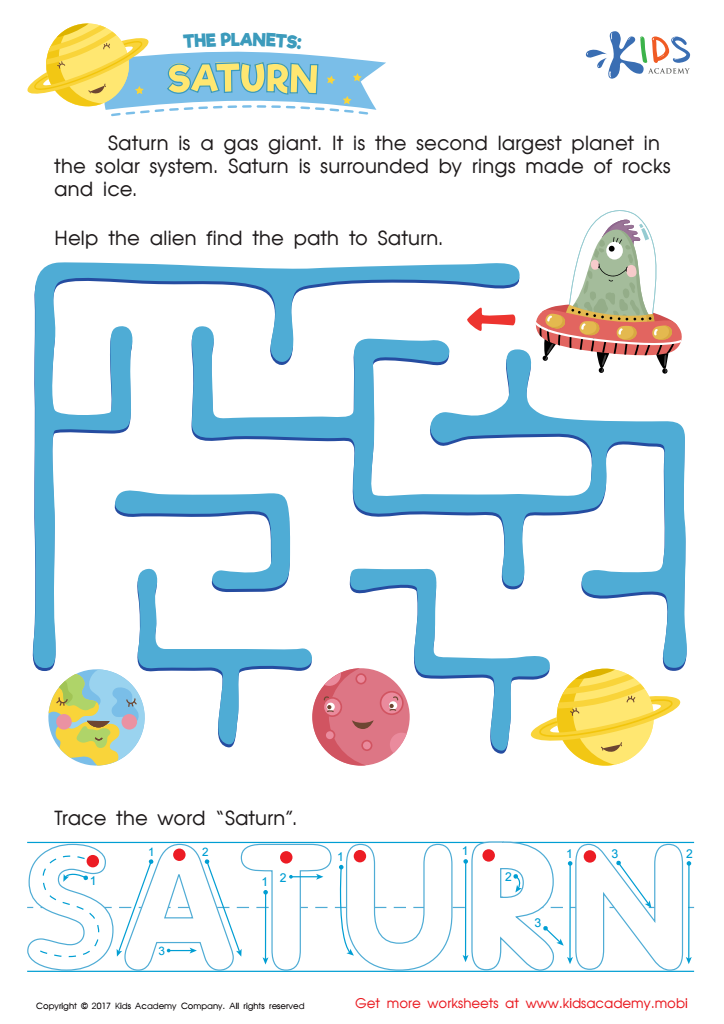
The Planets: Saturn Printable
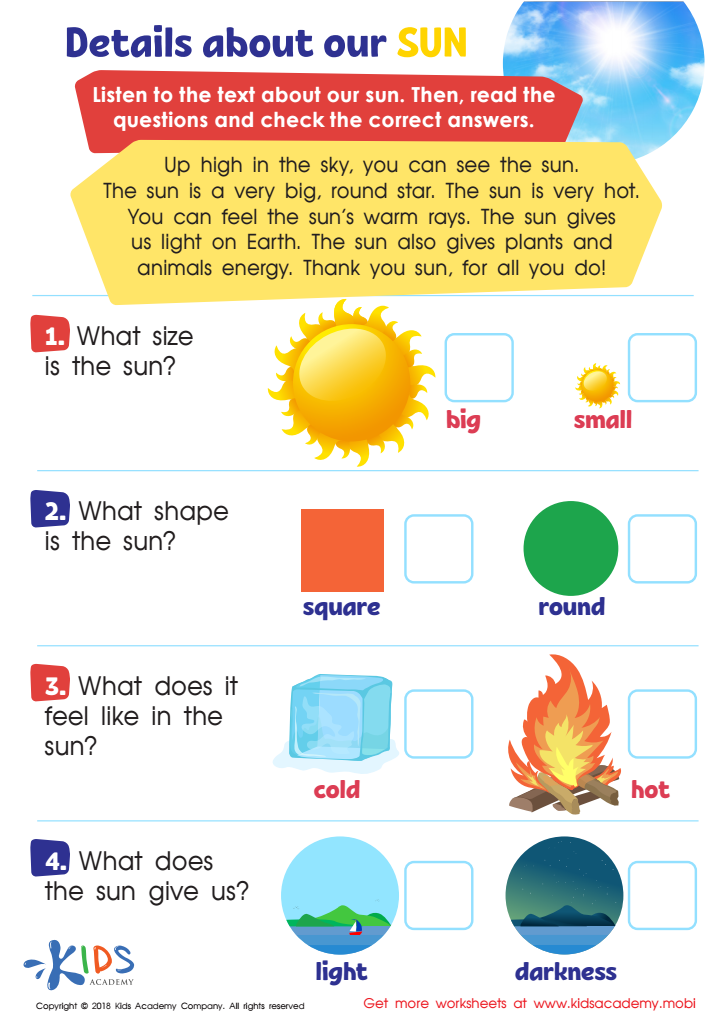
Details About Our Sun Worksheet






Parents and teachers should care about space education for children ages 3-8 because it ignites curiosity and fosters a love for learning. Engaging with the wonders of space can expand young minds, stimulating imagination and creativity. At this age, children are inherently curious, and introducing them to concepts about planets, stars, and the universe can provide a spark for critical thinking and problem-solving skills.
Space topics can also support important developmental milestones. Learning about the universe can enhance language skills through the introduction of new vocabulary and encourage social skills when children discuss their discoveries with peers and adults. Additionally, space exploration can serve as a gateway to STEM (Science, Technology, Engineering, and Mathematics) education, laying the foundation for future interest in these fields.
Creating hands-on activities, such as crafting simple rockets or stargazing, can unite family and classroom, fostering a collaborative learning environment. This not only enriches the educational experience but also strengthens bonds among children, parents, and educators. Ultimately, supporting space education helps nurture informed, curious, and innovative future generations who will continue to explore beyond our world.