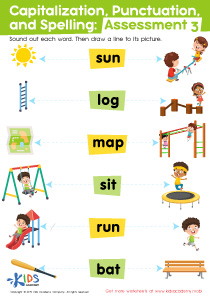
Grammar Worksheets for Ages 3-8 - Page 9
214 filtered results
-
From - To
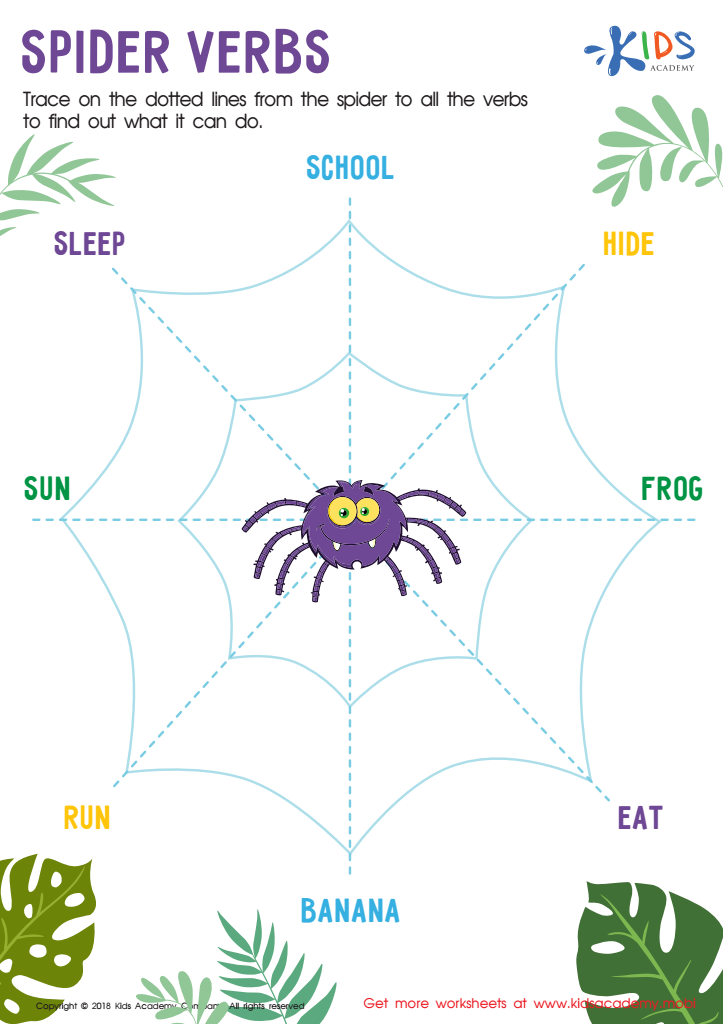
Spider Verbs Worksheet
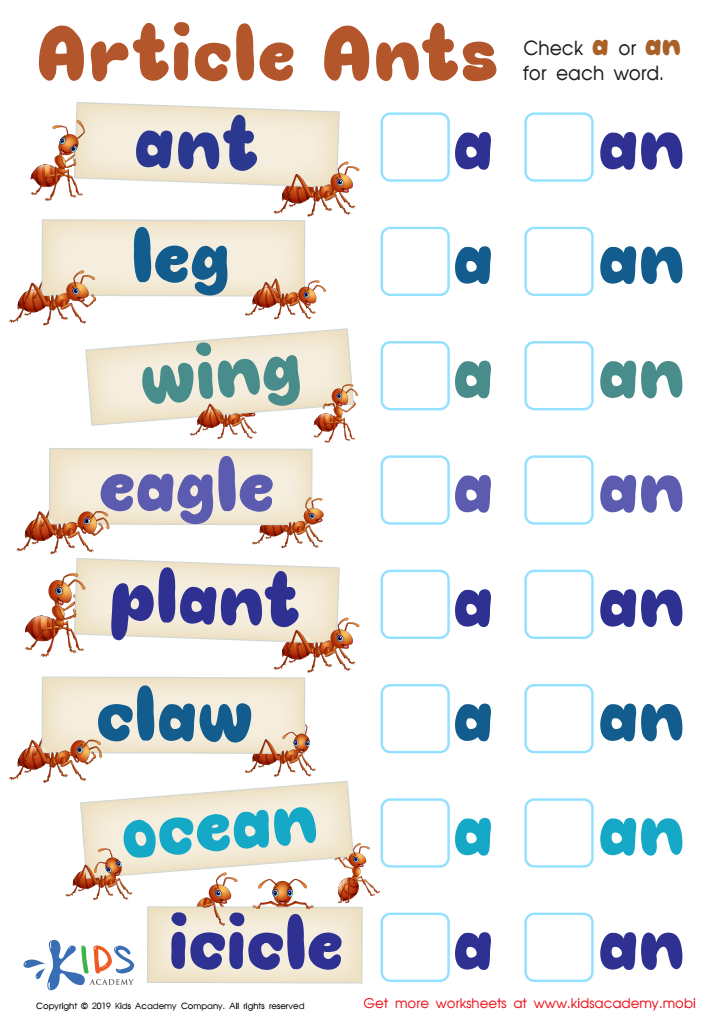
Article Ants Worksheet
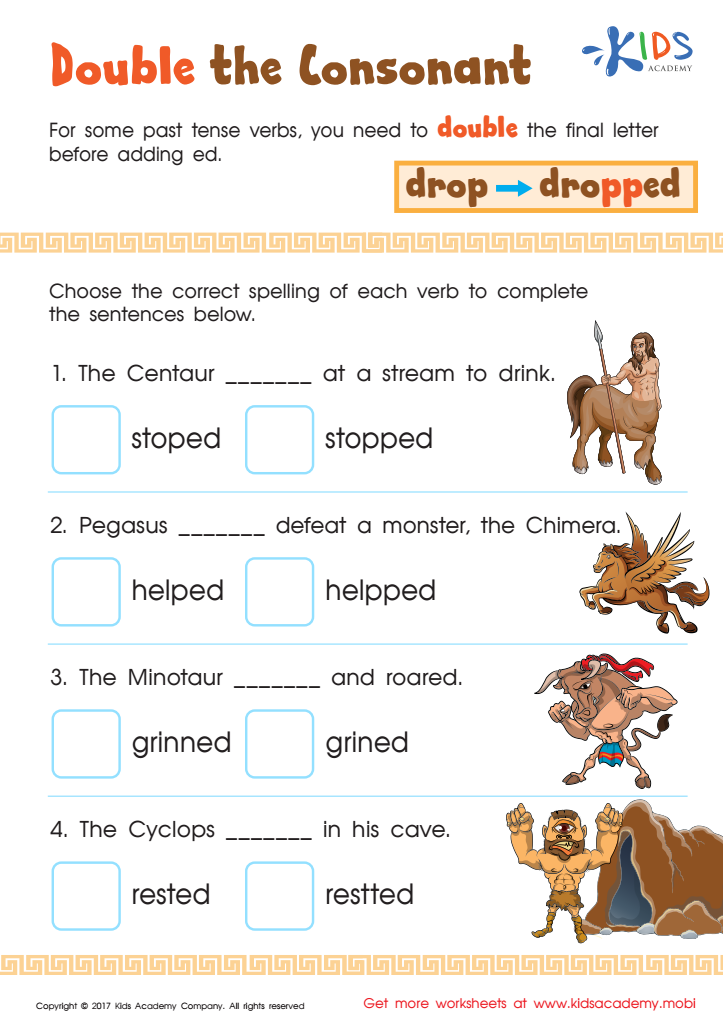
Double Consonant Spelling Worksheet
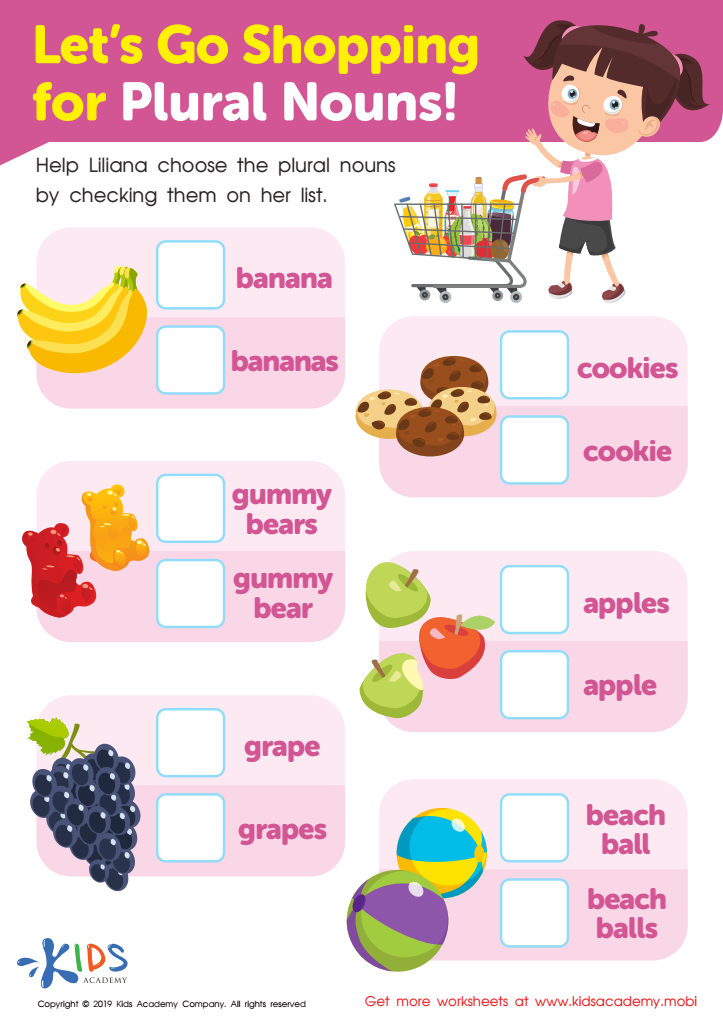
Let's Go Shopping for Plural Nouns! Worksheet
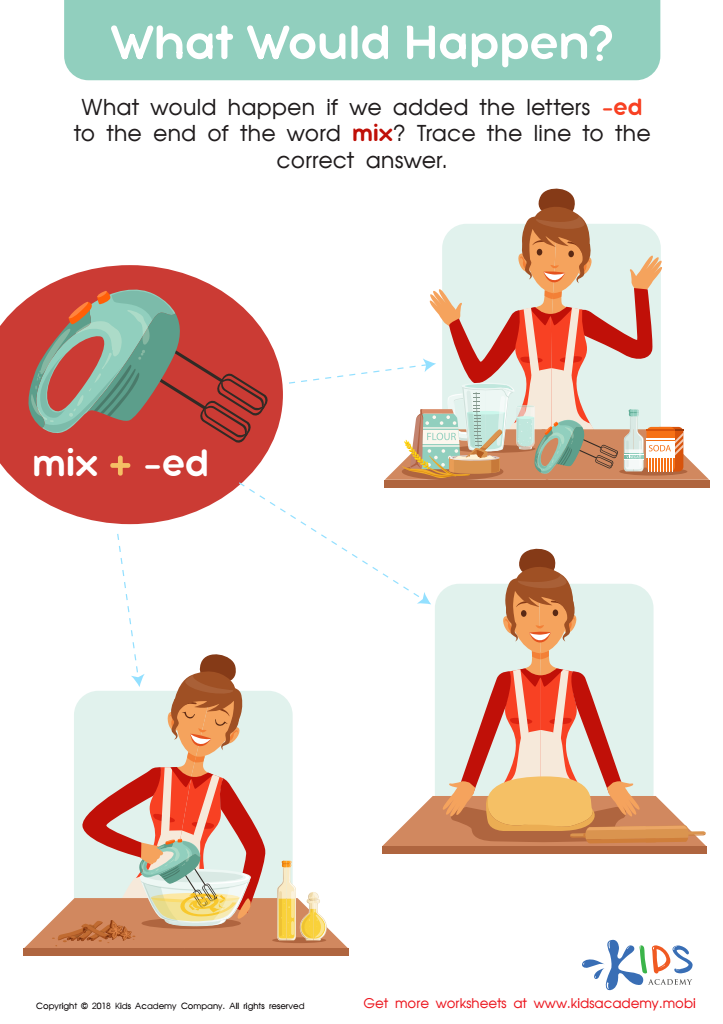
What Would Happen? Worksheet
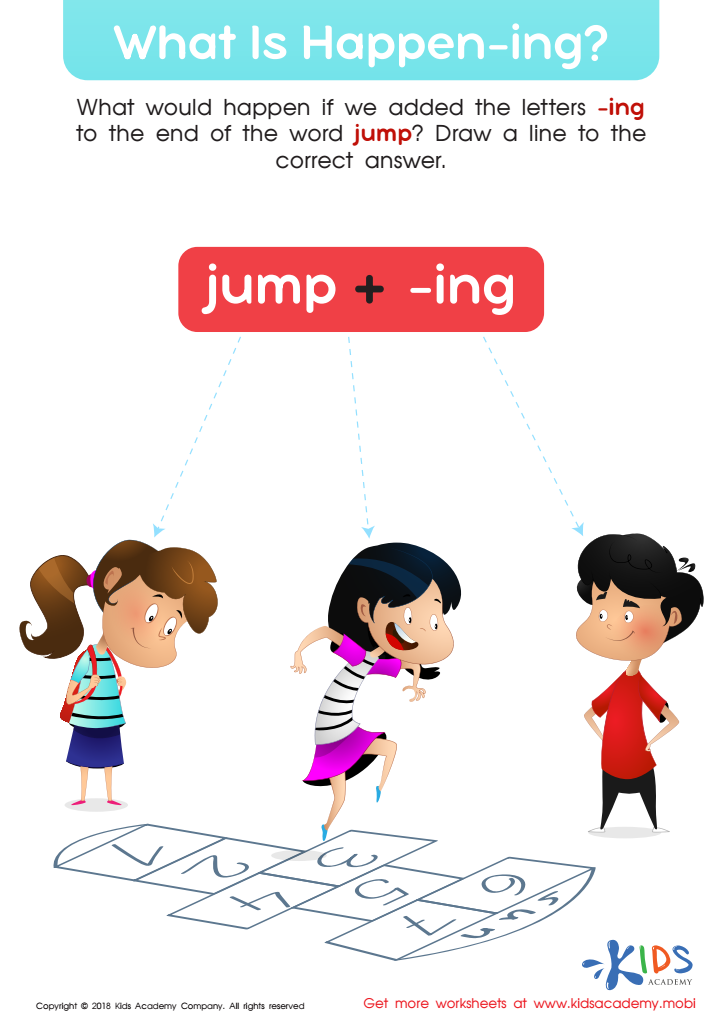
What Is Happen-Ing? Worksheet
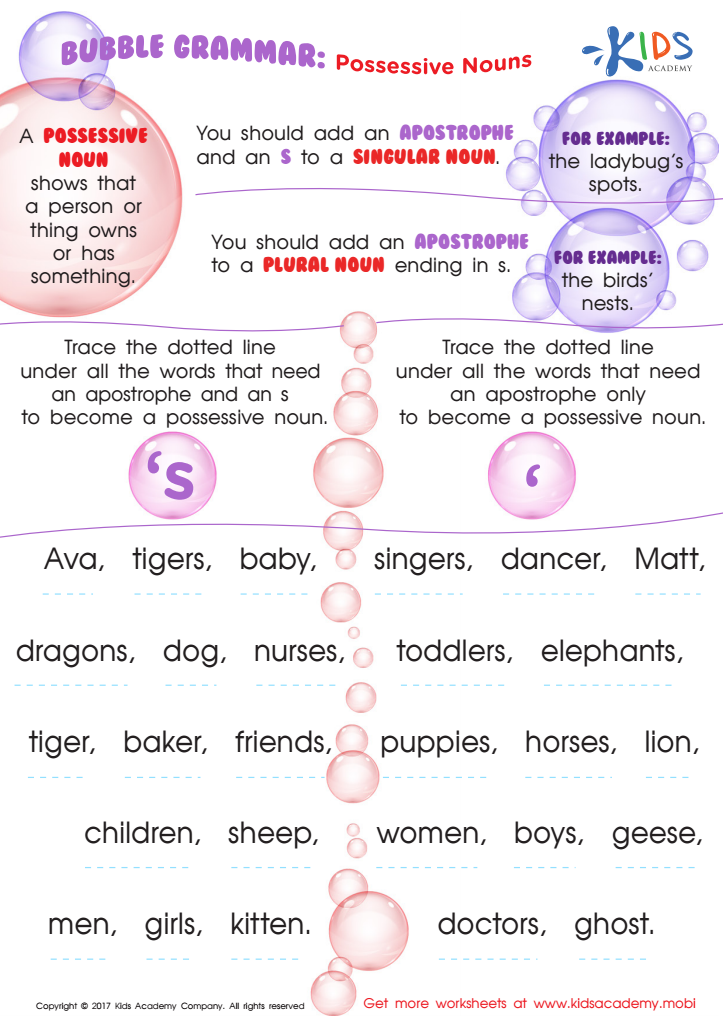
Possessive Nouns Worksheet for Grade 3 PDF
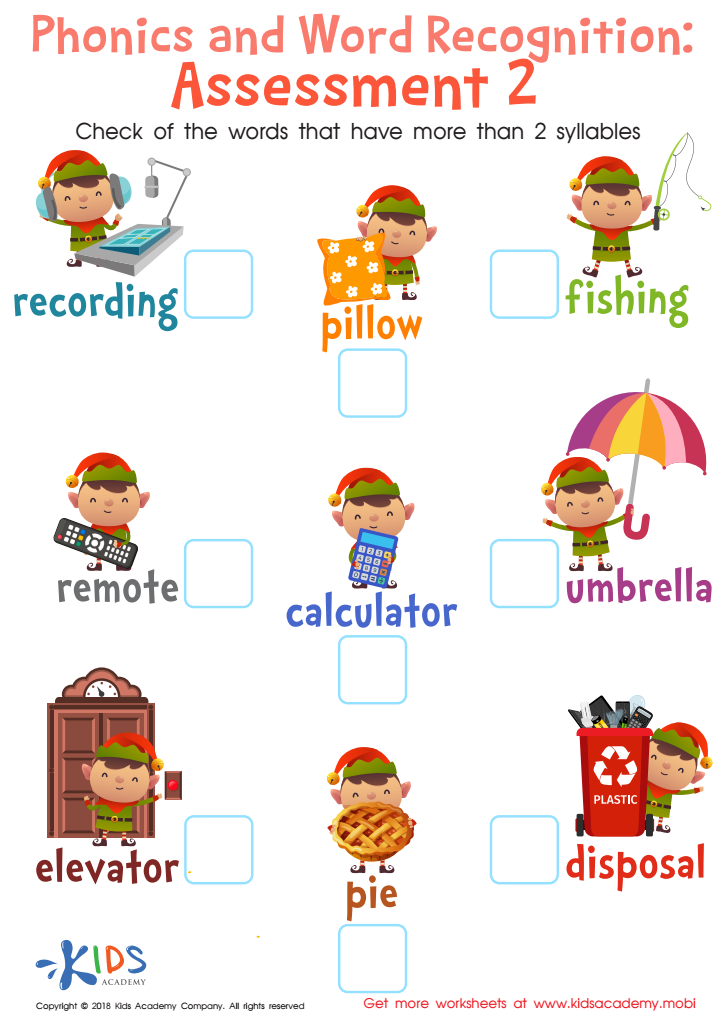
Phonics and Word Recognition: Assessment 2 Worksheet
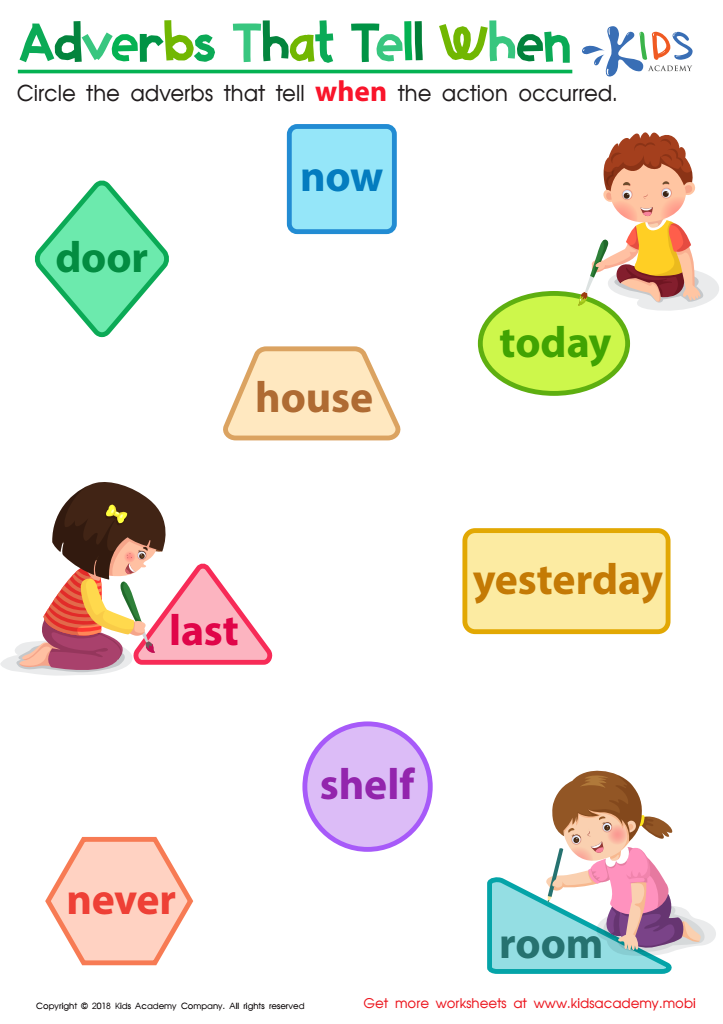
Adverbs That Tell us When Worksheet
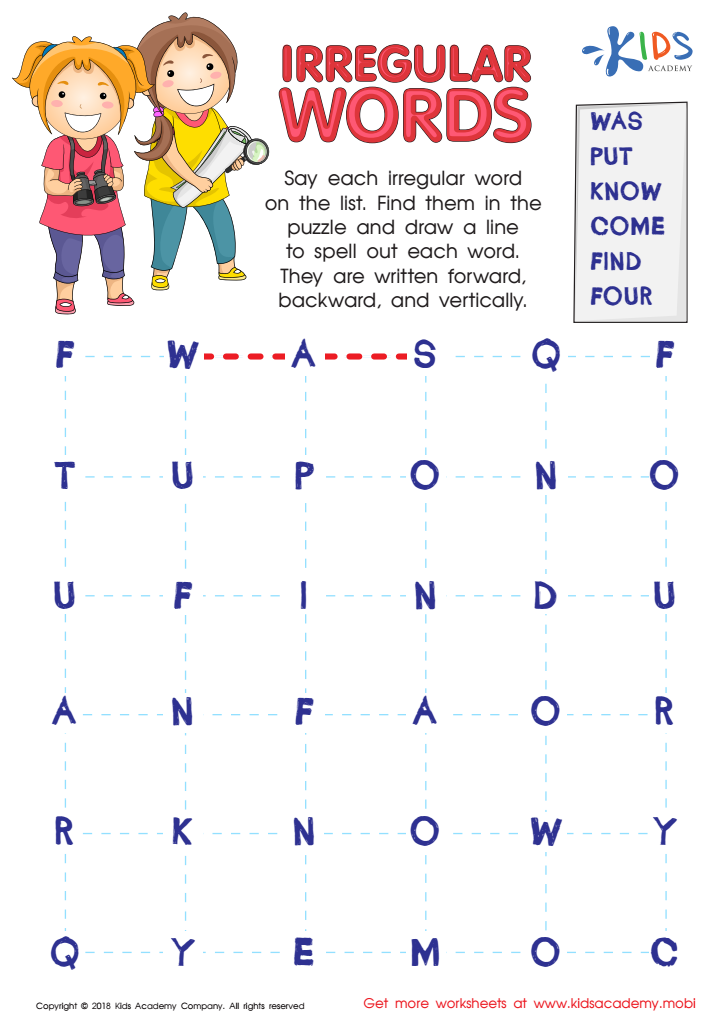
Irregular Words Worksheet
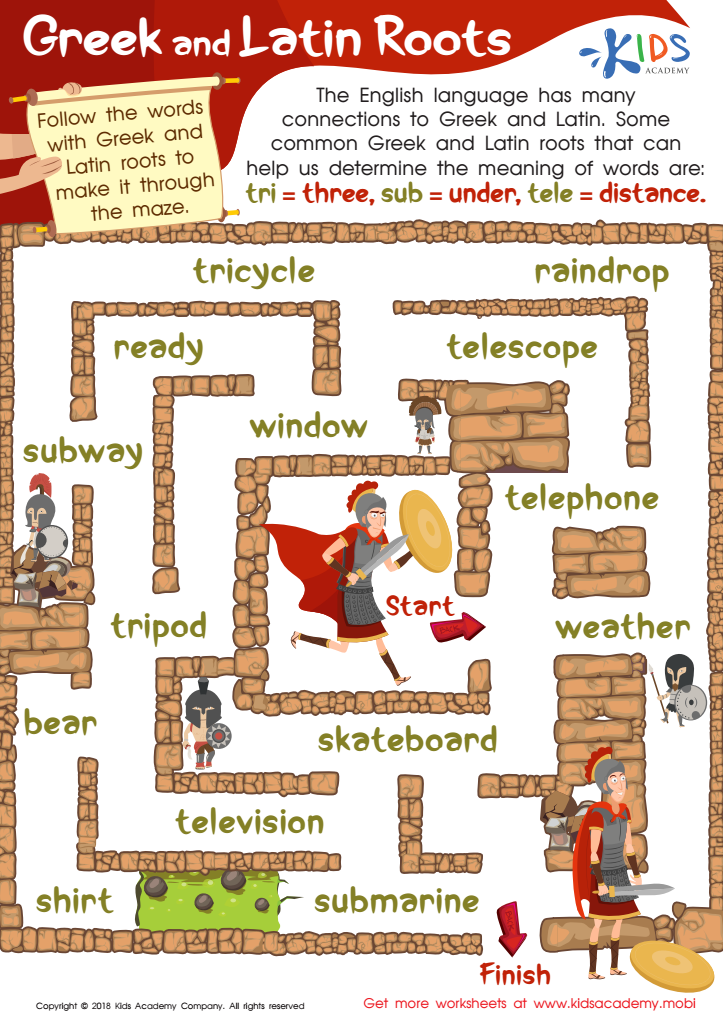
Greek and Latin Roots Worksheet
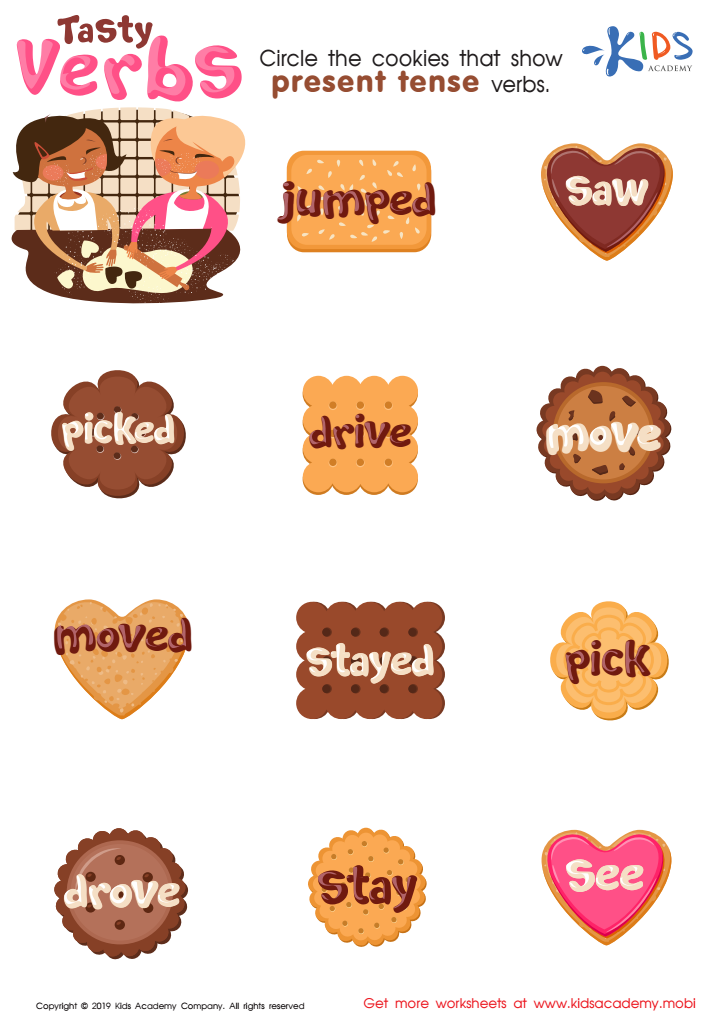
Tasty Verbs Worksheet
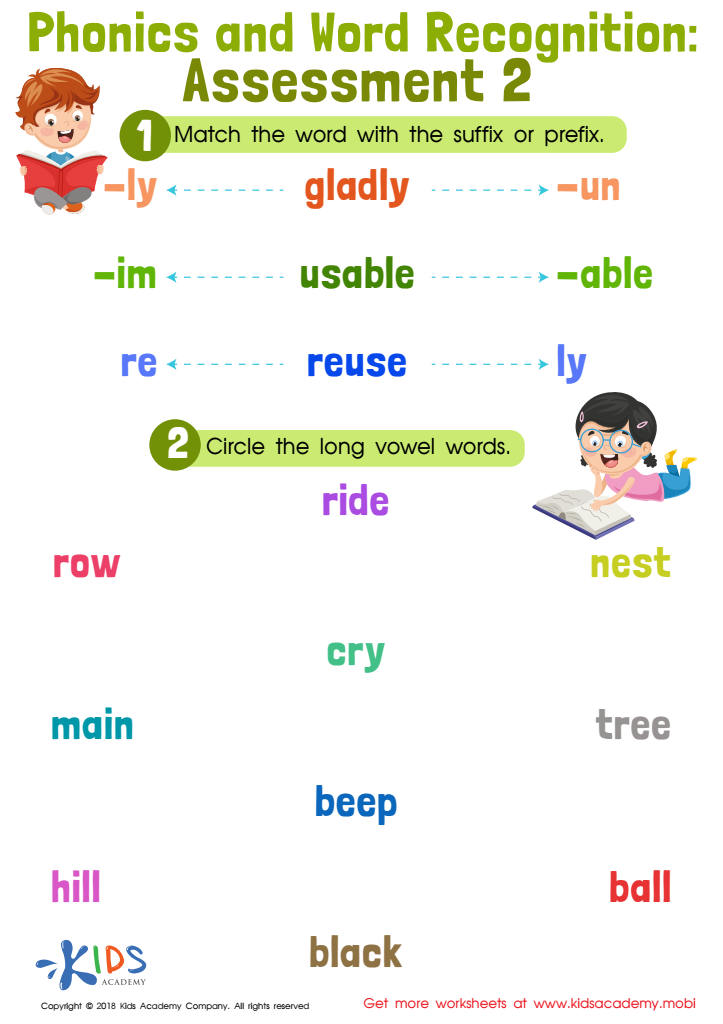
Phonics and Word Recognition: Assessment 2
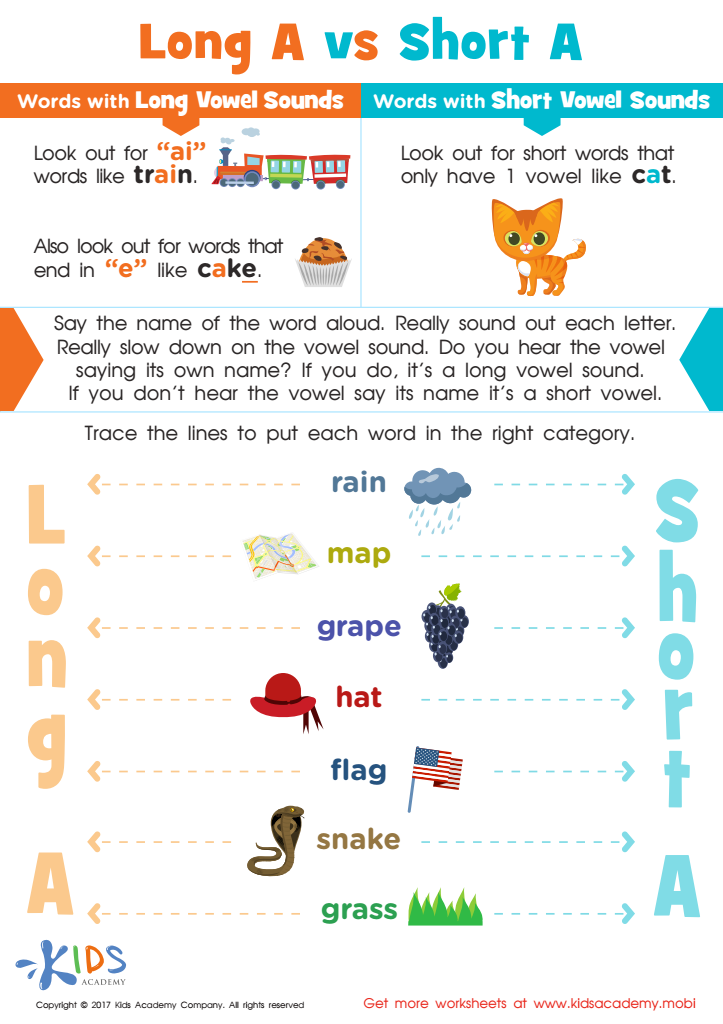
Long and Short Vowel A Spelling Worksheet
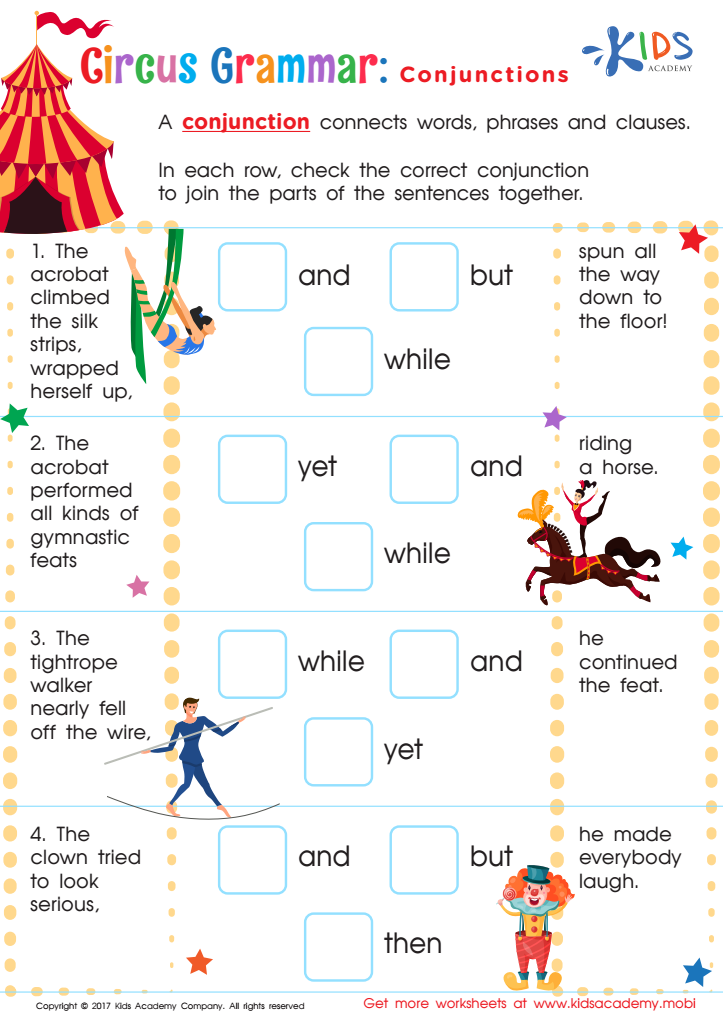
Conjunctions Worksheet
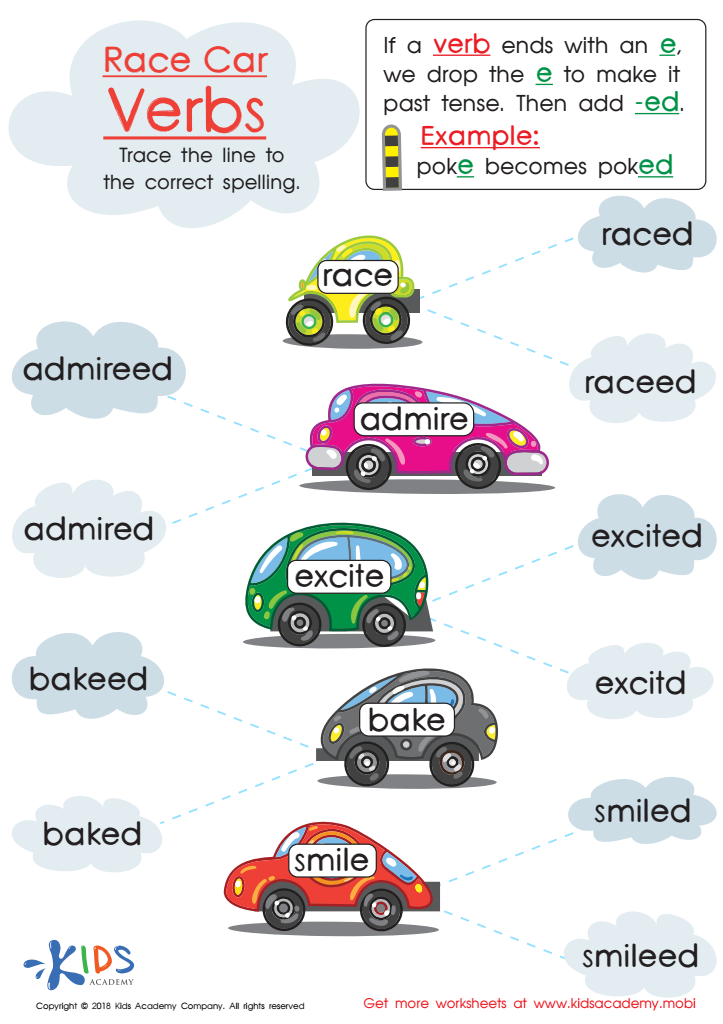
Race Car Verbs Worksheet
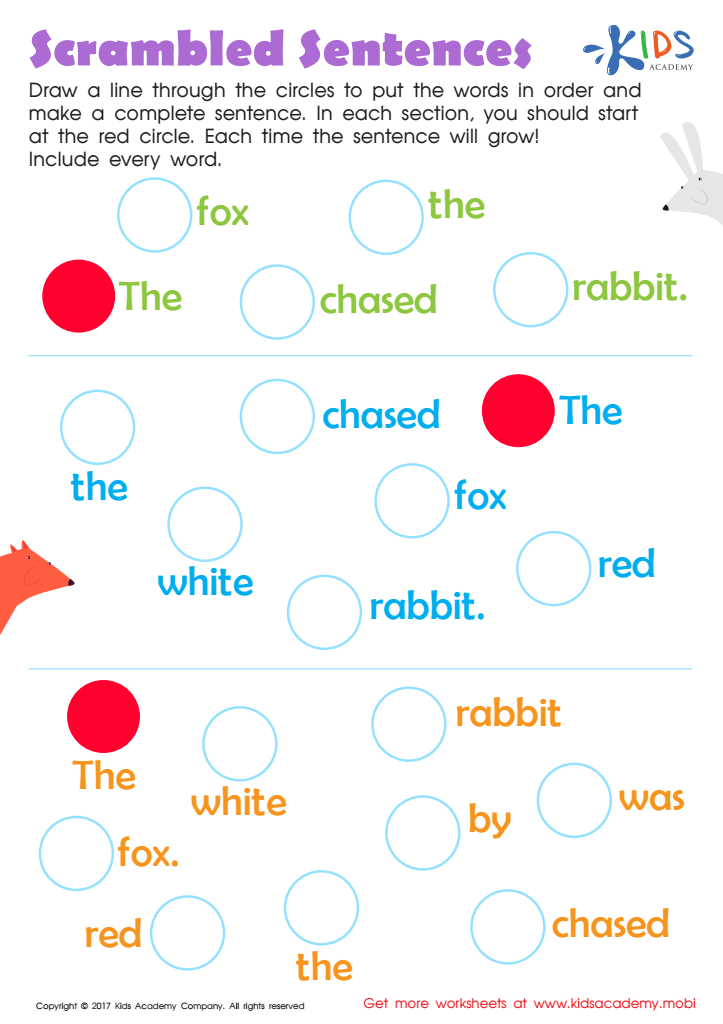
Scrambled Sentences Worksheet
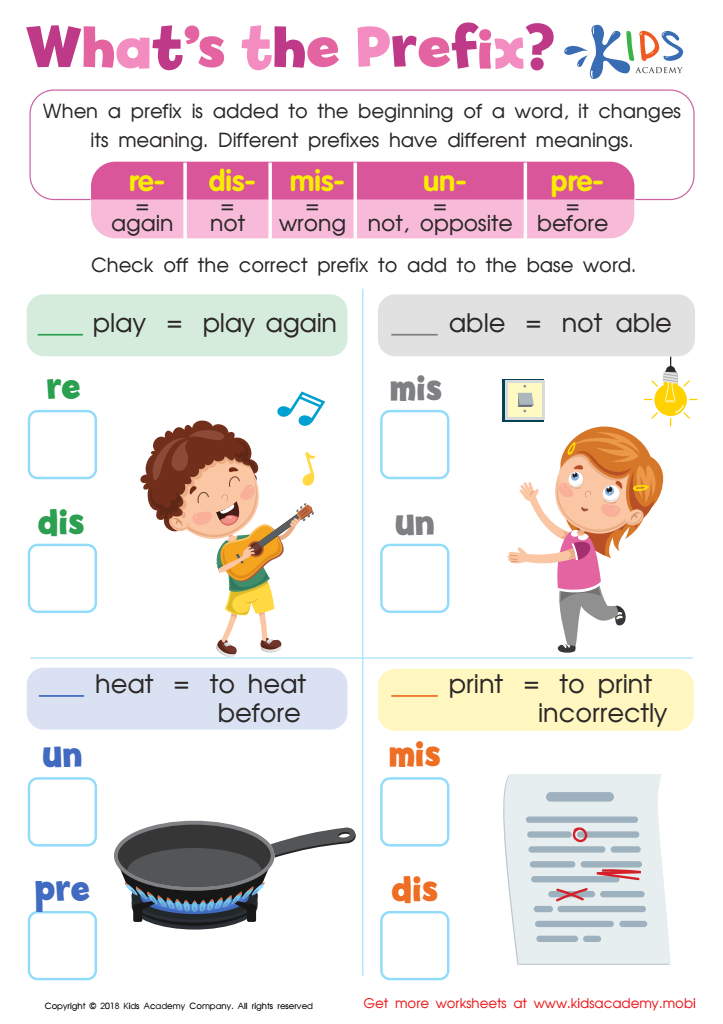
Reading: What Is the Prefix Worksheet
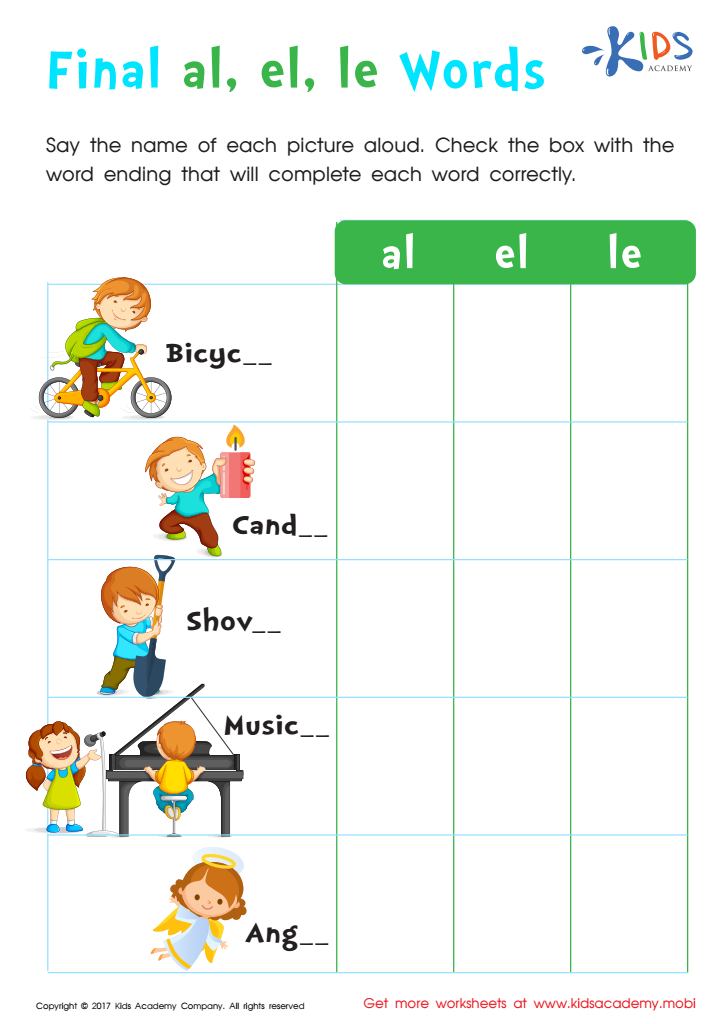
Spelling Words Ending with –le, –el and –al Worksheet
And Worksheet Sight Words Worksheet
 Assign to My Students
Verbs Homework Worksheet
Finish the Word Worksheet




.jpg)


Parents and teachers should prioritize grammar for children ages 3-8 because this is a foundational period for language development. During these early years, children rapidly acquire language and cognitive skills that will impact their academic success and communication abilities throughout their lives. Good grammar helps children learn to express their thoughts clearly and effectively. It also aids in reading comprehension, writing proficiency, and overall literacy.
Understanding grammar rules assists young learners in making sense of sentence structures and vocabulary, which is crucial for reading and writing. By establishing a strong grammatical foundation, parents and teachers enable children to achieve advanced language skills more easily as they grow older. Respecting grammar from a young age leads to better social interactions as well; children who speak clearly and correctly are often more confident and better understood by their peers and adults.
Moreover, early grammatical instruction practice sets the stage for lifelong learning and cognitive development. Complex problem-solving and logical thinking skills evolve from understanding the structure and rules of language. When educators and parents focus on grammar during the early stages, they provide children with essential tools that contribute meaningfully to their immediate and future learning, communication, and overall academic performance.