Fine Motor Skills Alphabet Worksheets for Ages 3-9 - Page 2
85 filtered results
-
From - To
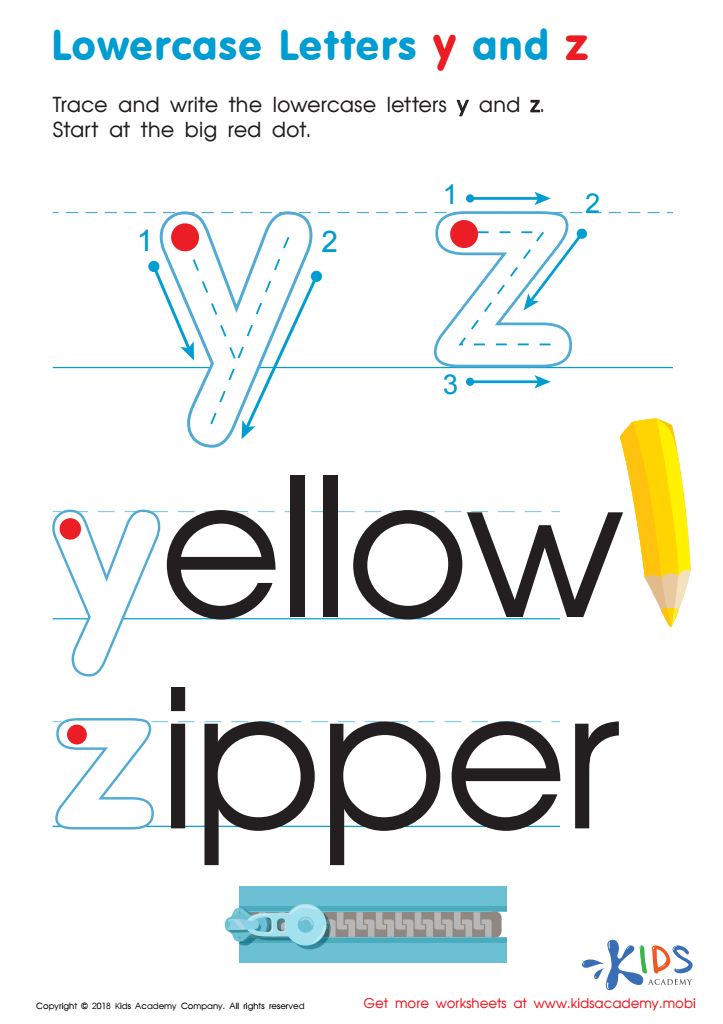
Lowercase Letters y z Worksheet
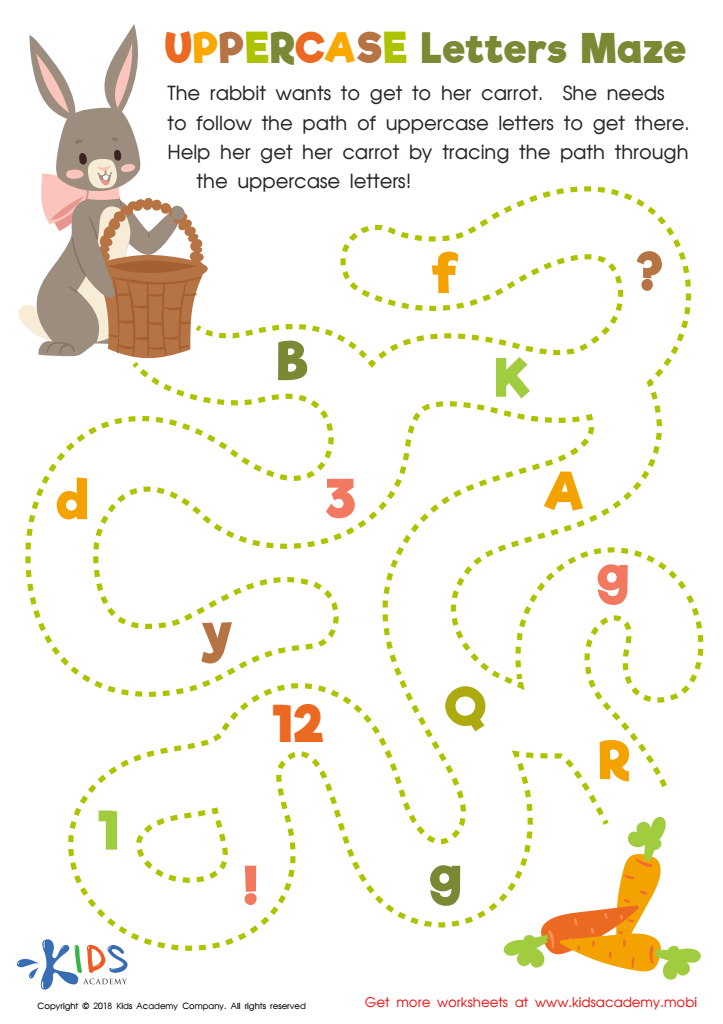
Uppercase Letters Maze Worksheet
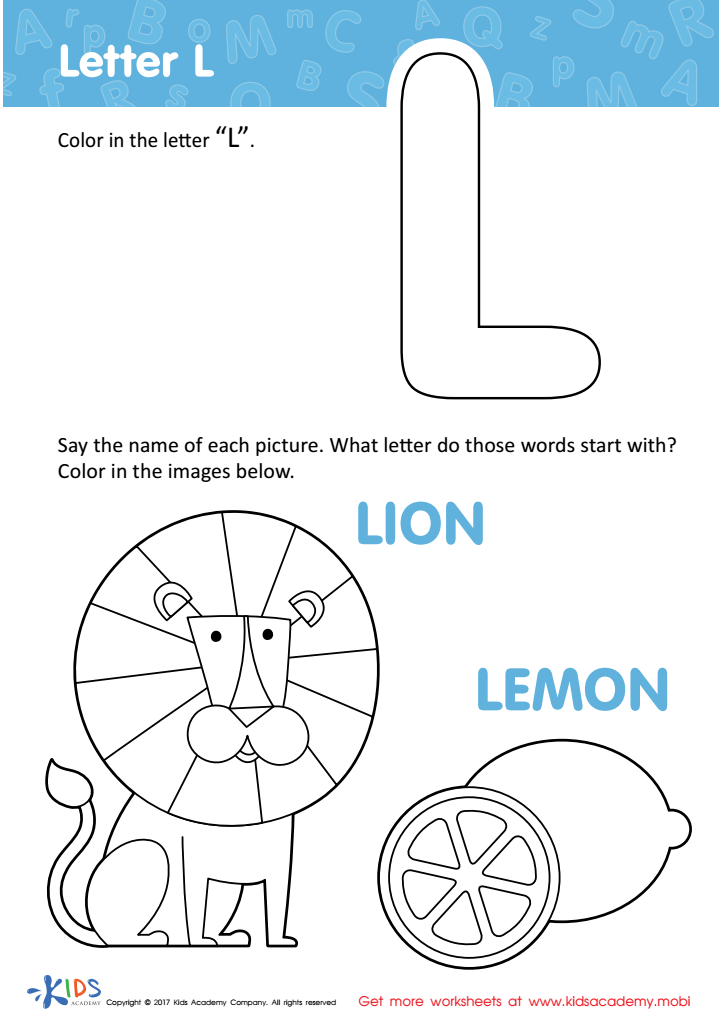
Letter L Coloring Sheet
 Assign to My Students

Letter C Tracing Page
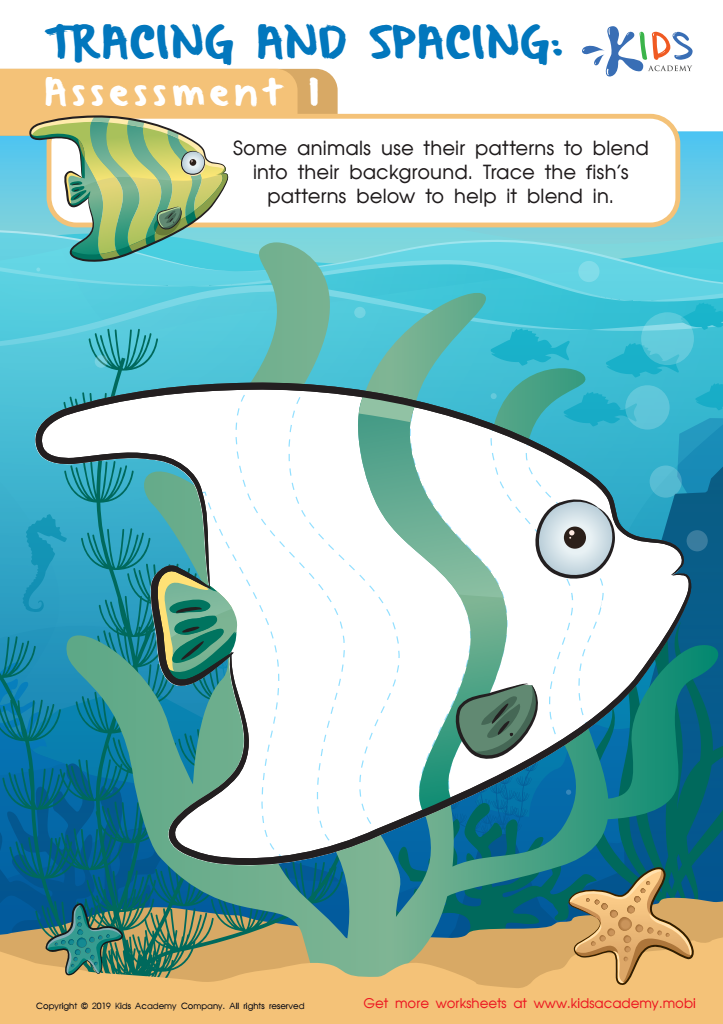
Tracing and Spacing: Assessment 1 Worksheet
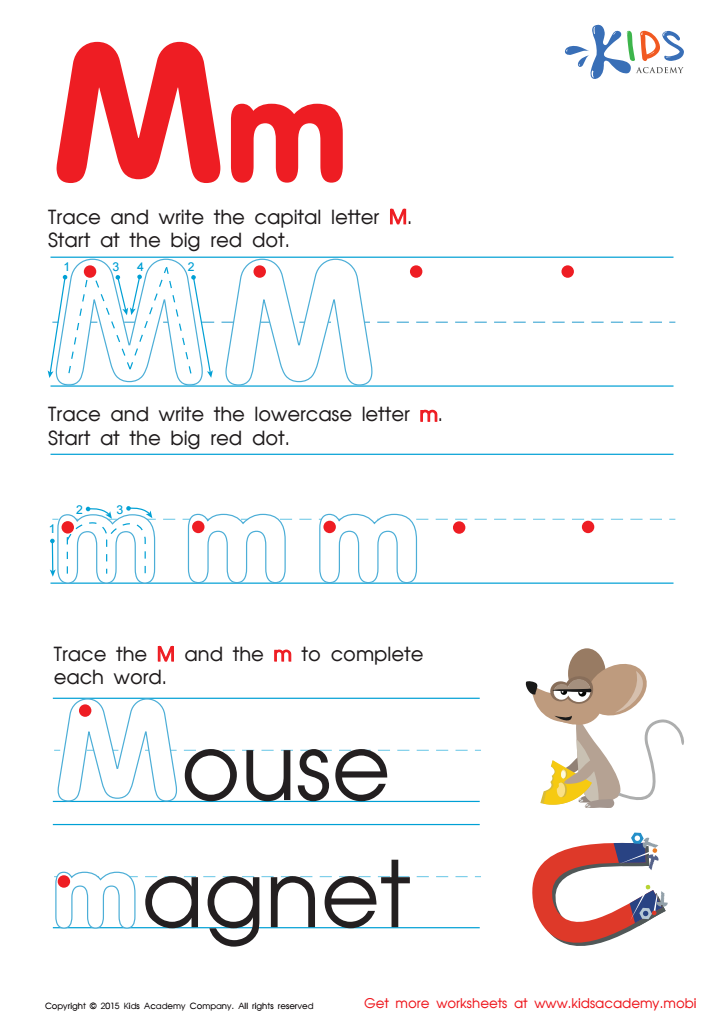
Letter M Tracing Page
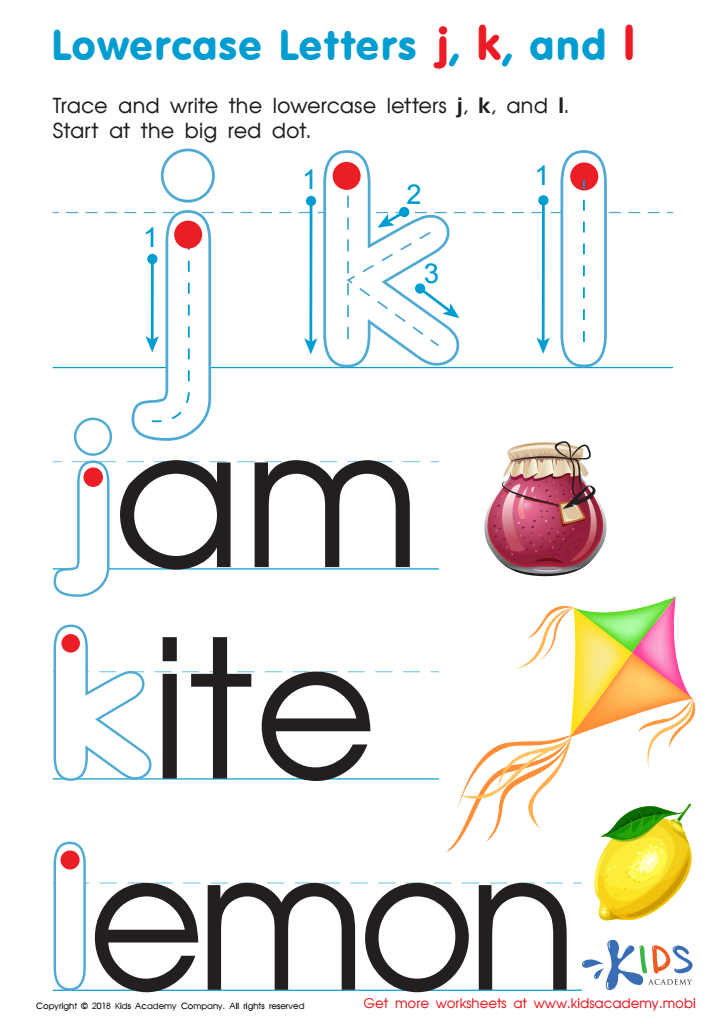
Lowercase Letters j k l Worksheet

Find lowercase Letters s t u Worksheet
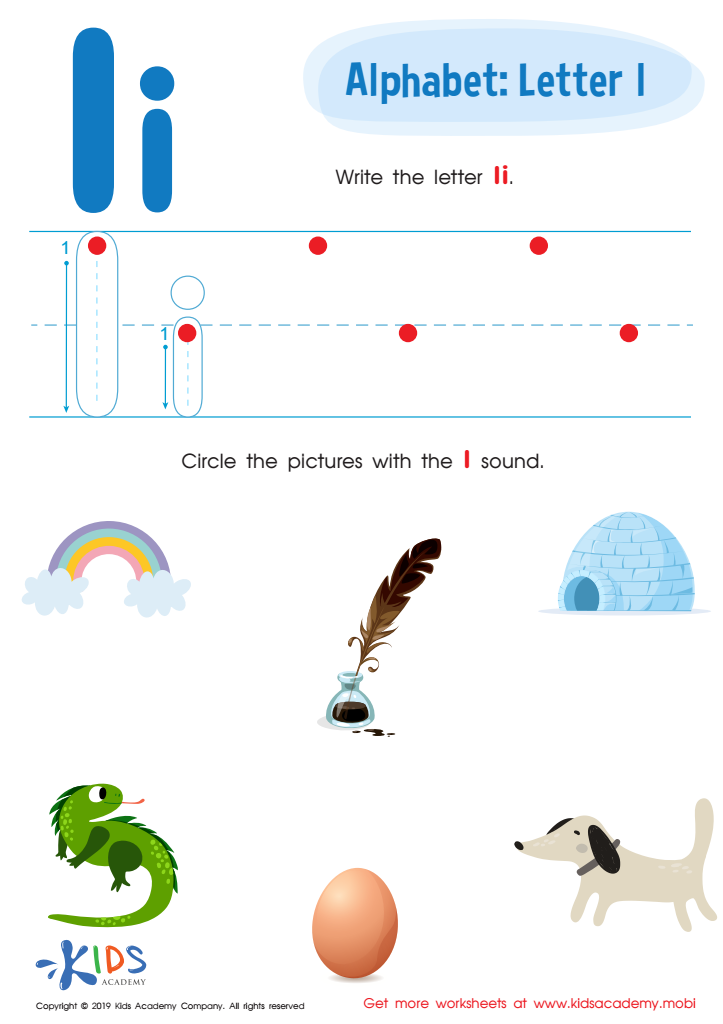
Letter I Tracing Worksheet
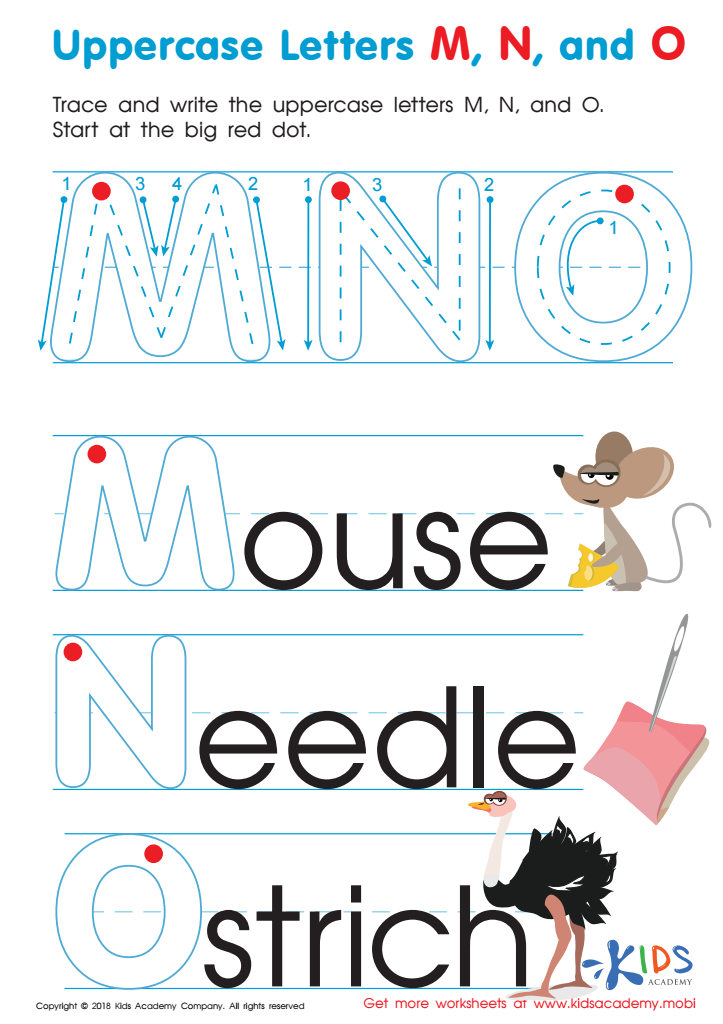
Uppercase Letters M, N, and O Worksheet
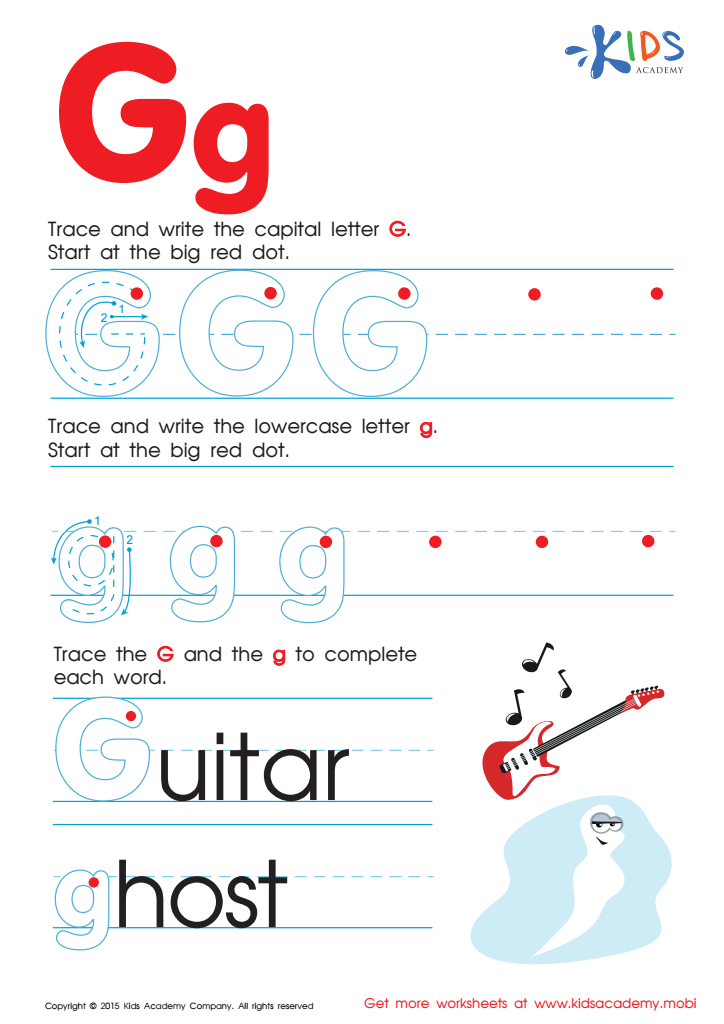
Letter G Tracing Page
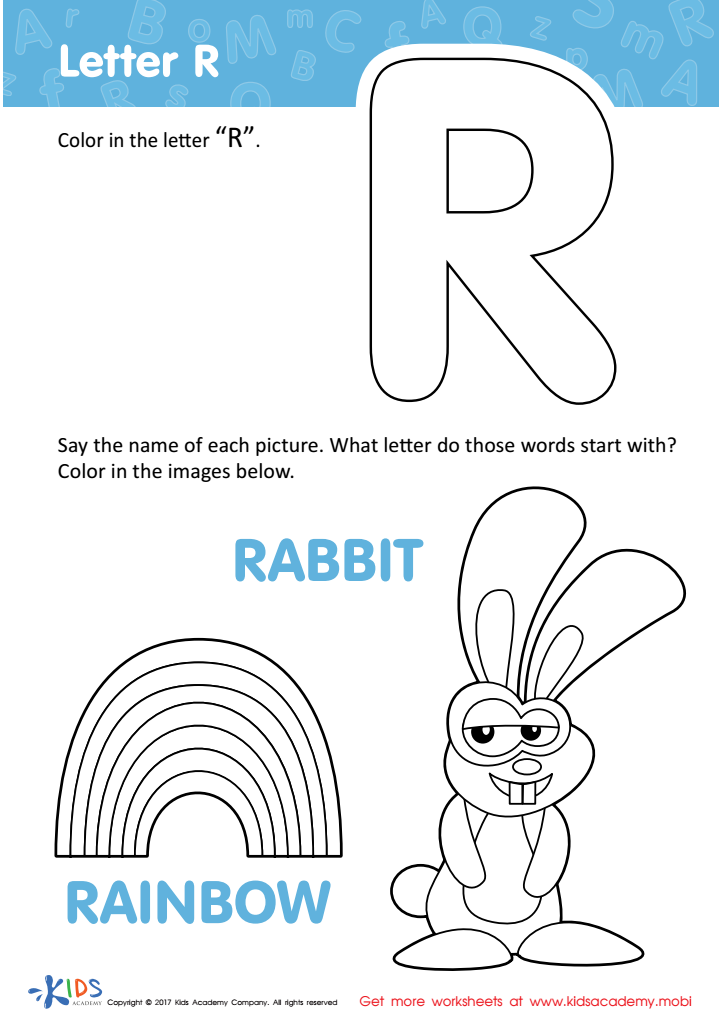
Letter R Coloring Sheet
Assign to My Students
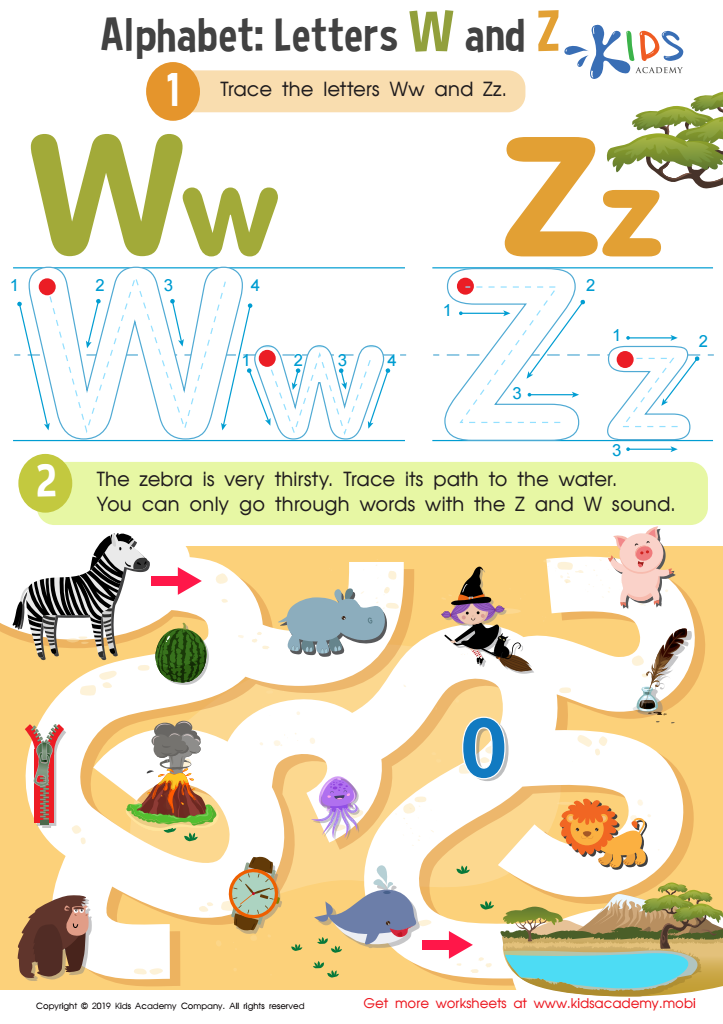
Letters W and Z Tracing Worksheet
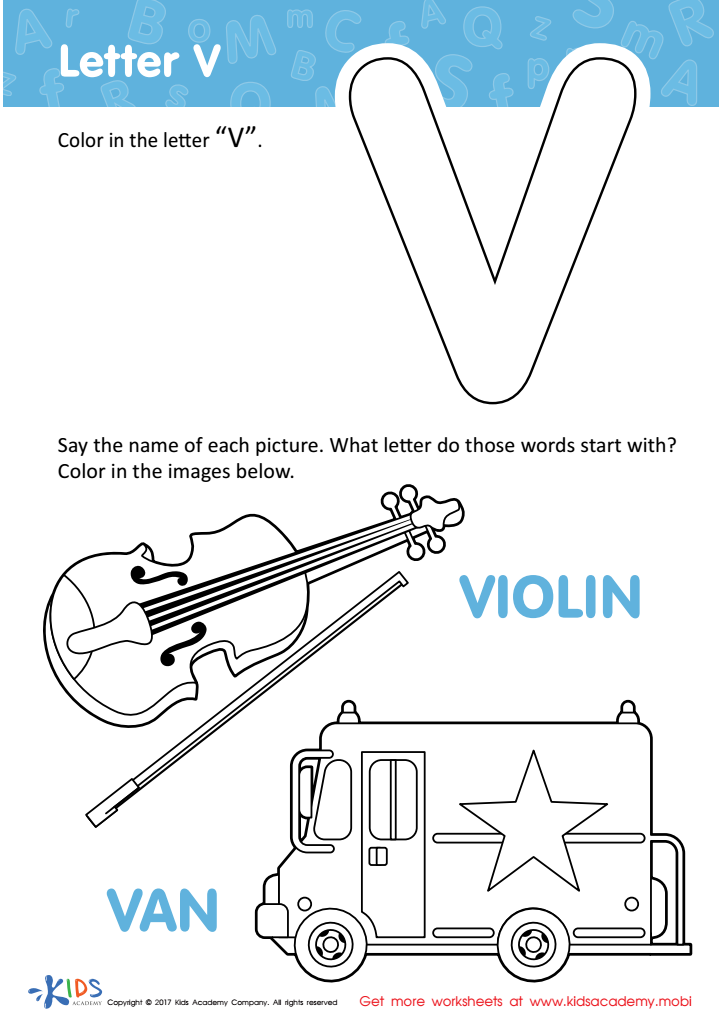
Letter V Coloring Sheet
Assign to My Students
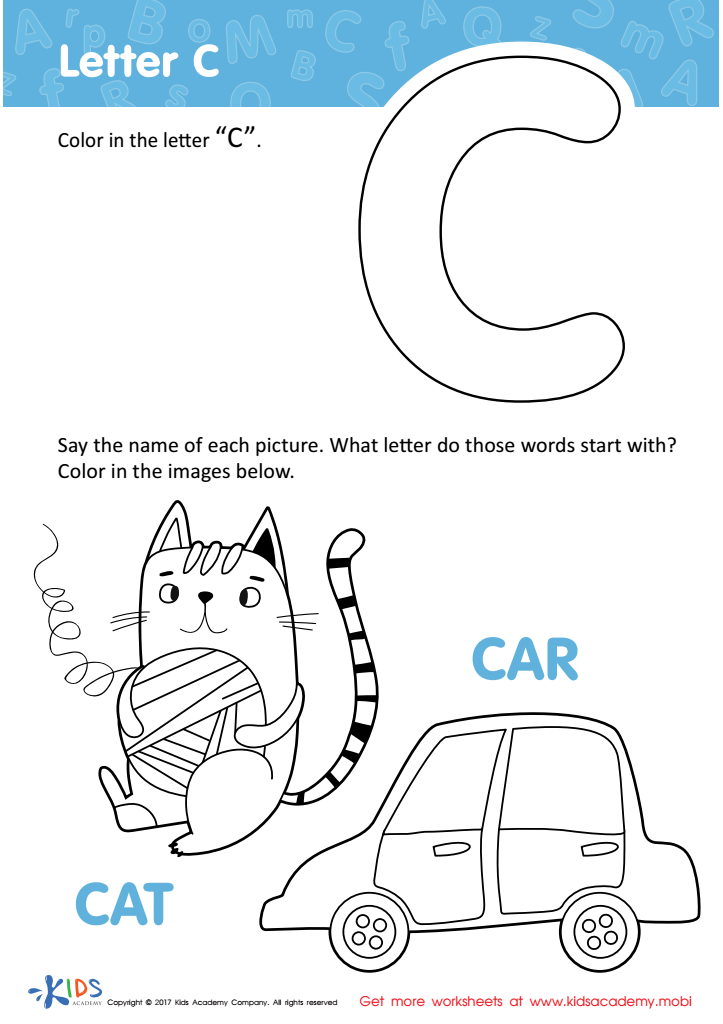
Letter C Coloring Sheet
Assign to My Students
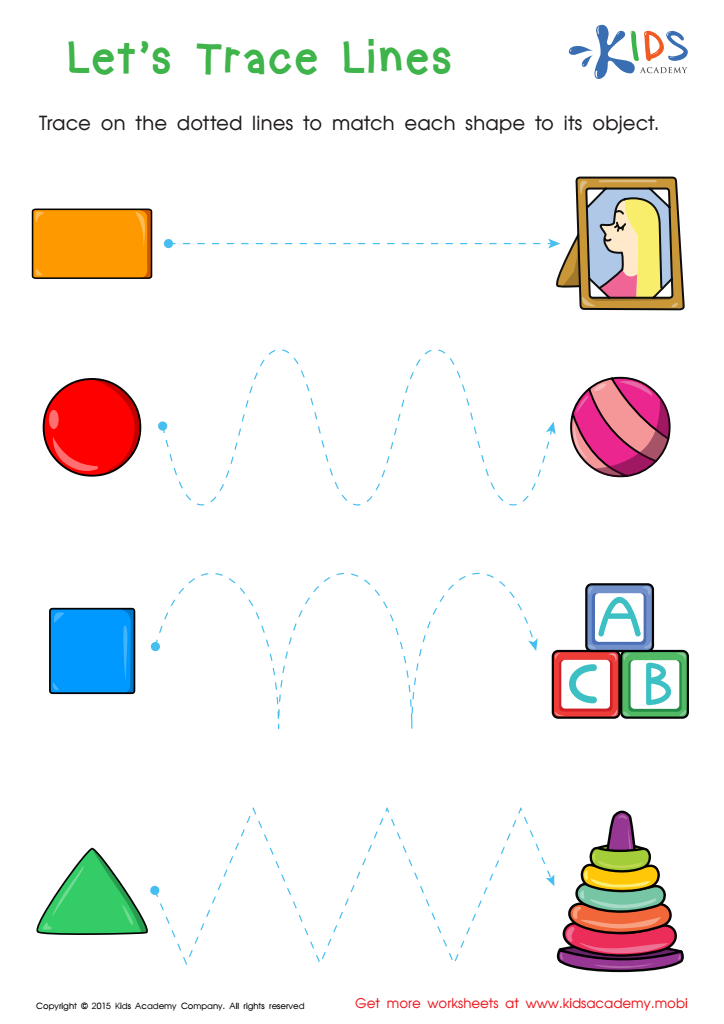
First Words: Let's Trace Lines Worksheet
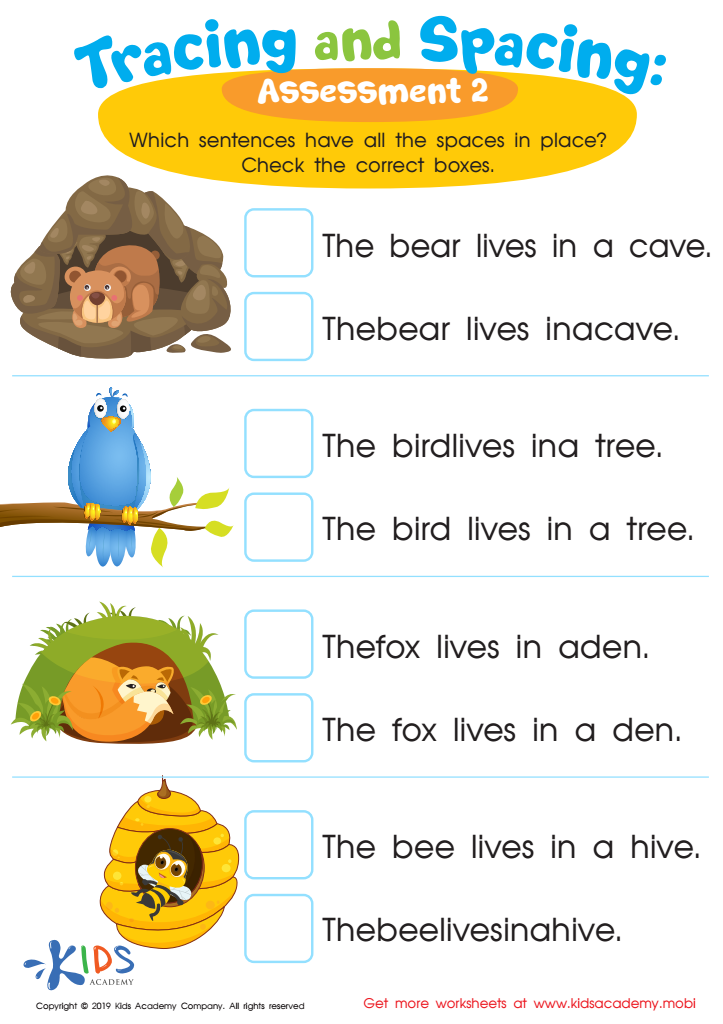
Tracing and Spacing: Assessment 2 Worksheet

Find Uppercase Letters A, B, and C Worksheet
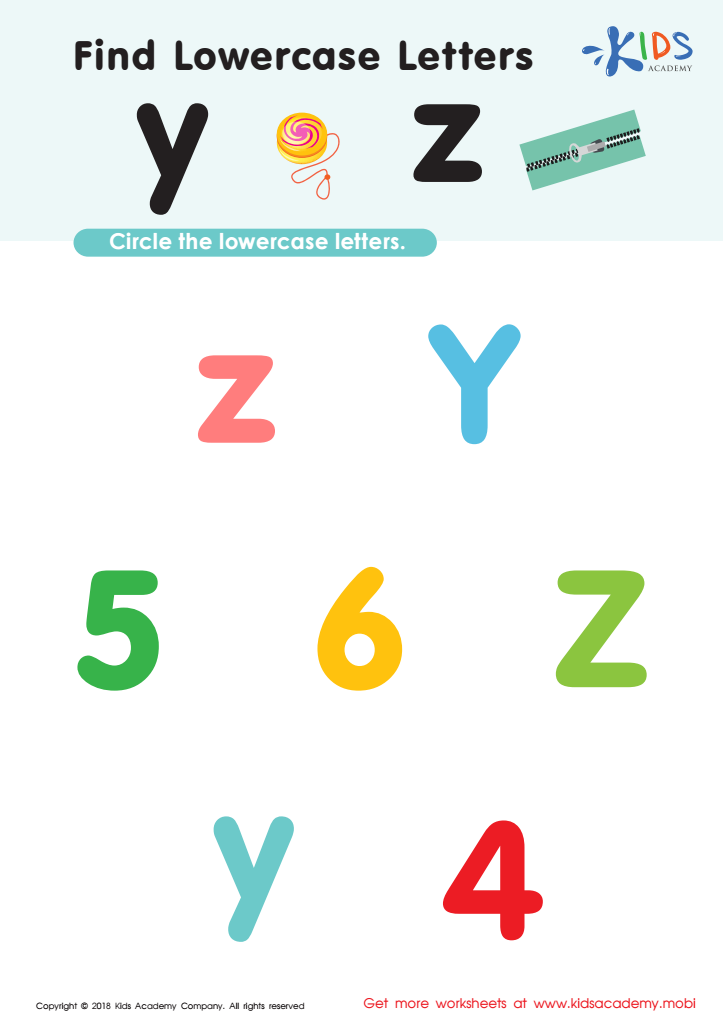
Find Lowercase Letters y z Worksheet
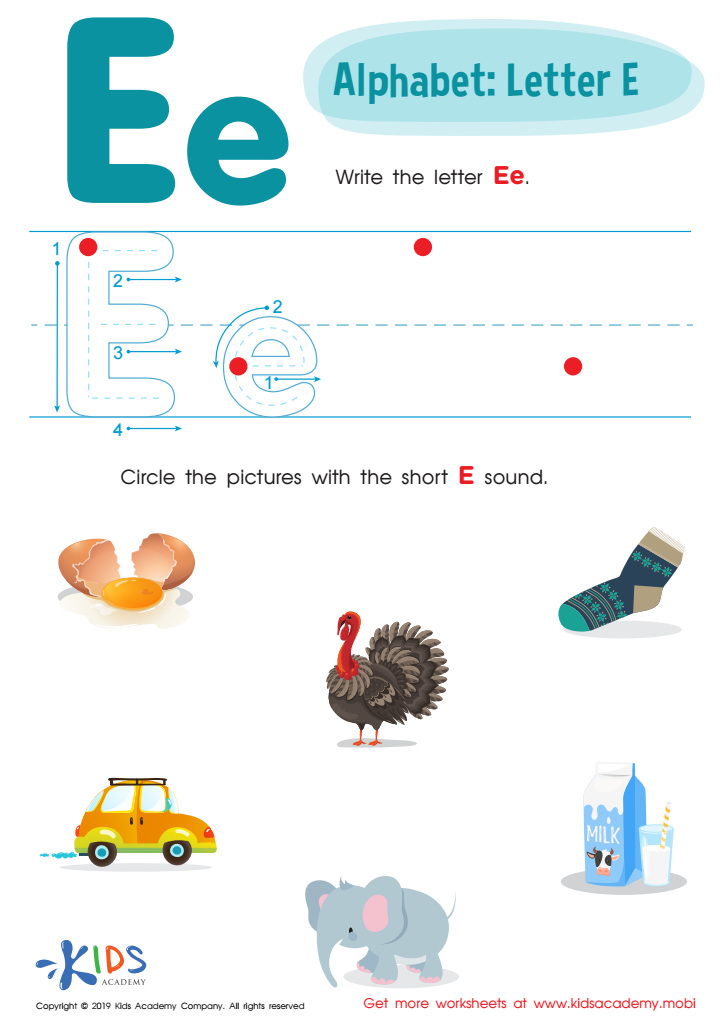
Letter E Tracing Worksheet
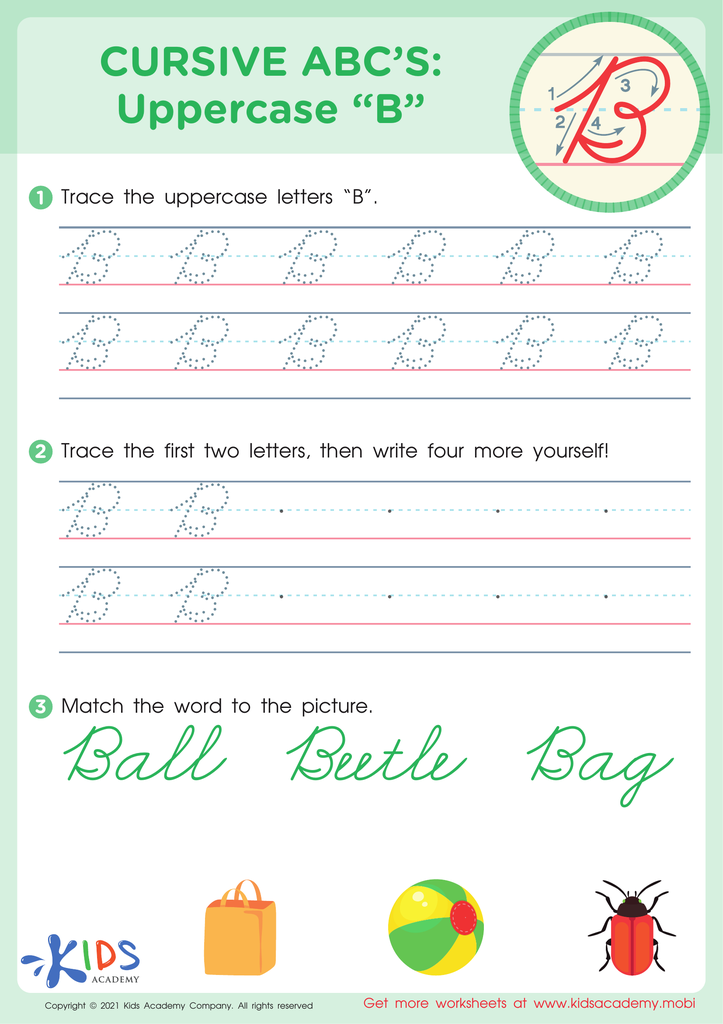
Cursive ABCs: Uppercase B
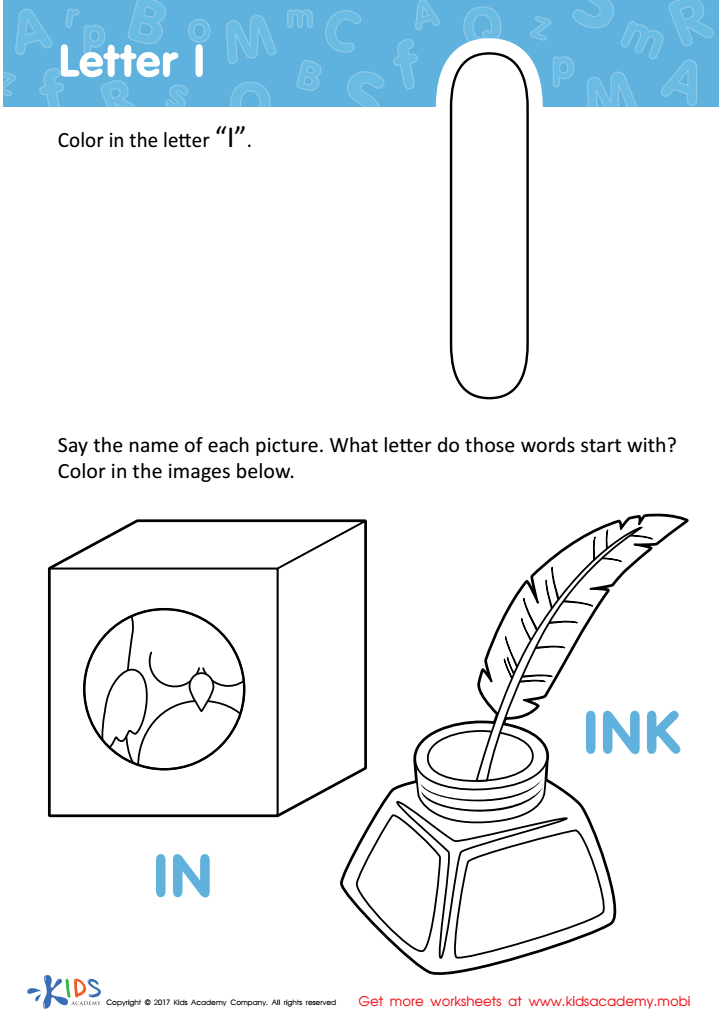
Letter I Coloring Sheet
Assign to My Students
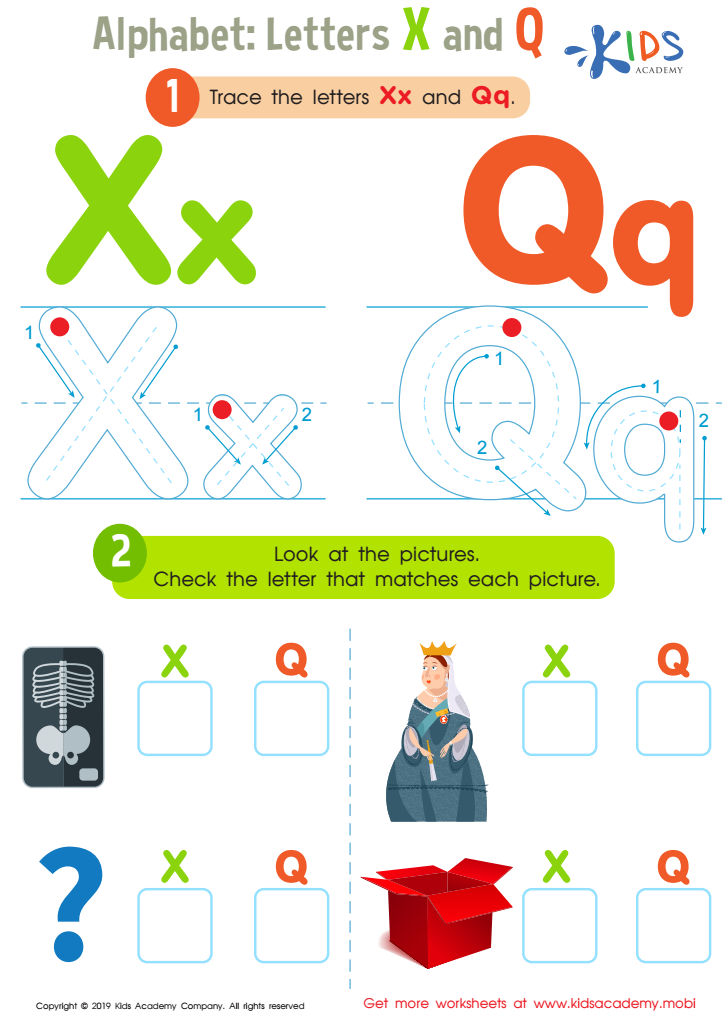
Letters X and Q Tracing Worksheet
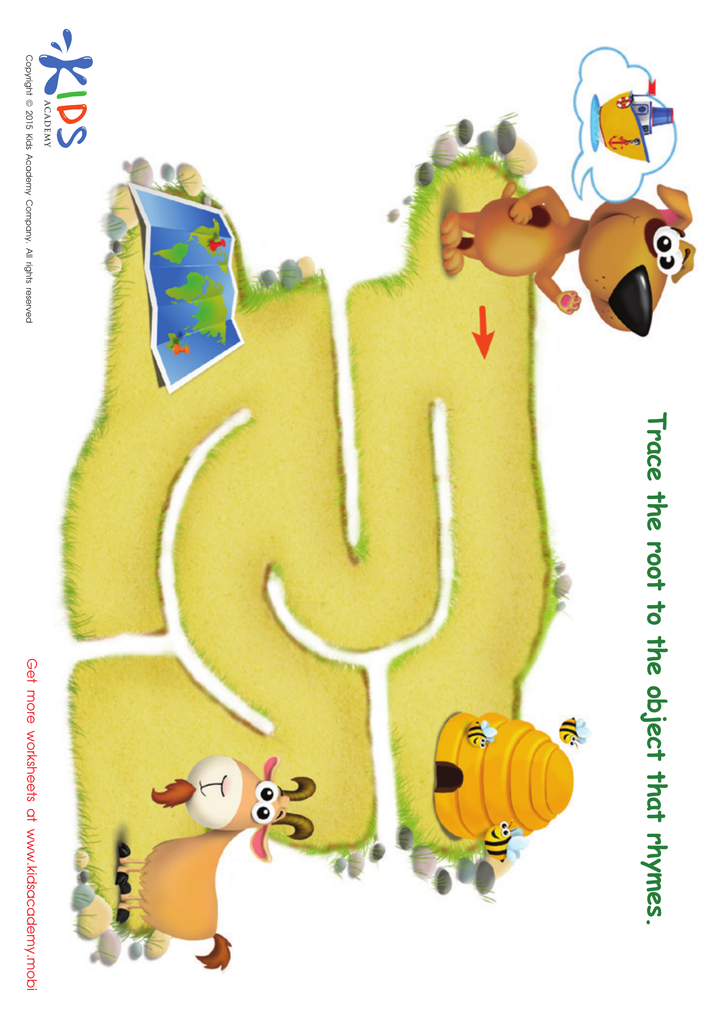
Boat Rhyming Words Worksheet








Fine motor skills are essential for children's overall development and play a crucial role in their academic success, particularly in literacy. The Fine Motor Skills Alphabet for ages 3-9 focuses on tasks that enhance hand-eye coordination, dexterity, and control—abilities vital for writing, drawing, and other activities that require precision.
For parents and teachers, fostering these skills is important because they directly influence a child's ability to grasp letters, form words, and eventually write sentences. Early intervention can address challenges before they become problematic, helping children build confidence in their abilities. Engaging activities, such as cutting with scissors, stringing beads, or doing puzzles, create a fun learning environment that makes fine motor practice enjoyable.
Moreover, fine motor skills are closely linked to cognitive development; as children manipulate objects and explore their environment, they enhance problem-solving and critical thinking abilities. Children who develop these skills early often demonstrate better focus and academic readiness, setting a positive trajectory towards future learning.
In helping children improve their fine motor skills, adults can ensure they have a strong foundation for both academic and everyday tasks, fostering independence and helping them thrive both in school and at home.







