Word Recognition Alphabet Worksheets for Ages 3-9 - Page 2
34 filtered results
-
From - To
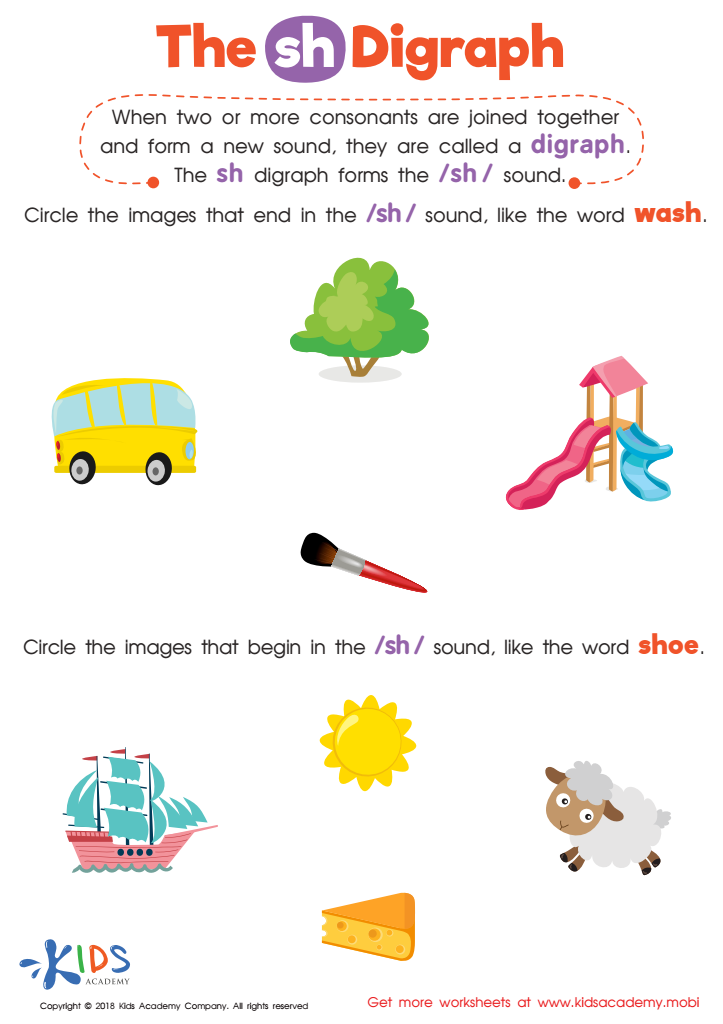
The SH Digraph Worksheet
 Assign to My Students
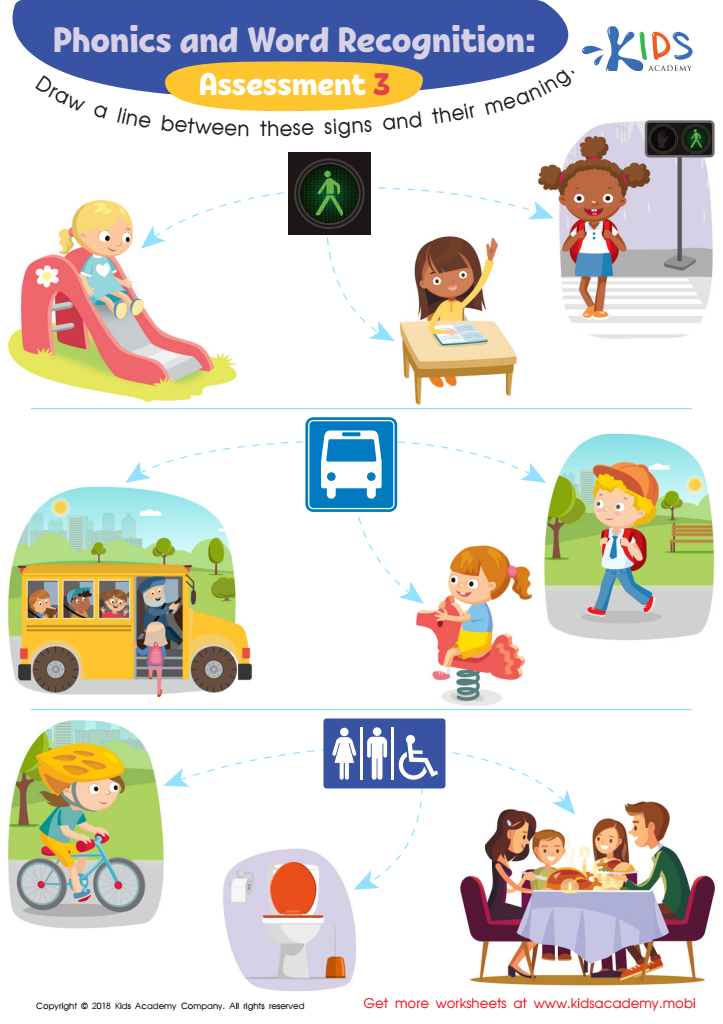
Phonological Awareness: Assessment 3 ELA Worksheet
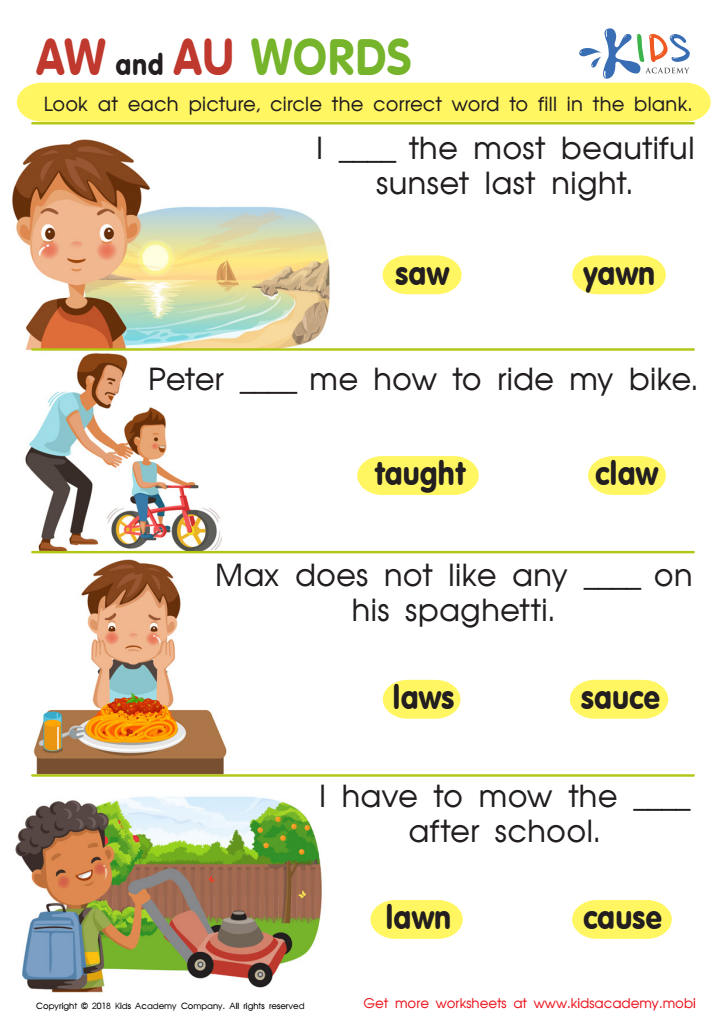
Reading: AW and AU Words Worksheet
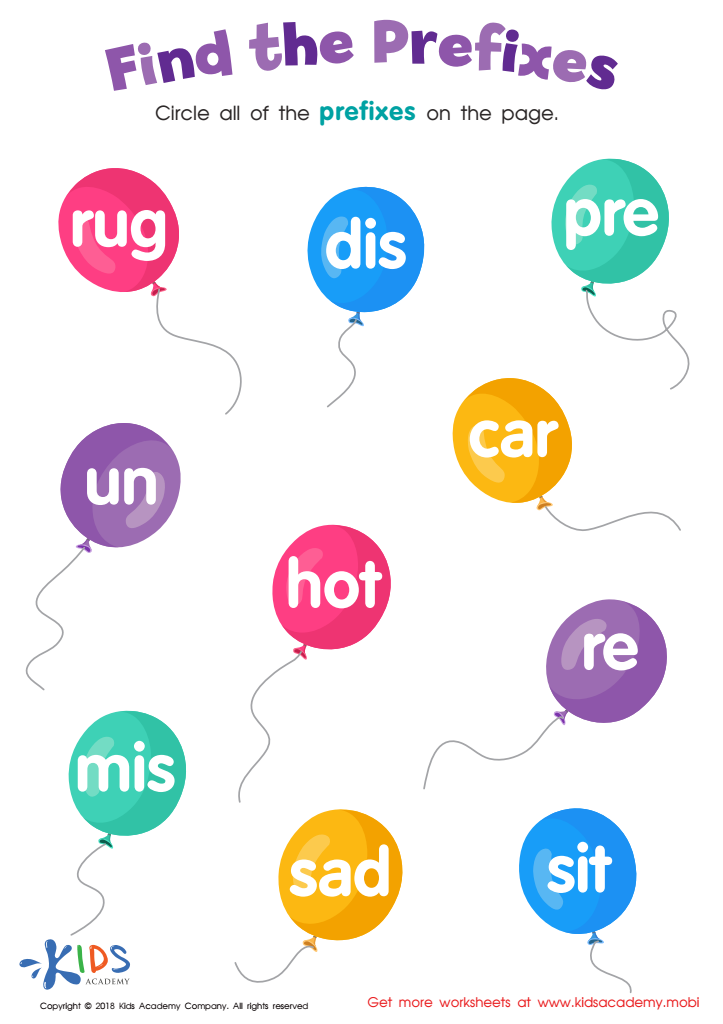
Reading: Find the Prefixes Worksheet
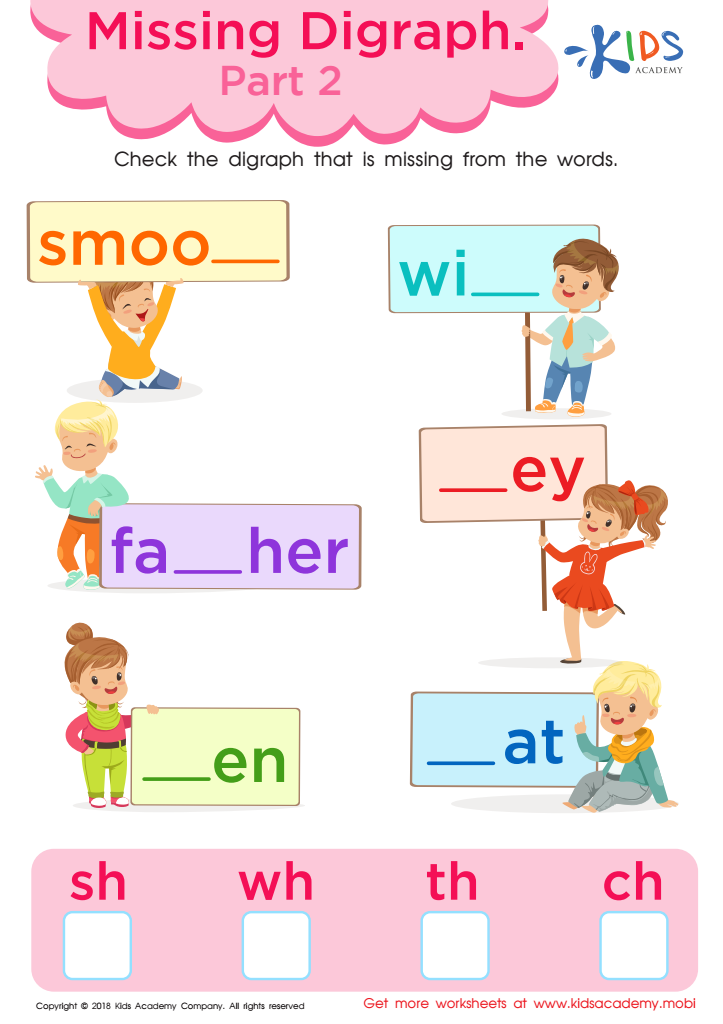
Missing Digraph: Part 2 Worksheet
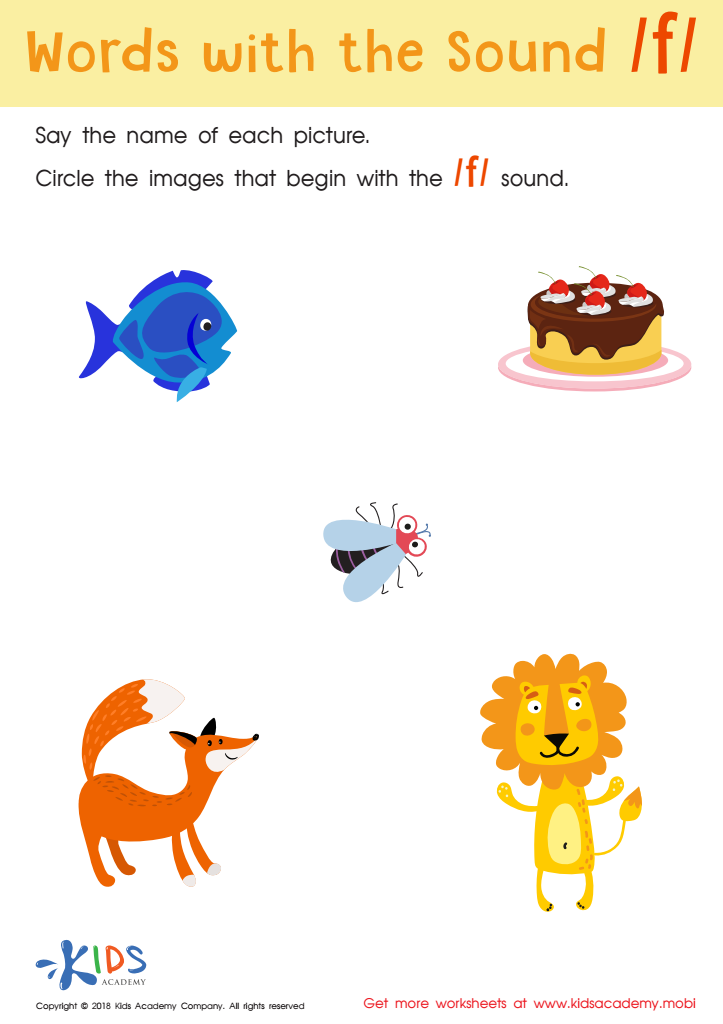
Words with sound f Reading Worksheet
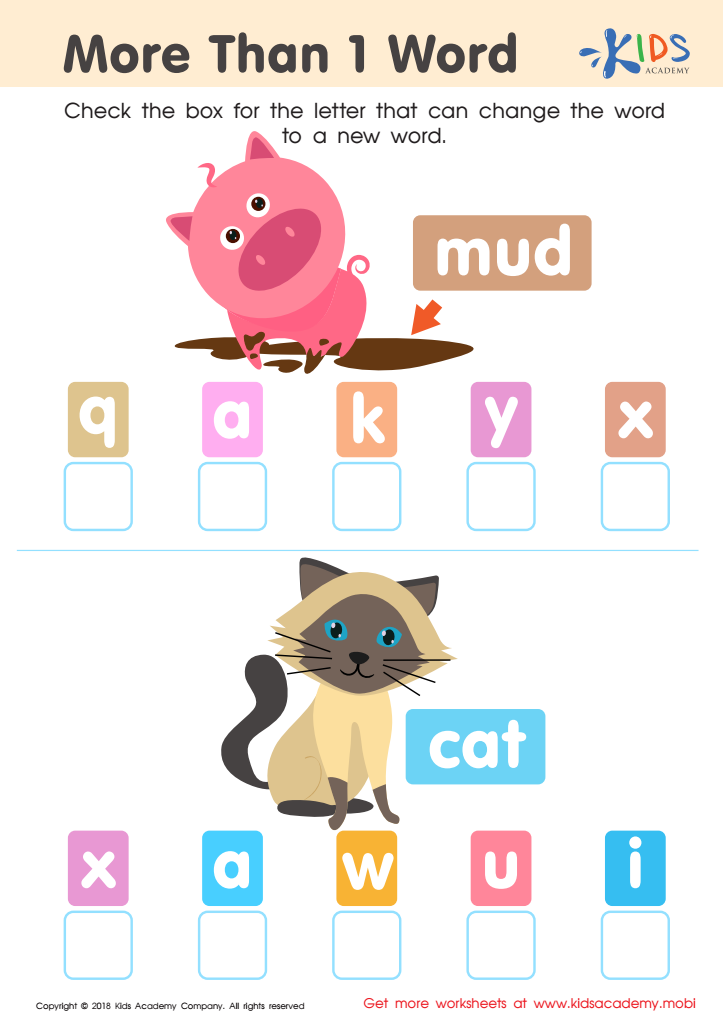
More than 1 word Worksheet
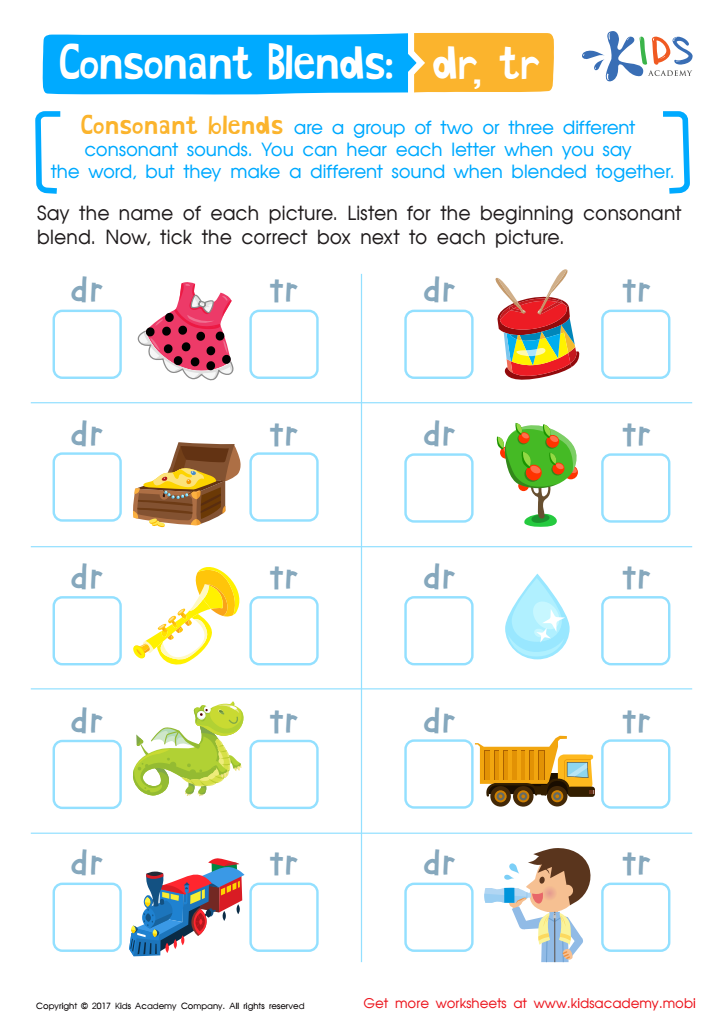
Consonant Blends: "Dr" and "Tr" Printable
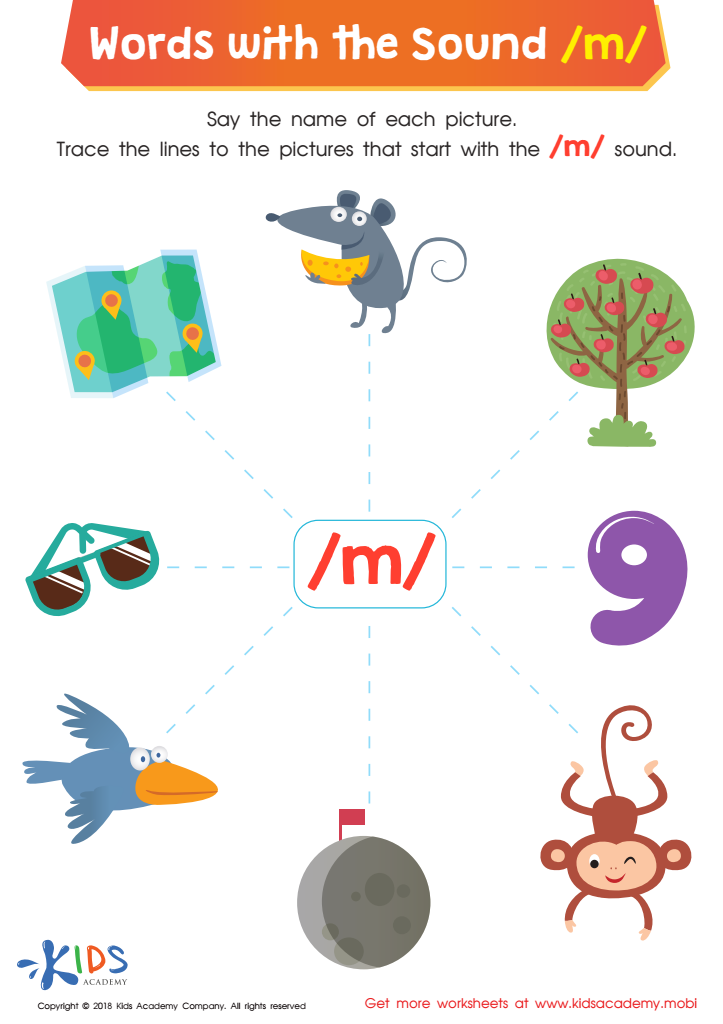
Words with Sound M Reading Worksheet
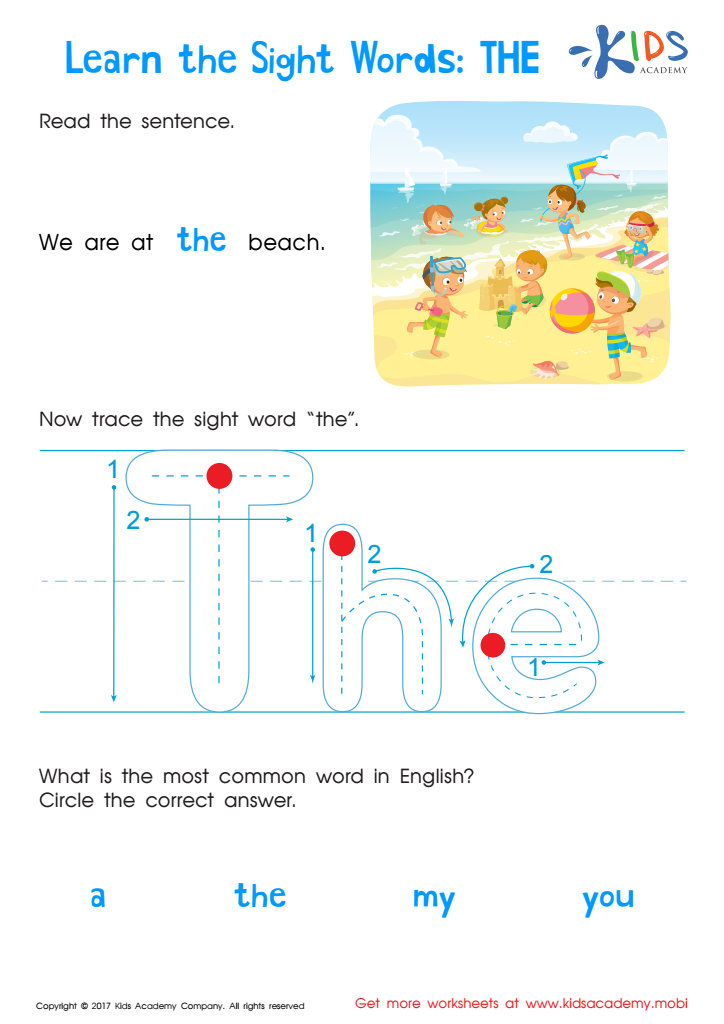
Sight Words: The Worksheet







Word Recognition Alphabet is a foundational tool in early childhood education, particularly for ages 3-9. Utilizing this pedagogy can significantly enhance a child's literacy development and overall academic success. Here’s why it should garner the attention of both parents and teachers:
Firstly, early exposure to word recognition facilitates phonemic awareness, the ability to hear and manipulate individual sounds in words. This skill is essential for reading fluency. A well-developed ability to recognize words quickly and accurately leads to better comprehension, allowing children to focus more on understanding the text rather than deciphering each word.
Secondly, word recognition activities help in expanding vocabulary. As children encounter and learn new words, they naturally build a richer and more diverse lexicon, aiding in both verbal and written communication.
Additionally, this method supports cognitive development. The process of matching letters to sounds, and sounds to meanings, helps build neural pathways that aid in memory, problem-solving, and critical thinking.
Finally, early success in word recognition can instill a lifelong love for reading. As children gain proficiency, their confidence grows, fostering a positive relationship with learning. This lays a strong foundation for future educational pursuits.
In summary, investing in word recognition for young learners is an investment in their academic and personal growth, establishing the critical skills needed for future literacy and learning.







