Flora and Fauna Worksheets for Ages 3-9 - Page 2
32 filtered results
-
From - To
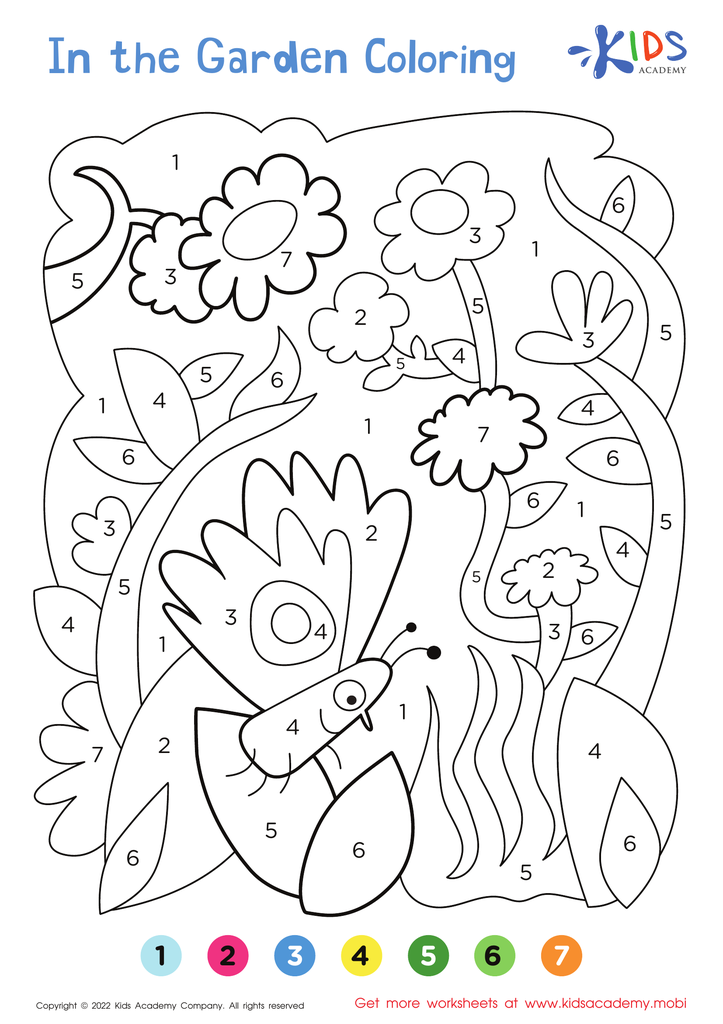
In the Garden – Coloring by Numbers


Understanding flora and fauna is essential for children aged 3-9 as it lays the groundwork for their understanding of nature and the environment. Engaging with plants and animals promotes curiosity, sparking a love for exploration and scientific inquiry. These young formative years are crucial for developing empathy and responsibility; when children learn about living organisms, they begin to appreciate their roles in ecosystems.
Parents and teachers can nurture this appreciation through hands-on activities like gardening or nature walks, which foster a connection to the earth and instill a sense of stewardship. Additionally, learning about different species can enhance literacy skills—children can read stories or create art based on their observations, helping them express their thoughts creatively.
Moreover, knowledge of flora and fauna can enhance critical thinking skills. Children learn to categorize, compare, and understand relationships within the natural world, promoting informed decision-making. Ultimately, instilling a respect for nature in young minds will not only enrich their understanding and enjoyment of the environment but also cultivate future generations who are more inclined to protect our planet. This holistic approach benefits children's cognitive, emotional, and social development, making it vital for parents and educators alike to prioritize these lessons.