Handwriting practice English for Beginners Worksheets for Ages 3-9 - Page 2
43 filtered results
-
From - To
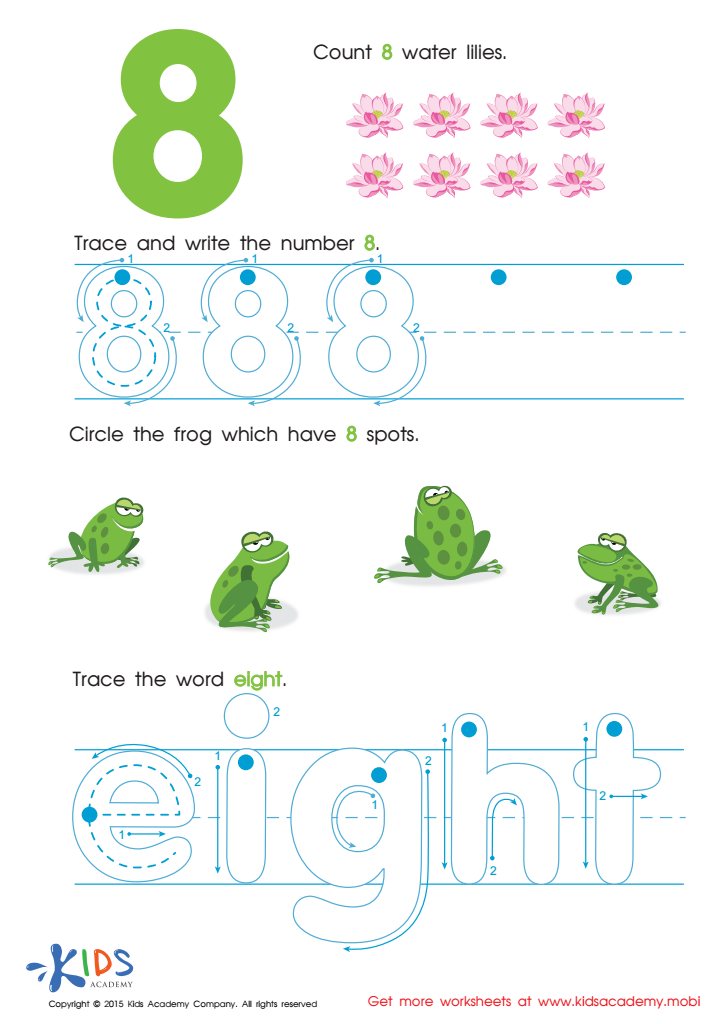
Learn Number 8 Easily Worksheet
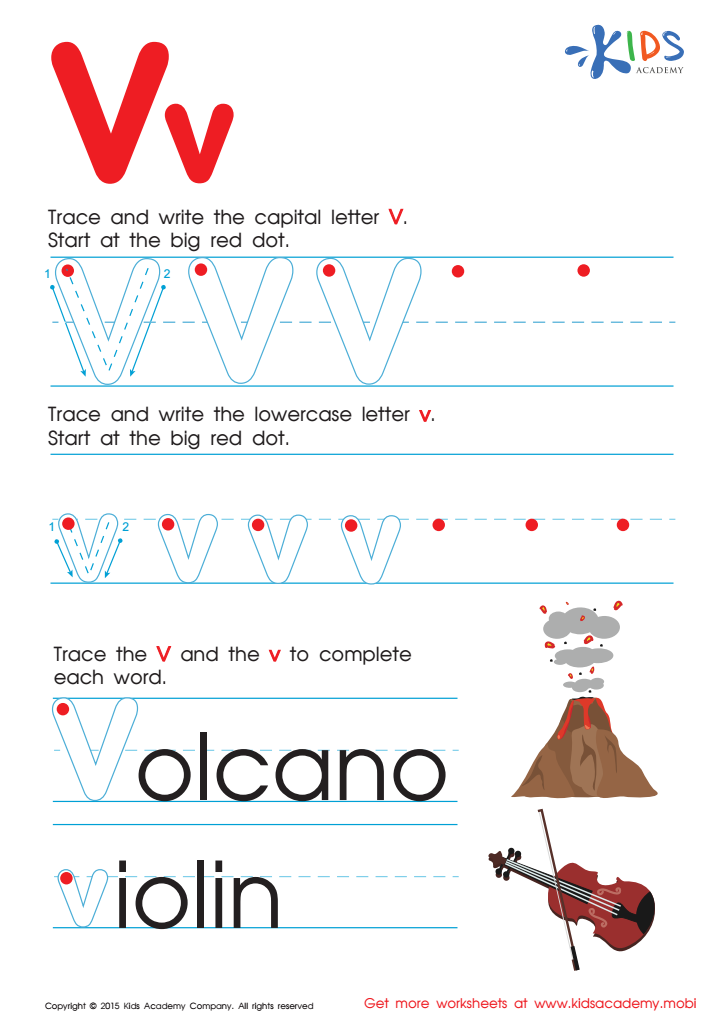
Letter V Tracing Page
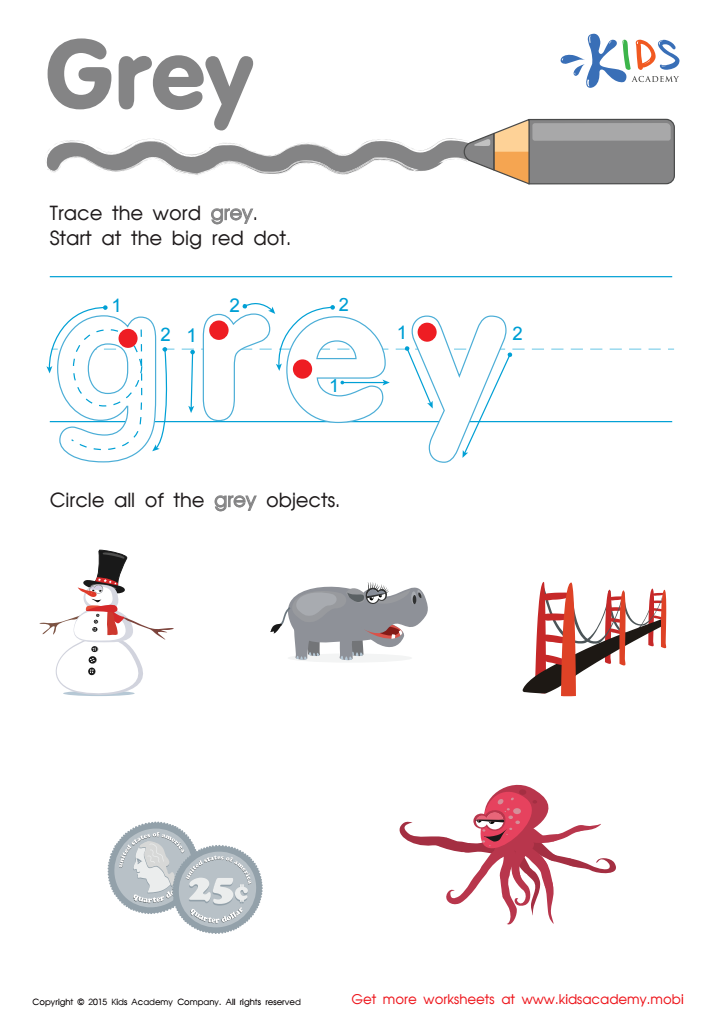
Grey Tracing Color Words Worksheet
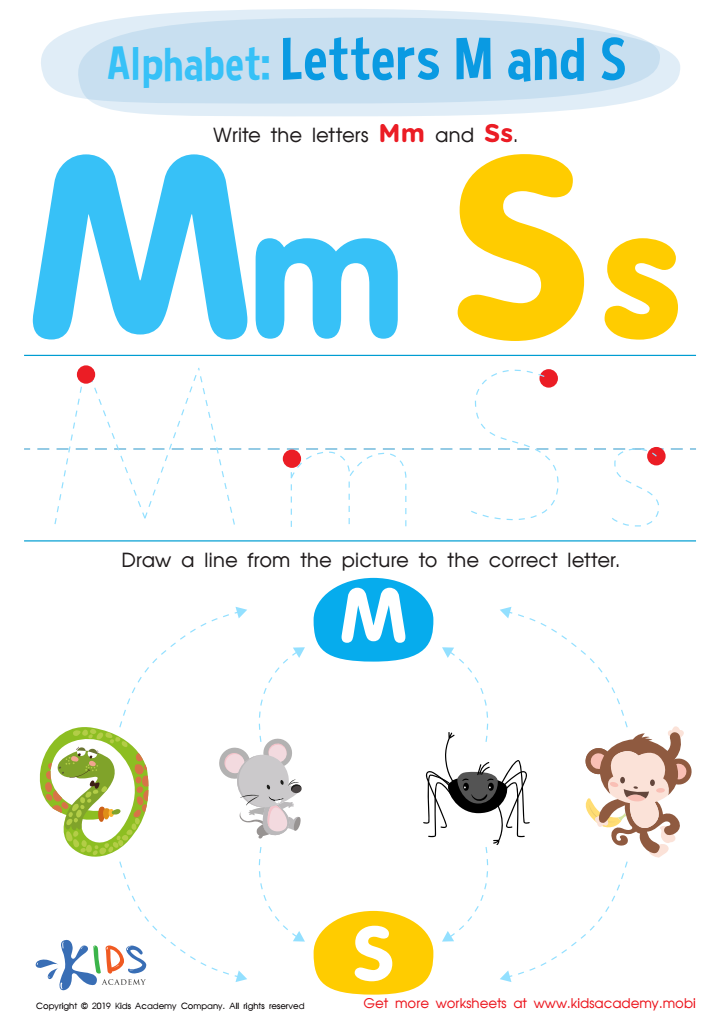
Letters M and S Tracing Worksheet
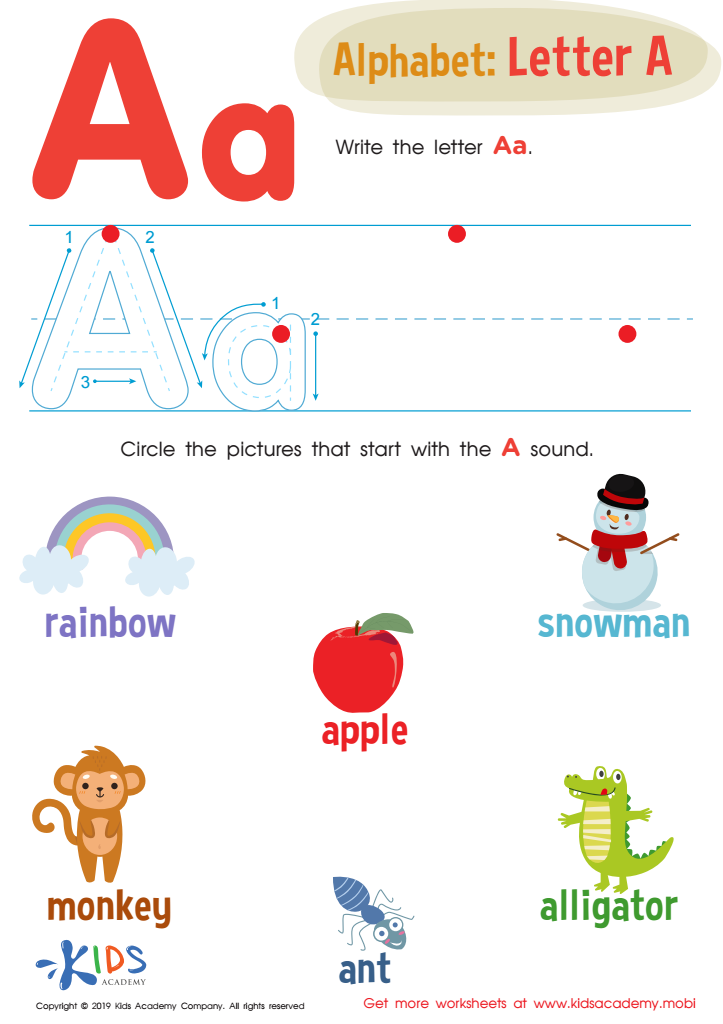
Letter A Tracing Worksheet
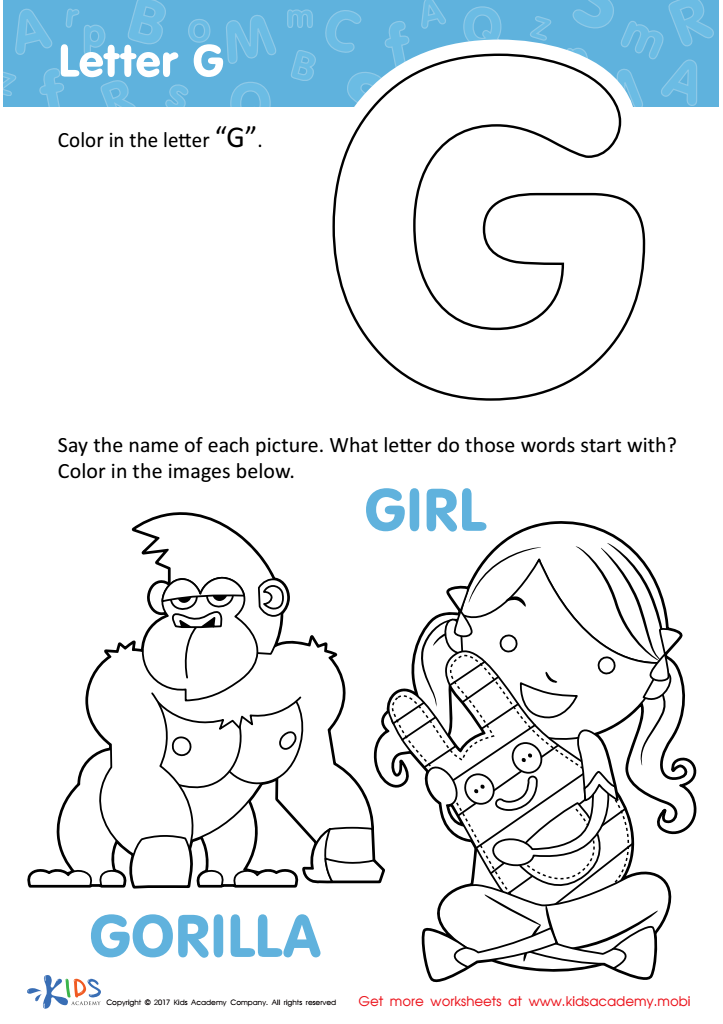
Letter G Coloring Sheet
 Assign to My Students
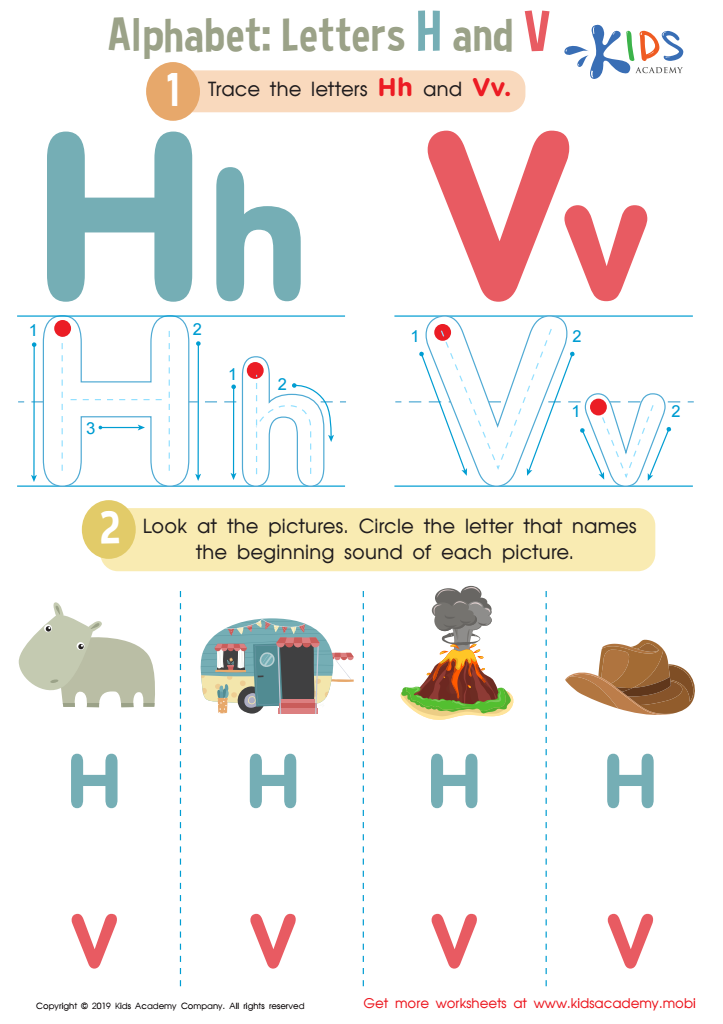
Letters H and V Tracing Worksheet
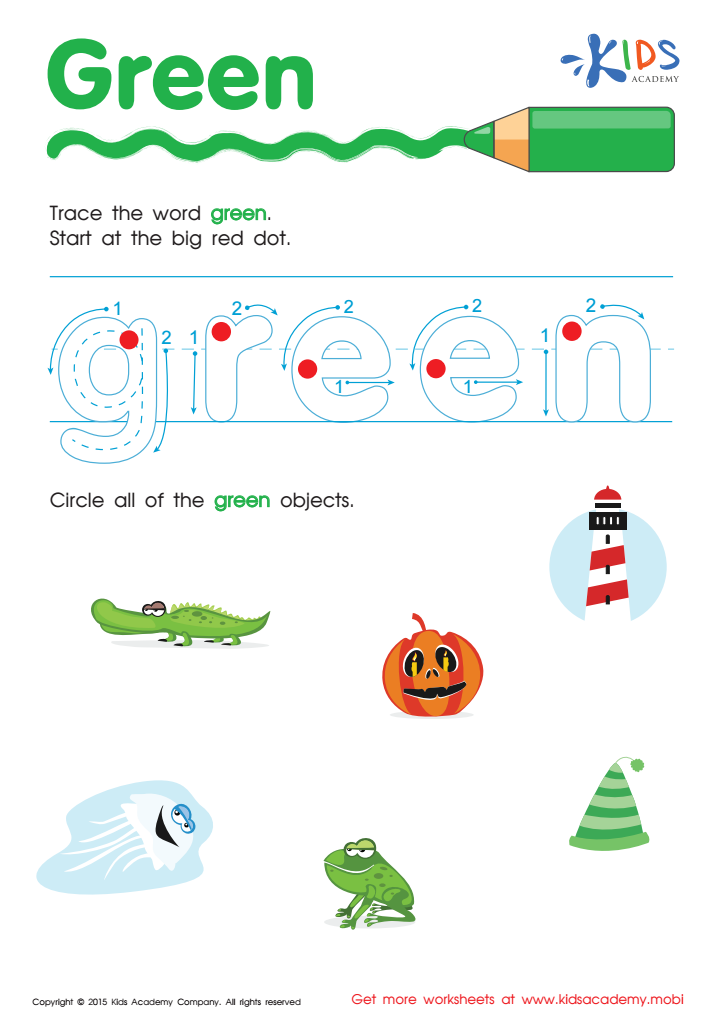
Green Tracing Color Words Worksheet
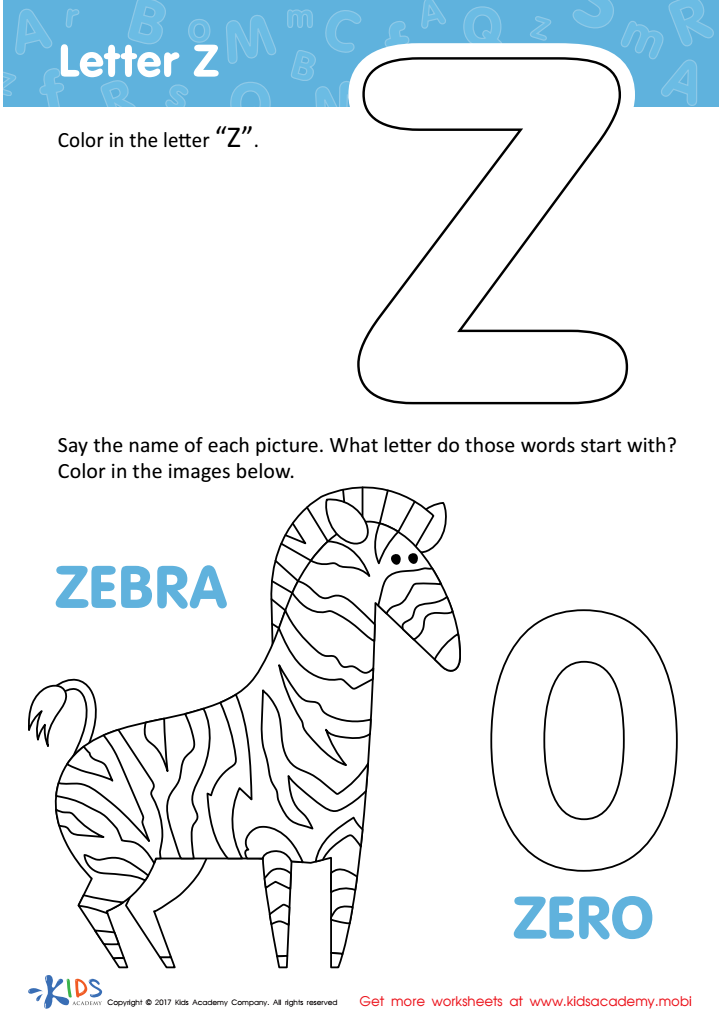
Letter Z Coloring Sheet
Assign to My Students
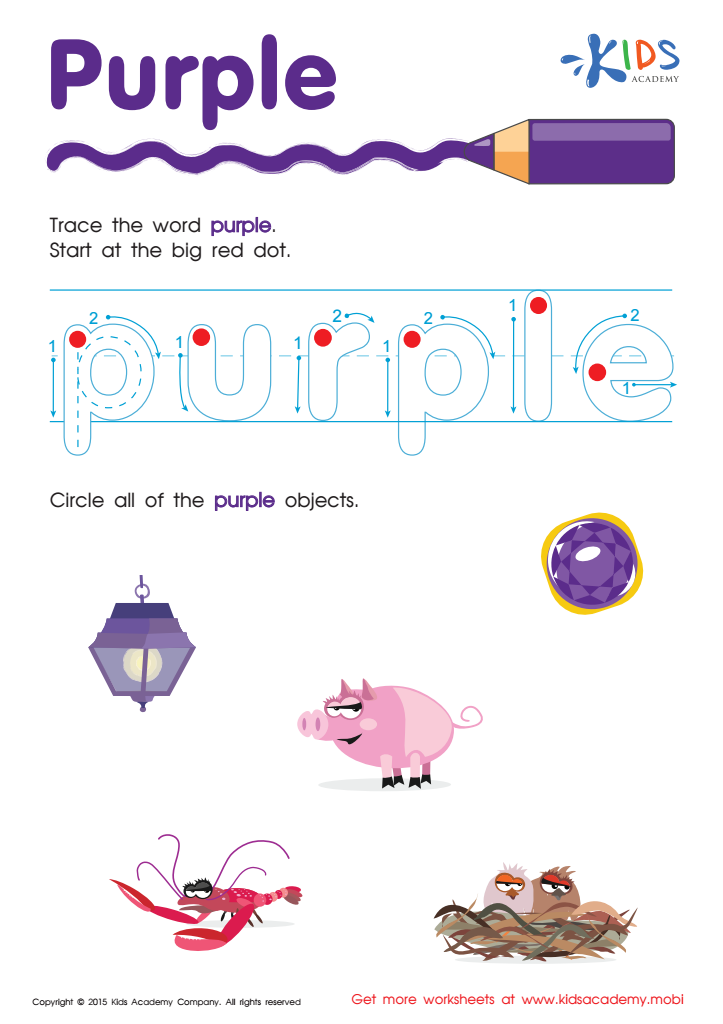
Purple Tracing Color Words Worksheet
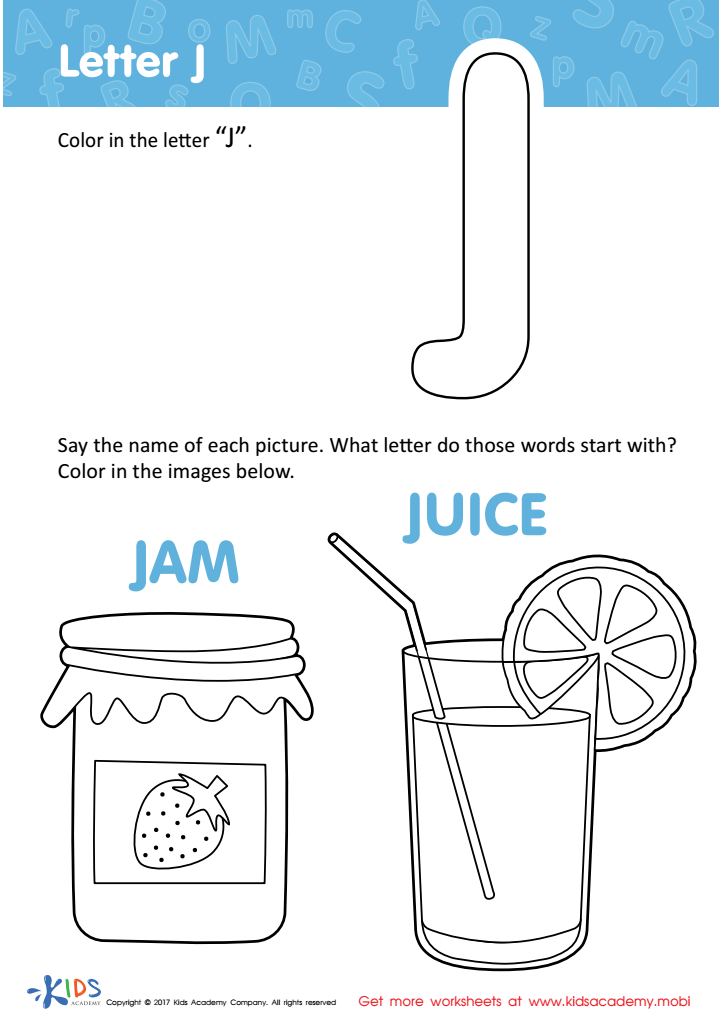
Letter J Coloring Sheet
Assign to My Students
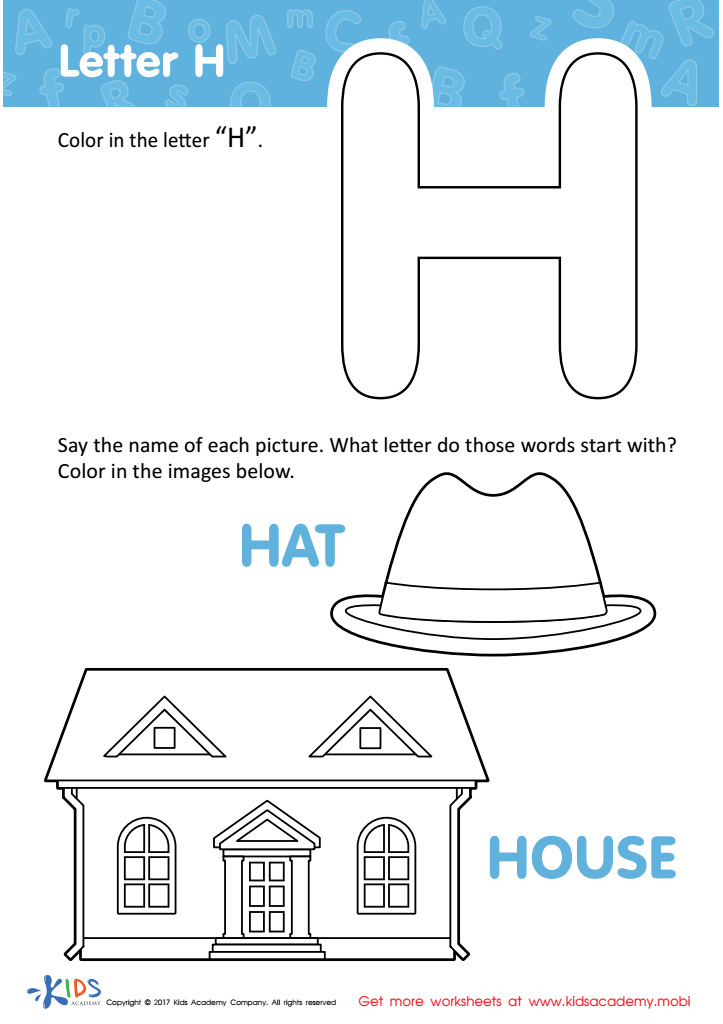
Letter H Coloring Sheet
Assign to My Students
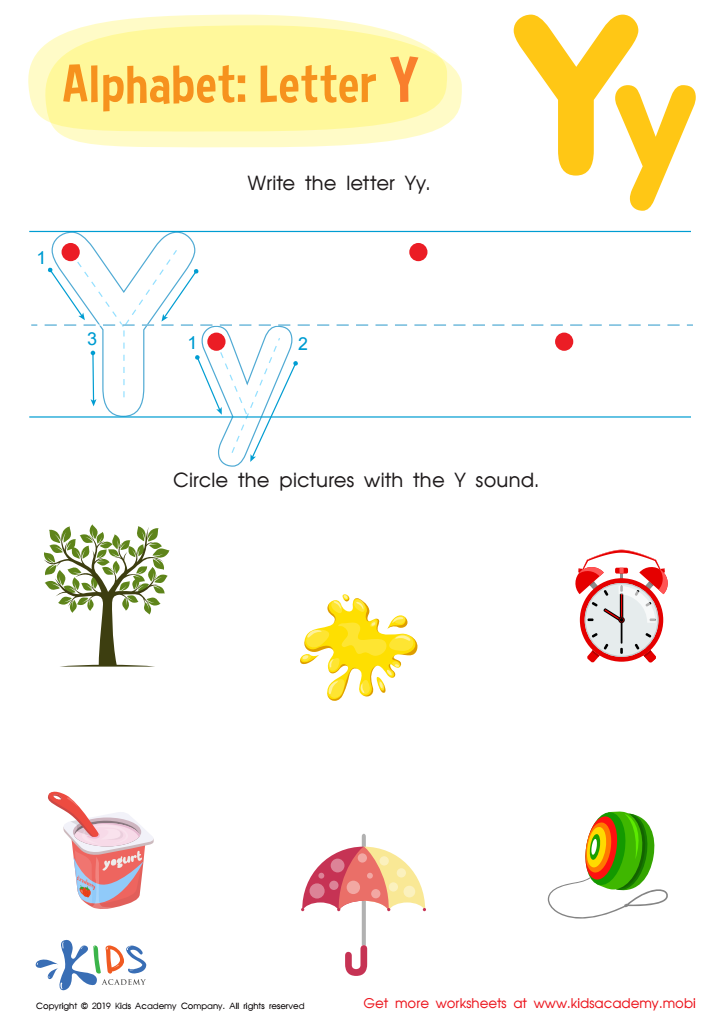
Letter Y Tracing Worksheet
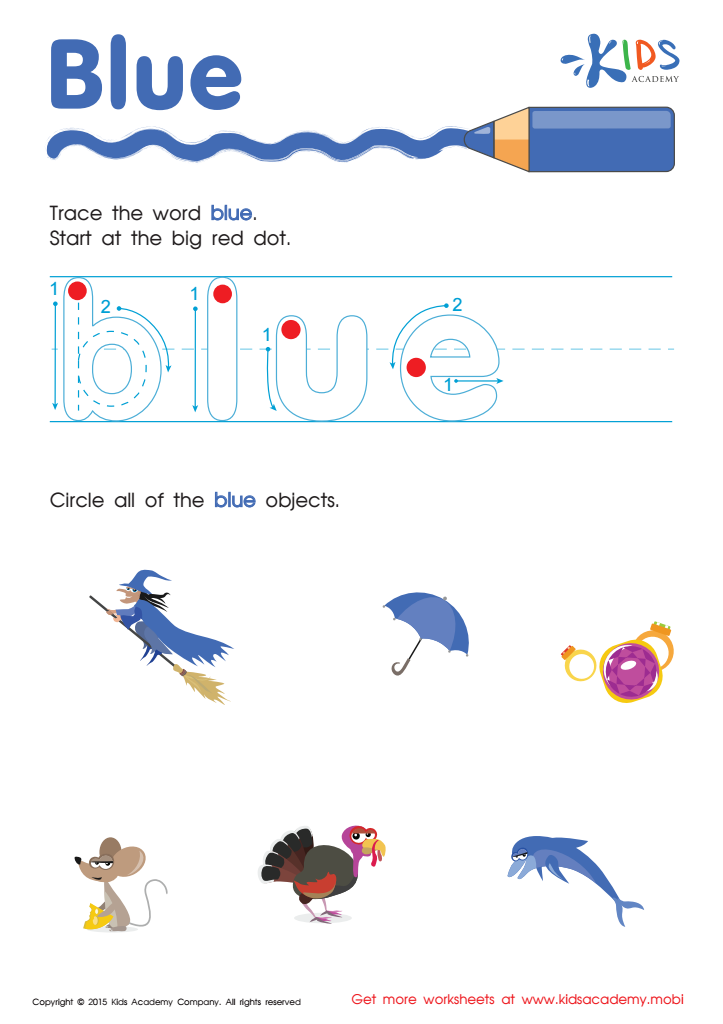
Blue Tracing Color Words Printable
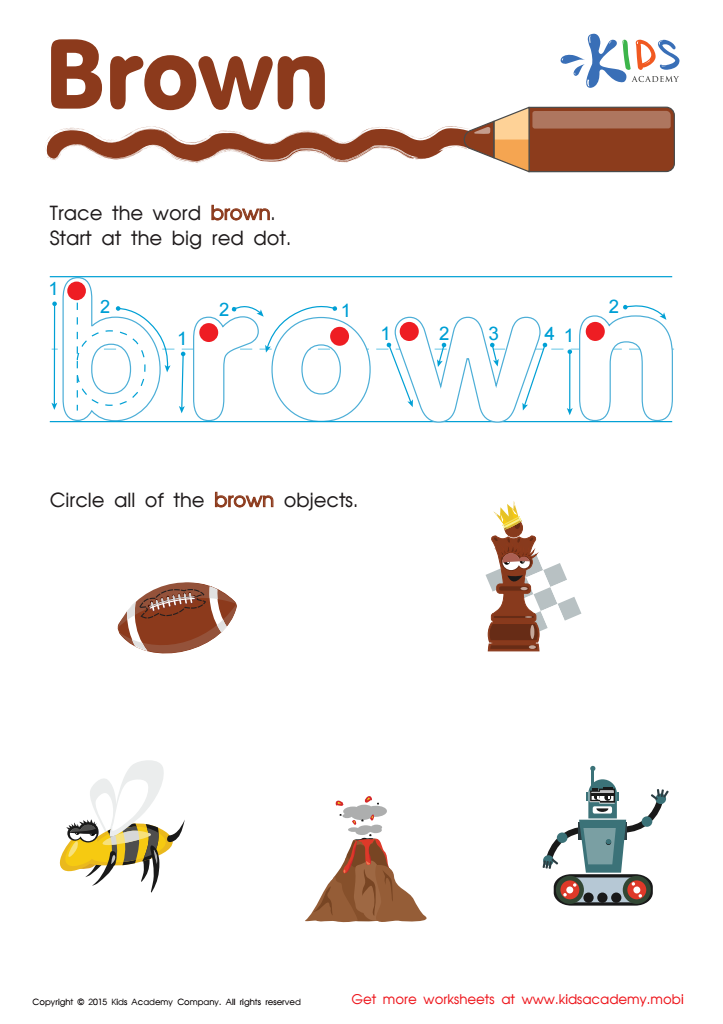
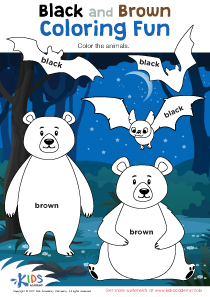
Brown Tracing Color Words Worksheet
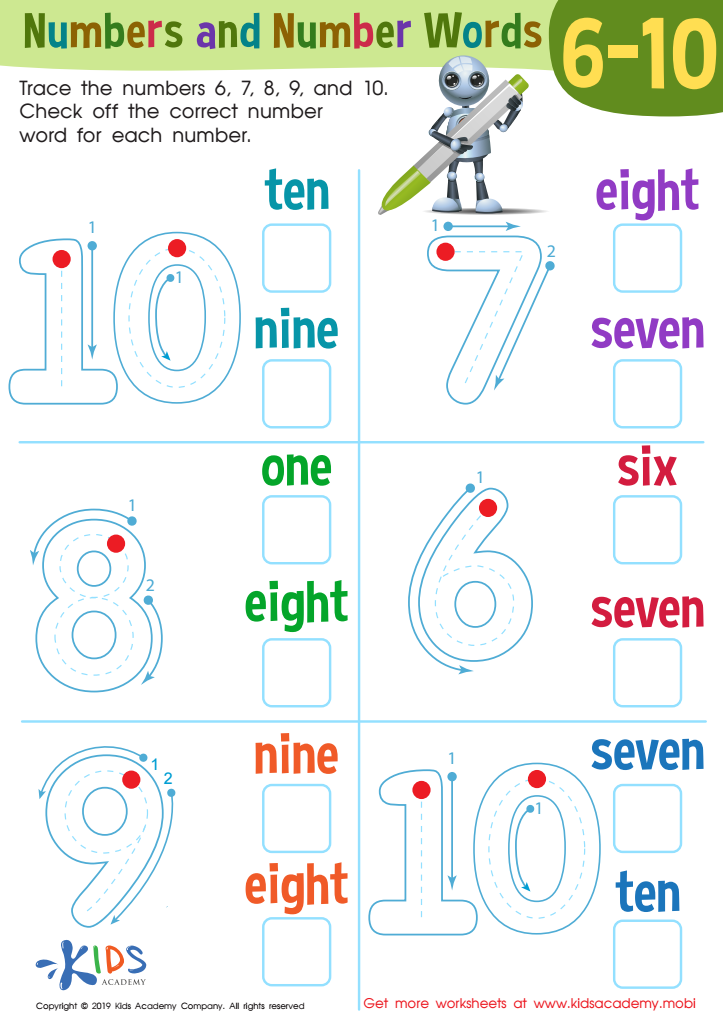
Numbers and Number Words 6–1 Worksheet
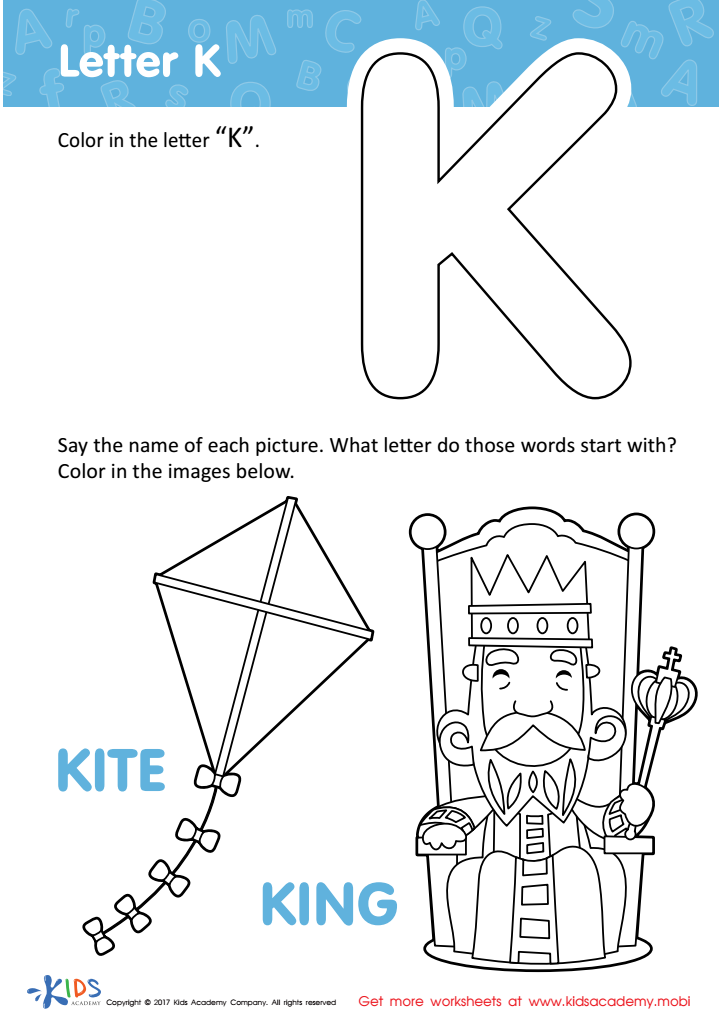
Letter K Coloring Sheet
Assign to My Students
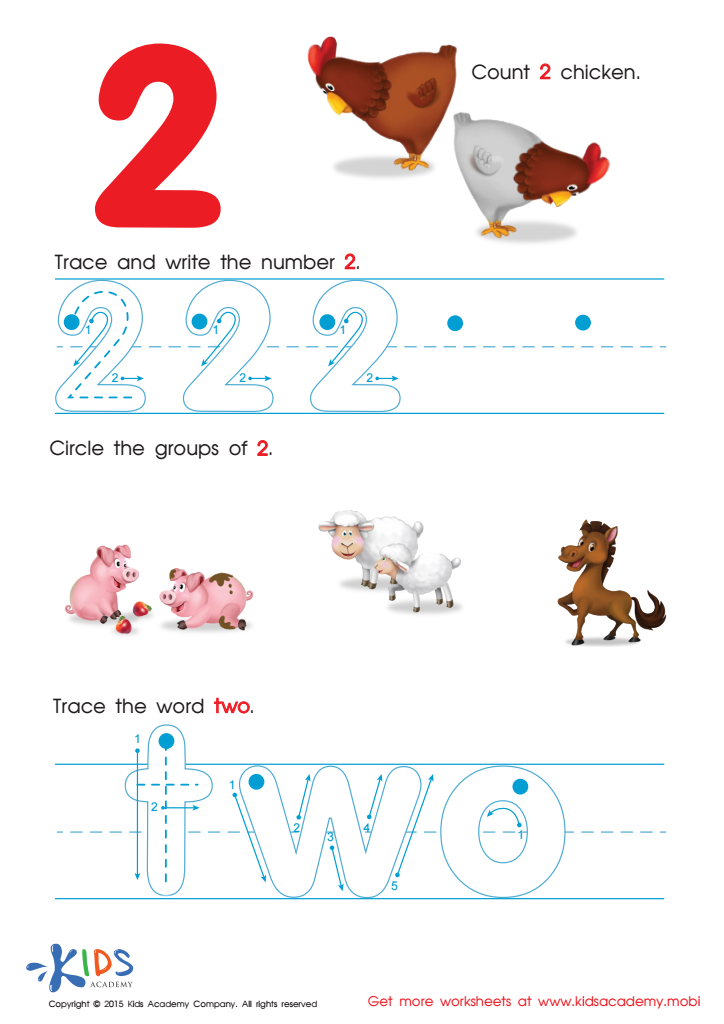
Learn to Write the Number 2 Worksheet
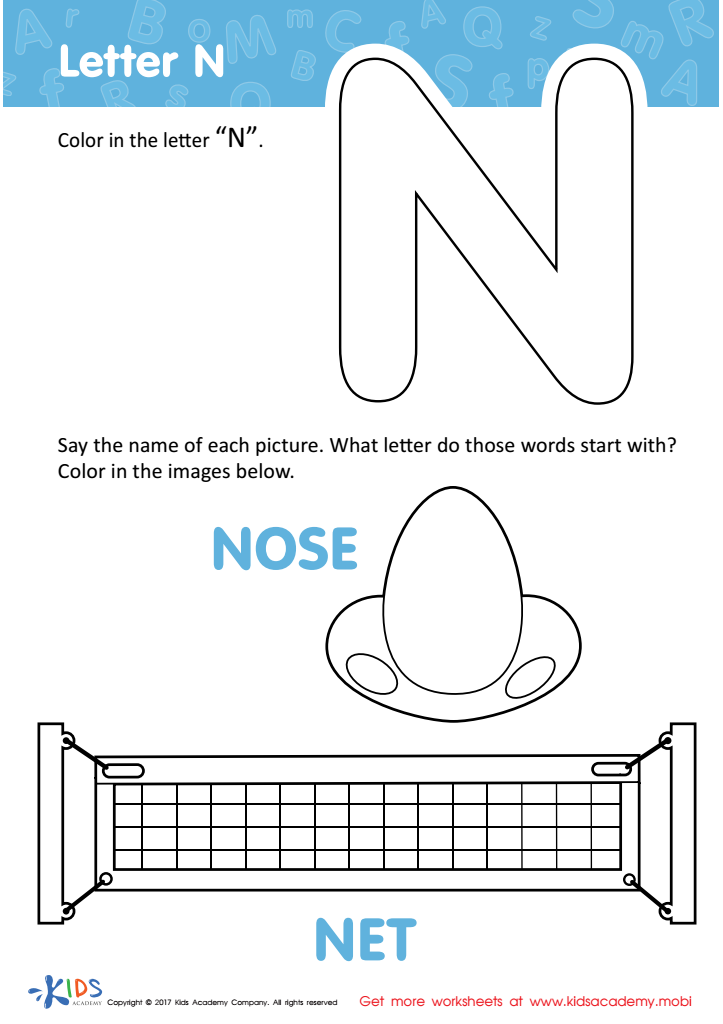
Letter N Coloring Sheet
Assign to My Students





Handwriting practice is crucial for children aged 3-9 as it significantly impacts their development in various ways. First and foremost, handwriting is a foundational skill that influences literacy and reading abilities. When children learn to form letters correctly and develop fine motor coordination, they enhance their overall writing skills, which is essential for effectively expressing thoughts and ideas.
Moreover, handwriting fosters cognitive development. As children practice writing, they engage their brains in complex processes that enhance memory and information retention. This skill also contributes to building focus and discipline, as children learn to pay attention to detail and take the time to improve their techniques.
Additionally, handwriting can boost self-esteem. As youngsters witness their progress and develop their style, they gain confidence in their abilities. Well-developed handwriting skills can carry into academic and future professional success, highlighting the importance for parents and teachers to prioritize this practice.
Finally, handwriting provides a personal touch to communication, a trait that modern digital forms can't replicate. By promoting handwriting practice, adults help children cultivate not only essential skills but also a form of expression that enriches their emotional and social development.