Data interpretation Worksheets for Ages 3-9
24 filtered results
-
From - To
Explore our engaging Data Interpretation Worksheets designed for children aged 3-9! These interactive resources help young learners develop essential skills in understanding and interpreting data through fun activities. With colorful charts, simple graphs, and engaging visuals, kids will master the basics of data collection, comparison, and interpretation. Our worksheets foster critical thinking and analytical skills in an enjoyable manner, making learning a delightful experience. Perfect for home or classroom use, these worksheets align with early learning standards and provide a great foundation for future mathematical concepts. Dive into data exploration and watch your child's confidence grow!
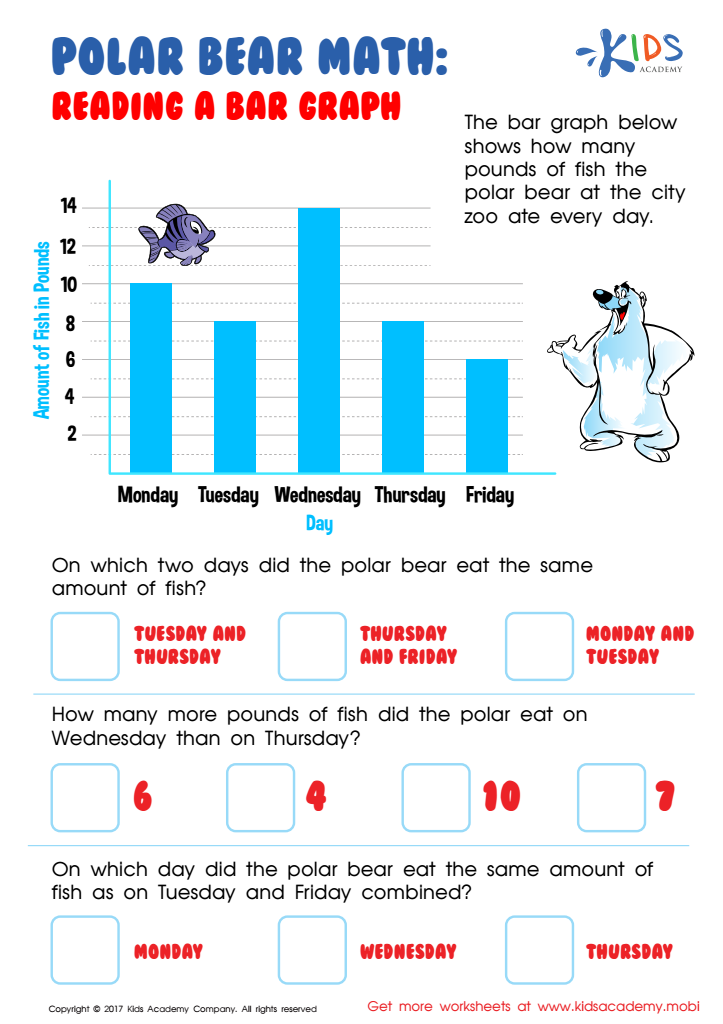
Reading Bar Graph Worksheet
 Assign to My Students
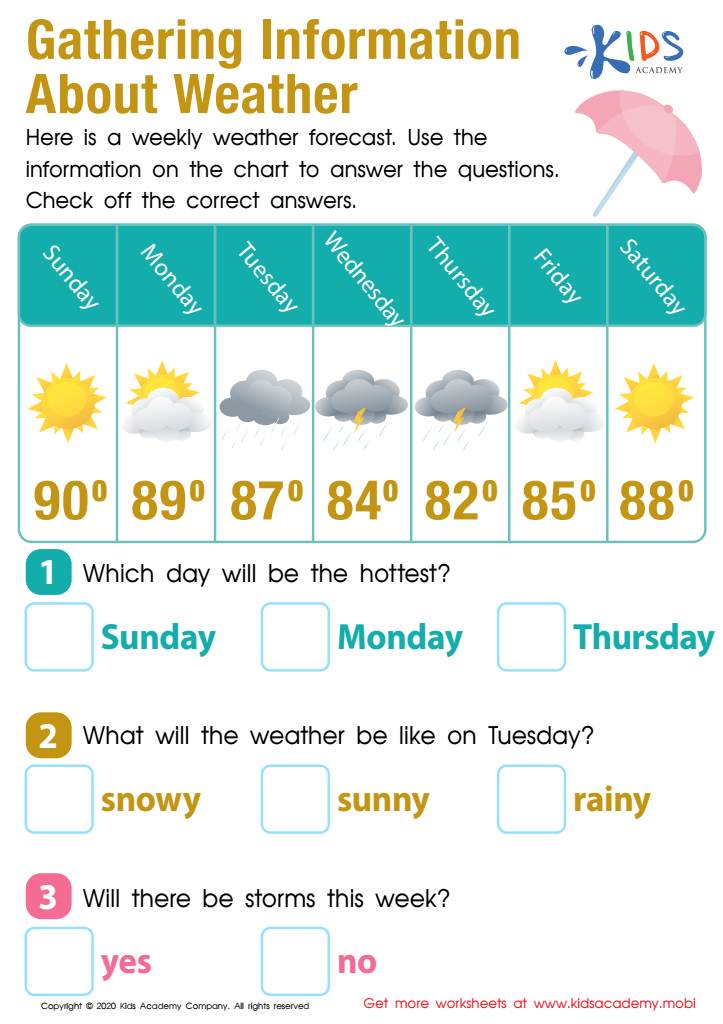
Gathering Information About the Weather Worksheet
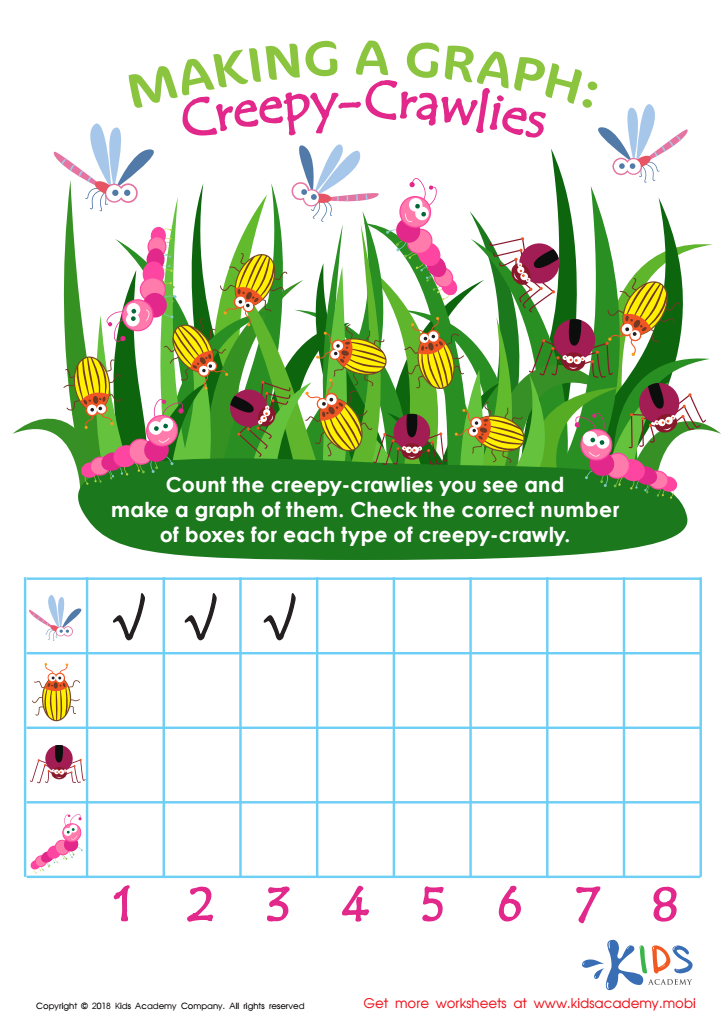
Making a Graph: Creepy Crawlies Worksheet
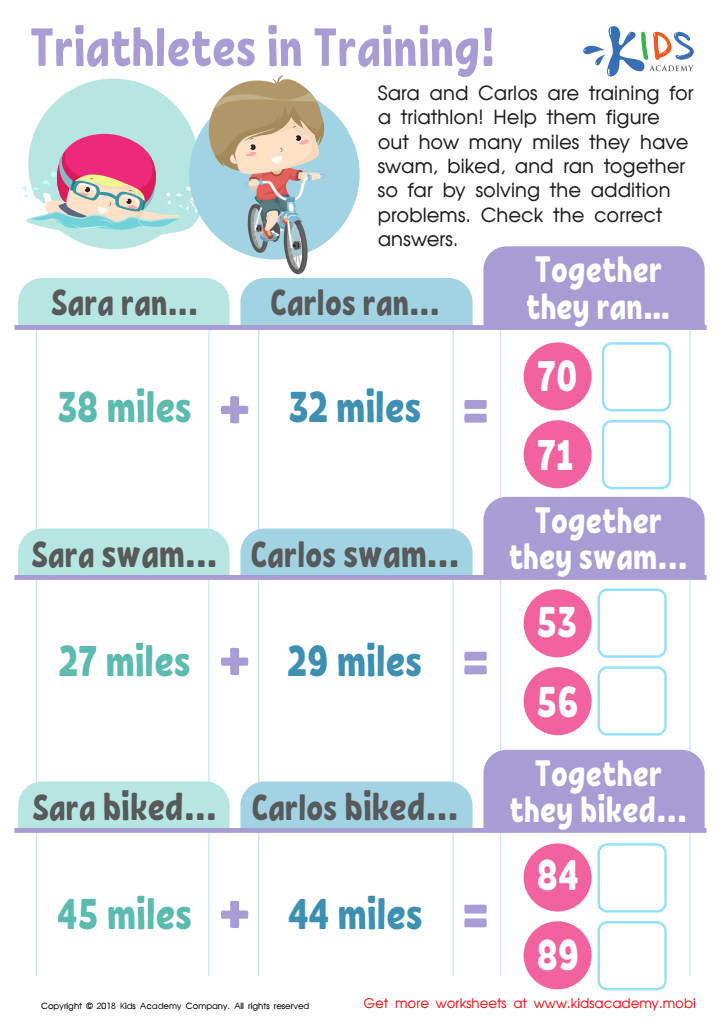
Triathletes in Training Worksheet
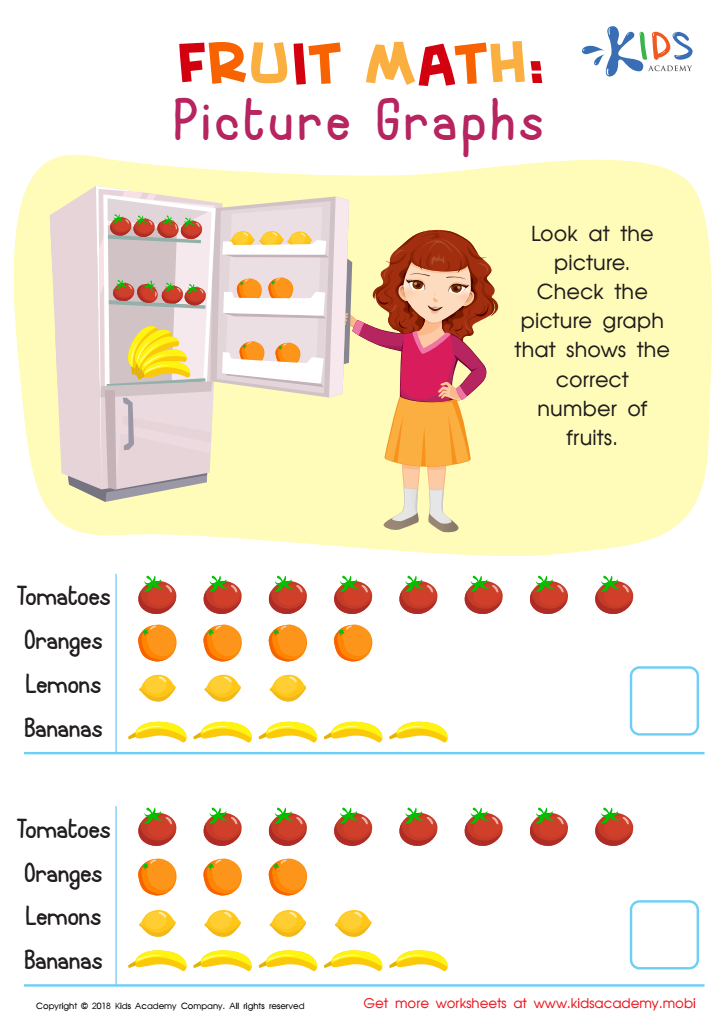
Fruit Math: Picture Graphs Worksheet
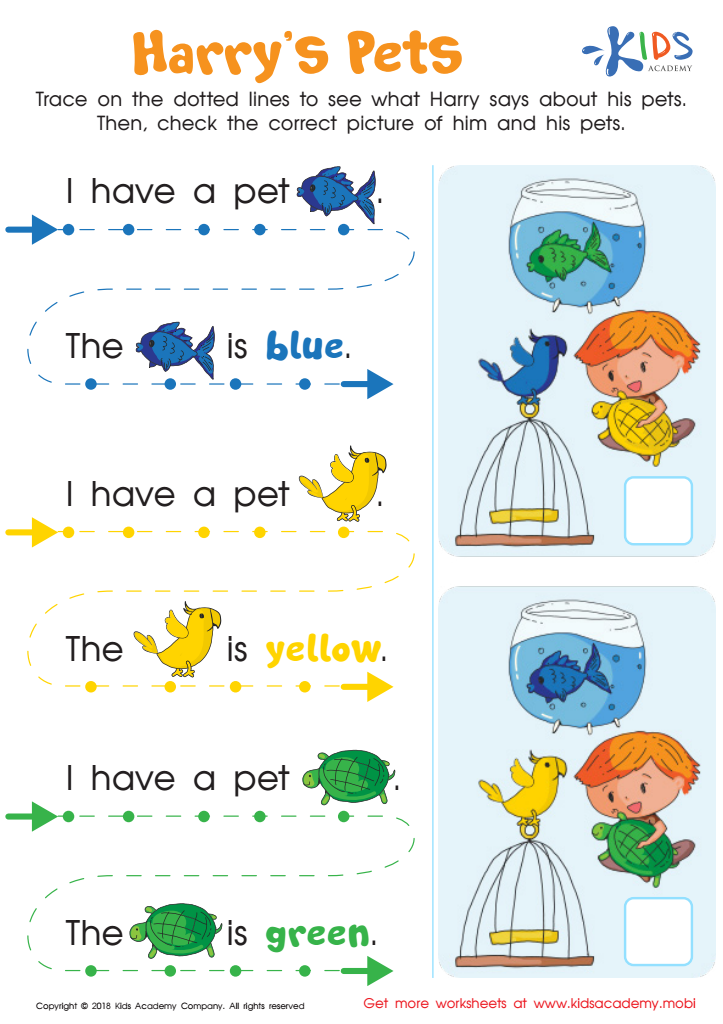
Read from Left to Right: Harry's Pets Worksheet
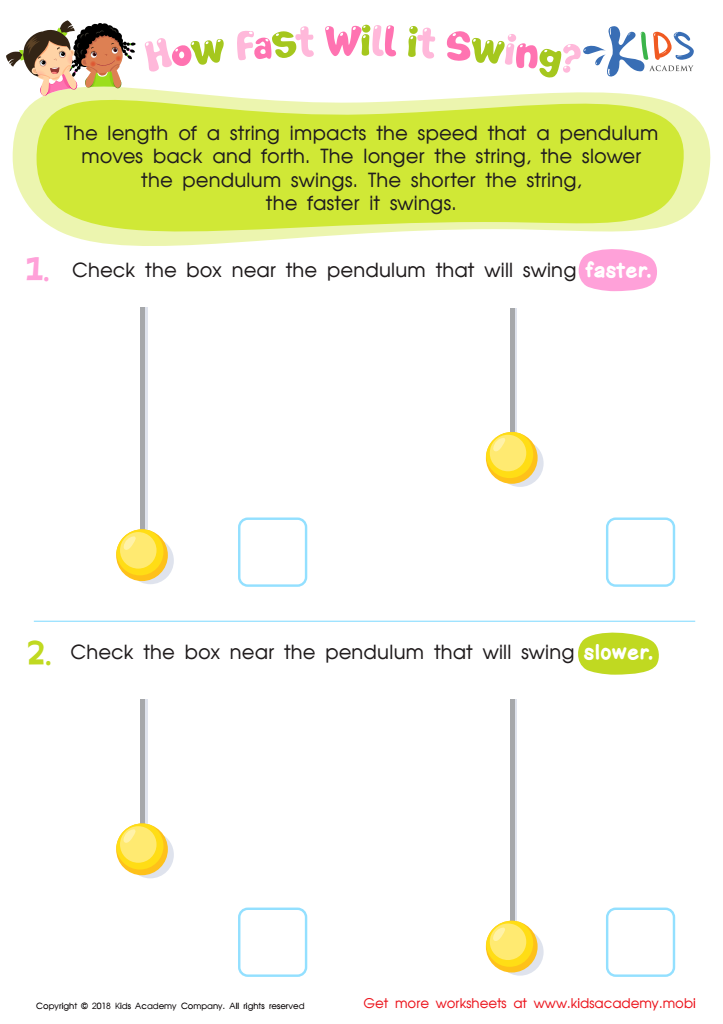
Pendulum Experiment Worksheet For 3rd Grade
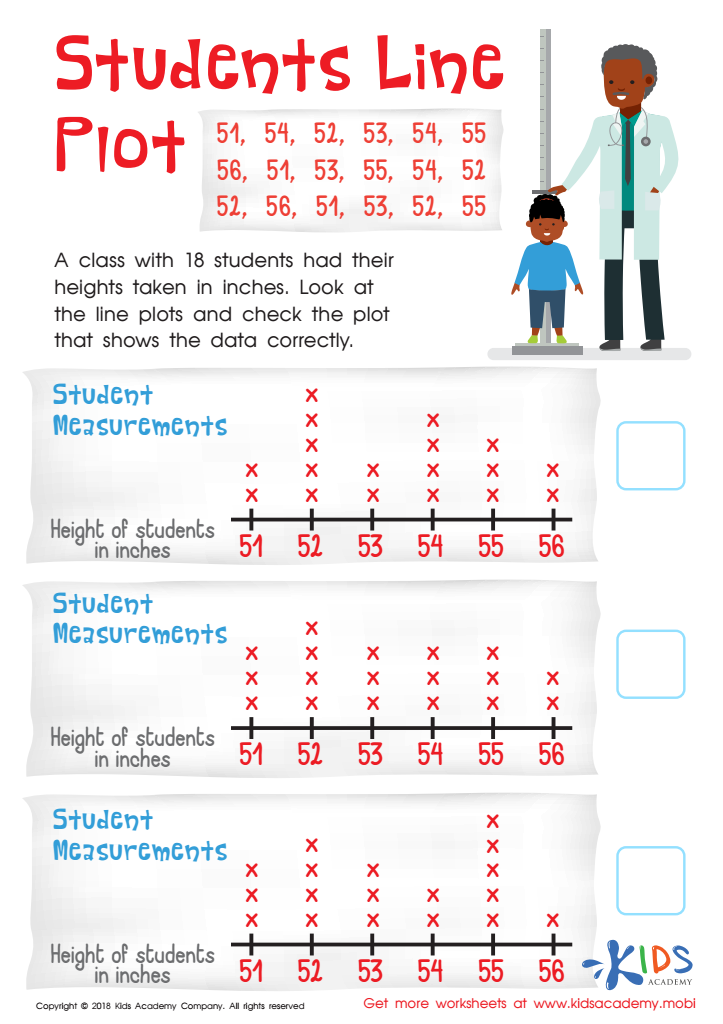
Students Line Plot Worksheet
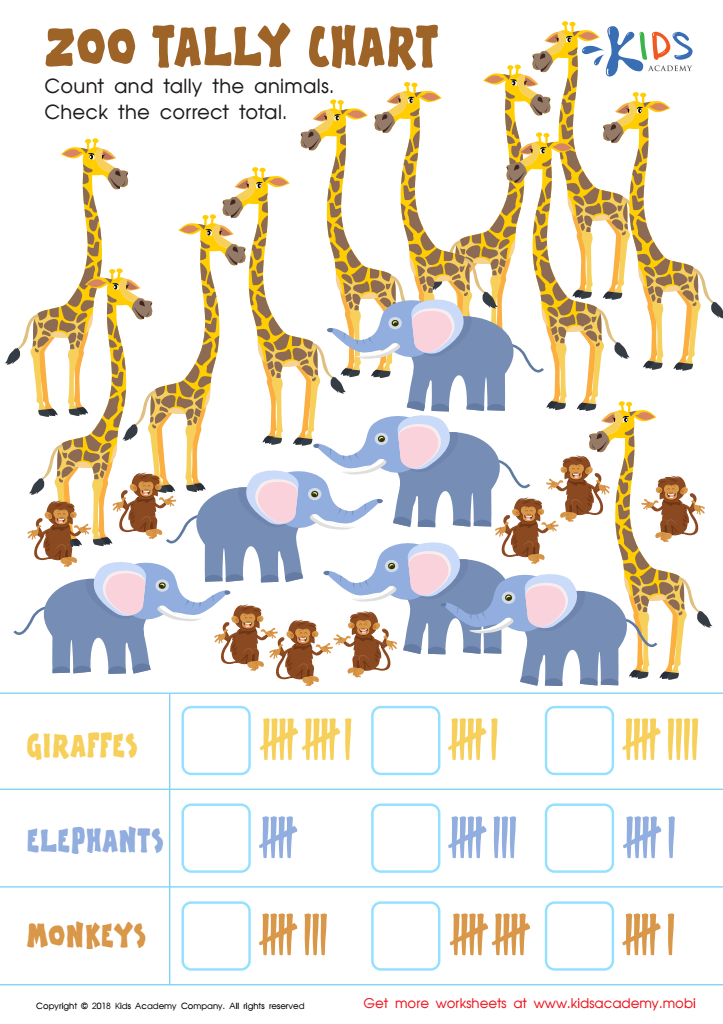
Zoo Tally Chart Worksheet
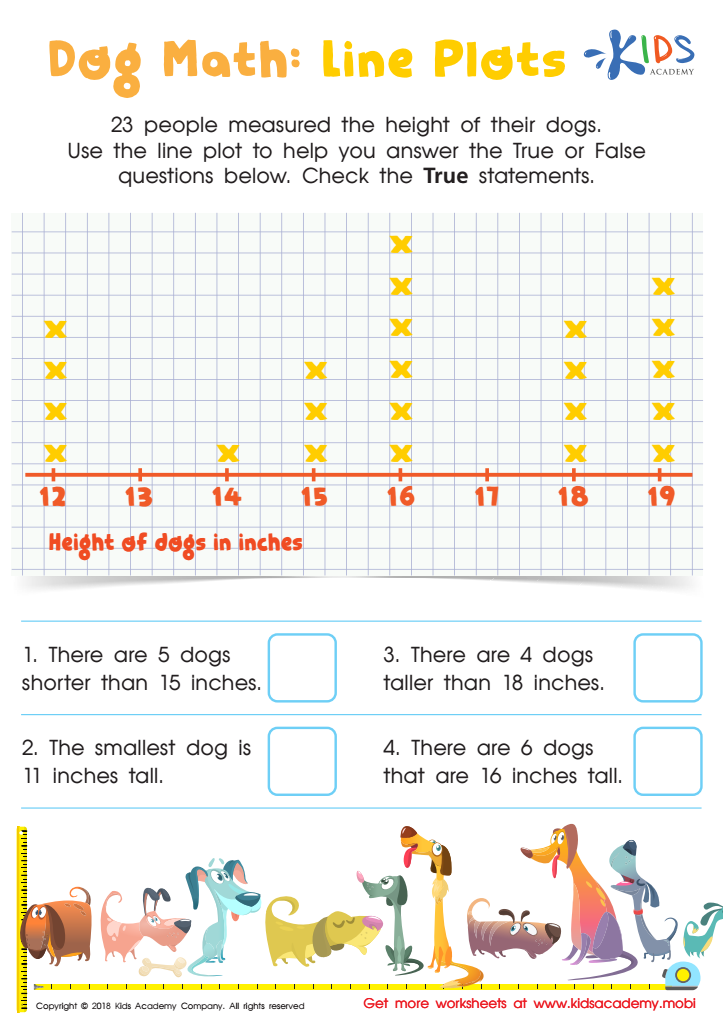
Dog Math: Line Plots Worksheet
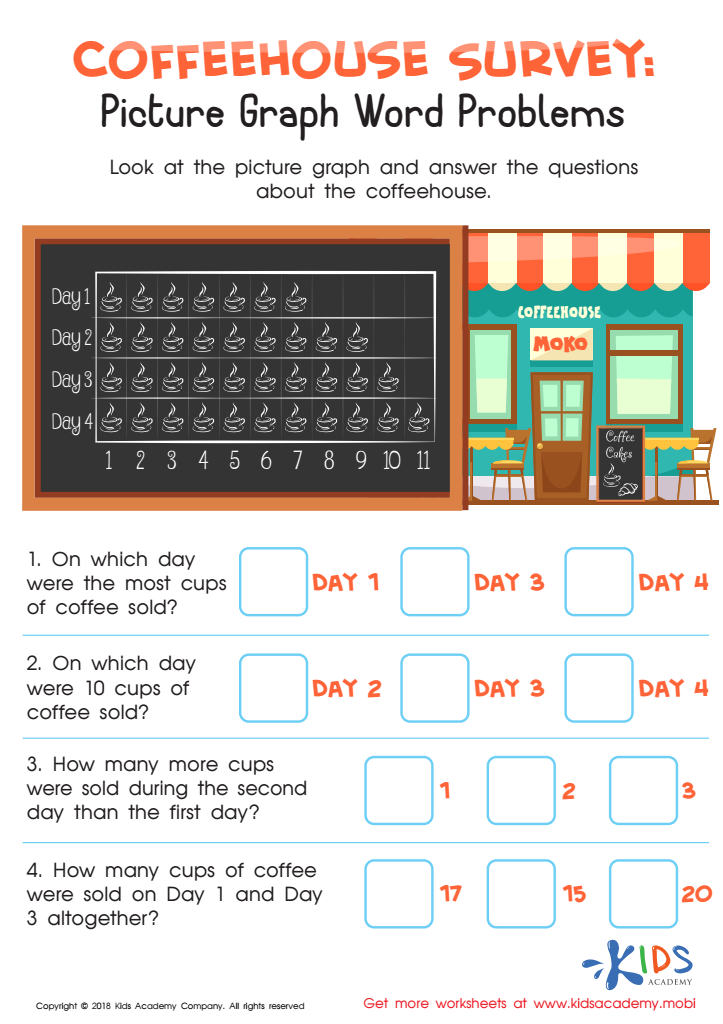
Coffeehouse Survey: Picture Graph Word Problems Worksheet
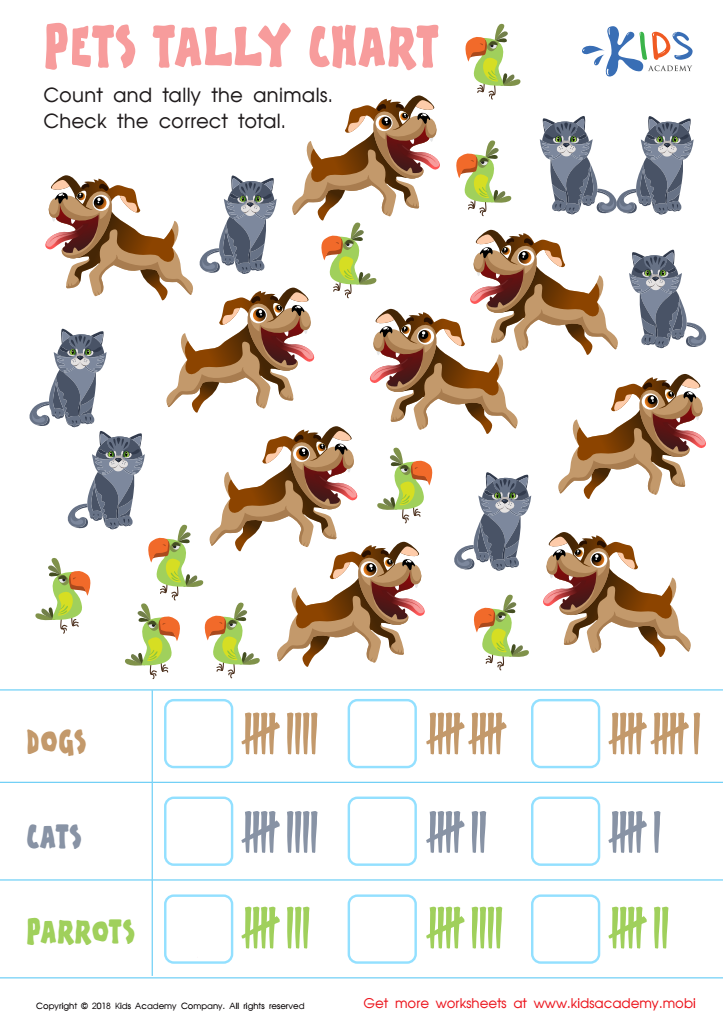
Pets Tally Chart Worksheet
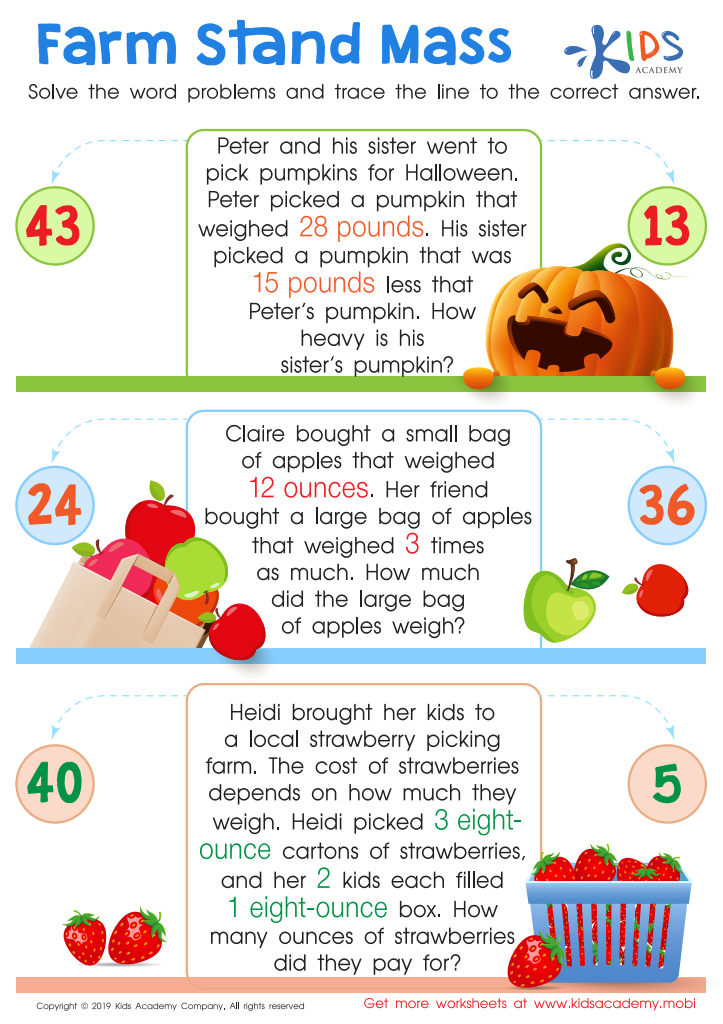
Farm Stand Mass Worksheet
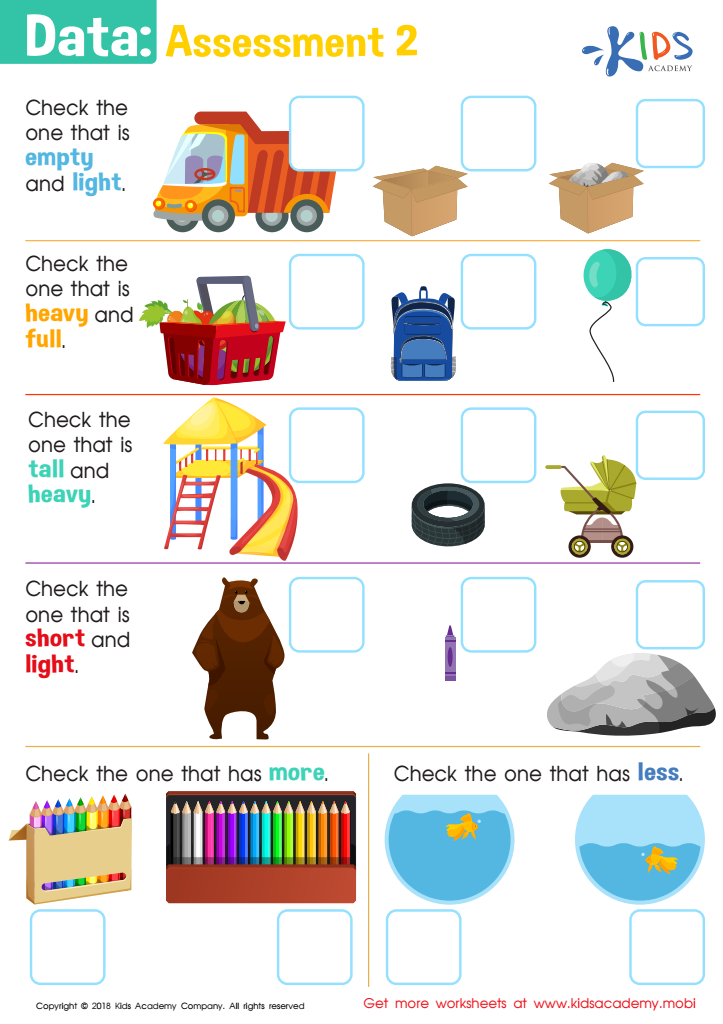
Data: Assessment 2 Worksheet
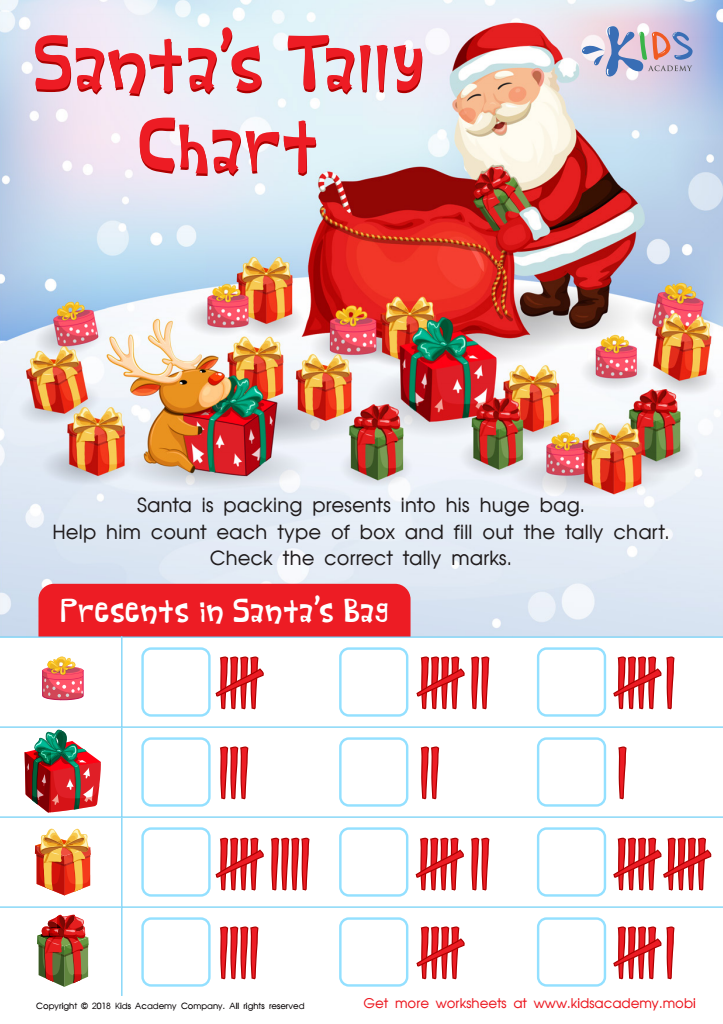
Santa Tally Chart Worksheet
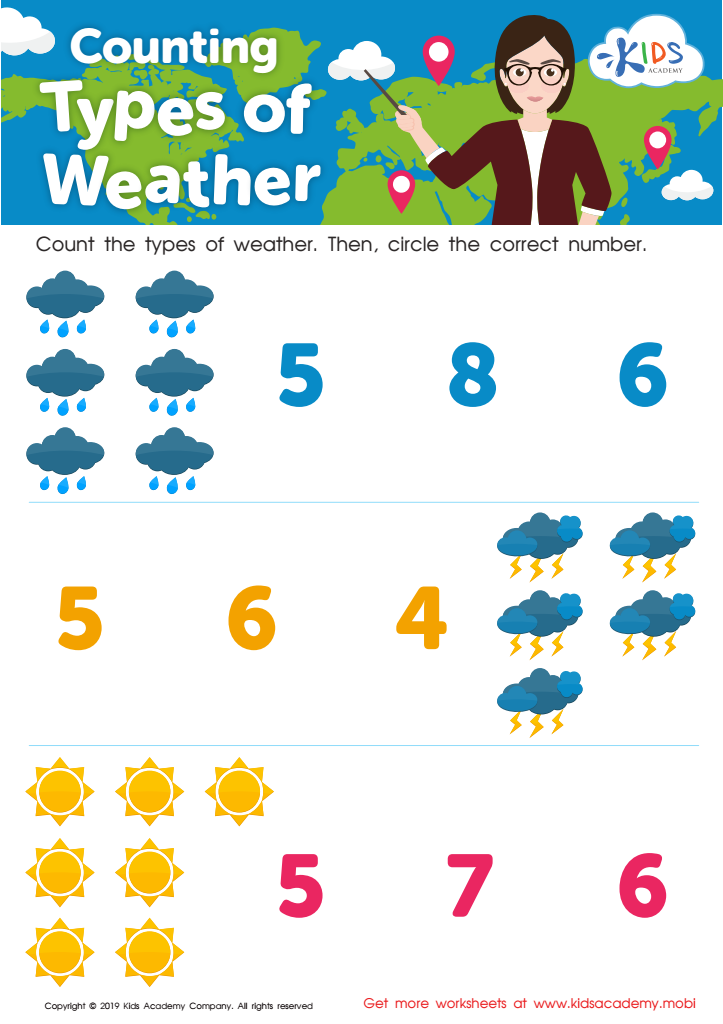
Counting Types of Weather Worksheet
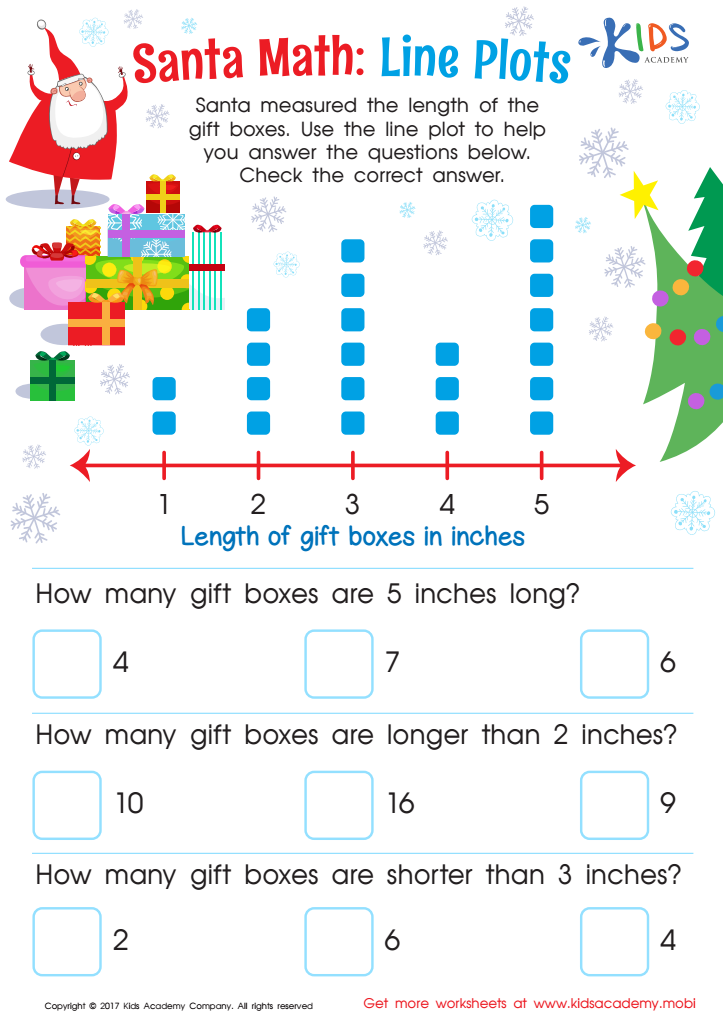
Line Plot Worksheet

Aircraft Carrier Picture Graphs Worksheet
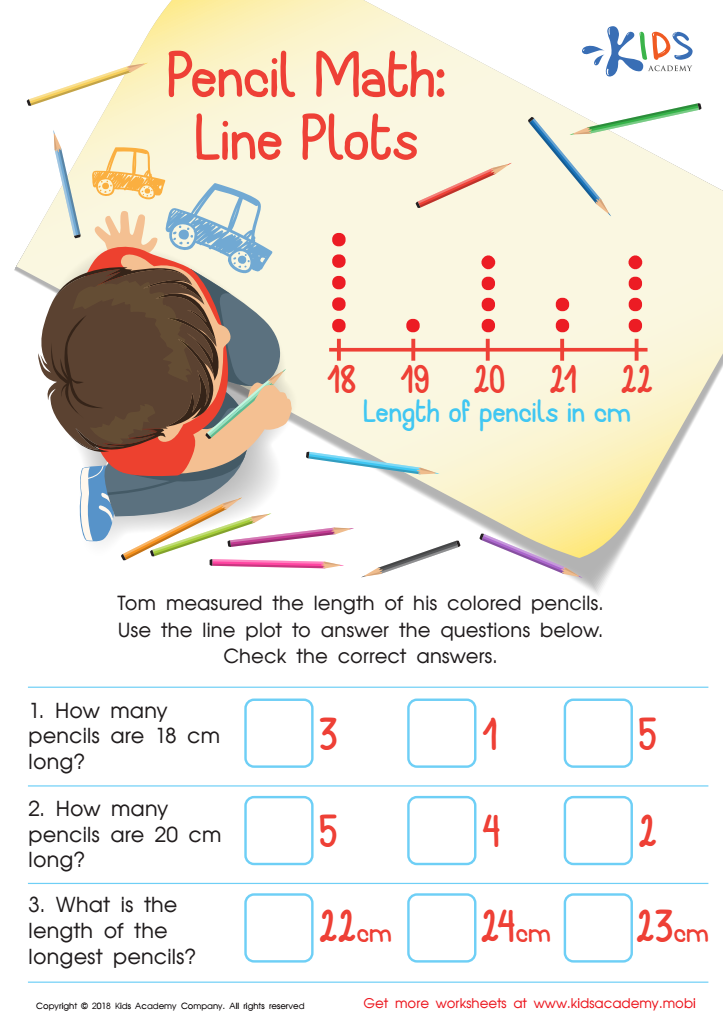
Pencil Math: Line Plots Worksheet
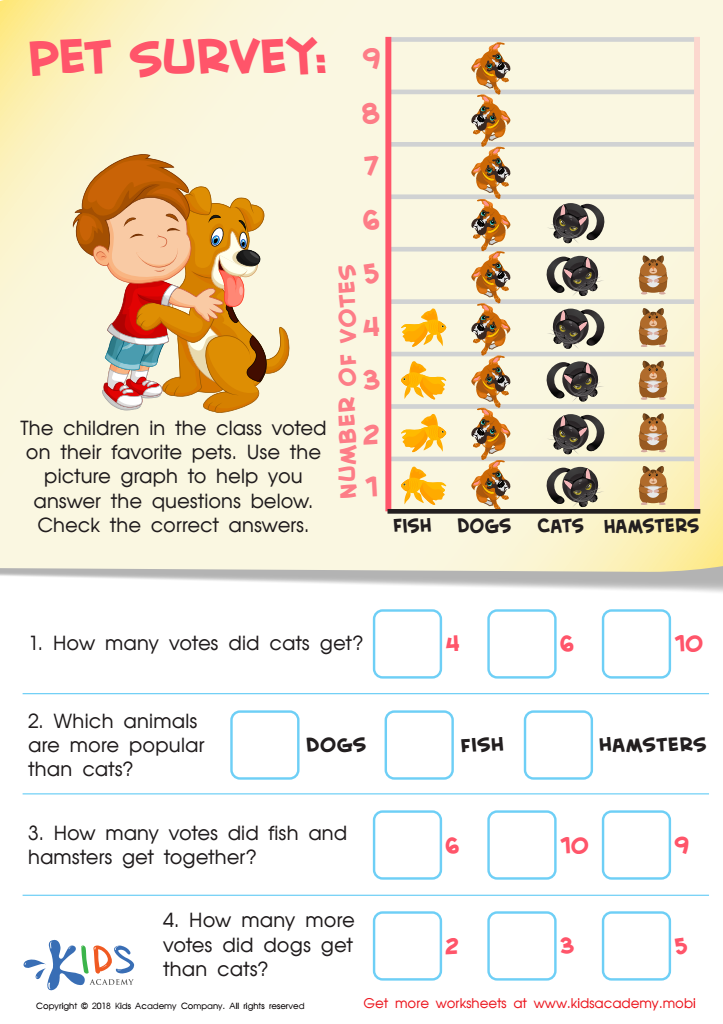
Pet Survey Worksheet
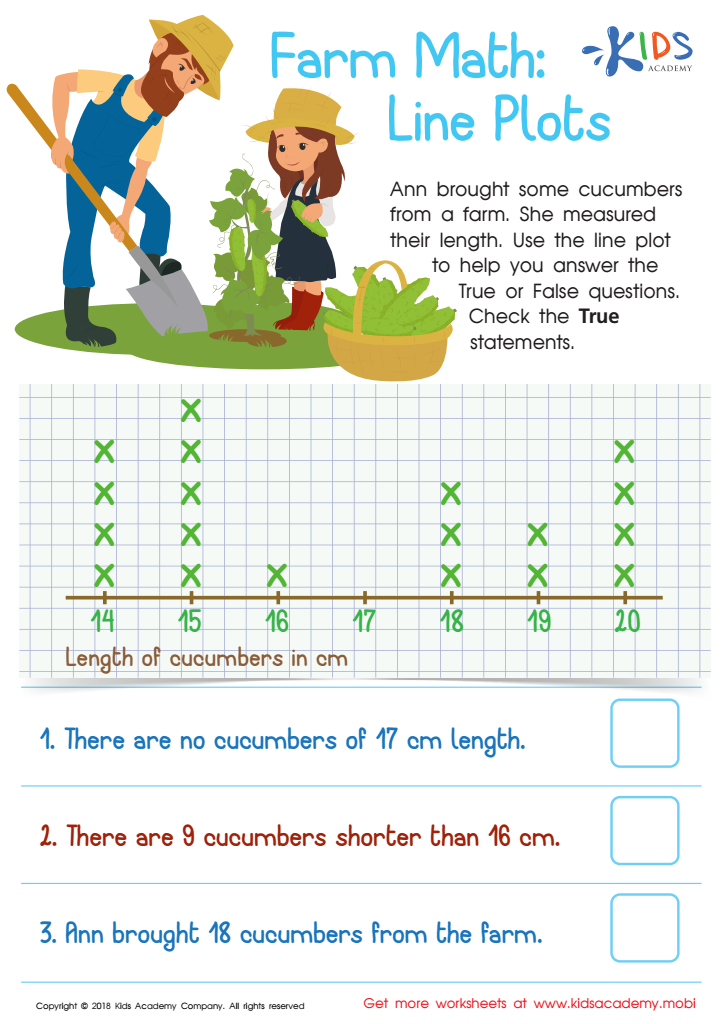
Farm Math: Line Plots Worksheet
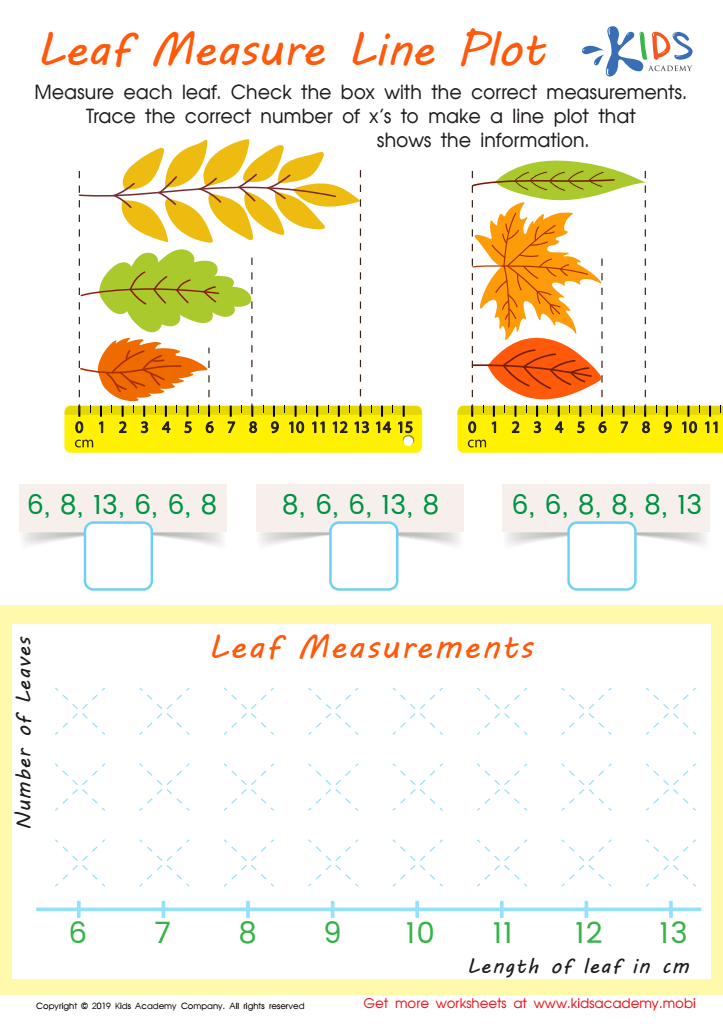
Leaf Measure Line Plot Worksheet








Data interpretation is a crucial skill that should be emphasized for children ages 3-9, as it lays the foundation for critical thinking, problem-solving, and informed decision-making. At a young age, children are naturally curious, often seeking to understand their environment through observations and comparisons. Teaching them how to interpret and analyze data cultivates this curiosity, empowering them to draw conclusions from various information sources.
For parents and teachers, nurturing data interpretation skills fosters numeracy and literacy, as children learn to categorize, classify, and quantify their observations. These skills align with early learning standards and promote mathematical thinking, which is essential in later academic success. Furthermore, introducing concepts like graphs, charts, and basic statistics makes learning engaging and fun, helping to build a positive attitude toward mathematics.
Additionally, children who learn to interpret data can make sense of everyday situations, whether it’s comparing the number of toys they have, analyzing weather patterns, or exploring simple science experiments. Ultimately, equipping children with these skills prepares them for future academic endeavors and enhances their ability to navigate an increasingly data-driven world. By prioritizing data interpretation, parents and teachers can significantly enrich children's cognitive development and foster lifelong learning habits.








