Letter recognition Worksheets for Ages 3-9 - Page 4
109 filtered results
-
From - To
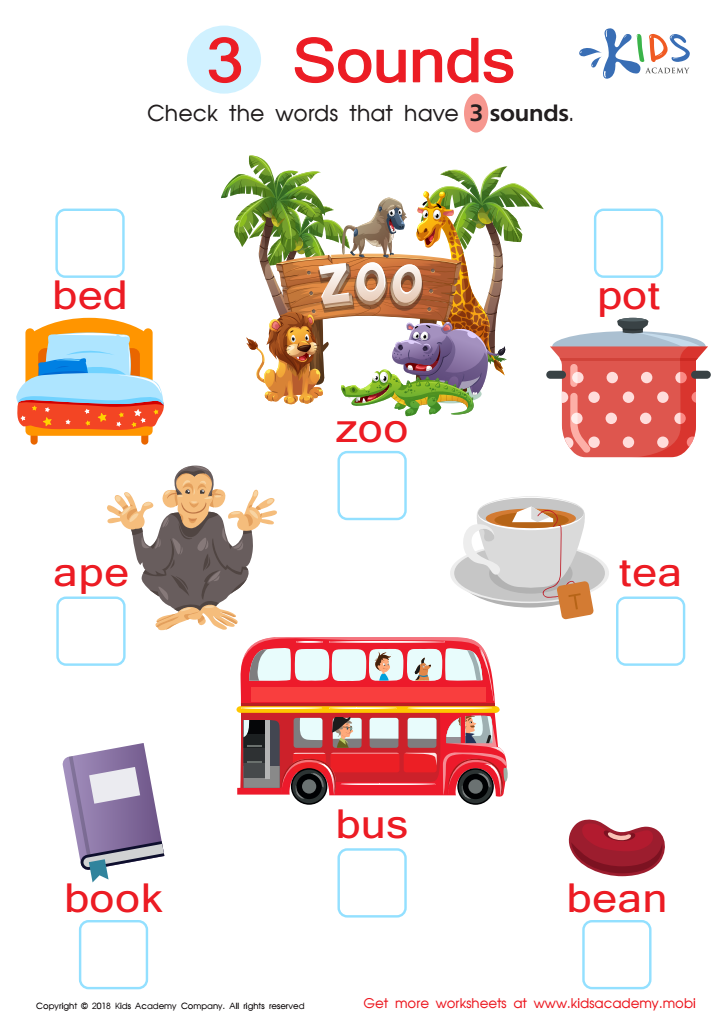
3 Sounds Worksheet
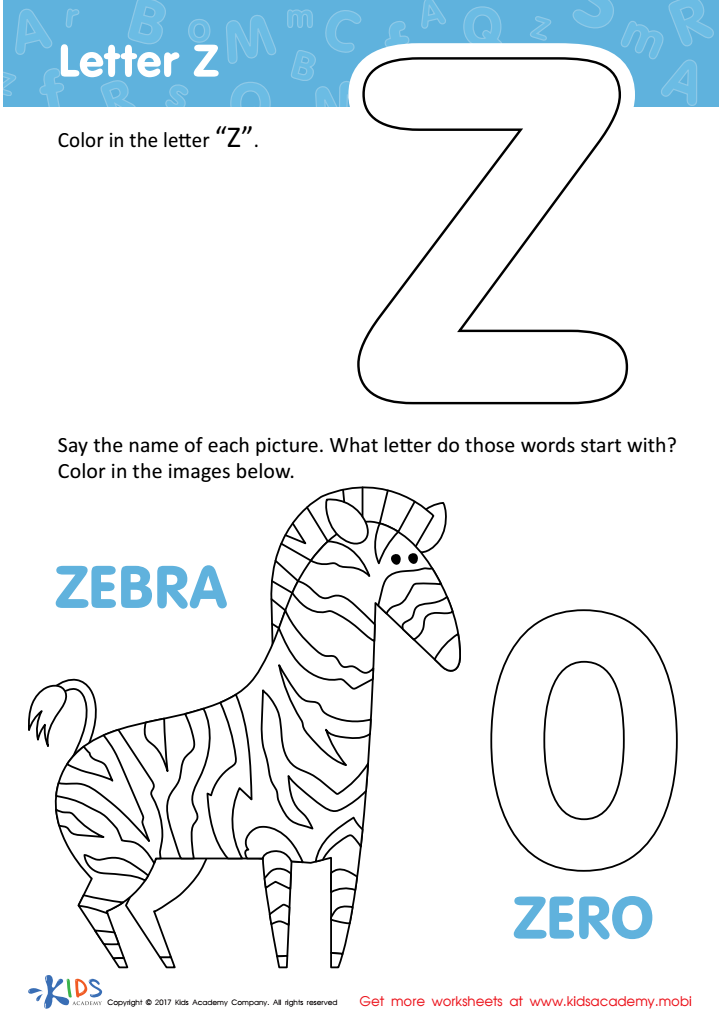
Letter Z Coloring Sheet
 Assign to My Students
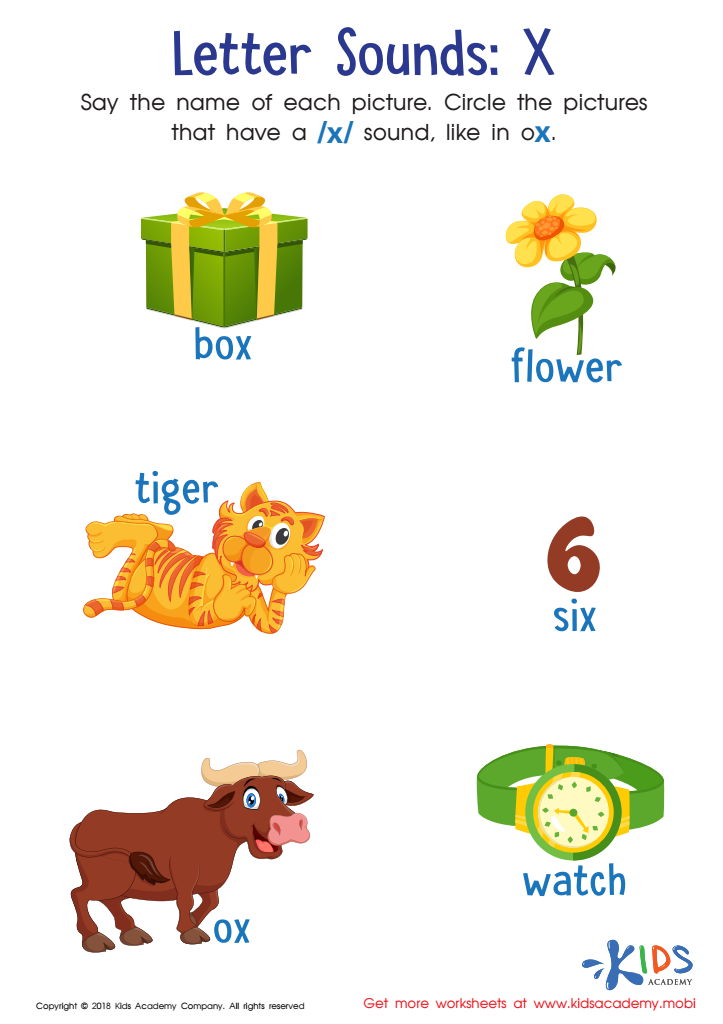
Letter X Sounds Worksheet
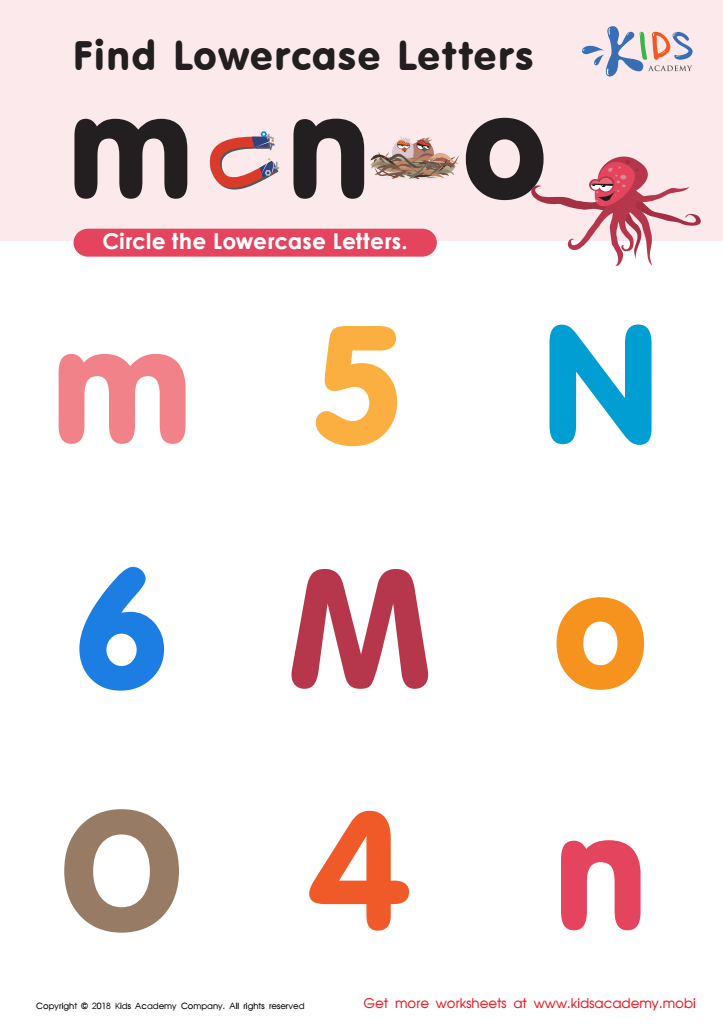
Find Lowercase Letters m n o Worksheet
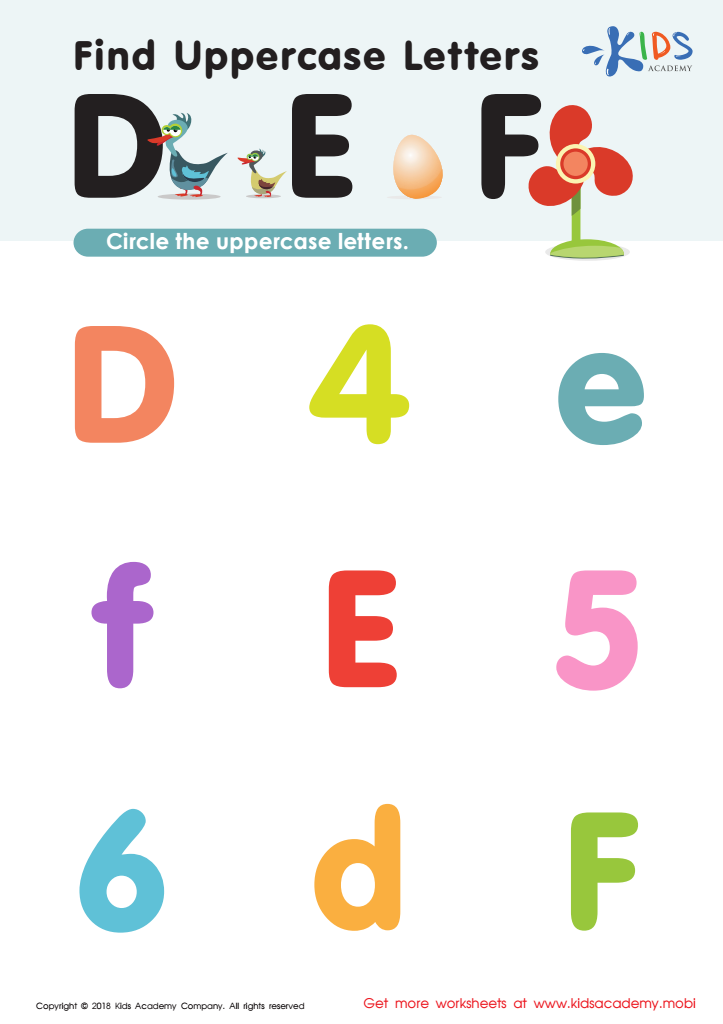
Find Uppercase Letters D, E, and F Worksheet
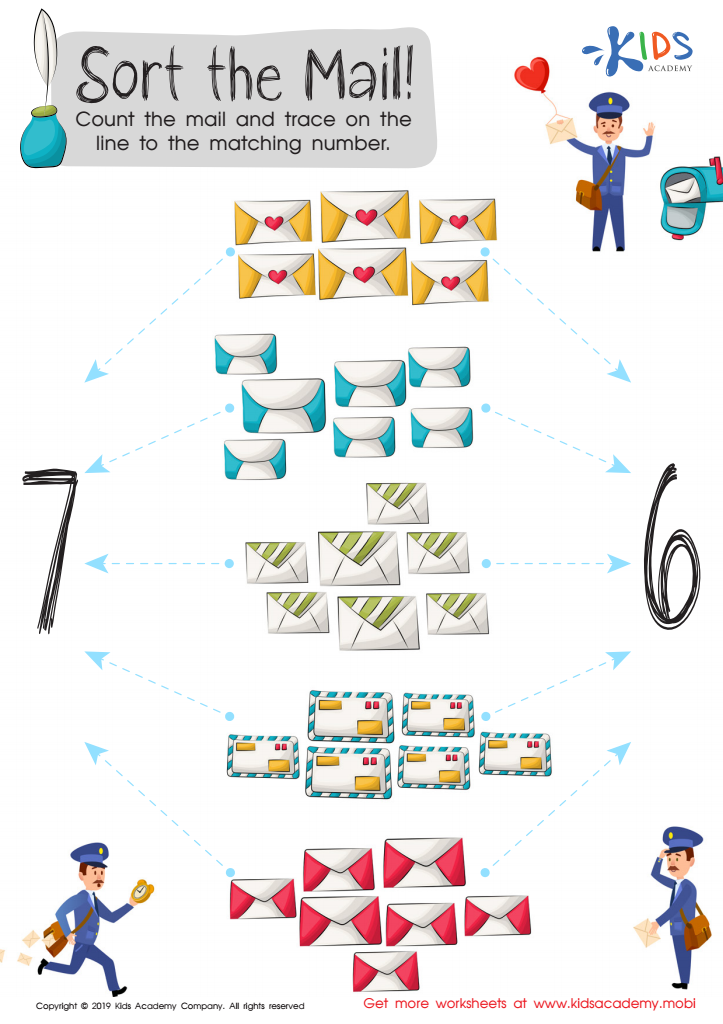
Sort the Mail Worksheet
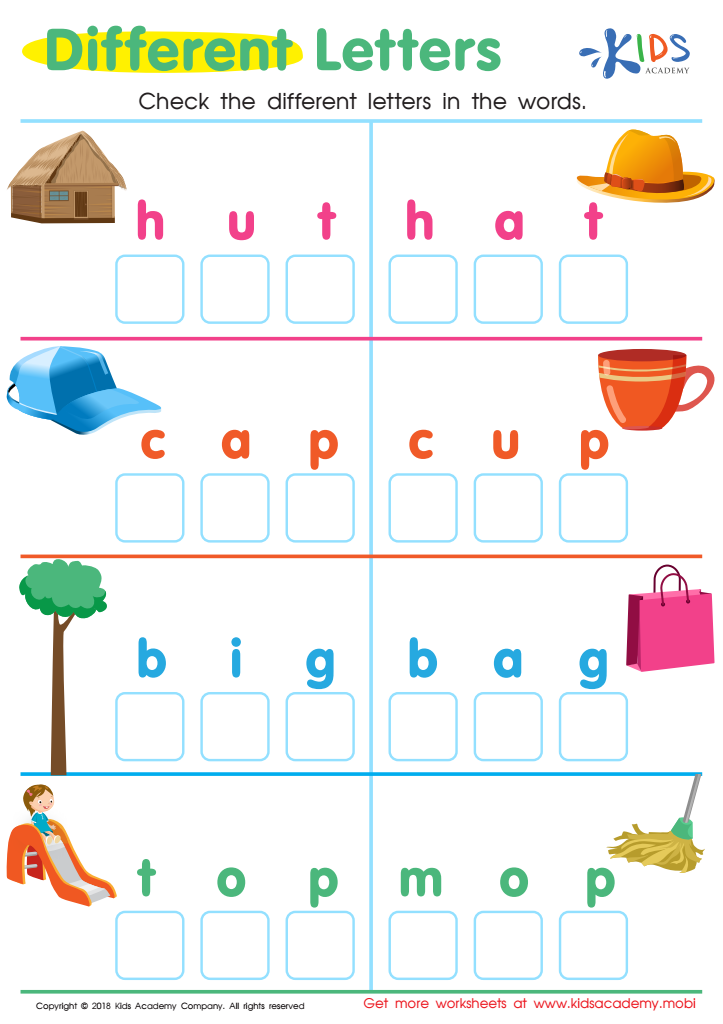
Different Letters Reading Worksheet
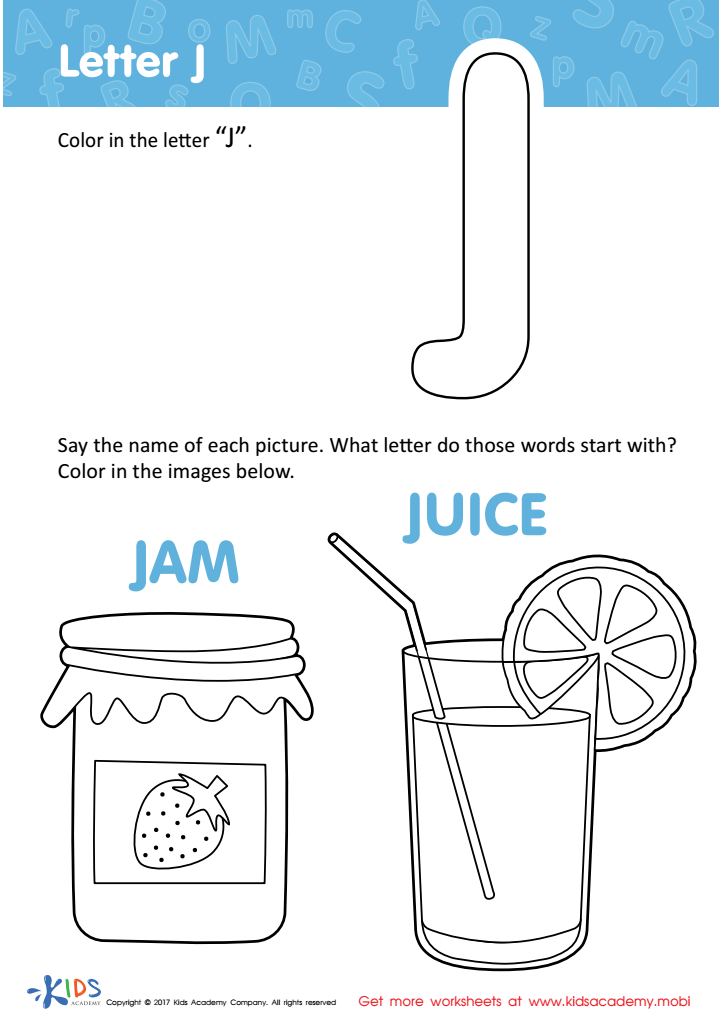
Letter J Coloring Sheet
Assign to My Students
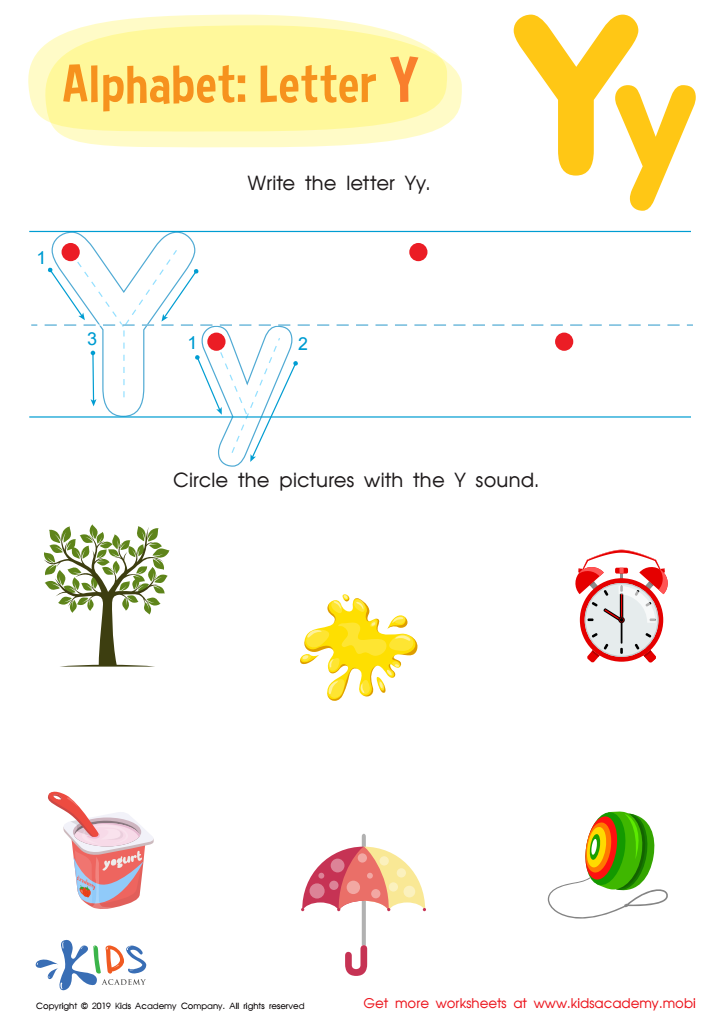
Letter Y Tracing Worksheet
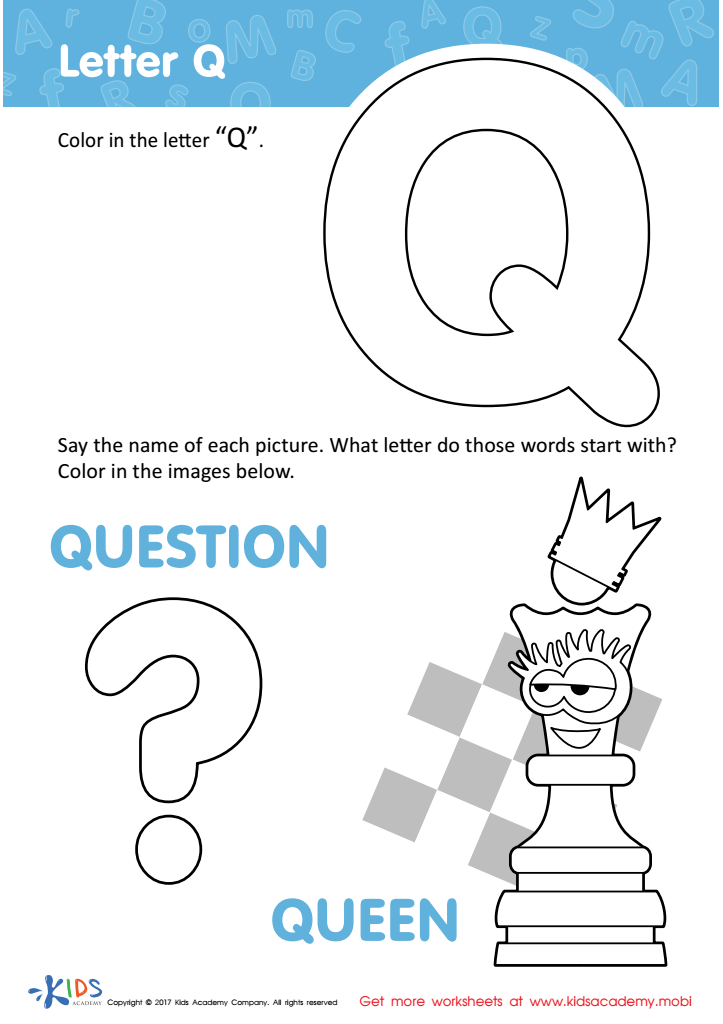
Letter Q Coloring Sheet
Assign to My Students
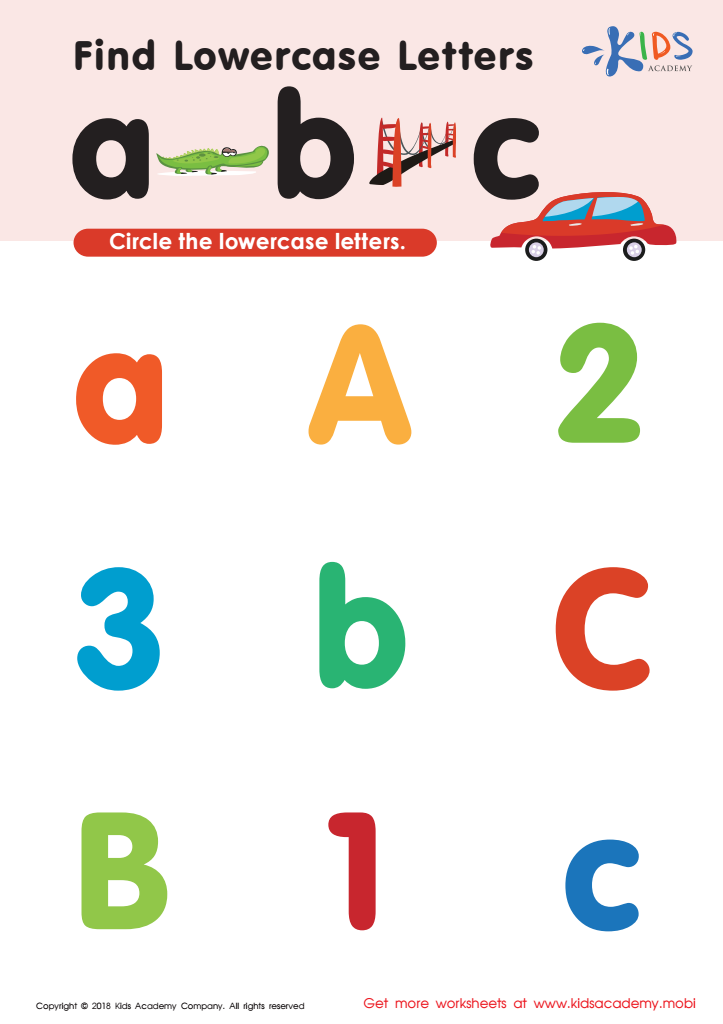
Find lowercase letters a b c Worksheet
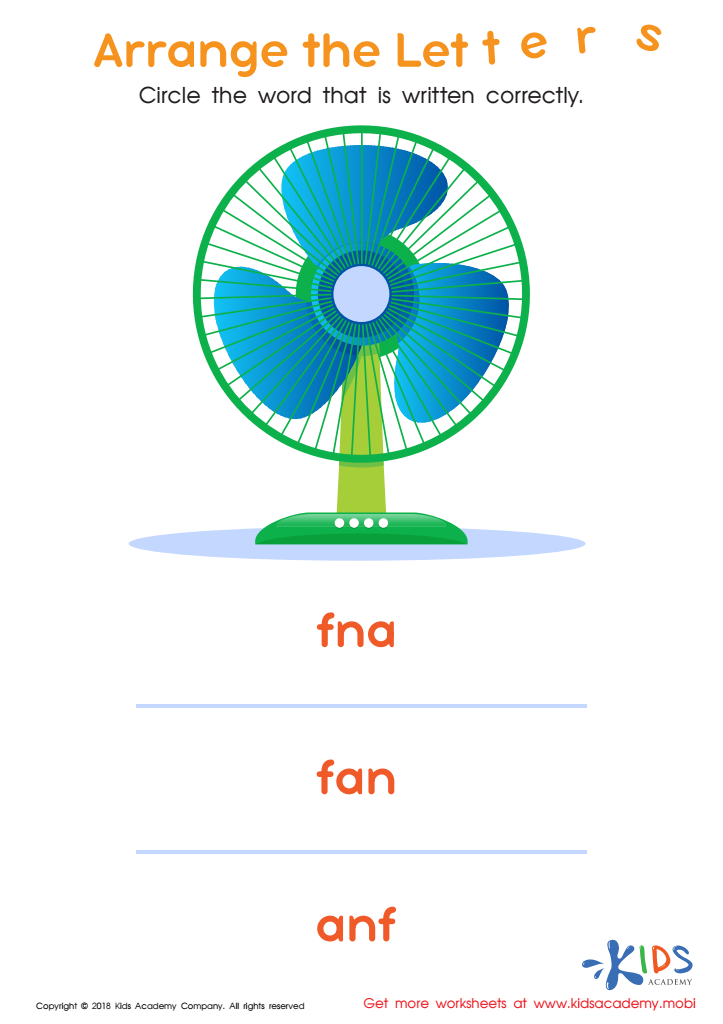
Arrange the Letters Worksheet
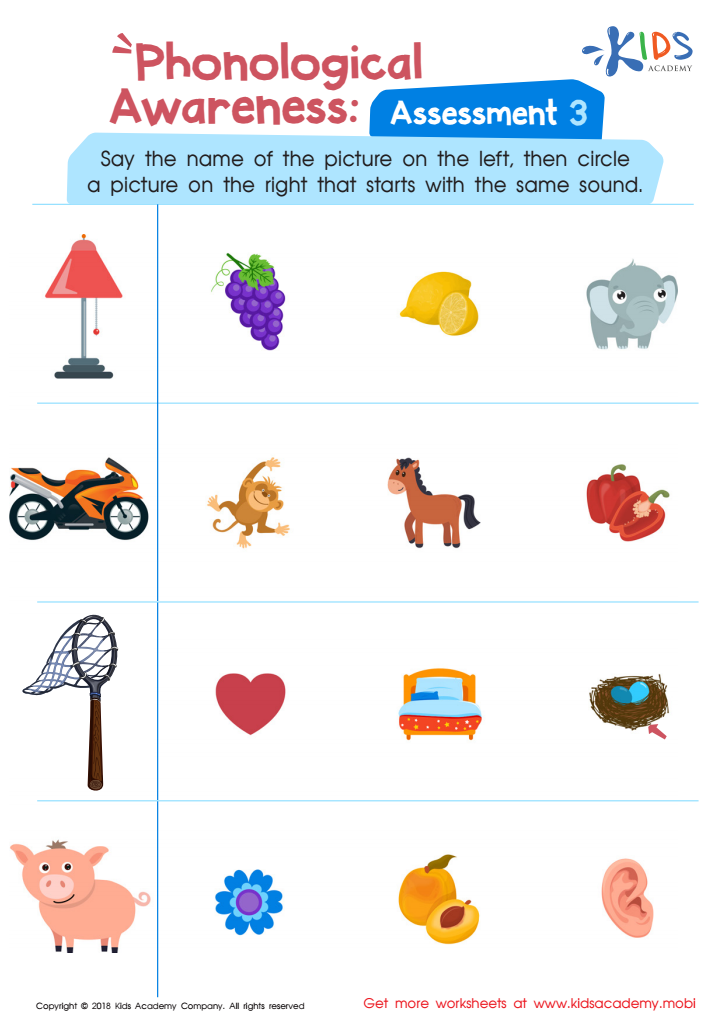
Phonological Awareness: Assessment 3 Worksheet
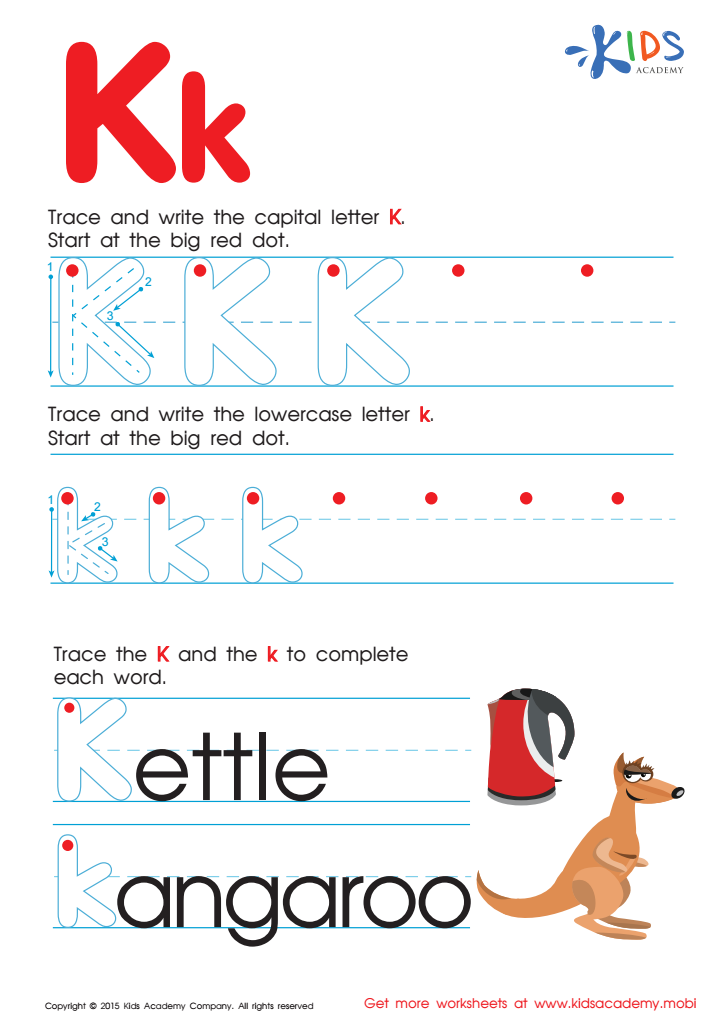
Letter K Tracing Page
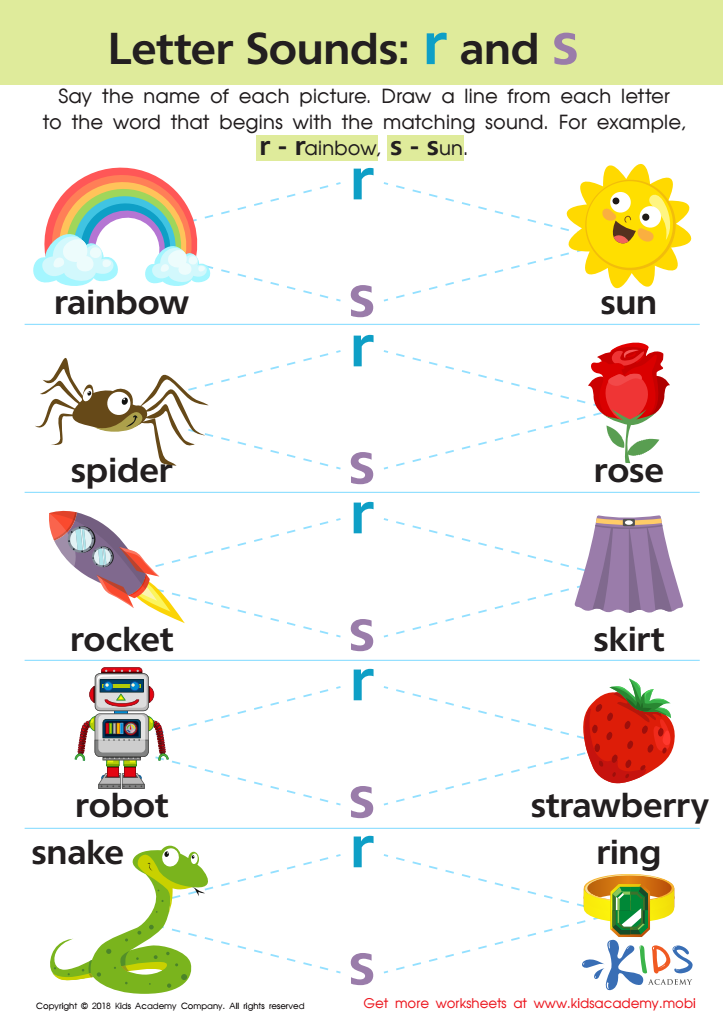
Letter R and S Sounds Worksheet
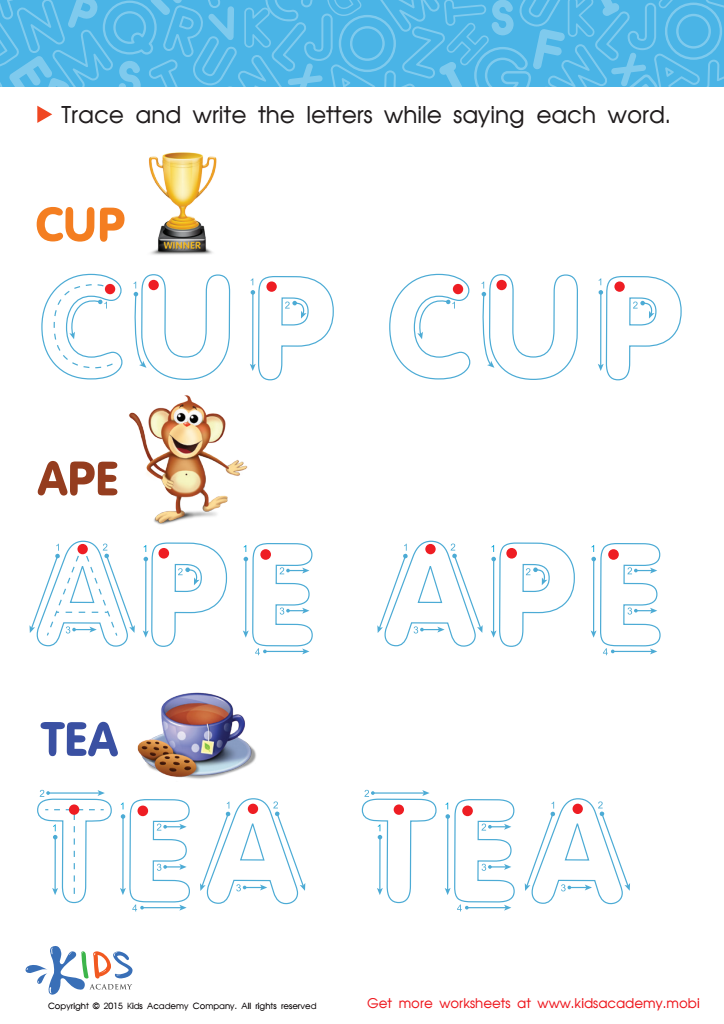
A Cup, an Ape and Tea Spelling Worksheet
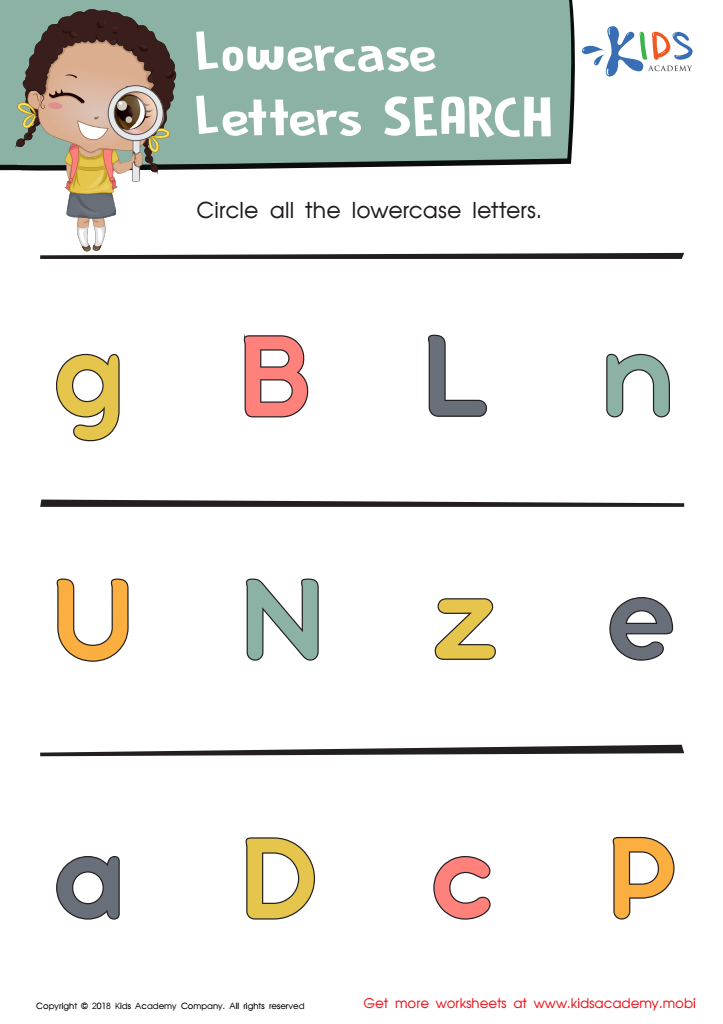
Lowercase Letters Search: Assessment Worksheet
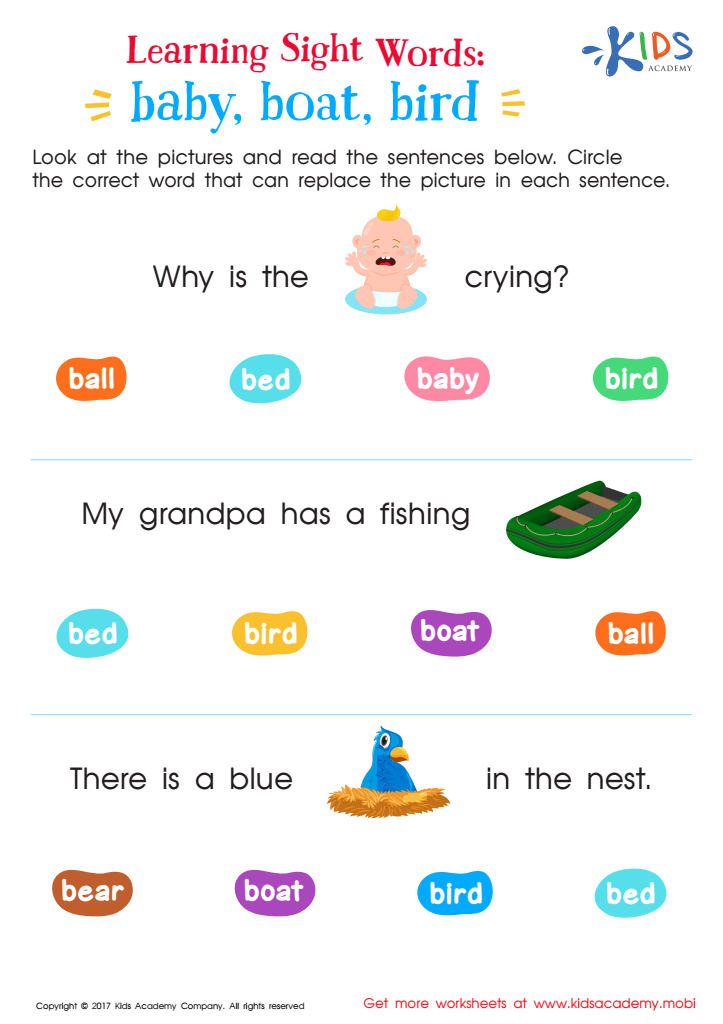
Baby, Boat, Bird Worksheet Sight Words Worksheet
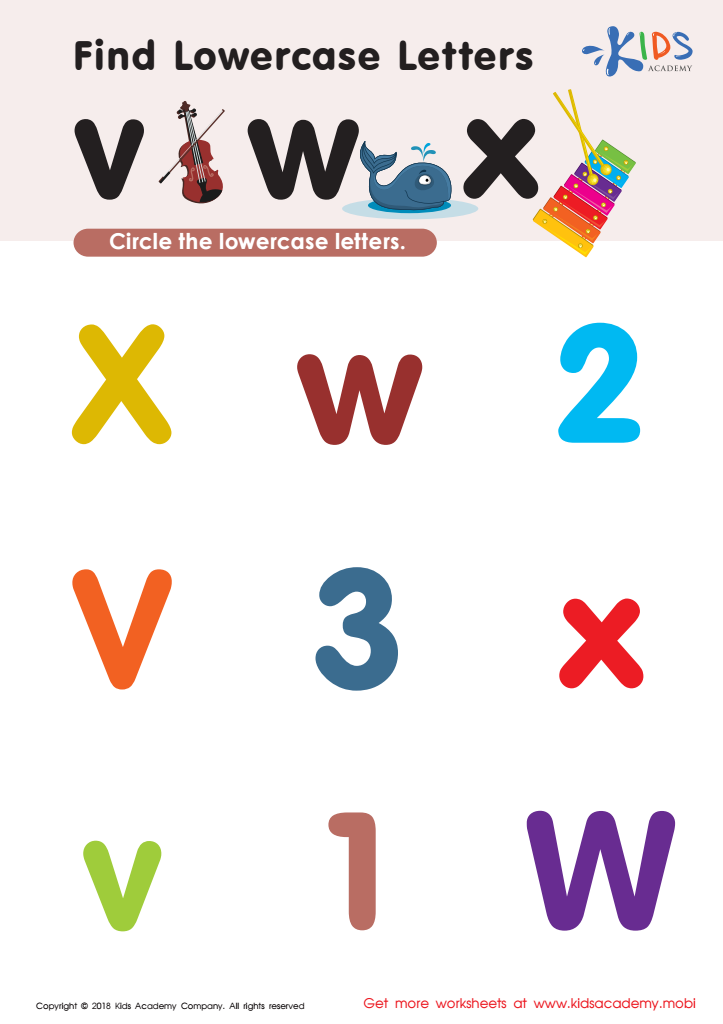
Find Lowercase Letters v w x Worksheet
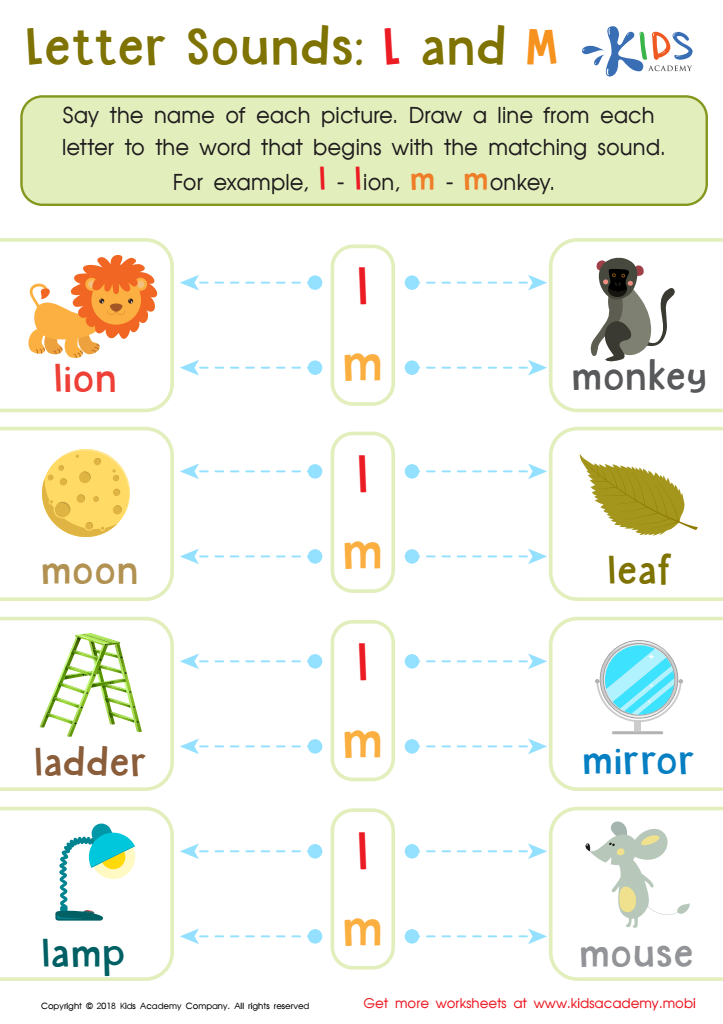
Letter l and M Sounds Worksheet
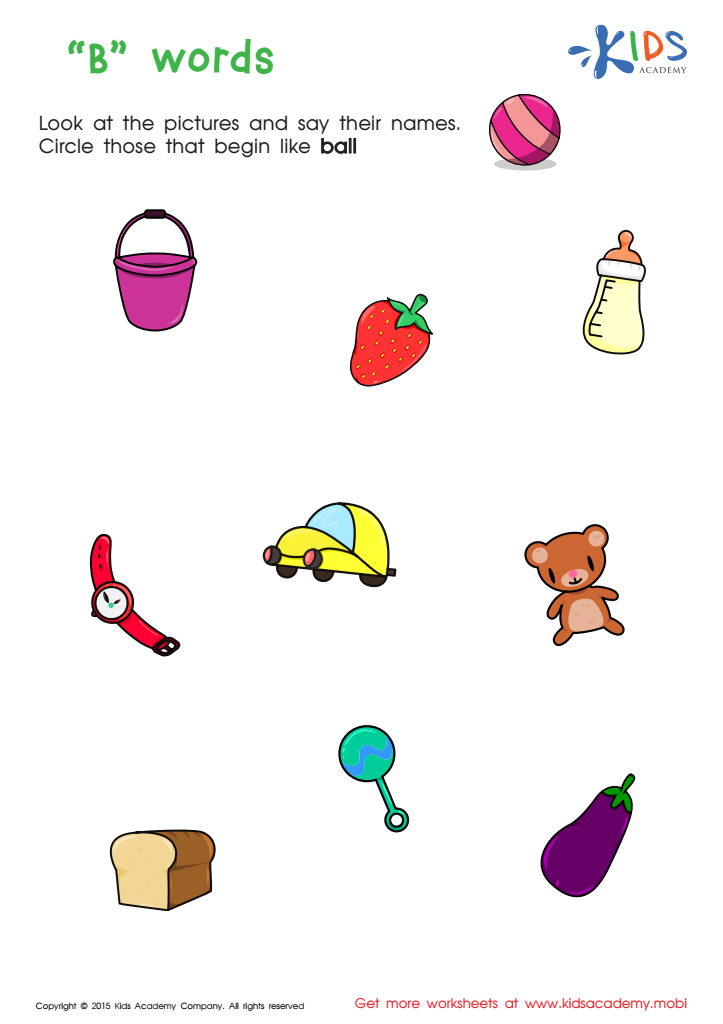
First Words Worksheet
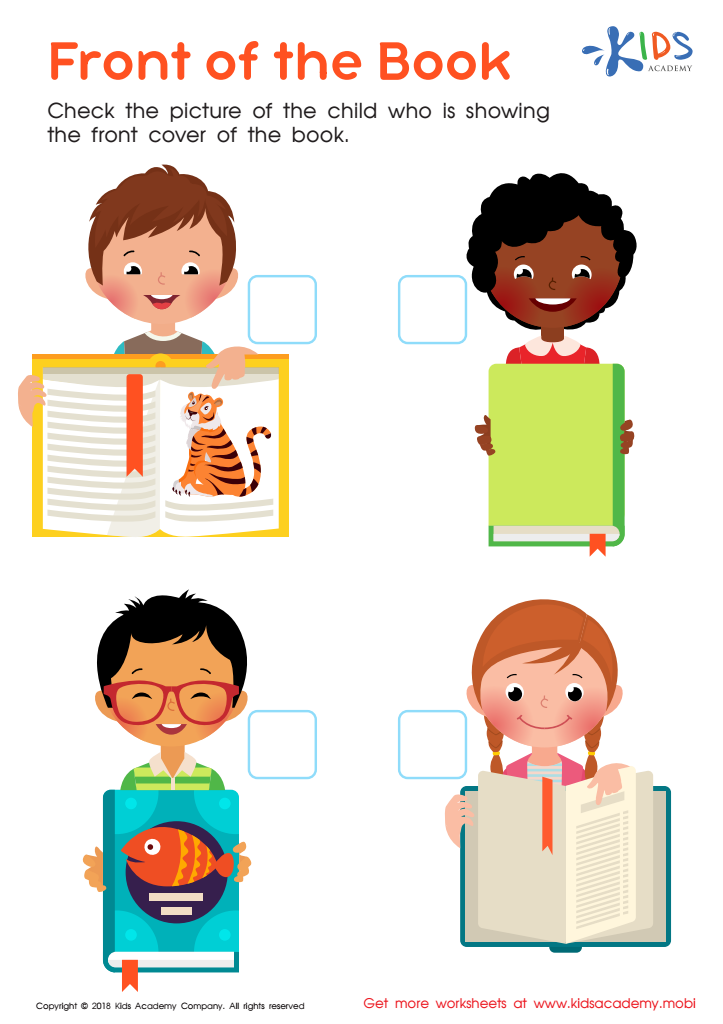
Front of the Book Worksheet
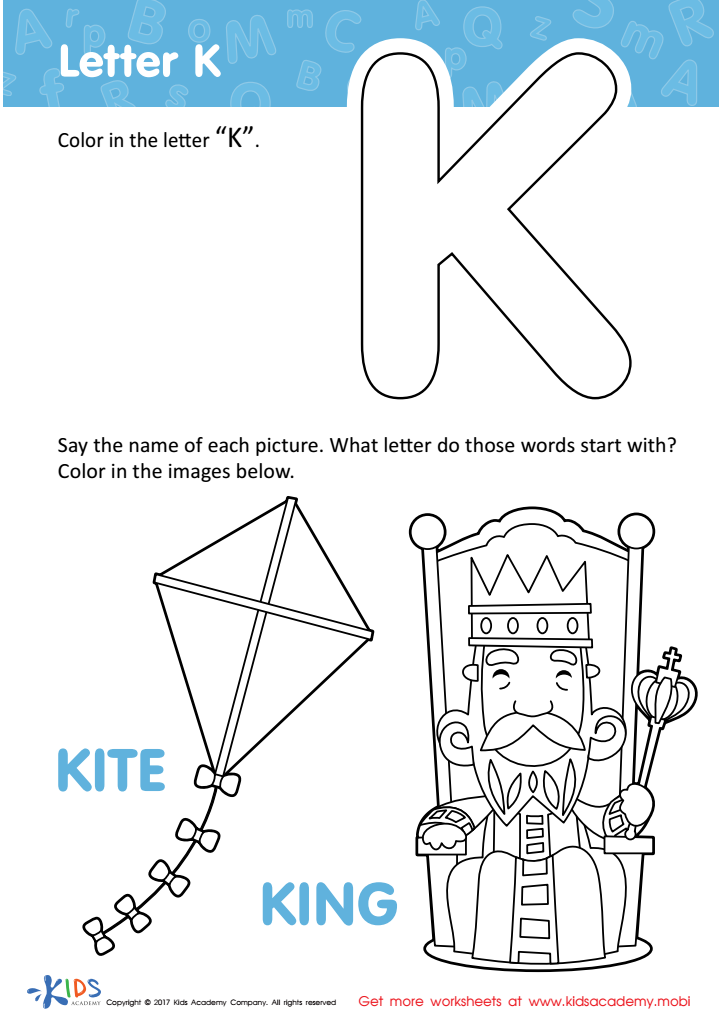
Letter K Coloring Sheet
Assign to My Students

Letter F Tracing Page






.jpg)
Letter recognition is fundamentally important for children aged 3-9 as it lays the foundation for reading and writing. During these early years, young brains are highly receptive to learning, and developing this skill early can set the stage for academic success. By recognizing letters, children can begin to understand the relationship between written and spoken language, a crucial first step in literacy.
Parents and teachers play a key role in fostering an environment that promotes letter recognition. It is more than just knowing the alphabet; it involves identifying letters in various contexts, understanding that they make specific sounds, and recognizing that letters come together to form words. This knowledge helps children decode written text while reading and enhances their ability to spell when writing.
Early letter recognition skills are directly linked to better reading abilities by the end of elementary school. Poor letter recognition can lead to difficulties in phonics and phonemic awareness, crucial skills for fluent reading. It's a cornerstone of early literacy that also affects comprehension, vocabulary acquisition, and overall academic achievement.
For teachers, incorporating playful, engaging letter-recognition activities into the curriculum can be highly effective. Parents can reinforce this learning at home through reading together, playing letter-based games, and encouraging writing and drawing activities. Early mastery of this skill builds confidence and a love for learning, making it a vital milestone on a child’s educational journey.








