Number identification Worksheets for Ages 3-9
25 filtered results
-
From - To
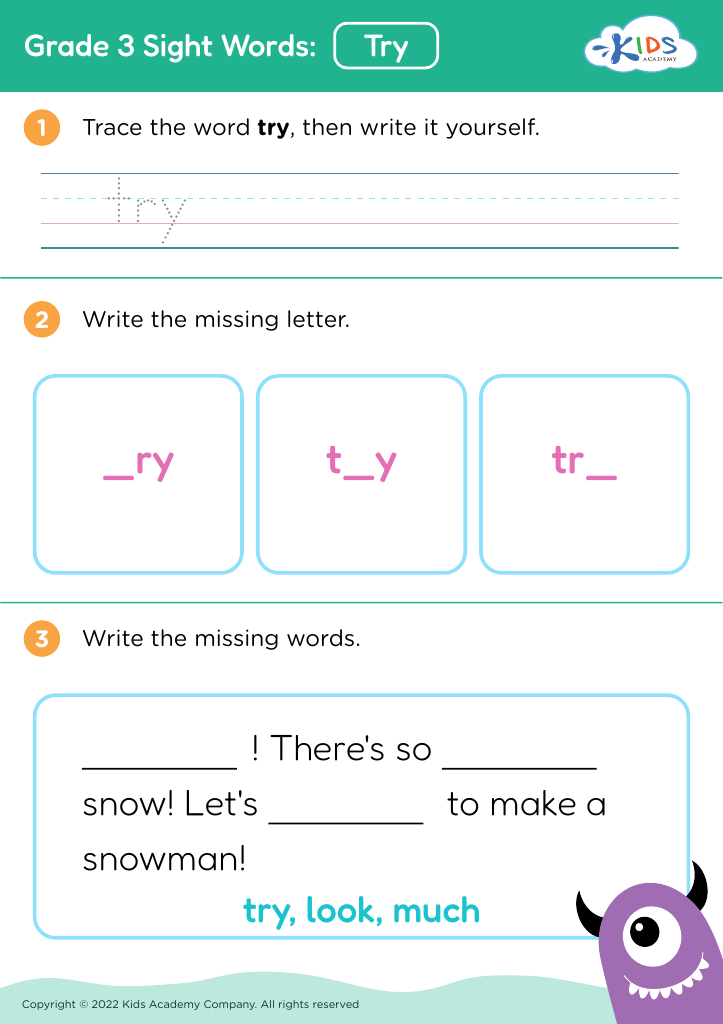
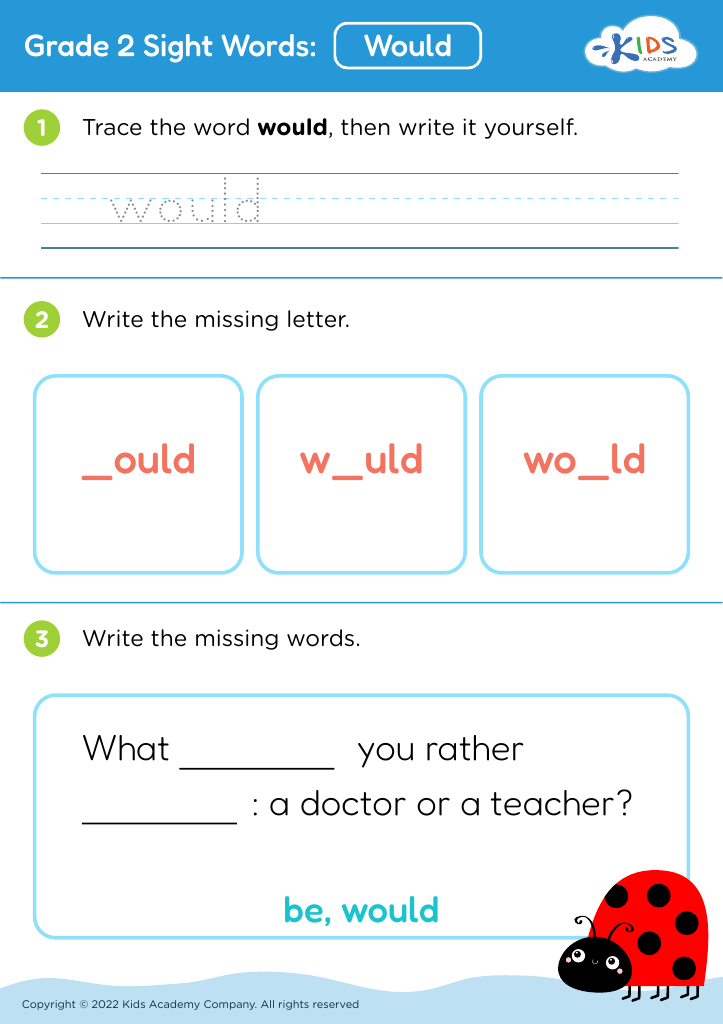
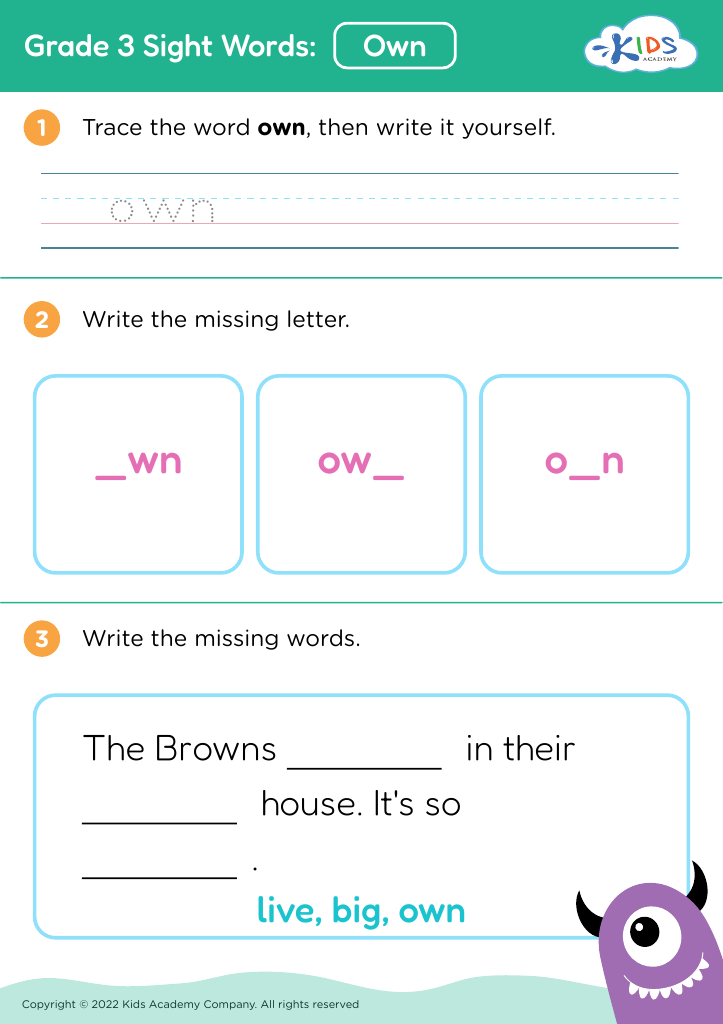
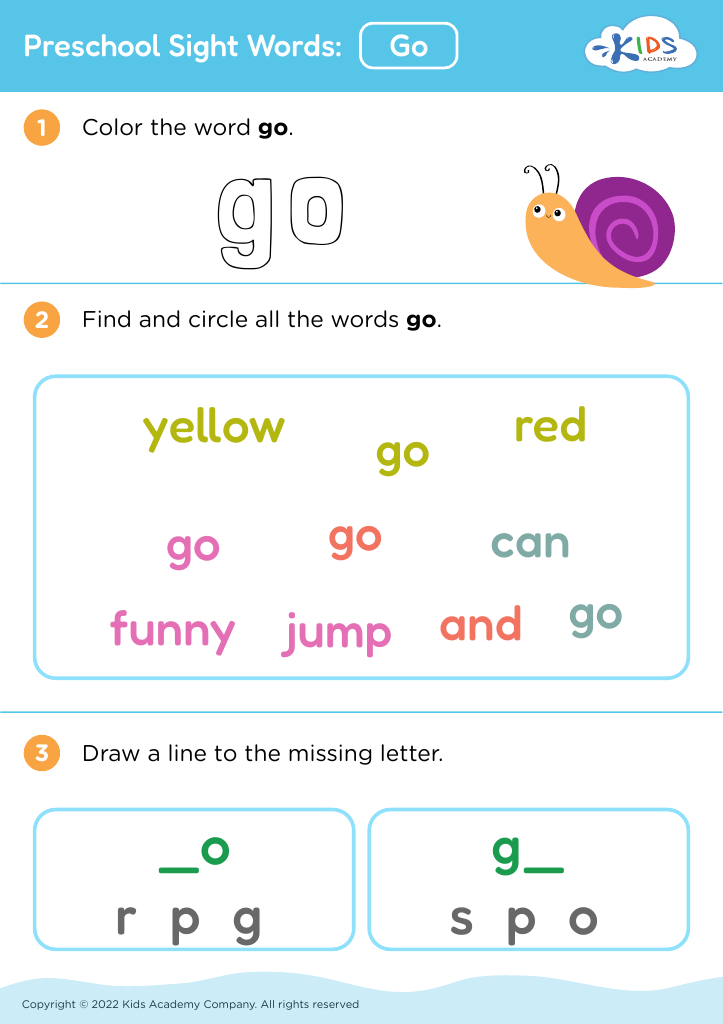
Welcome to our Number Identification Worksheets for Ages 3-9! This collection offers engaging and educational activities designed to enhance your child's number recognition skills. Tailored for young learners, our worksheets provide a fun way to practice identifying numbers through various interactive exercises, including coloring, matching, and counting. Perfect for preschool and early elementary grades, these resources help build a strong foundation in numeracy, ensuring your child develops confidence in their counting abilities. With bright illustrations and age-appropriate challenges, our worksheets make learning numbers enjoyable. Start building your child's math skills today with these comprehensive learning tools!
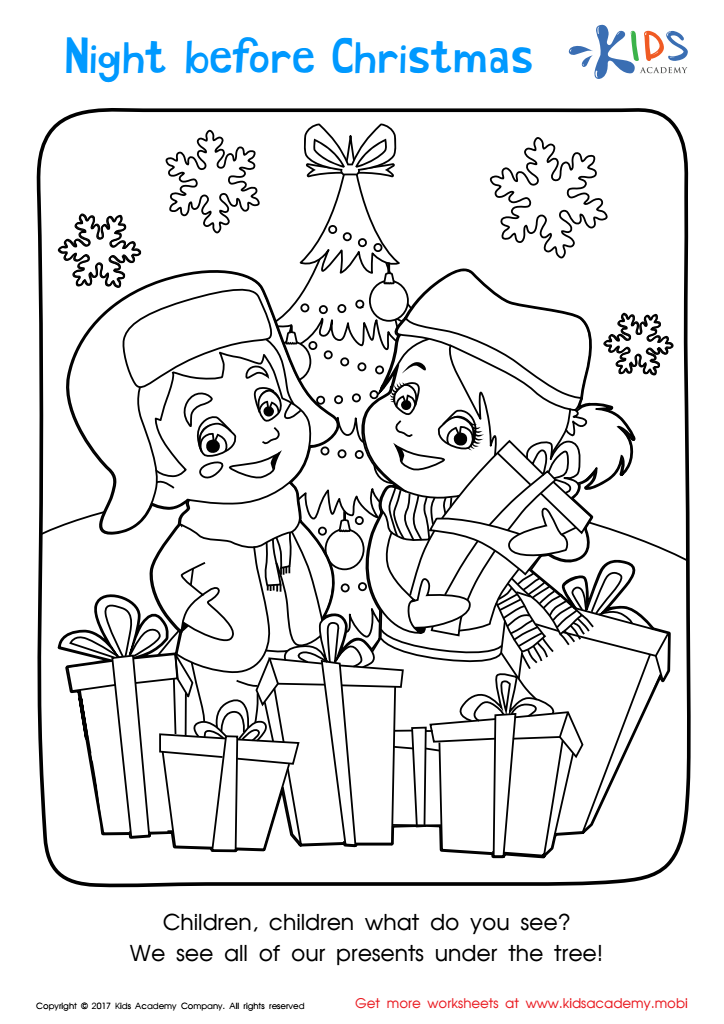
Christmas: Night Before Christmas Printable
 Assign to My Students
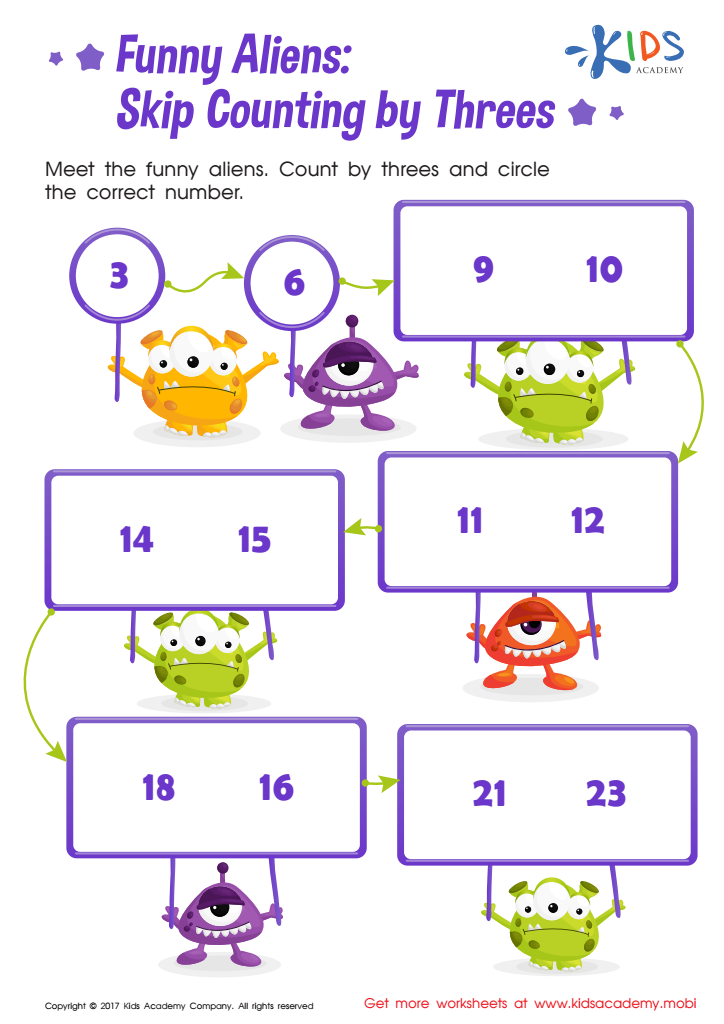
Skip Counting by 3s: Funny Aliens Printable
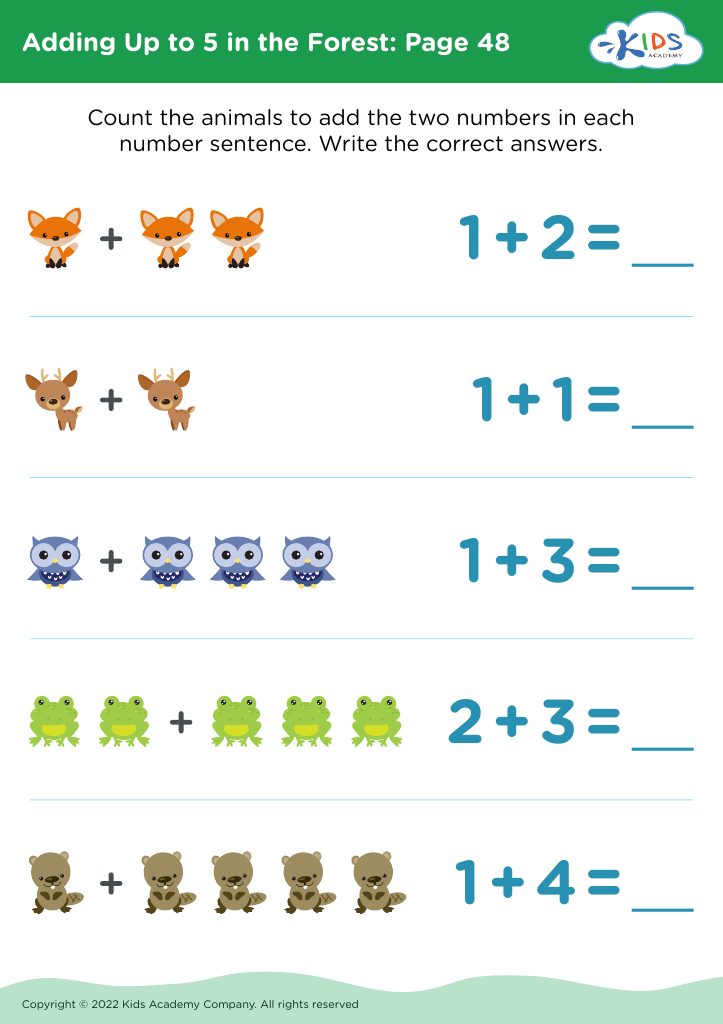
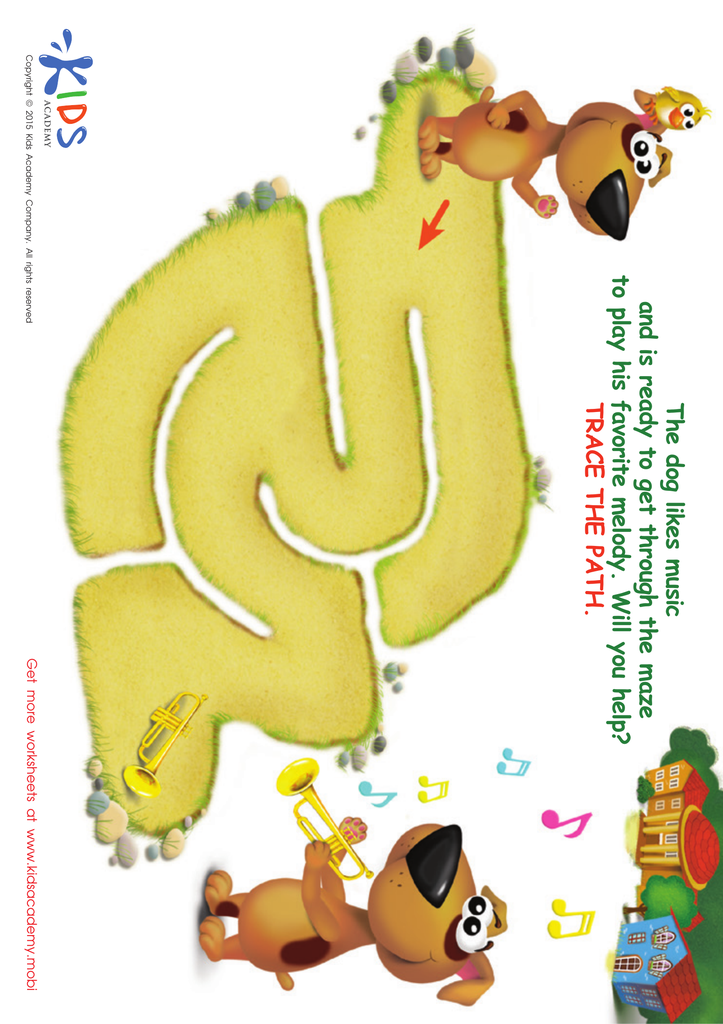
Trumpeter Maze Worksheet
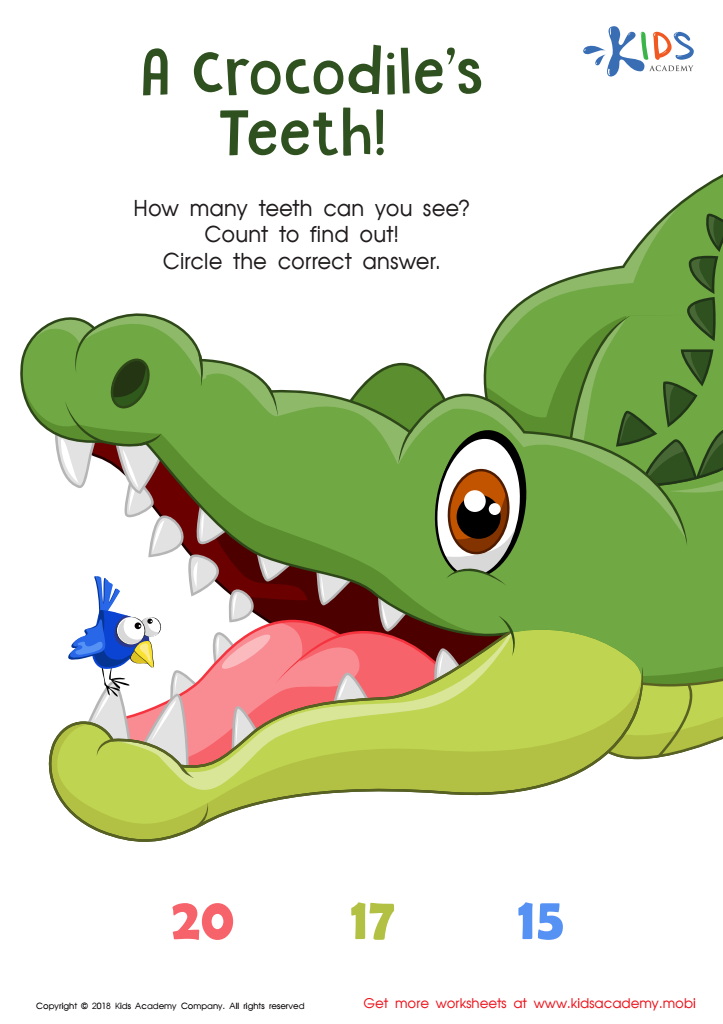
A Crocodile's Teeth Worksheet
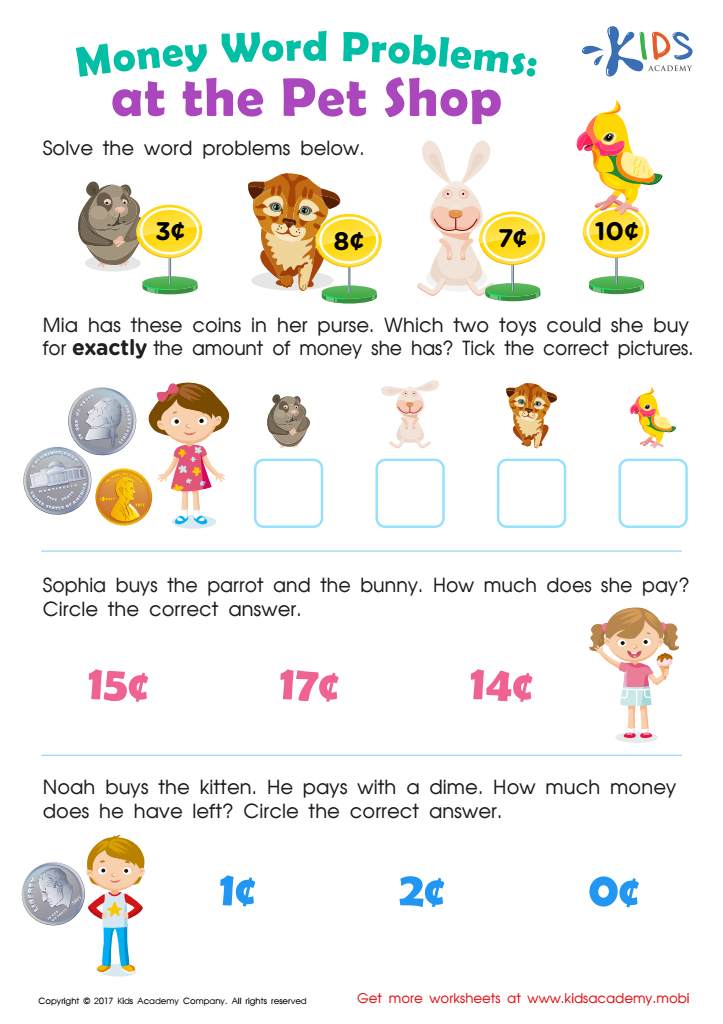
Pet Shop Worksheet
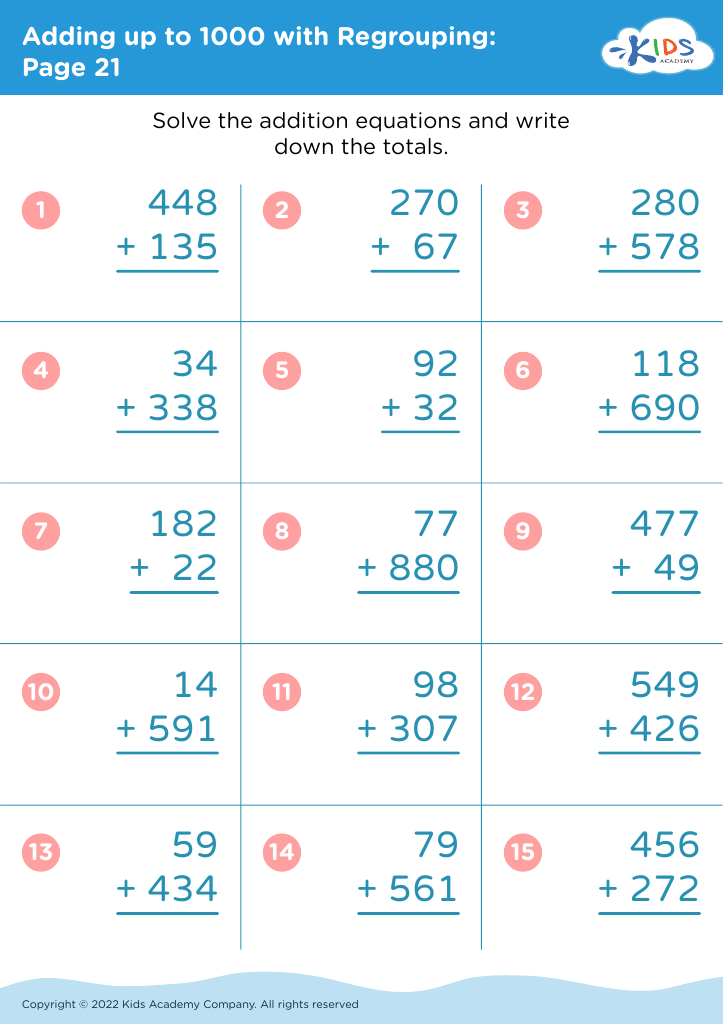
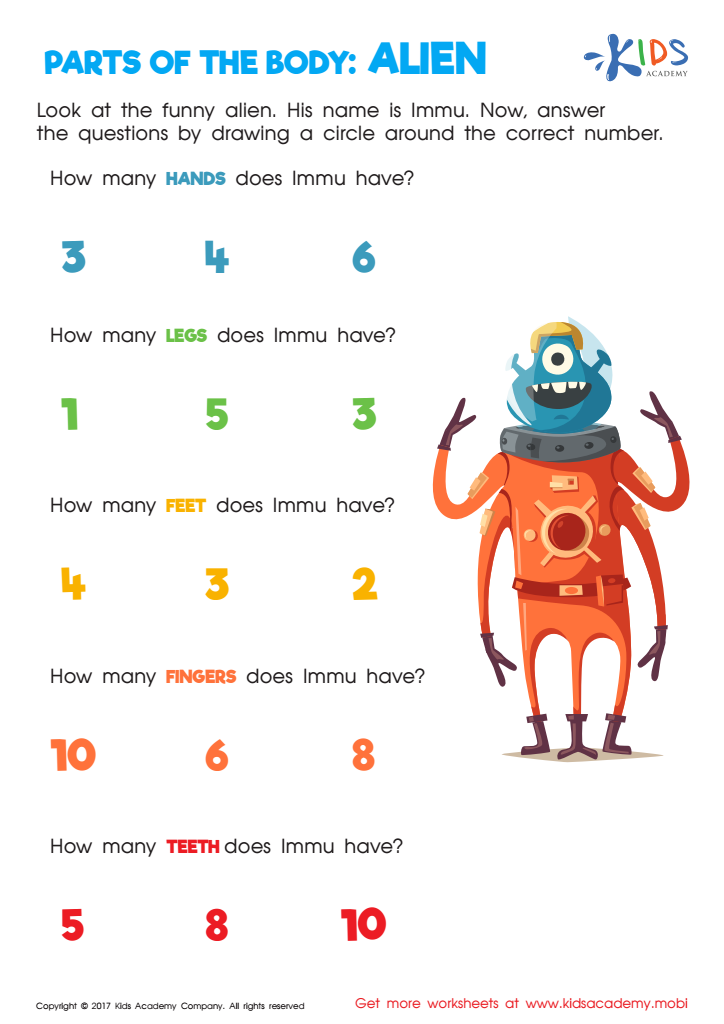
Alien Worksheet
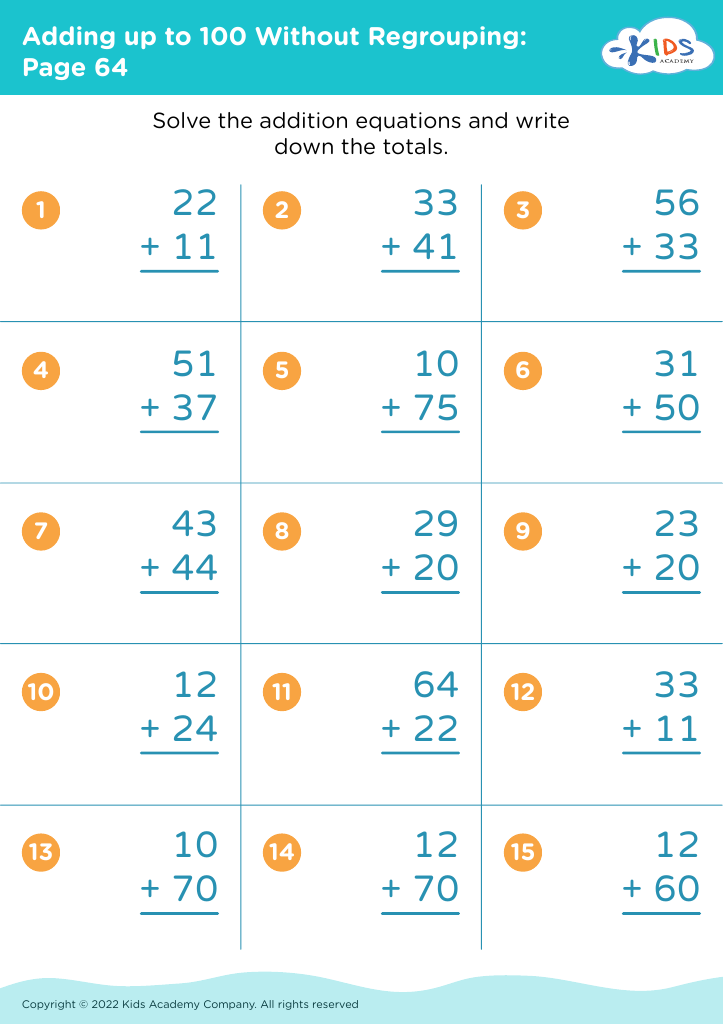
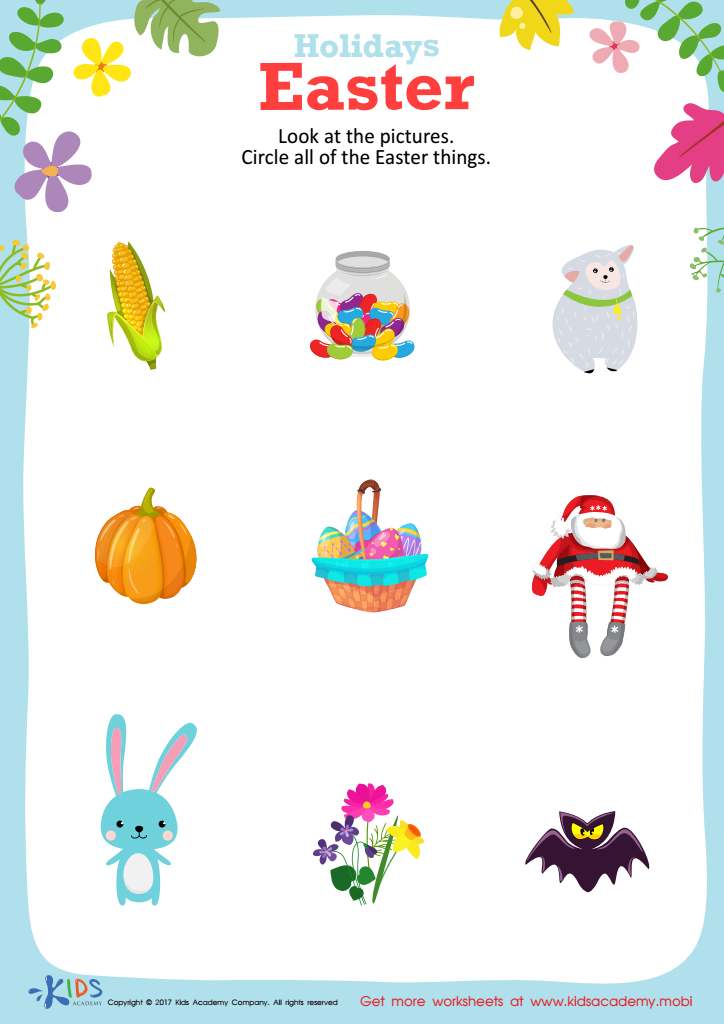
Easter Holiday Printable
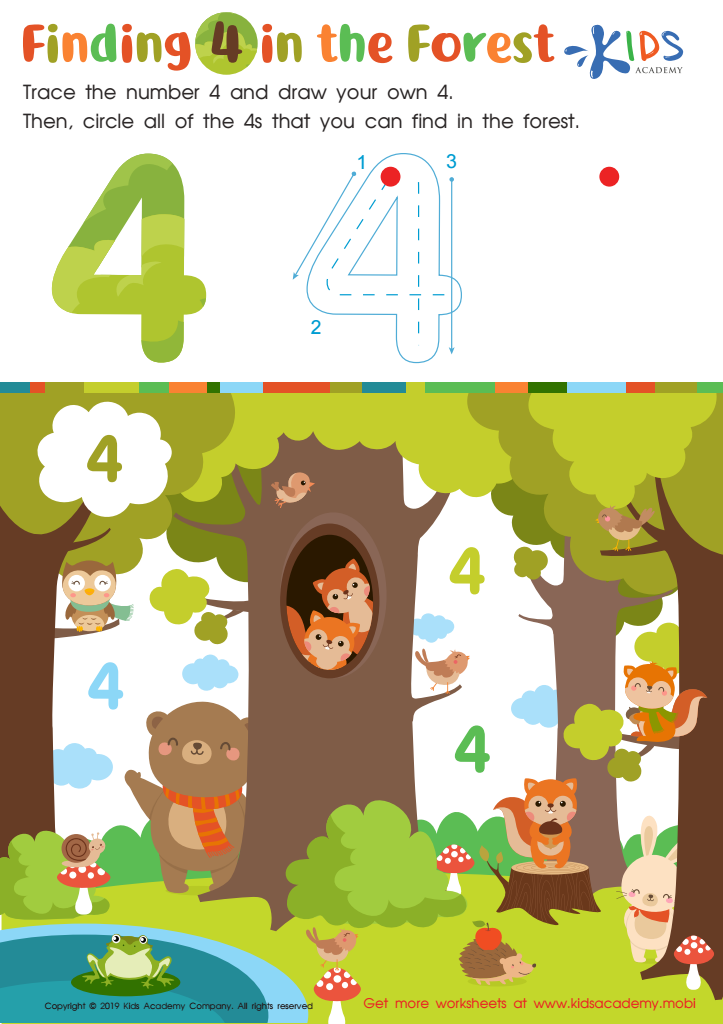
Finding 4 in the Forest Worksheet
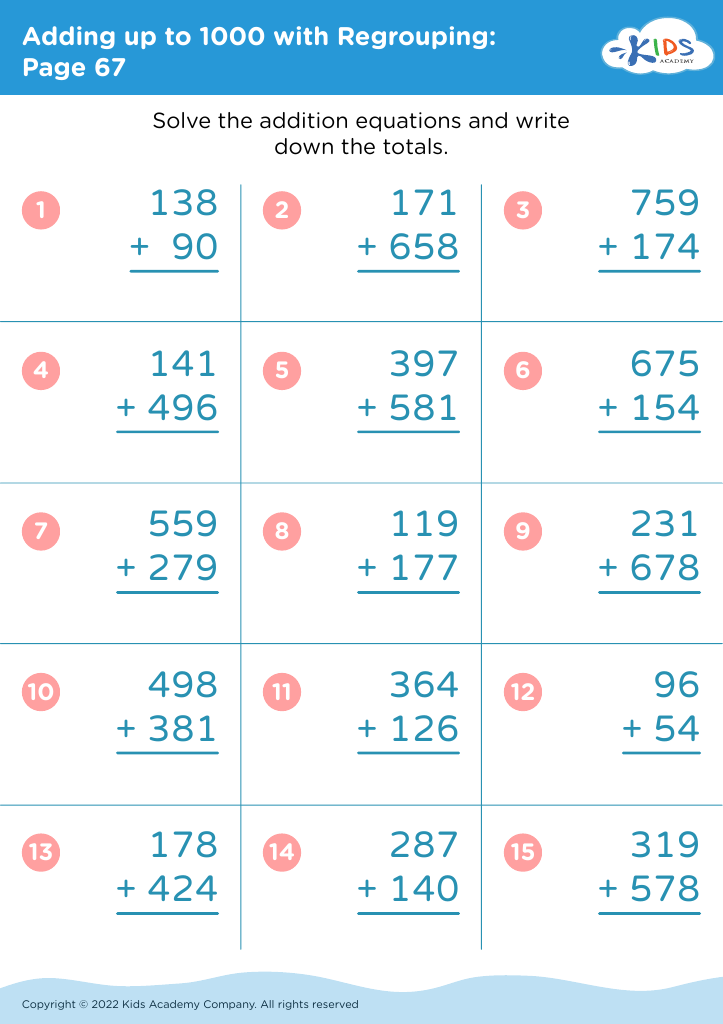
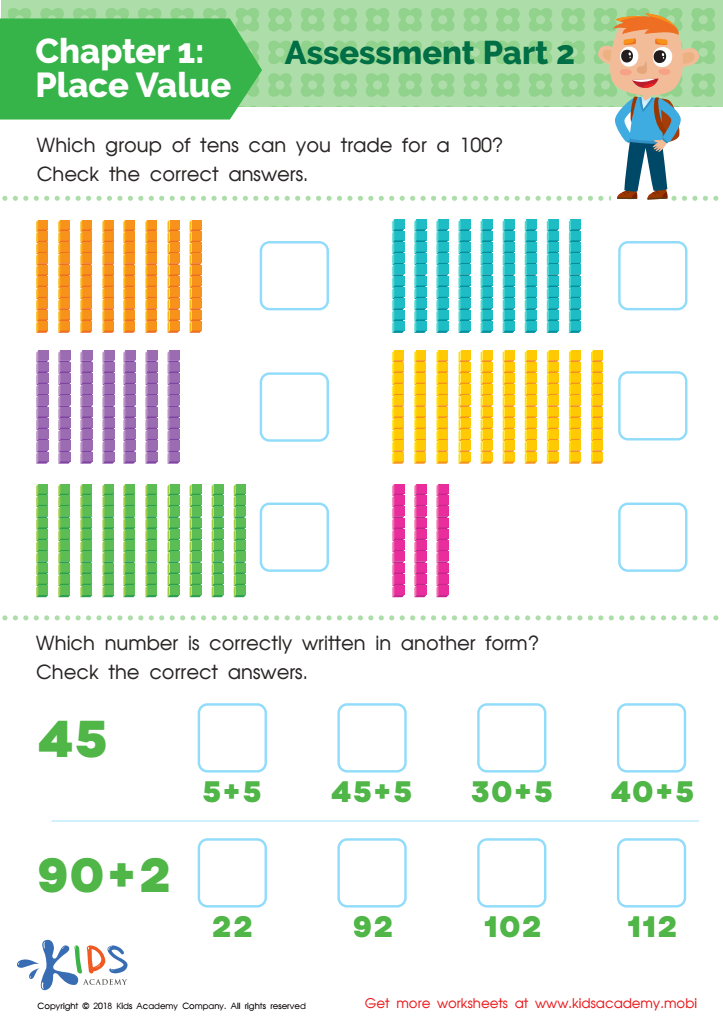
Place Value: Chapter 2 Worksheet
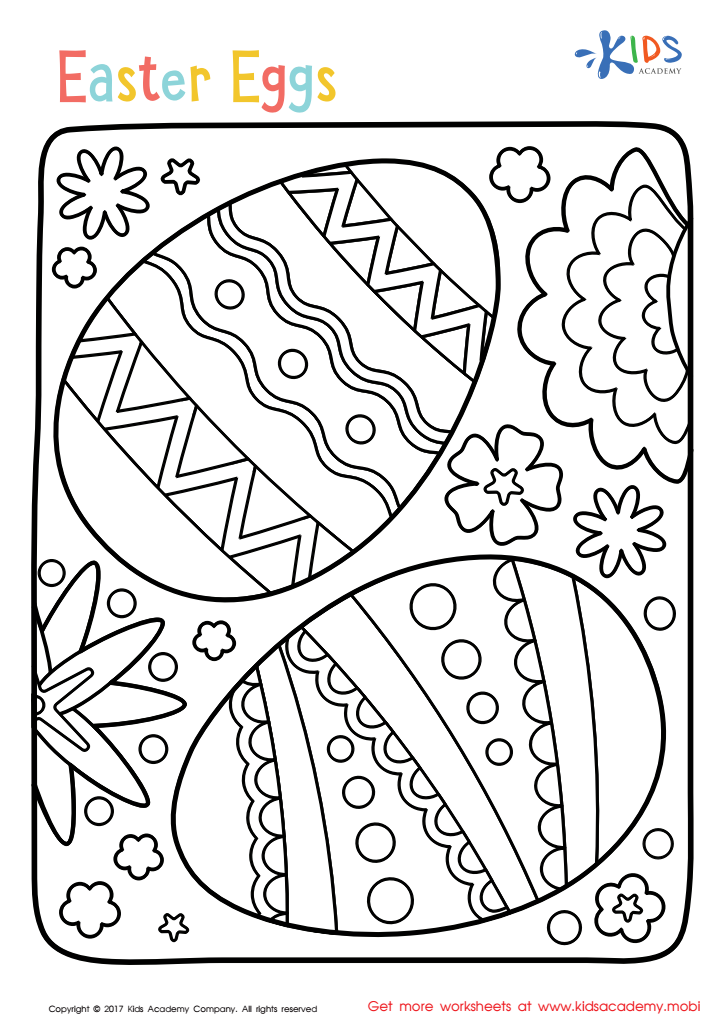
Easter: Easter Eggs Worksheet
Assign to My Students
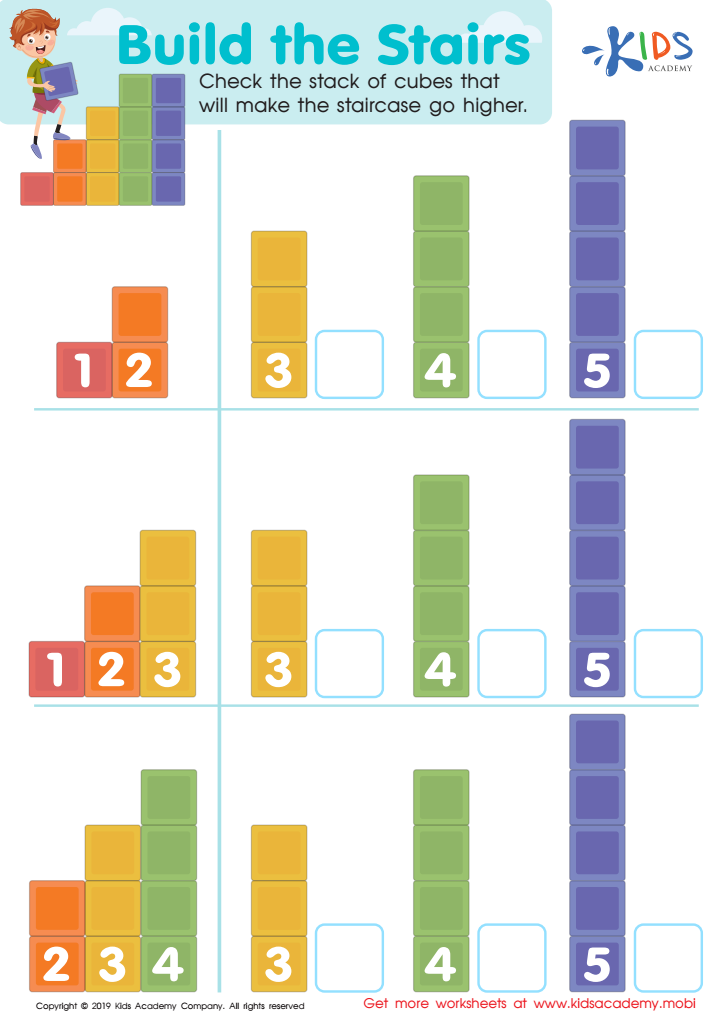
Build the Stairs Worksheet
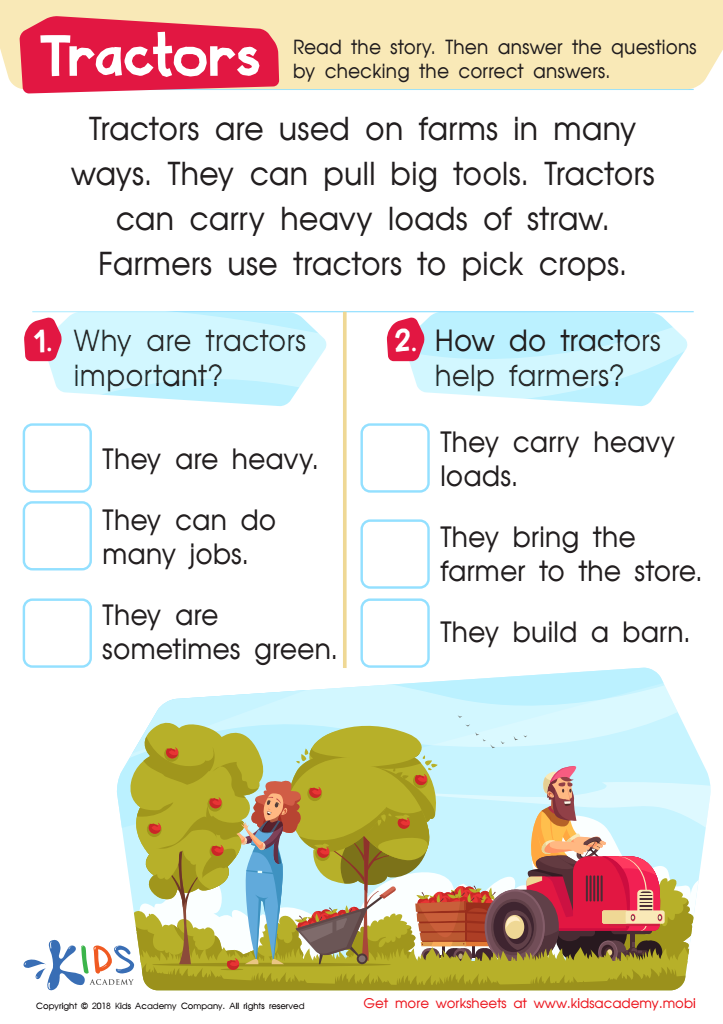
Tractors Worksheet
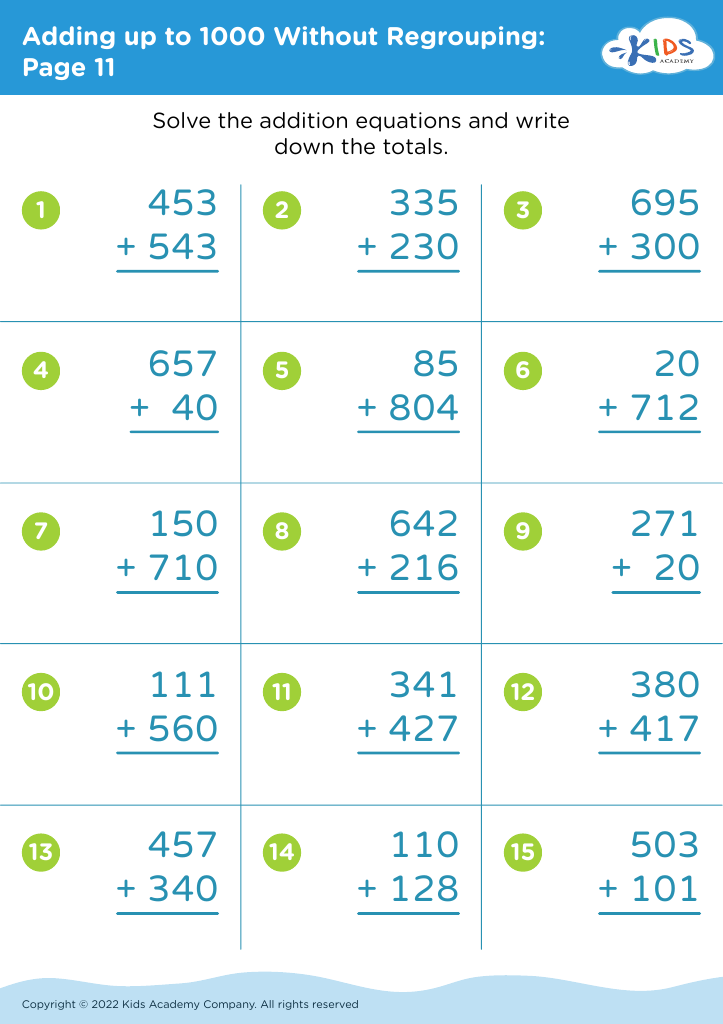
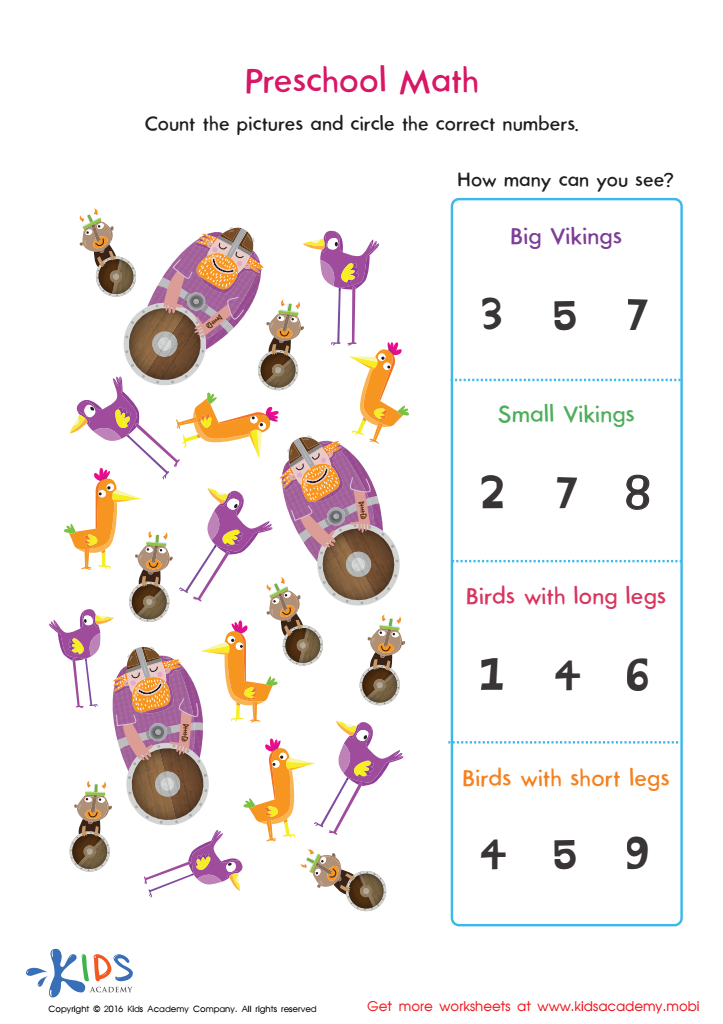
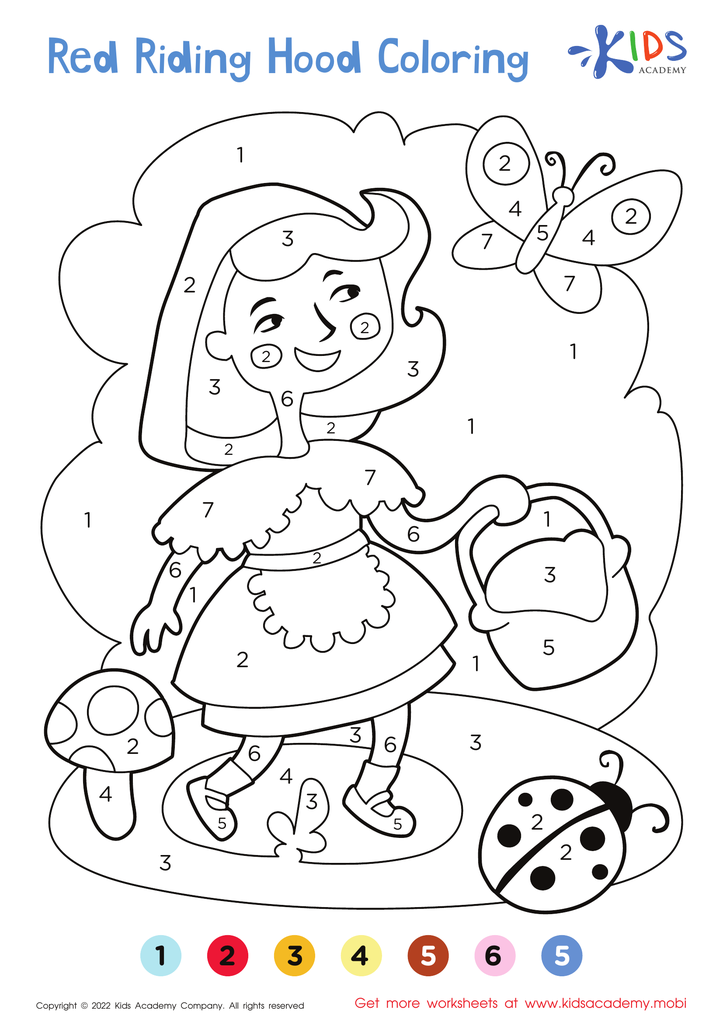
Little Red Riding Hood – Coloring by Numbers







Number identification is a foundational skill that plays a crucial role in a child's overall academic development and everyday life. For children ages 3-9, mastering number identification sets the stage for future learning in mathematics and problem-solving. Recognizing numbers is not merely about memorization; it enhances cognitive abilities, promotes logical thinking, and fosters a child’s confidence in tackling more complex concepts.
Parents and teachers should prioritize number identification as it improves a child's ability to understand and engage with their environment. For instance, recognizing numbers is vital for reading clocks, following directions, managing money, and even mentioning dates or quantities in everyday conversations. This early proficiency can prevent future struggles in subjects like math, where foundational knowledge directly impacts later success.
Moreover, engaging children with number activities at this age can make learning fun, reinforcing positive associations with mathematics. When parents and teachers invest time in these skills, it empowers children to become independent learners and critical thinkers as they progress in their education. Ultimately, fostering number identification skills contributes to a well-rounded educational foundation, ensuring children are prepared for both academic challenges and real-world applications as they grow.








