Practical math application Worksheets for Ages 3-9
10 filtered results
-
From - To
Discover our engaging Practical Math Application Worksheets designed for children aged 3-9! Each worksheet combines fun and learning, helping young learners develop essential math skills in real-world contexts. From counting objects to solving addition and subtraction problems, our resources foster problem-solving and critical thinking. Themes include everyday scenarios like shopping, cooking, and measuring, making math relatable and enjoyable. Perfect for teachers and parents alike, these worksheets support various learning styles and can be used in classrooms or at home. Encourage your child’s mathematical growth and confidence with our thoughtfully crafted materials. Start exploring the world of practical math today!
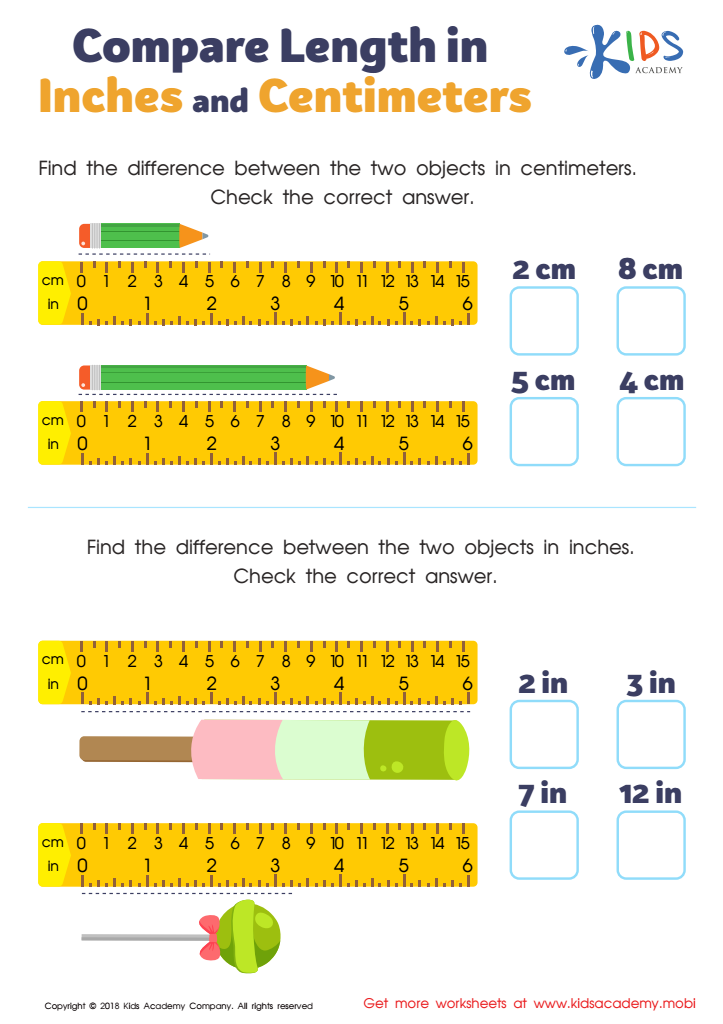
Compare Length in Inches and Centimeters Worksheet
 Assign to My Students
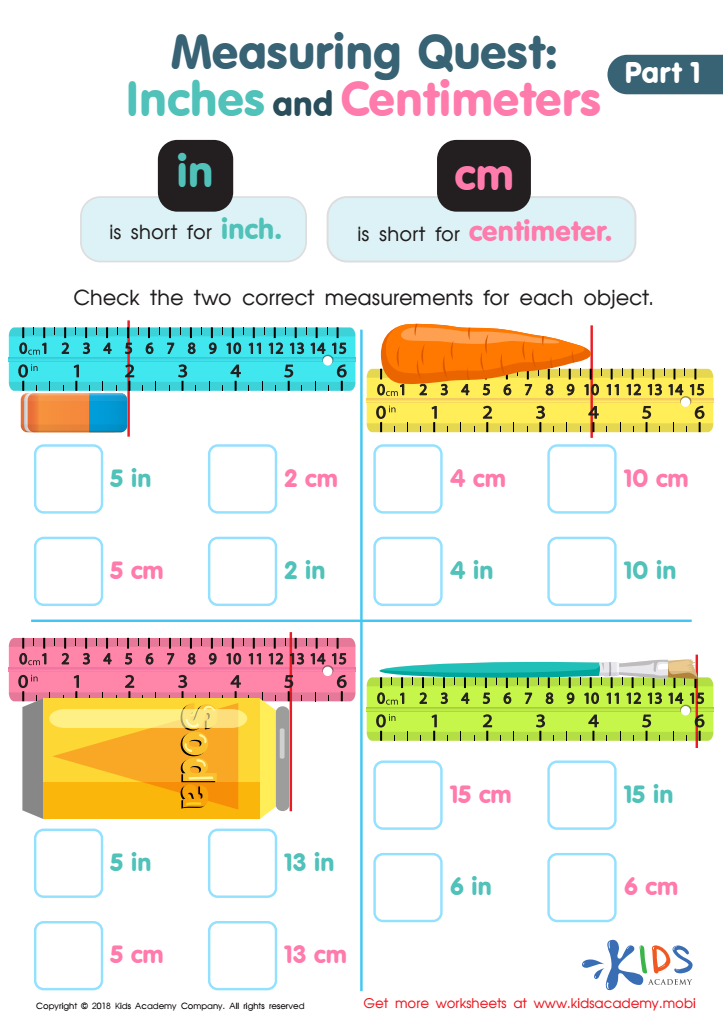
Measuring Quest: Inches and Centimeters Worksheet
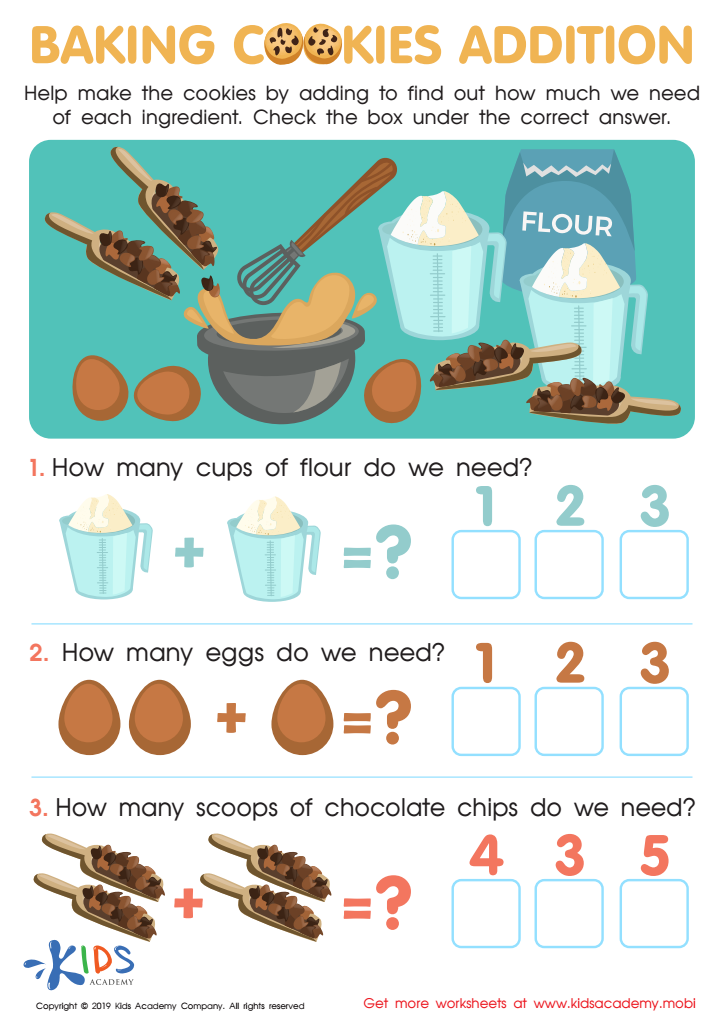
Baking Cookies Addition Worksheet
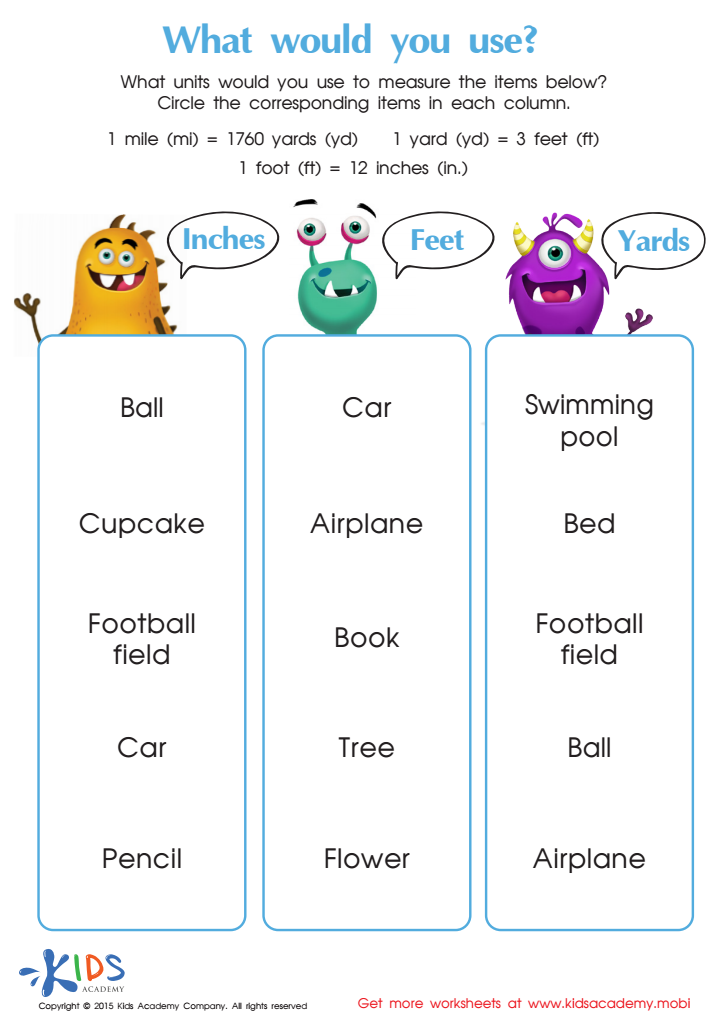
Learning about measuring objects in inches, feet and yards Worksheet
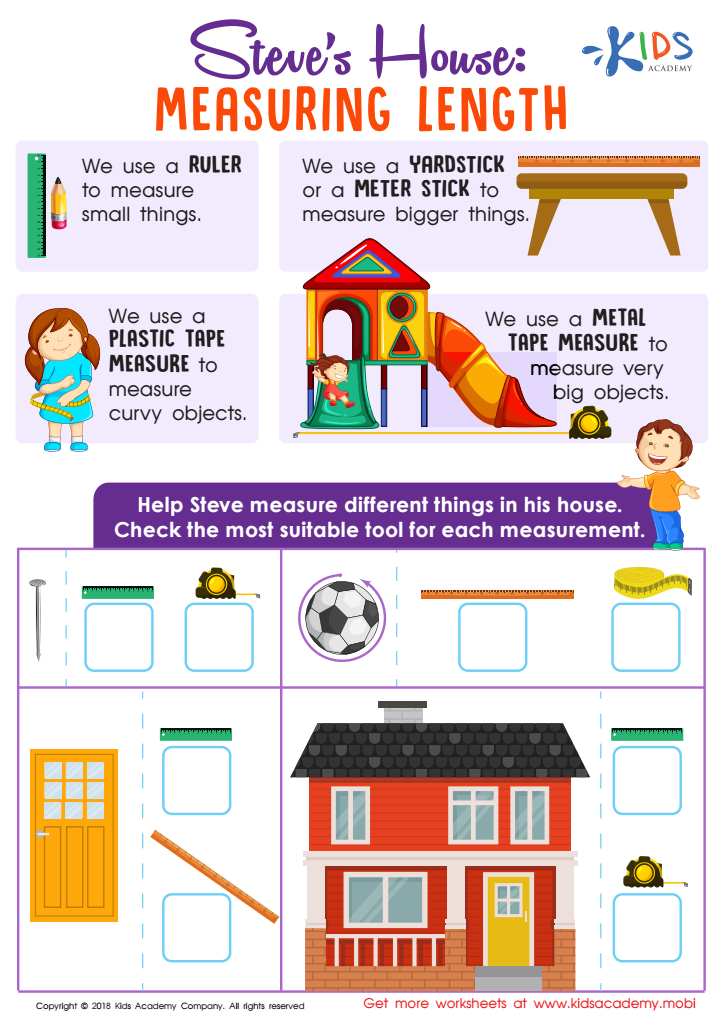
Steve's House: Measuring Length Worksheet
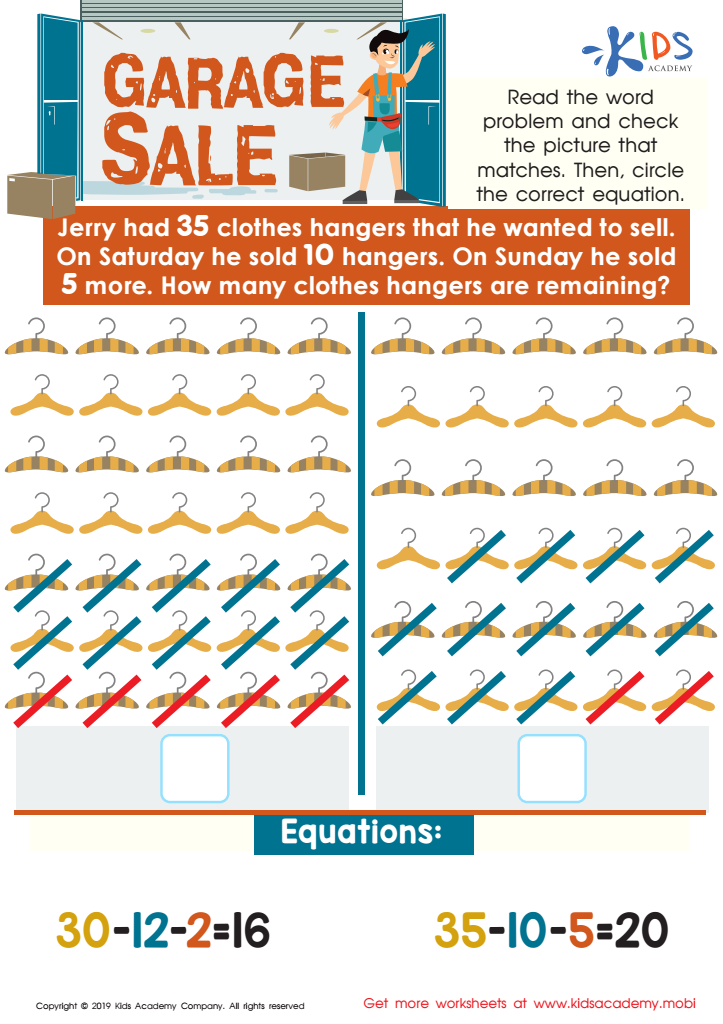
Garage Sale Worksheet
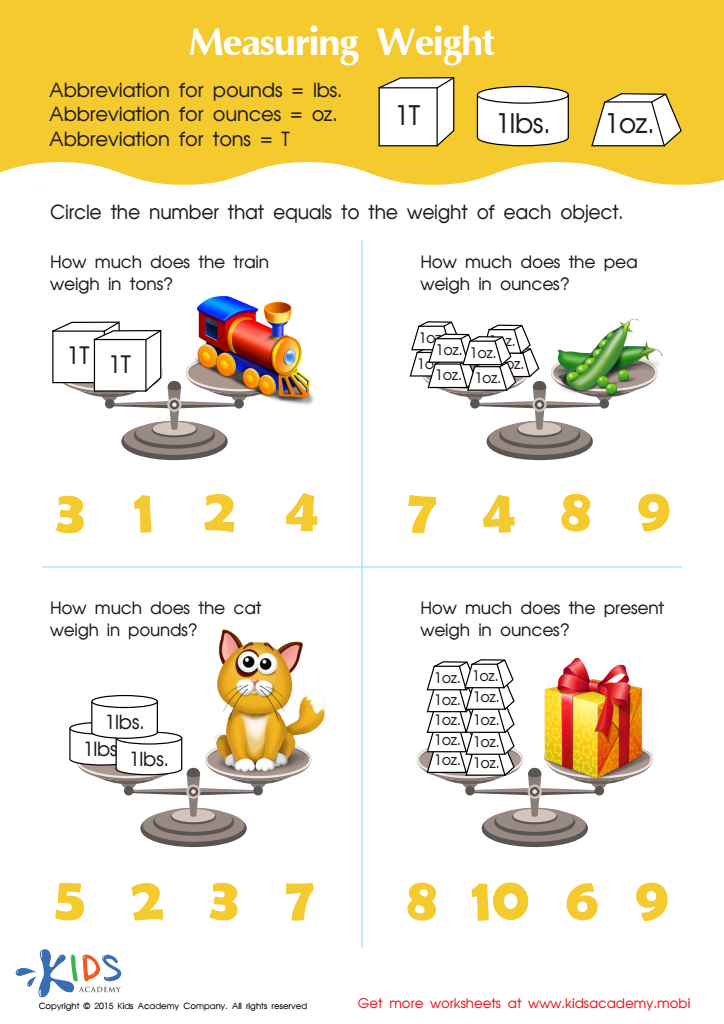
Measuring Weight in Ounces, Pounds and Tons Worksheet
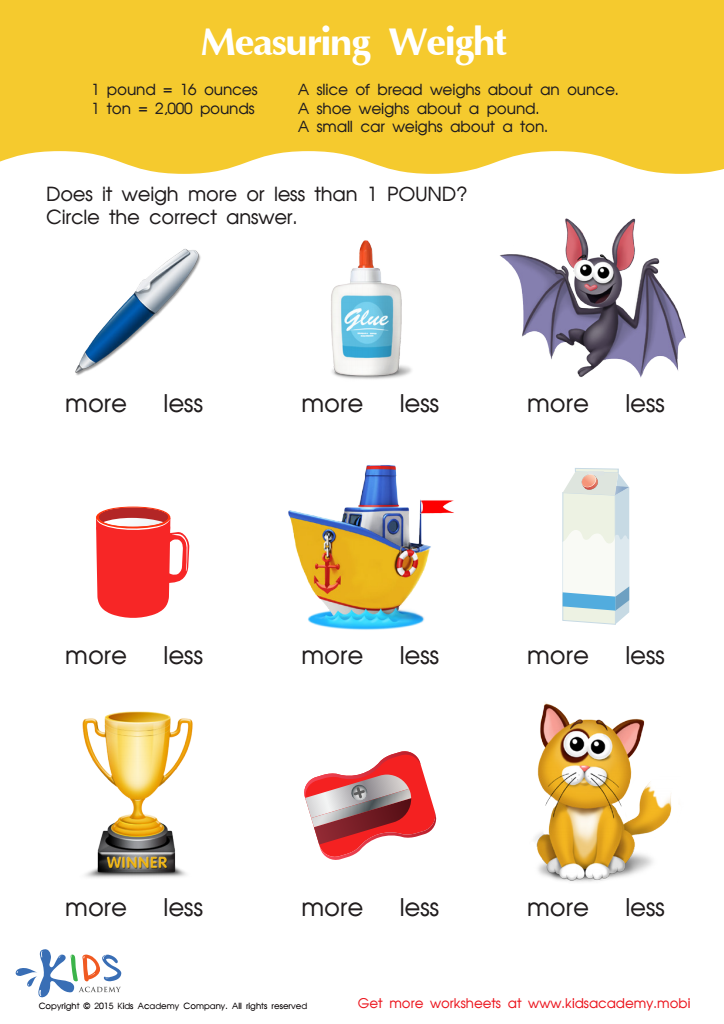
Measuring weight in pounds Worksheet
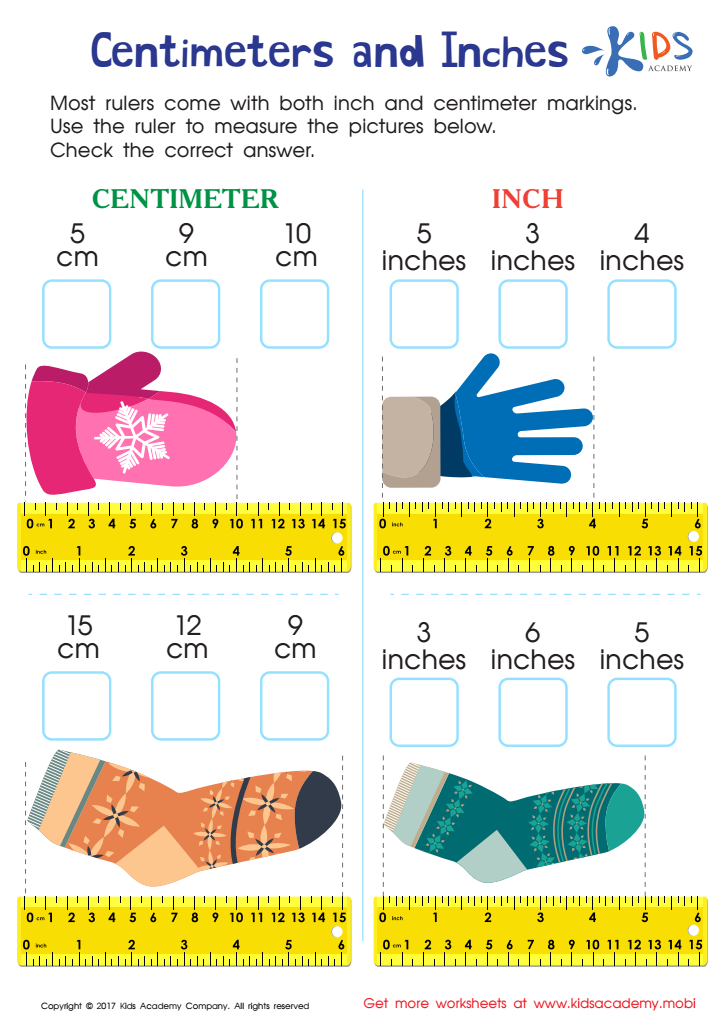
Centimeters and Inches Worksheet
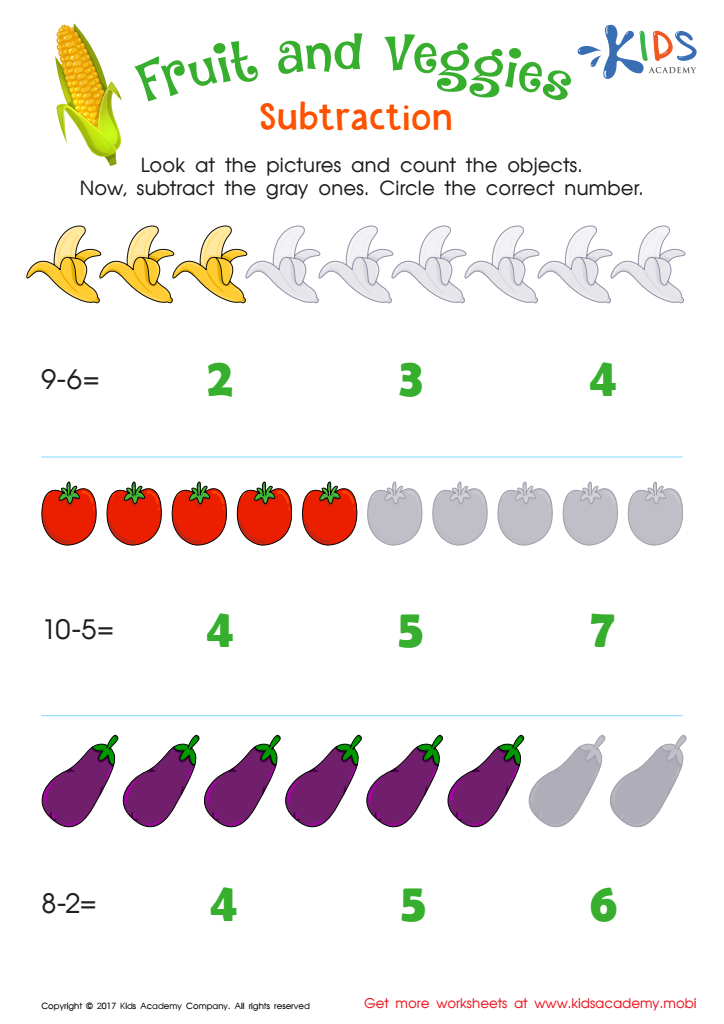
Fruit and Veggies Subtraction Worksheet







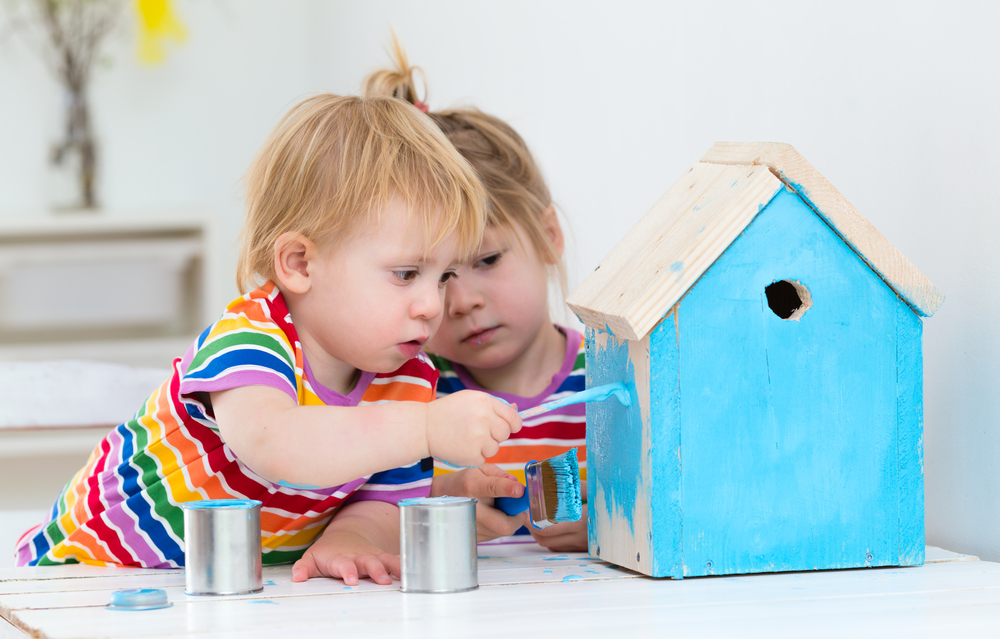
Practical math applications are crucial for children aged 3-9 as they lay the foundation for essential life skills. At this developmental stage, children are naturally curious and eager to understand the world around them. By integrating math into real-life situations, parents and teachers can help children grasp abstract concepts more easily. This includes basic skills such as counting, measuring, and identifying patterns through hands-on activities like cooking, shopping, or gardening.
Moreover, engaging children with practical math fosters critical thinking and problem-solving abilities. It allows them to see the relevance of math in everyday scenarios, better preparing them for future academic challenges. Understanding math in context encourages positive attitudes towards the subject, reducing anxiety and disengagement later on.
Additionally, practical applications promote collaboration and communication skills. When children work together on math-related tasks, they learn to share ideas, listen, and work as a team, which builds their social skills. For teachers and parents, recognizing and supporting these practical applications not only enhances a child’s mathematical understanding but also enriches their overall learning experience, fostering a lifelong appreciation for the subject. By prioritizing practical math applications, caregivers can significantly contribute to a child's cognitive, emotional, and social development.








