Reading Skills Worksheets for Ages 3-9 - Page 2
47 filtered results
-
From - To
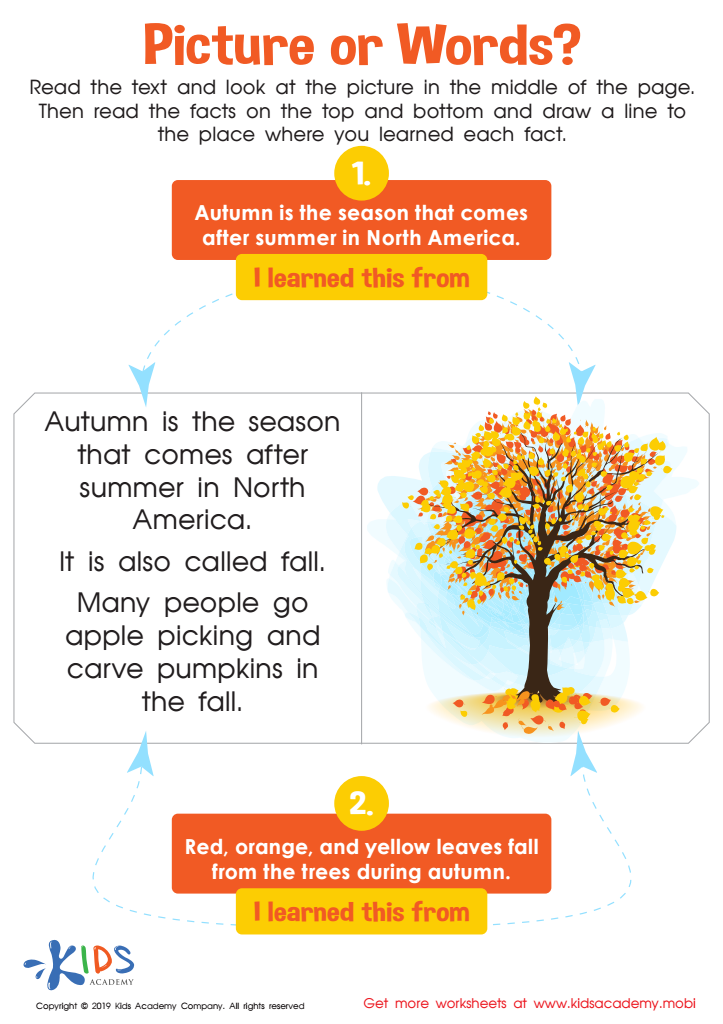
Picture Words Worksheet
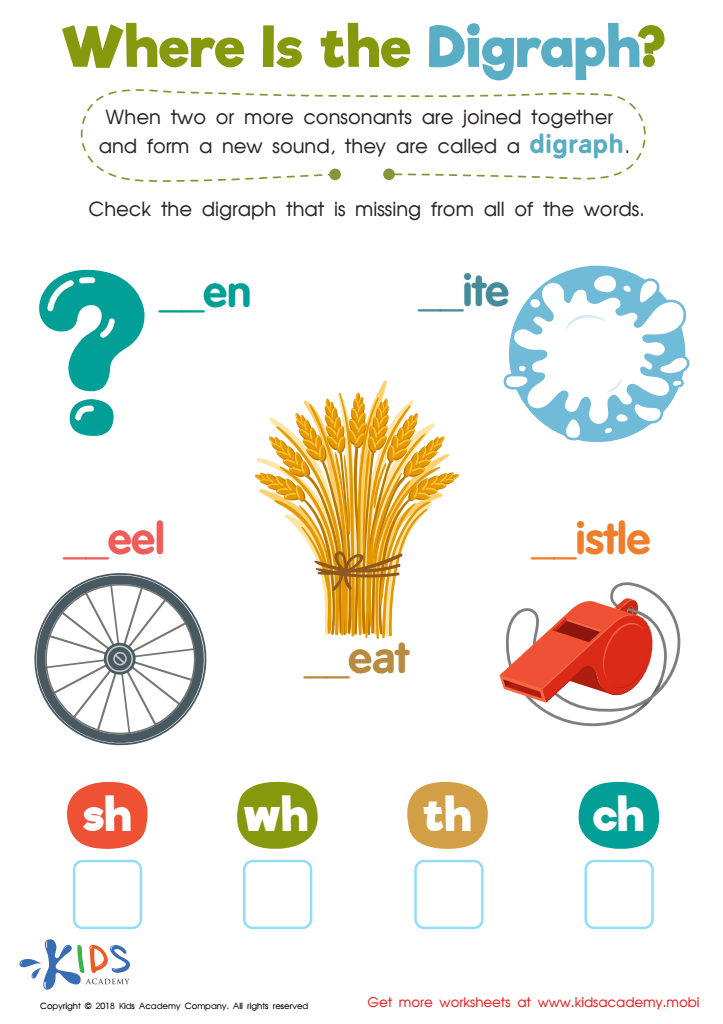
Where Is the Digraph? Worksheet
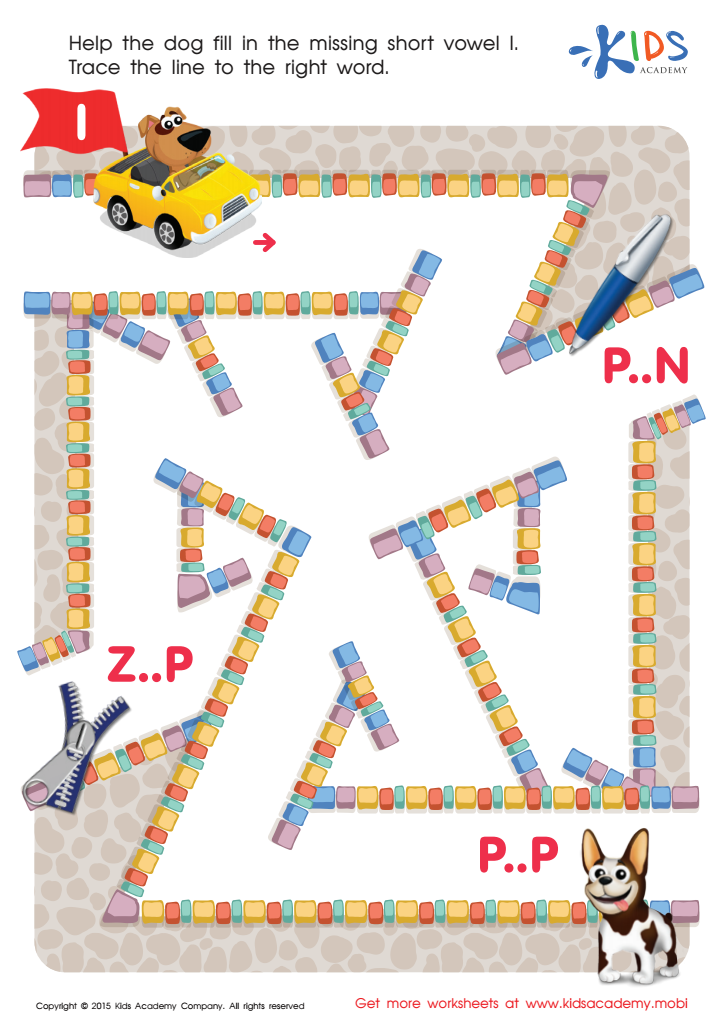
Short Vowel Sound I Worksheet
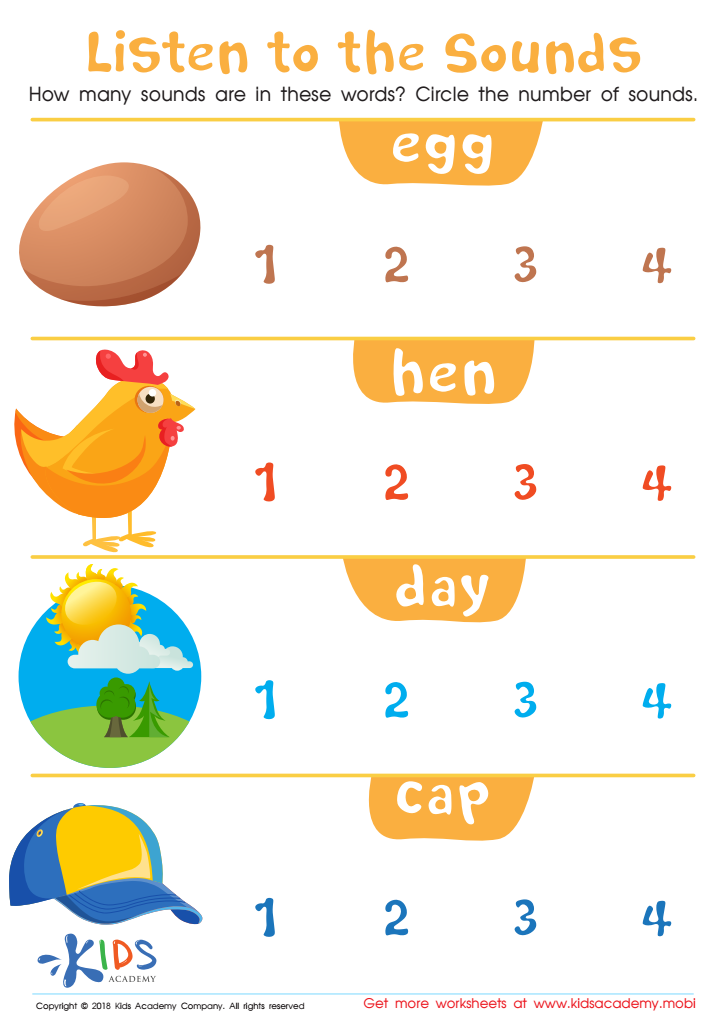
Listen to the Sounds Worksheet
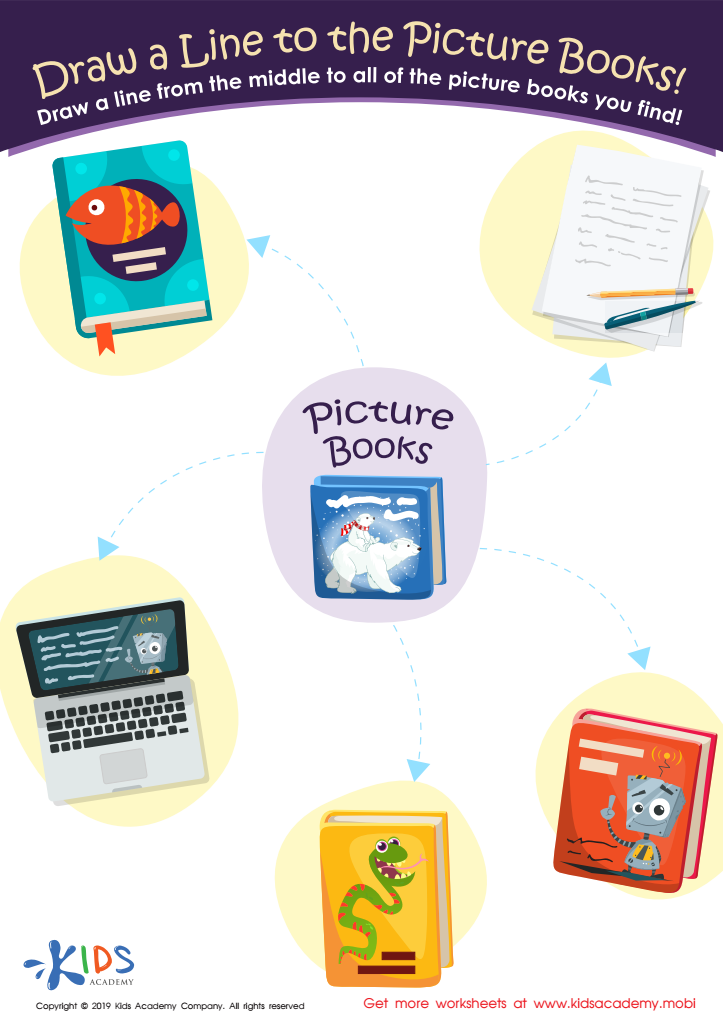
Draw a Line to the Picture Books Worksheet
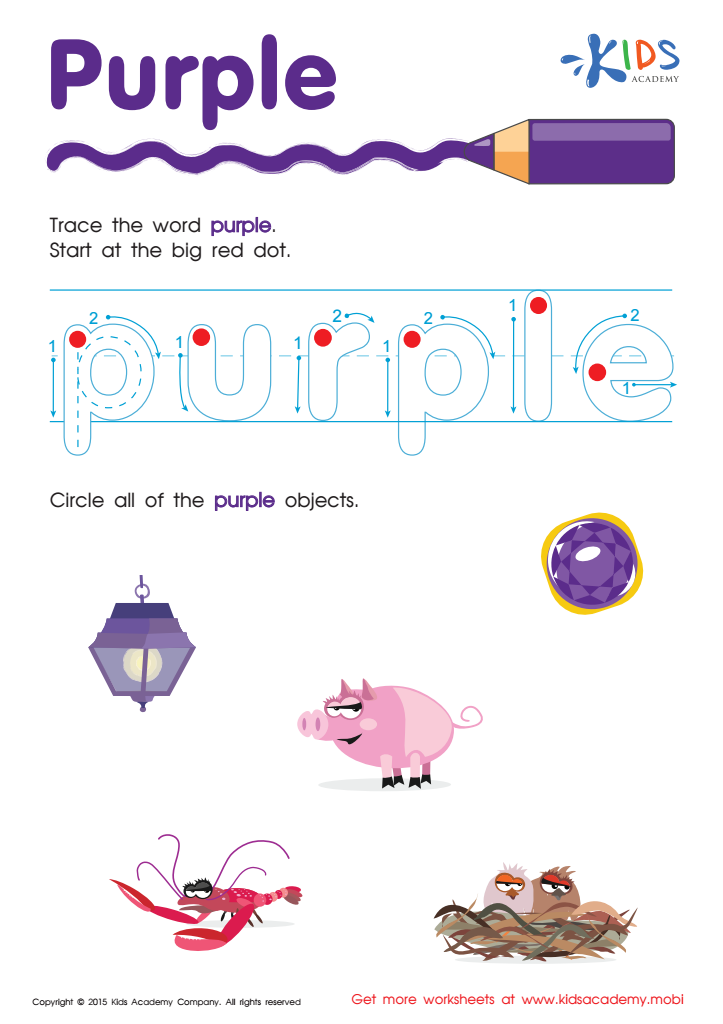
Purple Tracing Color Words Worksheet
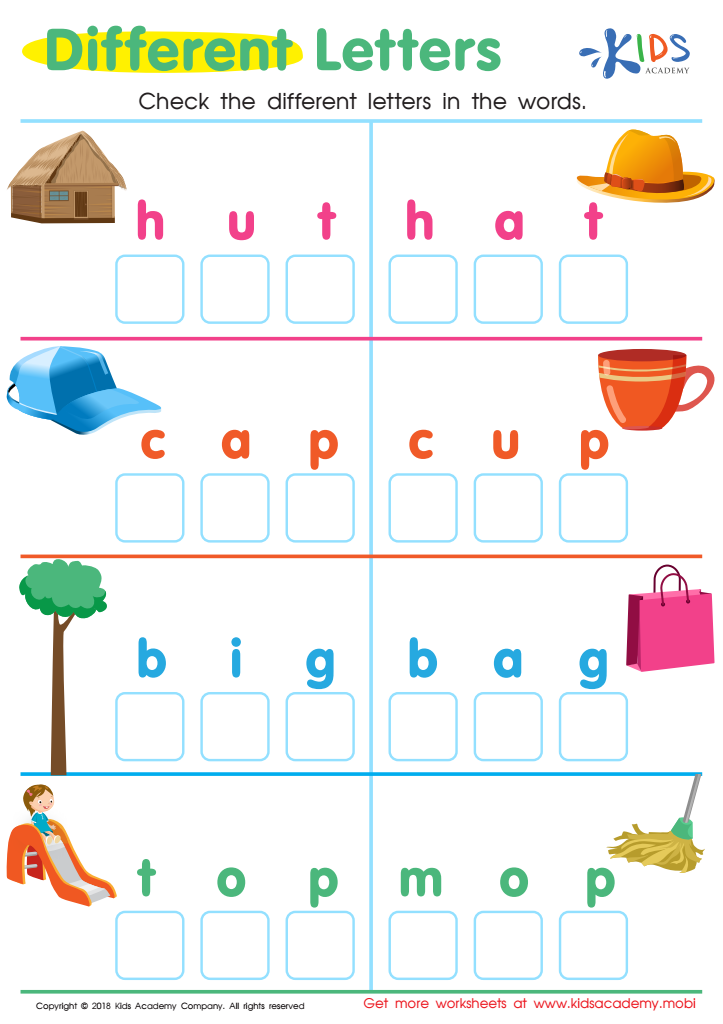
Different Letters Reading Worksheet
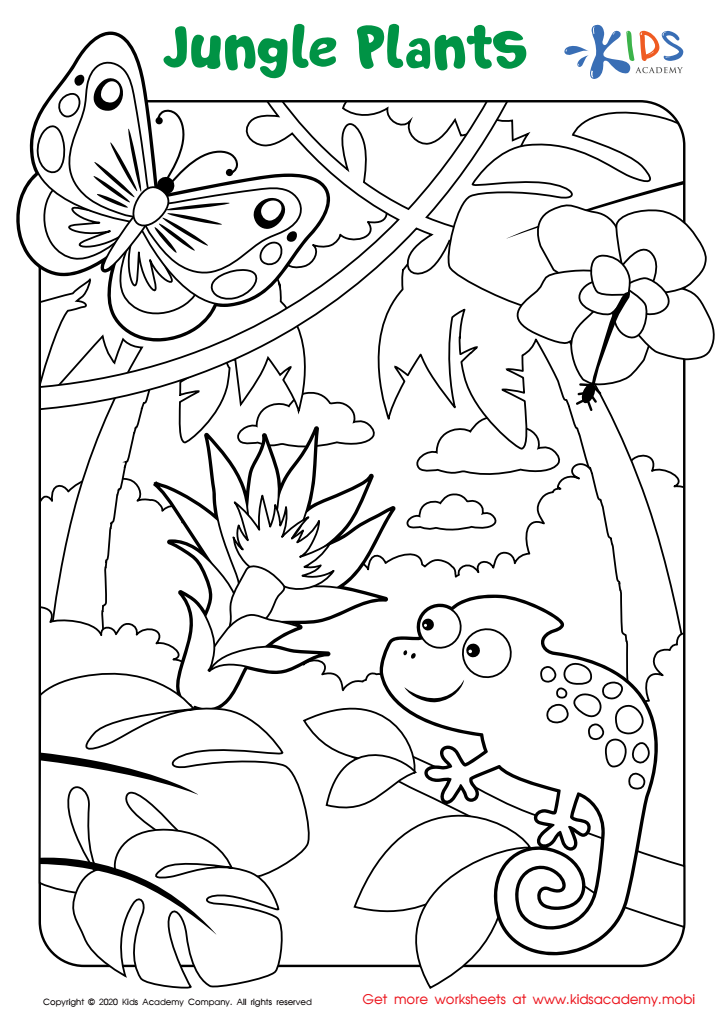
Jungle Plants Worksheet
 Assign to My Students
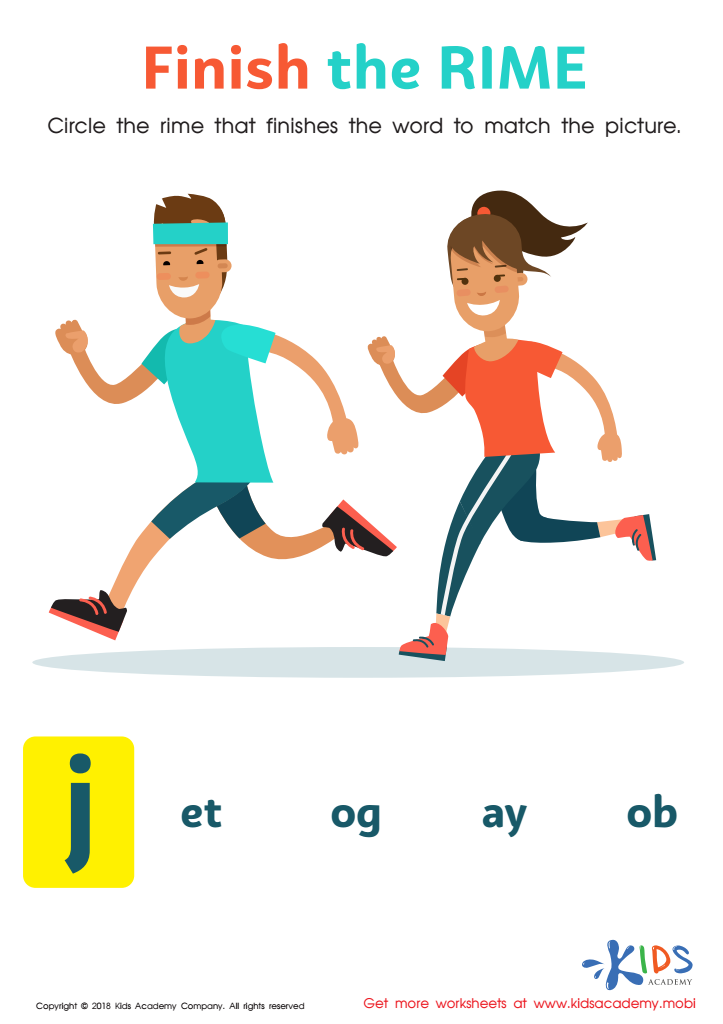
Finish the Rime Worksheet
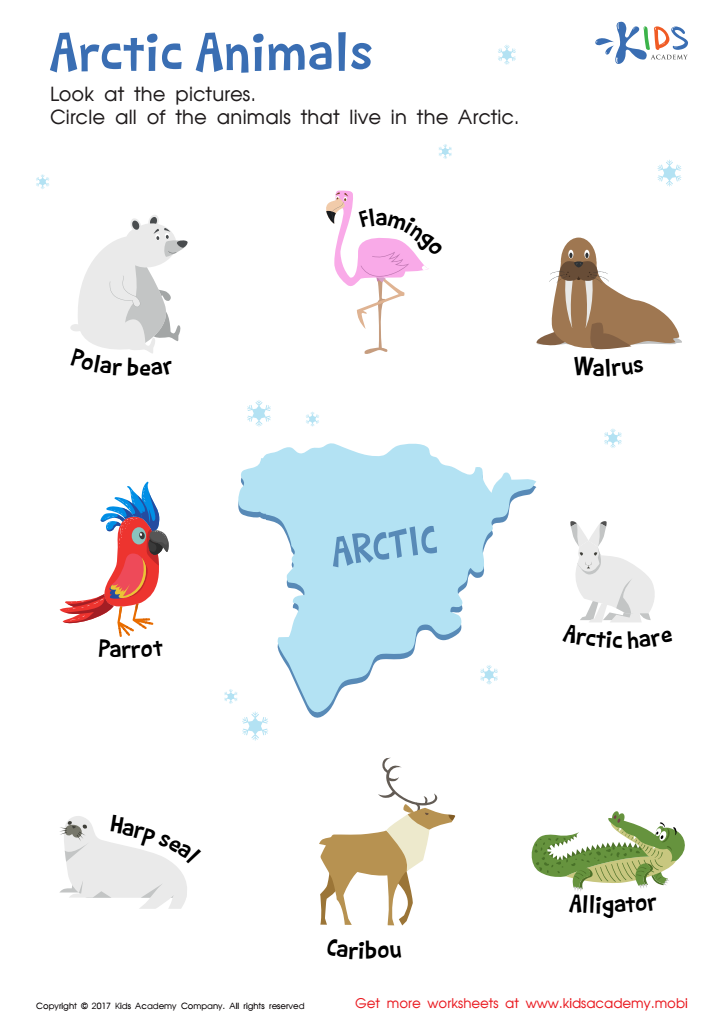
Arctic Animals Worksheet
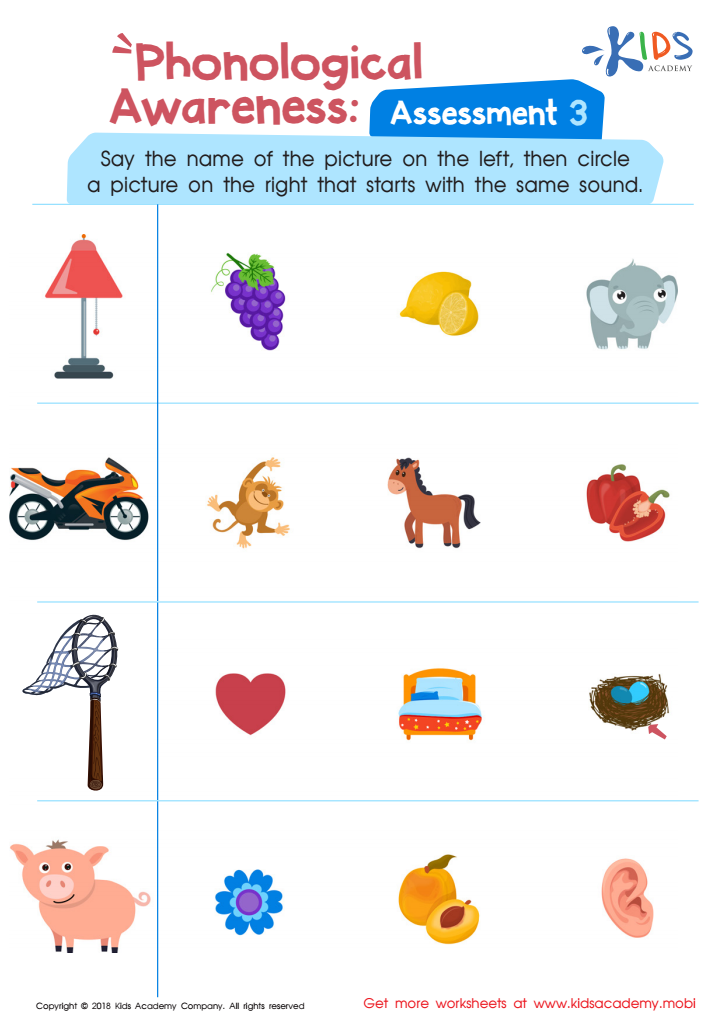
Phonological Awareness: Assessment 3 Worksheet
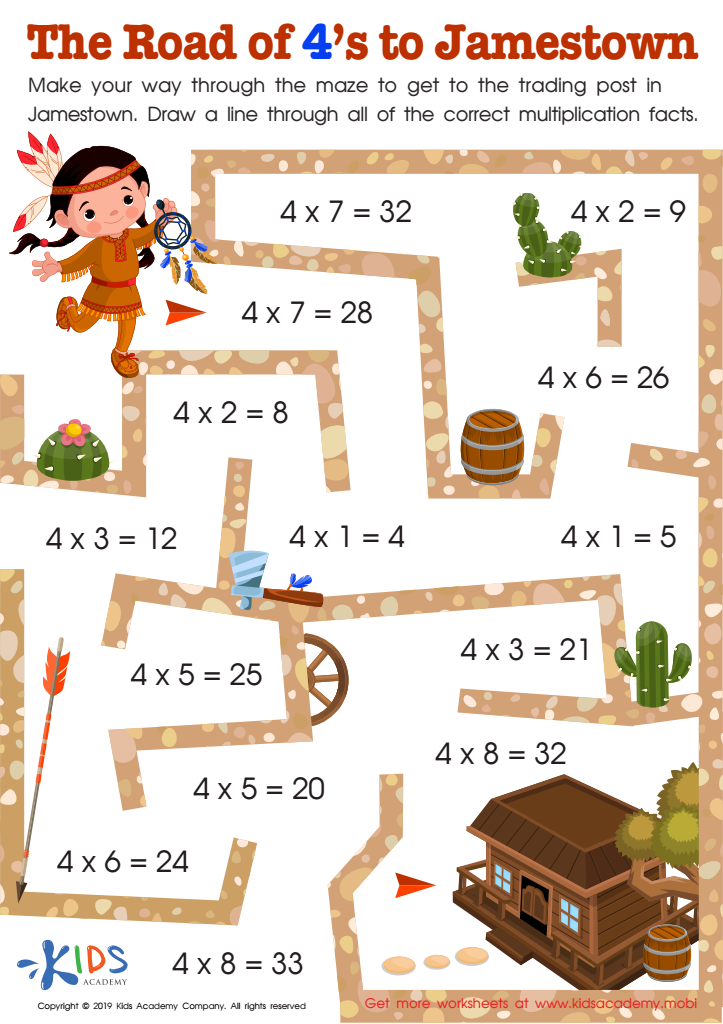
The Road of 4’s to Jamestown Worksheet
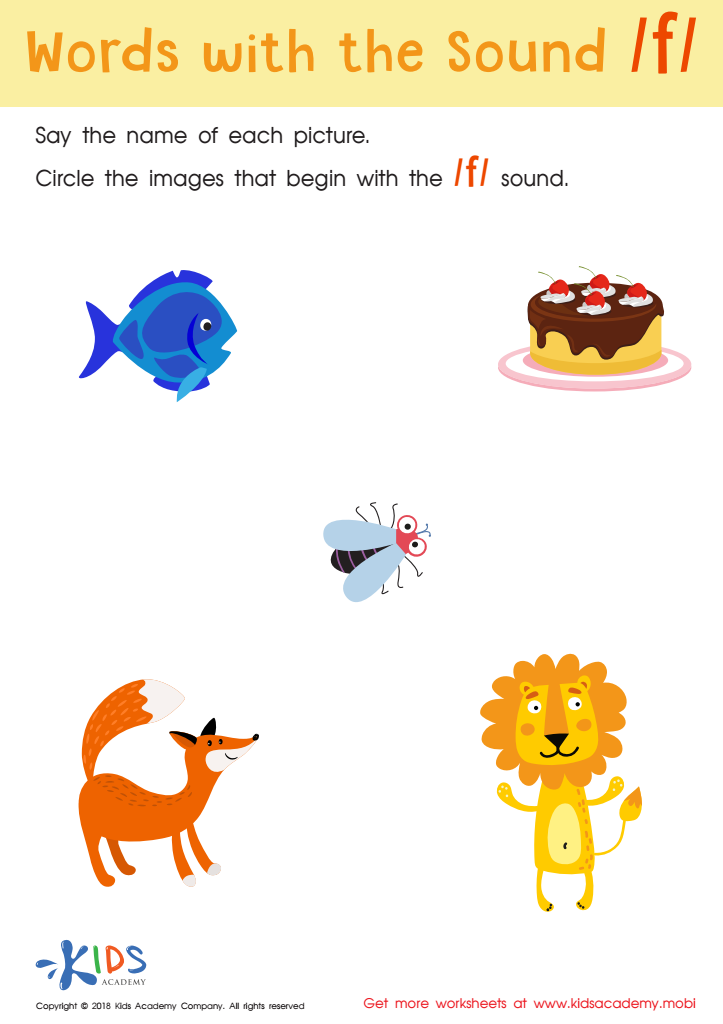
Words with sound f Reading Worksheet
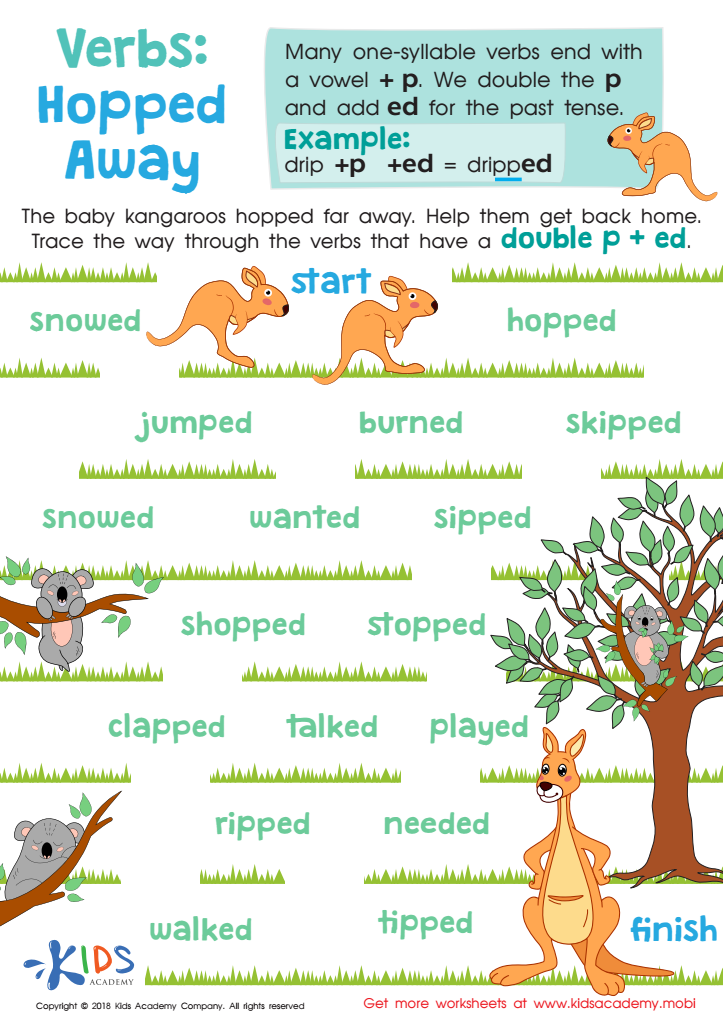
Verbs: Hopped Away Worksheet
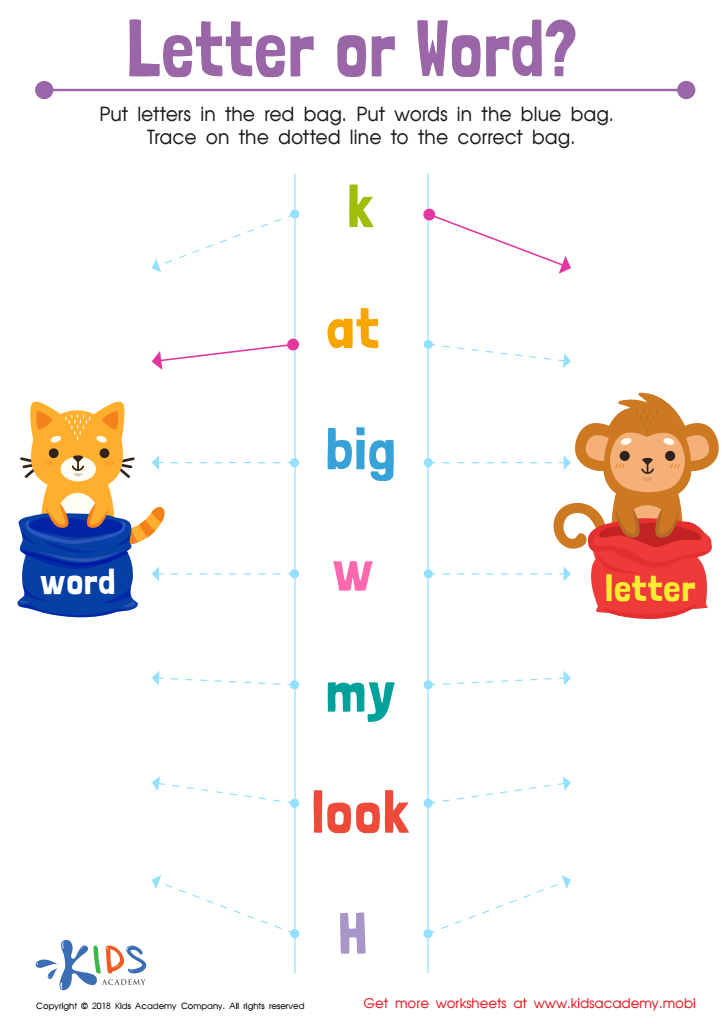
Letter or Word? Worksheet
First Words Worksheet
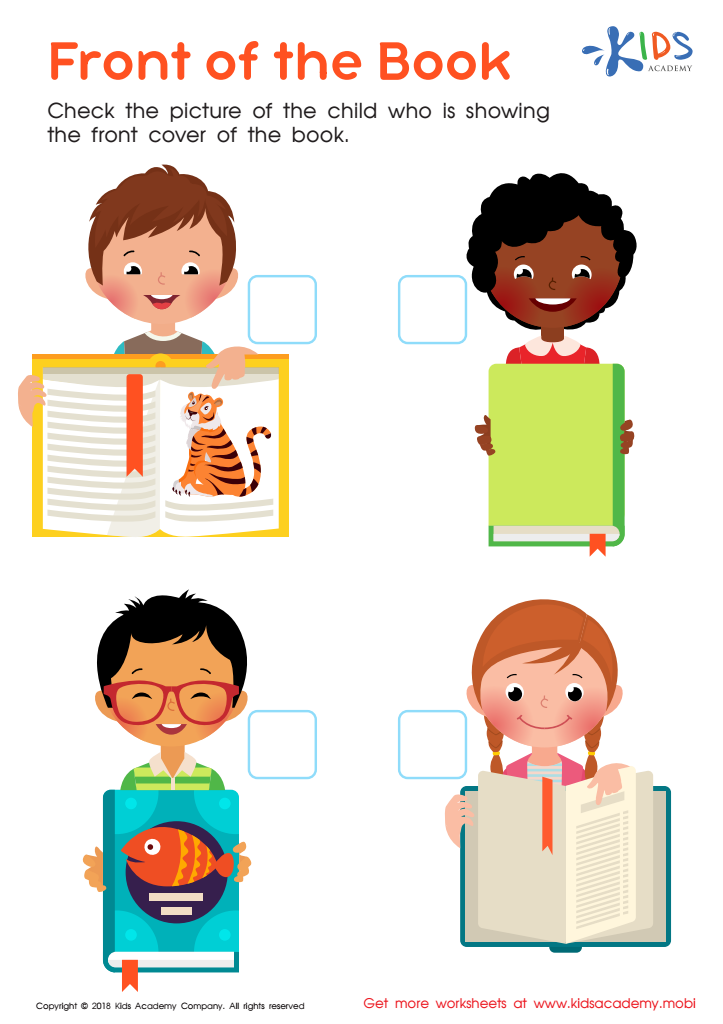
Front of the Book Worksheet
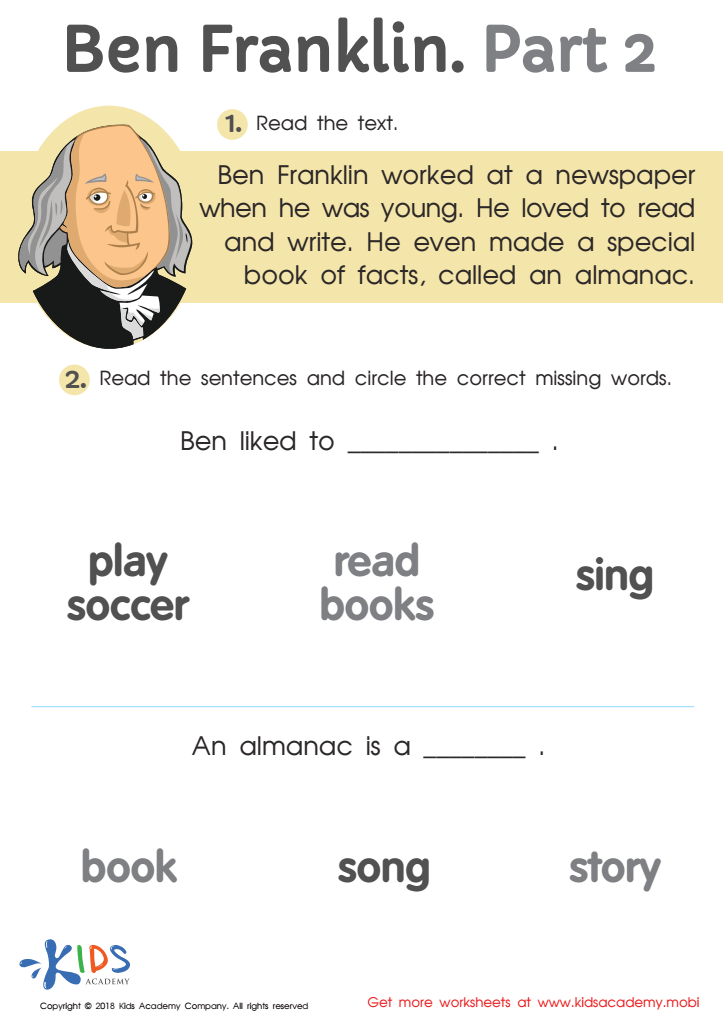
Ben Franklin Part 2 Worksheet
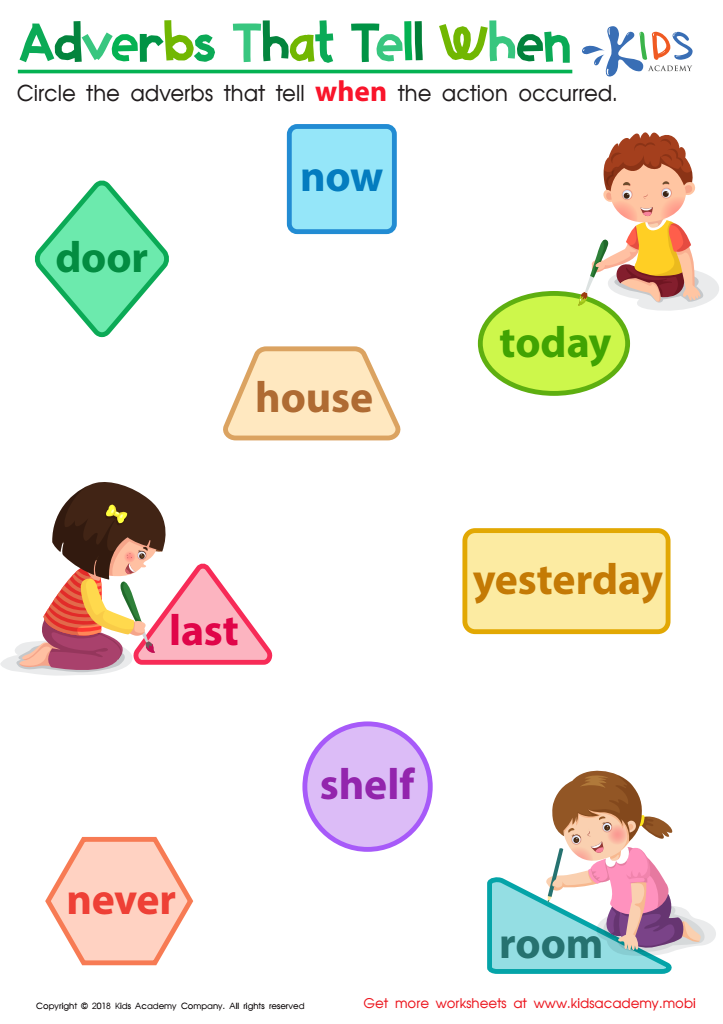
Adverbs That Tell us When Worksheet
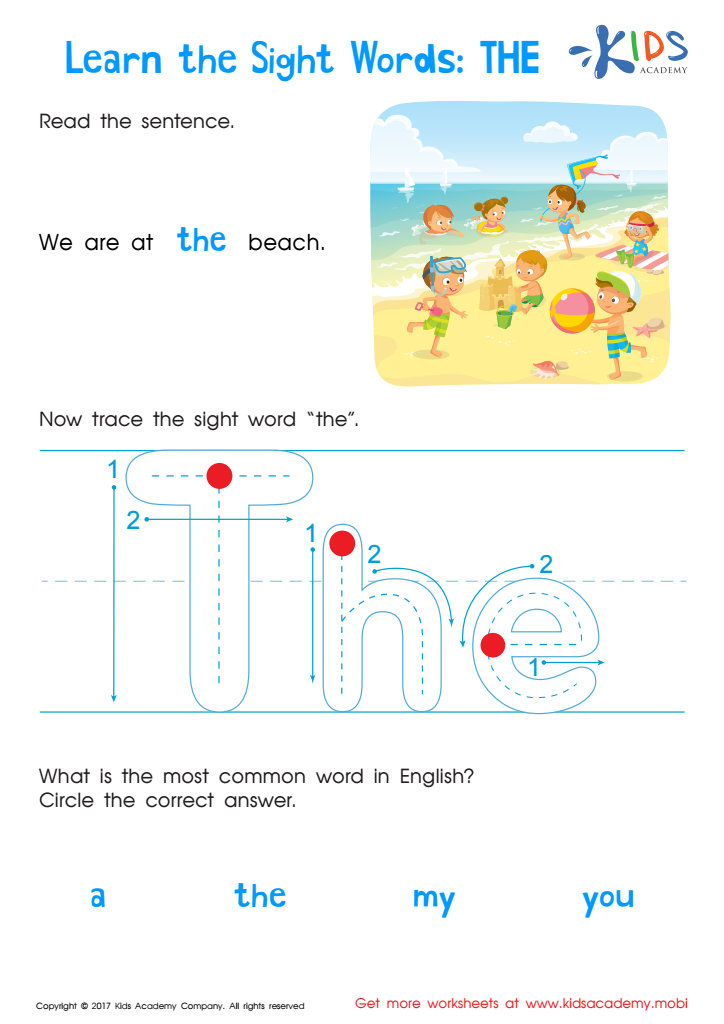
Sight Words: The Worksheet
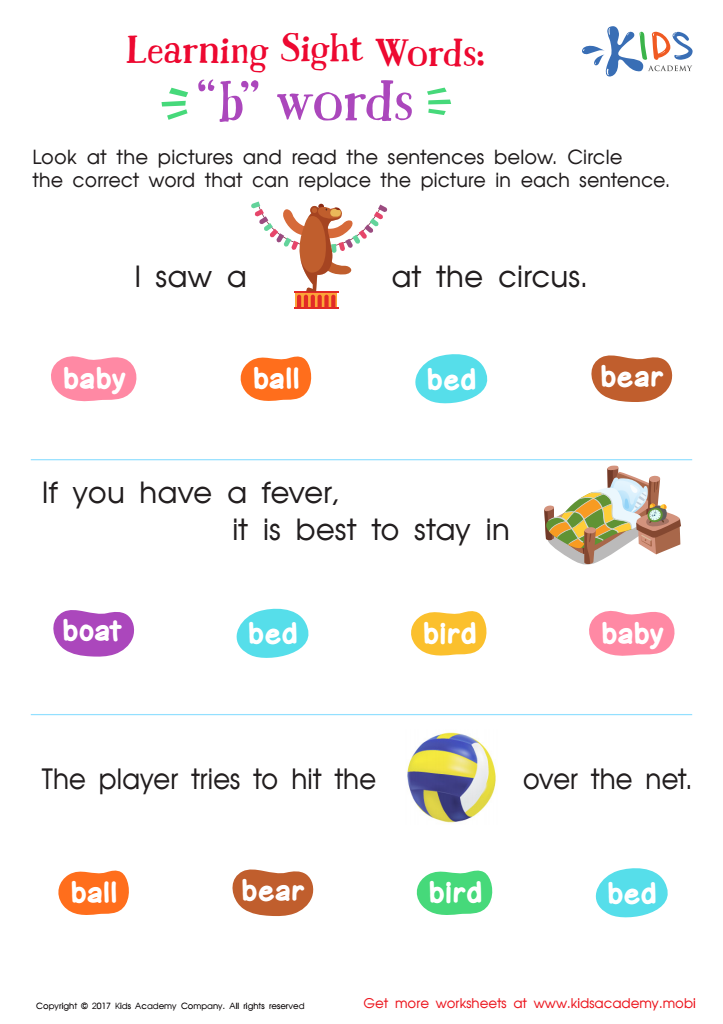
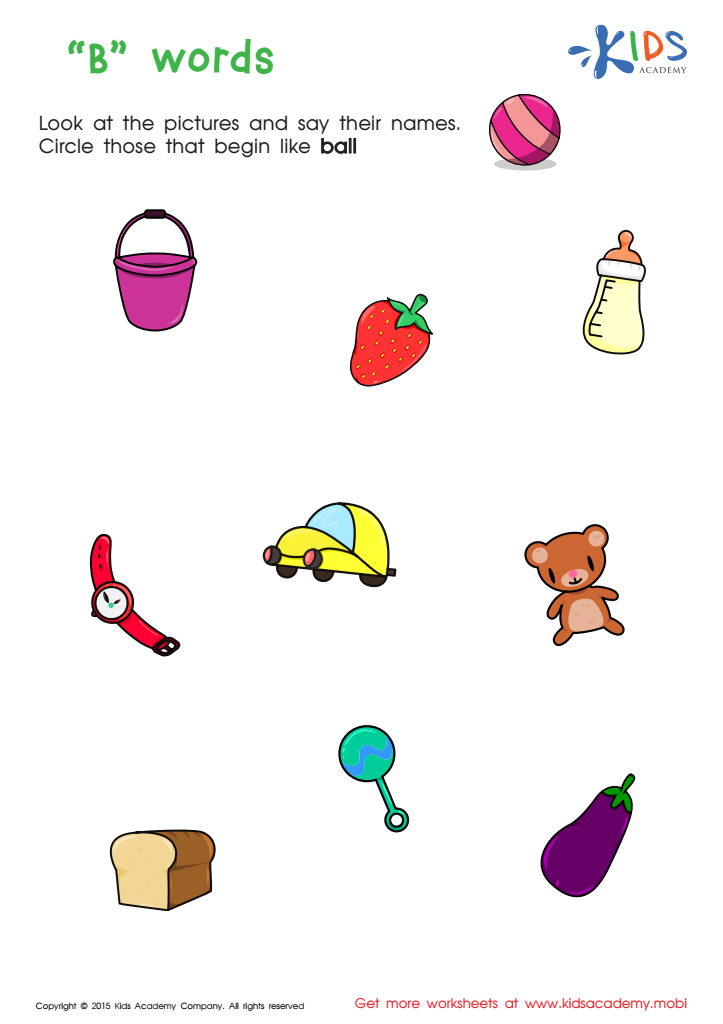
"B" Words Printable Sight Words Worksheet
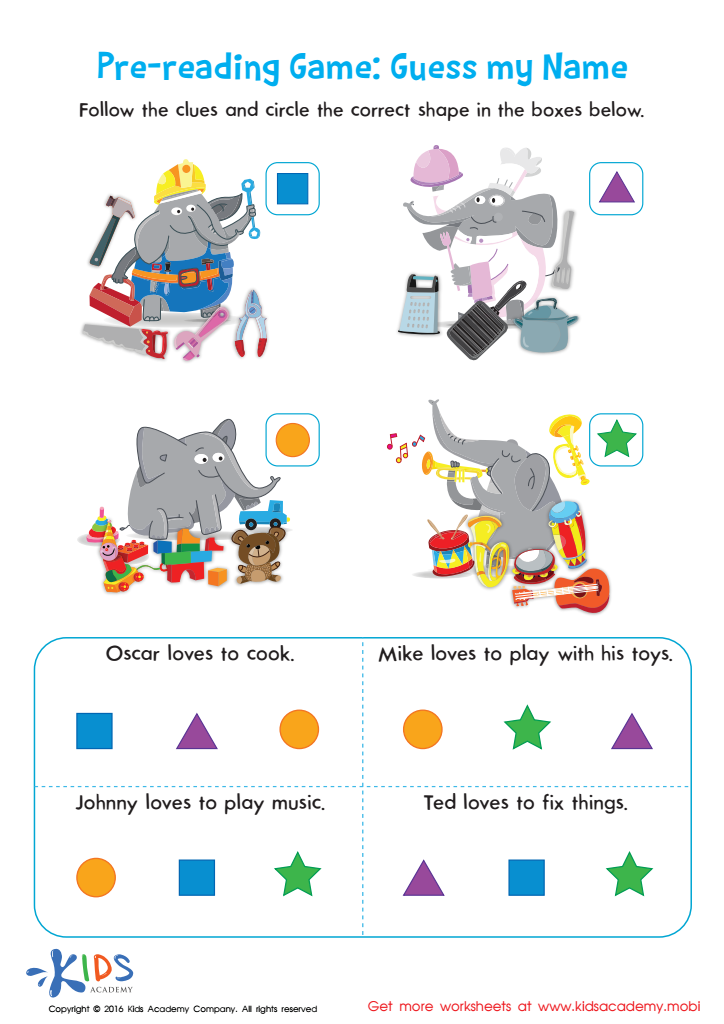
Pre Reading Worksheet Guess My Name
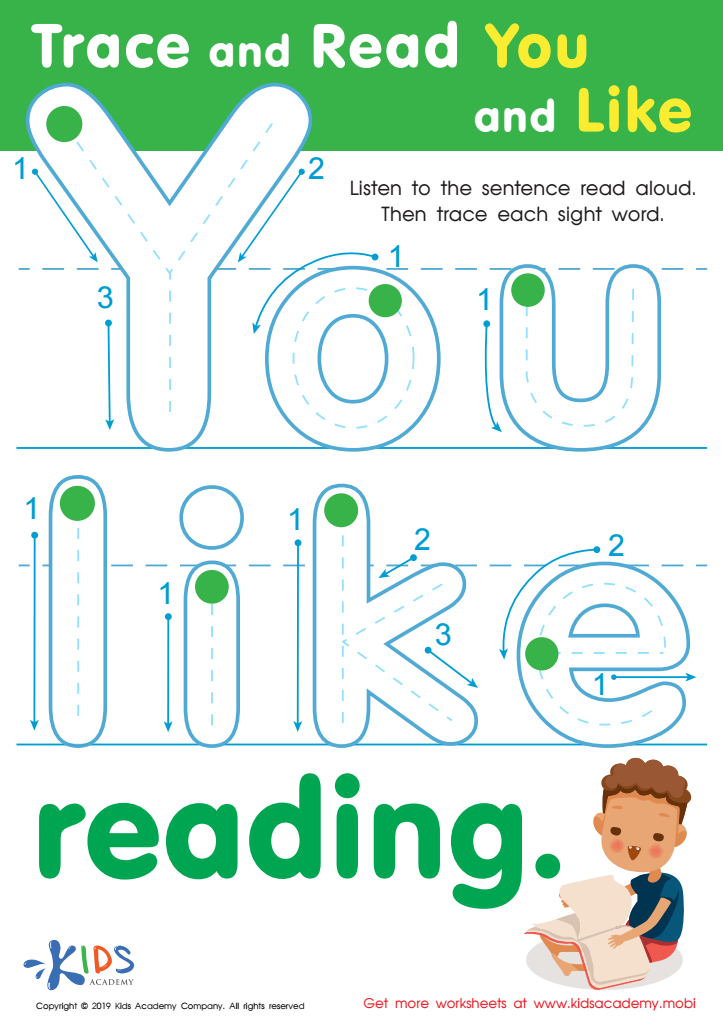
Trace Read You Like Worksheet






Parents and teachers should prioritize reading skills for children aged 3-9 because these formative years are crucial for cognitive, social, and emotional development. Mastering reading at an early age builds the foundation for all future learning. Reading enhances vocabulary, improves comprehension, and fosters a love for learning. As children encounter increasingly complex texts, they improve their critical thinking and problem-solving skills.
Moreover, reading is vital for academic success across subjects. A strong reading ability helps children understand math problems, science concepts, and social studies narratives. Beyond academics, reading promotes empathy by exposing children to diverse perspectives and experiences, thus cultivating emotional intelligence. It also contributes to better listening skills and enhances focus and discipline.
Socially, reading together strengthens bonds between parents and children or between teachers and students, creating enriching educational experiences in a supportive environment. In today's digital age, developing robust reading skills also prepares children to better scrutinize online information, which is crucial for informed, responsible citizens.
Early investment in reading invariably leads to long-term benefits, including higher self-esteem and better lifelong learning habits. Ensuring that children become proficient and enthusiastic readers by age 9 can set them on a path to academic and personal success.








