Subtraction practice Numbers Worksheets for Ages 3-9
14 filtered results
-
From - To
Boost your child’s math skills with our engaging Subtraction Practice Numbers Worksheets, designed specifically for ages 3-9. These fun and educational worksheets help young learners develop a strong foundation in subtraction by presenting a variety of problems that improve their number recognition, counting, and basic arithmetic skills. Perfect for preschool through early elementary students, our printable worksheets cater to diverse learning styles and abilities, ensuring that each child can progress at their own pace. Enhance your child's confidence and proficiency in subtraction with our expertly crafted resources from the link below.
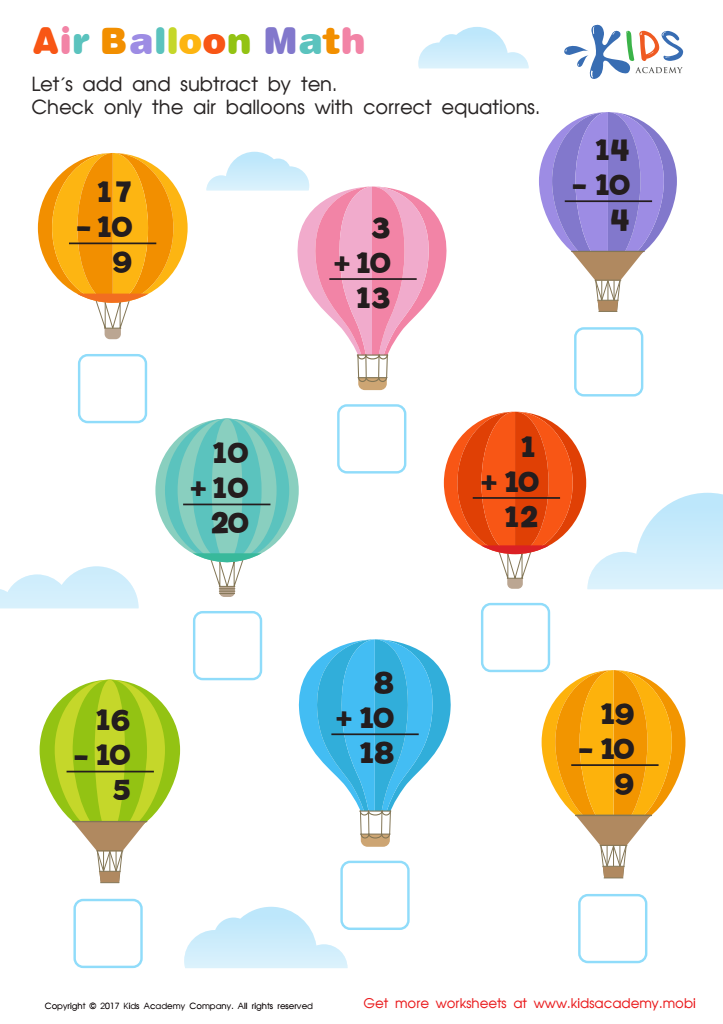
Air Balloon Math Worksheet
 Assign to My Students
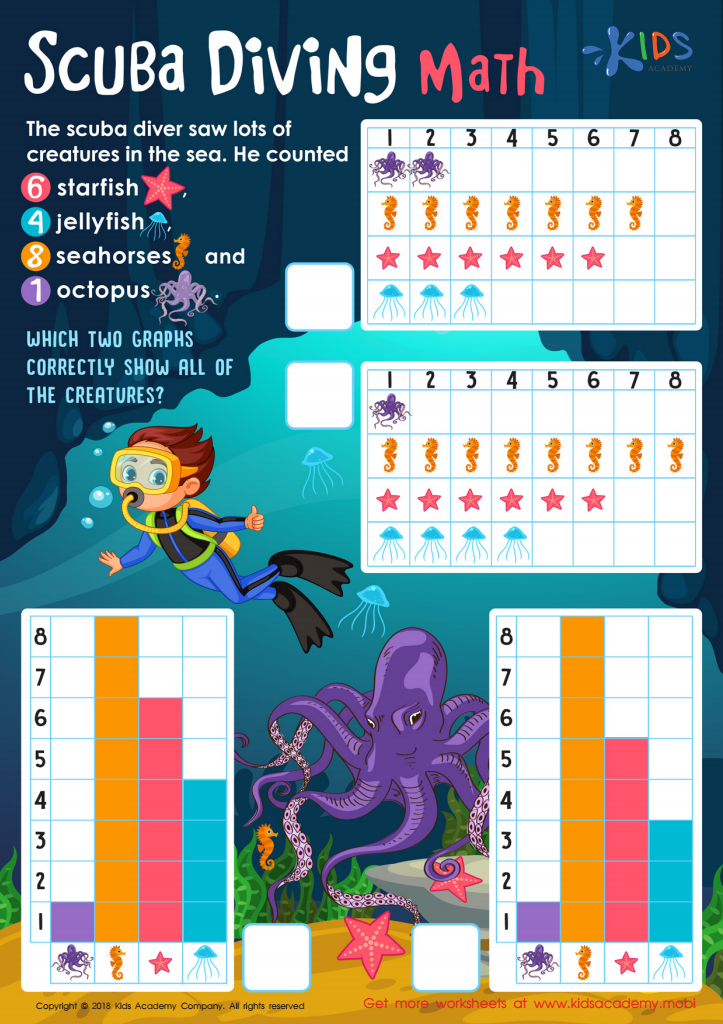
Scuba Diving Math Worksheet
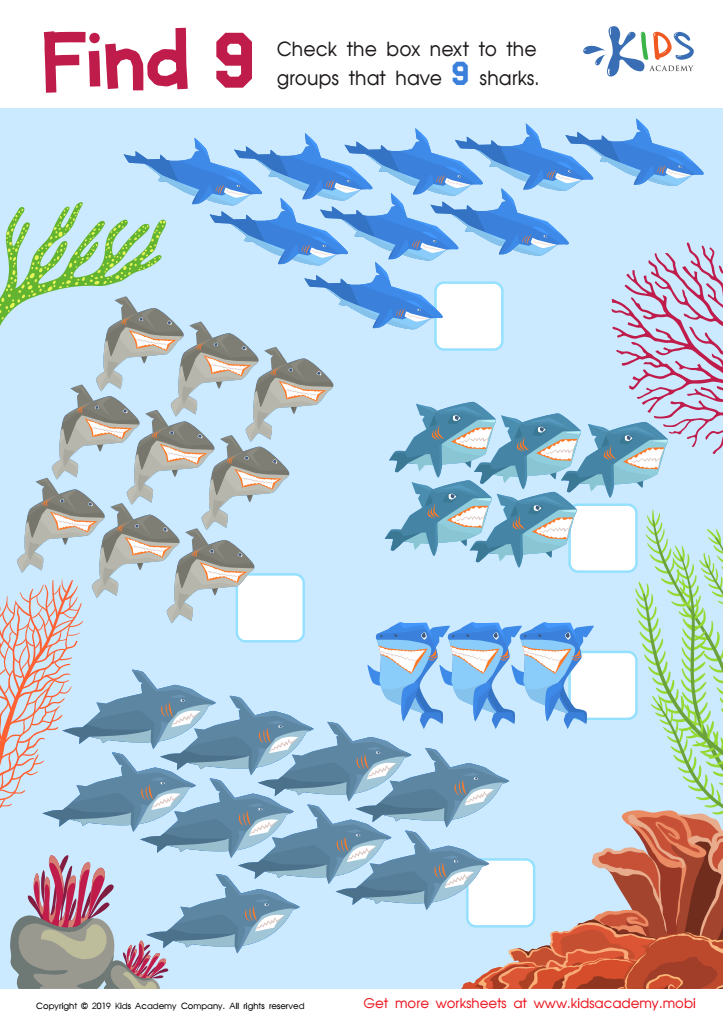
Find 9 Worksheet
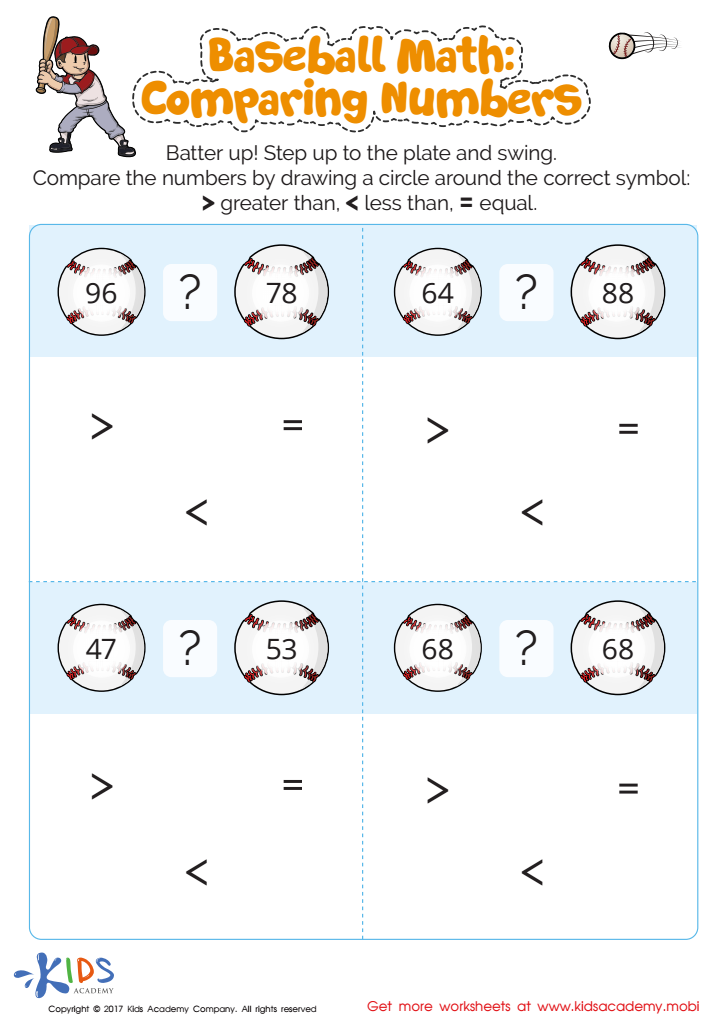
Compare Numbers Printable
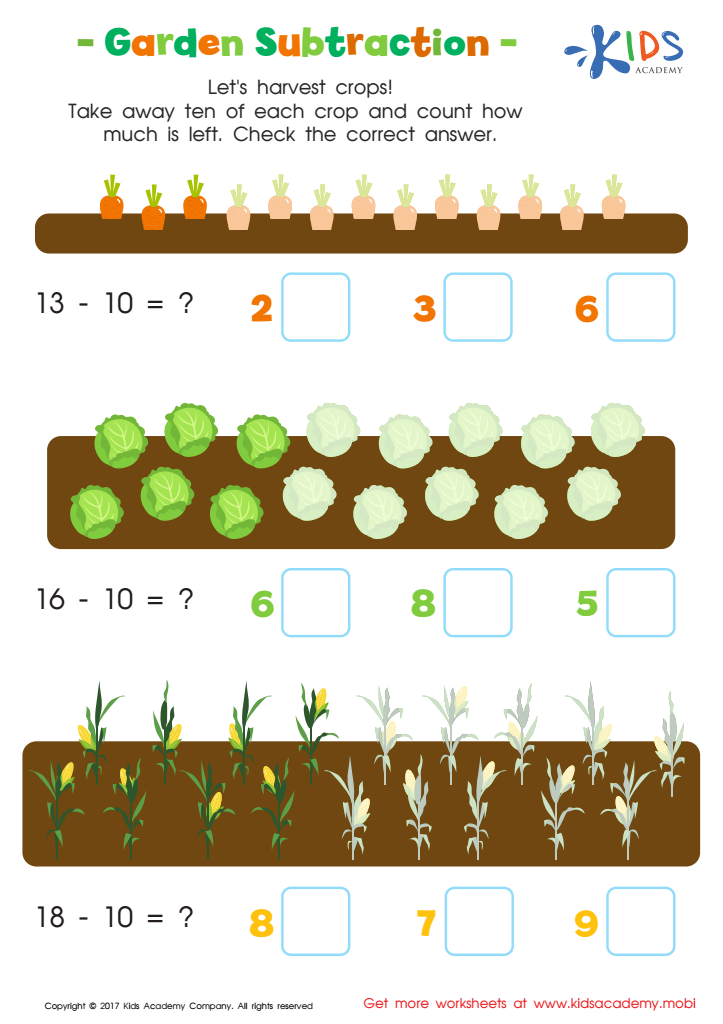
Garden Subtraction Worksheet
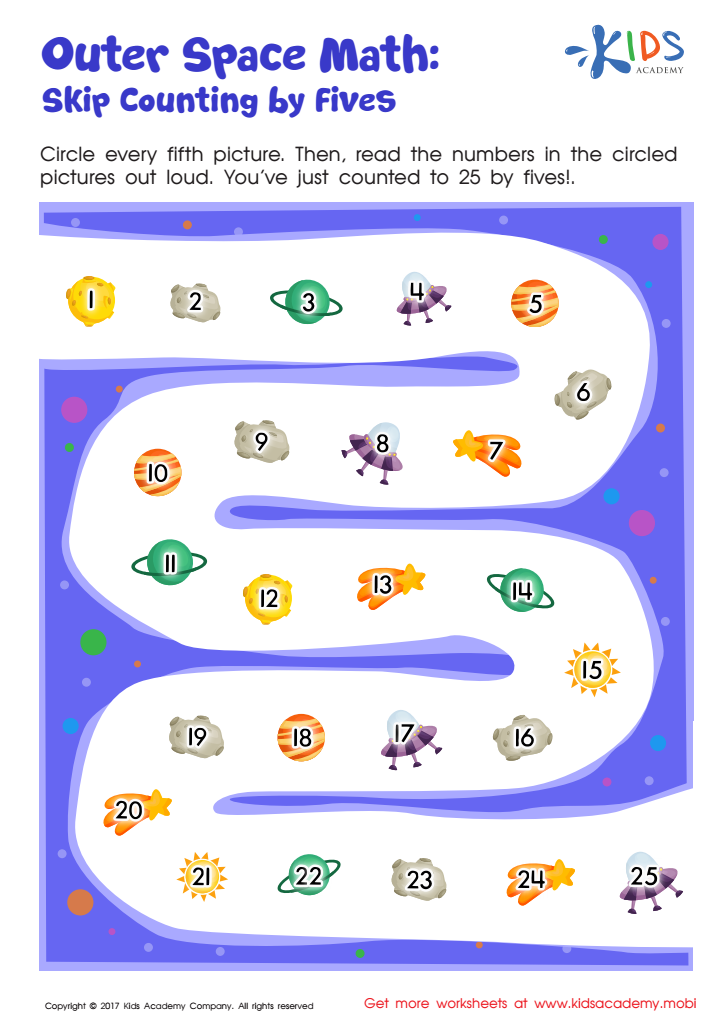
Skip Counting by 5s: Outer Space Math Printable
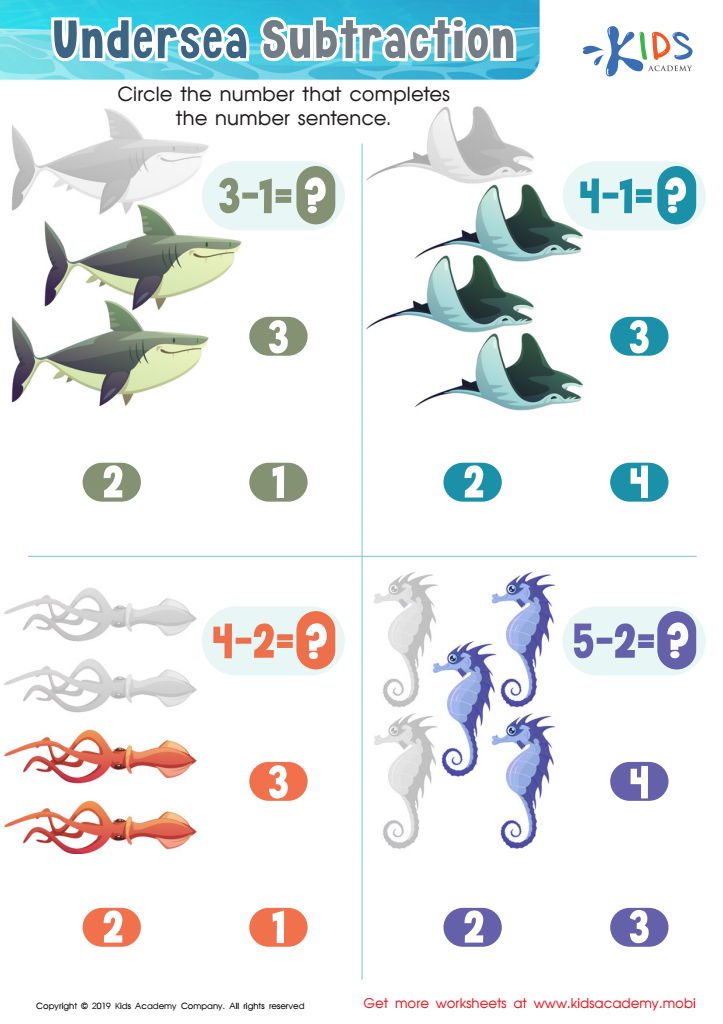
Undersea Subtraction Worksheet
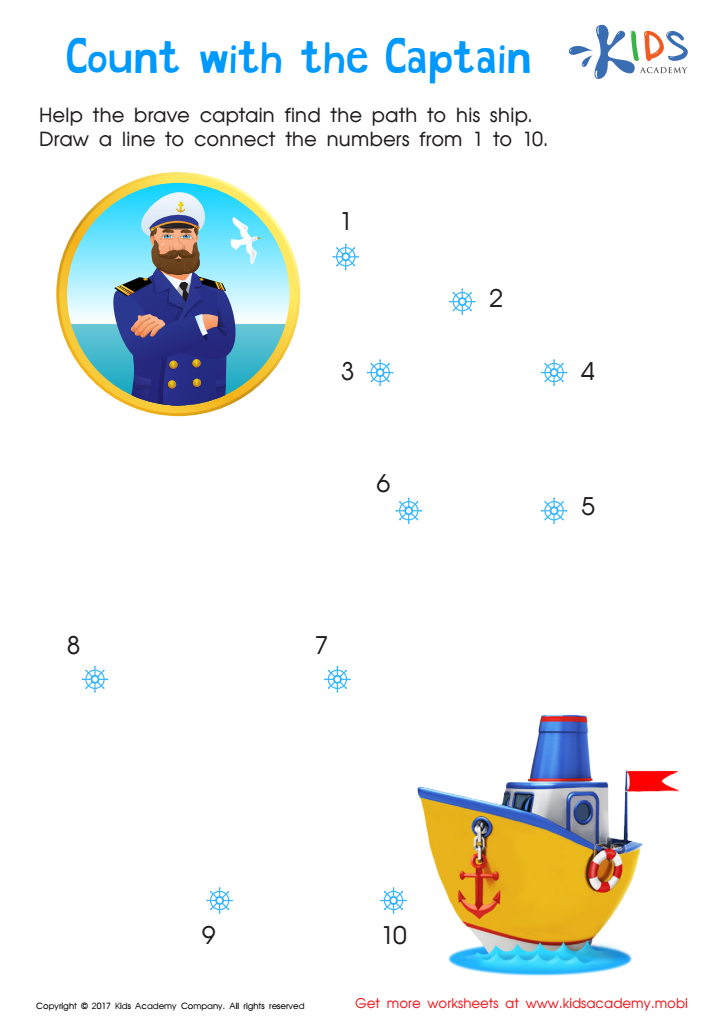
Count with the Captain Connect Dots Worksheet
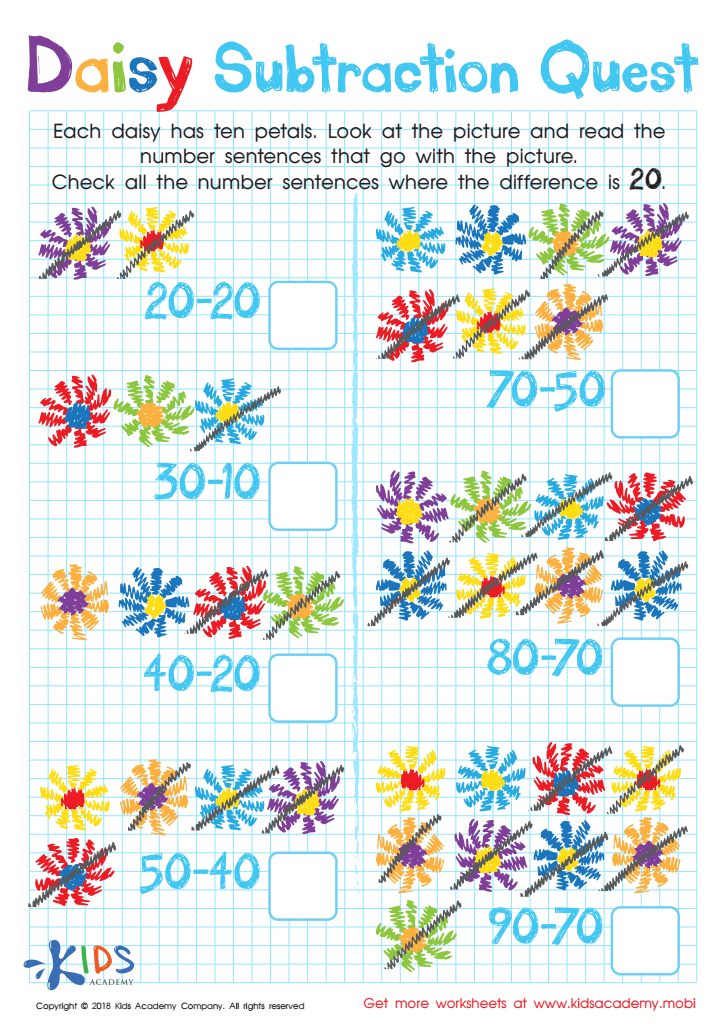
Daisy Subtraction Quest Worksheet
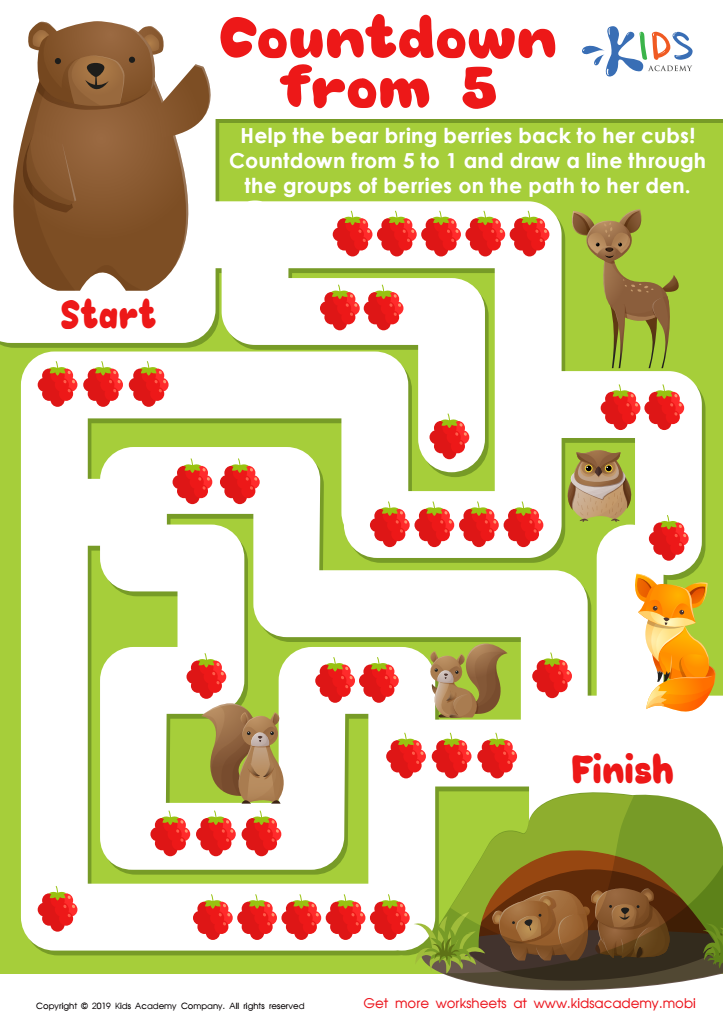
Countdown from 5 Worksheet
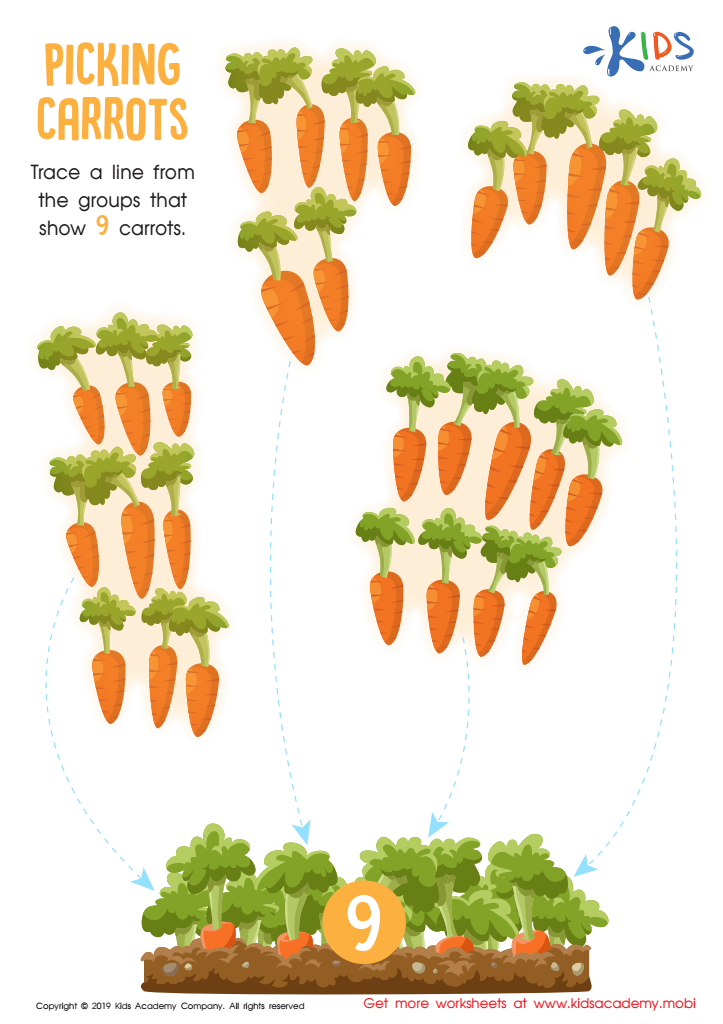
Picking Carrots Worksheet
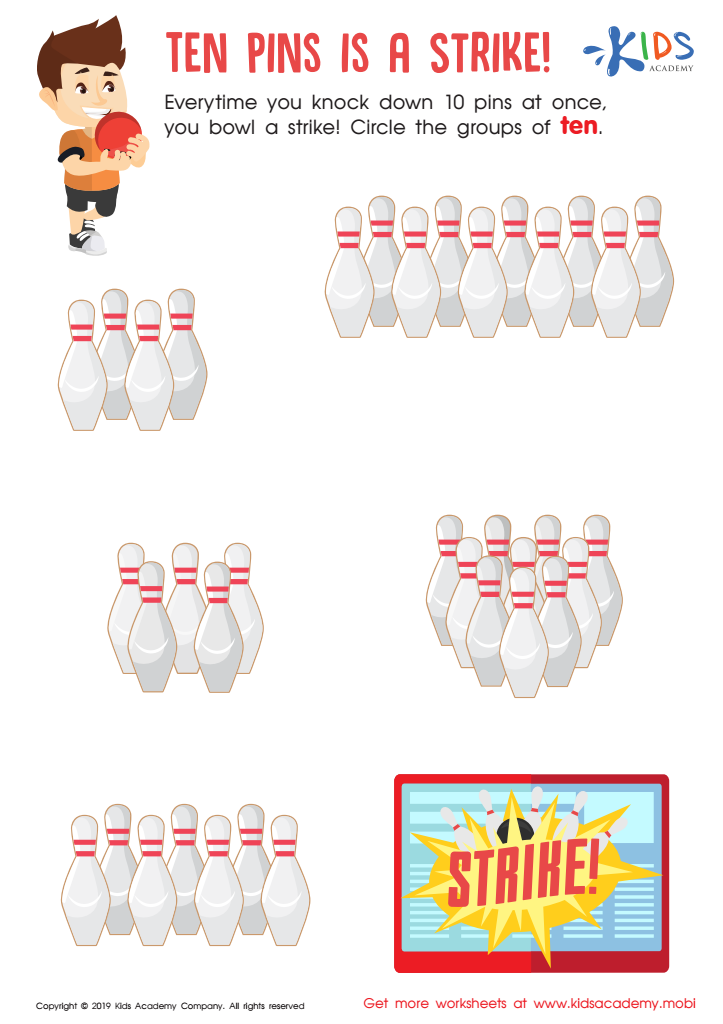
Ten Pins is a Strike Worksheet
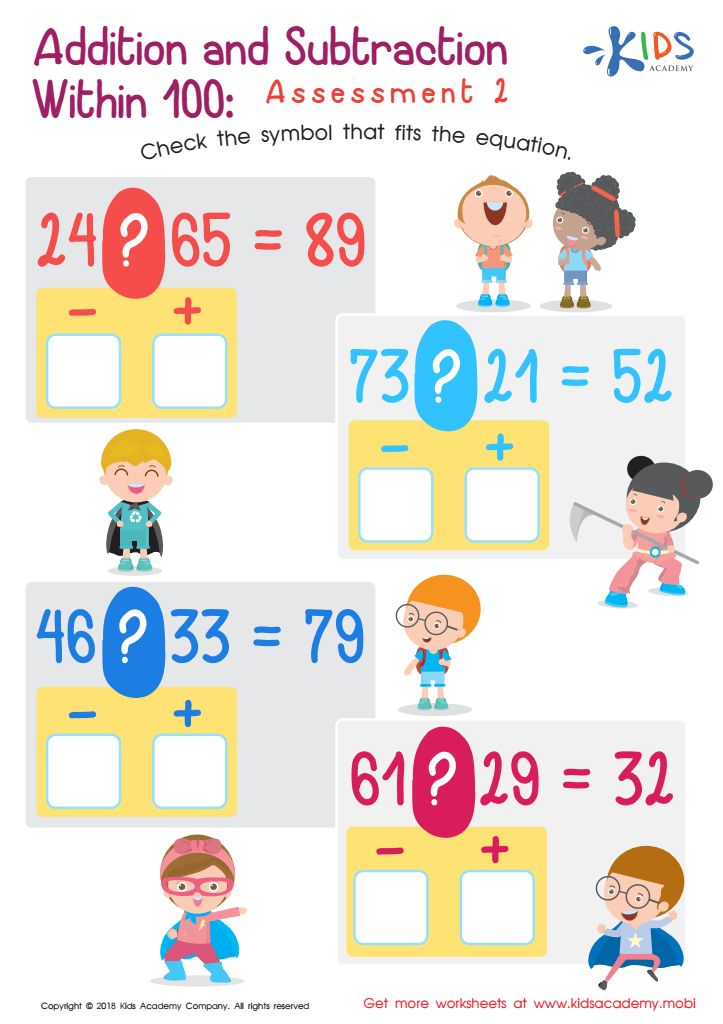
Addition and Subtraction Within 1: Assessment 2 Worksheet
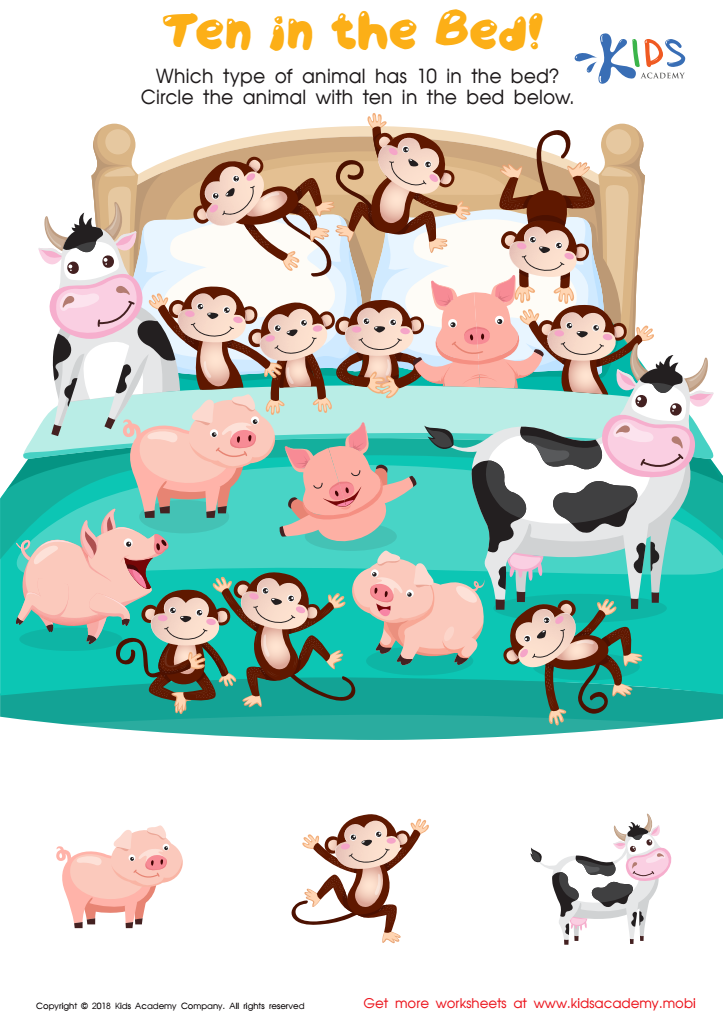
Ten in the Bed Worksheet






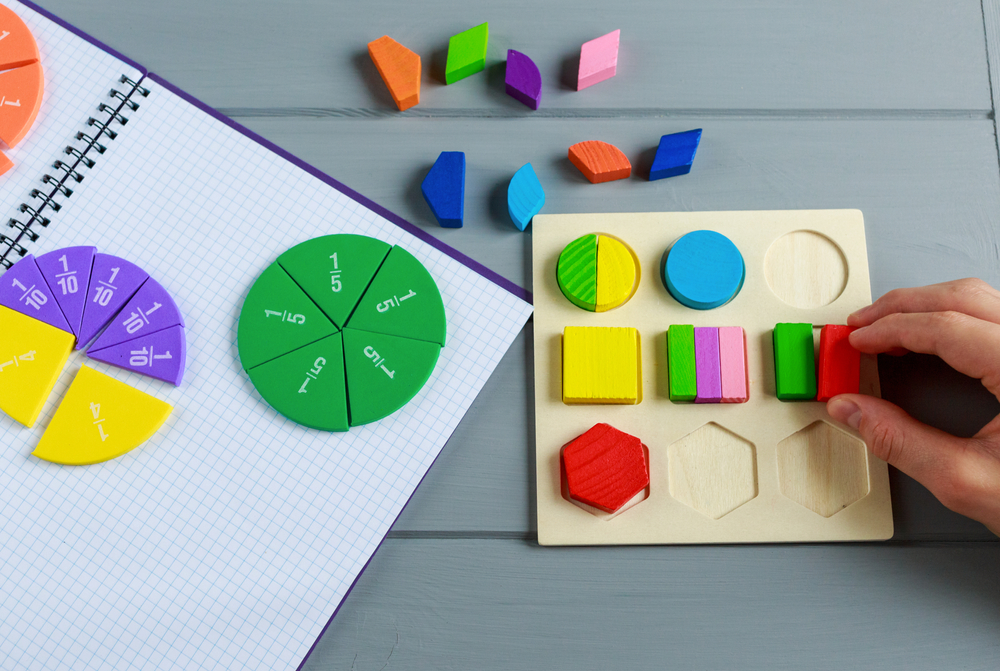

Parents and teachers should prioritize subtraction practice for children aged 3-9 because mastering this fundamental math skill is essential for their cognitive development and overall academic success. Subtraction is a core arithmetic operation that underpins more complex mathematical concepts they will encounter later, such as multiplication, division, and algebra. Starting subtraction practice early helps young learners to develop strong numerical thinking and problem-solving skills.
During early childhood, brains are highly adaptable and receptive to learning. Engaging in subtraction activities reinforces mental math abilities and helps develop logical thinking and pattern recognition. These are crucial building blocks not only for advanced math but for everyday tasks that require critical thinking, planning, and decision-making.
Moreover, when children experience success in subtraction, it boosts their confidence and fosters a positive attitude towards mathematics, reducing anxiety often associated with the subject. Integrating subtraction practice into playful and enjoyable activities can make learning more interactive and less stressful, keeping young learners engaged and motivated.
Ultimately, investing time in teaching children subtraction skills has far-reaching benefits. It equips them with a strong mathematical foundation, promotes cognitive growth, and prepares them for continued academic achievement, building their confidence for future challenging concepts.








