Understanding subtraction Numbers Worksheets for Ages 3-9
4 filtered results
-
From - To
Boost your child’s math skills with our engaging "Understanding Subtraction Numbers Worksheets for Ages 3-9" from Kids Academy. Specially designed for young learners, these worksheets make subtracting numbers fun and intuitive. Through colorful illustrations and simple exercises, children grasp the concept of taking away, visualizing the results vividly. Activities range from basic to more challenging tasks, catering to different skill levels within the age group. Perfect for at-home practice or supplementing classroom learning, our worksheets help build a solid mathematical foundation. Download now and watch your child’s subtraction skills flourish with confidence and ease!
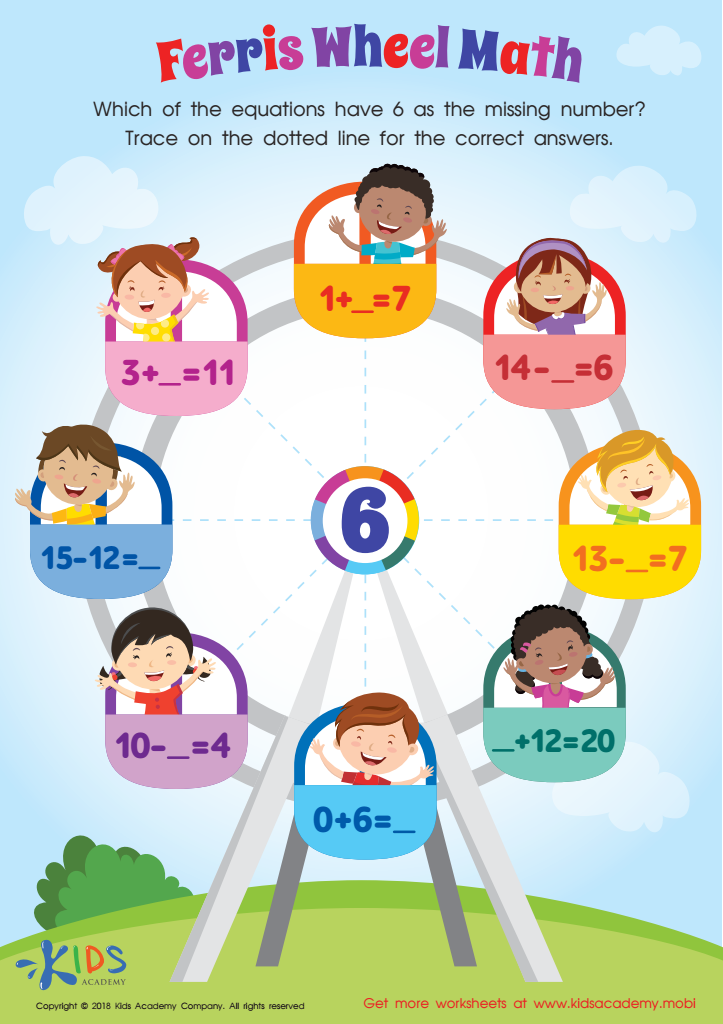
Missing Number: Ferris Wheel Math Worksheet
 Assign to My Students
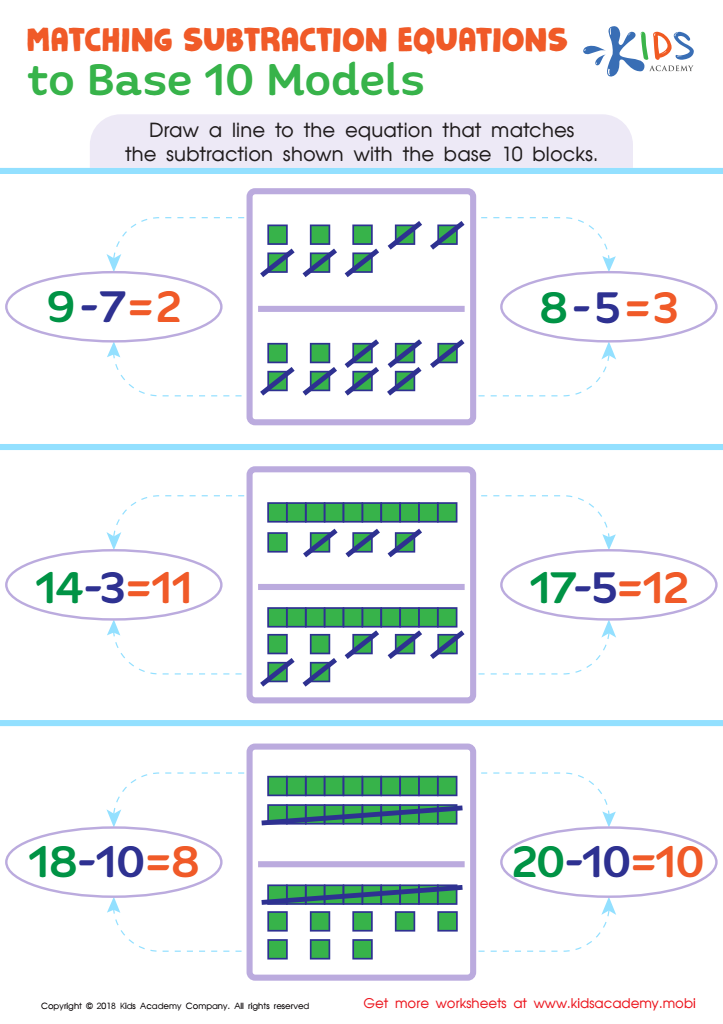
Matching Subtraction Equations To Base 10 Models Worksheet
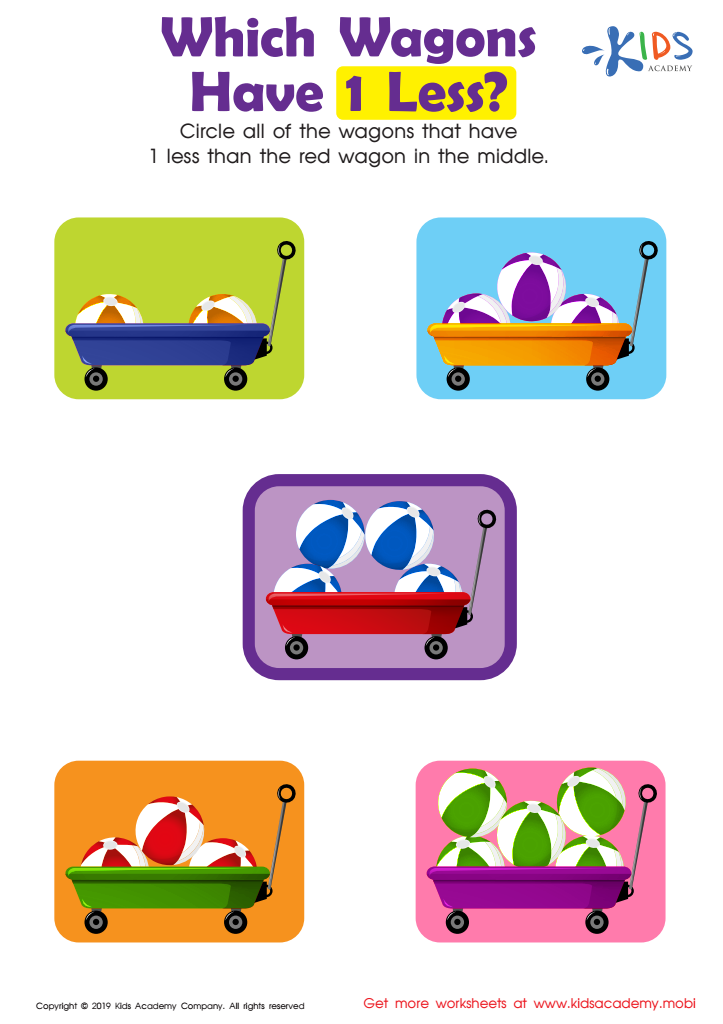
Which Wagons Have 1 Less? Worksheet
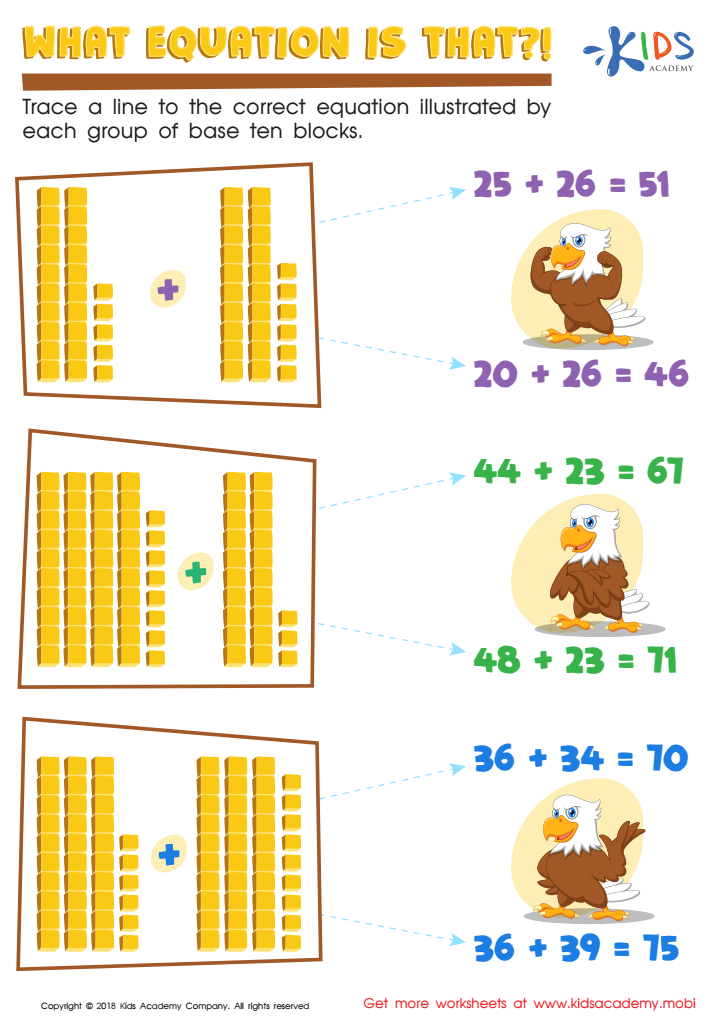
What Equation Is That? Worksheet






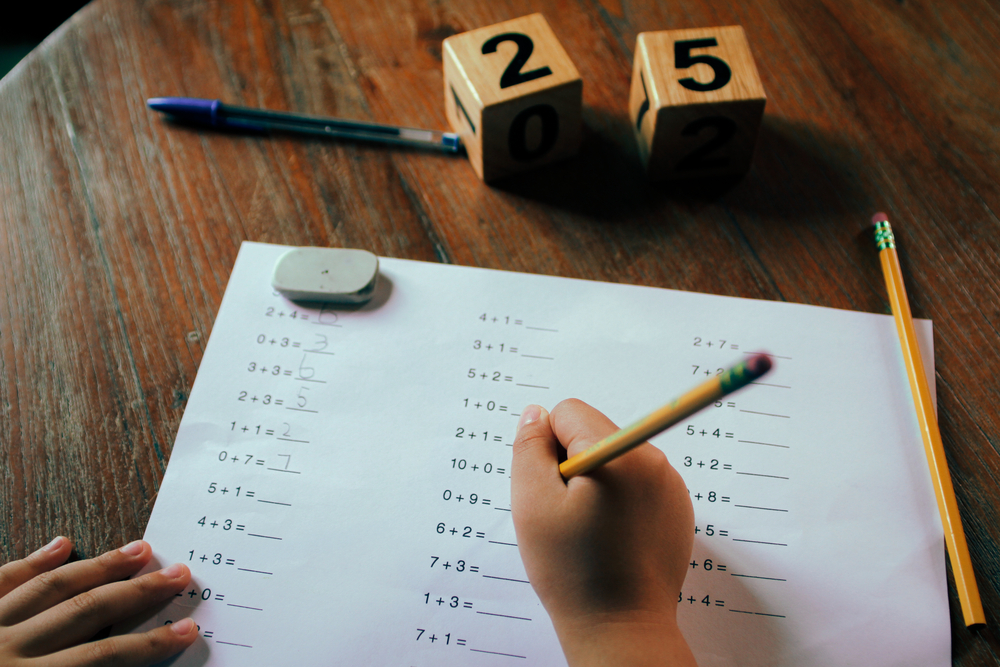

Understanding subtraction is crucial for children ages 3-9, as it forms one of the fundamental building blocks of arithmetic and overall mathematical literacy. During these formative years, young minds are highly receptive and capable of absorbing new concepts more easily, which lays a strong foundation for future learning.
Firstly, subtraction is essential for everyday problem-solving skills. Children encounter situations that require subtraction in real-life contexts, such as sharing toys, distributing snacks, or determining how many items remain after some are taken away. Mastering this skill enables them to navigate these scenarios more effectively and with greater confidence.
Secondly, a good grasp of subtraction helps children understand other math concepts more deeply. It reinforces the idea that numbers represent quantities and that those quantities can change. This understanding is critical for more advanced topics they'll encounter later on, like multiplication, division, fractions, and algebra.
Moreover, early success in math can boost a child's self-esteem and encourage a positive attitude toward the subject. When children feel confident about their skills, they are more likely to be engaged and motivated in their learning.
By ensuring young learners understand subtraction, parents and teachers set the stage for academic success, practical problem-solving skills, and a lifelong appreciation for mathematics. Investing time and effort into this aspect of early education is therefore immensely beneficial.








