Vocabulary enhancement Numbers Worksheets for Ages 3-9
6 filtered results
-
From - To
Enhance your child's learning journey with our Vocabulary Enhancement Numbers Worksheets for ages 3-9! These engaging, printable resources focus on improving numerical vocabulary while reinforcing essential math concepts. Our worksheets are designed to be fun and interactive, encouraging kids to explore numbers through various activities, such as matching, fill-in-the-blank, and counting games. Each worksheet is age-appropriate and caters to different learning styles, ensuring every child can thrive. Help your young learners build a solid foundation in math vocabulary and boost their confidence with these well-crafted educational tools. Visit us today and make learning numbers an exciting adventure!
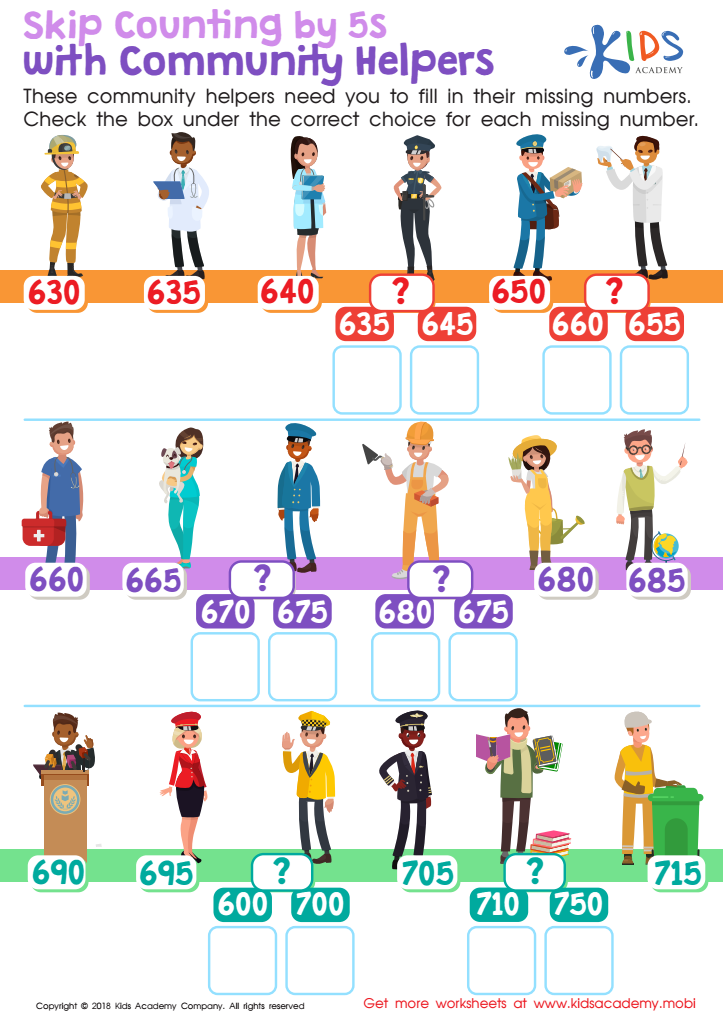
Skip Counting by 5s With Community Helpers Worksheet
 Assign to My Students
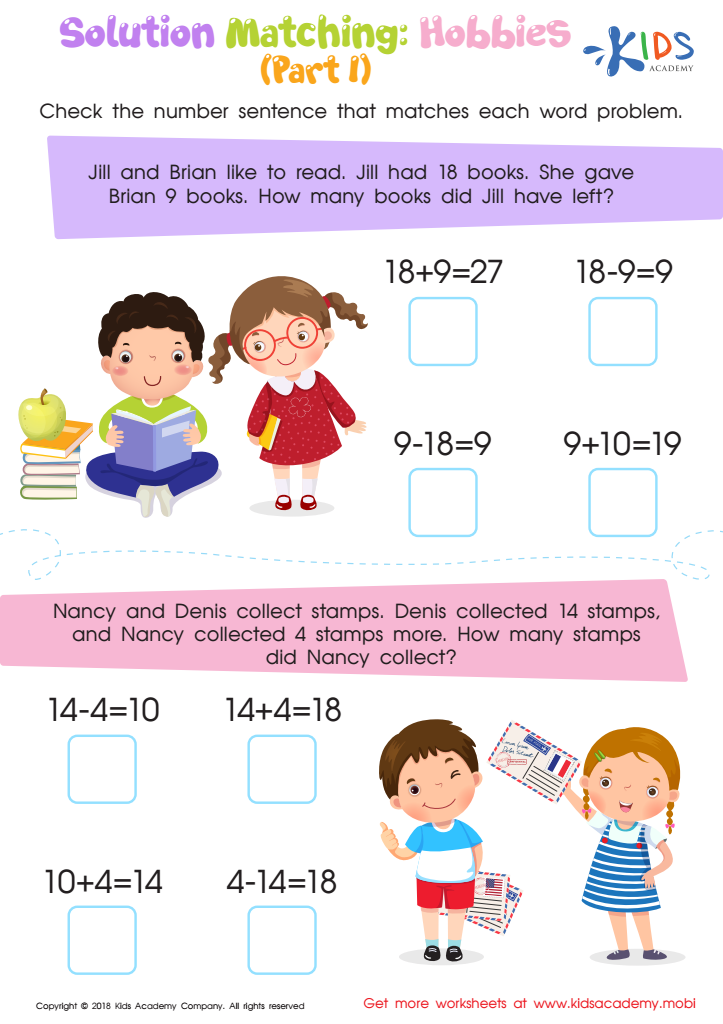
Solution Matching: Hobbies. Part 1 Worksheet
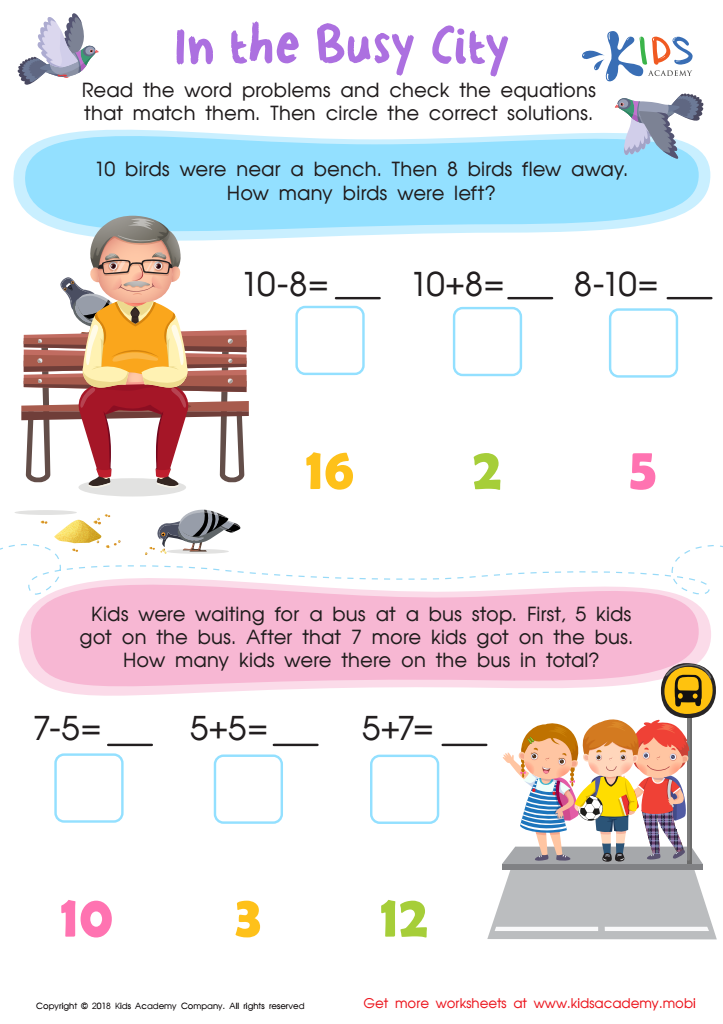
In the Busy City Word Problems Worksheet
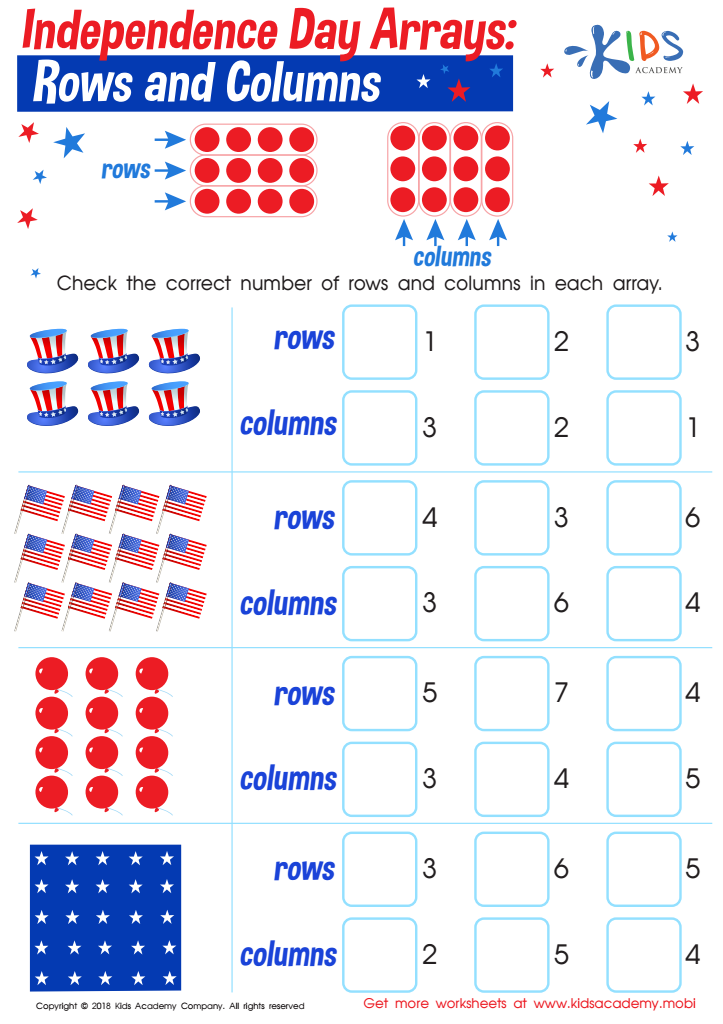
Independence Day Arrays: Rows and Columns Worksheet
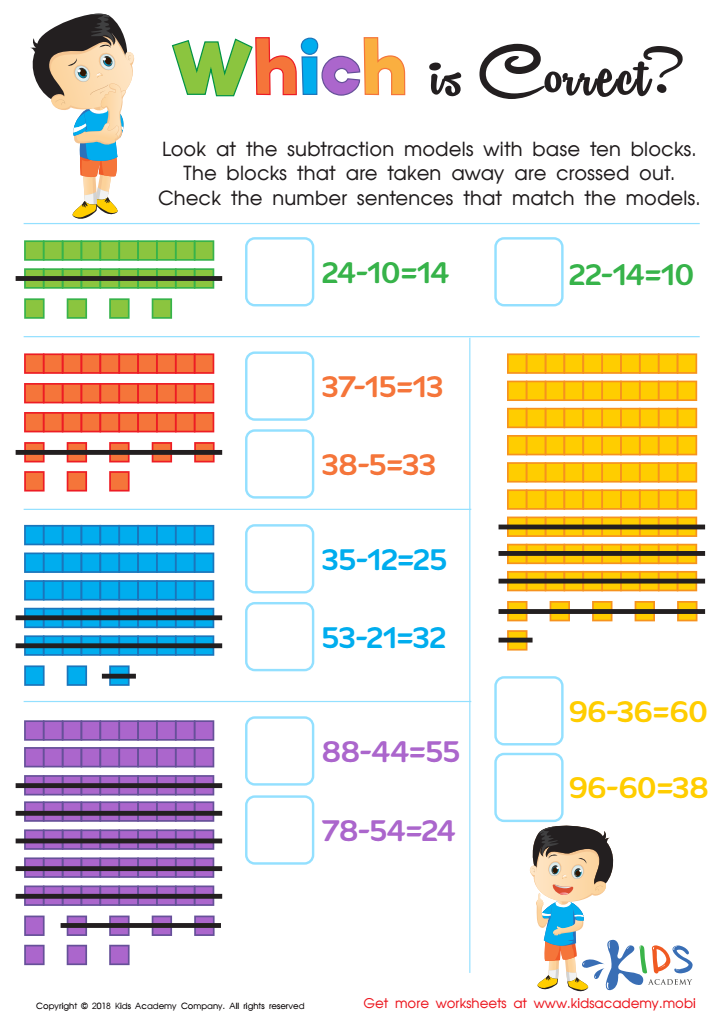
Which Is Correct? Math Worksheet
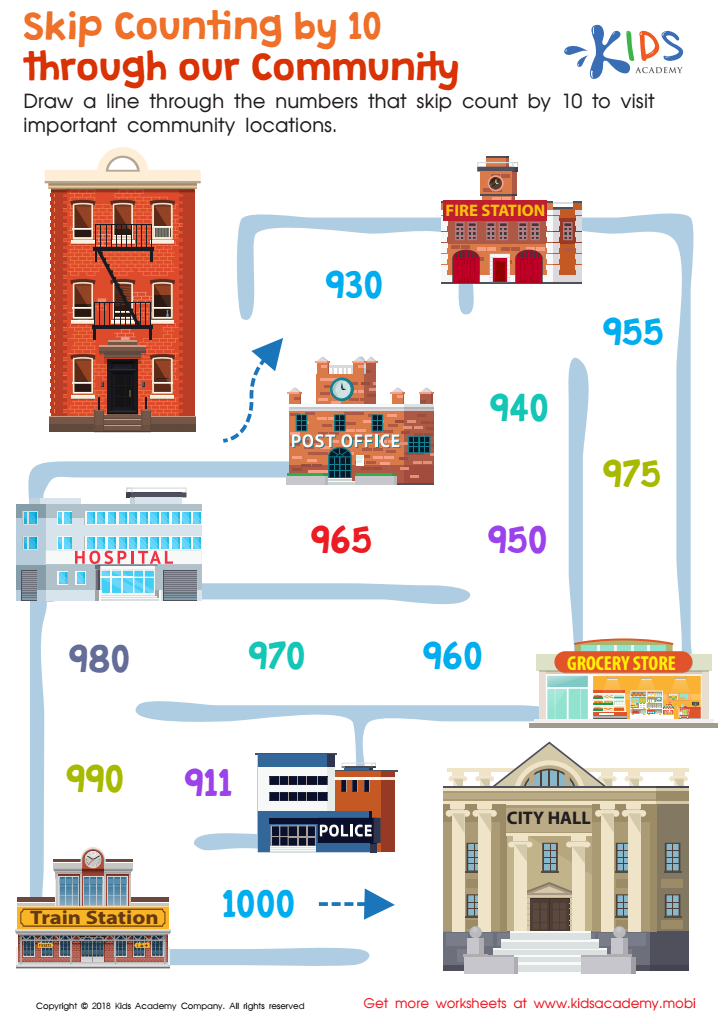
Skip Counting by 10 Through Our Community Worksheet








Vocabulary enhancement is crucial for children aged 3-9 as it lays the foundation for their overall language development and academic success. During these formative years, children are rapidly acquiring language skills, making it essential for parents and teachers to prioritize vocabulary building.
A robust vocabulary enhances reading comprehension, critical thinking, and communication skills. Children who possess a rich vocabulary are better able to express their thoughts and feelings, which fosters emotional intelligence and social relationships. Moreover, research indicates that a strong vocabulary positively correlates with academic performance, particularly in literacy-based subjects.
Building vocabulary at an early age also facilitates cognitive development. Engaging children in conversations, reading diverse books, and introducing new words through playful activities helps them make connections between words and concepts. This not only improves their language skills but also encourages curiosity and a love for learning.
Furthermore, vocabulary skills are foundational for lifelong literacy. As these children progress in their education, a well-developed vocabulary enables them to tackle more complex texts and ideas. In essence, investing in vocabulary enhancement for young children is investing in their future academic and personal success, making it a critical focus for both parents and educators.








