Basic geometry understanding Math Worksheets for Ages 3-9
12 filtered results
-
From - To
Explore our engaging "Basic Geometry Understanding Math Worksheets" designed for children aged 3-9. These worksheets help young learners grasp essential geometric concepts through fun activities and colorful illustrations. Kids will enjoy identifying shapes, understanding spatial relationships, and developing problem-solving skills as they complete a variety of exercises tailored to their developmental stages. Our resources encourage hands-on learning, fostering a strong foundation in geometry that prepares them for more advanced math concepts. Ideal for home or classroom use, these worksheets make math enjoyable and accessible, ensuring that early learners build confidence and excitement in their mathematical journey.
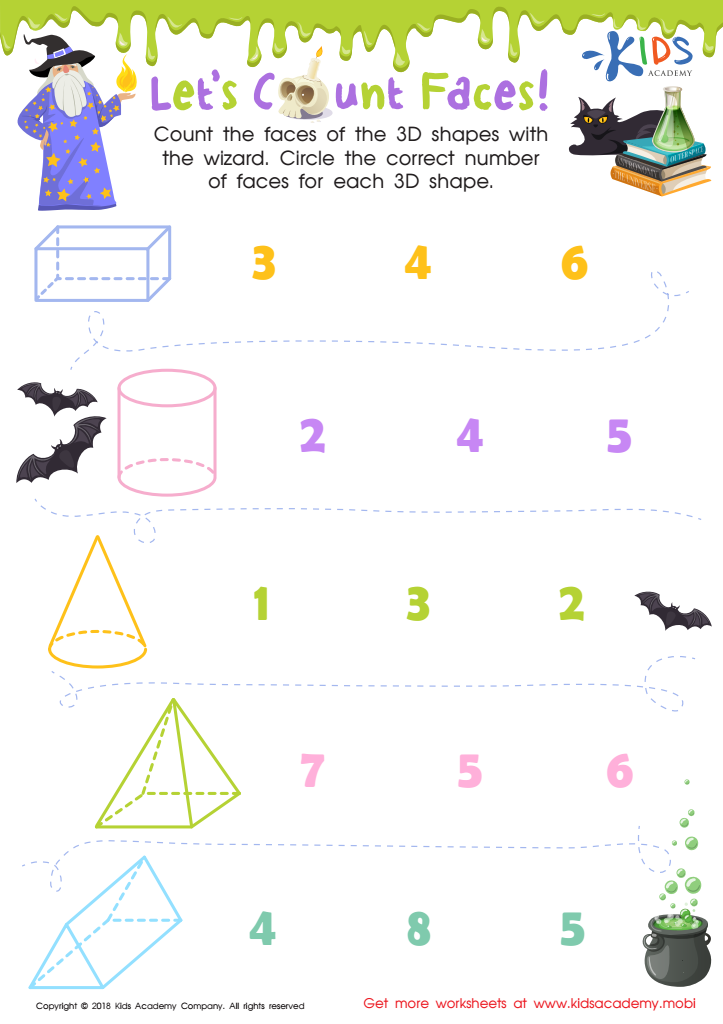
Let's Count Faces! Worksheet
 Assign to My Students
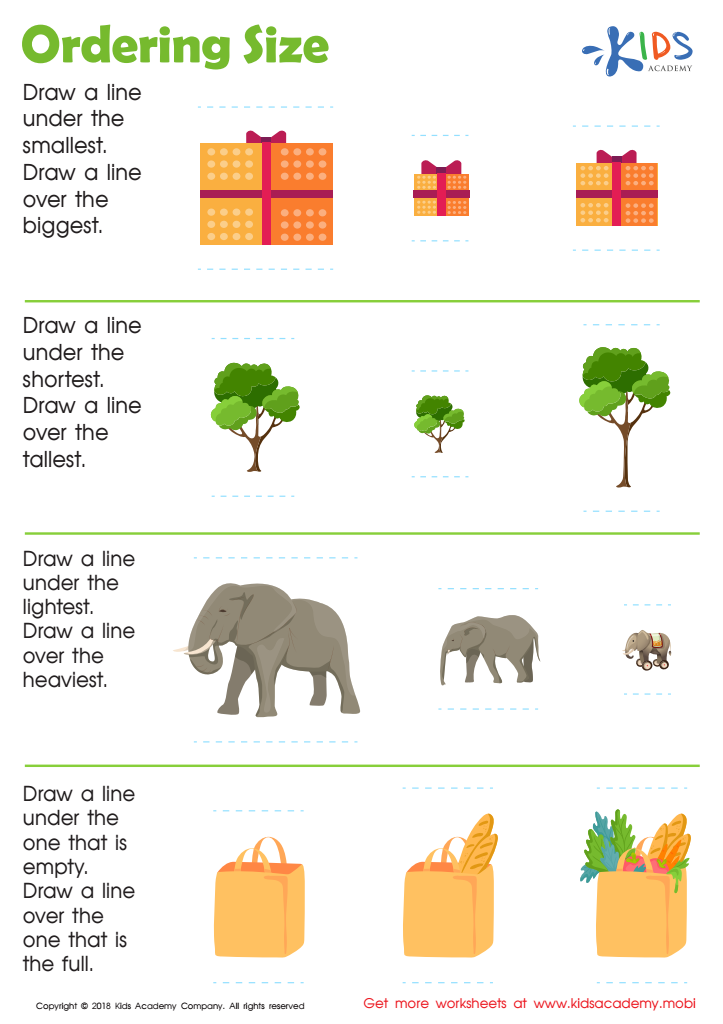
Ordering Size Worksheet
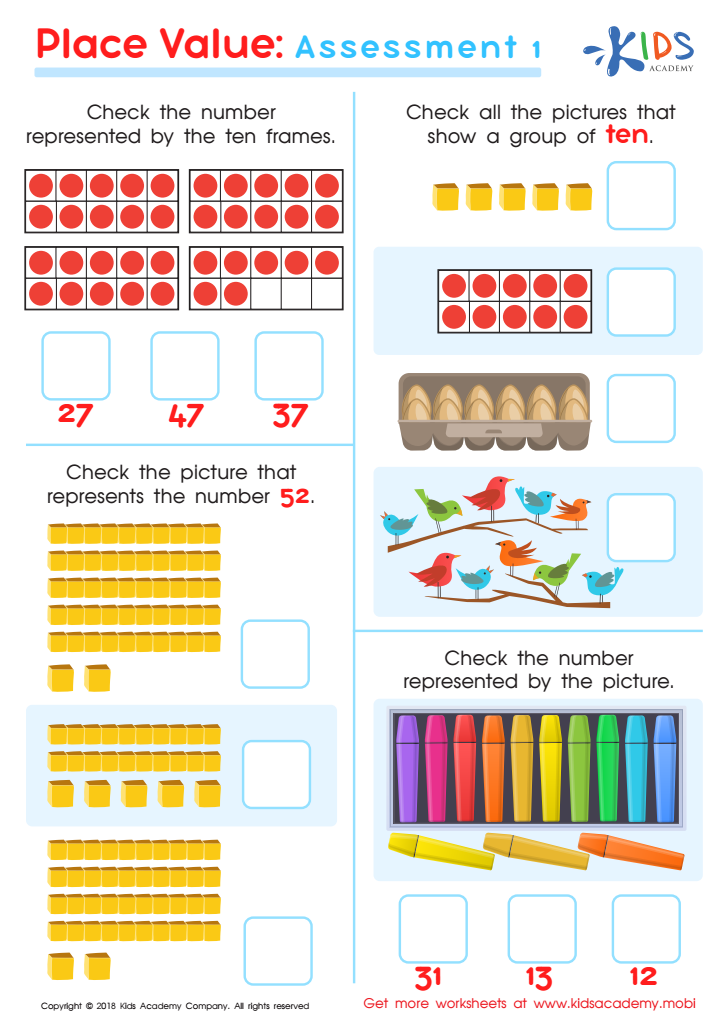
Place Value: Assessment 1 Worksheet
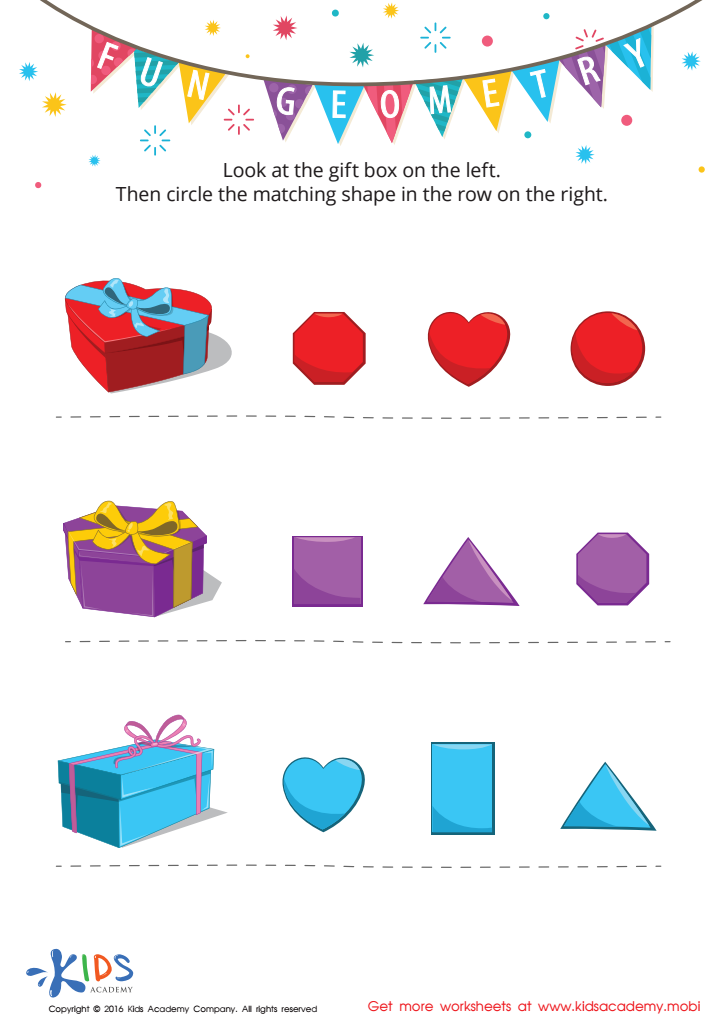
Fun Geometry Worksheet
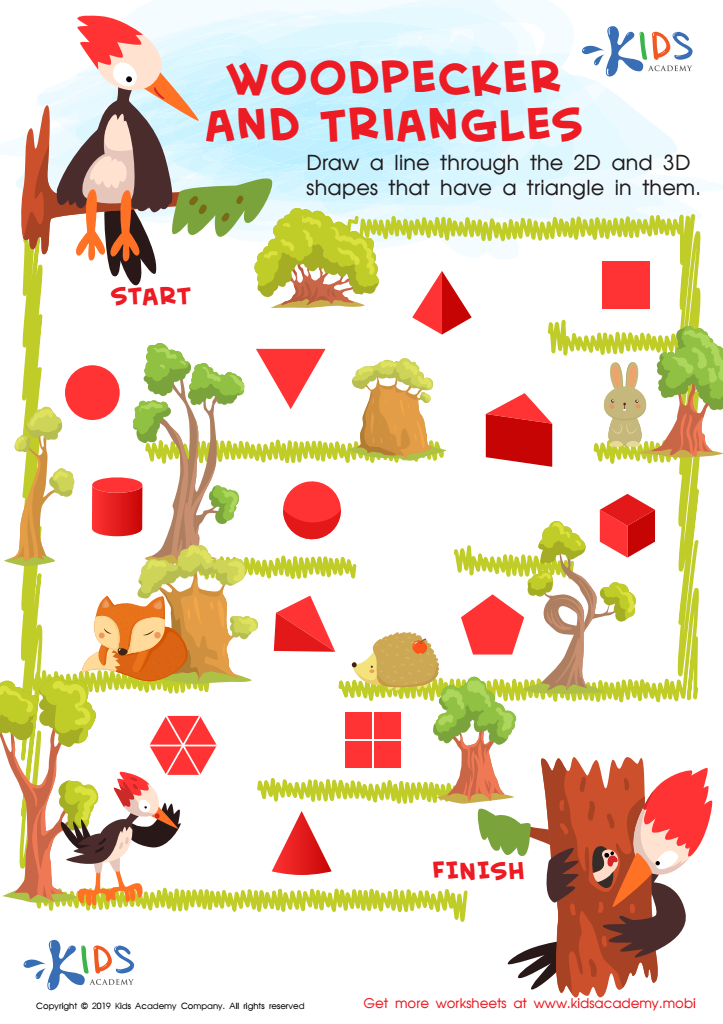
Woodpecker and Triangles Worksheet
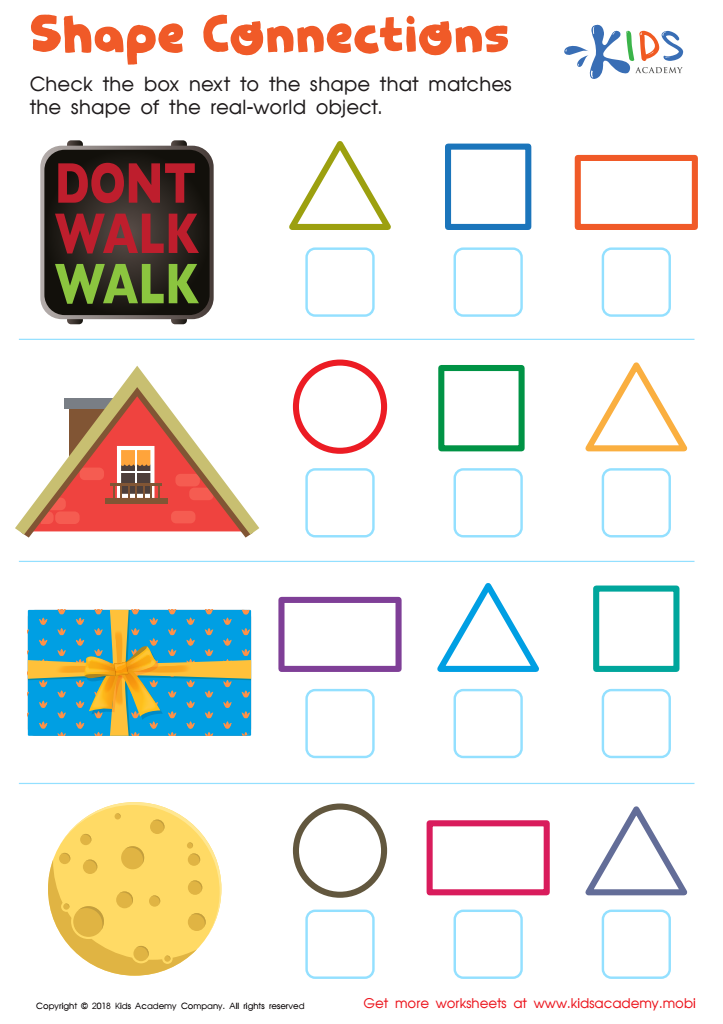
Shape Connections Worksheet
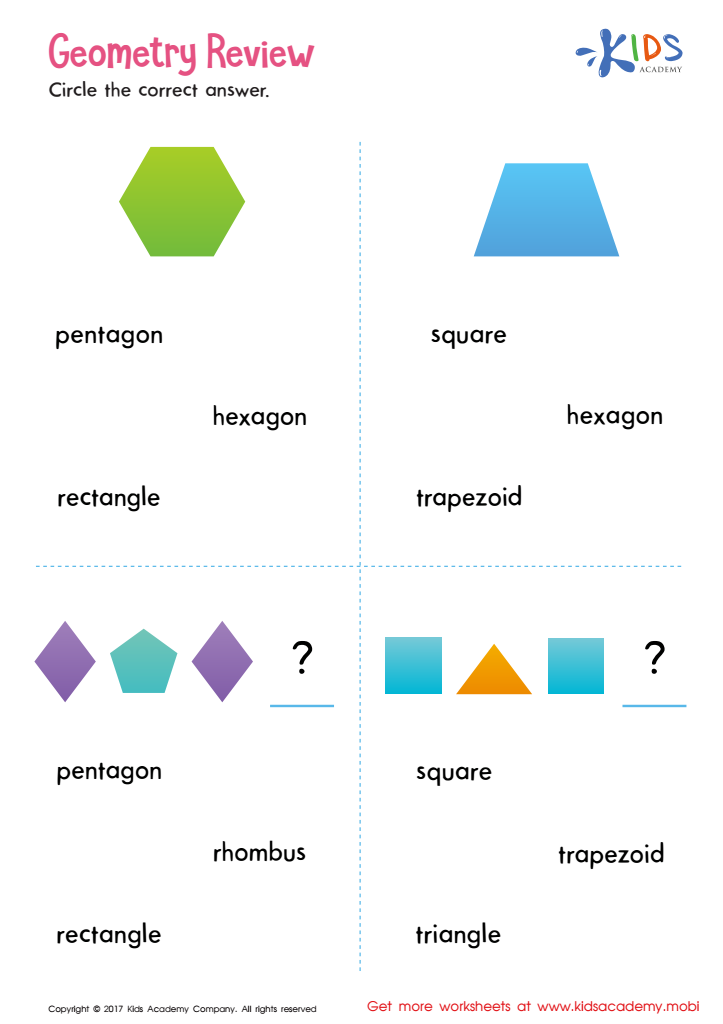
Geometry Review Printable
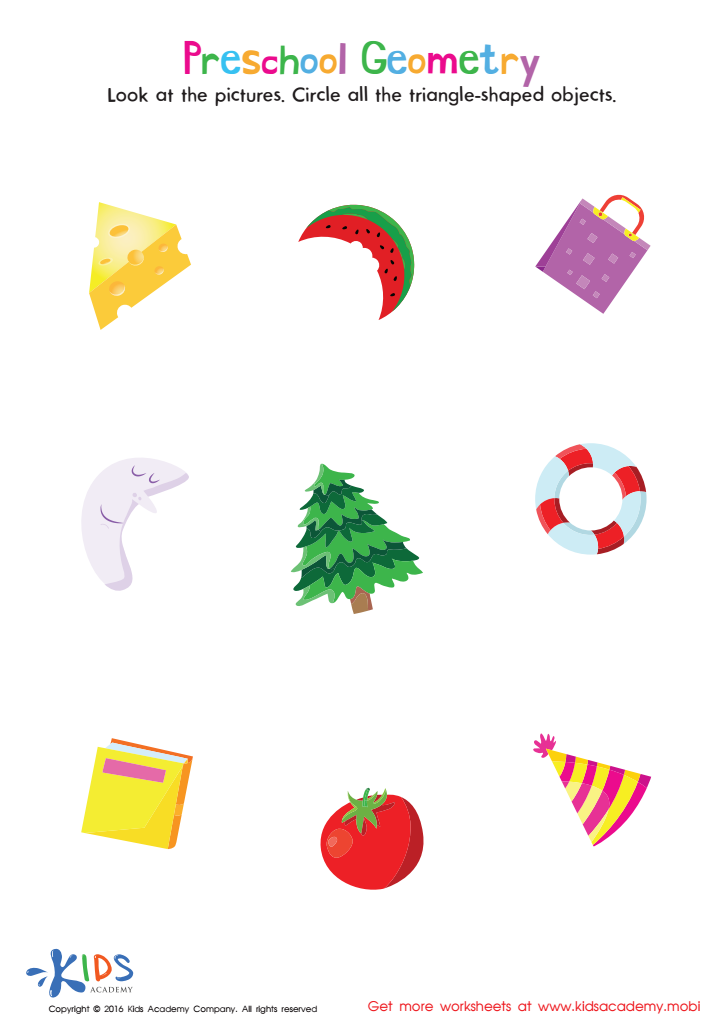
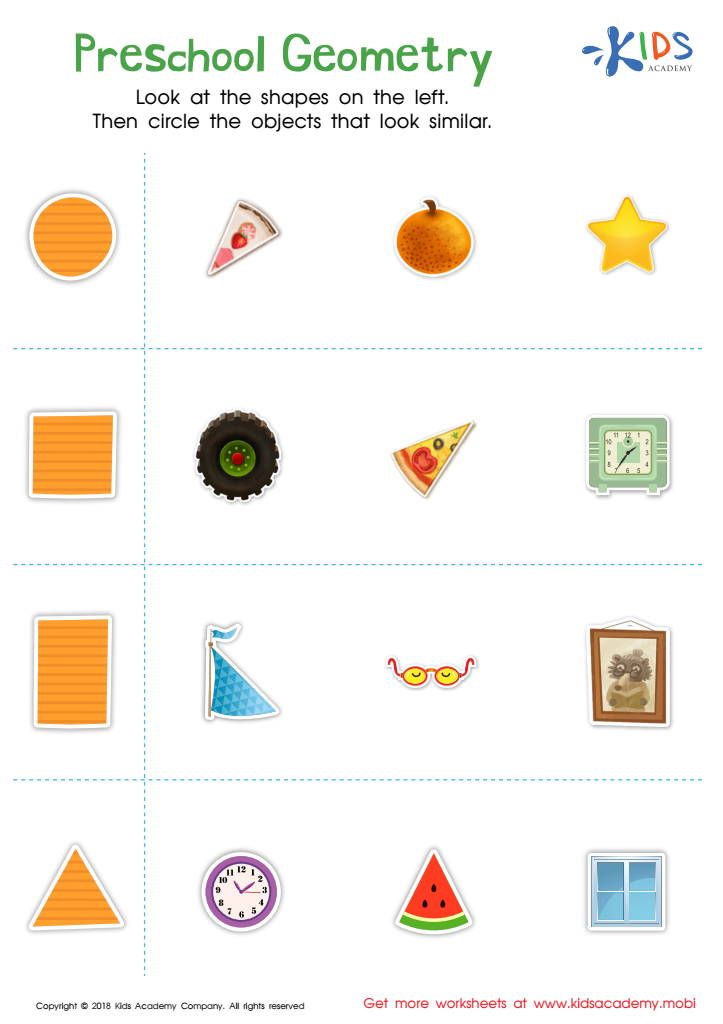
Preschool Geometry Worksheet
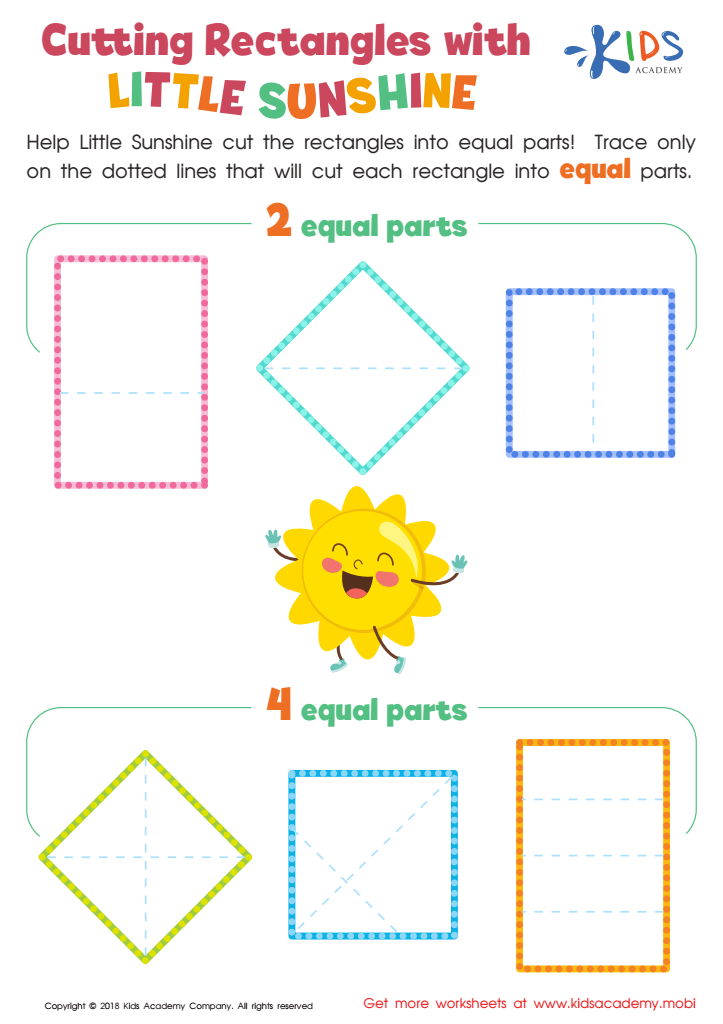
Cutting Rectangles with Little Sunshine Worksheet
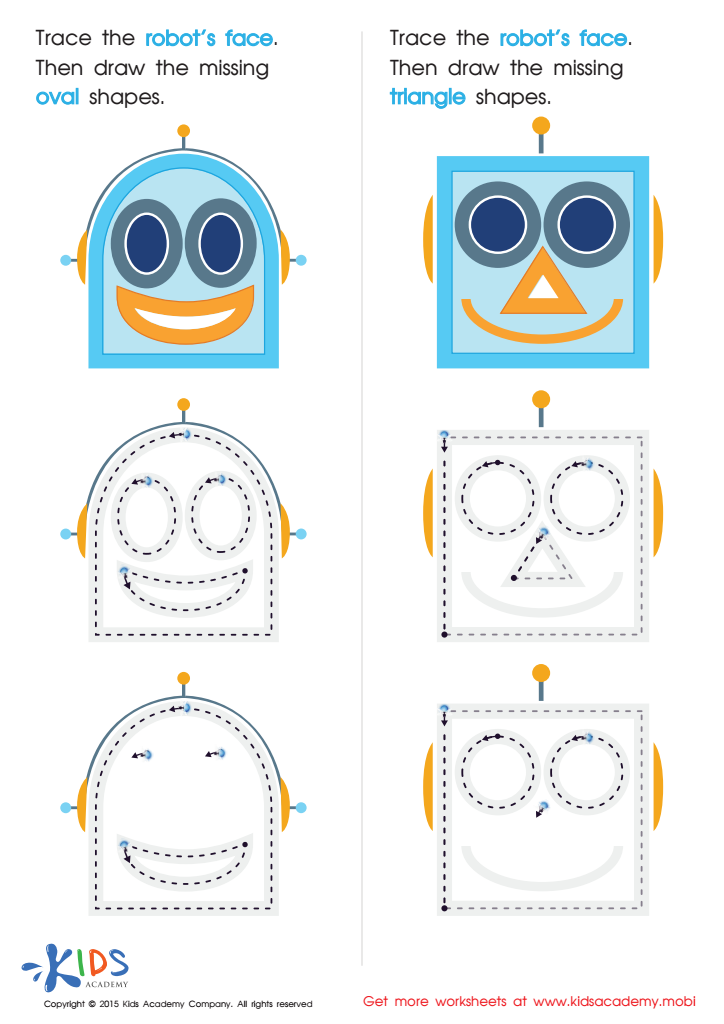
Drawing Ovals And Triangles with Fun Printable
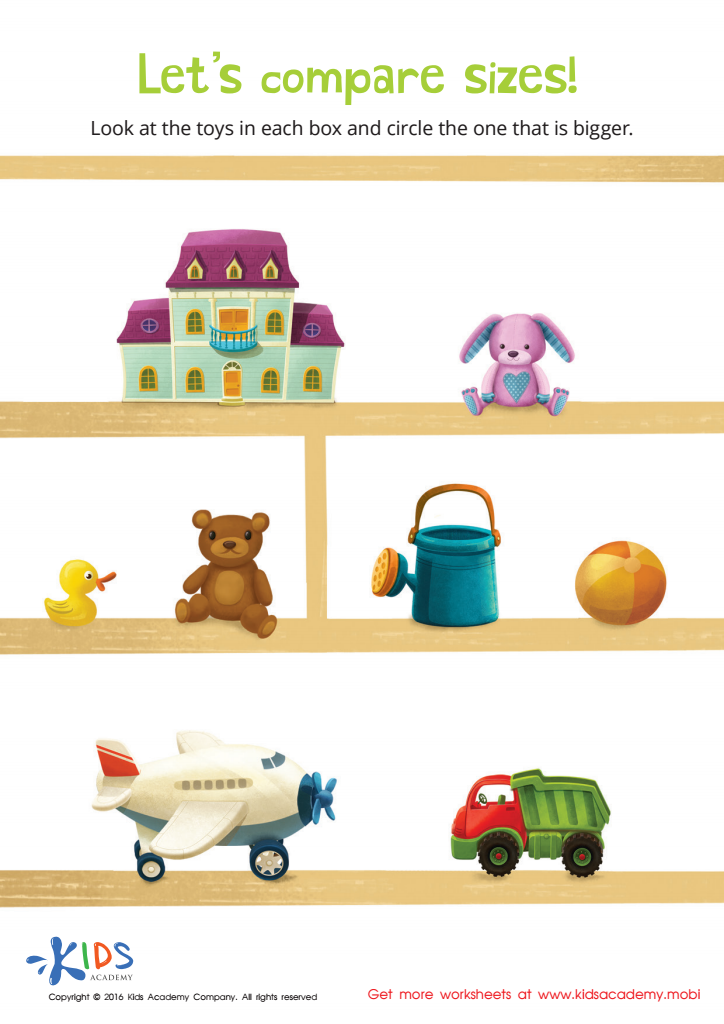
Classifying by Size Sorting Worksheet








Parents and teachers should prioritize basic geometry understanding for children ages 3-9 because it lays the foundation for critical thinking and problem-solving skills essential in daily life. Early exposure to geometric concepts helps children recognize shapes, sizes, and spatial relationships, fostering their ability to identify and categorize objects in their environment. This early grasp of geometry can enhance their math readiness, making advanced concepts easier to understand later on.
Moreover, geometry promotes observational skills—children learn to compare angles, lines, and surfaces, which sharpens their attention to detail. Engaging with geometry through play, art, and hands-on activities cultivates a sense of curiosity and exploration, integral to this developmental stage.
In addition, a solid understanding of geometry plays a crucial role in STEM (Science, Technology, Engineering, and Mathematics) education. As careers increasingly demand these skills, a strong early foundation exposes children to potential interests and career paths. Furthermore, geometric literacy is applicable in various real-world situations, from building projects to navigating spaces, instilling a sense of practical understanding.
Ultimately, prioritizing geometry in early childhood education enriches children’s cognitive growth and equips them with valuable tools for learning and future life skills.








