Vocabulary expansion Math Worksheets for Ages 3-9
21 filtered results
-
From - To
Explore our engaging Vocabulary Expansion Math Worksheets designed for children aged 3-9! These worksheets blend essential math concepts with vocabulary-building exercises, making learning enjoyable and effective. Perfect for young learners, our activities help enhance language comprehension while solidifying foundational math skills. From number recognition to basic operations, each worksheet aims to develop critical thinking and problem-solving abilities. With colorful illustrations and age-appropriate content, your child will stay motivated and curious. Download our printable worksheets and watch your little ones flourish as they build both their vocabulary and mathematical knowledge in a fun-filled environment! Start their educational journey today!
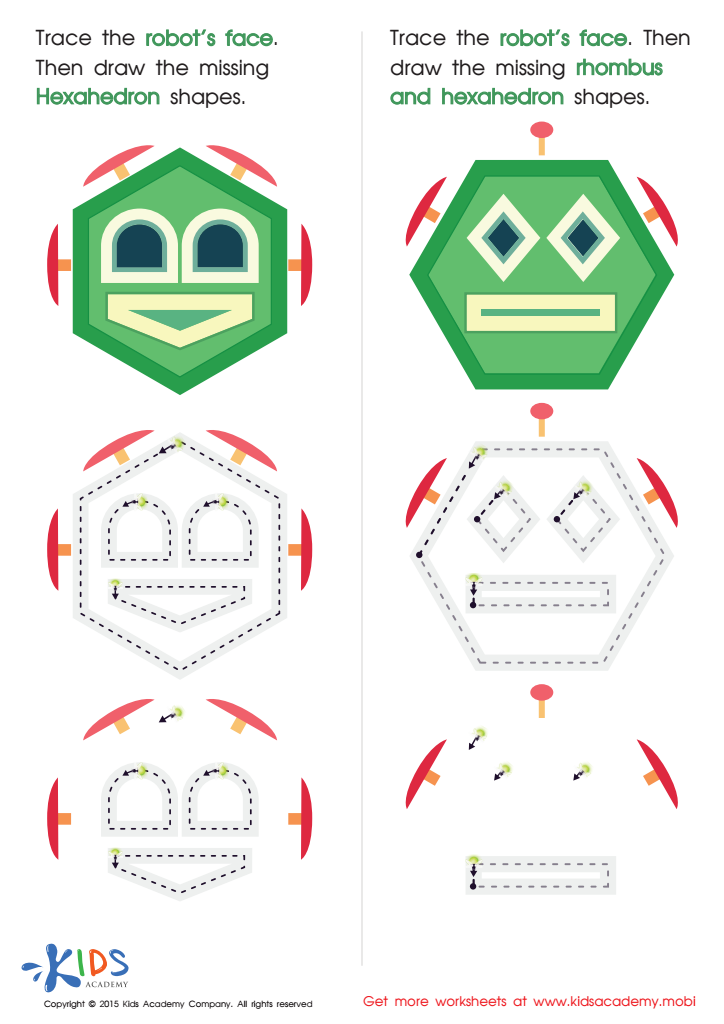
Practice Drawing Hexahedrons And a Rhombus Worksheet
 Assign to My Students
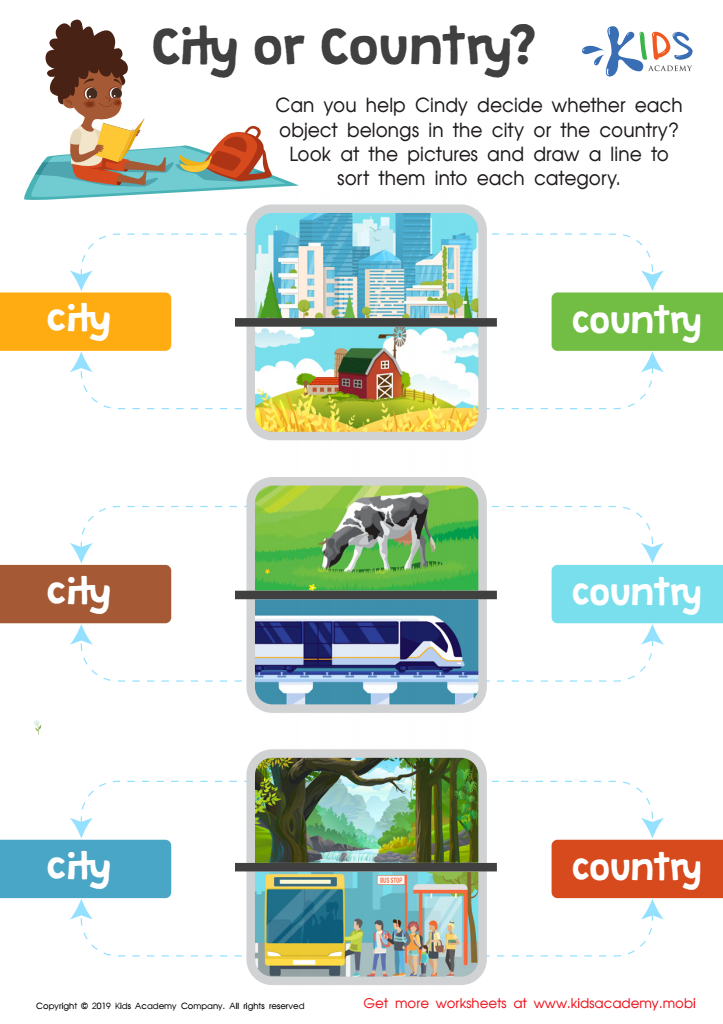
City or Country? Worksheet
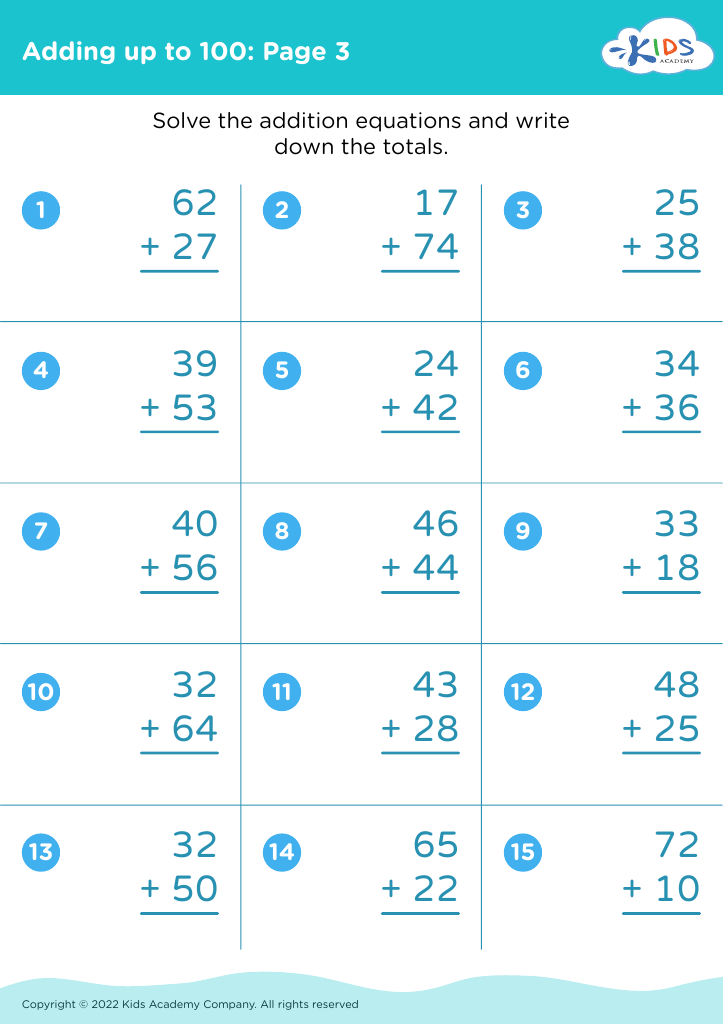
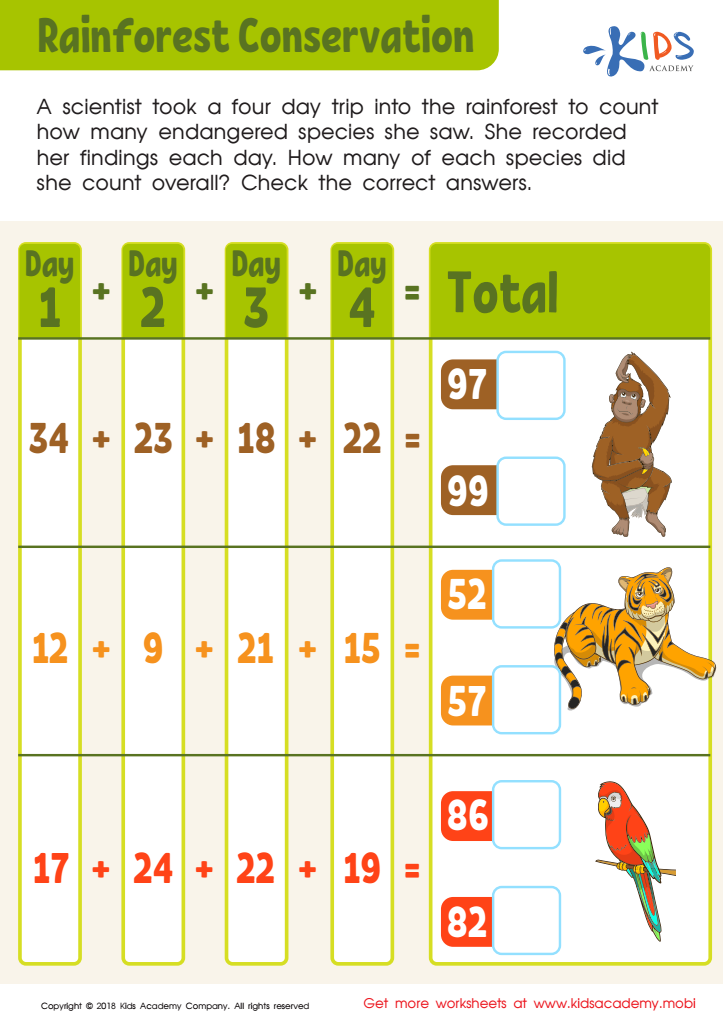
Rainforest Conservation Worksheet
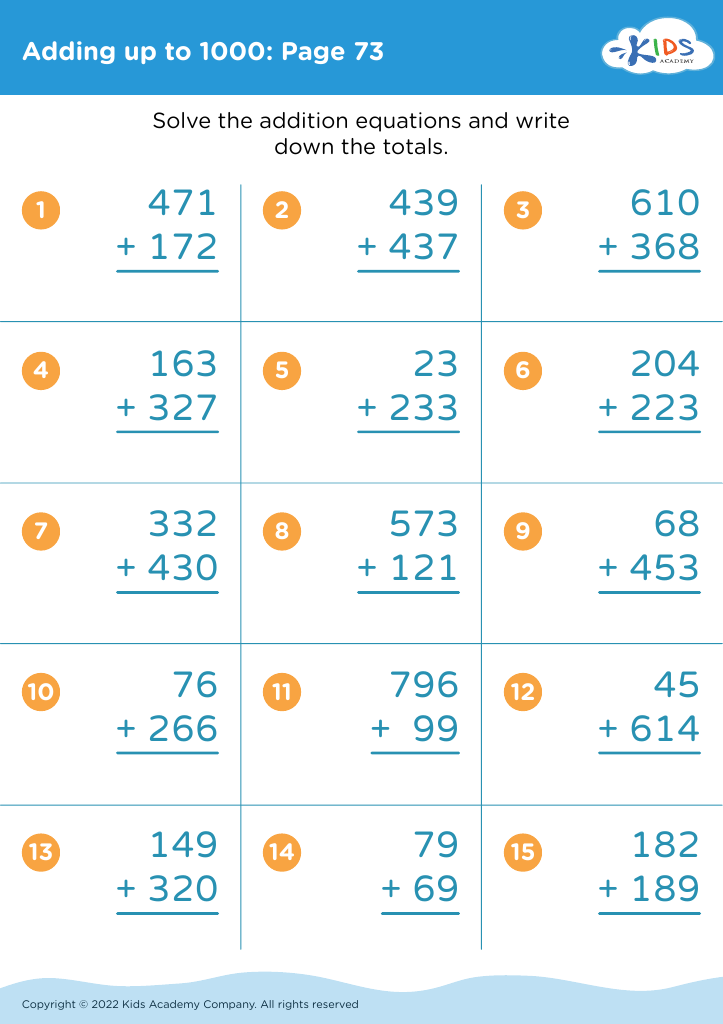
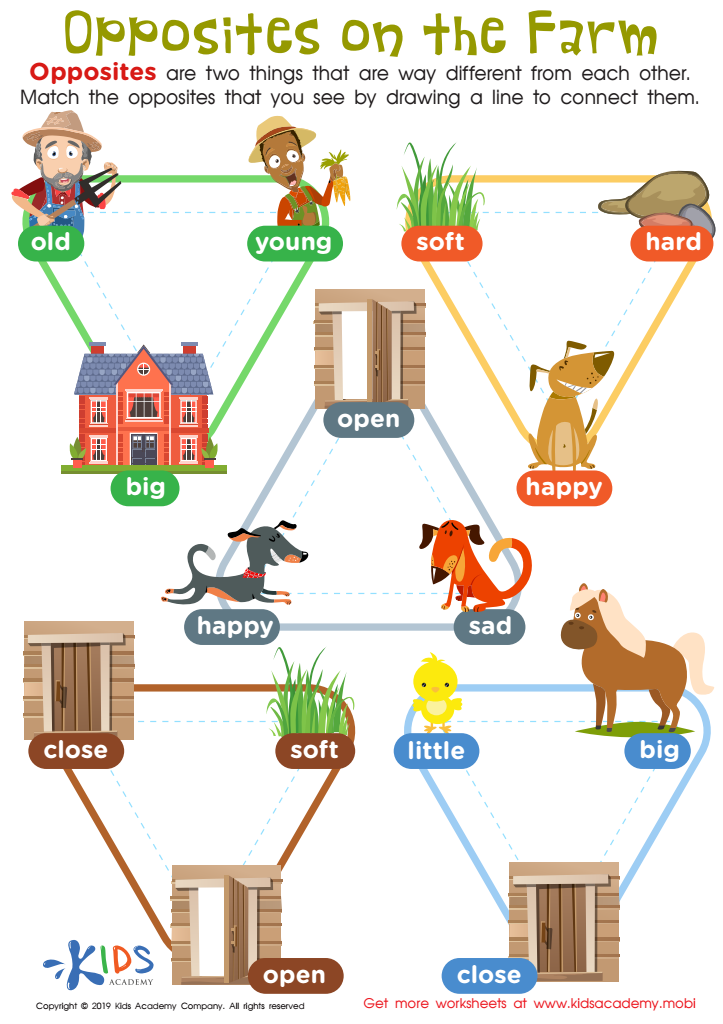
Opposites on the Farm Worksheet
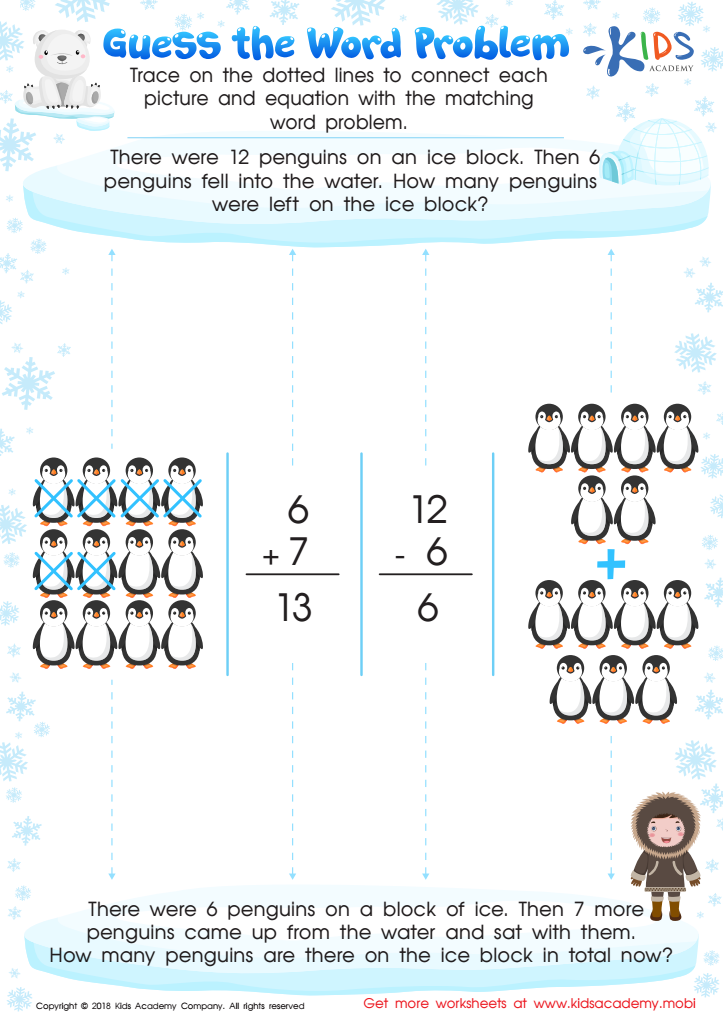
Guess the Word Problem Worksheet
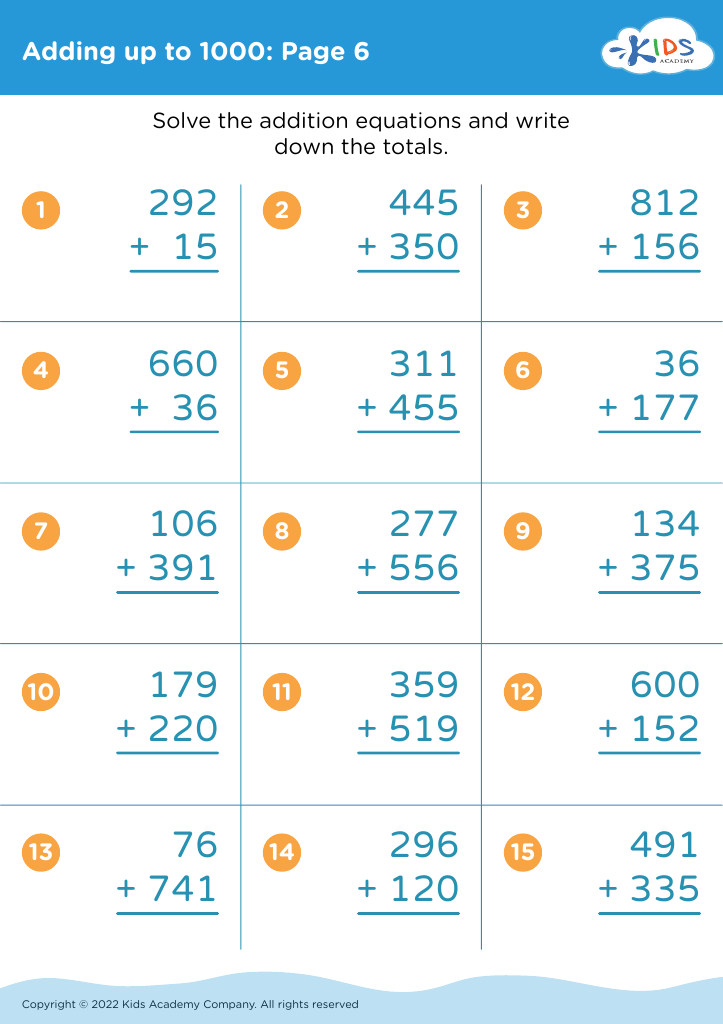
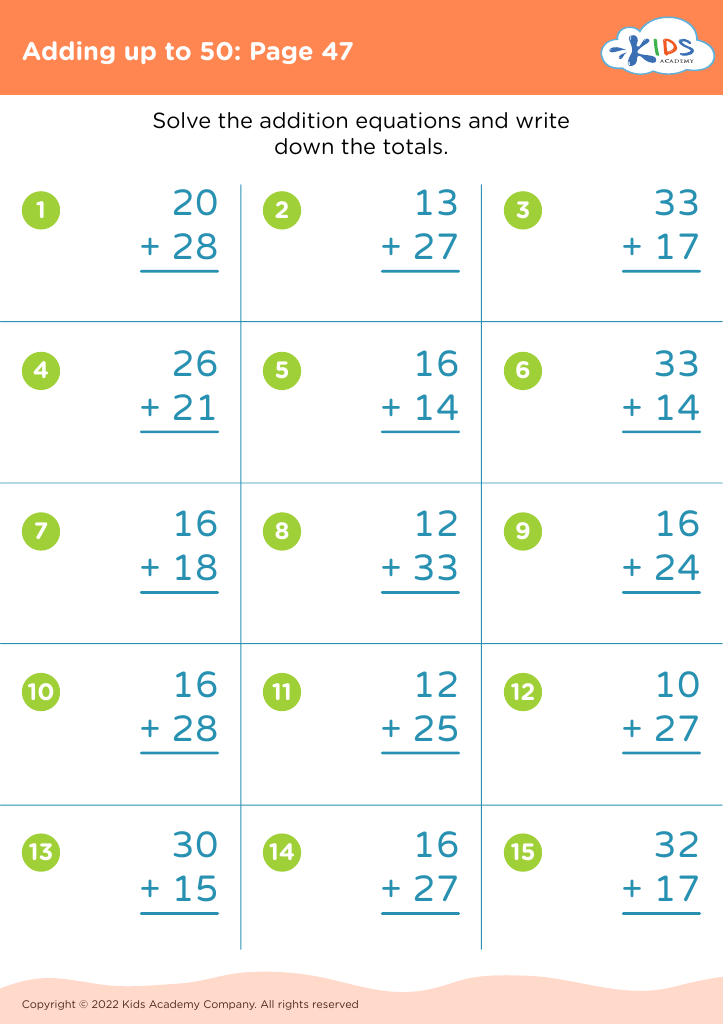
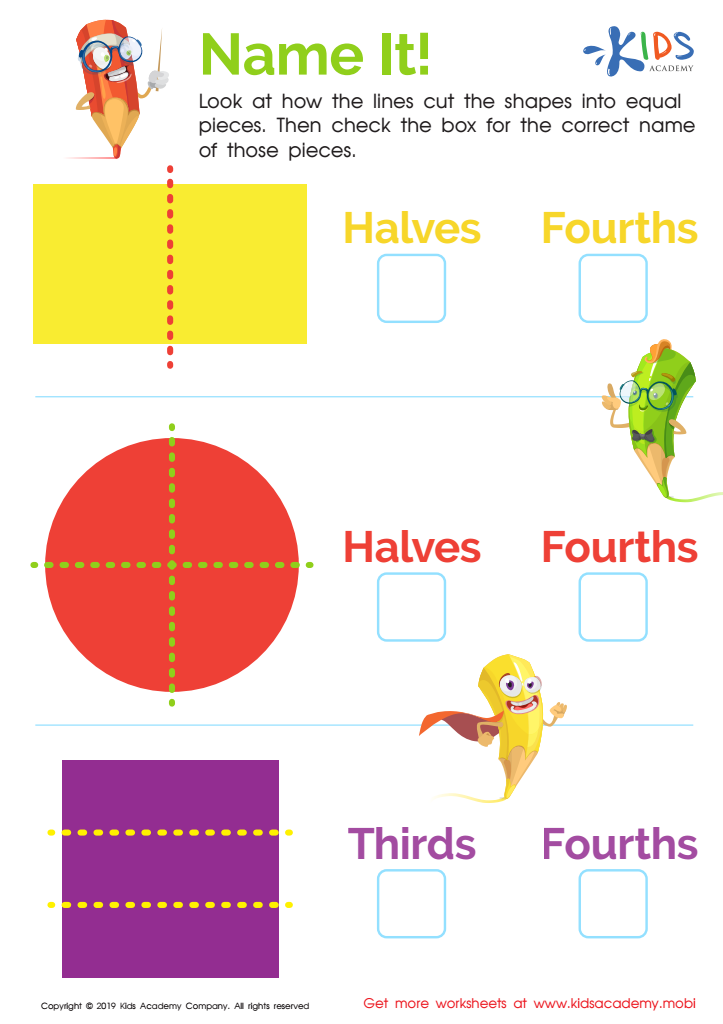
Name It! Worksheet
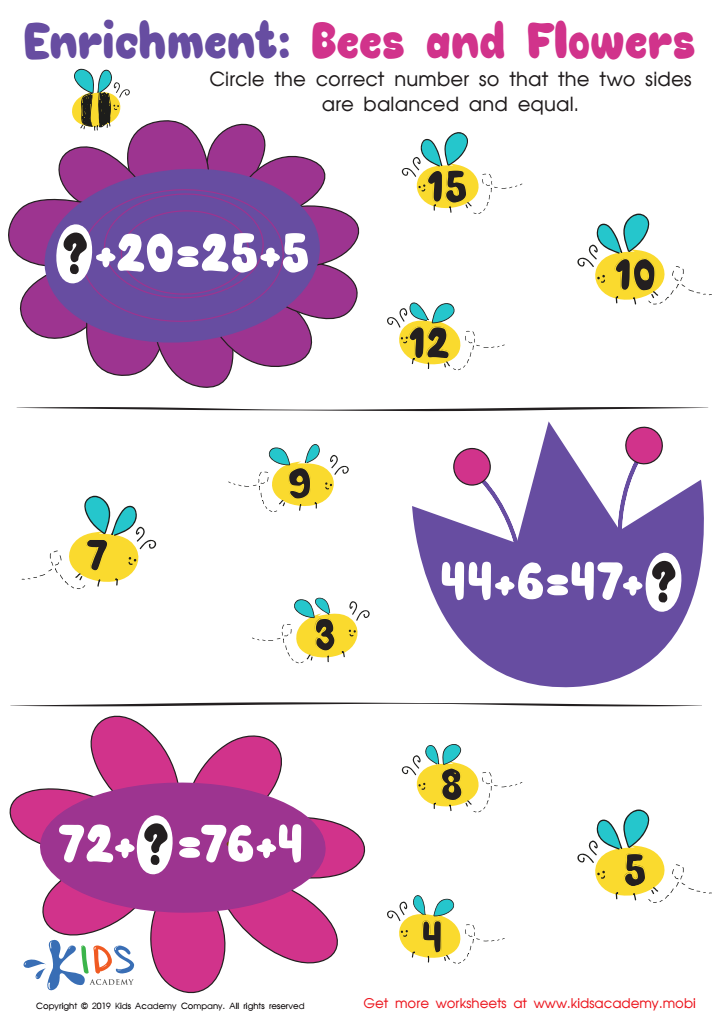
Enrichment: Bees and Flowers Worksheet
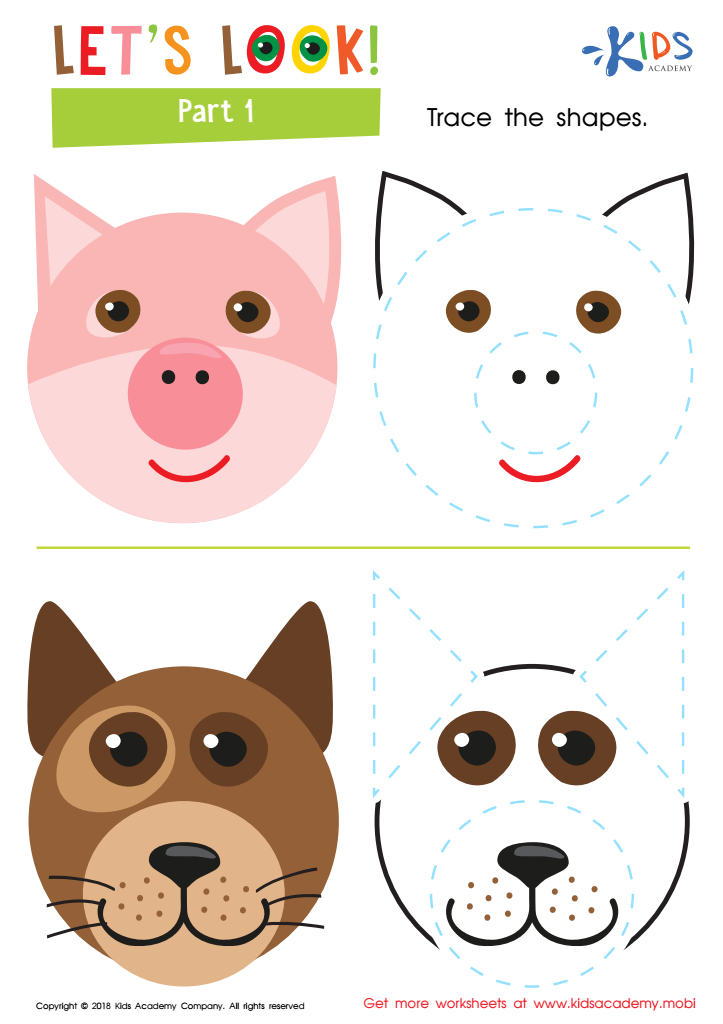
Let's Look! Part 1 Worksheet
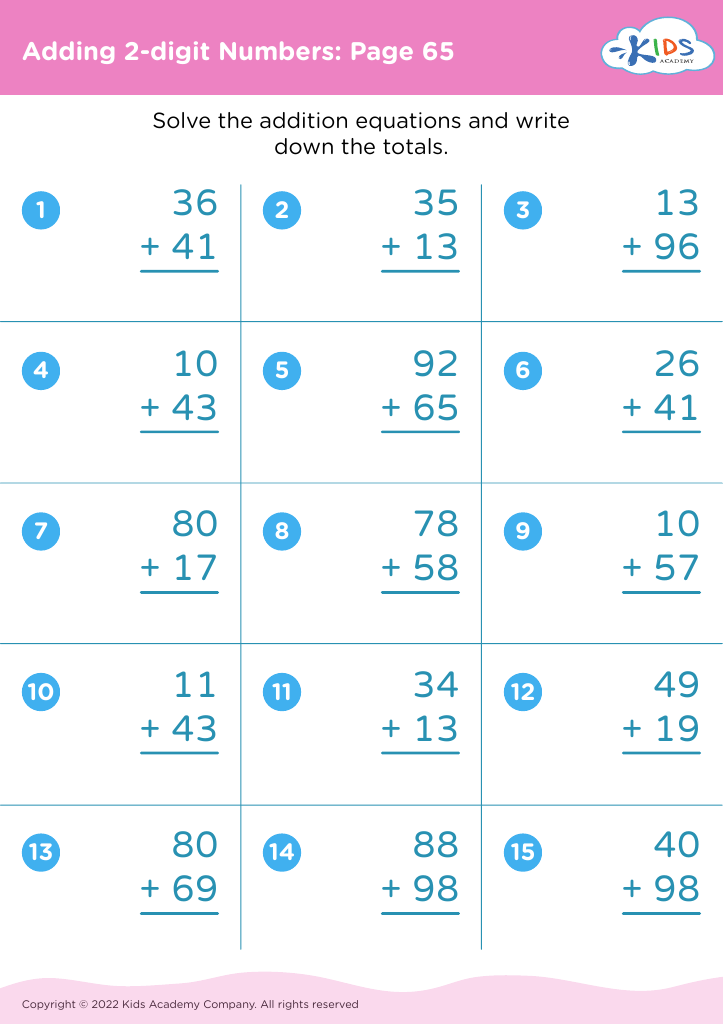
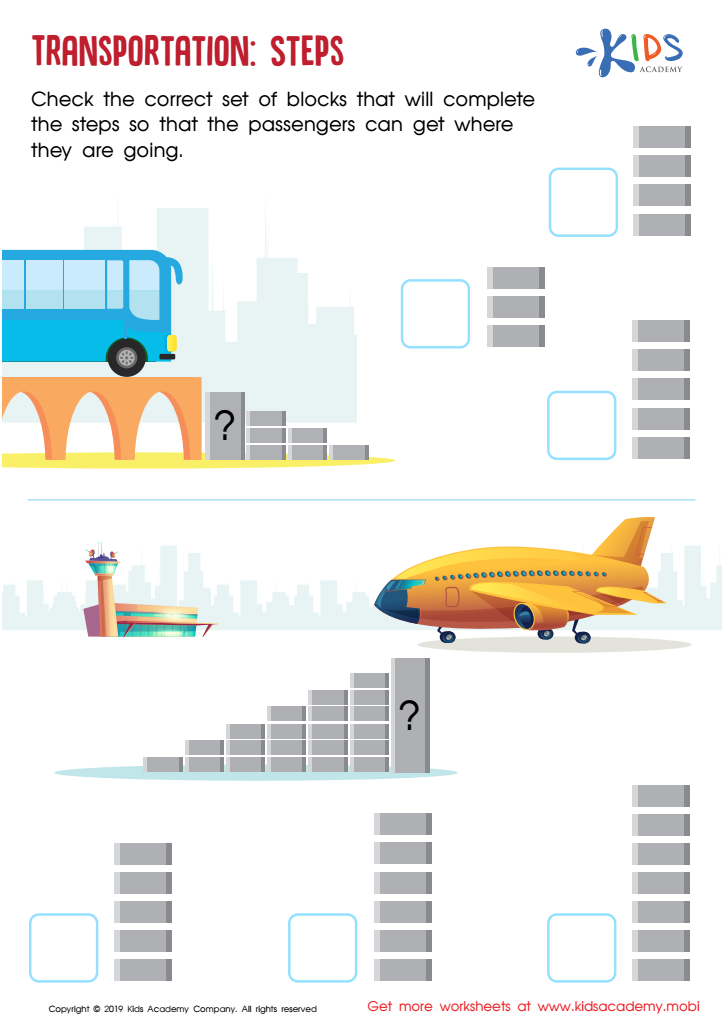
Transportation: Steps Worksheet
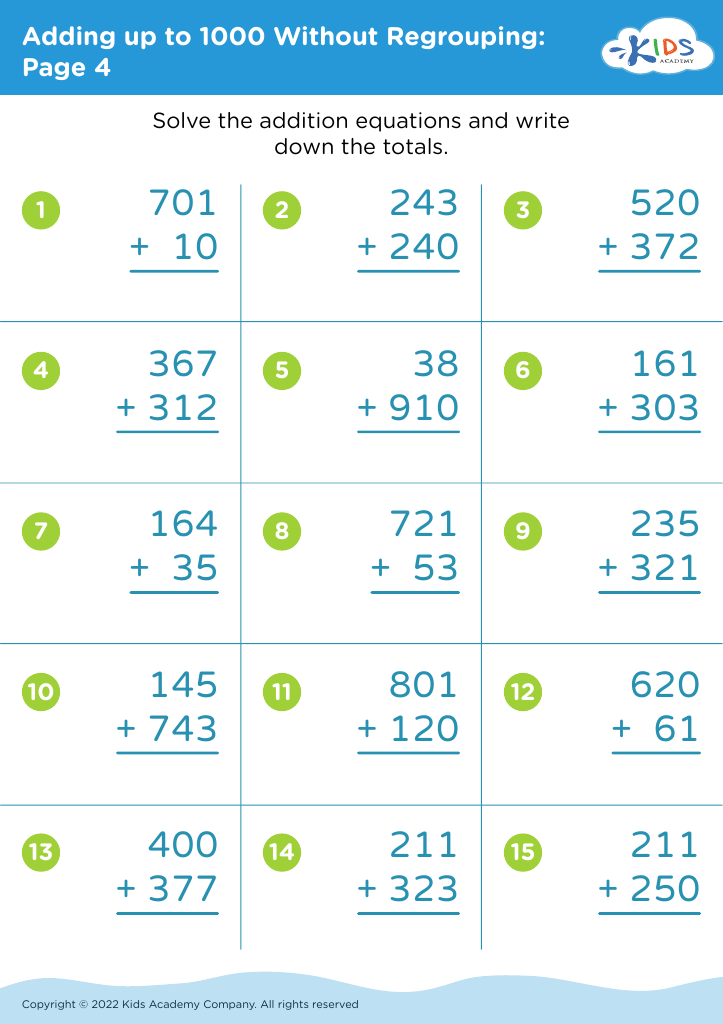
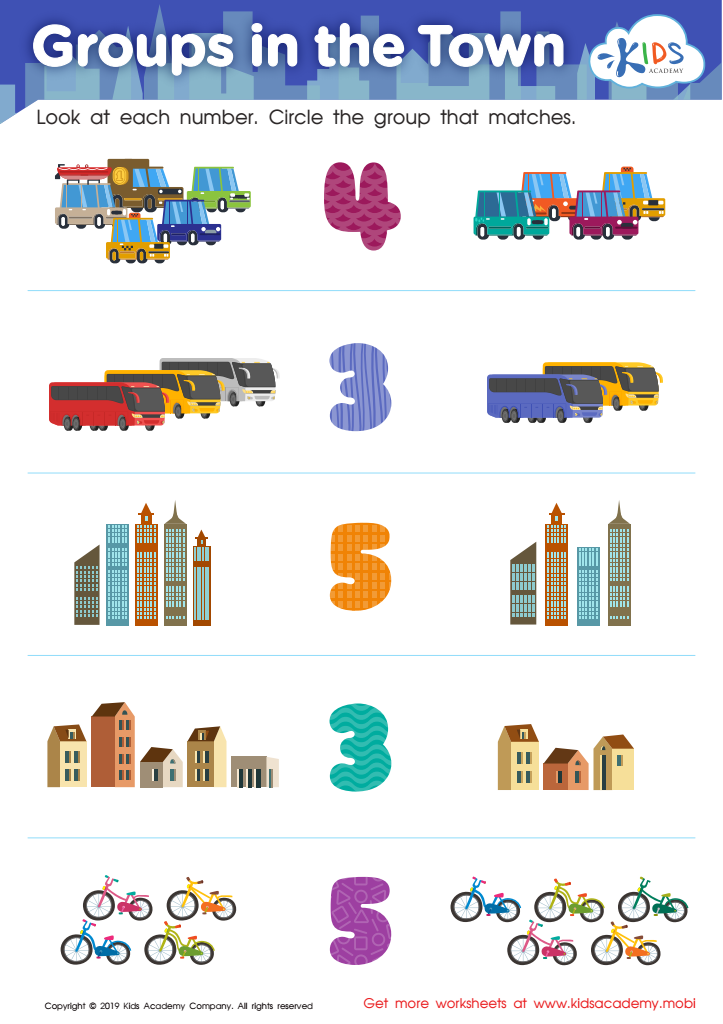
Groups in the Town Worksheet
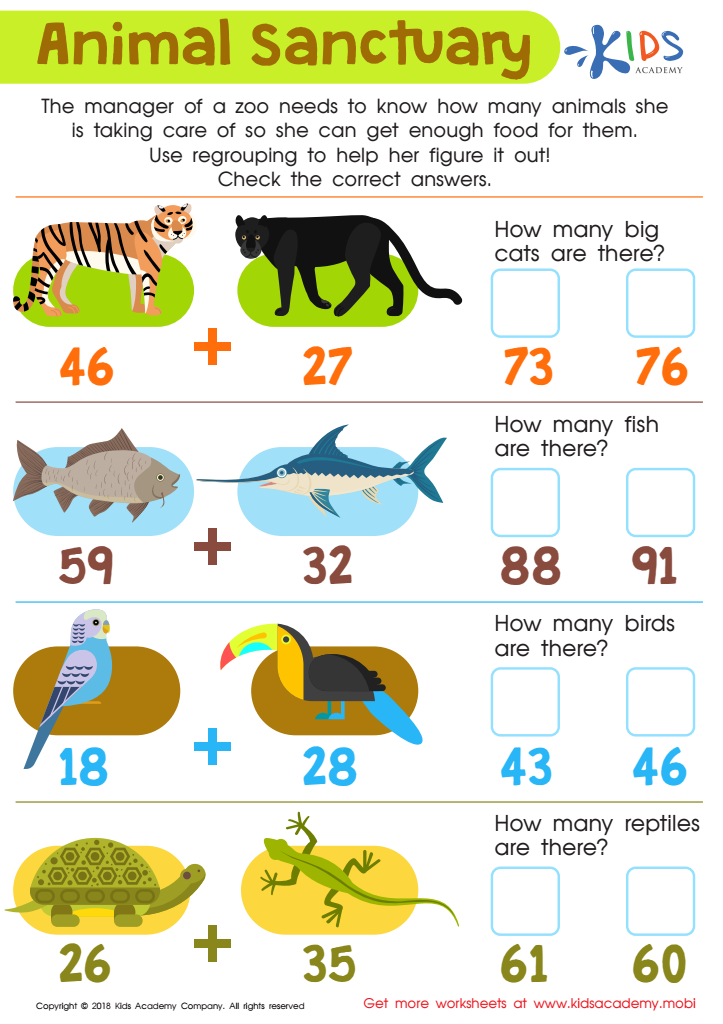
Animal Sanctuary Worksheet
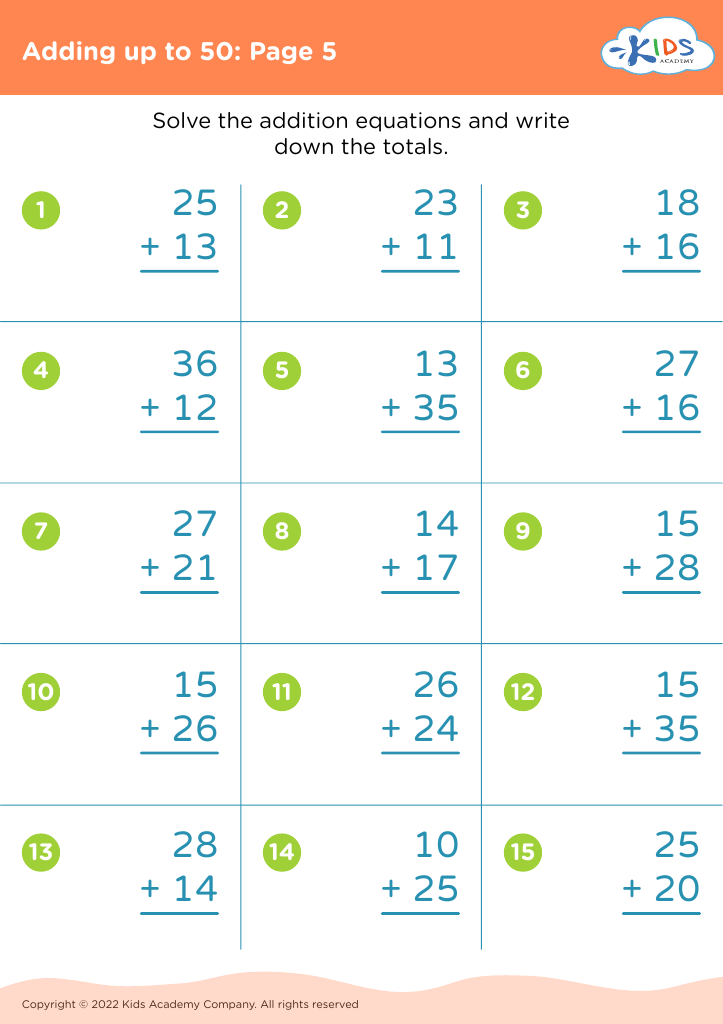








Vocabulary expansion in mathematics for ages 3-9 is essential for numerous reasons. First, a strong mathematical vocabulary lays the foundation for understanding and effectively communicating mathematical concepts. Children who grasp terms like 'sum,' 'difference,' 'greater than,' and 'equal' can better navigate math problems and collaborate with peers.
Moreover, children as young as three can begin to absorb mathematical language in everyday situations—counting items during shopping or discussing shapes while playing. This integration of vocabulary into practical contexts supports cognitive development and enhances critical thinking skills.
Equally important, understanding mathematical terms boosts confidence in young learners. When children can articulate their thought processes, they are more willing to engage in math-related activities, fostering a love for learning. Proper vocabulary aids in minimizing confusion and anxiety, making math a more enjoyable subject.
Additionally, a solid grounding in vocabulary prepares students for advanced mathematical concepts in later grades, interlinking their learning experiences and paving the way for academic success. Therefore, parents and teachers should prioritize vocabulary expansion strategies to cultivate mathematical fluency and promote lifelong learning habits in children. Engaging children through fun activities, like games or storytelling, can make vocabulary lessons both enjoyable and impactful.








