Number Recognition Matching Worksheets for Ages 3-9
18 filtered results
-
From - To
Enhance your child's mathematical journey with our Number Recognition Matching Worksheets, specially designed for ages 3-9. These engaging and educational worksheets help young learners develop essential number recognition and matching skills, laying a solid foundation for future math success. Each playful activity is tailored to captivate and challenge growing minds, providing a fun way for kids to practice identifying and matching numbers. Whether at home or in the classroom, our printable worksheets are perfect for boosting your child's confidence and mastery in numeracy, setting them up for a bright academic future. Download and start learning today!
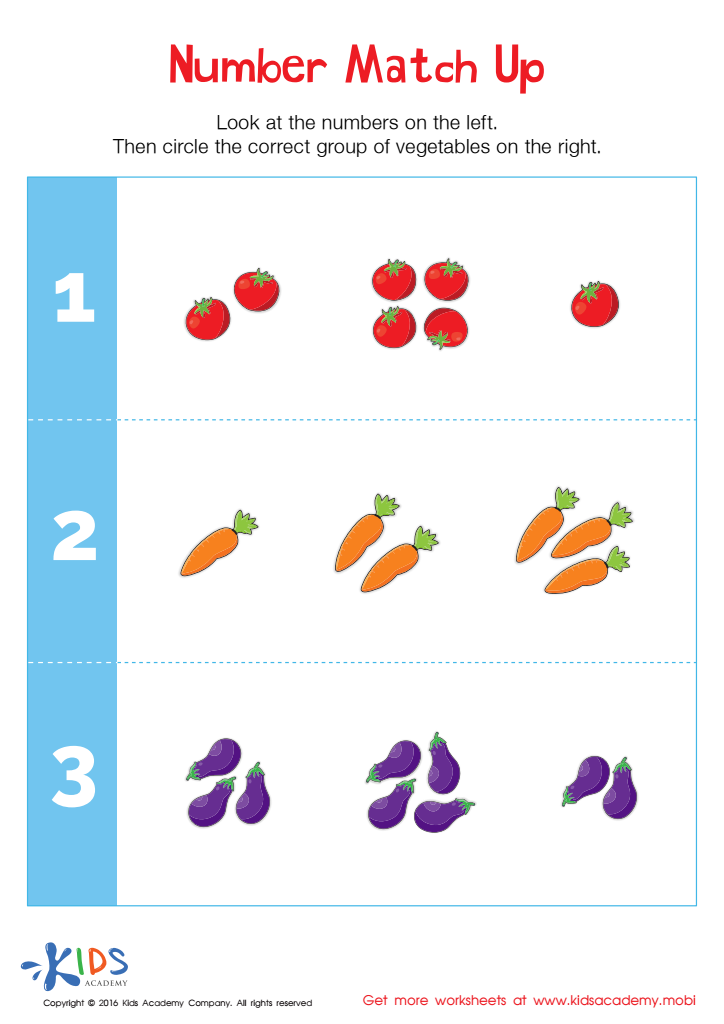
Number Match Up Worksheet
 Assign to My Students
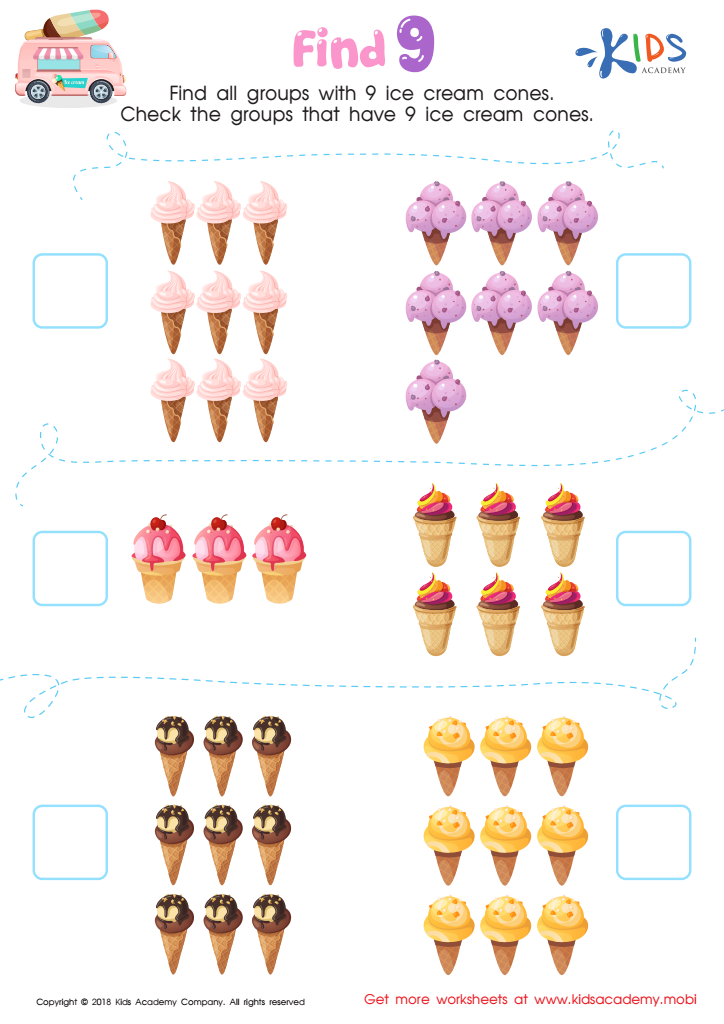
Find 9 Worksheet
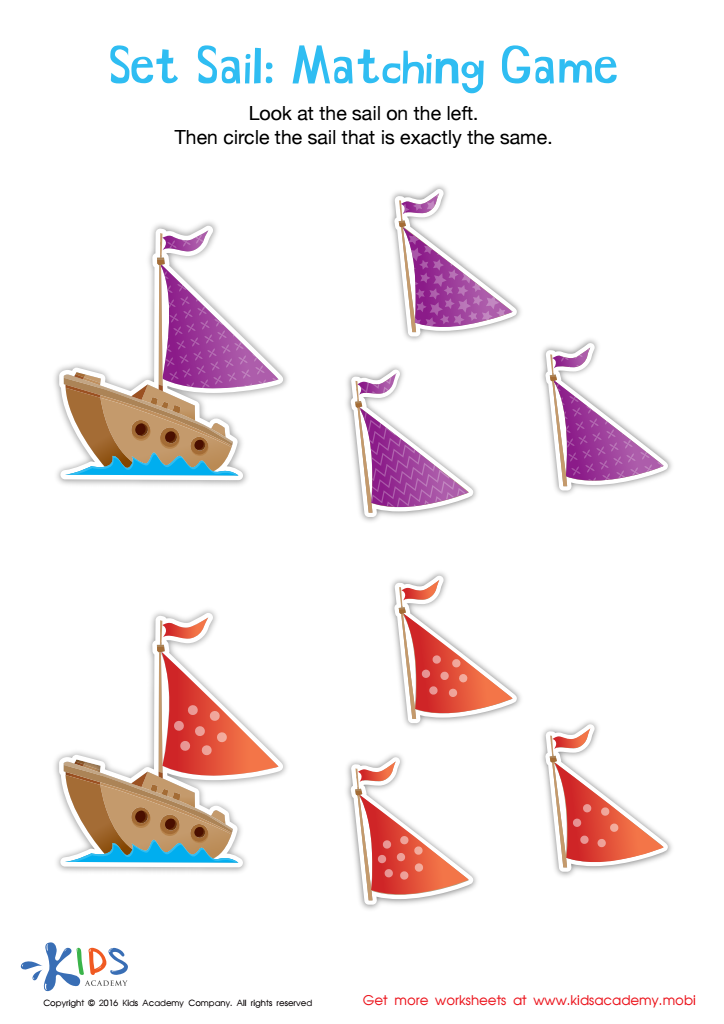
Set Sail Worksheet
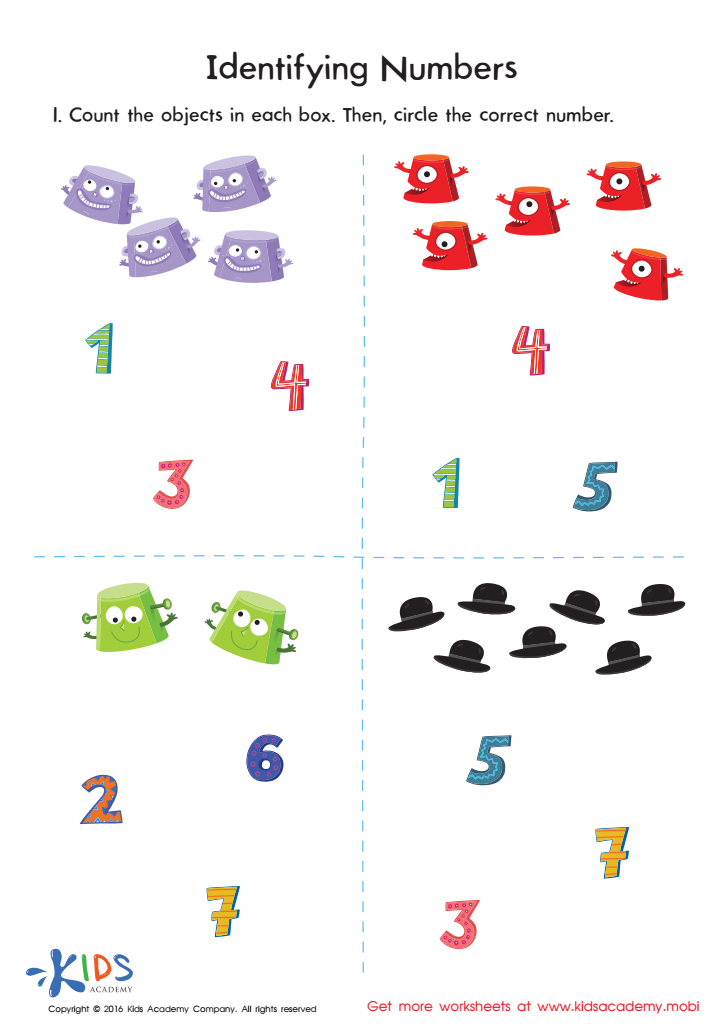
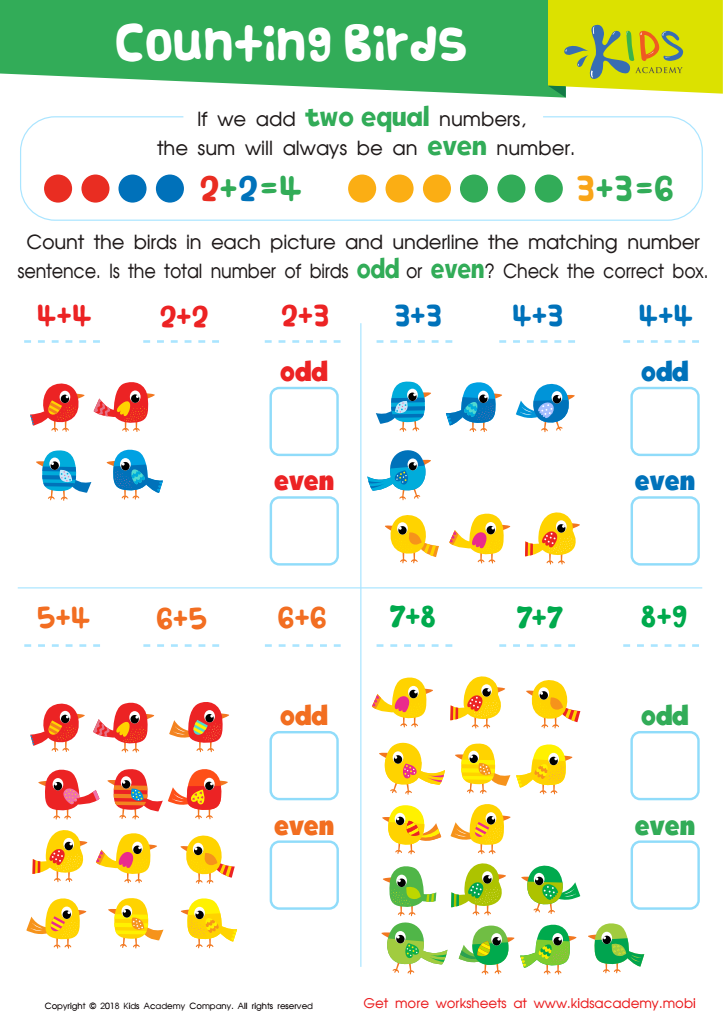
Counting Birds Worksheet
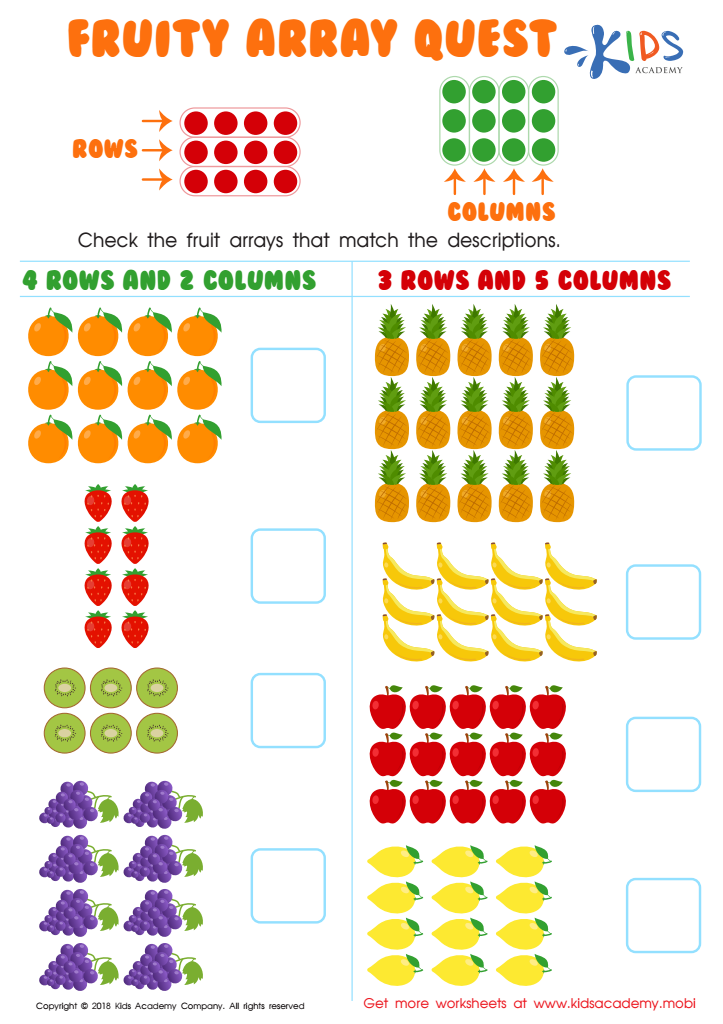
Fruity Array Quest Worksheet
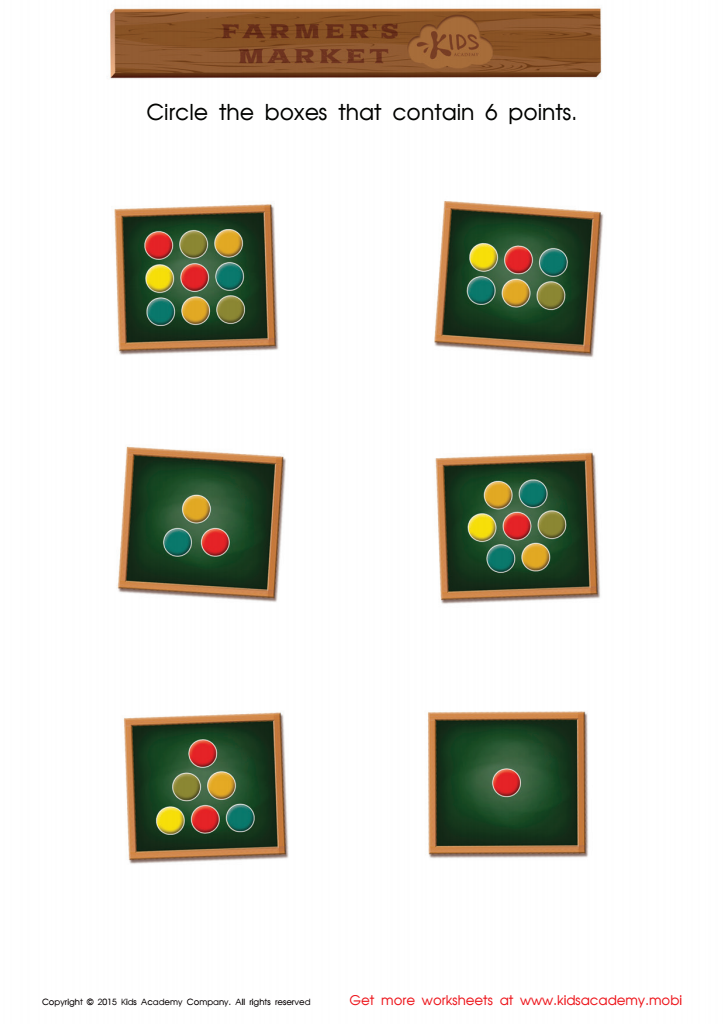
Count and Match Points 6 Math Worksheet
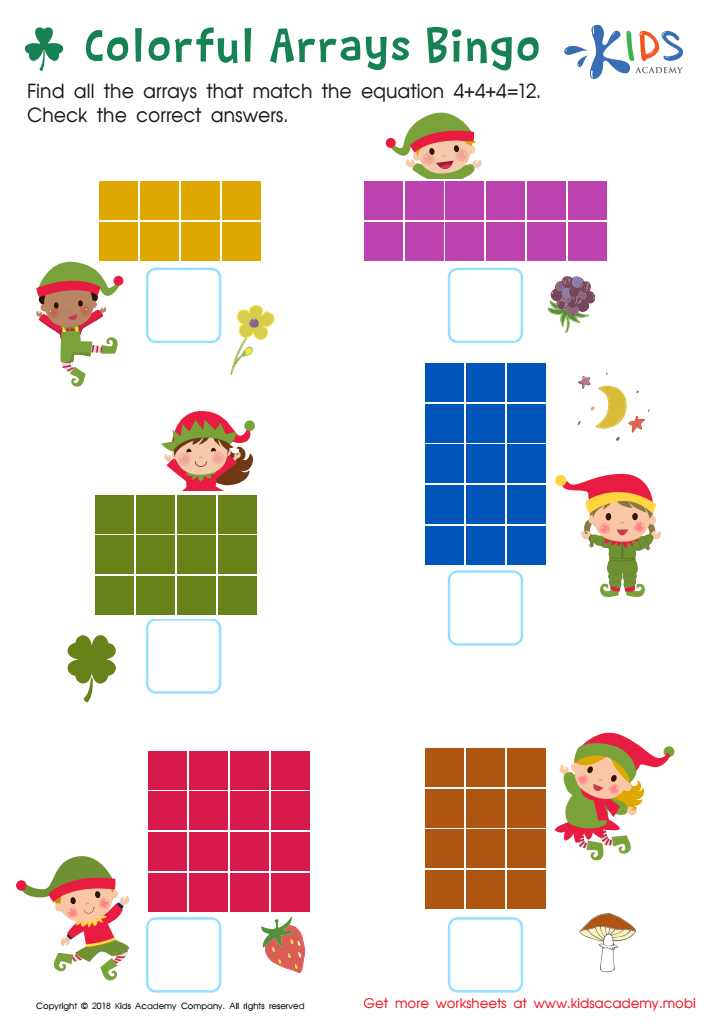
Colorful Arrays Bingo Worksheet
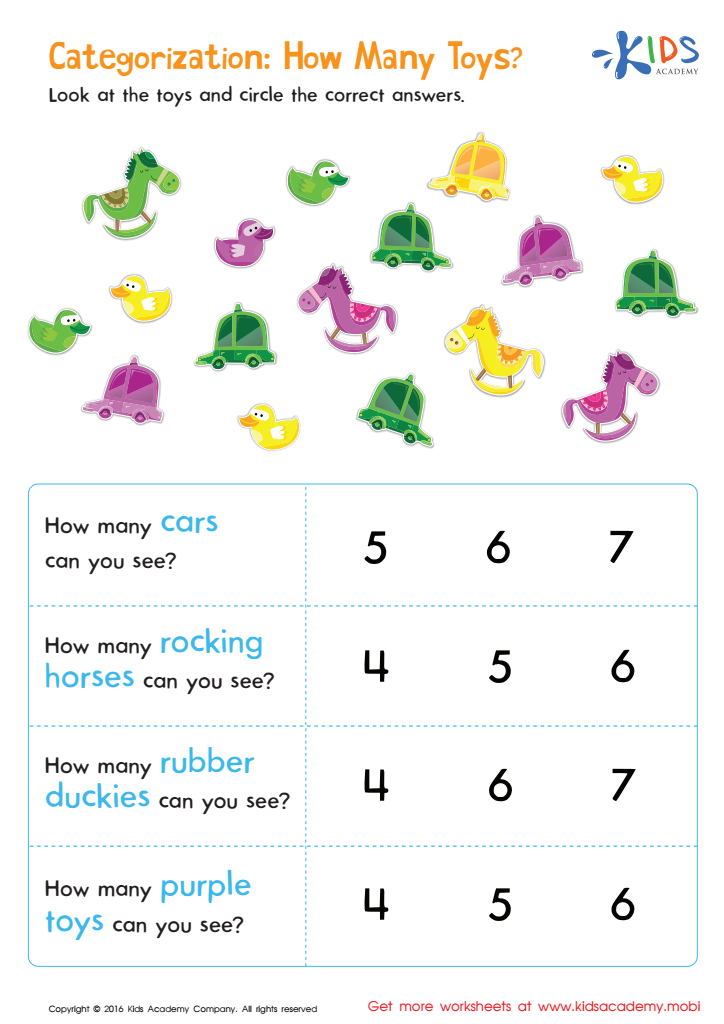
Classifying Toys by Type and Color Sorting Worksheet
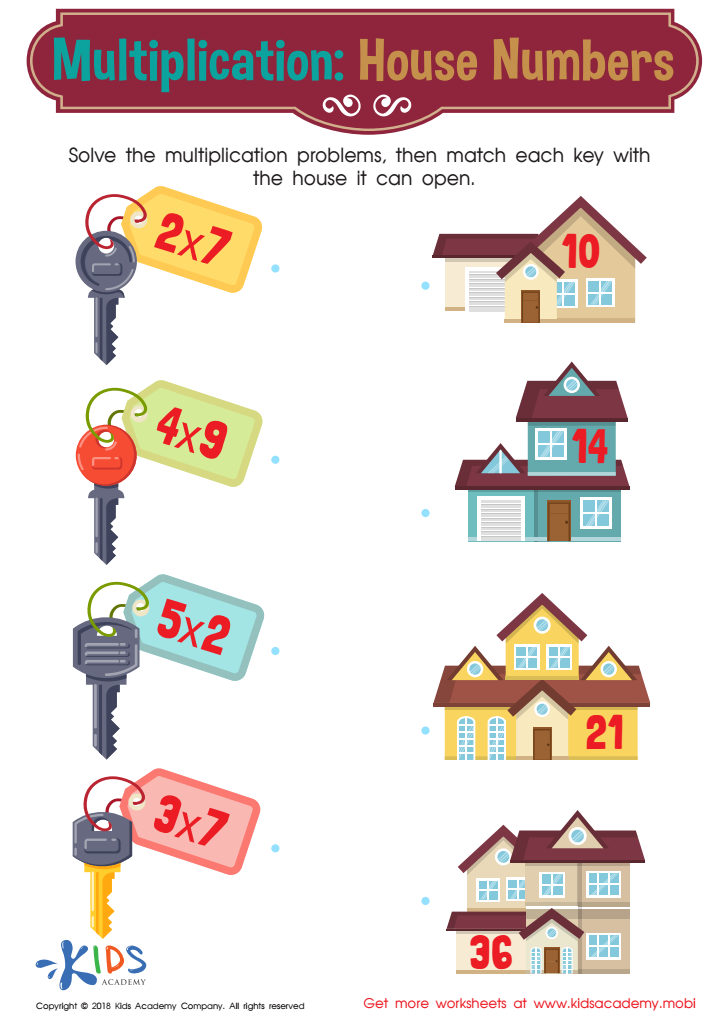
House Numbers Worksheet
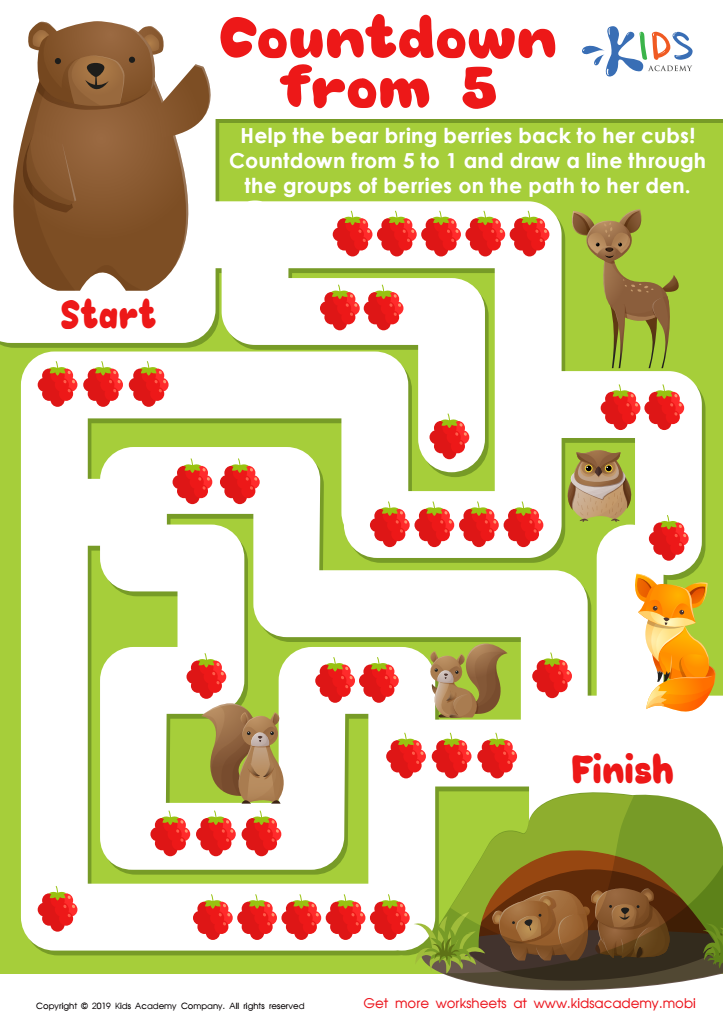
Countdown from 5 Worksheet
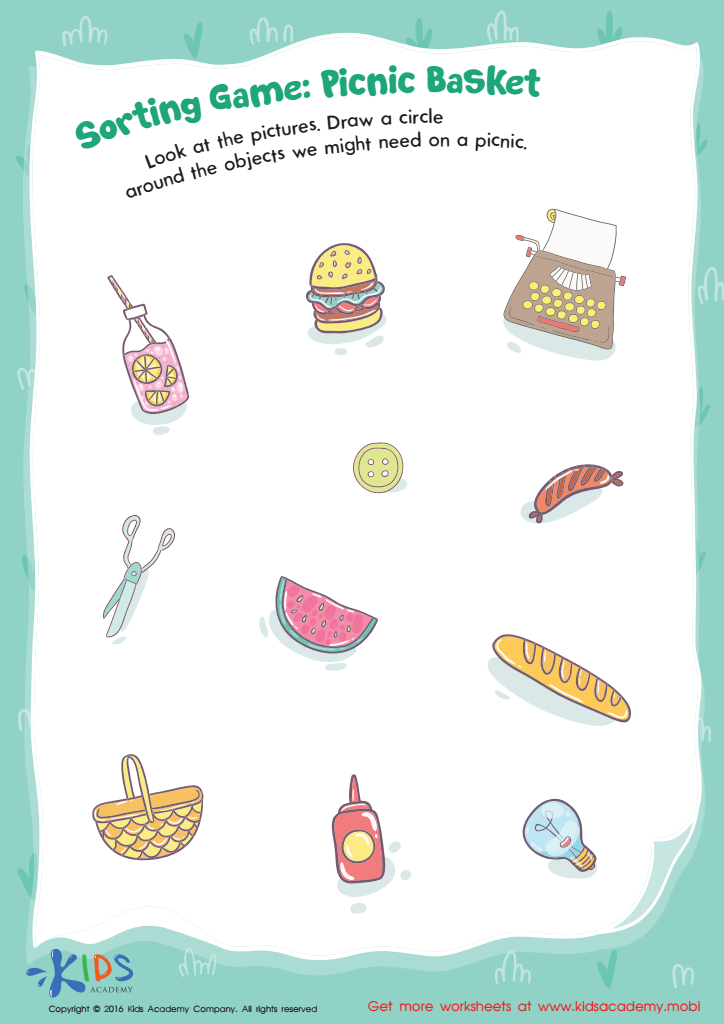
Picnic Basket Sorting Worksheet
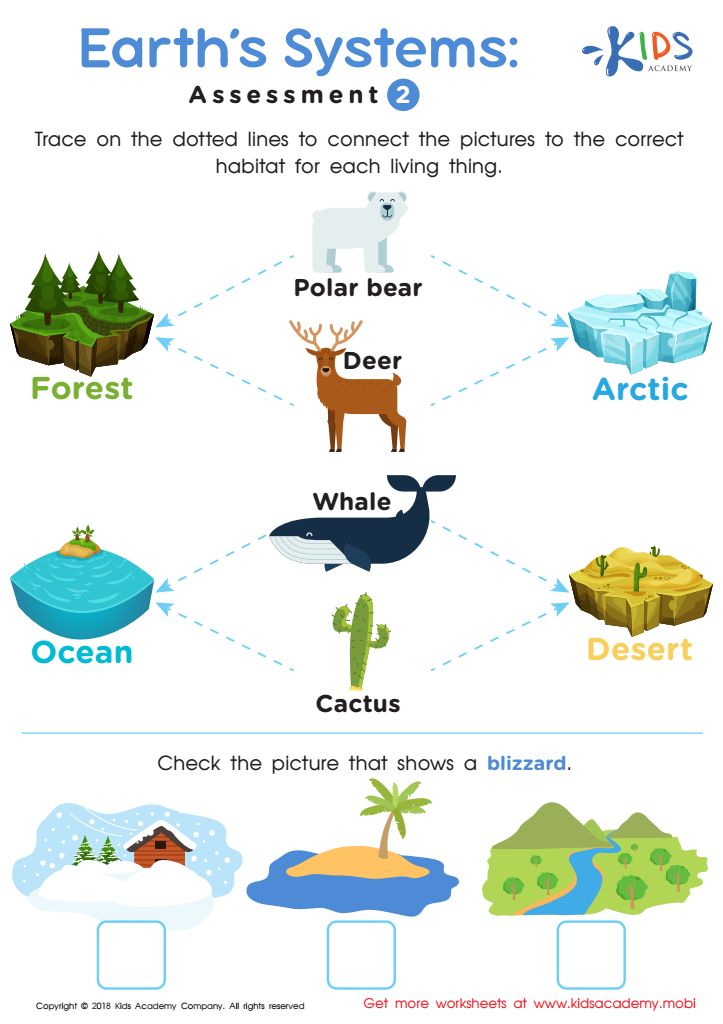
Earth's Systems: Assessment 2
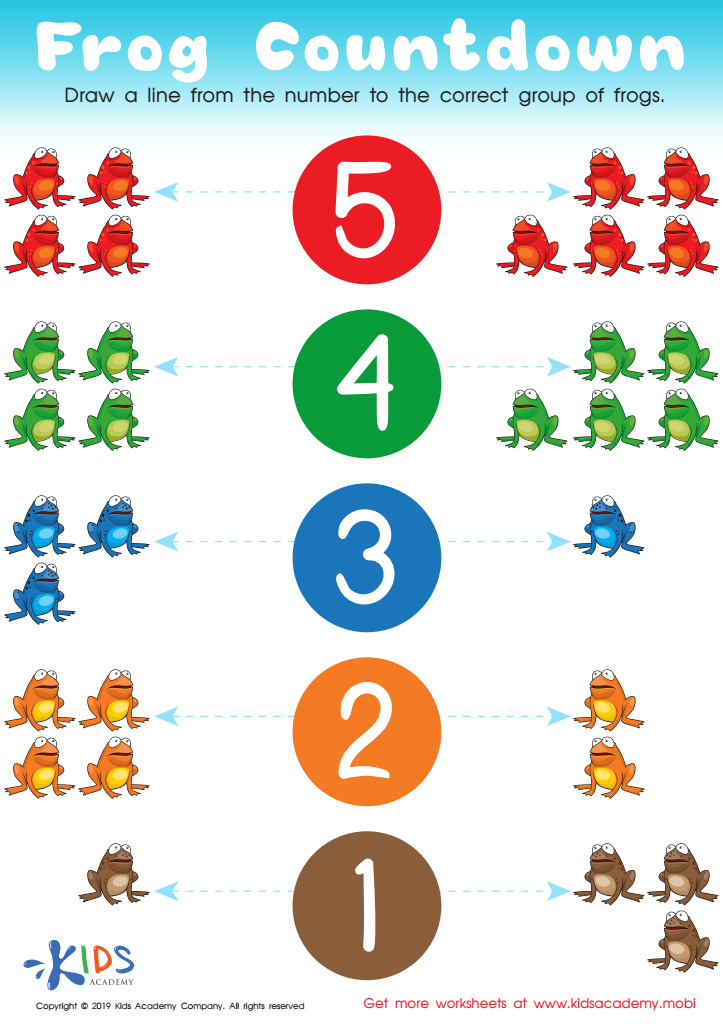
Frog Countdown Worksheet
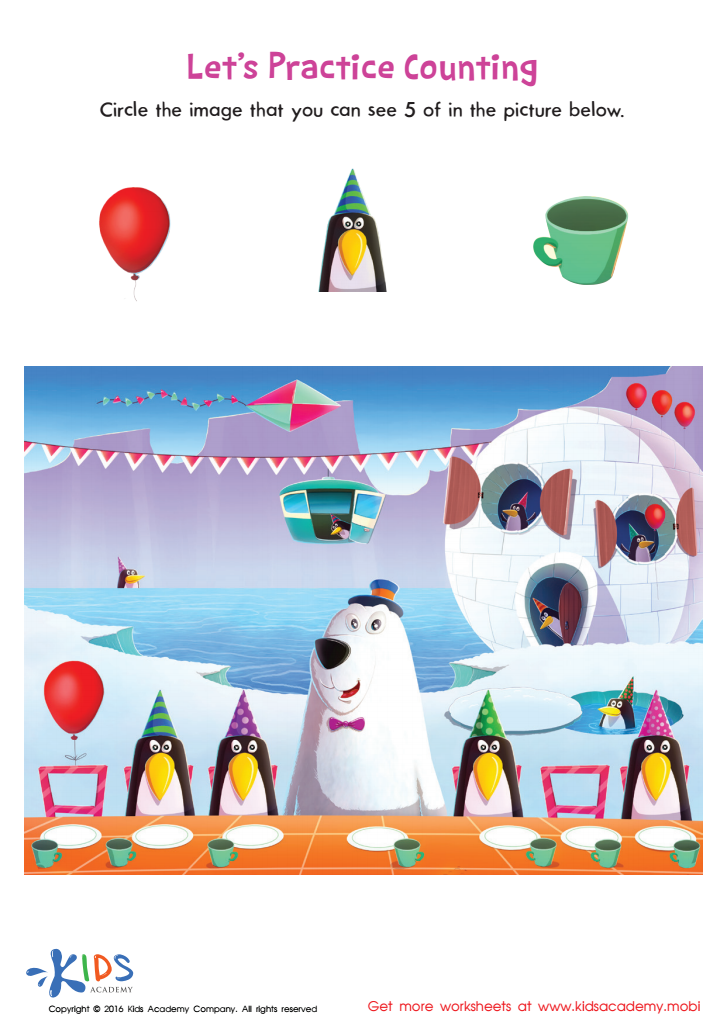
Counting Worksheet: Let's Practice Counting
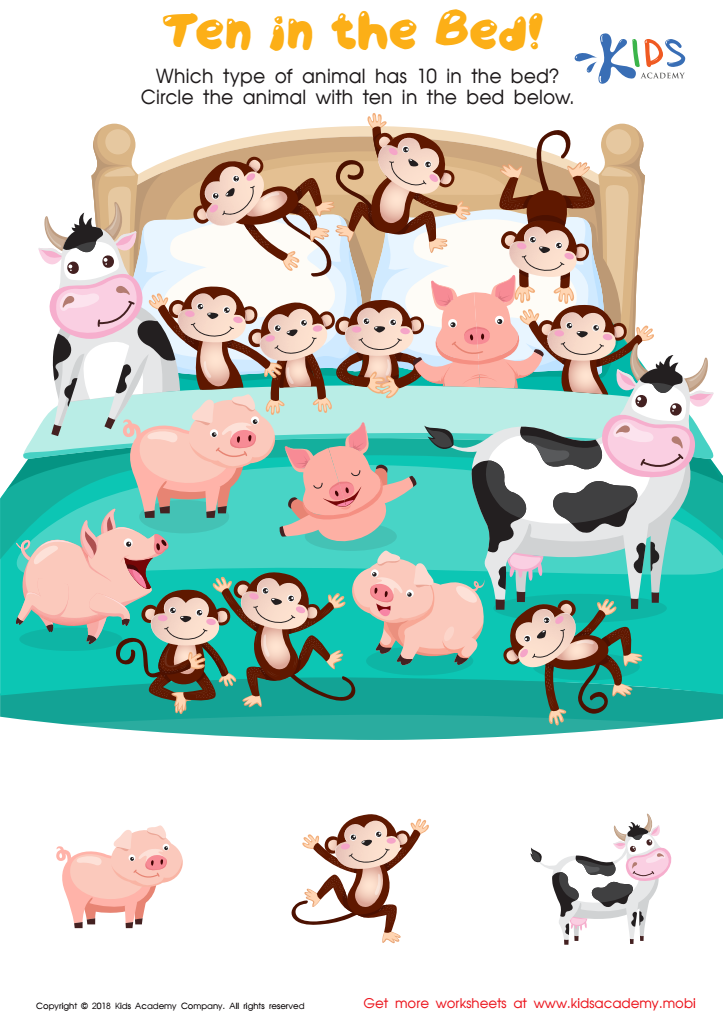
Ten in the Bed Worksheet
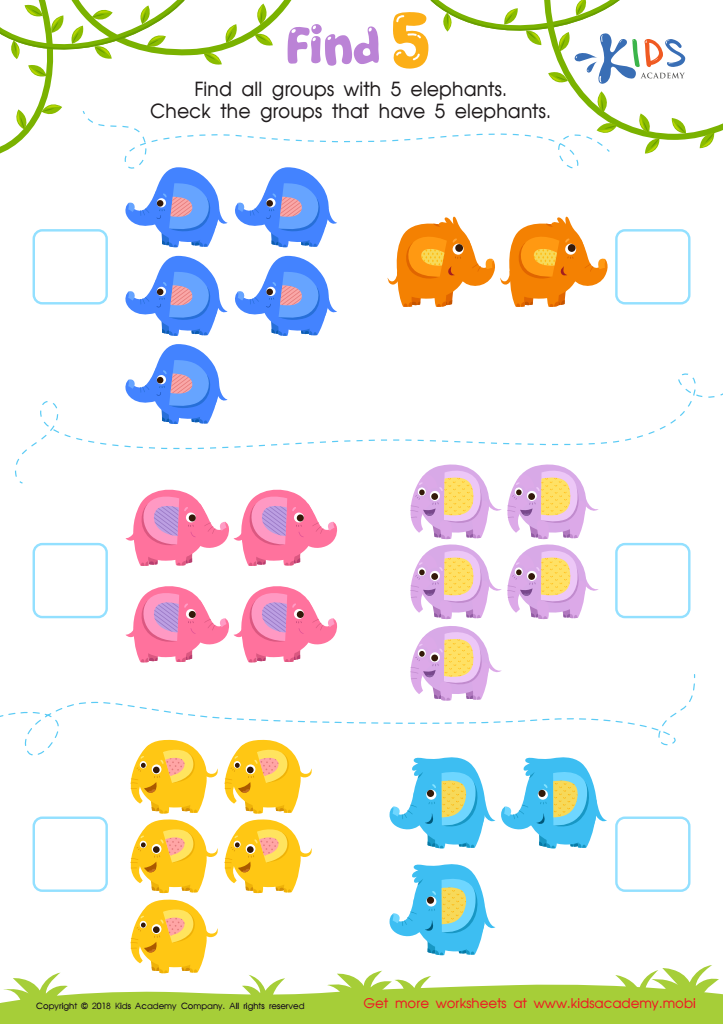
Find 5 Worksheet








Number recognition and matching are foundational skills in early childhood education, crucial for the cognitive and academic development of children aged 3-9. Parents and teachers should prioritize these skills because they form the building blocks for more advanced mathematical concepts.
Firstly, number recognition helps children understand the concept of quantity and the relationships between numbers. Recognizing and matching numbers enable children to comprehend that numbers symbolize real-world quantities and can be manipulated in meaningful ways. This skill is fundamental for everyday activities, such as identifying amounts, counting objects, and interpreting simple graphs or charts.
Furthermore, early number recognition and matching prepare children for future academic success. These skills are directly correlated with better performance in mathematics and other related subjects. Studies show that early mathematical proficiency can boost overall academic achievement, as it fosters critical thinking, problem-solving abilities, and logical reasoning.
Moreover, developing these skills boosts a child's confidence and reduces anxiety related to mathematics. A strong grasp of number recognition at an early age can make math seem less intimidating, fostering a positive attitude toward learning.
Lastly, number recognition and matching enhance fine motor skills and hand-eye coordination, essential qualities for young learners. Simple activities like tracing numbers or matching them with corresponding objects engage children's hands and fingers, aiding overall development.
In conclusion, prioritizing number recognition and matching for young children lays a solid foundation for lifelong learning and cognitive growth.








