Numbers up to 100 Worksheets for Ages 3-9 - Page 3
51 filtered results
-
From - To
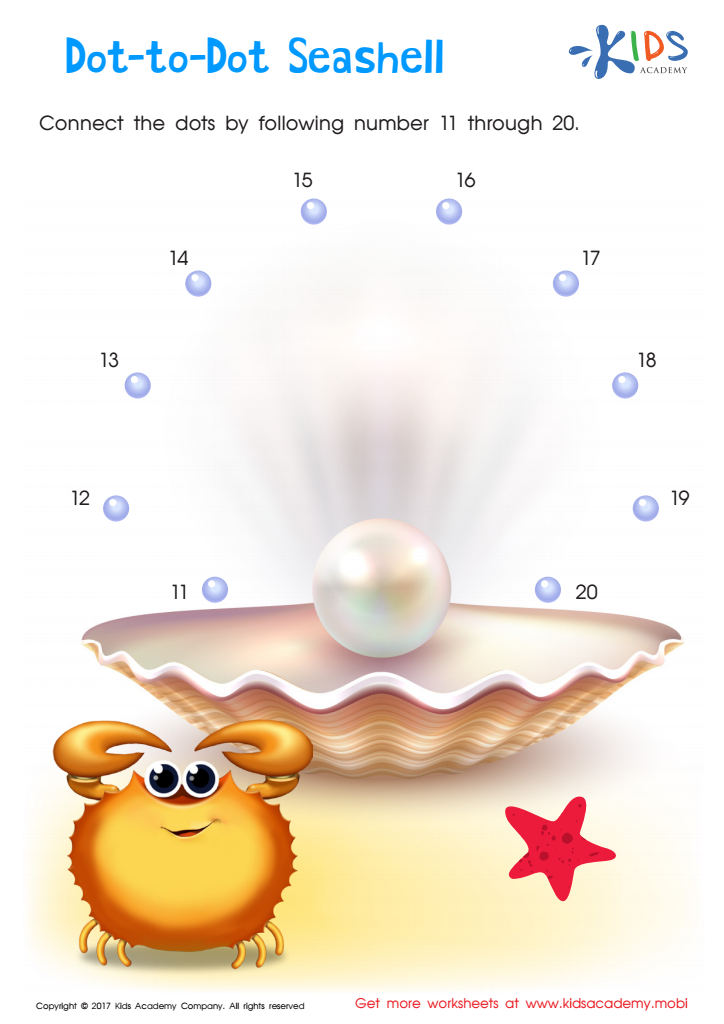
Ordering 11–20: Dot–to–dot Seashell Printable
 Assign to My Students
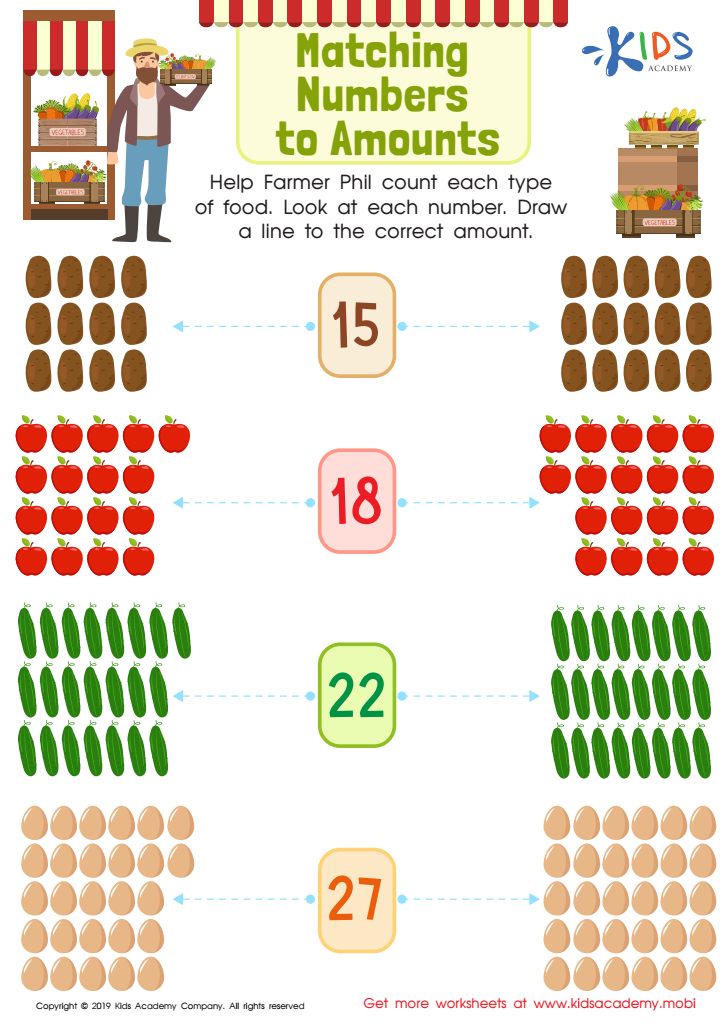
Matching Numbers to Amounts Worksheet

Counting on the City Skyline: Dot-to-Dot Worksheet








Understanding numbers up to 100 is fundamental for children aged 3-9, laying the groundwork for their future mathematical skills and overall cognitive development. At this early age, children are developing critical thinking abilities, and mastering numbers fosters essential skills such as counting, comparison, and basic problem-solving.
Parents and teachers should care because numeracy is not just about memorizing numbers—it enhances a child's ability to think logically and cultivate a positive attitude toward math. Early exposure to numbers encourages a sense of number sense, helping them understand quantity, order, and relationships between numbers, which are pivotal as they progress to more complex concepts like addition and subtraction.
Moreover, engaging with numbers can promote creativity and curiosity through interactive games and practical activities, such as counting objects at home or measuring ingredients in cooking. Such hands-on experiences make learning enjoyable and relatable.
Ultimately, a strong grasp of numbers up to 100 builds confidence in children, equips them with essential life skills, and prepares them for academic challenges ahead. Thus, fostering numeracy in this formative stage is a vital investment in children's education and well-being.








