Number Sequencing Numbers up to 100 Worksheets for Ages 3-9
6 filtered results
-
From - To
Help your child master number sequencing with our engaging "Number Sequencing Numbers up to 100 Worksheets for Ages 3-9". Perfect for early learners, these worksheets enhance numerical skills through fun, structured activities. Designed to suit various learning styles, each worksheet encourages logical thinking, number recognition, and counting proficiency. Kids will enjoy connecting the dots, filling in missing numbers, and sequencing from smallest to largest. Our printables serve as an excellent resource for parents and teachers to support kids in developing critical early math foundations, setting the stage for future academic success. Download now to boost your child’s number sequencing skills!
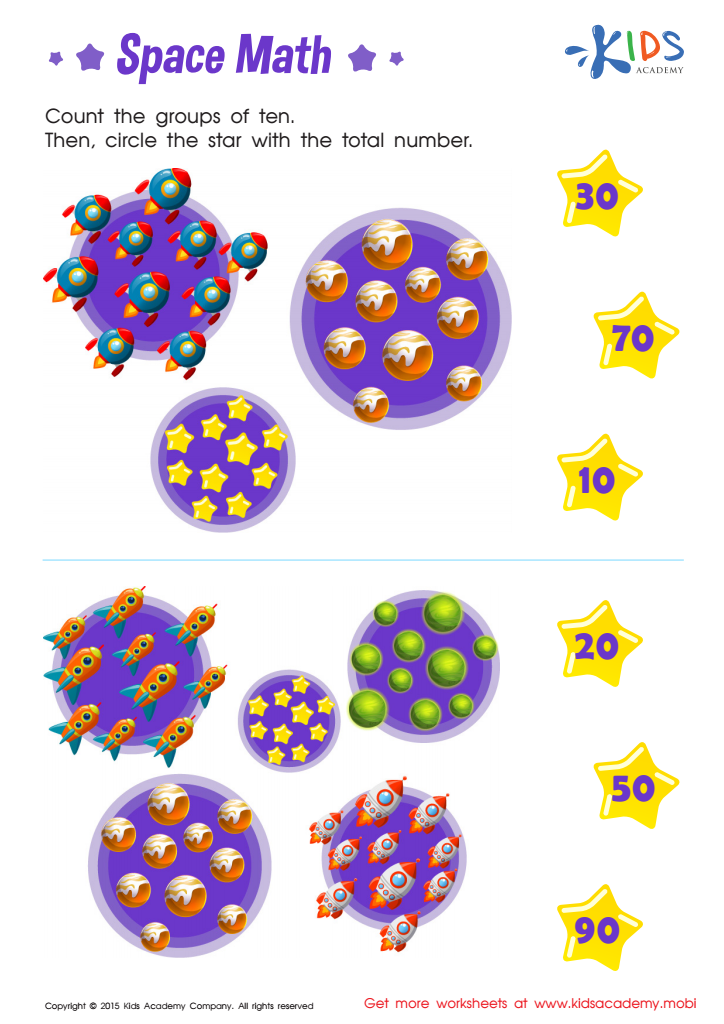
Learn dozens: Space math Worksheet
 Assign to My Students
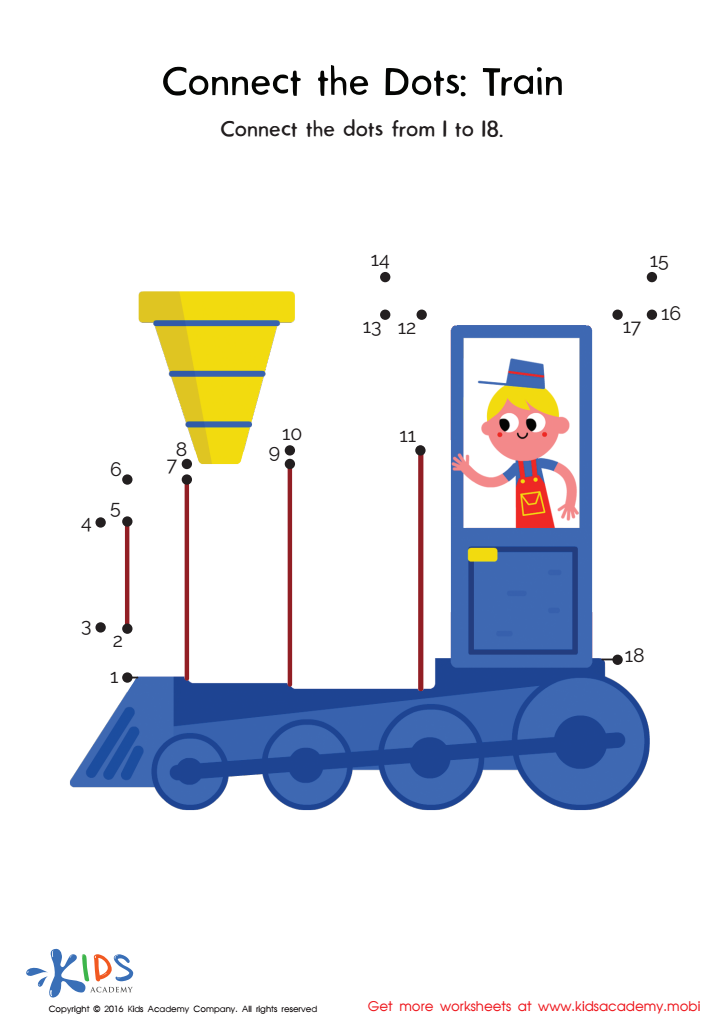
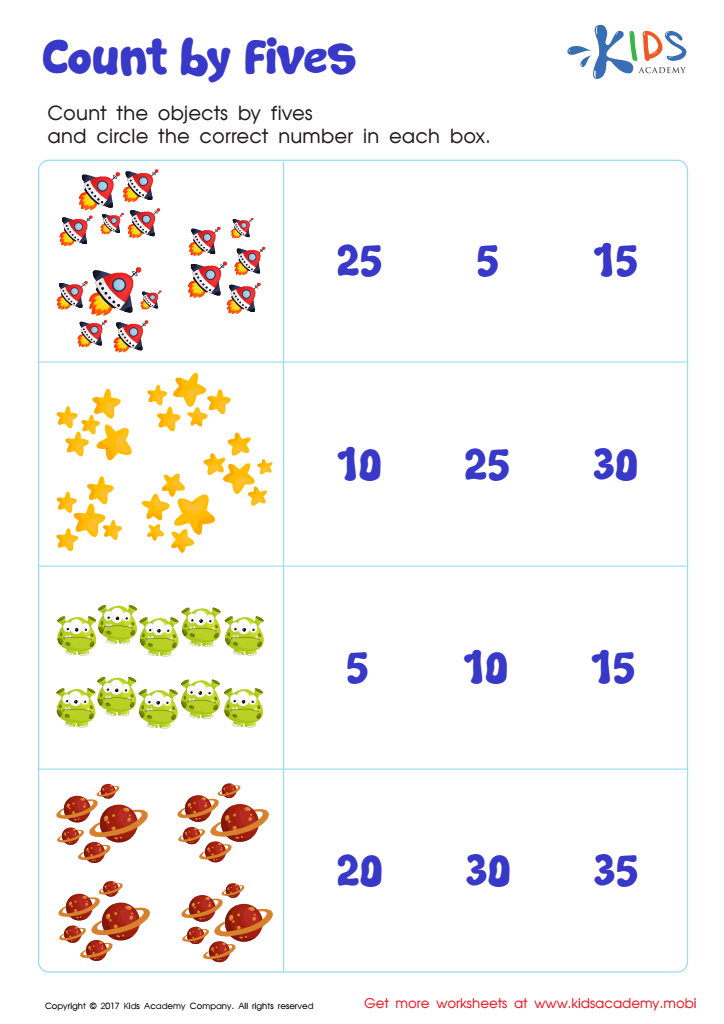
Skip Counting by 5s: Space Math Printable
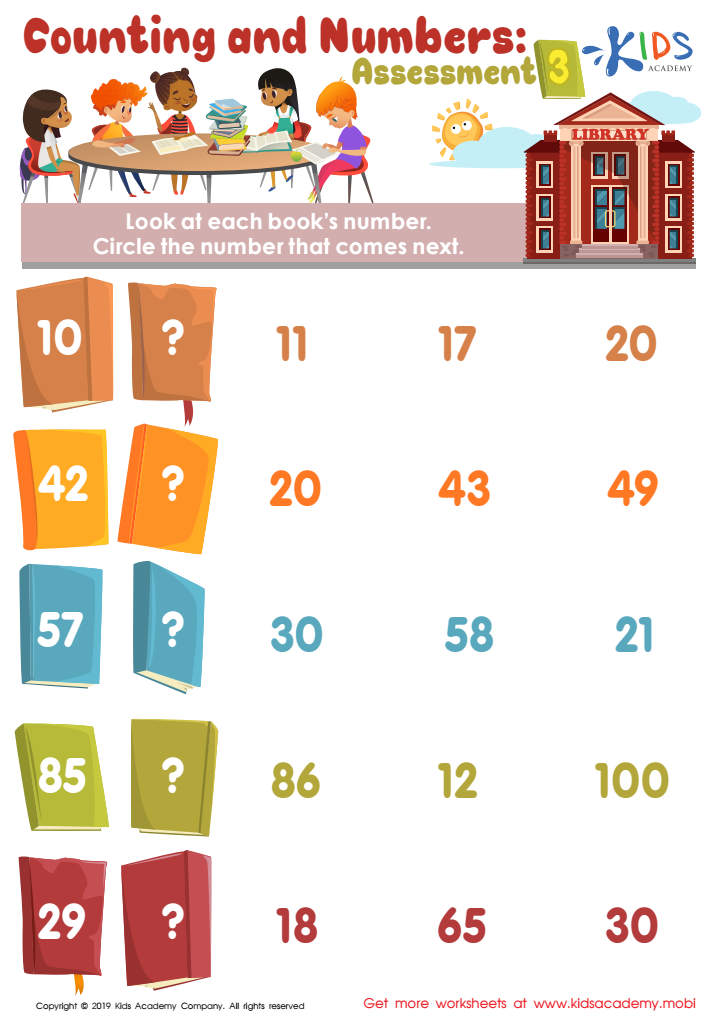
Counting and Numbers: Assessment Worksheet
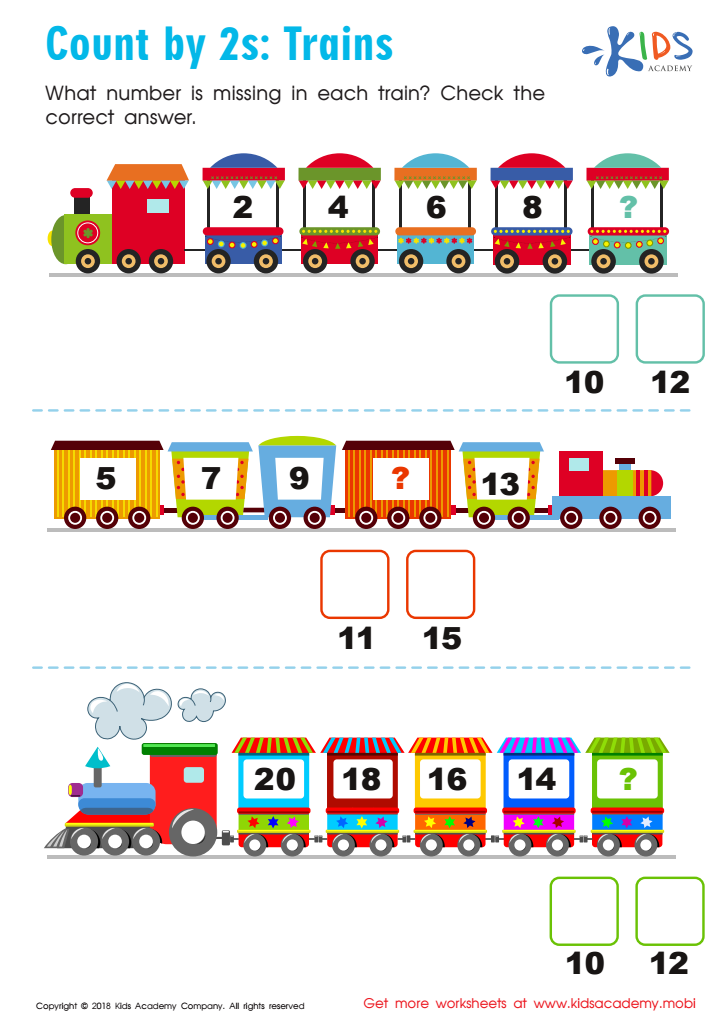
Count by 2's: Trains Worksheet
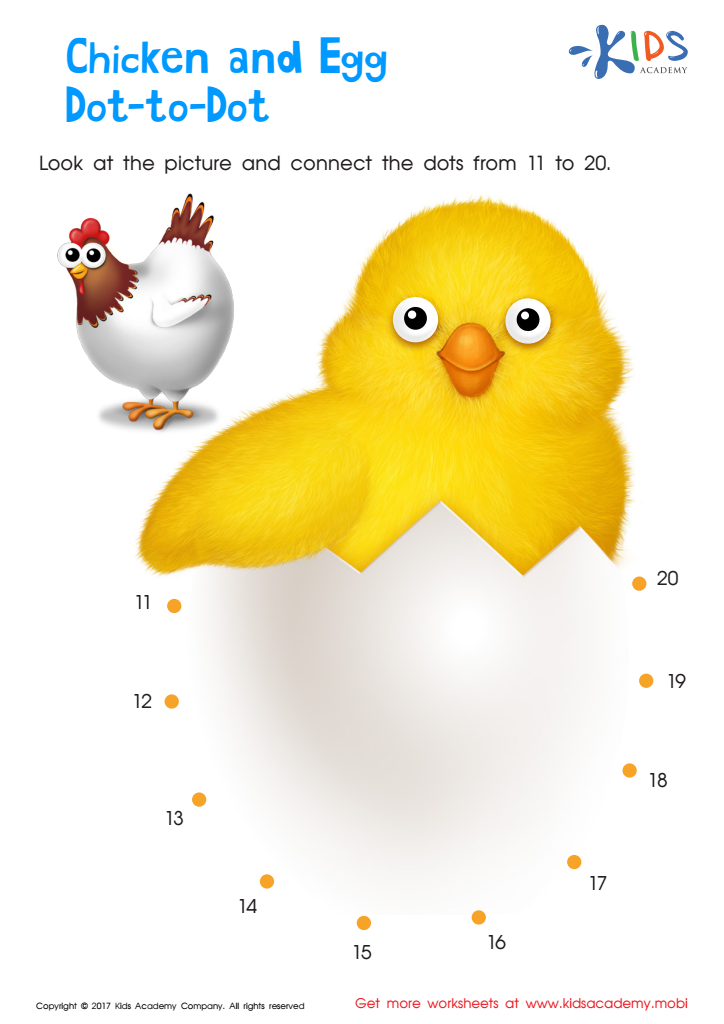
Ordering 11–20: Chicken & Egg Dot–to–dot Worksheet







%20(1).jpg)
Number sequencing up to 100 for children ages 3-9 is foundational for developing strong mathematical skills and cognitive growth. Parents and teachers should prioritize this for several reasons. Firstly, mastering number sequences strengthens a child's number sense, a crucial part of early math literacy that includes understanding, relating, and ordering numbers. Counting forward and backward helps children grasp the concepts of addition and subtraction, laying the groundwork for more complex arithmetic.
Moreover, number sequencing aids in recognizing patterns, a key aspect of logical thinking and problem-solving skills that are used not just in math but across various academic subjects and in daily life. For instance, recognizing the pattern in counting by tens (i.e., 10, 20, 30) builds important skills for multiplication and division.
Engaging young learners in sequencing activities also enhances cognitive skills like memory and concentration, and improves their ability to follow instructions. Consistently practicing number sequencing bolsters confidence and reduces math anxiety by making math less abstract and more intuitive.
Lastly, early mastery in number sequencing supports educational milestones and classroom progress. Children who are comfortable with number sequences often perform better in school assessments and show a greater overall aptitude for academics. Therefore, investing in these early skills serves as an investment in a child's academic success and intellectual growth.