Number Recognition Subtraction Worksheets for Ages 3-9
12 filtered results
-
From - To
Discover engaging Number Recognition Subtraction Worksheets designed specifically for children aged 3-9! These interactive worksheets help young learners develop essential number recognition skills while exploring the basics of subtraction. Combining fun activities with foundational math practice, our worksheets encourage children to identify numbers and apply their understanding to solve subtraction problems. Perfect for preschoolers and early grade schoolers, these resources foster confidence and mastery in math concepts. Parents and educators will appreciate the structured approach that supports individual learning styles. Download our printable worksheets today and make learning subtraction enjoyable and effective for your little ones!
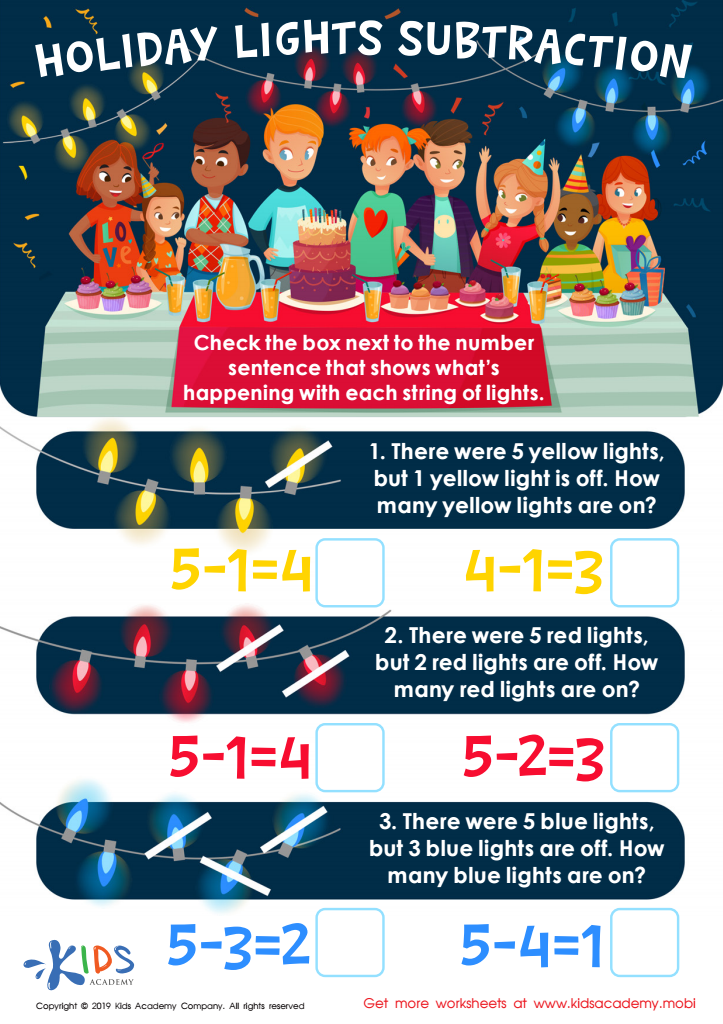
Holiday Lights Subtraction Worksheet
 Assign to My Students
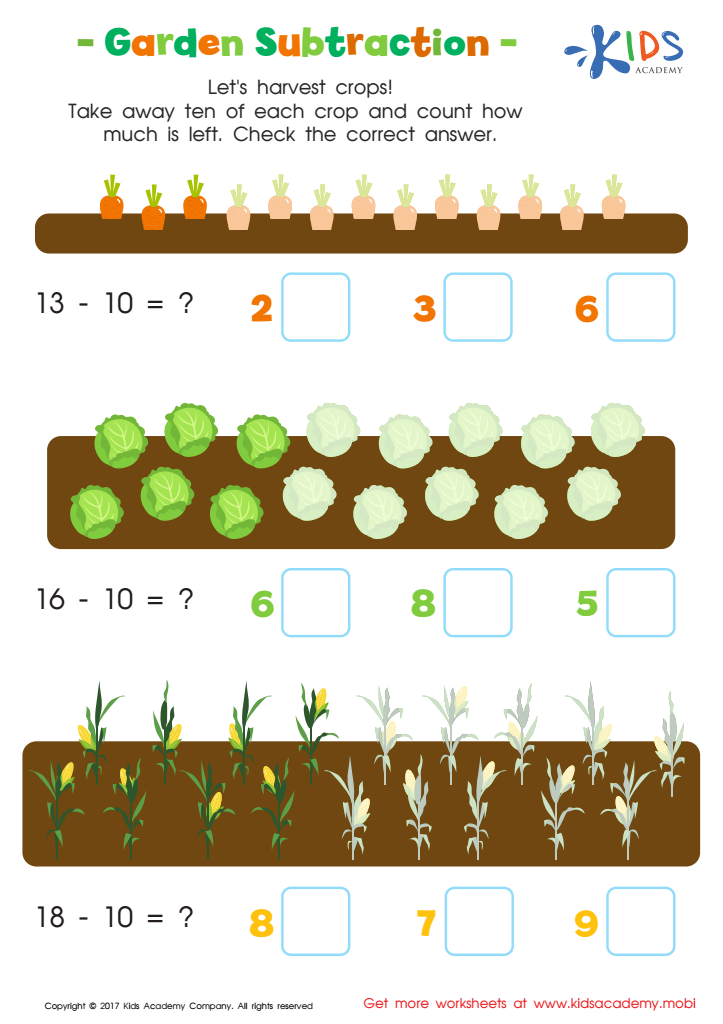
Garden Subtraction Worksheet
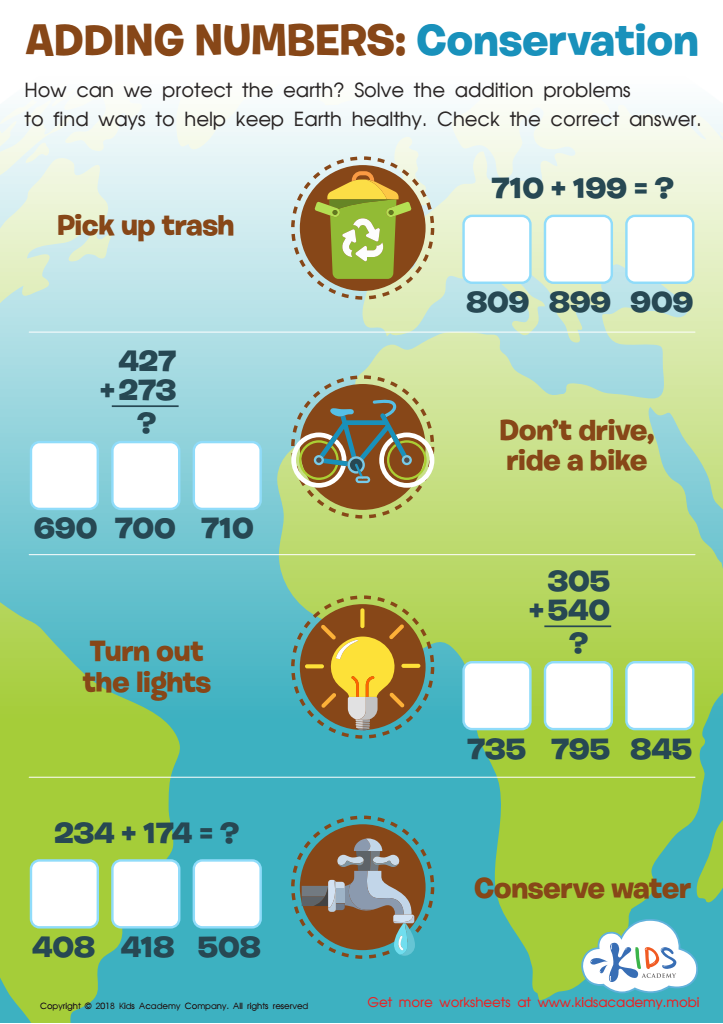
Adding Numbers: Conservation Worksheet
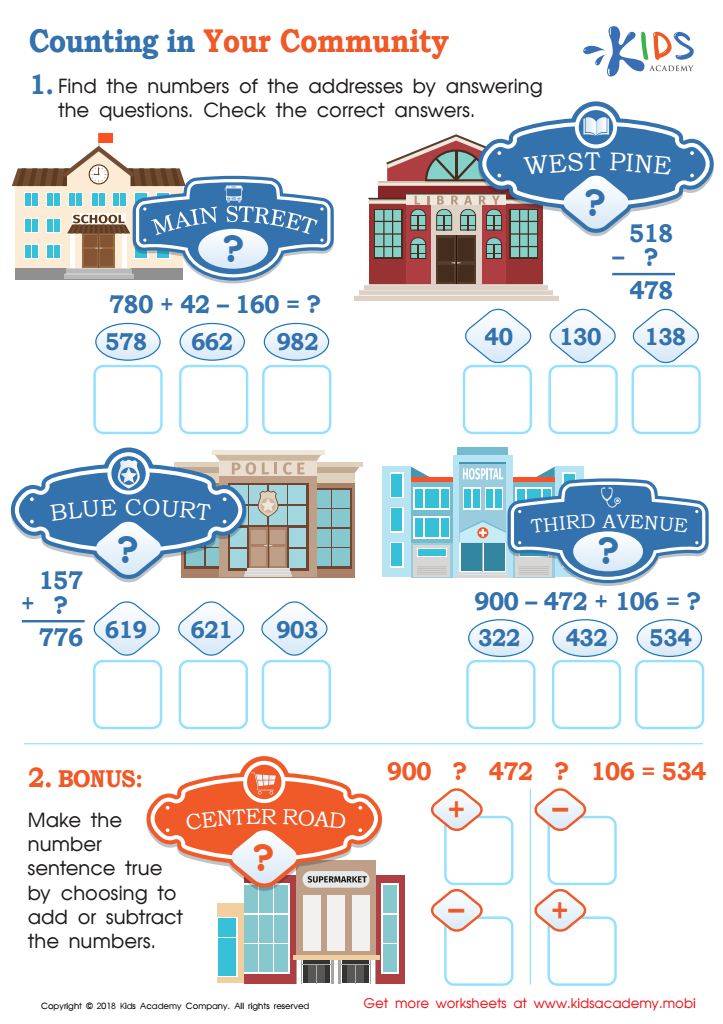
Counting in Your Community Worksheet
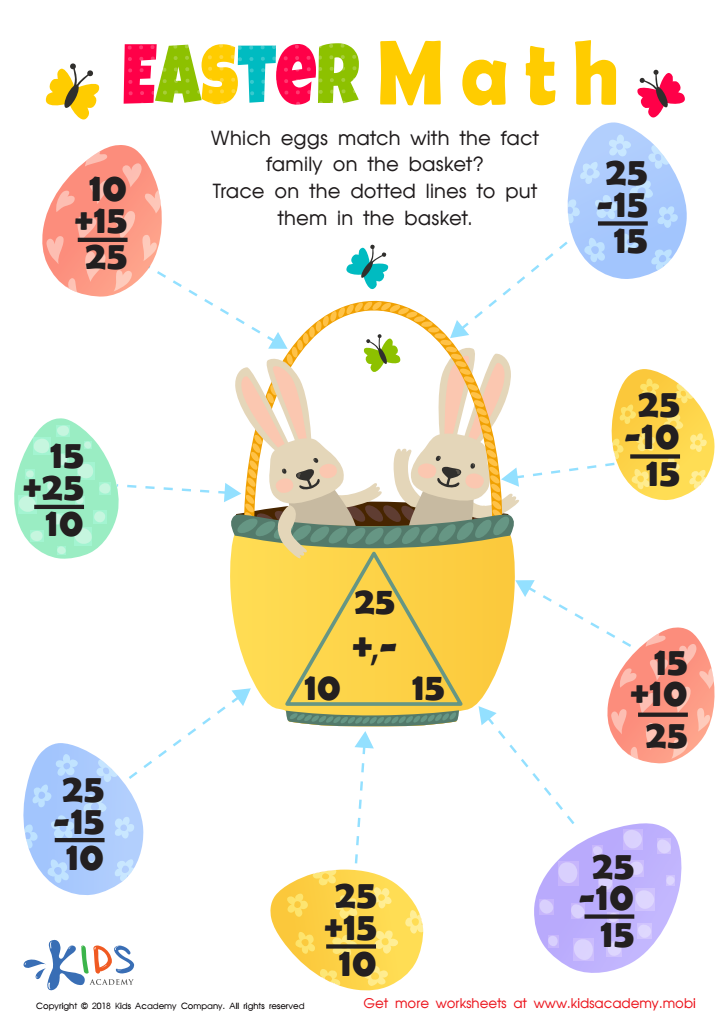
Fact Families: Easter Math Worksheet
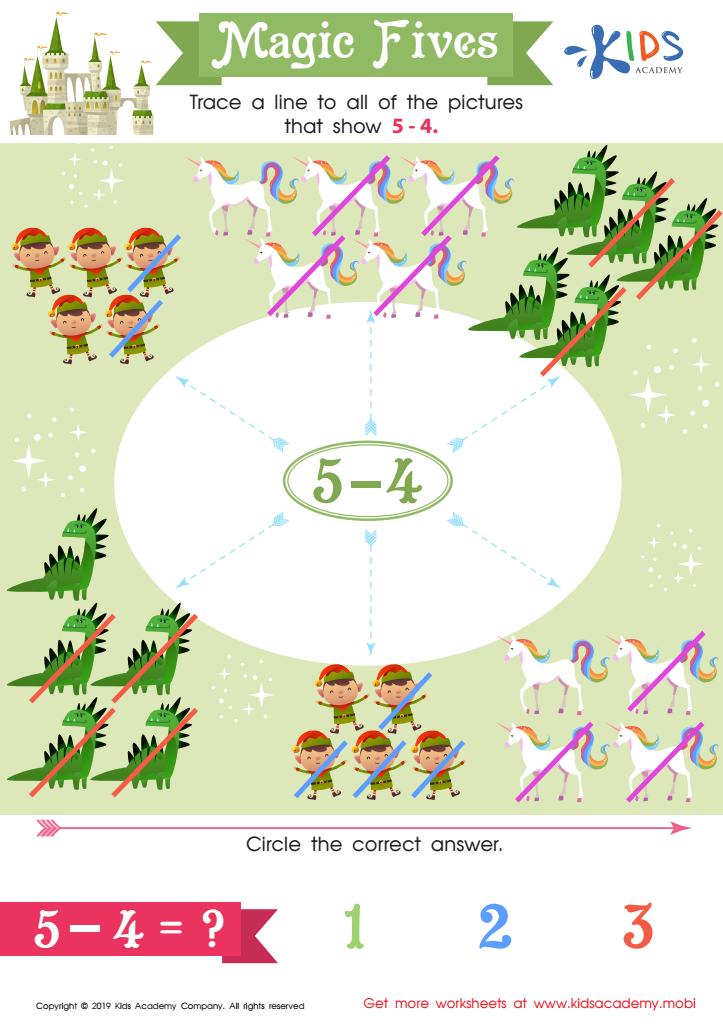
Magic Fives Worksheet
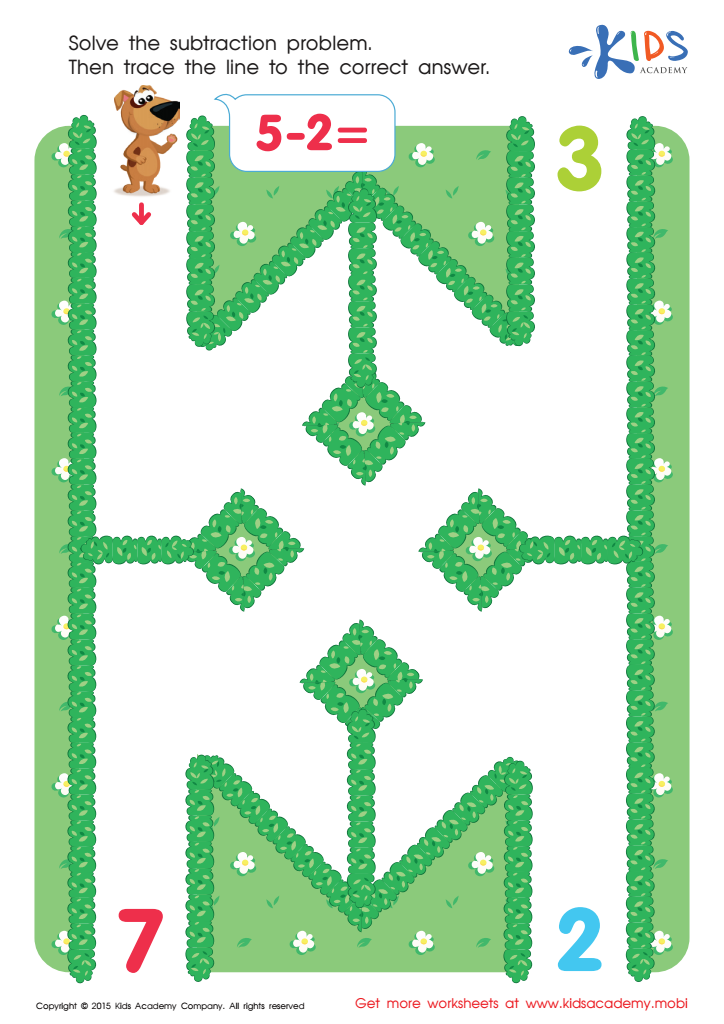
Five Minus Two Worksheet
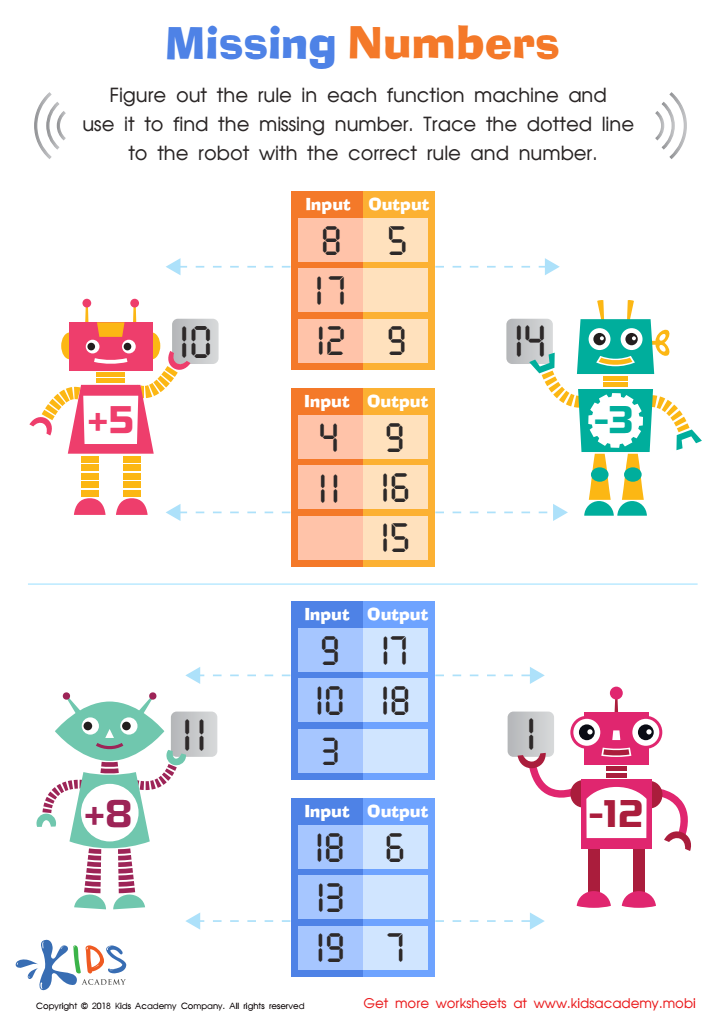
Missing Numbers Worksheet
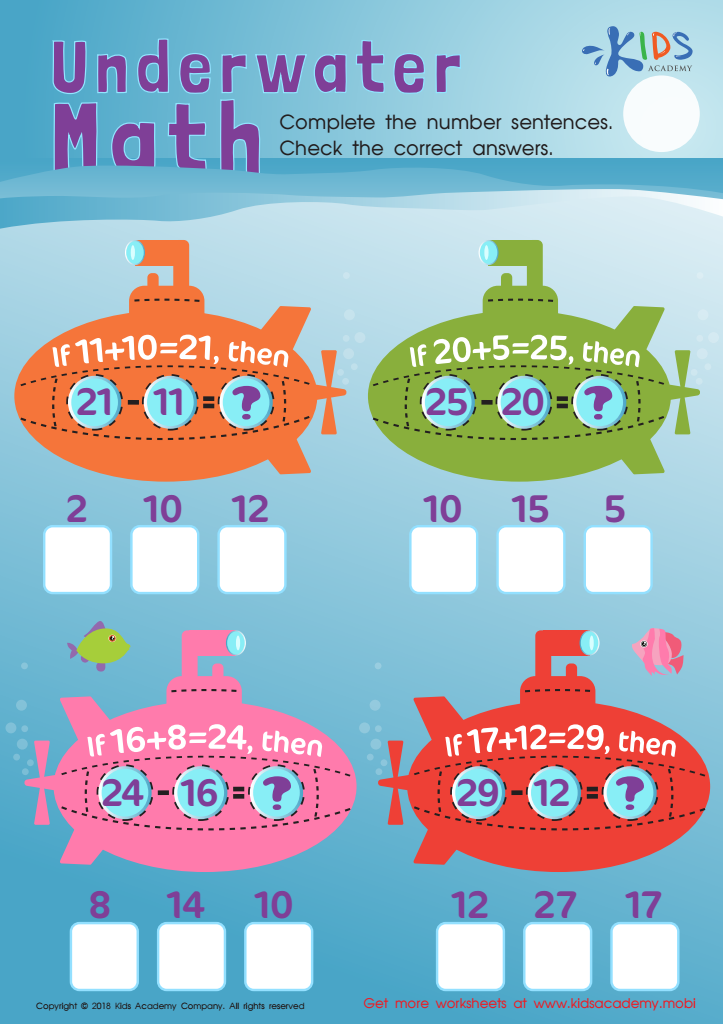
Addition and Subtraction: Underwater Math Worksheet
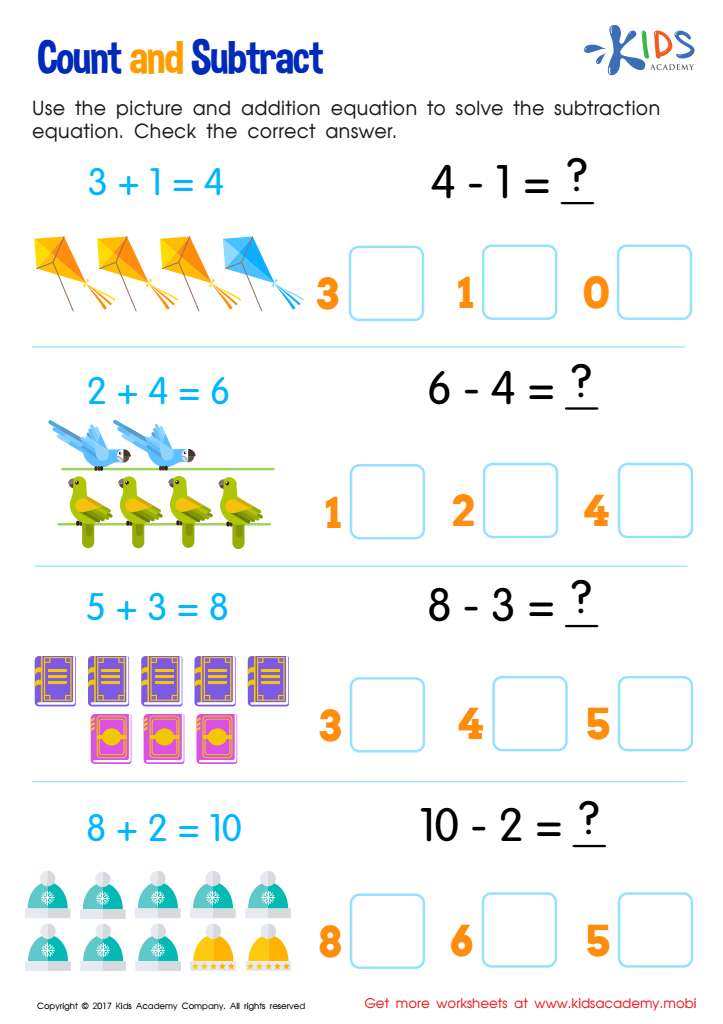
Count and Subtract Worksheet
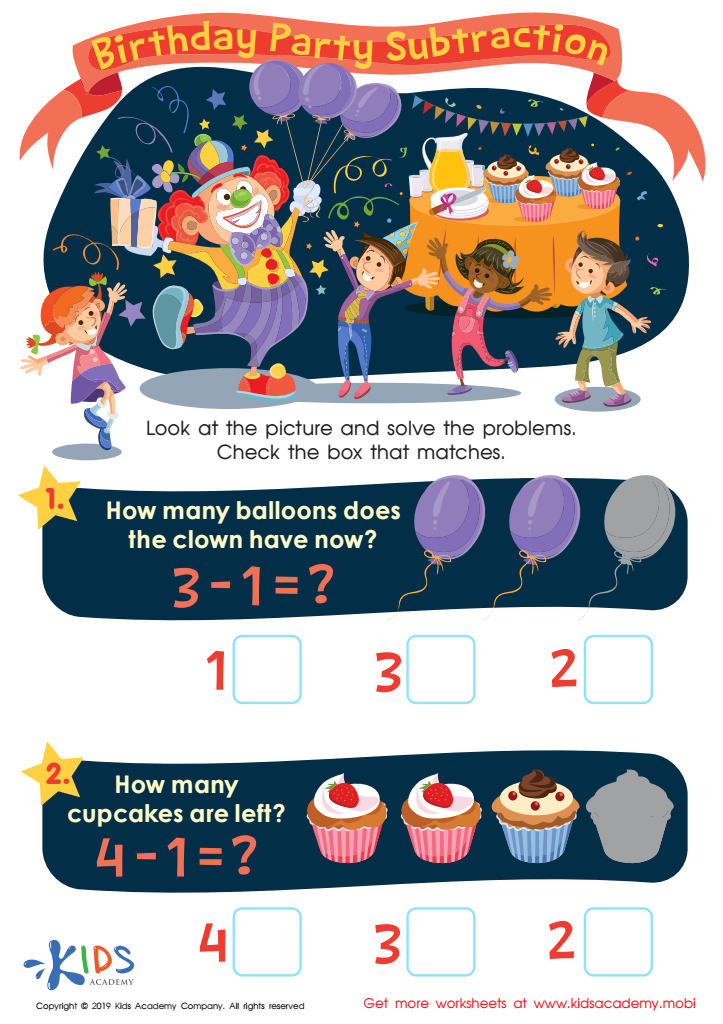
Birthday Party Subtraction Worksheet
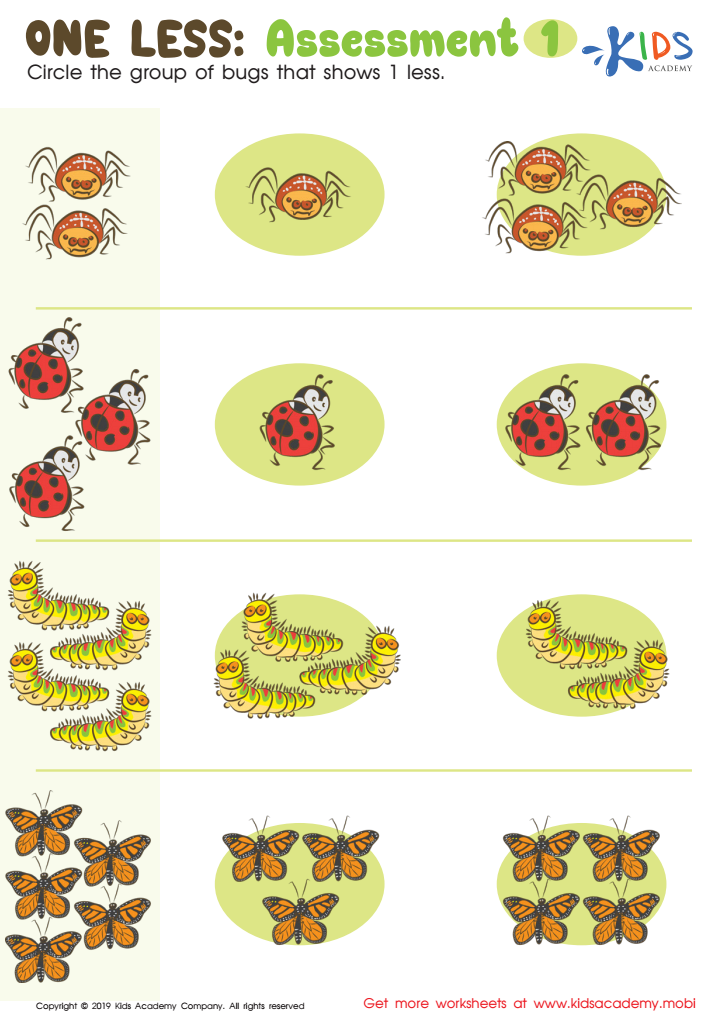
One Less: Assessment 1 Worksheet








Number recognition and subtraction are foundational skills in early mathematics education that significantly impact a child's cognitive development. For children ages 3-9, mastering these concepts lays the groundwork for more complex problem-solving and analytical thinking later on.
Firstly, number recognition enables children to identify and understand the significance of numbers in their everyday lives, fostering confidence as they engage with mathematics. When children can recognize numbers, they can learn to count, compare quantities, and begin manipulative activities that involve numbers, which enhances their cognitive skills.
Secondly, subtraction is a critical mathematical operation that helps children understand the concept of 'taking away' or reducing quantities. This not only aids in mathematical comprehension but also promotes logical reasoning. Solving subtraction problems encourages perseverance and critical thinking, as learners strategize to find solutions.
Ultimately, when parents and teachers invest time in nurturing number recognition and subtraction skills, they empower children to develop a positive relationship with math. This early engagement can promote long-term educational success, equipping them with the tools needed to tackle various academic challenges in the future. Thus, facilitating a solid foundational understanding of these concepts is crucial for their overall development.








