Problem-Solving Skills Word Problems Worksheets for Ages 3-9 - Page 2
44 filtered results
-
From - To
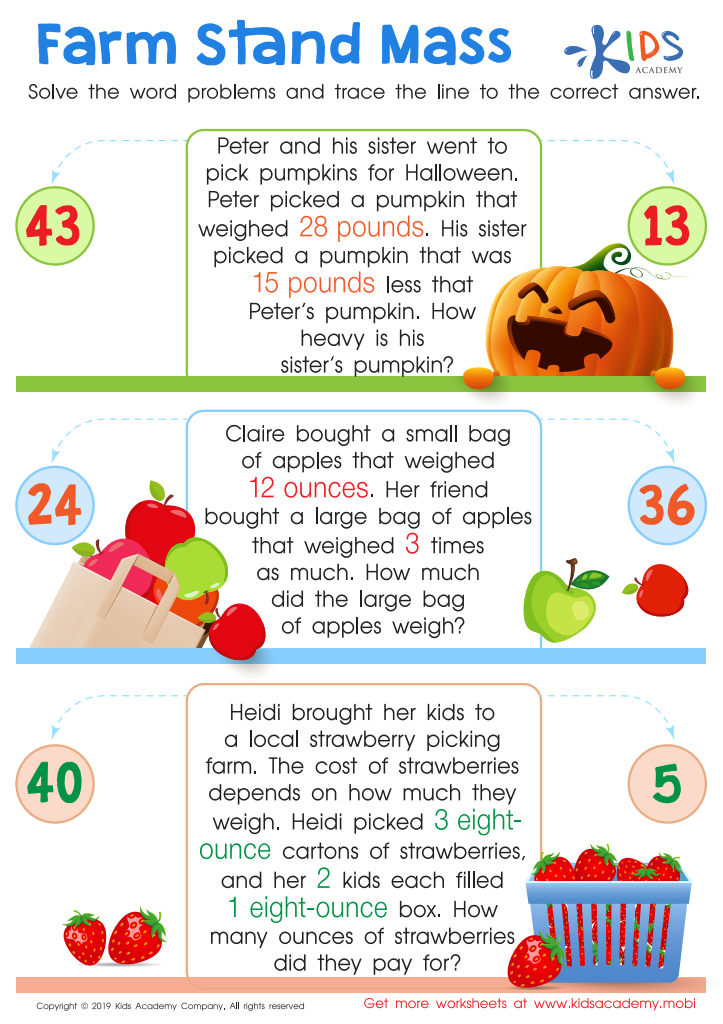
Farm Stand Mass Worksheet
 Assign to My Students
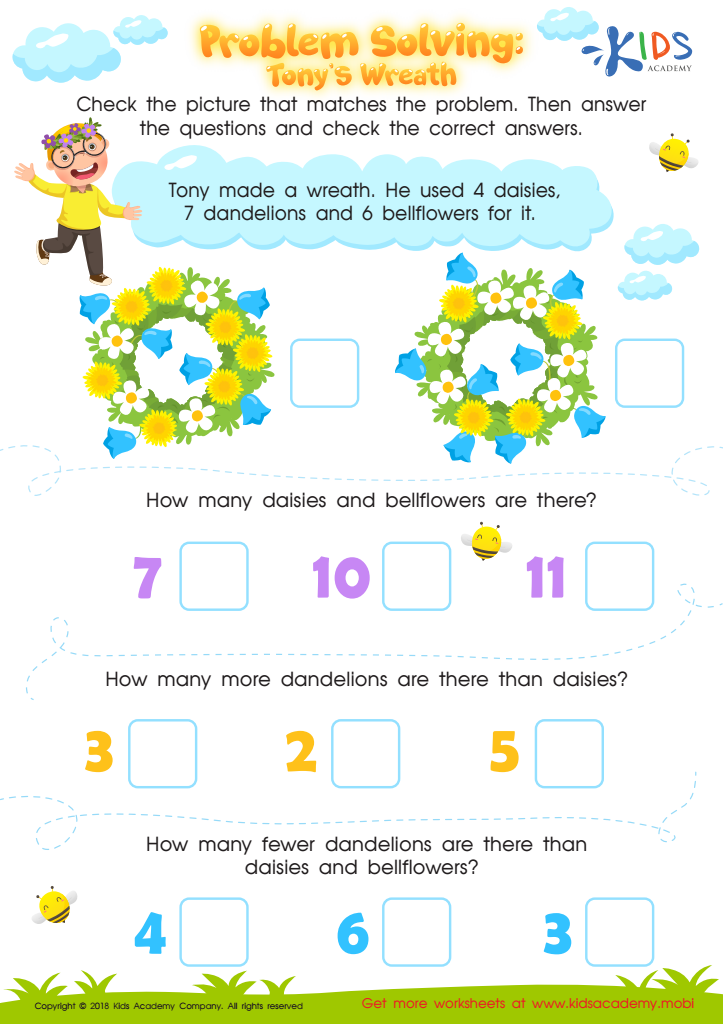
Problem Solving: Tony's Wreath Worksheet
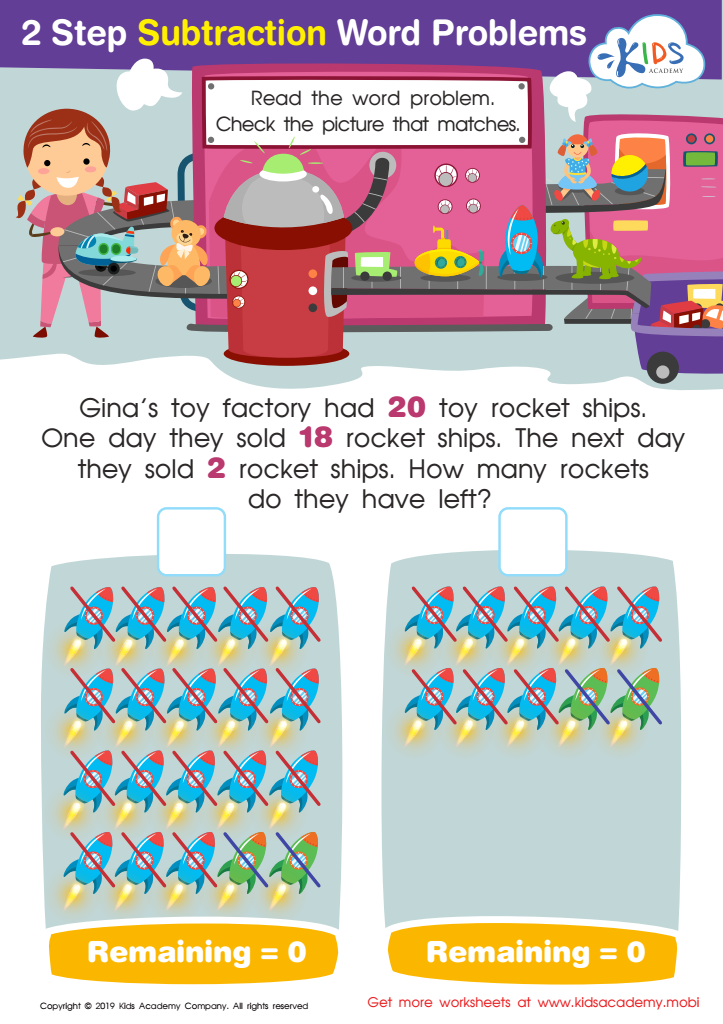
Step Subtraction Word Problems Worksheet
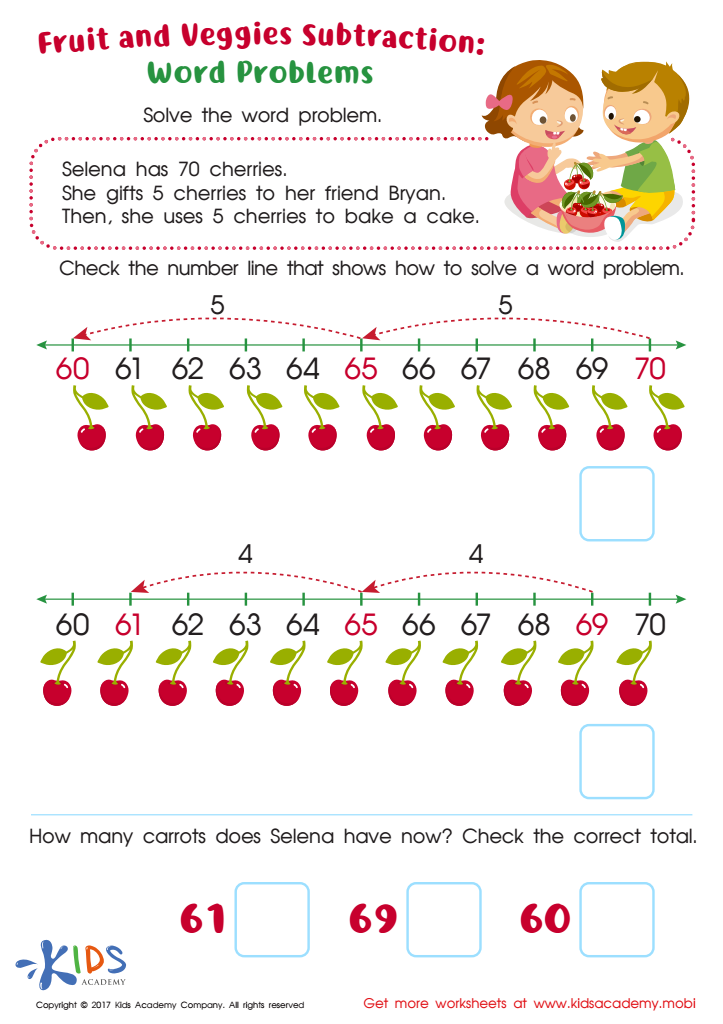
Subtraction Word Problems Free Printable
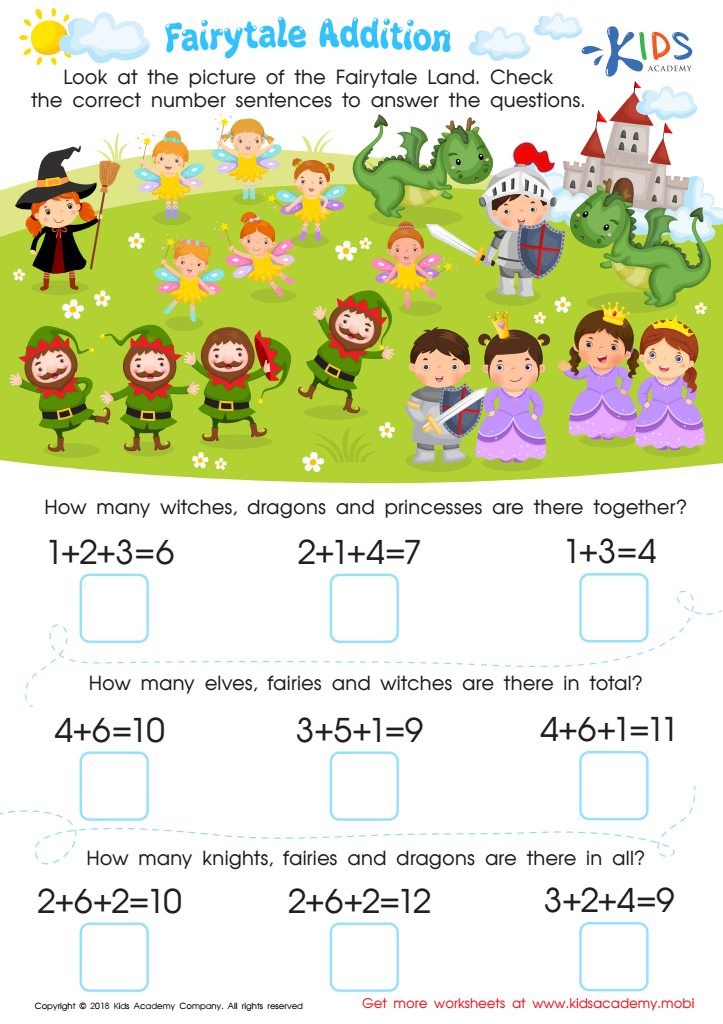
Fairytale Addition Worksheet
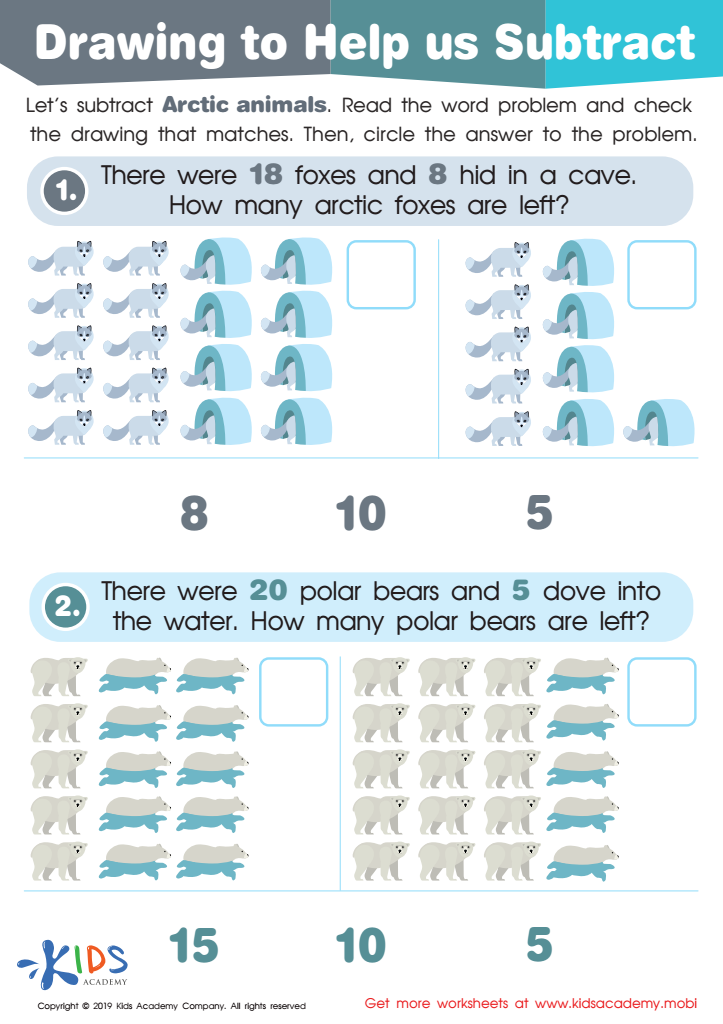
Drawing to Help Us Subtract Worksheet
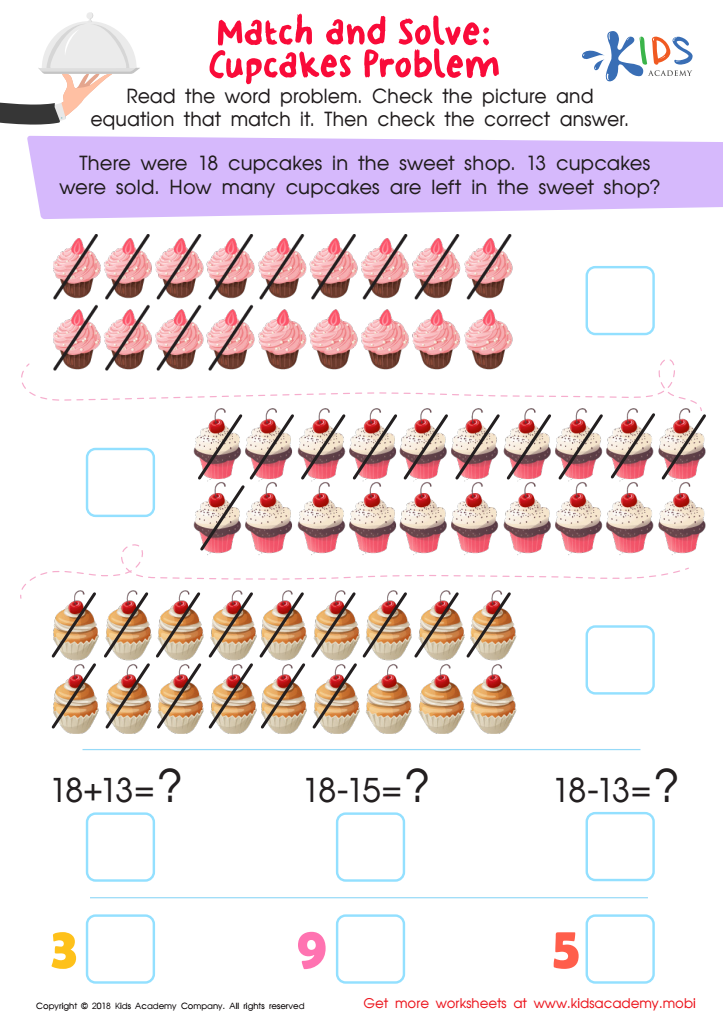
Match and Solve: Cupcakes Problem Worksheet
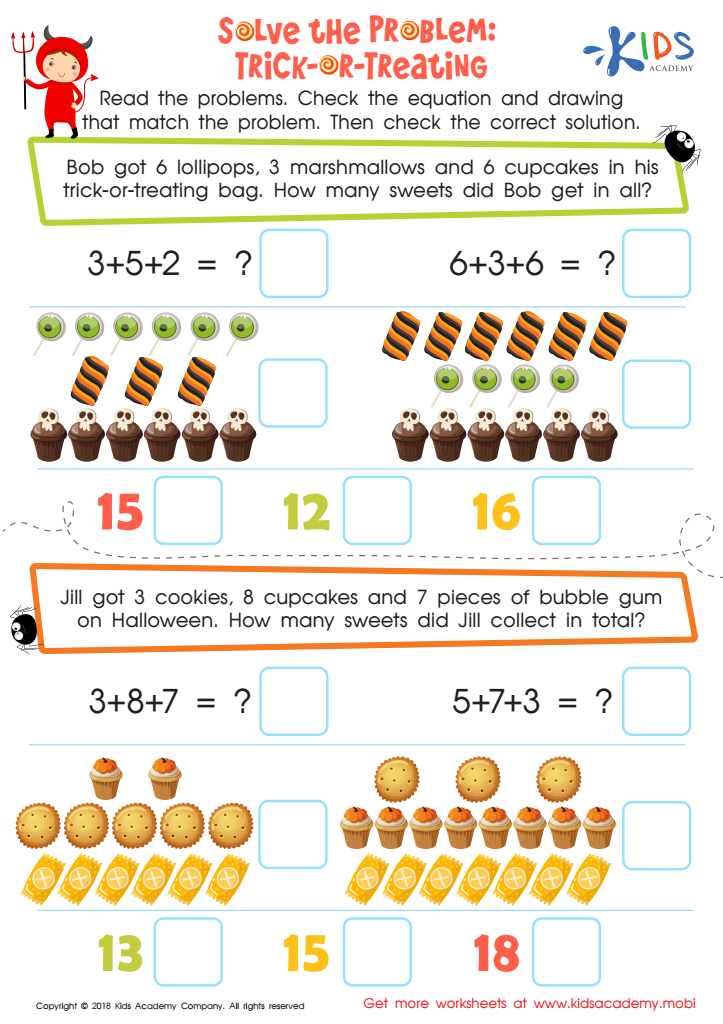
Solve the Problem: Trick–or–treating Worksheet
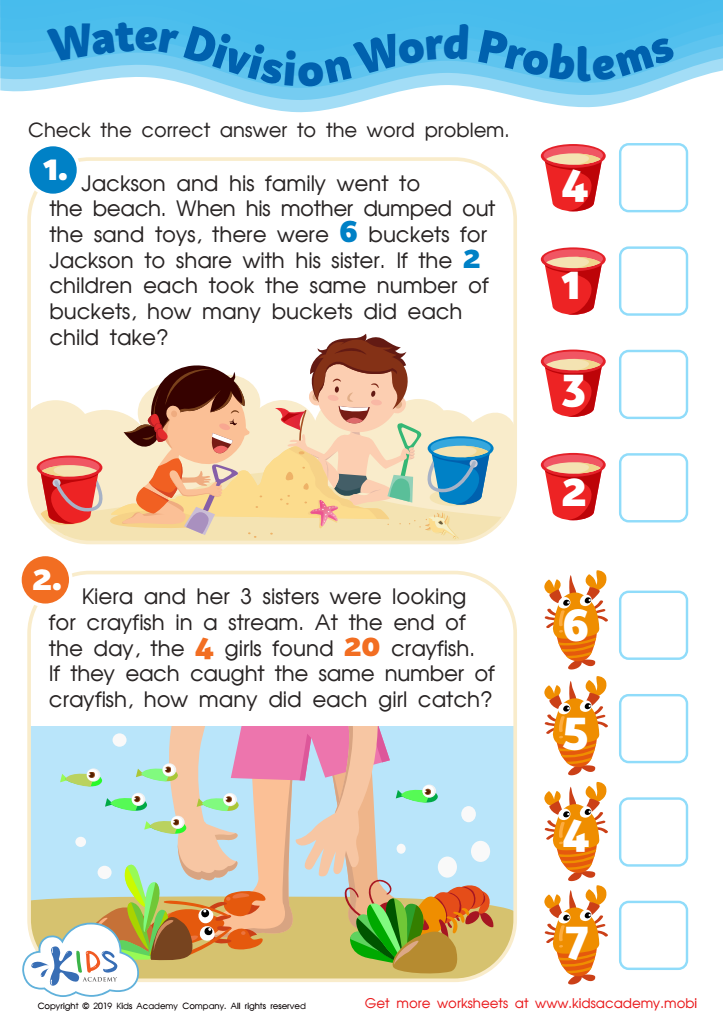
Water Division Word Problems Worksheet
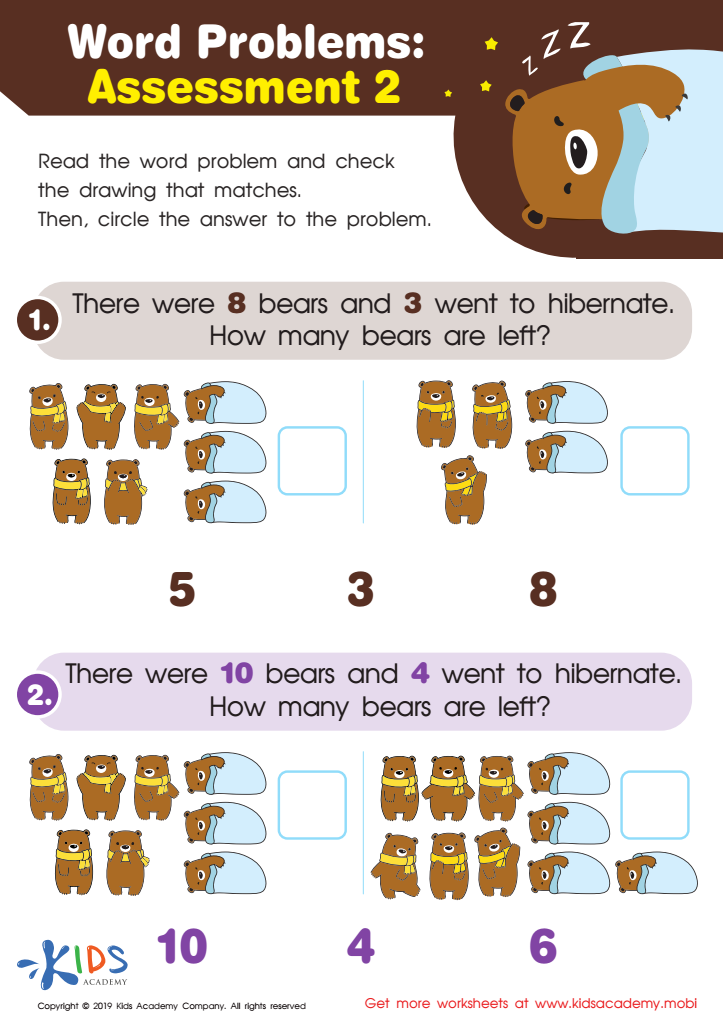
Word Problems: Assessment 2 Worksheet
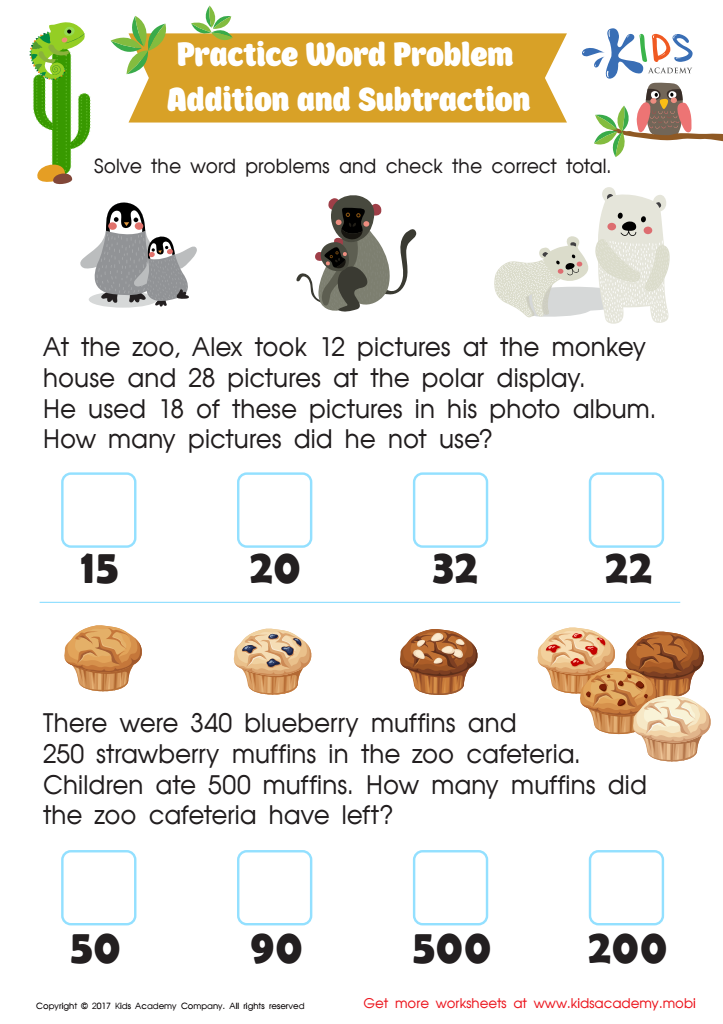
Addition and Subtraction: Word Problems Worksheet
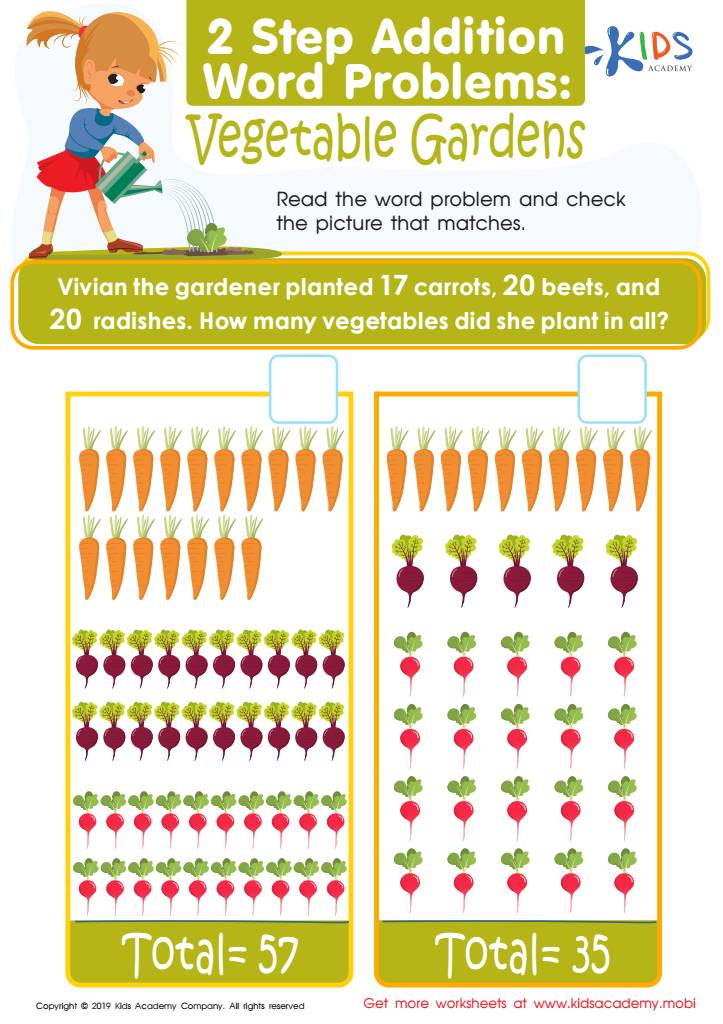
Vegetable Gardens Worksheet
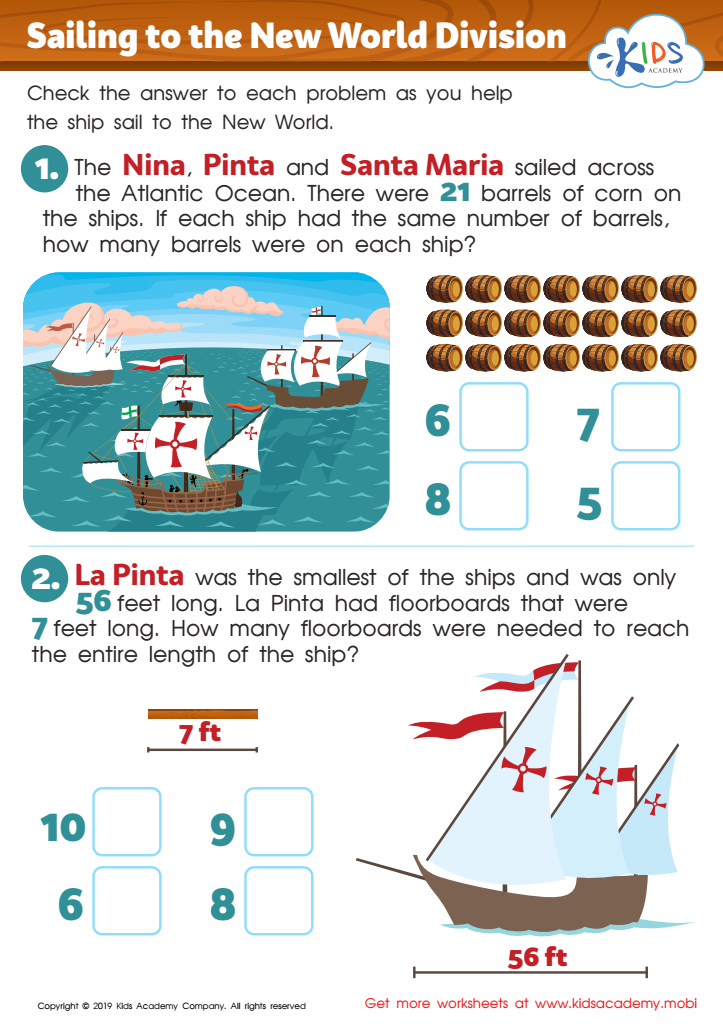
Sailing to the New World Division Worksheet
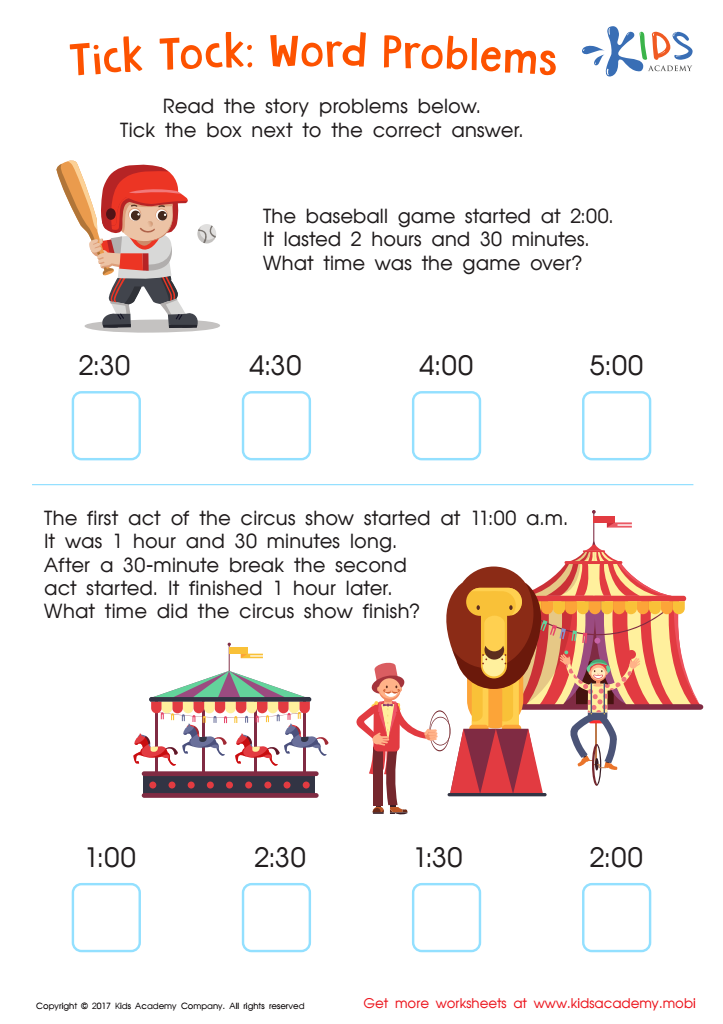
Tick Tock Word Problems Time Worksheet
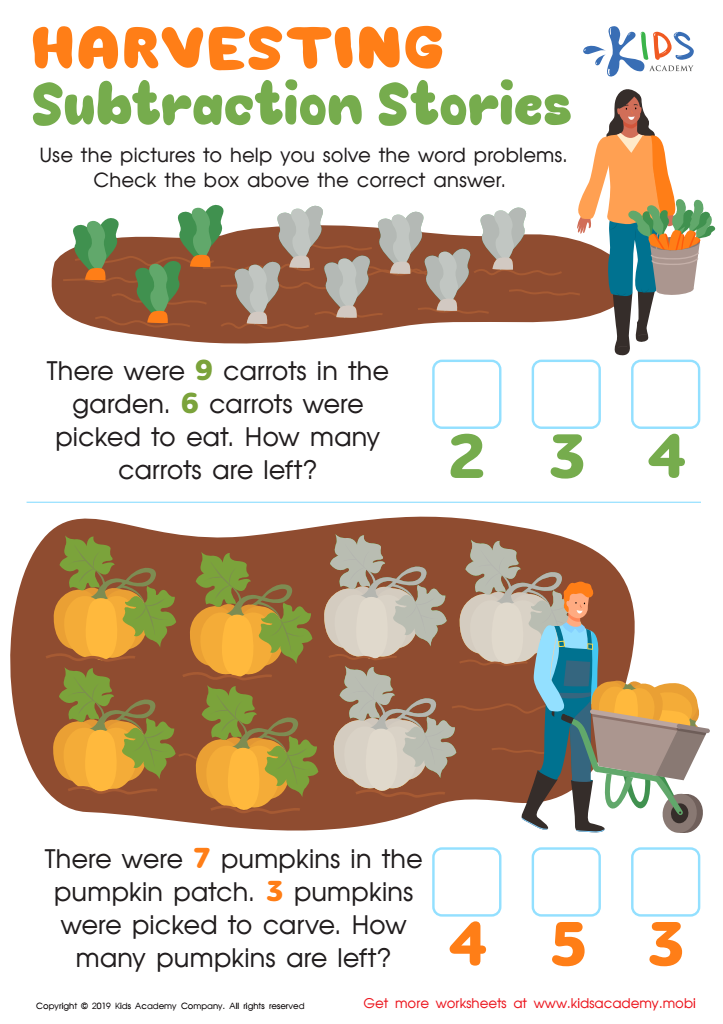
Harvesting Subtraction Stories Worksheet
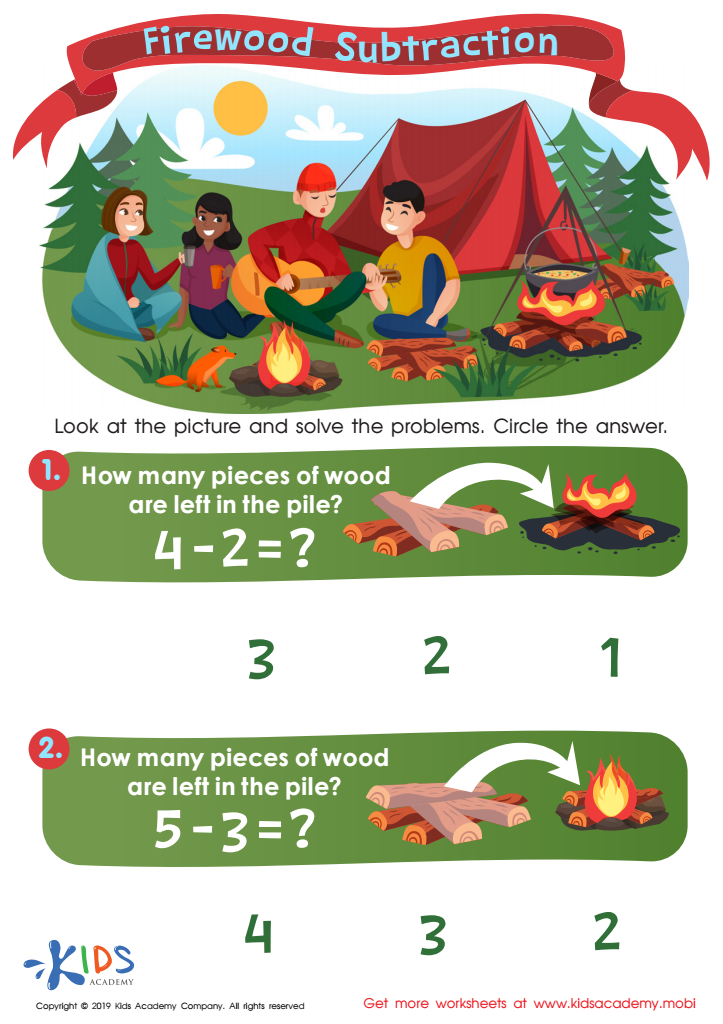
Firewood Subtraction Worksheet
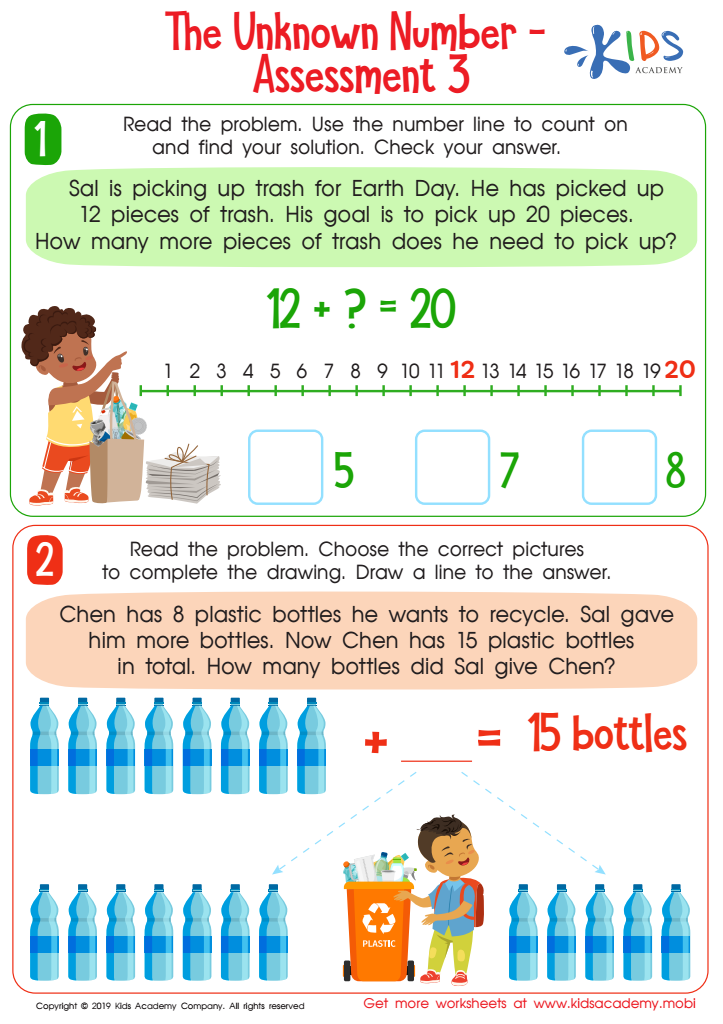
The Unknown Number - Assessment 3 Worksheet
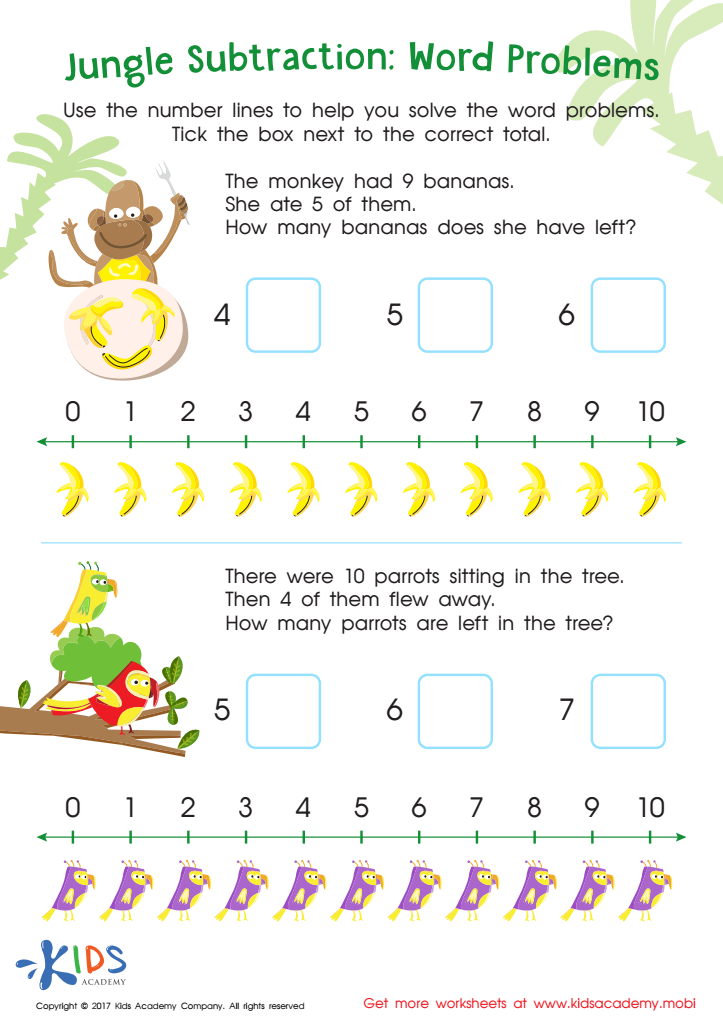
Jungle Subtraction Word Problems Substraction Worksheet
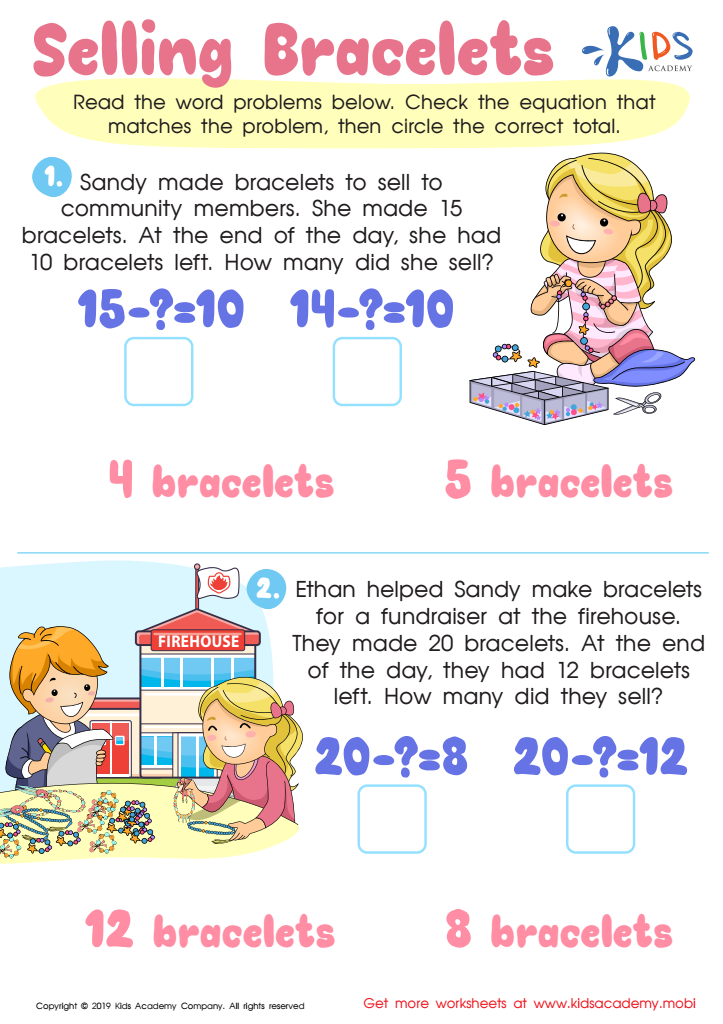
Selling the Bracelets Worksheet
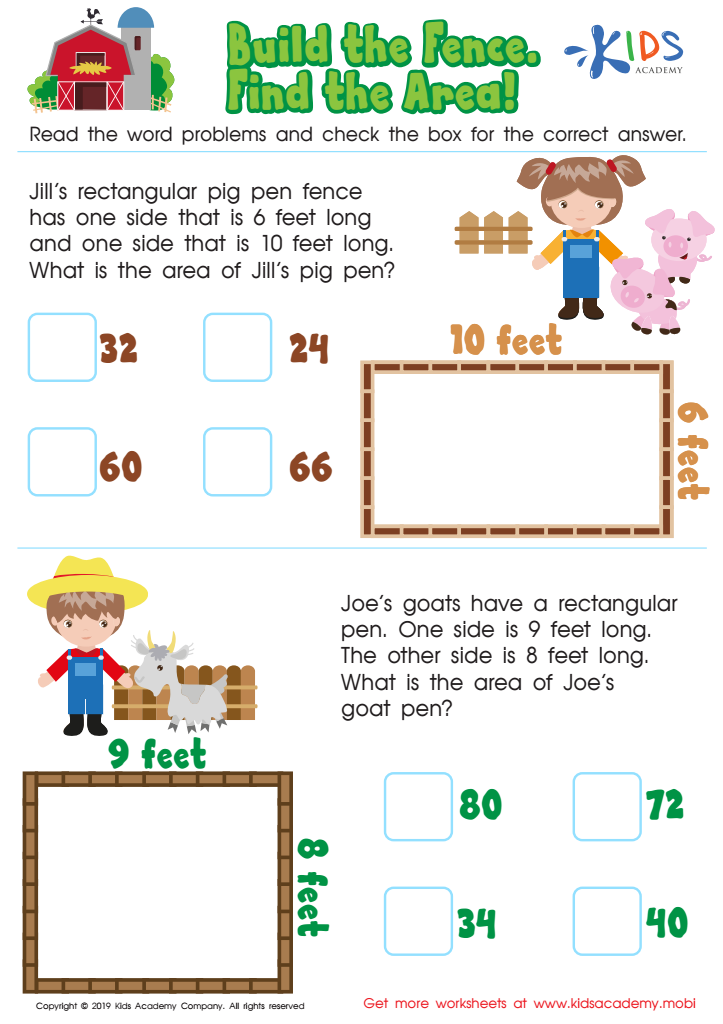
Build the Fence, Find the Area Worksheet




.jpg)



Problem-solving skills are essential for children's cognitive development and crucial for success in both academics and everyday life. For ages 3-9, word problems are a dynamic way to cultivate these skills. By engaging with word problems, children learn to comprehend and analyze scenarios, enhancing their reading and comprehension abilities. This early exposure to critical thinking helps children develop strategies to approach and solve problems systematically.
Parents and teachers should prioritize word problems because they enable children to apply mathematical concepts in real-world contexts, making math more relatable and less abstract. This fosters a deeper understanding and retention of mathematical principles. Problem-solving exercises also encourage resilience, as children learn to tackle challenges without giving up easily.
Moreover, these skills transcend math and are transferable to other areas of learning and life. For instance, a child who can dissect a word problem to find a solution is more likely to excel in subjects like science and reading comprehension. They become more confident learners, better equipped to handle projects, group work, and complex tasks.
In summary, by nurturing problem-solving skills through word problems, parents and teachers are equipping children with essential tools that contribute to their overall intellectual and emotional growth, setting a strong foundation for future learning and everyday challenges.








