Animal recognition Reading Worksheets for Ages 3-9
5 filtered results
-
From - To
Welcome to our Animal Recognition Reading Worksheets, specially designed for children aged 3-9! These engaging printables help young learners identify and name various animals while enhancing their reading skills. Each worksheet incorporates vibrant illustrations that capture children's attention and foster a love for learning. Activities range from matching animals to their names, sorting pictures, and more, making them perfect for home or classroom use. With a focus on building literacy foundations and understanding the animal kingdom, our worksheets are a fun way to learn essential reading skills. Dive into our collection and spark your child’s curiosity about animals today!
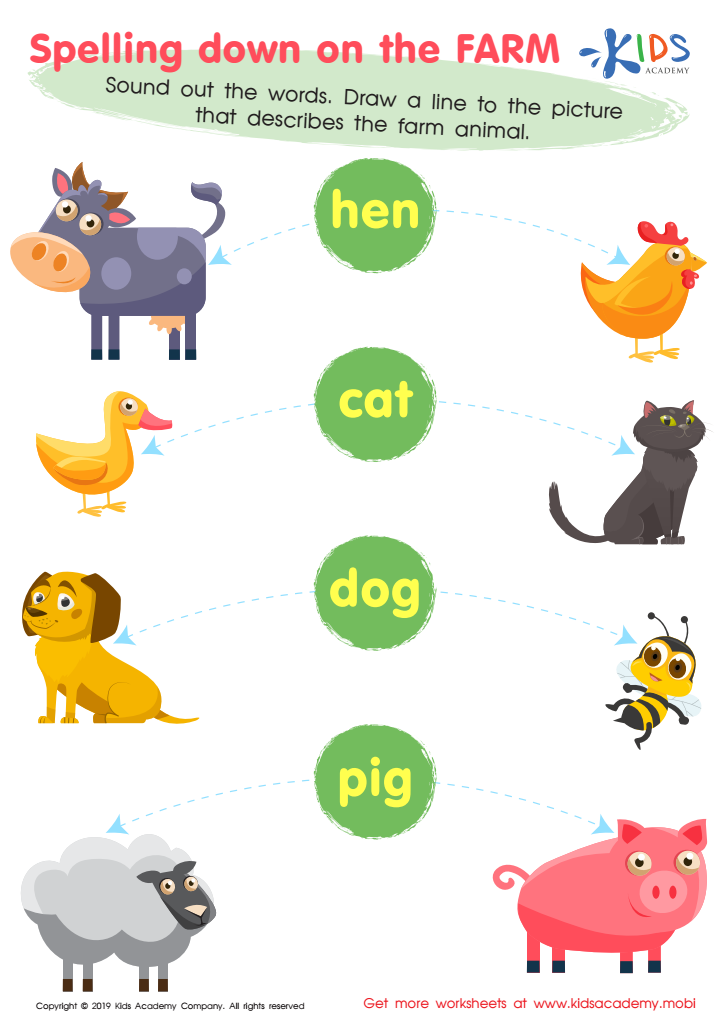
Spelling Down on the Farm Worksheet
 Assign to My Students
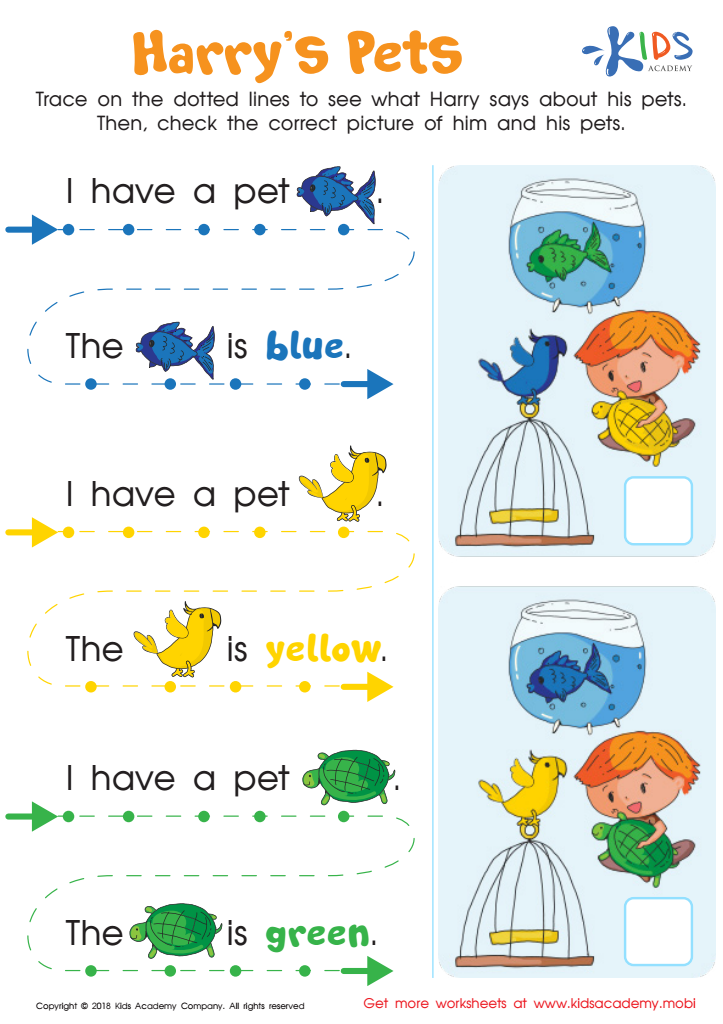
Read from Left to Right: Harry's Pets Worksheet
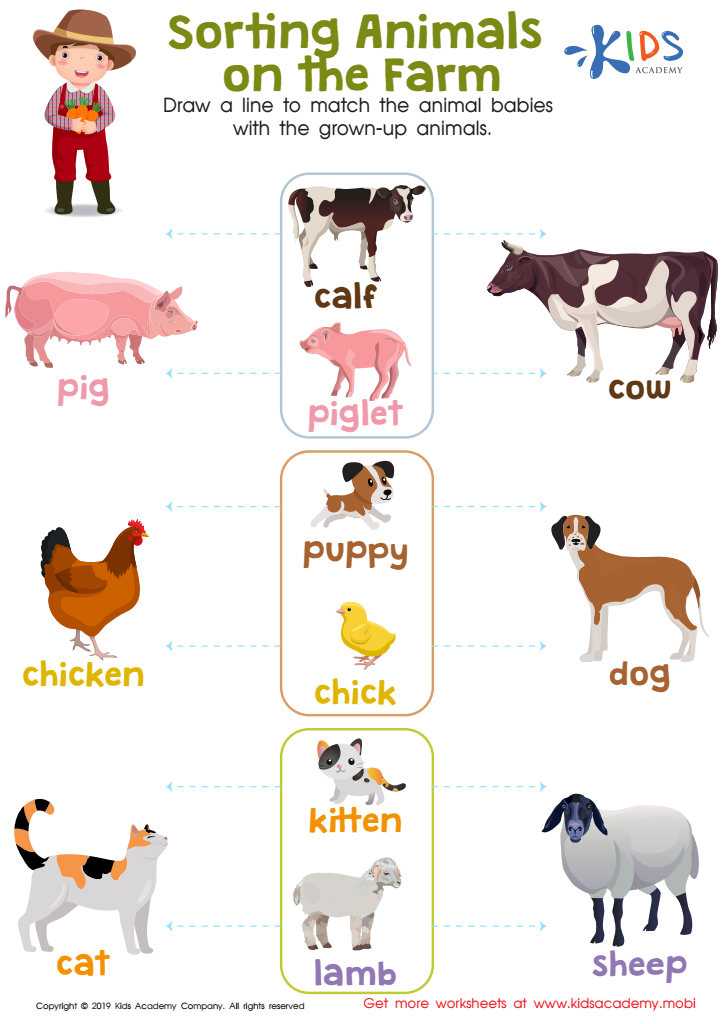
Sorting Animals on the Farm Worksheet
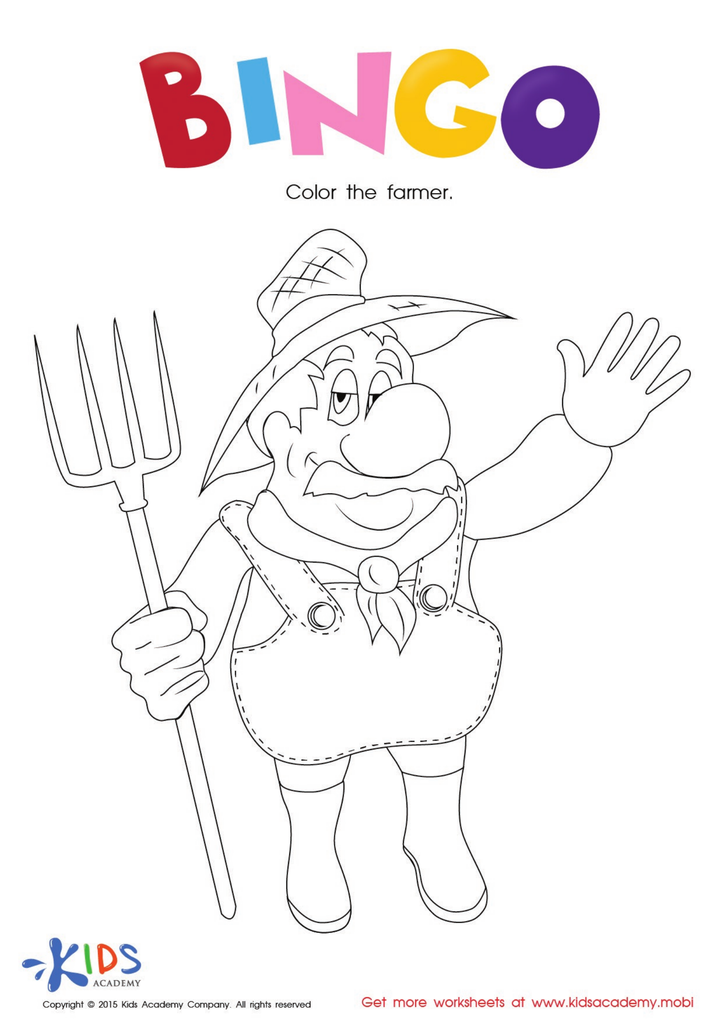
The Bingo Song: Coloring The Farmer Worksheet
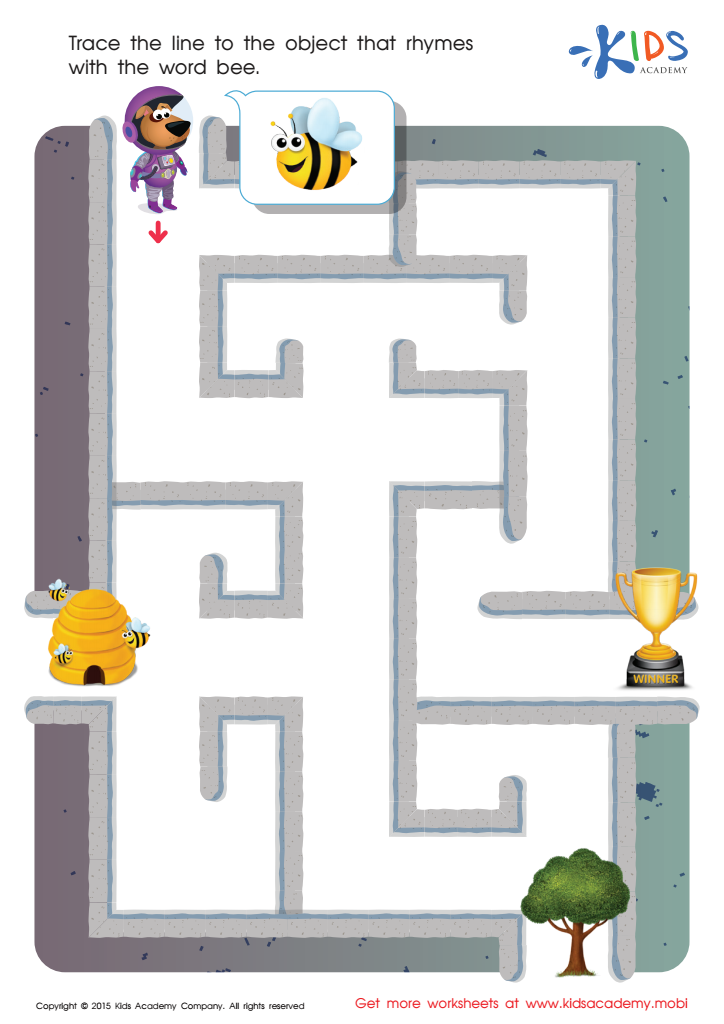
Bee Rhyming Words Worksheet








Animal recognition reading is crucial for children aged 3-9 as it enhances their literacy skills while fostering a connection with the natural world. At this developmental stage, engaging with animal-themed books can significantly enrich vocabulary and comprehension. Learning to identify animals through stories and illustrations captures children’s imaginations, making reading enjoyable and interactive.
Parents and teachers should care about this type of reading because it lays the foundation for critical thinking and encourages curiosity. As children encounter different animals, they begin to ask questions, explore diverse habitats, and learn about ecosystems, promoting scientific inquiry at an early age.
Furthermore, animal recognition serves as a valuable tool for emotional and social development. Discussing animals' characteristics and behaviors can help children understand empathy and compassion for living beings. Picture books allow them to identify and articulate their feelings about animals, making connections to their own experiences.
Finally, shared reading time can facilitate bonding moments between parents, teachers, and children, creating a supportive environment for learning. In summary, promoting animal recognition reading not only aids literacy development but also nurtures empathy, critical thinking, and a love for nature in young learners.








