Filters

10 filtered results

Clear all filters
Favorites
With answer key
Interactive

10 filtered results

Difficulty Level

Grade


Enhancing Reading Comprehension Reading Worksheets for Ages 3-9 on Kids Academy offer tailored resources designed to boost young learners’ understanding and retention of what they read. These engaging worksheets cater to developing minds with fun and interactive exercises that focus on critical thinking, sequencing, main ideas, and details. Each worksheet aligns with educational standards and is crafted by experts to support children’s literacy and cognitive growth. Perfect for parents and educators, these tools help children from preschool to early elementary grades build a strong foundation in reading comprehension, ensuring they grasp and enjoy the material they read. Give your child an advantage with these innovative learning resources.

Check out this FREE Trial Lesson on Reading for age 3-9!

Answer Questions About Unknown Words in a Story

Favorites
With answer key
Interactive
  • 3-9
  • Enhancing Reading Comprehension
  • Reading
Changes to the Amazon Worksheet

Changes to the Amazon Worksheet

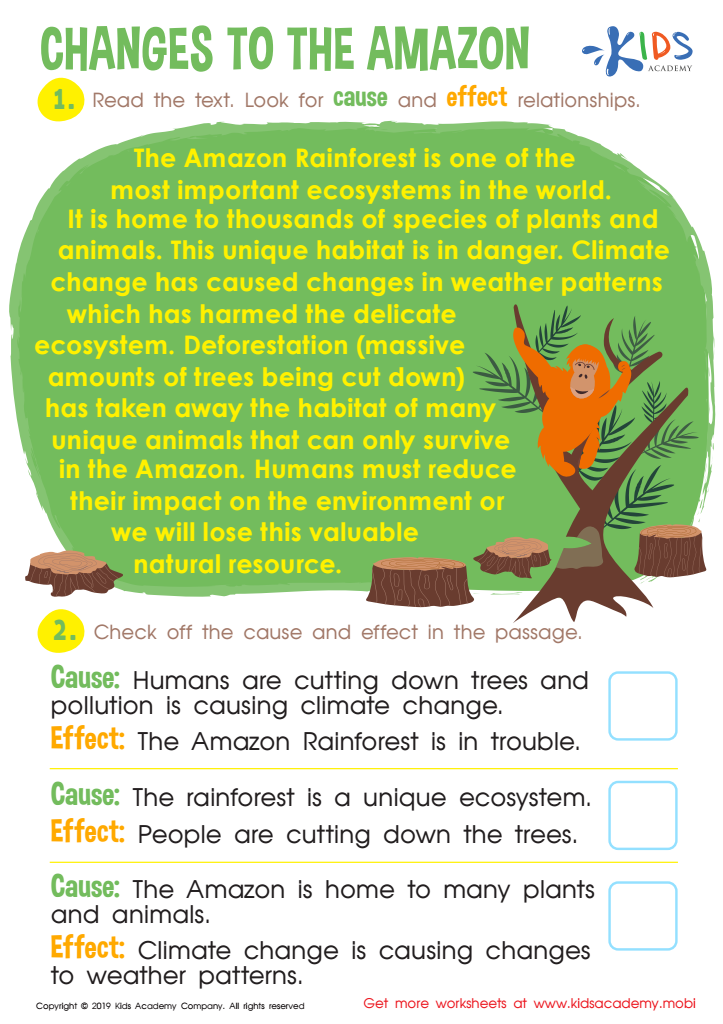
If your kids are interested in protecting the planet, they should know about the Amazon. Use this worksheet to teach them about it. Read it with them and help them find the cause and effect relationships, then check them off. It explains the situation in the Amazon, why it's happening and the results.
Changes to the Amazon Worksheet
Worksheet
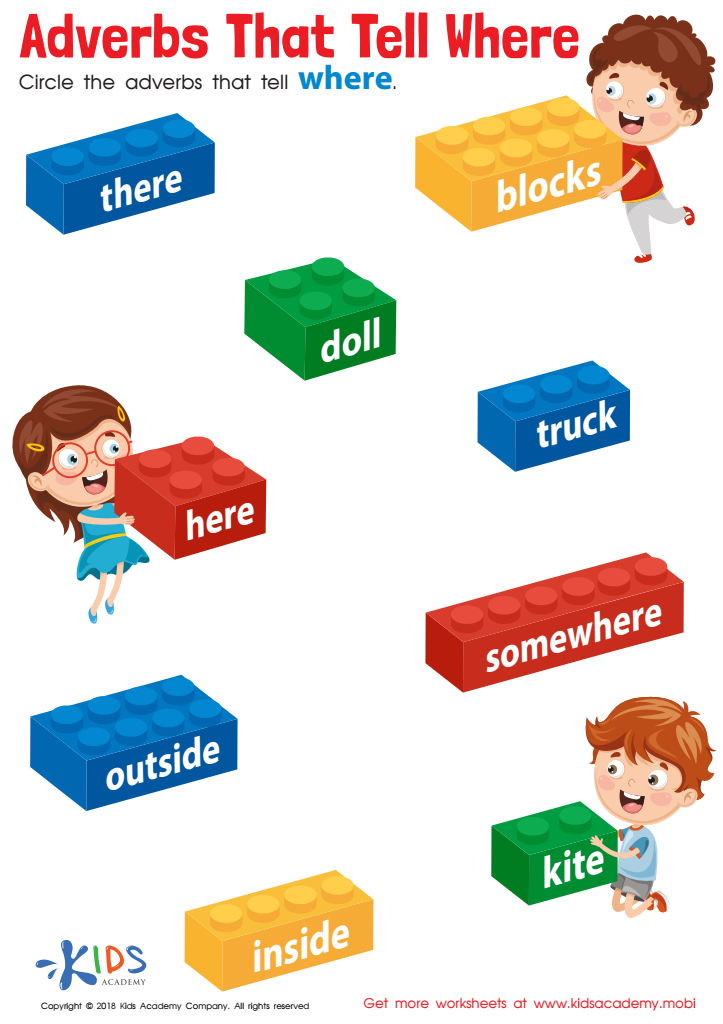
Adverbs That Tell Where Worksheet

Adverbs That Tell Where Worksheet

Help your kids identify adverbs with a fun worksheet. Read the words aloud and ask them to circle the adverbs showing 'where.' Give them easy examples, like 'the girl stood over there.' See if they can create their own examples. This activity makes learning adverbs fun!
Adverbs That Tell Where Worksheet
Worksheet
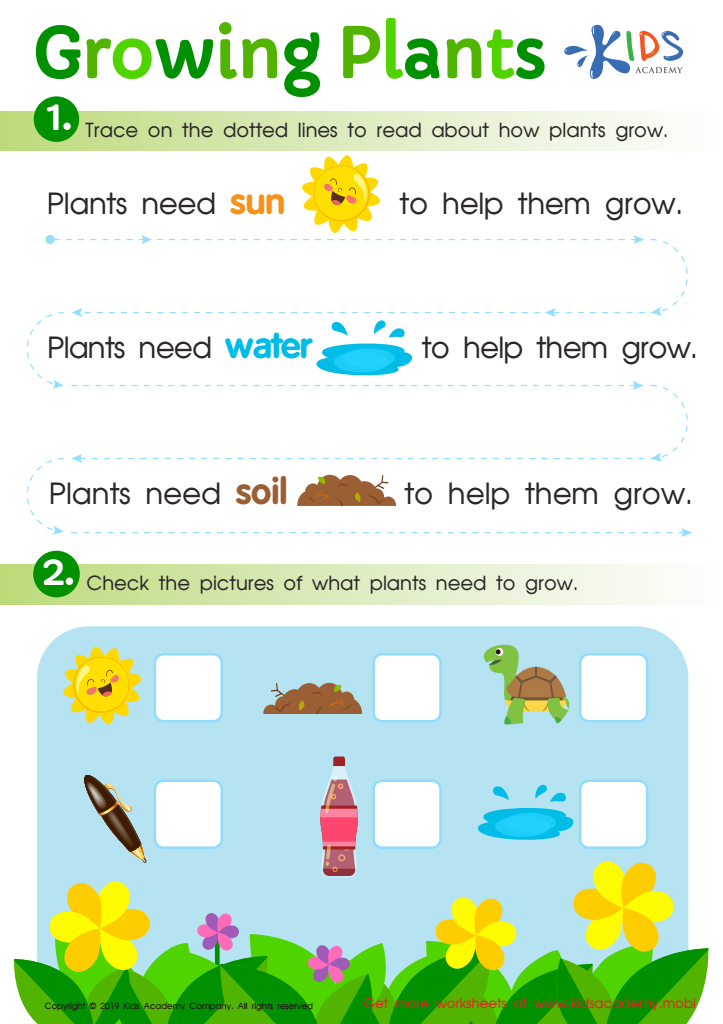
Growing Plants Worksheet

Growing Plants Worksheet

Young gardeners and scientists can learn about what helps plants grow with this fun PDF worksheet. Kids will trace lines to practice left-to-right patterning and use pictures from the rebus story to guide them. Learn that plants need sunshine, water and soil, then check off pictures of what each plant needs. It's an engaging and educational way to help their plants become big and strong.
Growing Plants Worksheet
Worksheet
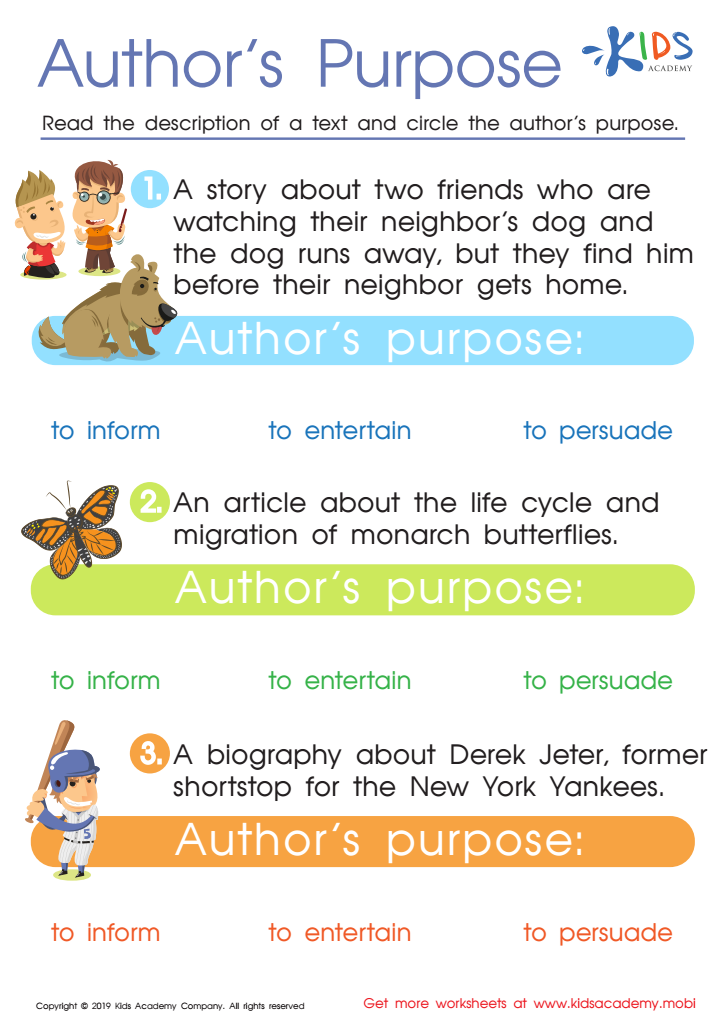
Author's Purpose Worksheet

Author's Purpose Worksheet

Help your kids figure out the author's purpose when they read something. In this worksheet, there are three descriptions; they must identify the author's purpose and circle it from the options provided. Doing this will help them to get correct information from what they read.
Author's Purpose Worksheet
Worksheet
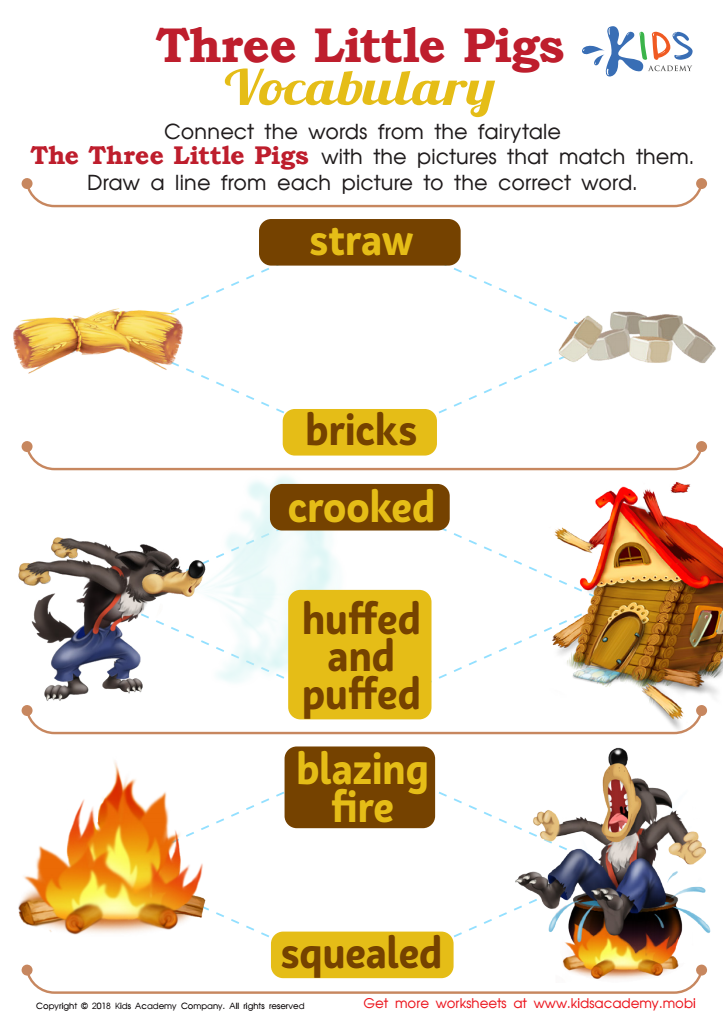
Three Little Pigs Vocabulary Worksheet

Three Little Pigs Vocabulary Worksheet

Read the Three Little Pigs to your children. Have them use the tracing sheet to connect the story words with the pictures. This is a fun and educational way to help them build their vocabulary.
Three Little Pigs Vocabulary Worksheet
Worksheet
Suffixes –ful and –less Worksheet

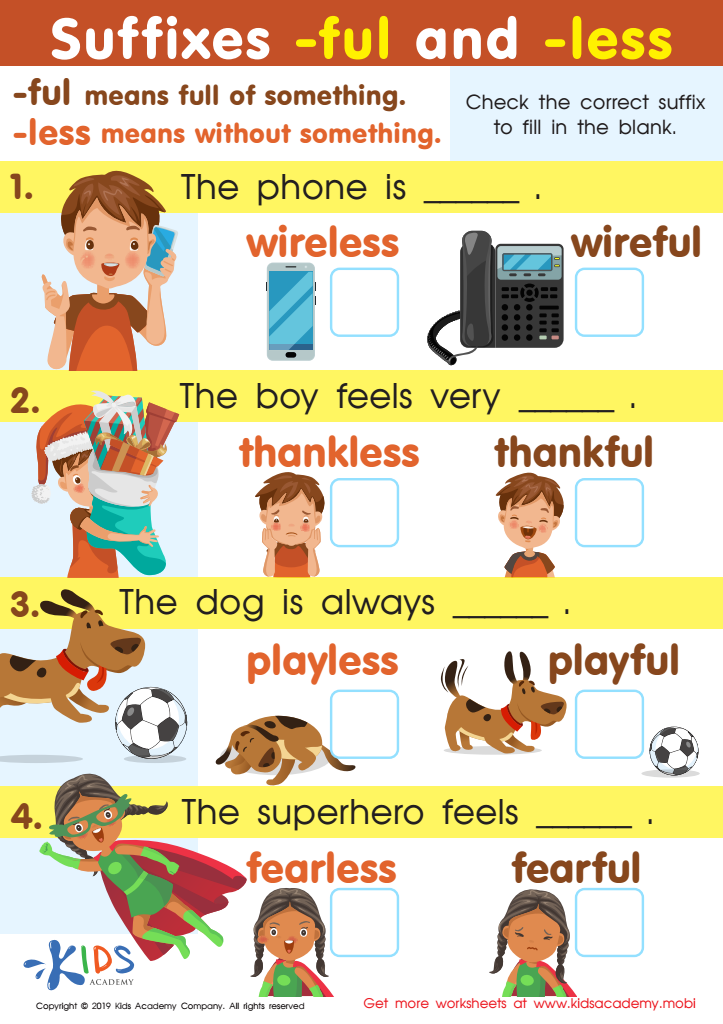
Suffixes –ful and –less Worksheet

Before you start this worksheet, make sure your kids know about suffixes. Explain that they're added to the end of words to change their meaning. In the worksheet, kids will learn about the suffixes –ful and –less. Look at the sentences in the picture with them, and help them to choose the right one for each blank.
Suffixes –ful and –less Worksheet
Worksheet
Preposition Pencils Worksheet

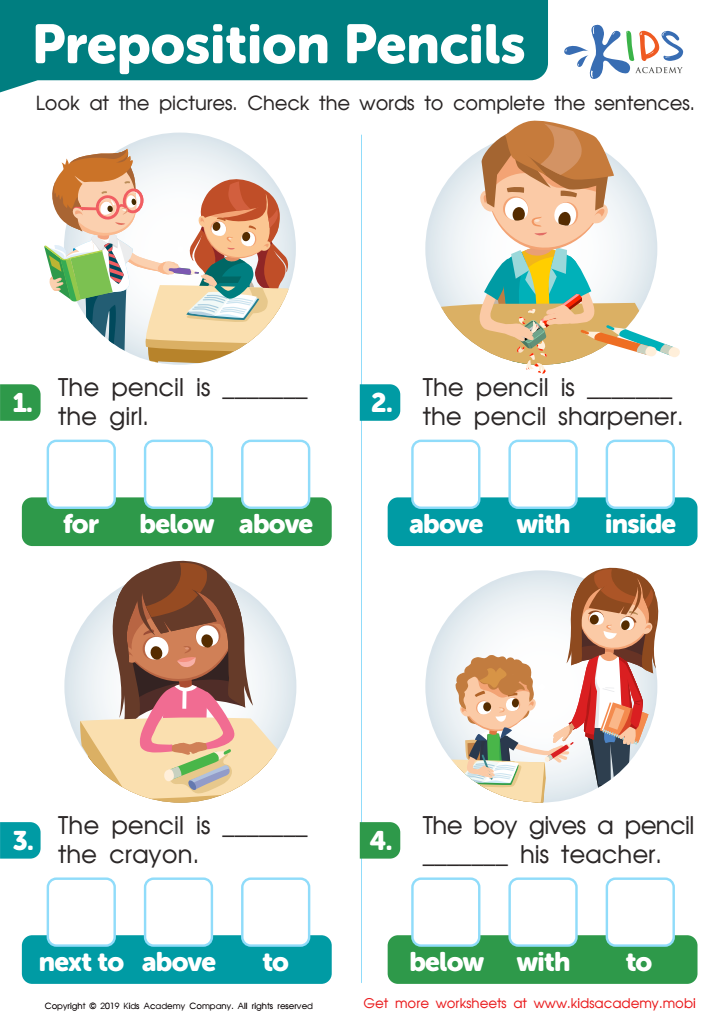
Preposition Pencils Worksheet

Constructing sentences follows rules. Parts of speech like nouns, verbs, adverbs, pronouns, and prepositions help. This worksheet focuses on prepositions. Explain prepositions to your child, then examine the pictures together and help them complete the sentences.
Preposition Pencils Worksheet
Worksheet
Story Structure Worksheet

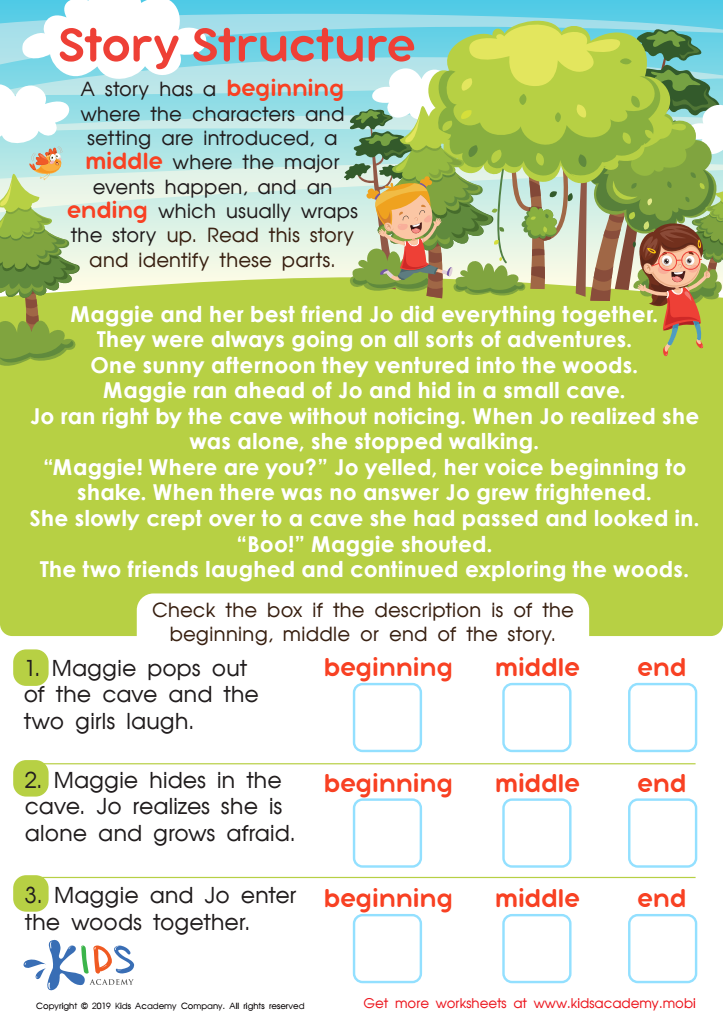
Story Structure Worksheet

Help your students read and identify the parts of the story in this worksheet: the beginning (characters and setting), middle (major events), and ending (events are resolved). Show them how to structure a story for clarity.
Story Structure Worksheet
Worksheet
Captions Worksheet
Captions Worksheet

Captions Worksheet

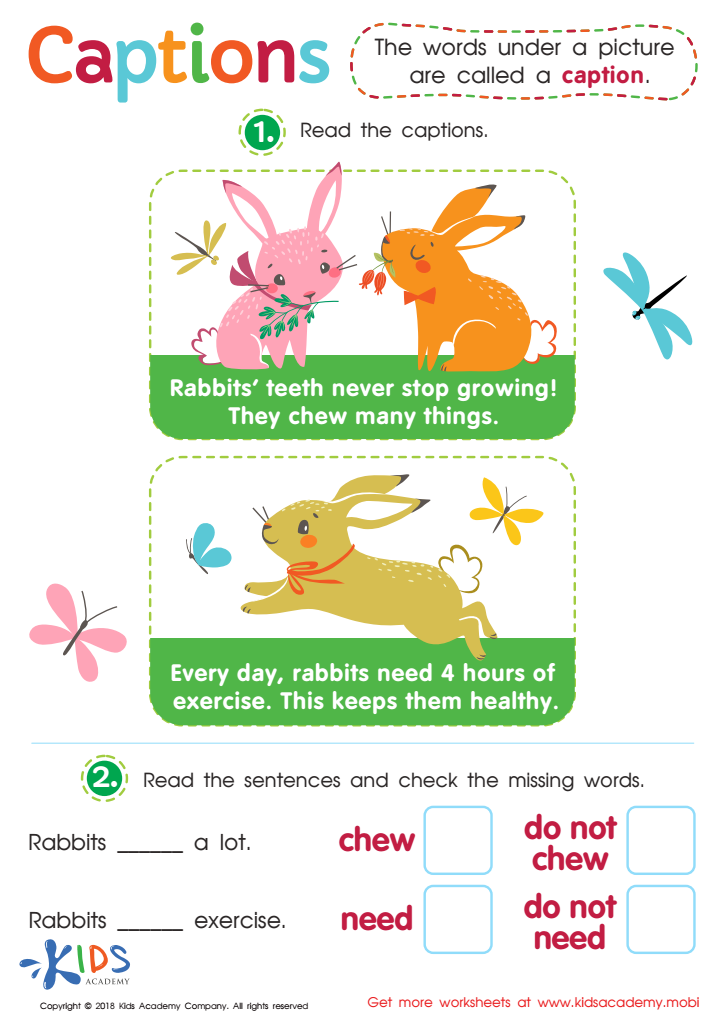
Pictures are key elements of informational texts. Sometimes, captions are added to describe them. Help your child improve their reading habits and comprehension by teaching them about captions. This worksheet introduces the concept, then asks questions to assess your child's understanding.
Captions Worksheet
Worksheet
Nonfiction Features Worksheet


Nonfiction Features Worksheet

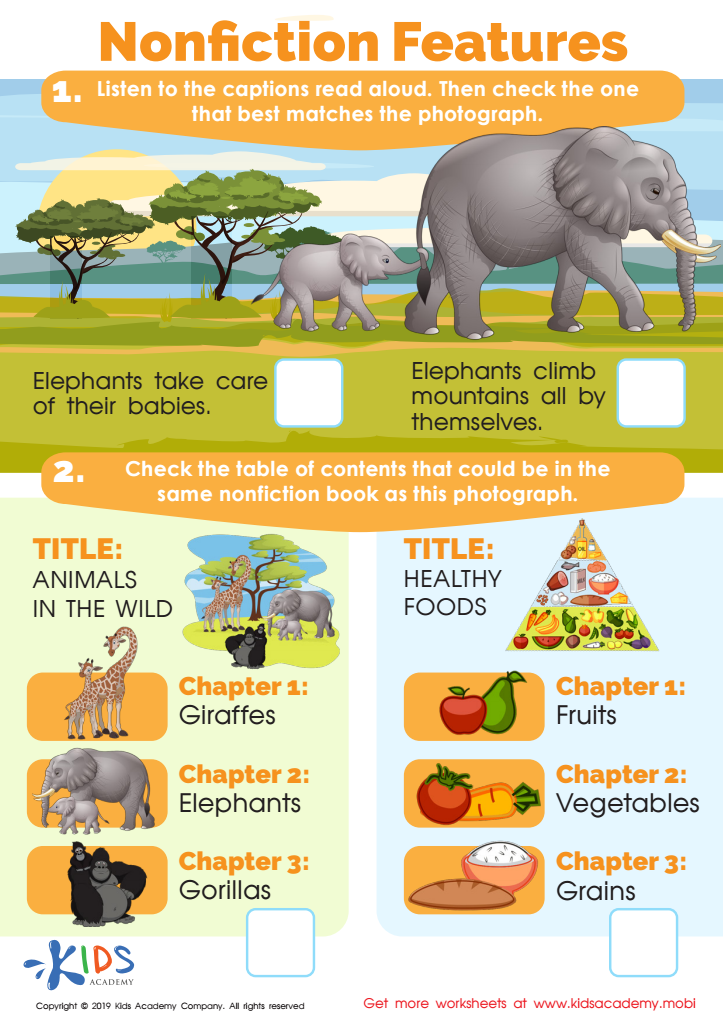
Fiction writing is made up of characters and events created by the author. Ask your students to match the captions to the picture. Help your preschoolers explore the contents of a non-fiction book that may have the same photo.
Nonfiction Features Worksheet
Worksheet


Enhancing reading comprehension for children ages 3-9 is critically important for several key reasons. During these early years, children are in their prime learning phase, a period often referred to as the "window of opportunity" for cognitive development. Strong reading comprehension skills provide the foundation for future academic success and lifelong learning.

First, good reading comprehension skills enable children to understand and absorb information across various subjects. Whether it’s math, science, or history, the ability to read and comprehend text ensures that children can follow instructions, grasp new concepts, and solve problems. This means that children who develop strong reading comprehension early on are better equipped to succeed in all areas of their education.

Second, reading comprehension drives language development, improving vocabulary, grammatical knowledge, and speaking skills, which are essential for effective communication. Conversations and interactions become richer and more meaningful as children learn new words and ways to express themselves.

Lastly, fostering a love for reading has emotional and social benefits. Stories teach empathy, help children navigate social situations, and broaden their understanding of the world. As a result, encouraging strong reading comprehension from a young age nurtures not just skilled readers, but well-rounded individuals.

Teachers and parents should therefore prioritize activities and practices that enhance reading comprehension to give children the best start possible on their educational journey.