Story sequencing Reading Comprehension Worksheets for Ages 3-9
23 filtered results
-
From - To
Unlock your child's reading potential with our Story Sequencing Reading Comprehension Worksheets, designed for ages 3-9. These engaging activities help young learners grasp the sequence of events in a story, developing crucial reading comprehension skills. Perfect for early grade students, our worksheets encourage thinking, prediction, and storytelling abilities, ensuring a fun learning experience. Each printable exercise guides children through recognizing patterns, improving memory, and enhancing vocabulary. Empower your kids to become confident readers with our expertly crafted story sequencing worksheets, fostering a lifelong love for reading and learning. #EarlyLiteracy #ReadingIsFun #KidsAcademy
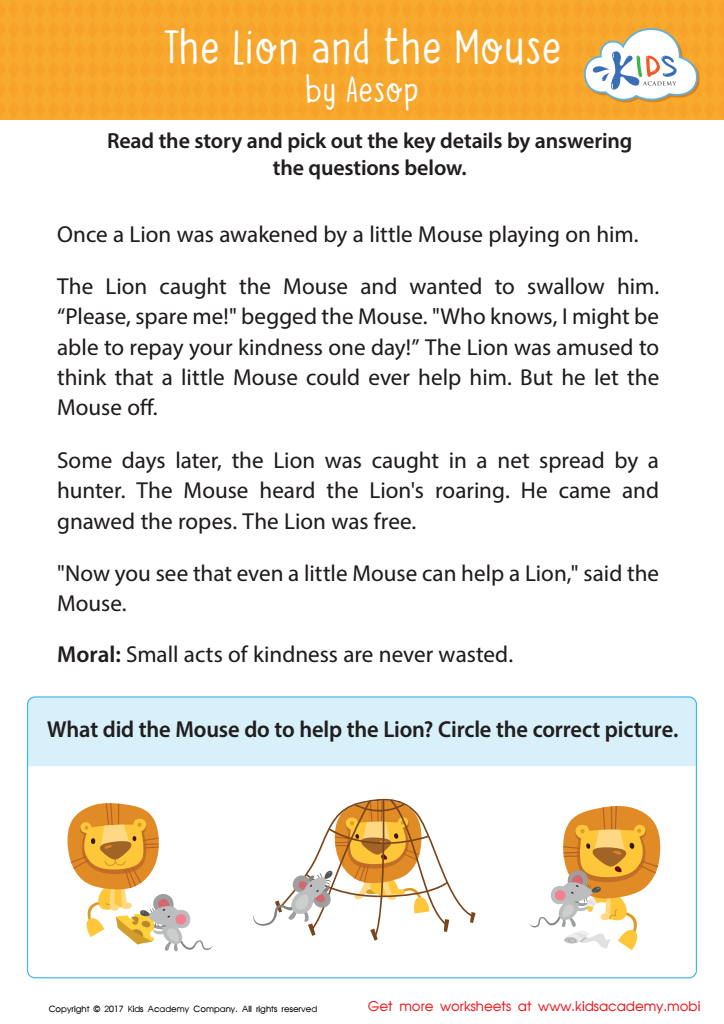
The Lion and The Mouse Sequencing Worksheet
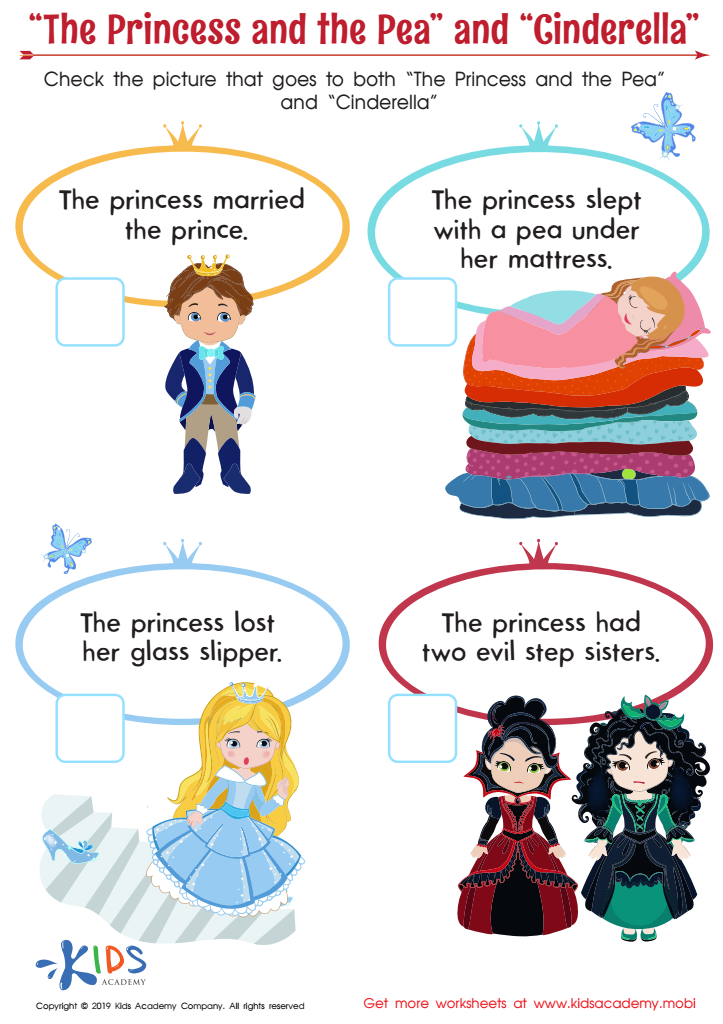
“The Princess and the Pea” and “Cinderella” Worksheet
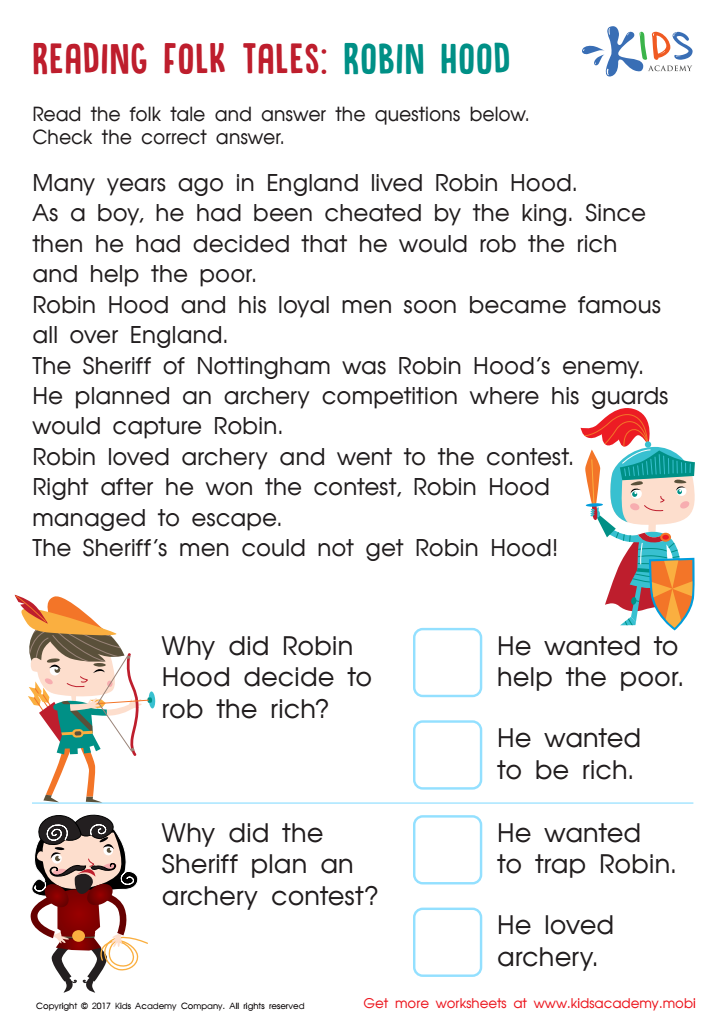
Robin Hood Folktale Worksheet
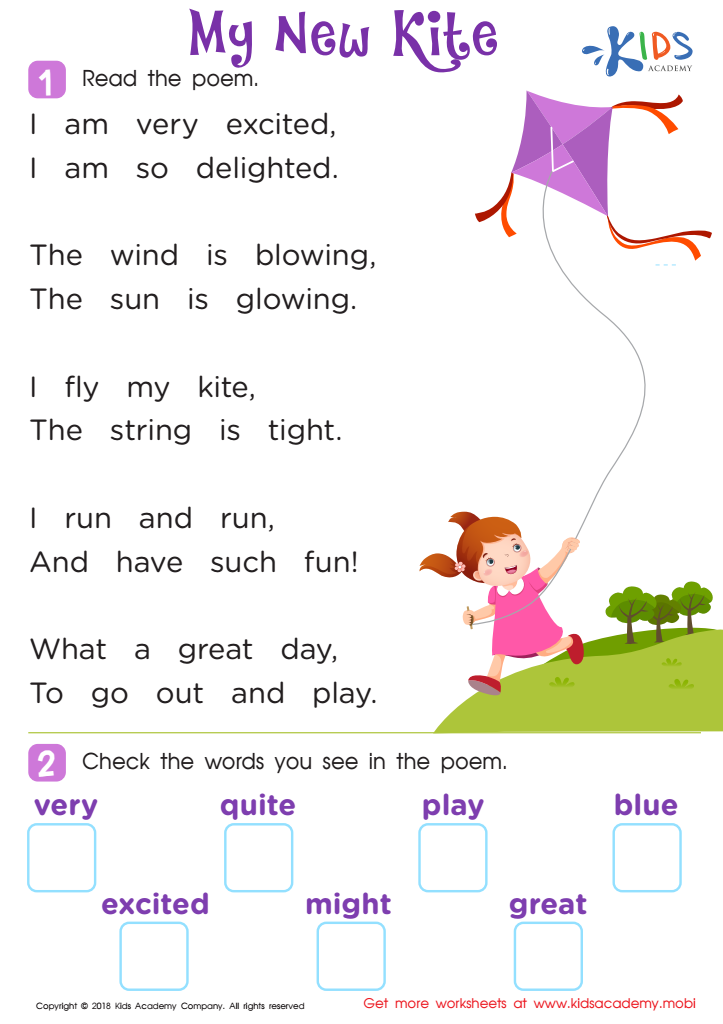
Poem: My New Kite Worksheet
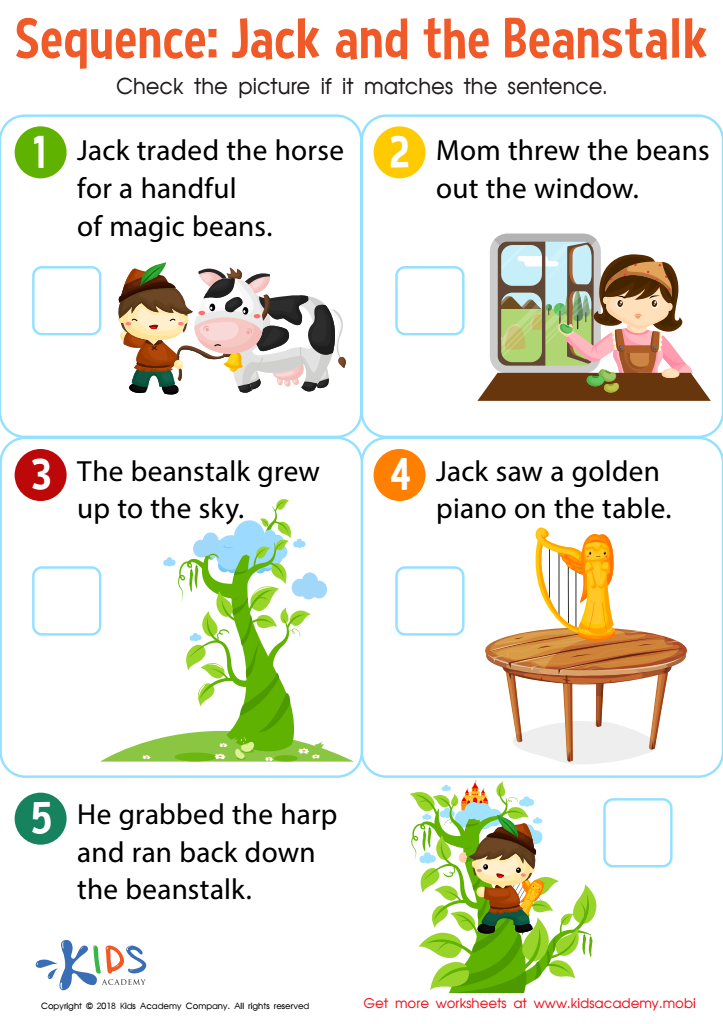
Sequence: Jack and The Beanstalk Worksheet
Folktales Printable PDF Worksheet: The 3 Little Pigs
 Assign to My Students
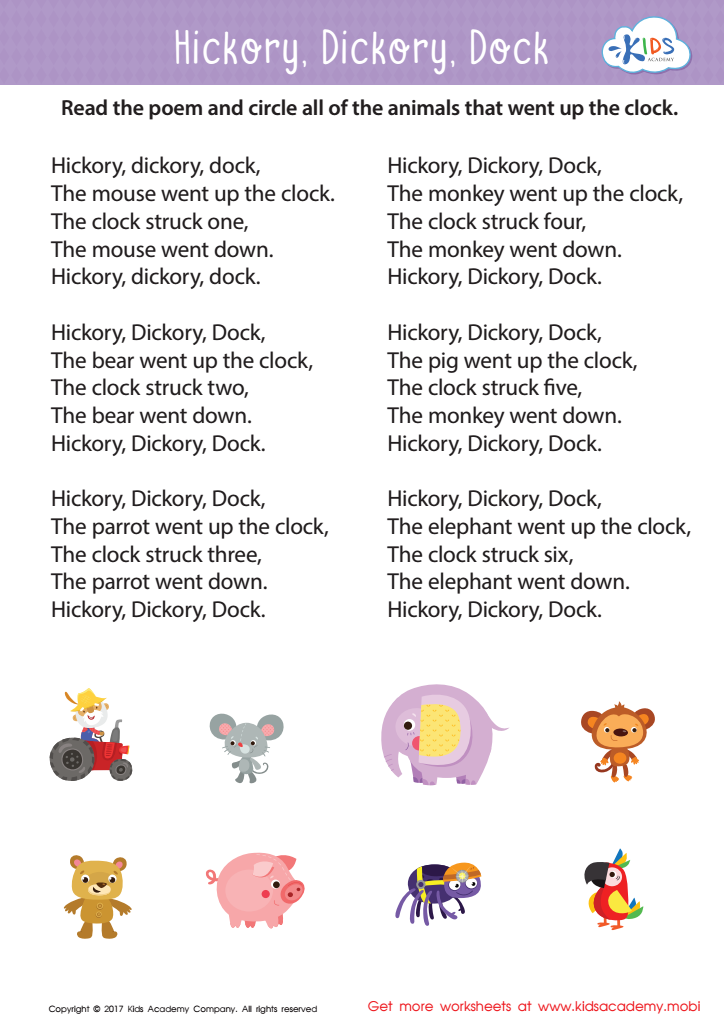
Hickory Dickory Dock Sequencing Worksheet
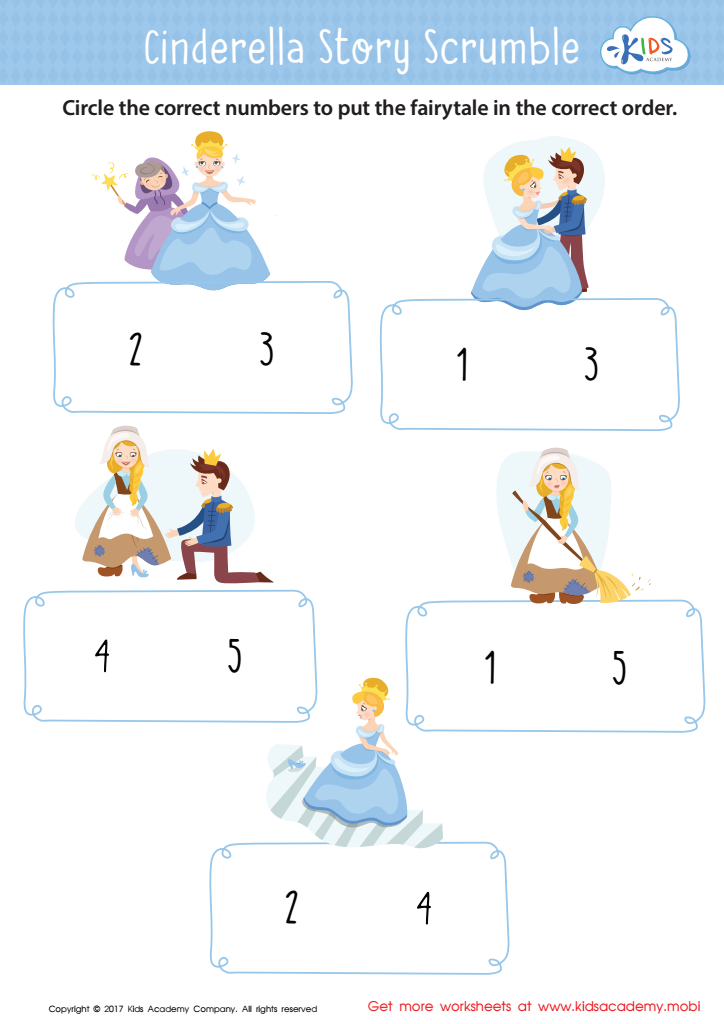
Cinderella Story Sequencing Worksheet
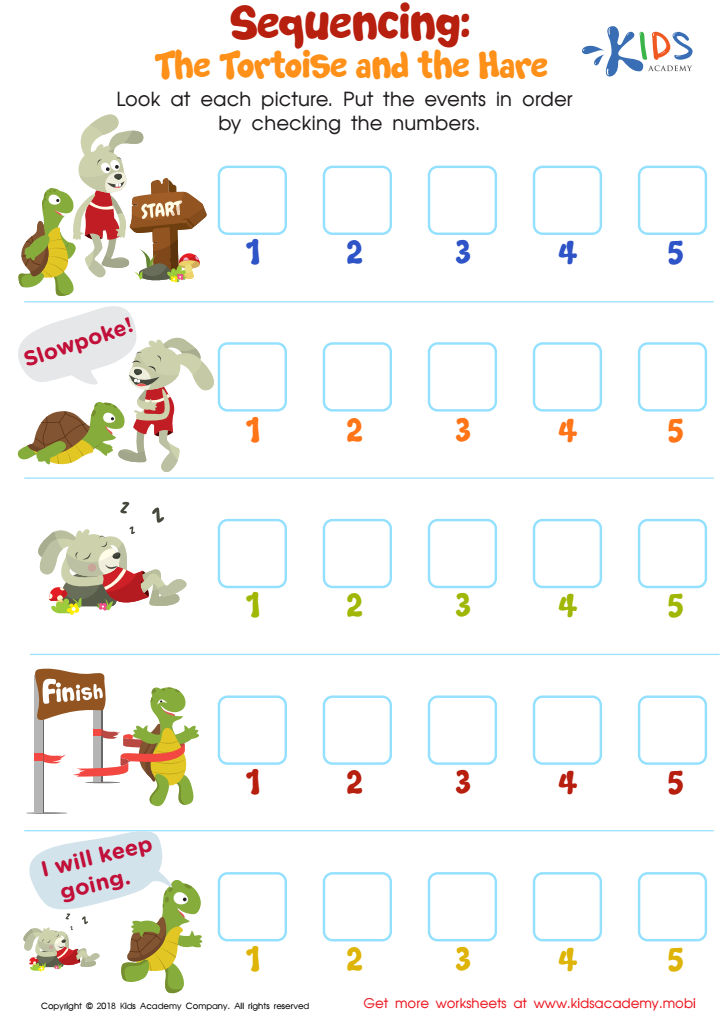
Sequencing: The Tortoise and the Hare Worksheet
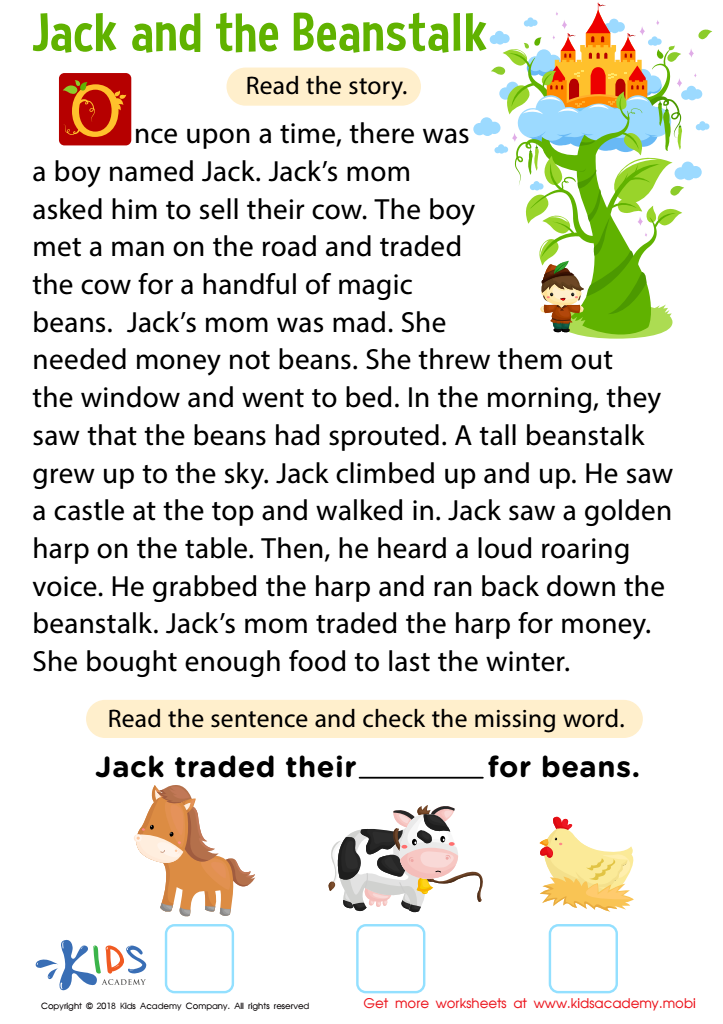
Jack and Beanstalk Worksheet
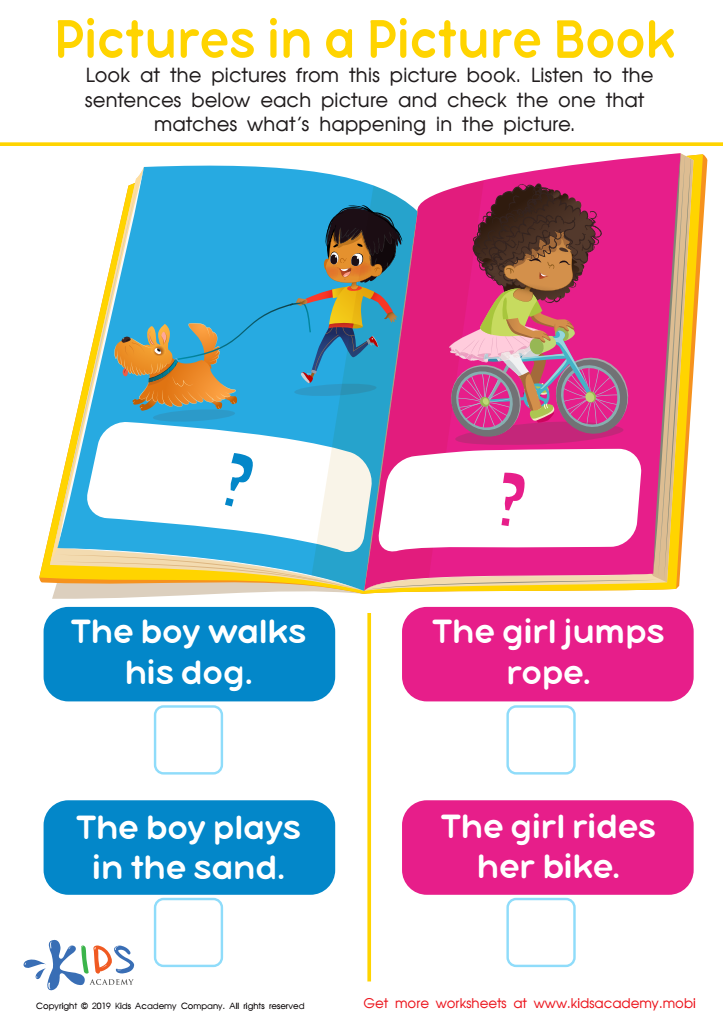
Picture in Books Worksheet
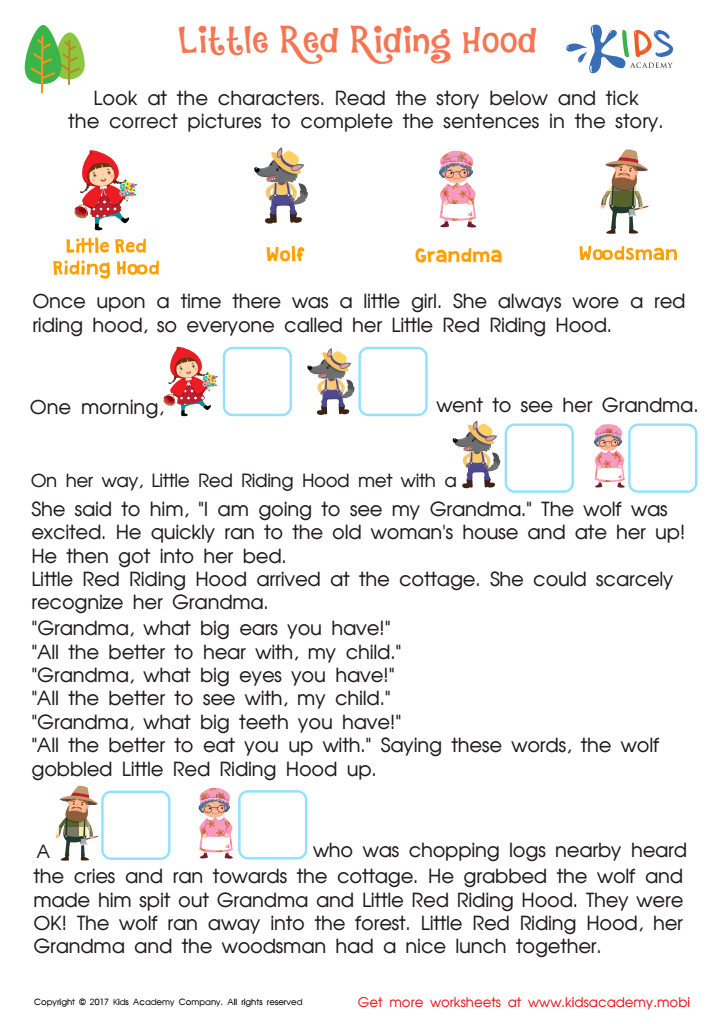
Little Red Riding Hood Printable
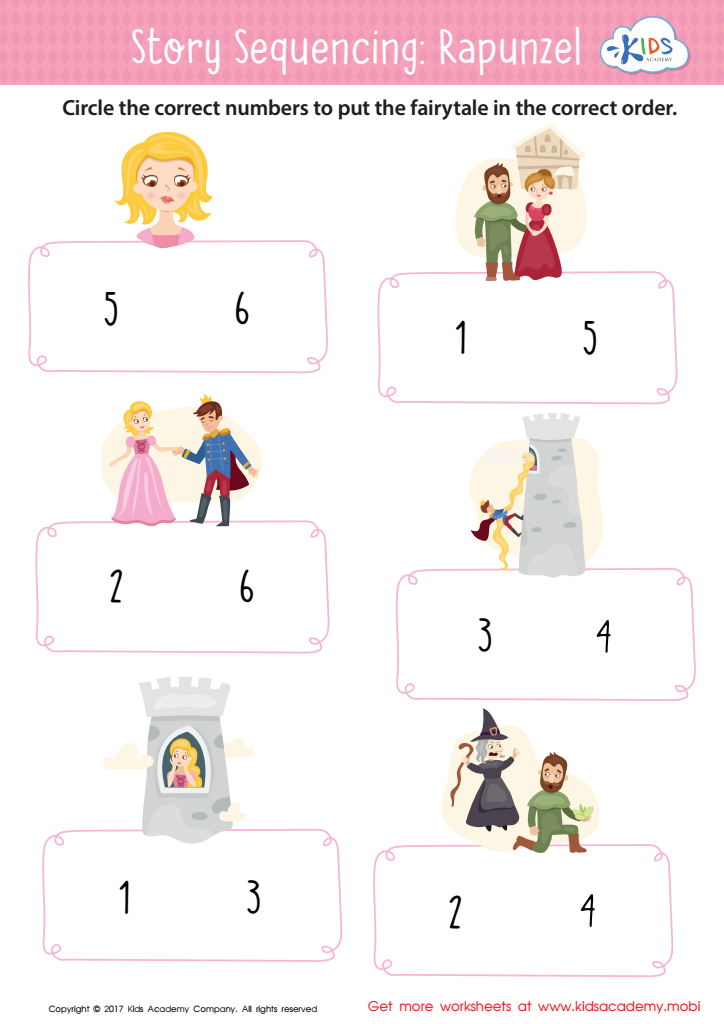
Rapunzel Story Sequencing Worksheet
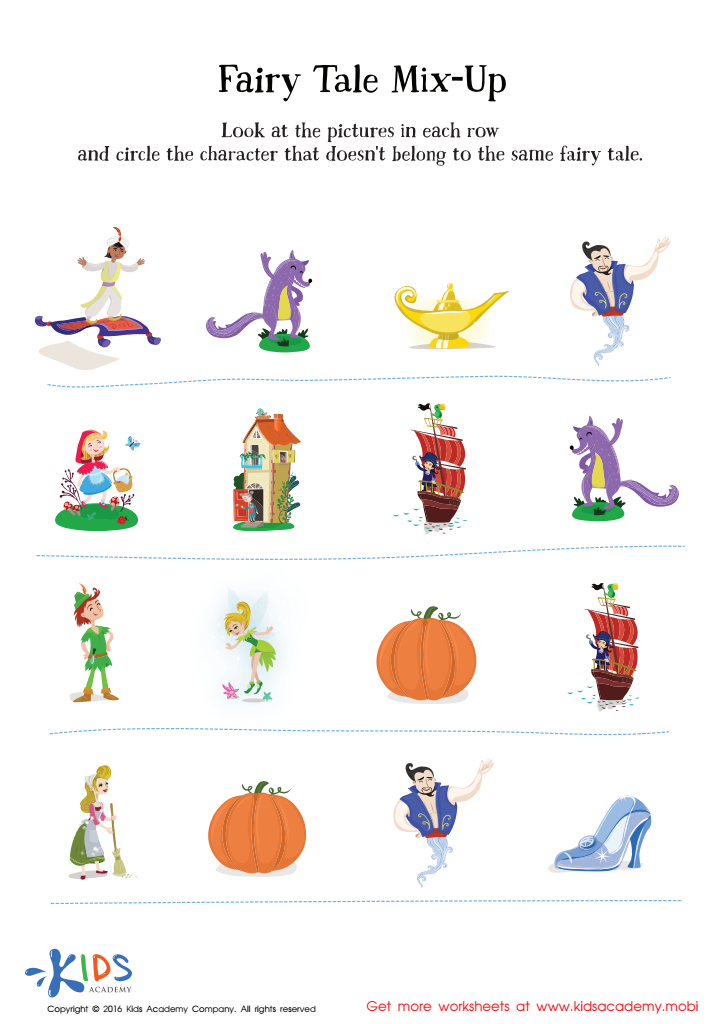
Fairy Tale Worksheet: Story Mix Up
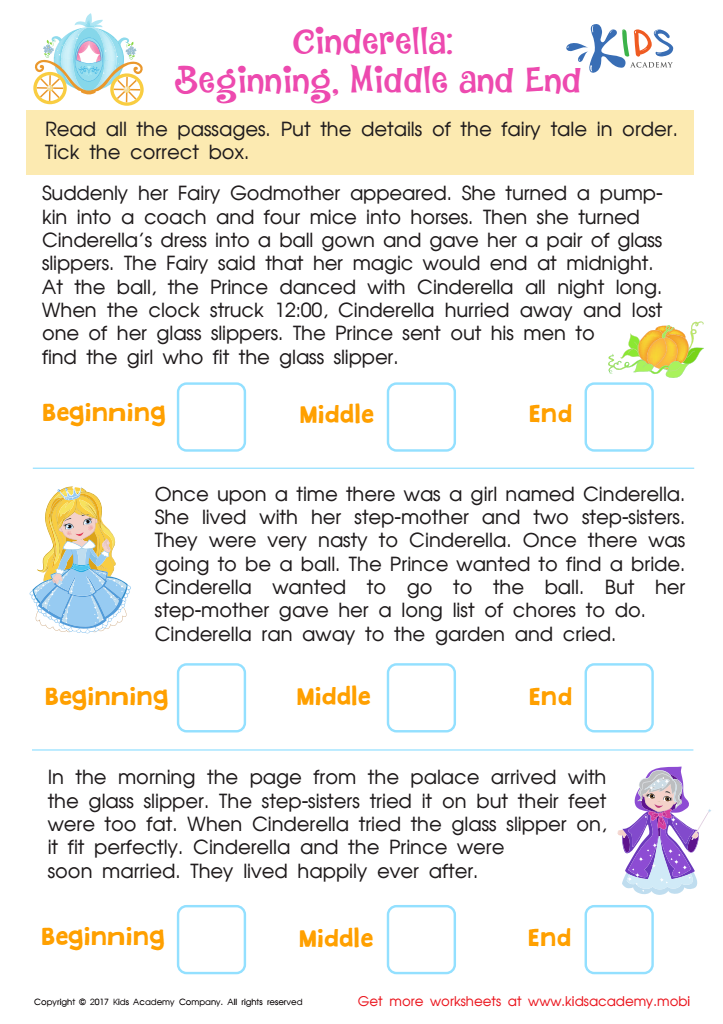
Cinderella: Beginning, Middle and End Worksheet
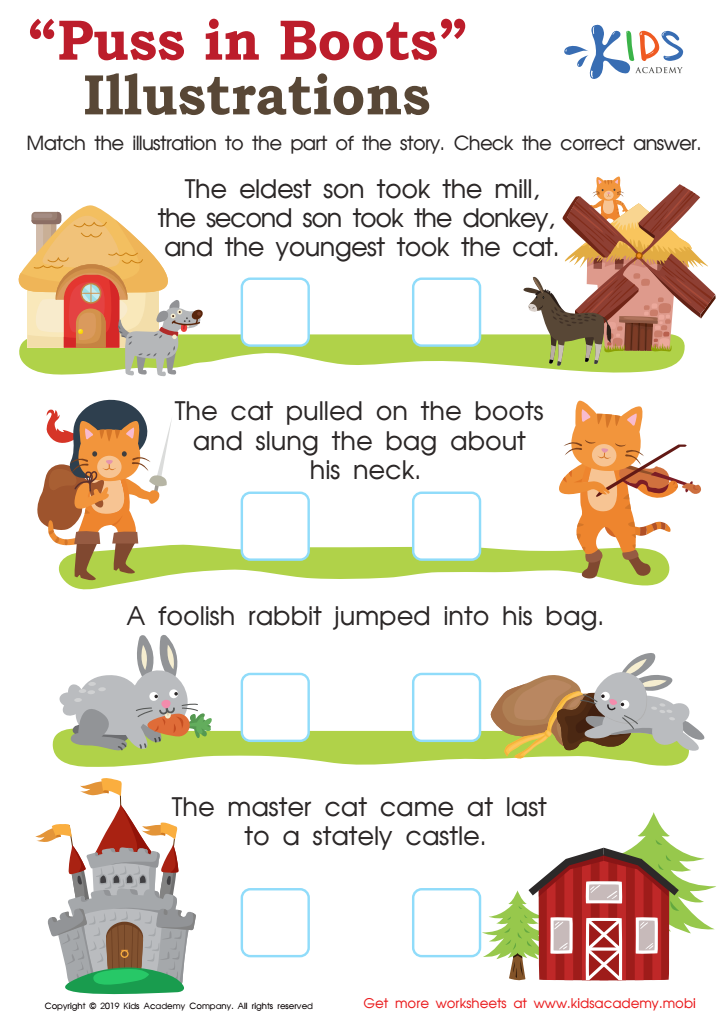
Puss in Boots Illustrations Worksheet
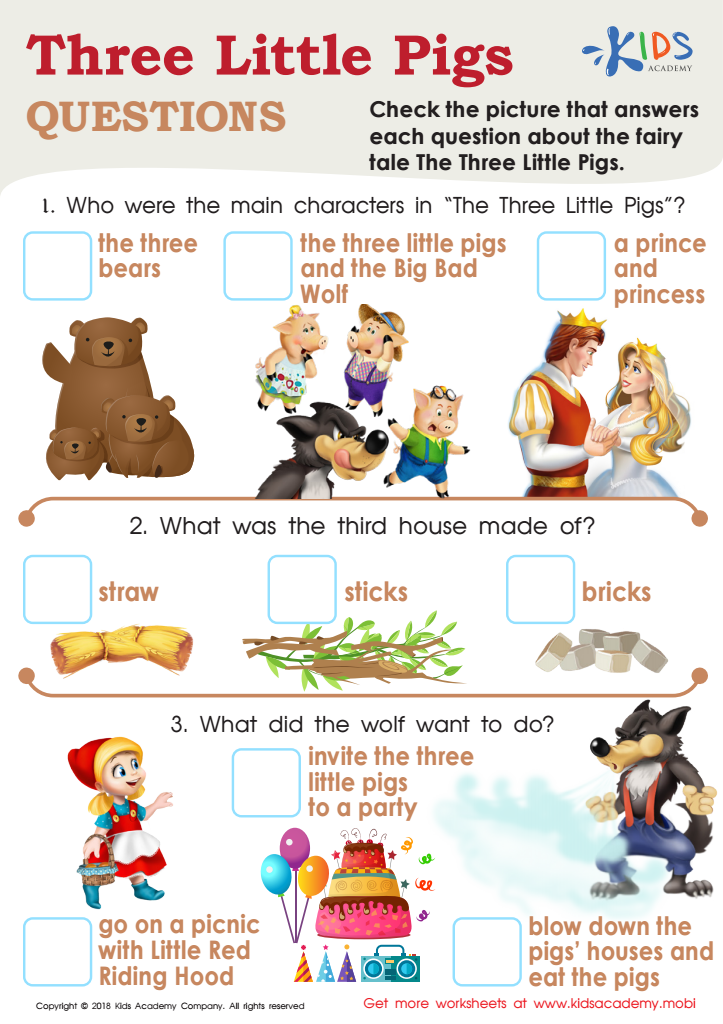
Three Little Pigs Questions Worksheet
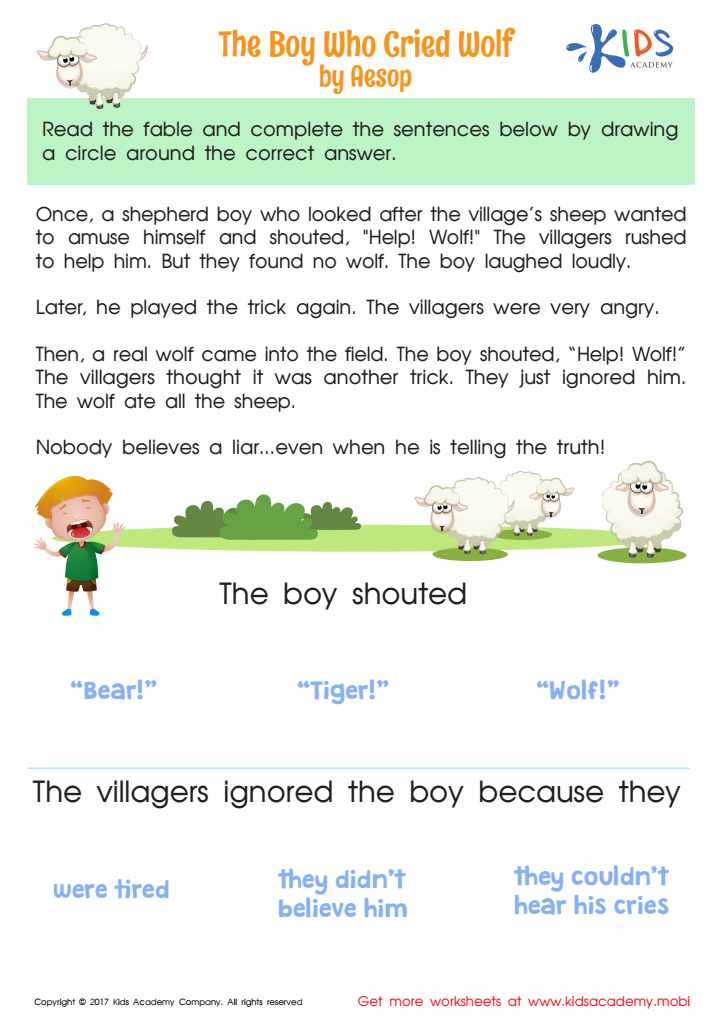
The Boy Who Cried Wolf Worksheet
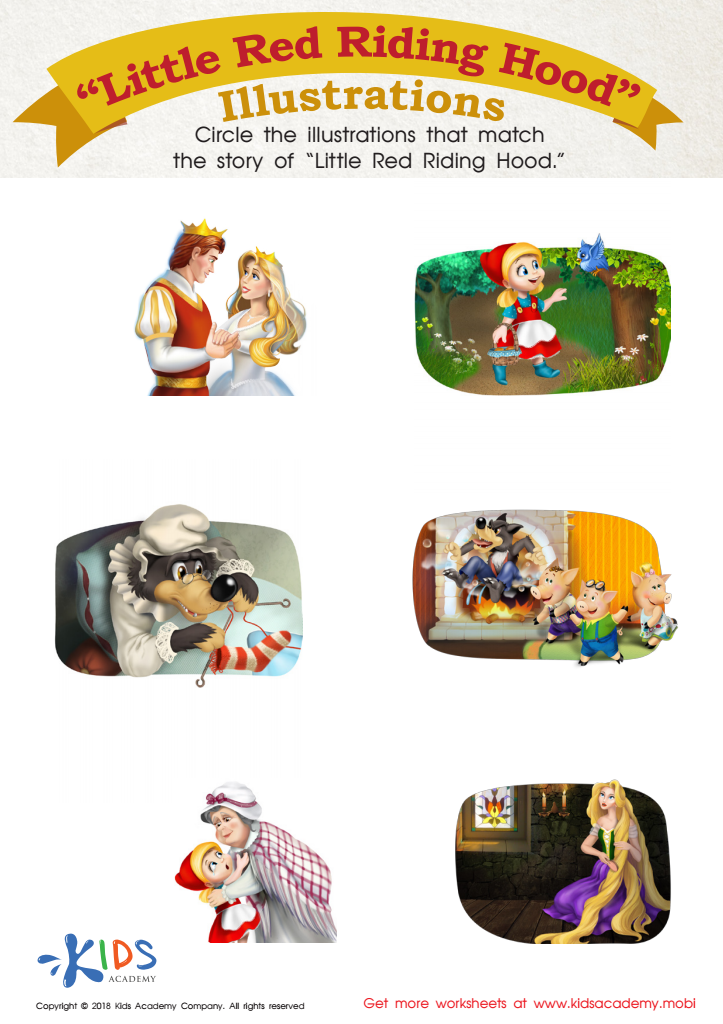
Little Red Riding Hood: Illustrations Worksheet
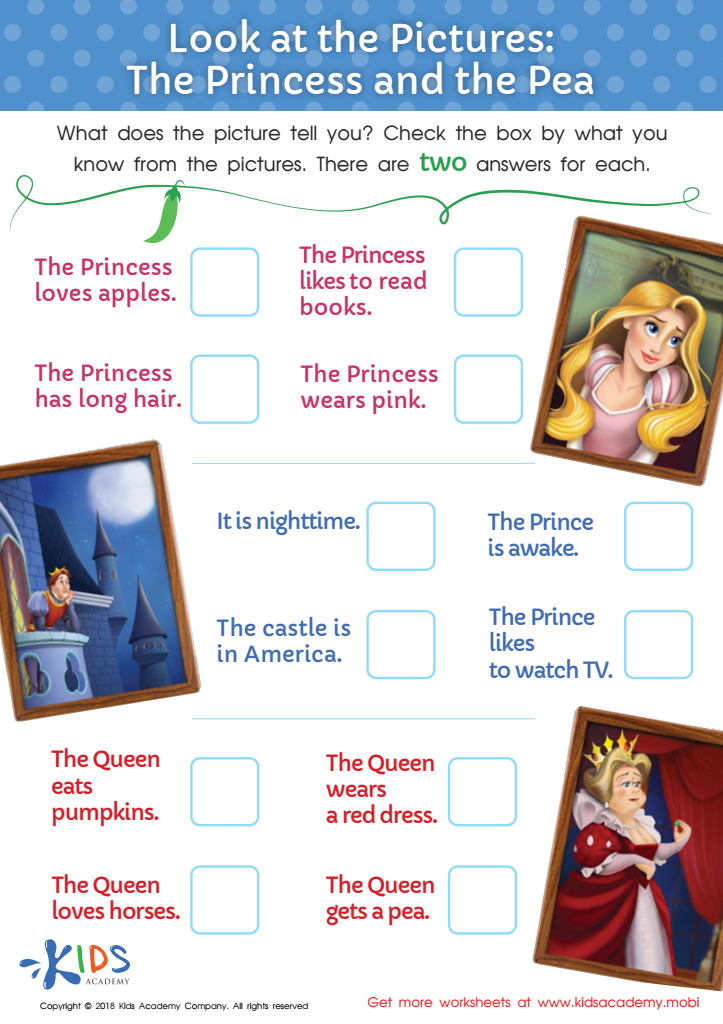
Look at the Pictures: The Princess and the Pea Worksheet
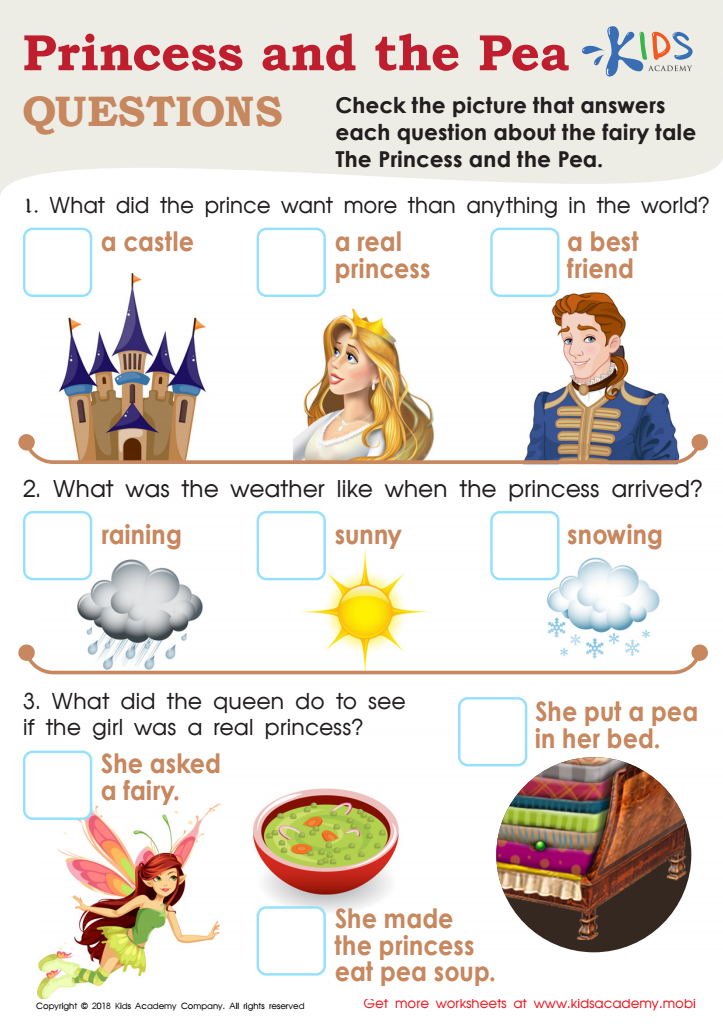
Princess and the Pea Questions Worksheet
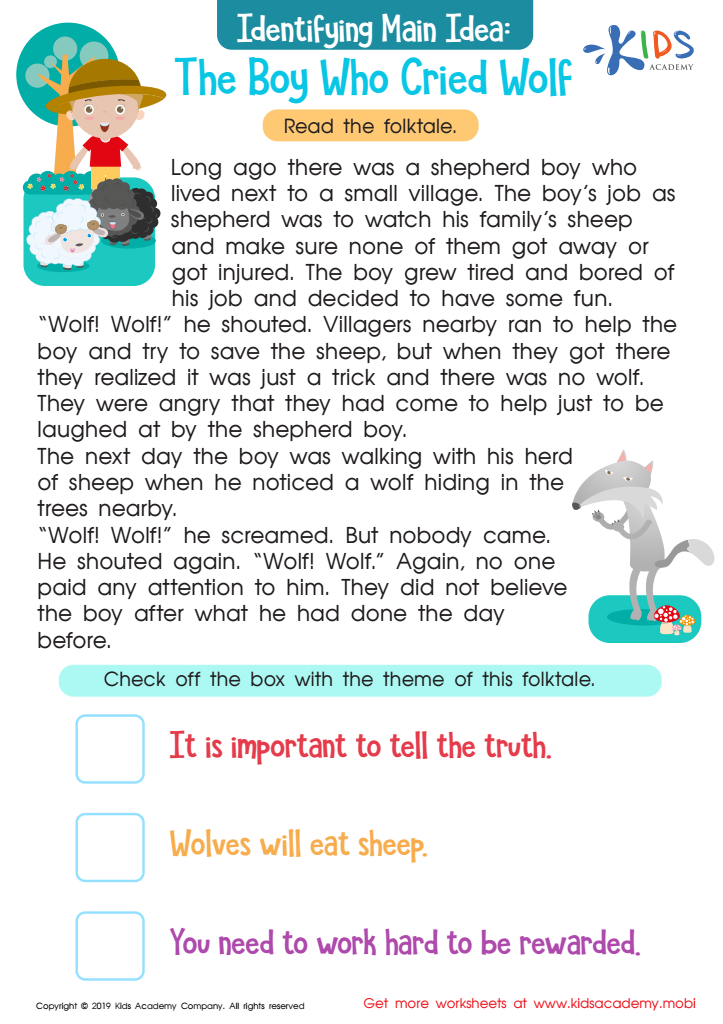
The Boy Who Cried Wolf Part 2 Worksheet
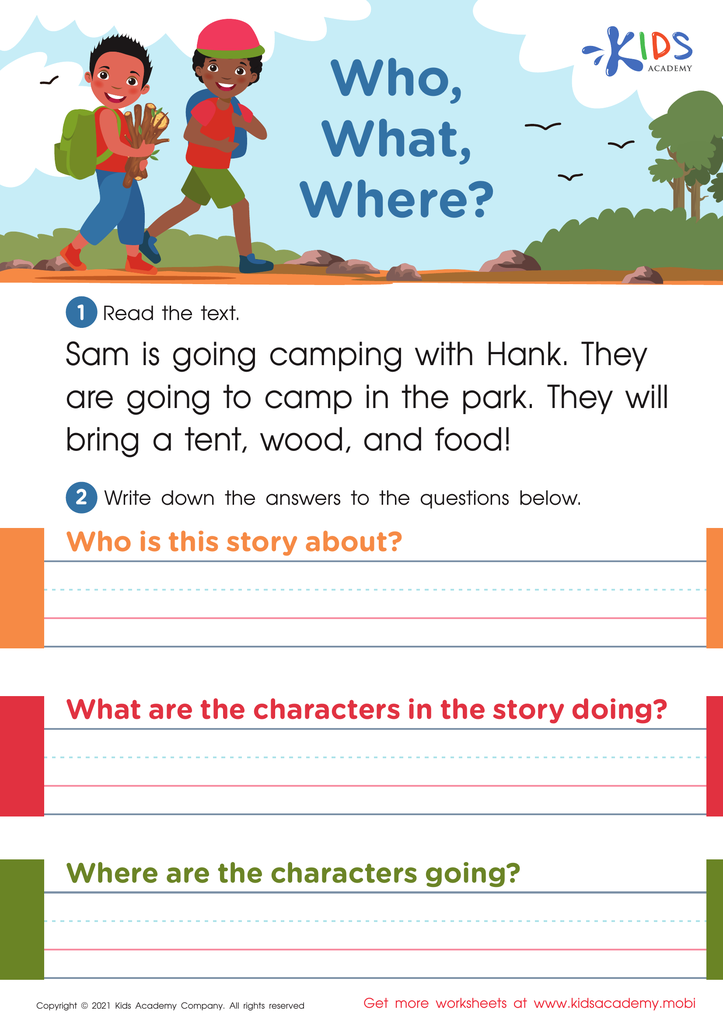
Who, What, Where? Worksheet








Story sequencing is a fundamental skill for young children that greatly enhances their reading comprehension and overall cognitive development. For ages 3-9, mastering story sequencing helps them understand the order of events, which is crucial for making sense of any narrative. When parents or teachers focus on story sequencing, they are essentially helping children grasp the concept of "beginning, middle, and end," enabling them to follow and retell stories accurately.
This skill is pivotal because it sharpens children's logical and critical thinking abilities. Recognizing how events are interconnected encourages children to predict outcomes and understand cause-and-effect relationships, both of which are key components of advanced comprehension. Additionally, story sequencing supports language development by expanding vocabulary and improving sentence structure, aiding in both spoken and written communication.
Furthermore, good story sequencing skills are linked to better retention and recall of information, as children learn to organize their thoughts more effectively. This is not just crucial for literacy; it plays a significant role in various academic subjects and life skills. When children can sequence events and ideas coherently, they are better prepared for complex problem-solving and reasoning tasks in future learning. Hence, nurturing this skill lays a strong foundation for academic success and intellectual growth.








